Le Yeti
Le Gai Pinson sits on Route Blanche in Les Rousses, a Jura plateau village where altitude, pasture, and forest shape what ends up on the plate. In a region defined by comté, morteau, and vin jaune, this address occupies a quieter corner of the local dining scene, worth knowing for anyone spending serious time in the massif.
Pearl is the En Primeur Club membership app — saves, bookings, and concierge access live there. Same editors, same standards.
- Address
- 1465 Rte Blanche, 39220 Les Rousses, France
- Phone
- +33384600215
- Website
- hotelgaipinson.com
- Directions
- Get directions
 Saves & bookings on Pearl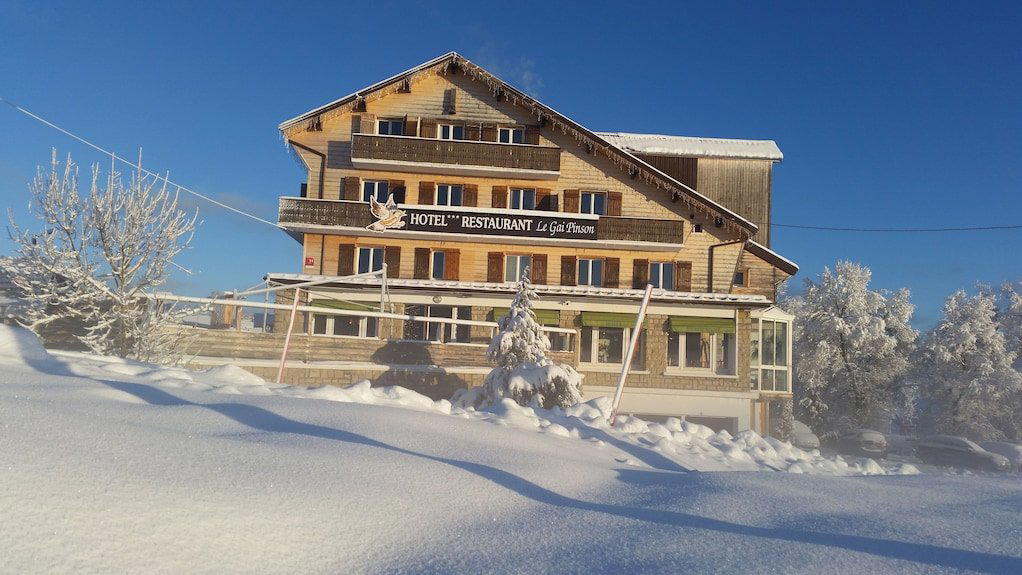
Dining at Altitude: How the Jura Plateau Defines What's on the Plate
The Haut-Jura massif operates on its own agricultural logic. At roughly 1,100 metres, Les Rousses sits inside a protected regional park where the grazing calendar, the forest cover, and the microclimate collectively determine what producers can actually grow, raise, and age. That pressure, the same one that gave the world comté AOP and vin jaune, shapes every serious kitchen in the area, including Le Gai Pinson on Route Blanche. The address is not conspicuous. There are no marquee signs announcing a destination restaurant, and that restraint is itself a signal: this is a village dining room oriented toward the people who live and ski here, not toward culinary tourism.
The Jura Sourcing Framework: Why Provenance Matters Here More Than Most Places
France has many regions that claim tight producer relationships, but the Jura's case is structurally different. The AOP designations governing comté, morbier, bleu de Gex, and saucisse de Morteau create documented geographic boundaries around specific ingredients. A kitchen in Les Rousses that sources within those frameworks is working with products whose provenance is legally defined and independently audited, not a marketing narrative. That's a meaningful distinction from, say, a Paris restaurant claiming regional inspiration while sourcing from national distributors.
The regional ingredient stack in the Haut-Jura is narrow but deep. Comté, aged anywhere from four to thirty-six months by affineurs like Marcel Petite in Fort Saint-Antoine, roughly an hour's drive from Les Rousses, provides a umami baseline that Gruyère-adjacent cheeses from other regions can't replicate. Morteau sausage, smoked over juniper and sawdust in traditional tuyés, carries a flavour profile tied directly to that process. Vin jaune from Château-Chalon, with its oxidative, walnut-inflected character developed under voile yeast, functions as both a cooking ingredient and a pairing anchor in ways that make substitution genuinely disruptive to a dish. Any kitchen in this valley that takes sourcing seriously is working within constraints that are as creative as they are geographic.
For comparison, Bras in Laguiole built its identity around terroir-driven sourcing in another isolated French plateau context, the Aubrac, demonstrating that altitude and agricultural specificity can sustain serious culinary ambition outside major metropolitan centres. The same logic applies here, at a more modest register.
Where Le Gai Pinson Sits in the Local Dining Pattern
Les Rousses supports a dining ecosystem shaped by ski season peaks and the quieter summer hiking and cycling trade. The village has a handful of established addresses: Chalet Regain and NONNÀ represent other local options worth knowing. Le Gai Pinson on Route Blanche occupies a position in that ecosystem as a neighbourhood-facing address rather than a trophy destination.
That category of restaurant, locally anchored, ingredient-driven, without the apparatus of awards or destination marketing, is increasingly important to understand as a distinct tier. French regional dining has historically operated through this format: the village auberge or brasserie that sources well, executes honestly, and builds its reputation over years through repeat local custom rather than through international press. The contrast with the Michelin-decorated end of French dining, represented by addresses like Flocons de Sel in Megève or Mirazur in Menton, is one of ambition and register, not necessarily of ingredient quality.
Further afield, the French tradition of serious regional cooking outside Paris is documented by addresses like Troisgros in Ouches, Auberge de l'Ill in Illhaeusern, and Georges Blanc in Vonnas, all of which built multi-decade identities around specific regional product. The Jura equivalent operates at lower volume and lower profile, but the underlying logic is consistent: place determines produce, and produce determines cooking.
Planning a Visit: What to Know Before You Go
Le Gai Pinson is located at 1465 Route Blanche, 39220 Les Rousses. For visitors arriving from Geneva, one common international gateway for the Haut-Jura, the drive takes approximately one hour via the N5 through Gex and the Col de la Faucille. From Lons-le-Saunier to the west, the approach through the valley takes roughly ninety minutes.
The Jura dining season has two peaks: the winter ski period from December through March, when Les Rousses operates at near-full capacity as a resort, and a quieter but growing summer season driven by cycling (the area sits along Grand Traversée du Jura routes) and hiking. Visitors outside those windows will find the village considerably quieter, which affects kitchen hours and availability at smaller addresses. Confirming opening days before travel is advisable regardless of season.
Price per person is about $25. In the context of the Haut-Jura more broadly, the regional dining tier occupied by village addresses runs meaningfully below the price points of starred Alpine restaurants like those at Megève or Chamonix, reflecting both the lower cost base and the local clientele orientation of the market.
French Regional Dining in Broader Context
The Jura sits at an interesting position in the French culinary map: less discussed than Burgundy or Lyon, less scenically marketed than Provence, but with a producer depth that serious food travellers have increasingly recognised. Addresses like Paul Bocuse's Auberge du Pont de Collonges, Auberge du Vieux Puits in Fontjoncouse, and Au Crocodile in Strasbourg demonstrate how France's regional dining traditions operate through deeply place-specific product logic. The Jura version of that logic centres on aged cheese, cured pork, and oxidative wine, a short list, but one with genuine depth.
For those building a broader France itinerary that takes regional specificity seriously, pairing a Jura visit with addresses like Christopher Coutanceau in La Rochelle or AM par Alexandre Mazzia in Marseille makes geographic and culinary sense as a study in how different French terroirs produce different cooking approaches. At the international end, Alléno Paris au Pavillon Ledoyen represents the farthest point on the creative spectrum from village-format Jura cooking, useful reference for calibrating expectations. For international comparison, Le Bernardin in New York City and Atomix show how sourcing-led narratives function in high-investment urban formats, a useful contrast to the quieter regional model. Similarly, Assiette Champenoise in Reims illustrates how another French region, Champagne, builds fine dining identity around place-specific product.
What's the must-try dish at Le Gai Pinson?
The kitchen leans into traditional French Jura regional cooking, with comté, Morteau sausage, and vin jaune forming the local baseline.
Can I walk in to Le Gai Pinson?
Reservations are recommended.
What's Le Gai Pinson leading at?
Traditional Jura sourcing and regional comfort cooking define the kitchen here.
Can Le Gai Pinson accommodate dietary restrictions?
Please contact the restaurant in advance about dietary restrictions.
Is eating at Le Gai Pinson worth the cost?
At about $25 per person, it is a modestly priced option for Jura-focused dining.
How does Le Gai Pinson fit into a broader Jura food itinerary?
Les Rousses is positioned within reach of several of the Jura's most significant food production sites: the Fort Saint-Antoine comté affinage caves near Pontarlier, the Château-Chalon vin jaune appellation to the west, and the tuyé smokehouse tradition for Morteau sausage centred around Montbéliard. A visit to Le Gai Pinson pairs naturally with producer visits in the region, making it a practical base for anyone approaching the Jura as a serious food geography rather than a resort stop.
Comparable Venues
Comparable venues nearby, for context on price, style, and recognition.
| Venue | Cuisine | Price | Notes |
|---|---|---|---|
| Le Gai PinsonThis venue — the venue you are viewing | Traditional French Jura Regional | $$ | Not listed |
| NONNÀ | Modern French Bistro with Regional Specialties | $$ | Les Rousses |
| Chalet Regain | Traditional Jura French | $$ | Les Rousses |
| Rita&Albert | French-Spanish Fusion | $$ | Sergy |
| Le Petit Polonais | Traditional French Bistro with Franche-Comté Specialties | $$ | Centre-ville |
| ANTHOCYANE | French Wine Bistrot | $$ | Beaune center |
Continue exploring
More in Les Rousses
Restaurants in Les Rousses
Browse all →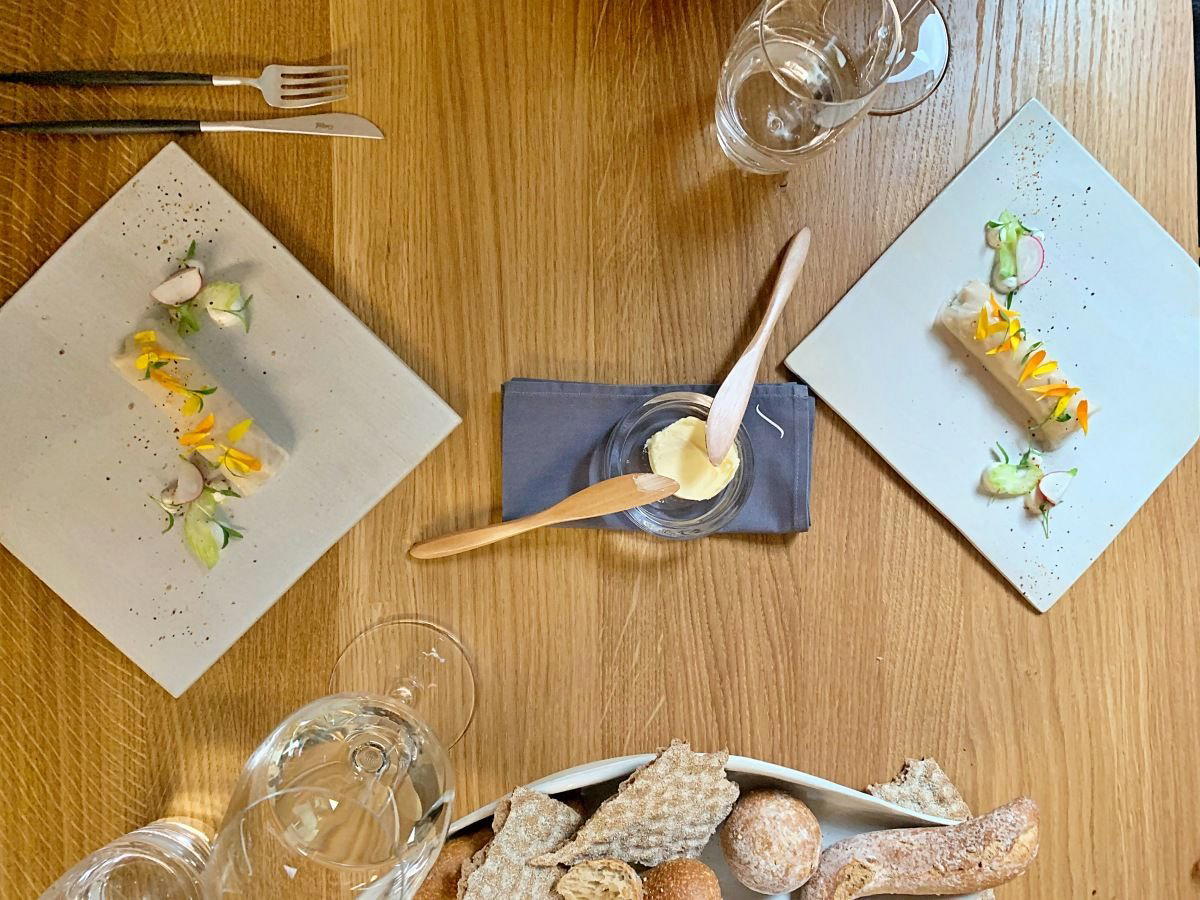
Bars in Les Rousses
Browse all →
Hotels in Les Rousses
Browse all →

At a Glance
- Rustic
- Cozy
- Classic
- Family
- Casual Hangout
- Terrace
- Local Sourcing
- Mountain
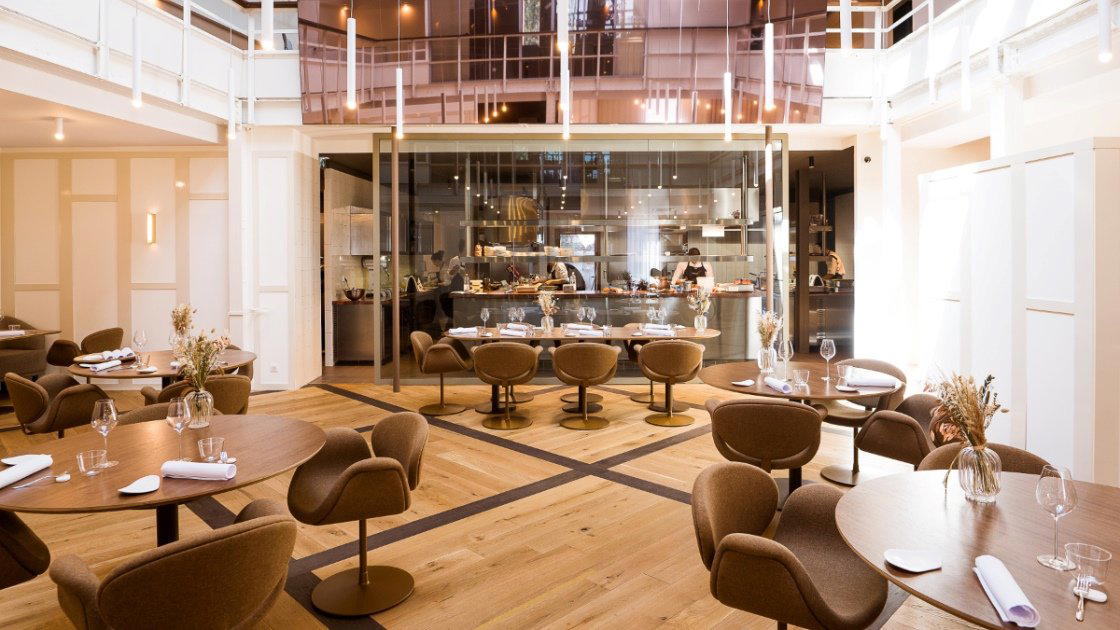
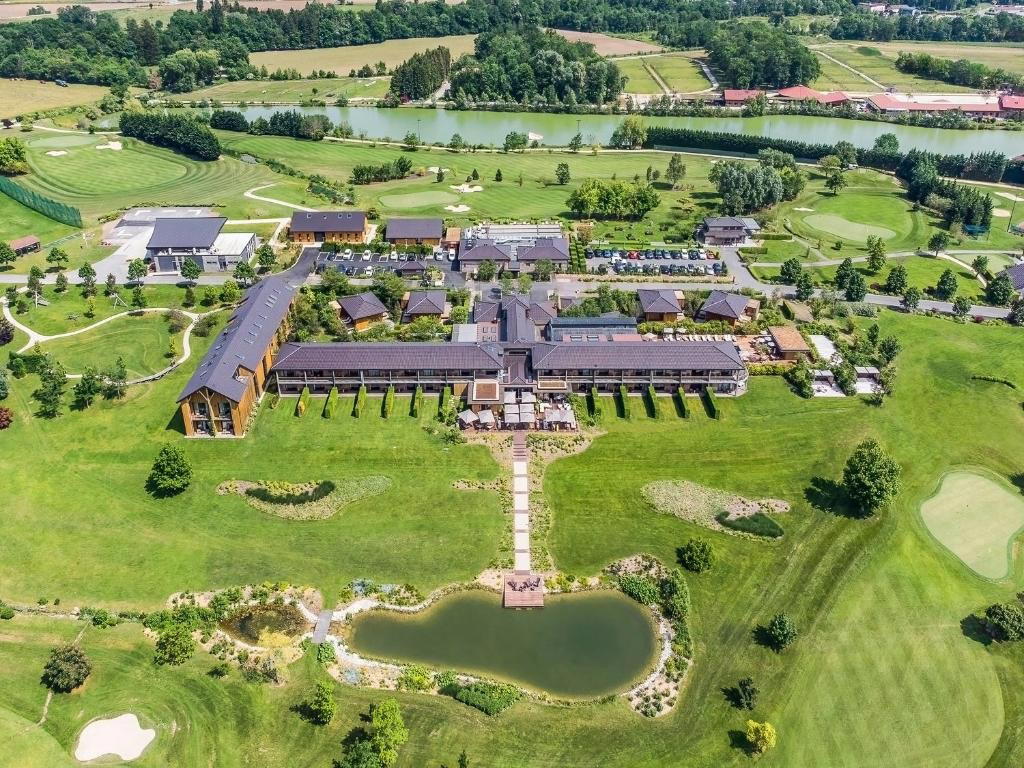
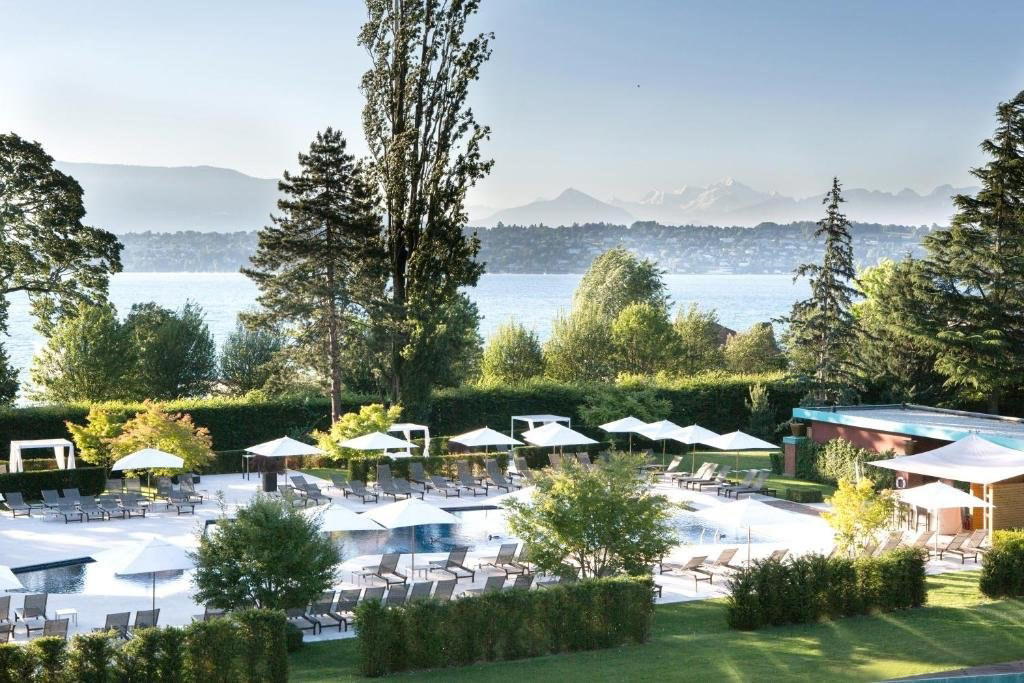
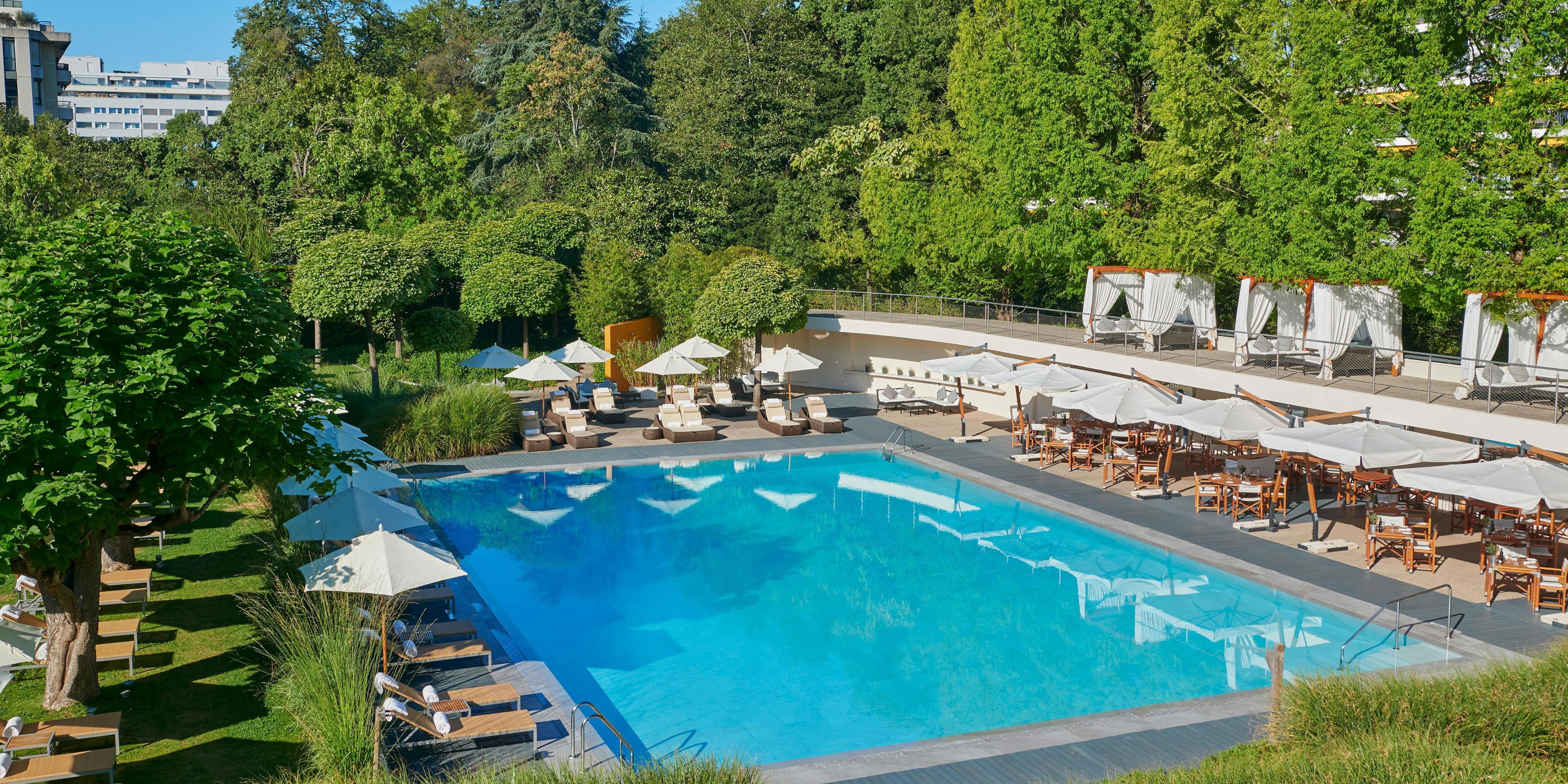
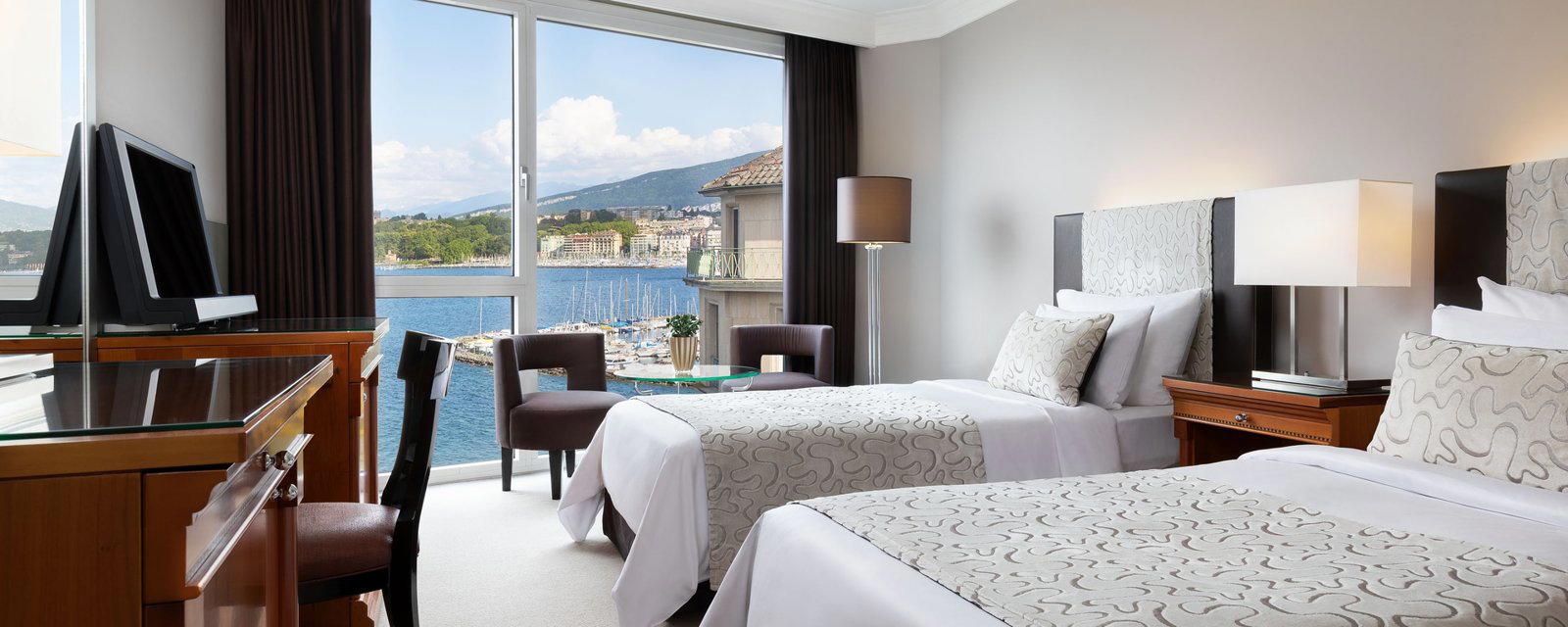
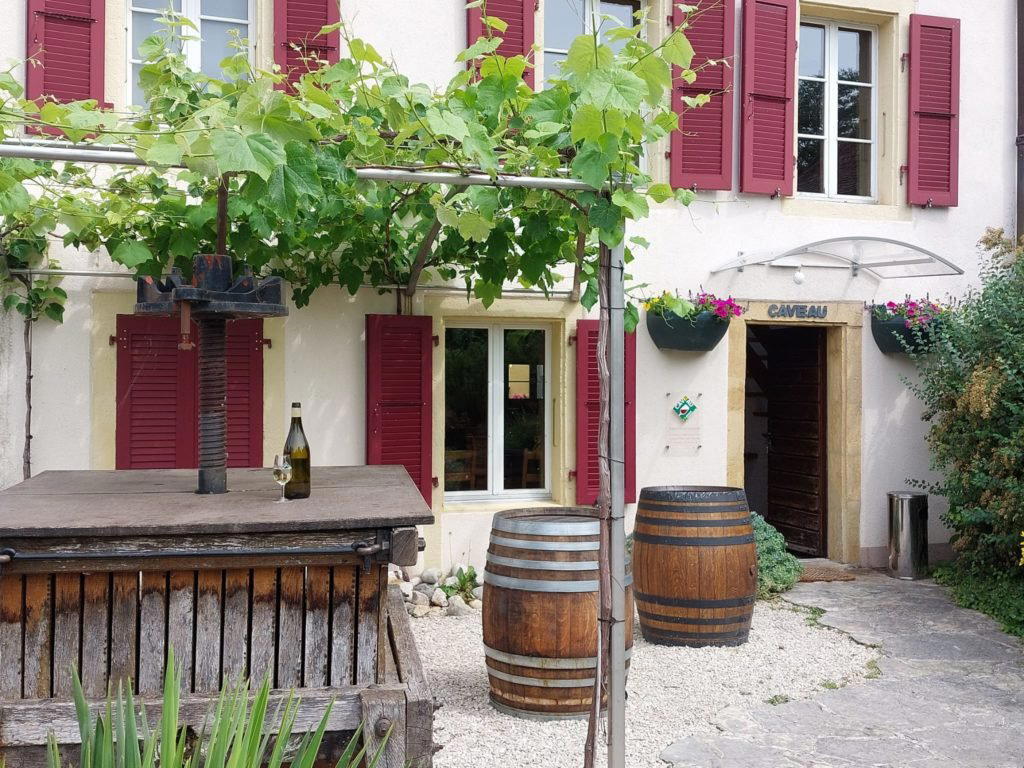
Cozy chalet-style interior blending traditional mountain decor with modern comfort, convivial and welcoming atmosphere.