On a quiet lane just inside Beaune's medieval ramparts, Anthocyane occupies the kind of address that rewards visitors who look beyond the town's well-trodden wine-bar circuit. The restaurant draws its identity from Burgundy's agricultural calendar and the sourcing traditions that define serious cooking in this part of France, placing it alongside Beaune's more considered dining options rather than its tourist-facing brasseries.
Pearl is the En Primeur Club membership app — saves, bookings, and concierge access live there. Same editors, same standards.
- Address
- 4 Rue Poterne, 21200 Beaune, France
- Phone
- +33981024647
- Website
- instagram.com
- Directions
- Get directions
 Saves & bookings on Pearl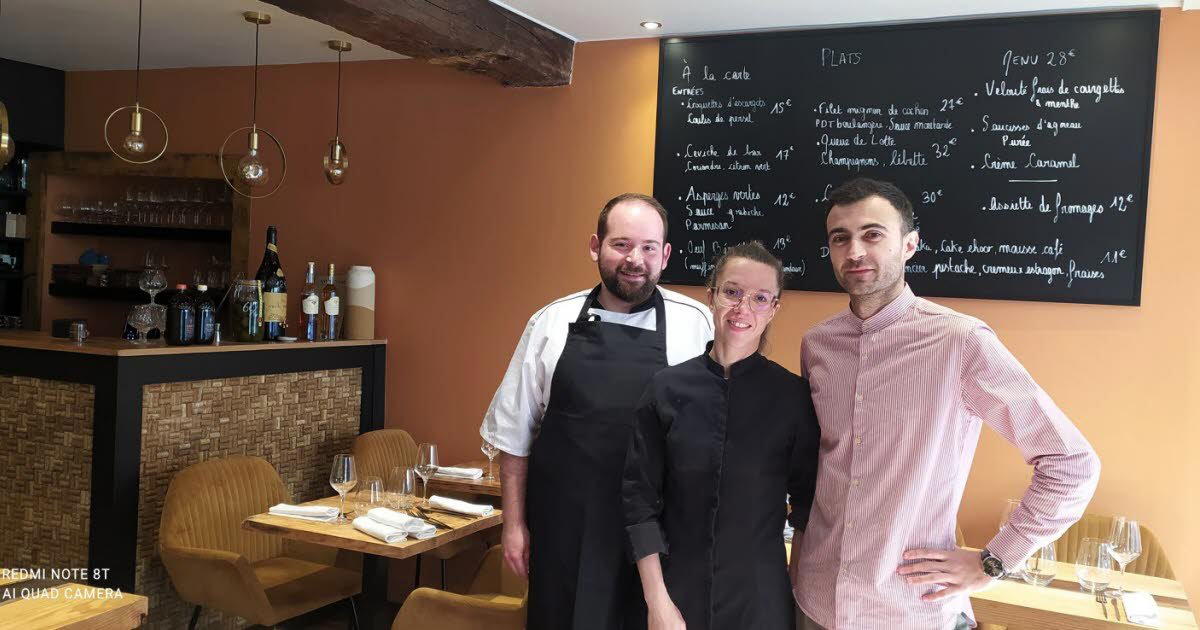
A Street Off the Main Circuit
Rue Poterne sits inside Beaune's ring of medieval walls, away from the Hôtel-Dieu crowds and the wine-shop corridor that most visitors trace on autopilot. The address alone signals something about the kind of restaurant Anthocyane is: not positioned for passing foot traffic, not decorated to be photographed from the street. Beaune has two distinct dining registers, the straightforwardly tourist-facing brasseries clustered near the Hospices, and a smaller tier of destination restaurants that assume guests have done some research before arriving. Anthocyane sits in the second group, on a street where you arrive because you meant to.
This matters in Burgundy more than almost anywhere else in France. The region's culinary identity has always been entangled with its agricultural one: the same philosophy of terroir that governs which plot of Pinot Noir can command a grand cru classification shapes how serious cooks here think about produce sourcing. A restaurant's address, in that sense, is a mild form of editorial statement.
Burgundy's Sourcing Logic and What It Means at the Table
The word anthocyane, the pigment responsible for the deep red and purple tones in grape skins, berries, and certain root vegetables, is not an incidental name. It points toward a kitchen with a view of its region's botanical character: the hedgerows and market gardens that supply Burgundy's leading tables sit within a short radius of Beaune, and one credible restaurants in this tier of the market build menus around those relationships rather than importing prestige ingredients from elsewhere.
Burgundy's agricultural calendar is worth understanding before any serious meal in this area. Spring brings asparagus from the Saône plain and morels from the surrounding forests. Summer shifts toward tomatoes, courgettes, and stone fruit. Autumn is one dramatic season at table: ceps and chanterelles arrive from local foragers, game from nearby hunting grounds enters the kitchen, and the harvest itself changes the mood of the town entirely. Any restaurant operating at this address, at this price tier in Beaune, is implicitly making claims about how closely it tracks that calendar. That proximity to source is what distinguishes the restaurants in this tier from the town's more generic options.
For context on how Beaune's dining scene is structured, the town’s dining landscape maps the different tiers and neighbourhoods. Locally, Anthocyane's comparable set includes Clos du Cèdre and Le Carmin, both operating in the modern cuisine register at the upper price tier, and 8 Clos, which takes a more classical Burgundian approach. BISSOH represents a different angle entirely, applying Japanese precision to local ingredients, a format that has gained traction across French wine regions in the past decade. 21 Boulevard occupies a more accessible price point and is worth knowing for comparison.
Where This Restaurant Sits in France's Broader Tradition
The Burgundy dining tradition descends from a line of French regional cooking that prizes the quality of the primary ingredient above almost everything else. This is different from the showier end of Parisian haute cuisine, closer in spirit to the philosophy you find at Bras in Laguiole, where the Aubrac plateau's specific ecology is the point of the food, or at Auberge de l'Ill in Illhaeusern, where Alsatian produce and a multi-generational relationship with local suppliers underpin every menu decision. The contrast with the more technically maximalist end of French fine dining, represented by Alléno Paris au Pavillon Ledoyen or Flocons de Sel in Megève, is instructive. Those restaurants use the region as a starting point but are fundamentally in dialogue with international haute cuisine vocabulary. Serious Burgundian cooking tends to stay closer to home.
The old anchors of the French regional tradition, Paul Bocuse's Auberge du Pont de Collonges, Troisgros in Ouches, Georges Blanc in Vonnas, and Les Prés d'Eugénie, all built their identities on extremely direct relationships with local farmers, hunters, and foragers. The leading small-town restaurants in Burgundy inherit that logic without the grand-hotel infrastructure. A room on Rue Poterne operates at a different scale than any of those institutions, but the sourcing philosophy travels downward through the tradition. Restaurants like Mirazur in Menton and La Table du Castellet show how that same ingredient-first discipline plays out in other French regions with distinct local ecologies. In America, a comparable philosophy informs places like Lazy Bear in San Francisco. At Le Bernardin in New York City, the primacy of the primary ingredient, in that case, fish, is the founding principle of the kitchen. The throughline is always the same: the sourcing decision is the culinary decision.
Planning a Visit
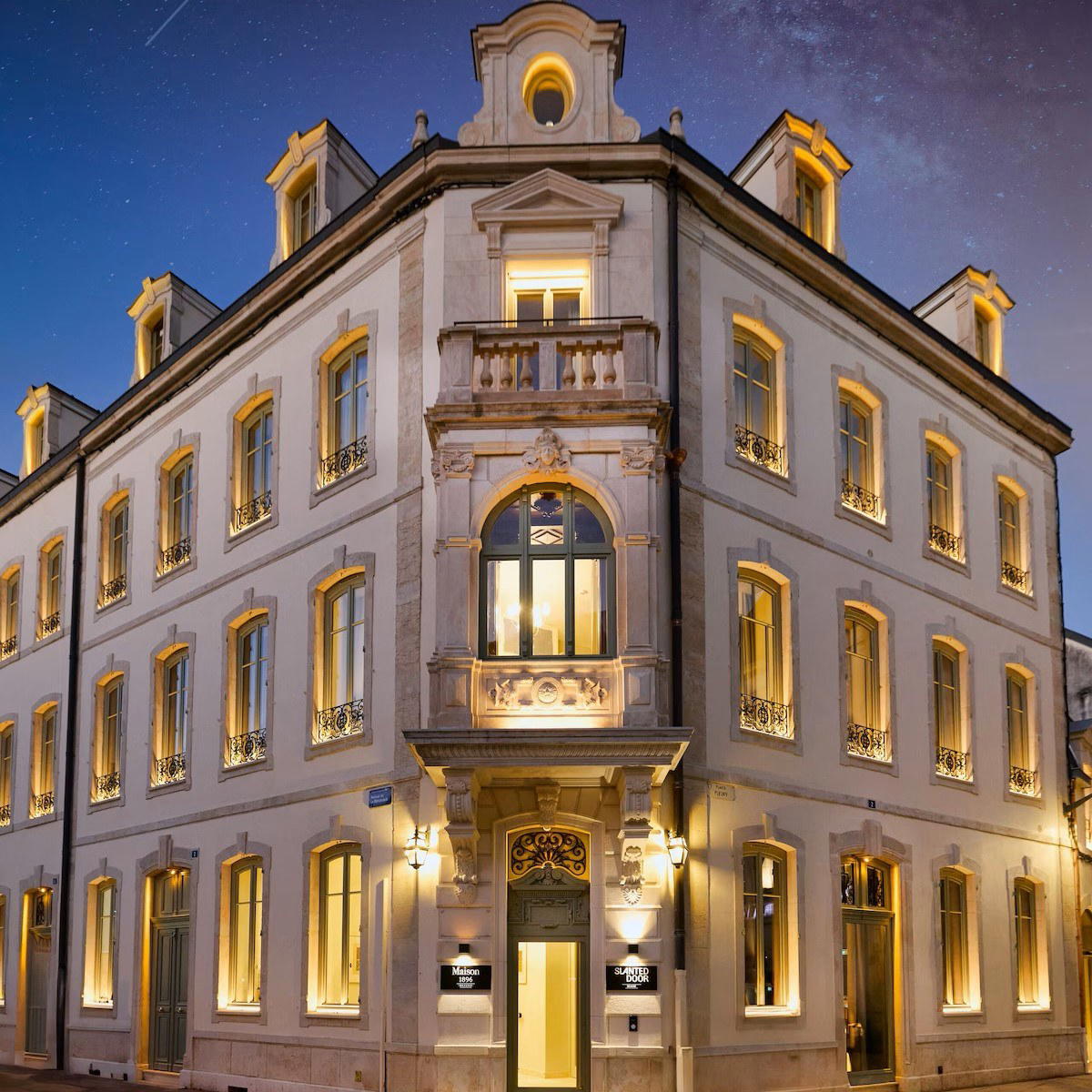
Anthocyane is at 4 Rue Poterne in central Beaune, within the old town walls and walkable from the main square and the Hospices de Beaune.
Comparison Snapshot
Comparable venues nearby, for context on price, style, and recognition.
| Venue | Cuisine | Price | Awards | Notes |
|---|---|---|---|---|
| ANTHOCYANEThis venue — the venue you are viewing | French Wine Bistrot | $$ | Not listed | Not listed |
| Le Conty | Traditional Burgundian French Bistro | $$ | Not listed | historic center |
| Koki | Japanese Conveyor Belt Sushi | $$ | Not listed | city center |
| BISSOH | Japanese Fusion Sushi | $$$ | Not listed | Centre-ville |
| Garum | Modern French Bistro | $$$ | Michelin Plate | centre-ville |
| Le Bistrot Bourguignon | Classic Burgundian Bistro | $$ | Not listed | city center |
Continue exploring
More in Beaune
Restaurants in Beaune
Browse all →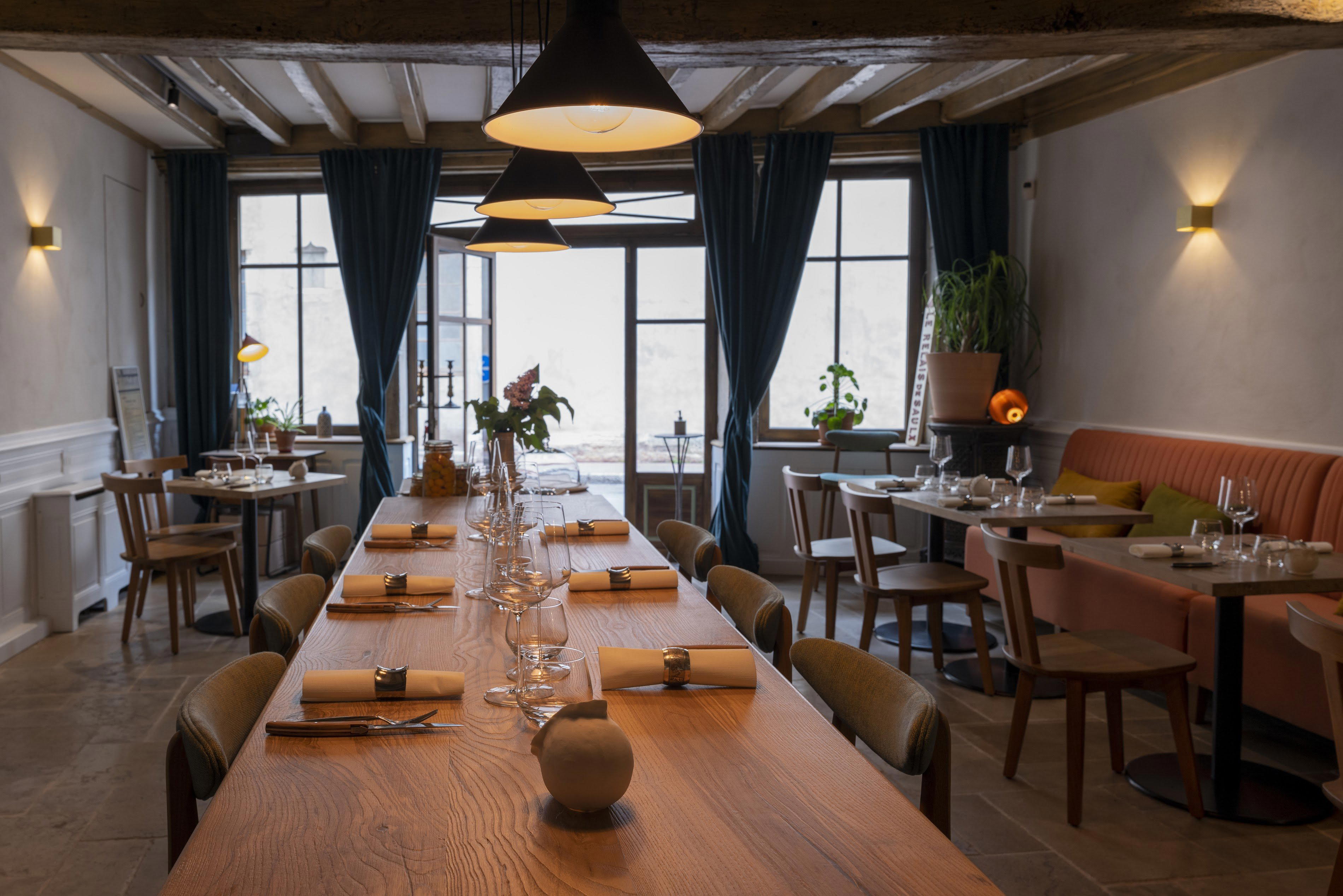
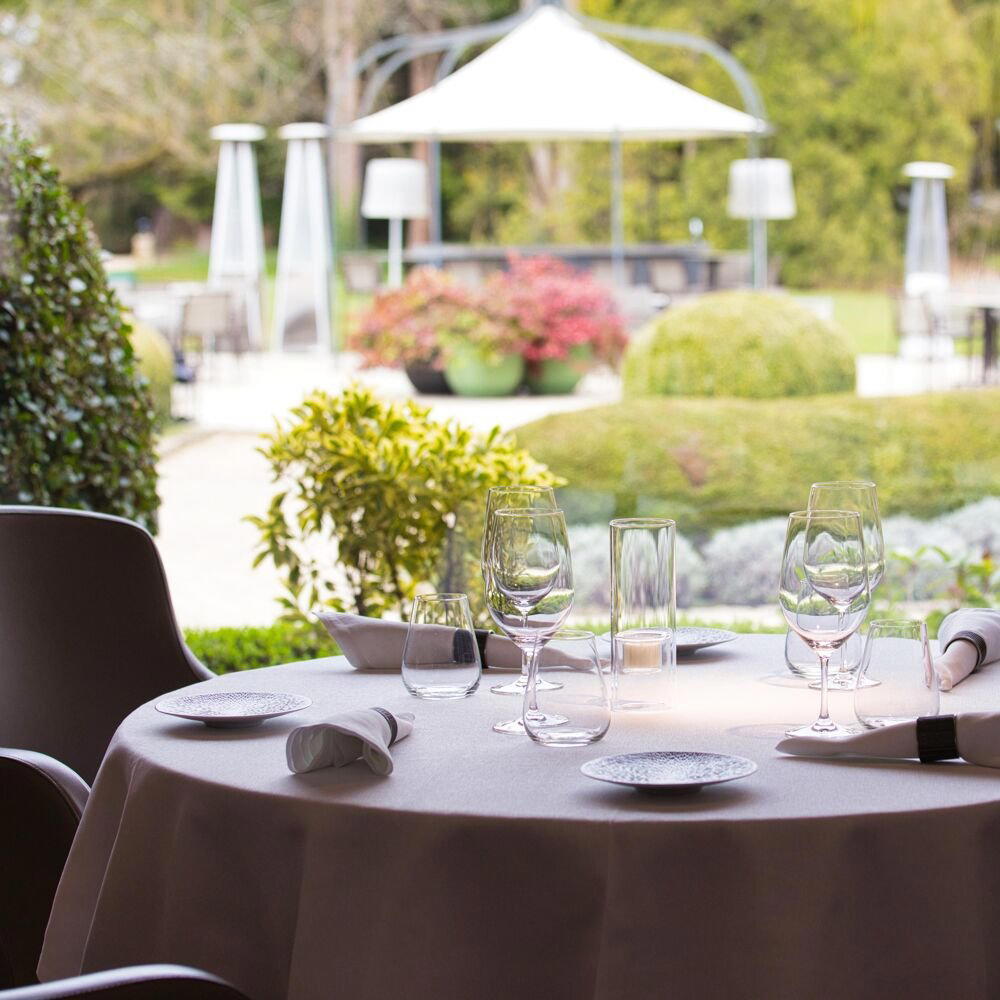
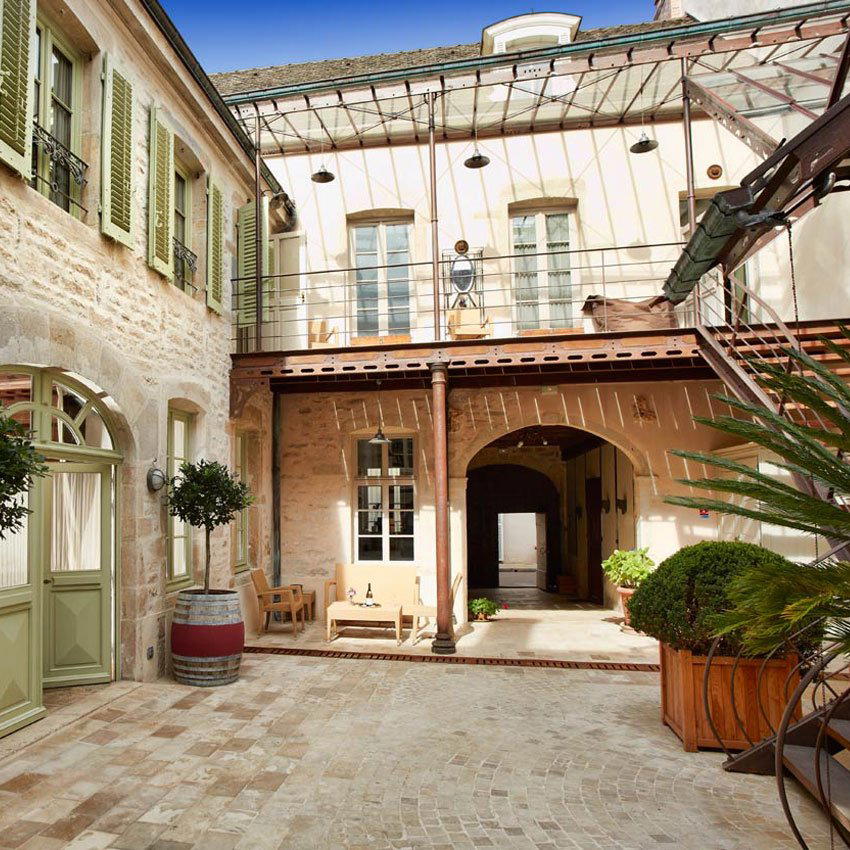
Bars in Beaune
Browse all →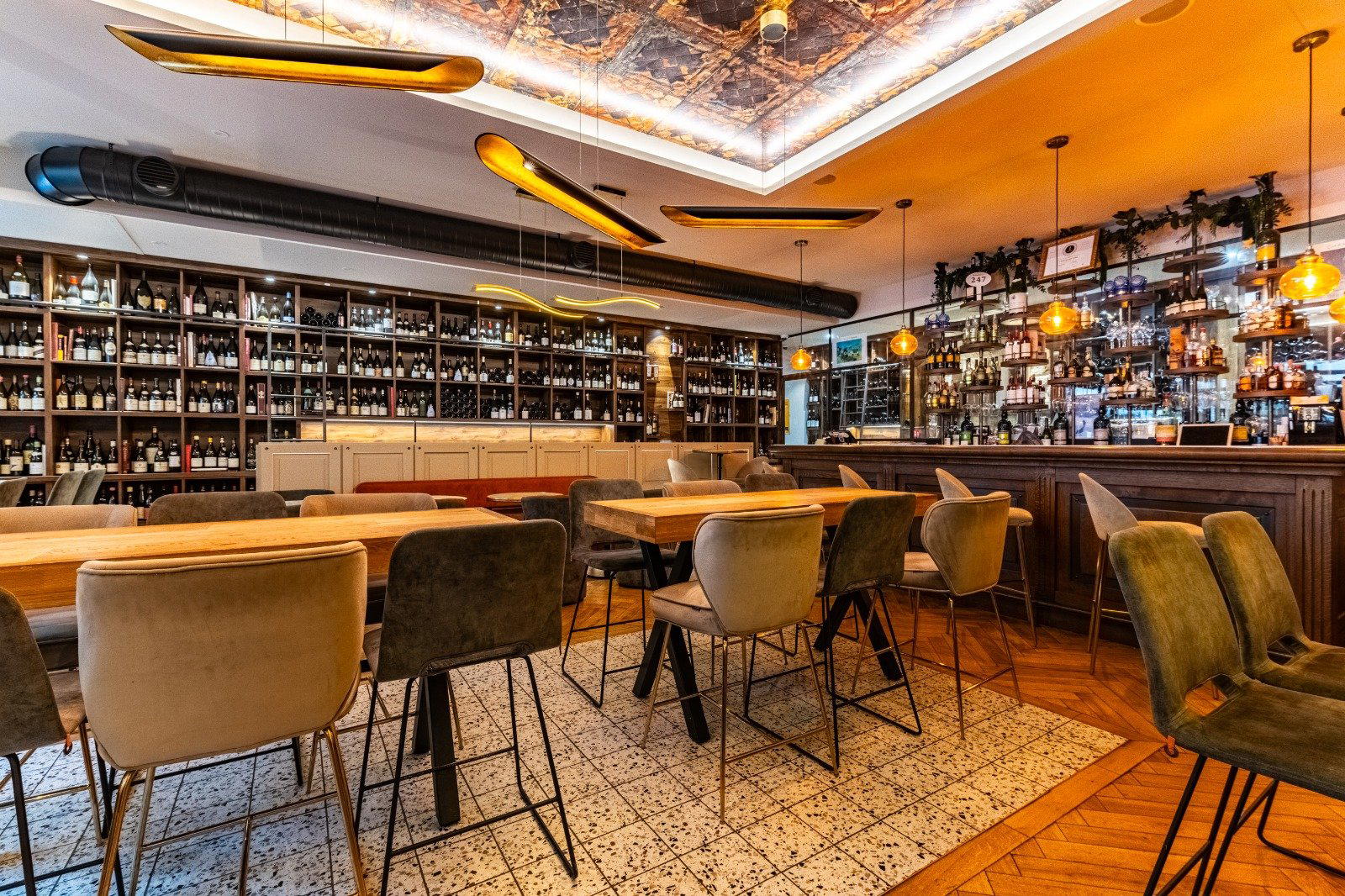
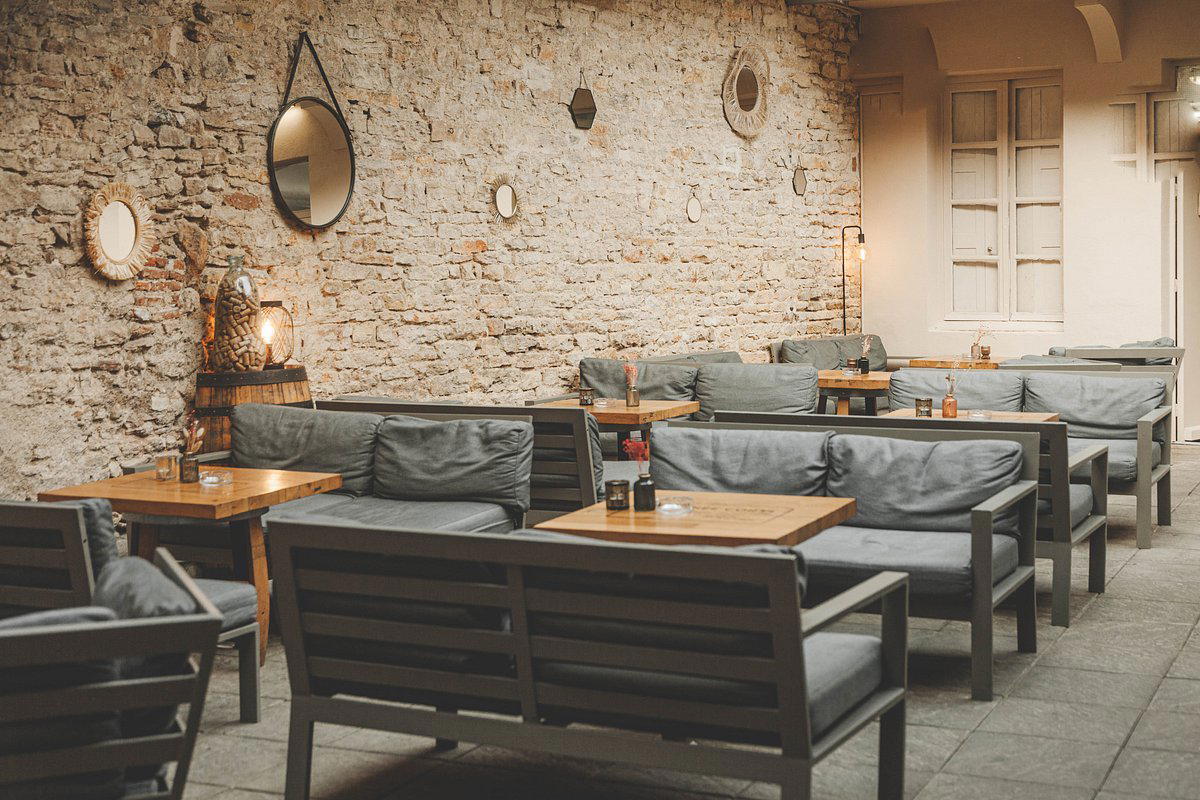
Hotels in Beaune
Browse all →
At a Glance
- Intimate
- Cozy
- Elegant
- Date Night
- Special Occasion
- Wine Cellar
- Extensive Wine List
- Local Sourcing
- Organic
Current opening hours
- Monday
- 12–1:30 PM, 7–9 PM
- Tuesday
- 12–1:30 PM, 7–9 PM
- Wednesday
- 12–1:30 PM, 7–9 PM
- Thursday
- 12–1:30 PM, 7–9 PM
- Friday
- 12–1:30 PM, 7–9 PM
- Saturday
- Closed
- Sunday
- Closed
Hours can change for holidays and private events. Last verified .
Warm, intimate, and casual atmosphere with cool casual vibe, great playlist, and cozy seating.