COLONEL LOUISE
Colonel Louise occupies a quiet address on Rue Jean Stas in Saint-Gilles, one of Brussels' most food-literate inner communes. The venue sits within a neighbourhood that has developed a recognisable dining identity over the past decade, drawing a local crowd that treats the area's restaurants as regulars rather than destinations. It belongs to the tier of Sint Gillis addresses worth tracking for anyone serious about the Brussels table.
 Discover on Pearl
Pearl is the En Primeur Club membership app — saves, bookings, and concierge access live there. Same editors, same standards.
- Address
- Rue Jean Stas 24, 1060 Saint-Gilles, Belgium
- Phone
- +3225385736
- Website
- colonelbrussels.com
A Street in Saint-Gilles, and What It Tells You
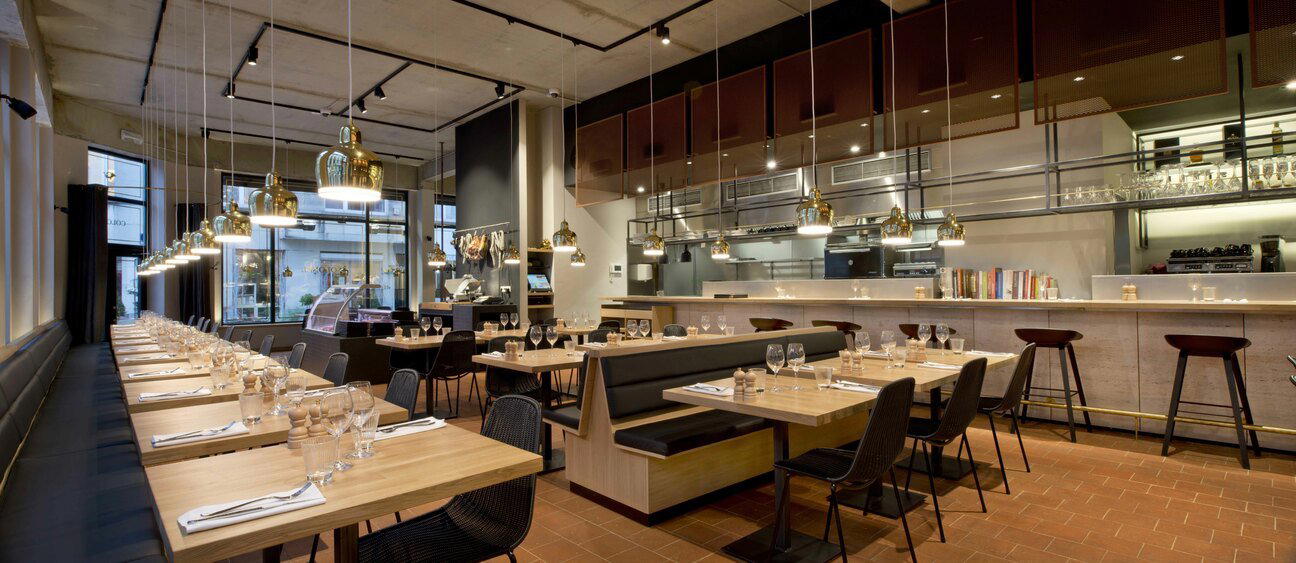
Rue Jean Stas is not a thoroughfare that announces itself. It runs quietly through Saint-Gilles, the inner Brussels commune that has, over roughly the past fifteen years, developed one of the capital's more coherent neighbourhood dining identities. The streets here are lined with the kind of small restaurants that fill early, keep irregular hours, and rely almost entirely on word of mouth. Colonel Louise sits at number 24, inside that pattern rather than apart from it. Arriving on foot from the tram lines that cross Parvis de Saint-Gilles, you pass the characteristic Art Nouveau facades and corner cafés that give the commune its particular streetscape. The scale is residential. The rhythm is local. Colonel Louise is a Modern French Steakhouse at Rue Jean Stas 24 in Saint-Gilles, Brussels, with a Google rating of 4.5 from 1,631 reviews and a price level of about $120 per person.
That locality matters more than it might seem. Saint-Gilles has not positioned itself as a destination for international food tourism in the way that certain Brussels addresses have. The neighbourhood's restaurants, from the mushroom-focused Café des Spores to the natural wine and small-plate approach at Badi, draw a clientele that lives within cycling distance. Colonel Louise operates inside that same geography of trust.
The Sint Gillis Dining Register
To place Colonel Louise accurately, it helps to understand what Sint Gillis has become as a dining commune. It is not Ixelles, with its concentration of prestige addresses and expense-account restaurants. It is not the Grand Place corridor, built around tourism volume. Saint-Gilles occupies a more interesting position: a working neighbourhood with a high density of food-literate residents, a strong tradition of independent openings, and a price register that stays largely accessible without being cheap.
The restaurants that have built reputations here tend to share certain qualities. They are small. They depend on repeat custom. They are often run by people who have worked elsewhere in the Belgian or European kitchen circuit before landing in a neighbourhood that rewards consistency over spectacle. Belle Lurette fits that description. So does Crab Club, which has built a specific following around its focus. Esencia adds a Latin-influenced thread to the commune's wider range. Colonel Louise belongs to this cohort of address-specific, neighbourhood-anchored venues that define the area's character.
Brussels in the Belgian Context
Belgium's restaurant culture is dense with reference points at the higher end. Hof van Cleve in Kruishoutem, Boury in Roeselare, and Zilte in Antwerp anchor the country's Michelin tier. Further along the register, Willem Hiele in Oudenburg, Vrijmoed in Gent, and La Durée in Izegem represent the country's appetite for serious cooking outside the capital. Within Brussels itself, Bozar Restaurant operates at the prestige end of the city's formal dining tier.
Colonel Louise does not compete in that register. Its address and neighbourhood positioning place it in a different conversation entirely: the mid-tier, neighbourhood-anchored category that Brussels does at least as well as any European capital of comparable size. The venues that define this tier succeed not through award accumulation but through the quality of their regular custom. That is a harder thing to sustain, and in some respects a more demanding test.
For international comparison, the model is not unlike what Lazy Bear in San Francisco demonstrated at a higher price point: that a strong local following and a clear sense of format identity can carry a restaurant further than any single season of critical attention. At the other end of the ambition scale, Le Bernardin in New York City shows what happens when that same commitment to consistency is applied across decades and at the highest tier of investment. The principle is the same; the expression is entirely different.
What the Sensory Register of Saint-Gilles Suggests
Eating in Saint-Gilles in autumn or winter carries a particular texture. The commune's streets are narrow enough that light from restaurant interiors spills onto the pavement in a way that reads as genuinely inviting rather than theatrical. The sounds are domestic: cutlery, low conversation, the occasional tram on the parallel streets. There is very little of the amplified background noise that defines larger Brussels venues in the city centre.
Colonel Louise on Rue Jean Stas sits inside that sensory register. The address is residential in its proportions. The experience of arriving is low-key in the specific way that neighbourhood restaurants in Belgium tend to be: no canopy, no door staff, no signage that performs importance. The dining culture of this part of Brussels rewards that restraint. Regulars know where they are going. First-timers find the venue through recommendation rather than discovery.
Spring and early summer shift the character somewhat. Saint-Gilles terraces open, the light stays later, and the commune's streets take on a more sociable outdoor rhythm. The restaurant addresses along and around Rue Jean Stas attract an after-work crowd that would not be there in February. Timing a visit for late spring, when the terrasse season is beginning but before July compression sets in, tends to give the most relaxed version of the neighbourhood experience.
Planning a Visit
Rue Jean Stas 24 is accessible by public transport from central Brussels, with tram connections running through Parvis de Saint-Gilles approximately ten minutes' walk from the address. The neighbourhood is compact enough to cover on foot across a single evening, making it practical to pair a visit to Colonel Louise with a drink at one of the commune's other addresses before or after. Reservations are recommended, particularly on weekends when Sint Gillis fills quickly. Colonel Louise is open Monday to Saturday, with lunch and dinner service, and is closed on Sunday.
Same-City Peers
Comparable venues nearby, for context on price, style, and recognition.
| Venue | Cuisine | Price | Notes |
|---|---|---|---|
| COLONEL LOUISEThis venue — the venue you are viewing | Modern French Steakhouse | $$$$ | |
| Le 203 | Creative French Bistronomie | $$ | Saint-Gilles |
| Kolya | Franco-Belgian Eurasian Fusion | $$$ | Sint-Gillis |
| Café des Spores | Mushroom-Centric French Bistro | $$ | Saint-Gilles |
| Crab Club | Modern Seafood Fusion | $$$ | Saint-Gilles |
| Fernand Obb Delicatessen | Belgian Delicatessen | $$ | Saint-Gilles |
Continue exploring
More in Sint Gillis
Restaurants in Sint Gillis
Browse all →
Bars in Sint Gillis
Browse all →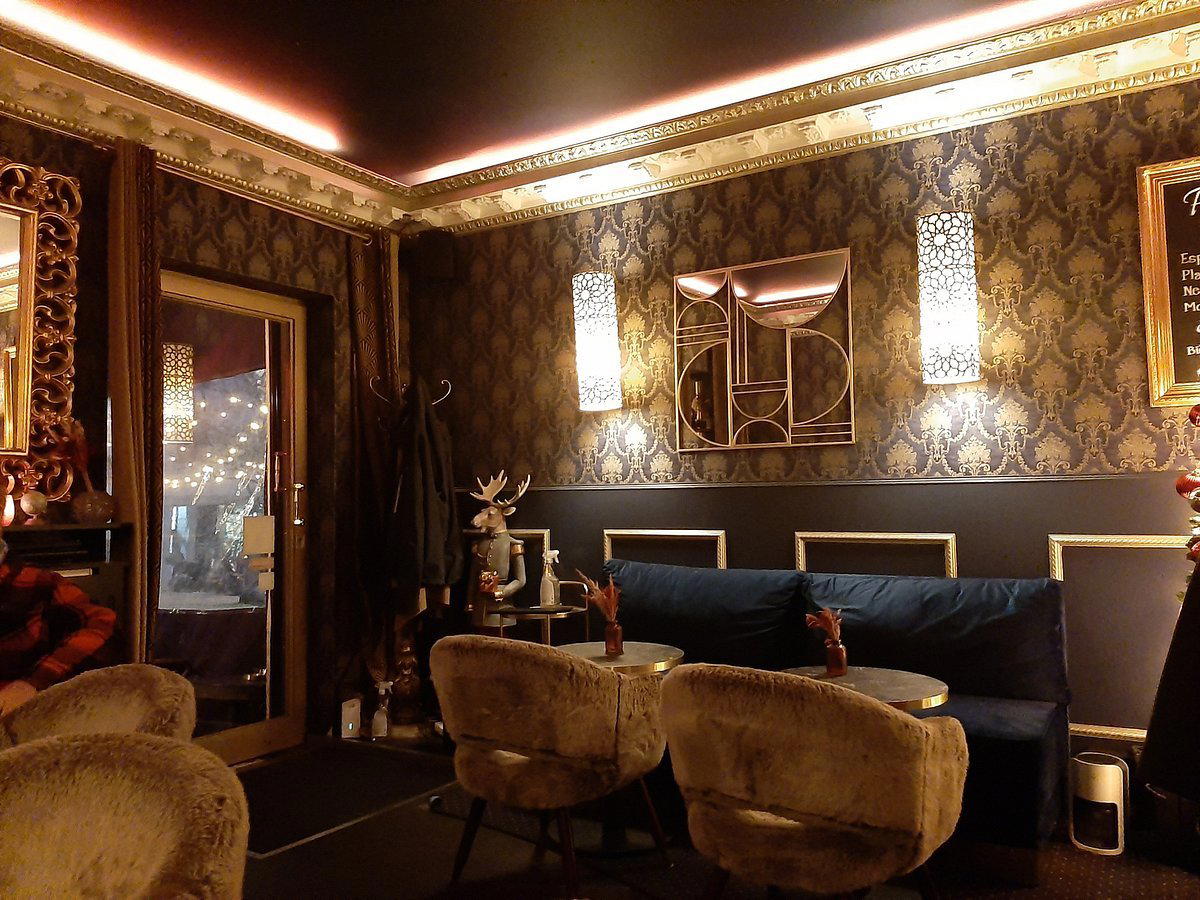
At a Glance
- Elegant
- Modern
- Lively
- Sophisticated
- Business Dinner
- Group Dining
- Celebration
- Special Occasion
- Open Kitchen
- Standalone
- Local Sourcing
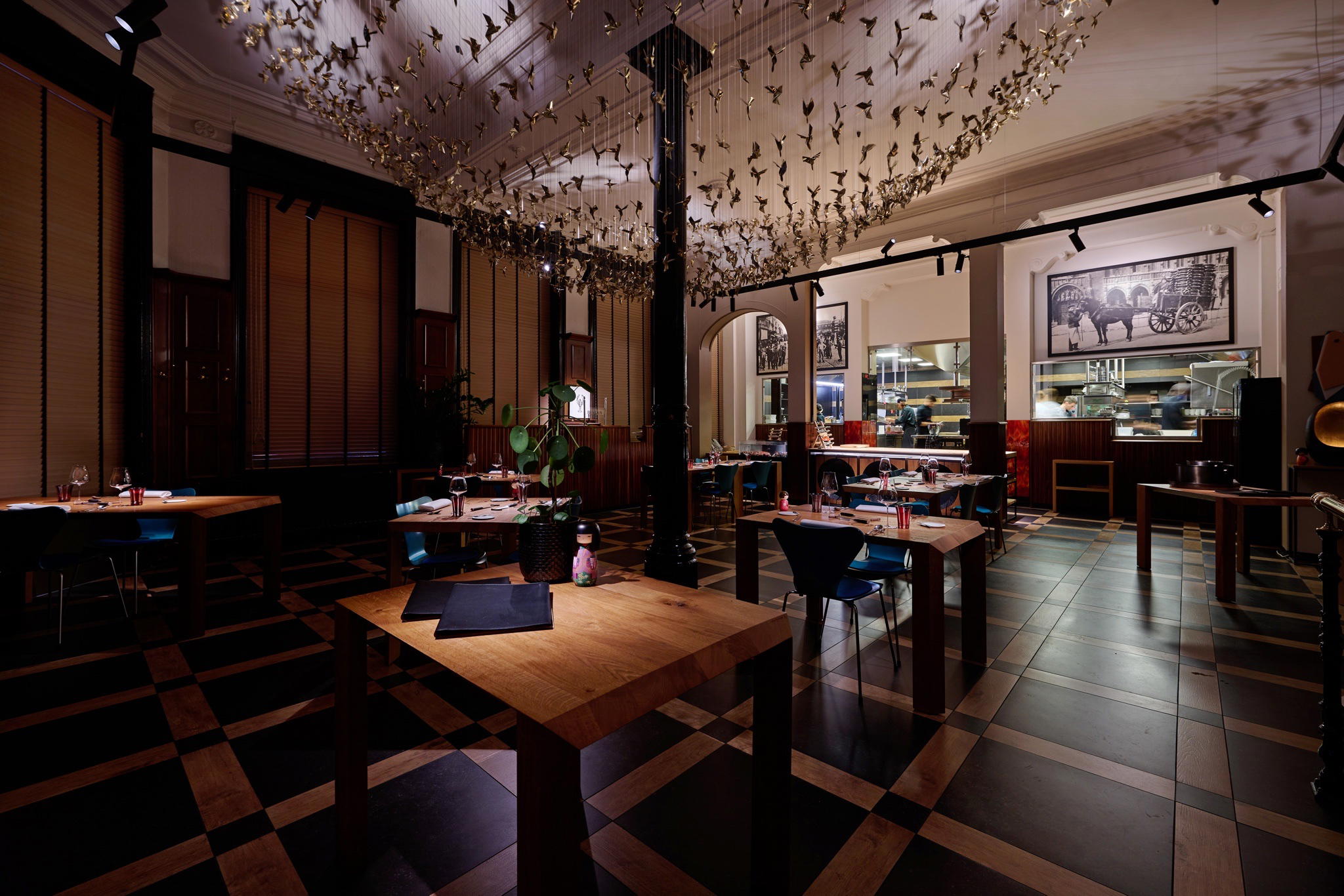
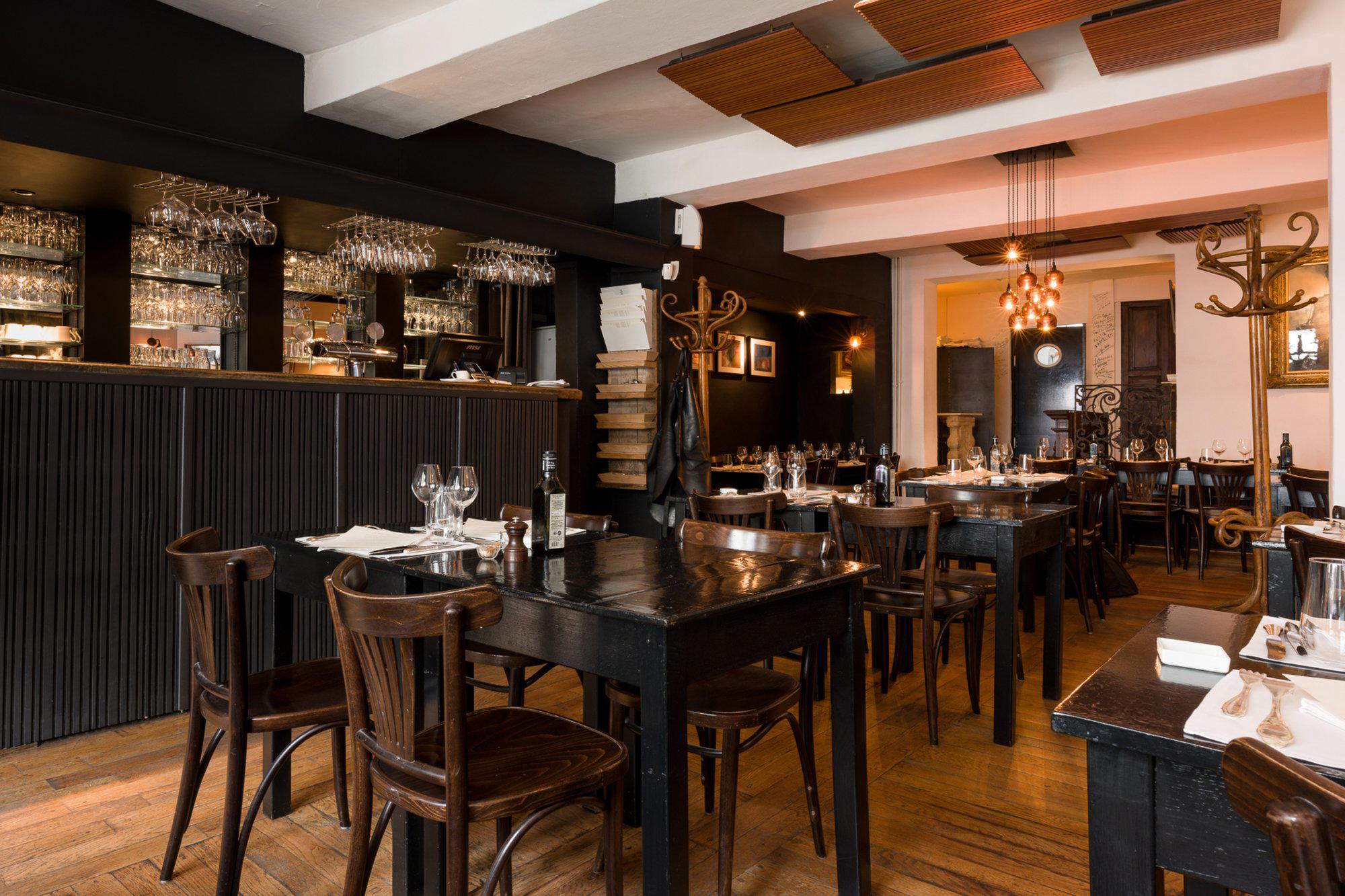
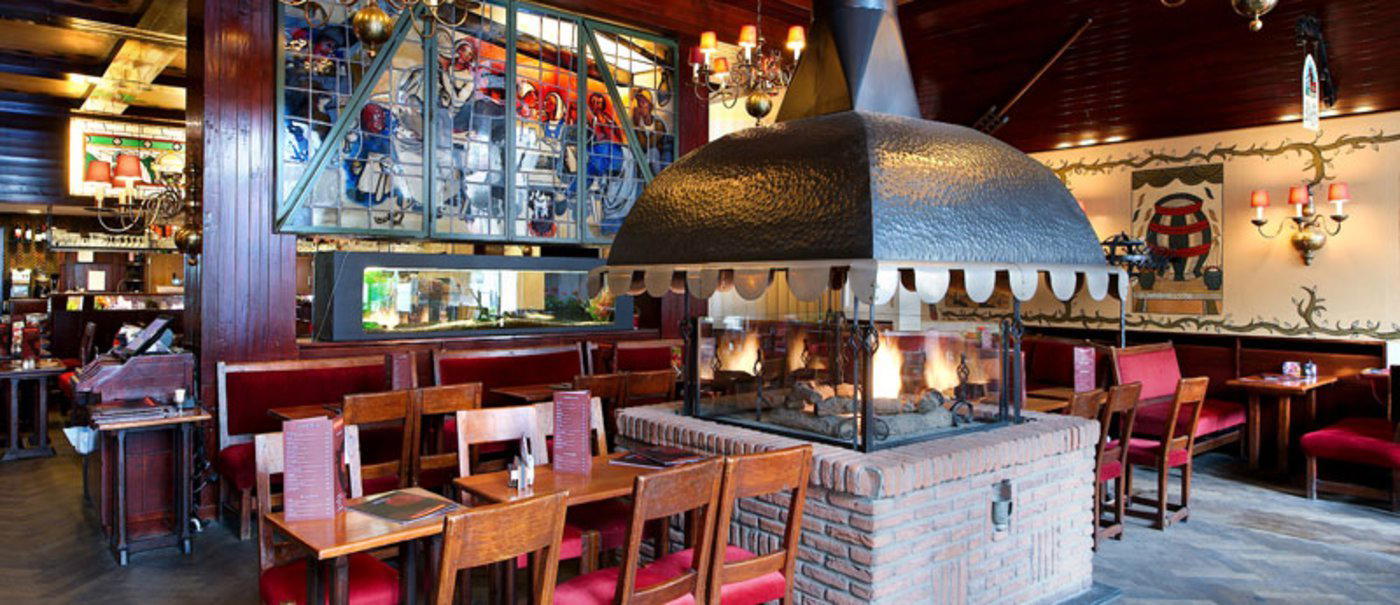
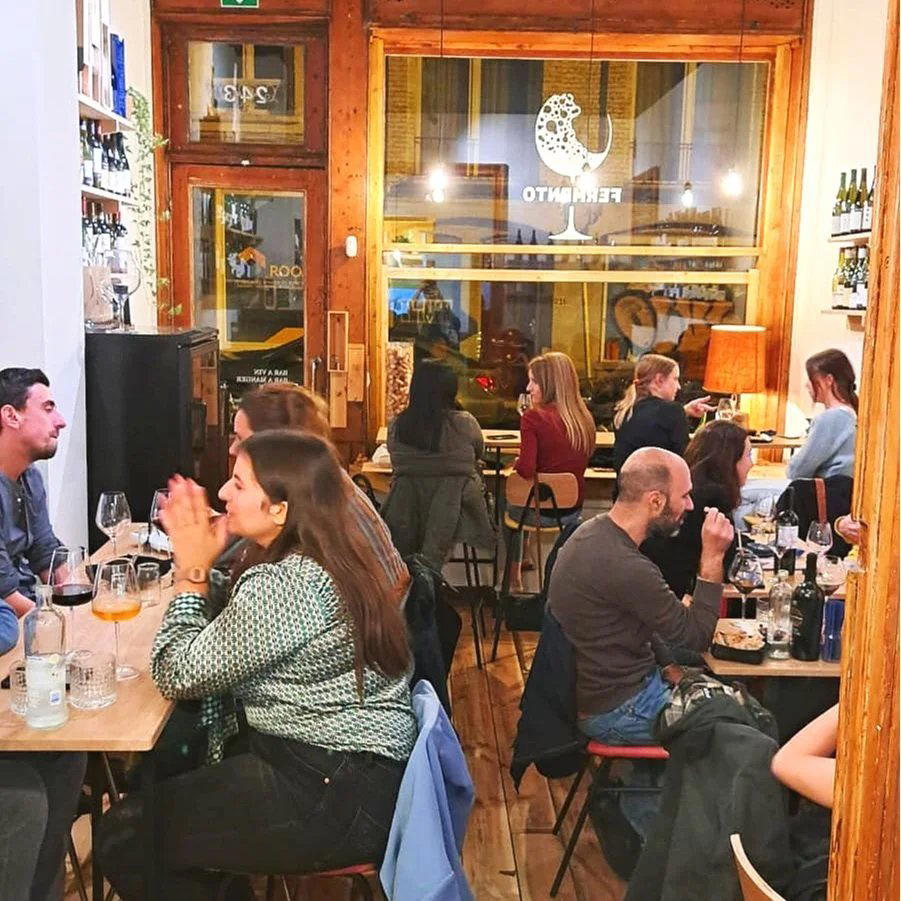
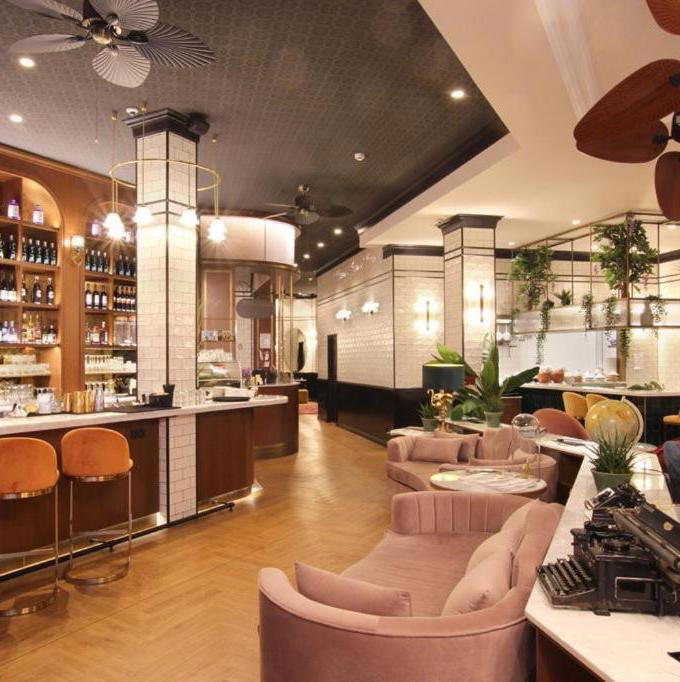
Modern and chic with minimalist design blending comfort and style; warm lighting from the central butcher's counter creates an inviting yet sophisticated atmosphere.