Le Commerce occupies a direct address on Rue de la République in Toul, a cathedral town in the Meurthe-et-Moselle that sits well outside France's fine-dining circuits. For travellers passing through Lorraine, the restaurant represents the kind of neighbourhood anchor that keeps provincial French dining culture functioning, modest in register, rooted in place, and worth understanding on its own terms.
Pearl is the En Primeur Club membership app — saves, bookings, and concierge access live there. Same editors, same standards.
- Address
- 10 Rue de la République, 54200 Toul, France
- Phone
- +33383430041
- Directions
- Get directions
 Saves & bookings on Pearl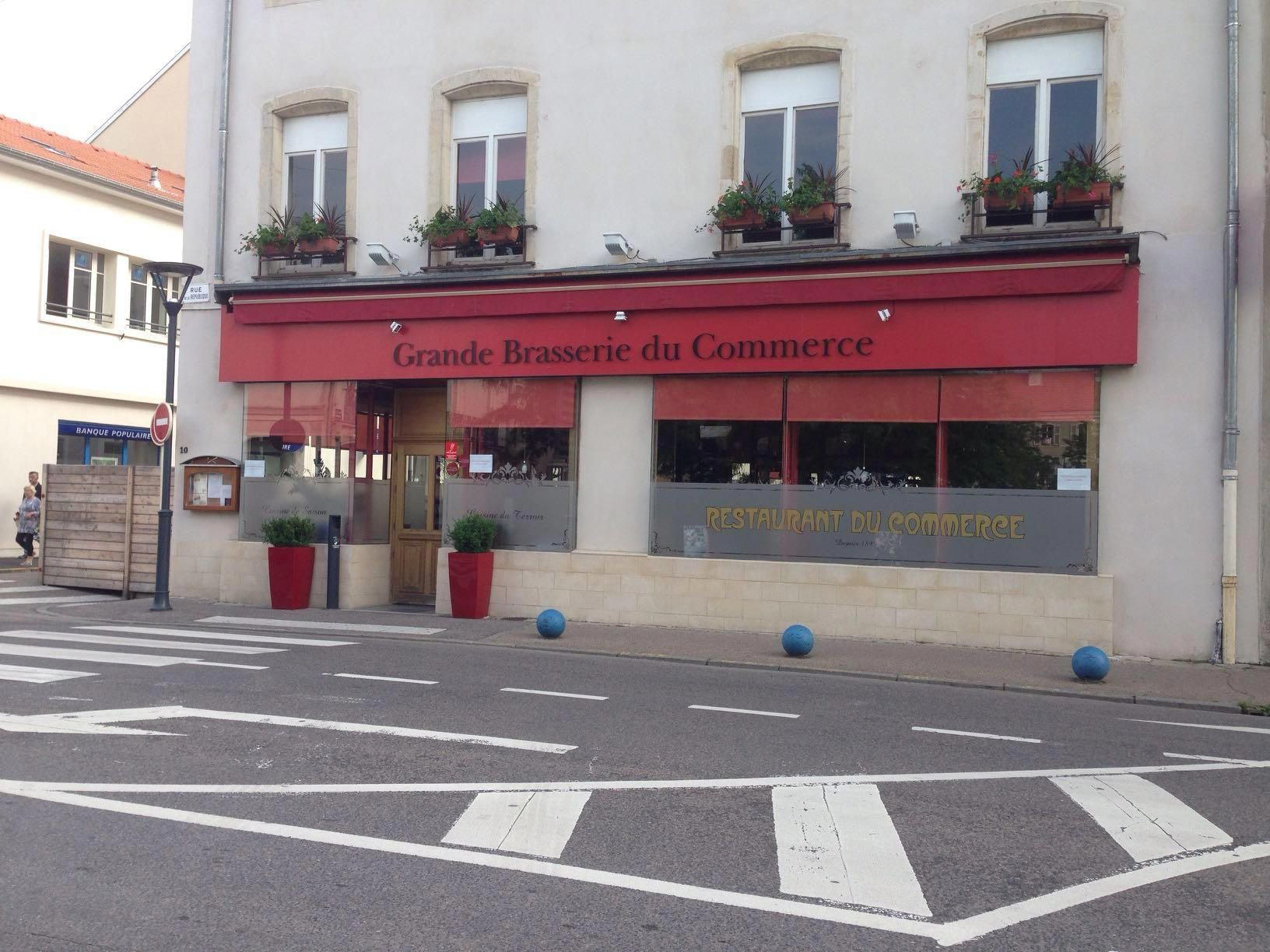
A Town, a Street, a Table
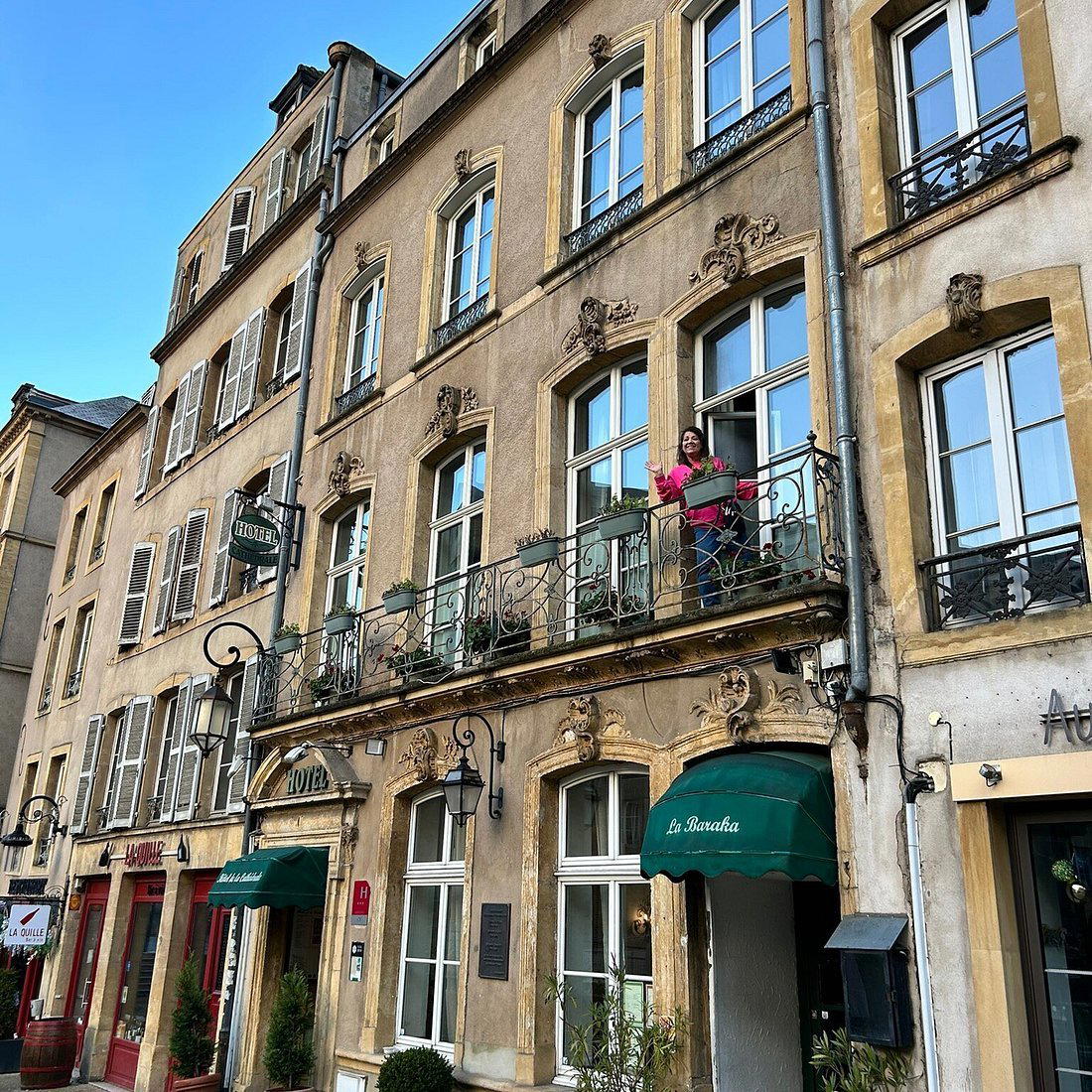
Toul is a town in Meurthe-et-Moselle, between Nancy and Verdun, with a Gothic cathedral, a ring of Vauban fortifications, and the unhurried rhythm of a place that has not had to perform for tourists. Rue de la République runs through the centre as the town's commercial spine, and Le Commerce sits at number 10, a position that tells you something about what the restaurant is and who it is for. It is a civic one, in the French tradition of restaurants that exist because a community needs them to.
The broader Lorraine region has always occupied an interesting position in French food culture. It is not Burgundy or Alsace, where the culinary identity is so codified that restaurants compete on how faithfully they interpret a known canon. Lorraine's food is plainer, more functional, and more honest about its agricultural roots, mirabelle plums from the valley orchards, quiche that predates its café-menu ubiquity by several centuries, and a general orientation toward the kind of cooking that feeds people rather than impresses them. Against that backdrop, a place called Le Commerce on a République street is not ironic. It is accurate.
Lorraine's Sourcing Tradition and What It Means at Street Level
One relevant angle for a restaurant in this position is not chef biography or tasting menu architecture. It is the question of where the food comes from and how closely a kitchen is tied to its regional supply. In Lorraine, that question has real texture. The region produces a distinct agriculture: smoked charcuterie from the Vosges, freshwater fish from the Moselle and Meuse river systems, and some of France's most underrated soft cheeses. A kitchen that draws on these sources is operating in a different register than one importing protein from outside the region to dress with technique.
France's most celebrated kitchens make sourcing central to their identity. Bras in Laguiole turned the Aubrac plateau's vegetation into an entire culinary philosophy. At this level, the sourcing question is still present, but it is answered differently. A neighbourhood restaurant in Lorraine that works with local charcutiers and seasonal produce from the Meurthe valley is participating in the same conversation, at a different price point and without the press attention.
Le Commerce's address and register suggest it belongs to this second category: the kind of place that keeps French regional cooking alive not through reinvention but through continuity. That is not a lesser role. Particularly instructive meals in France happen at addresses where the cook knows the farmer by name and the menu changes because the season changed, not because a culinary concept demanded it.
Where Le Commerce Sits in the French Dining Spectrum
To understand the restaurant, it helps to place it within the broader French dining ecosystem. At the summit of that spectrum, houses like Alléno Paris au Pavillon Ledoyen in Paris, Flocons de Sel in Megève, and Troisgros - Le Bois sans Feuilles in Ouches occupy a tier defined by multi-decade reputation, Michelin recognition, and tasting menus priced well above a hundred euros per head. A step below, strong regional anchors like Auberge de l'Ill in Illhaeusern and Au Crocodile in Strasbourg hold their position through multigenerational reputation and consistent technical execution. Further east and south, addresses like Assiette Champenoise in Reims and AM par Alexandre Mazzia in Marseille represent the newer, more individual strand of French gastronomy.
The restaurant sits well below all of these in ambition and price, but that positioning is not a failure of aspiration. French dining culture has always depended on a dense middle and lower tier of neighbourhood restaurants that keep cooking rooted in region and season. Without them, the celebrated houses float free of any real culinary ecosystem. Toul is not the address for a meal that competes with Paul Bocuse - L'Auberge du Pont de Collonges in Collonges-au-Mont-d'Or or L'Oustau de Baumanière in Les Baux. It is the address for a meal that reminds you what French cooking looked like before it had to explain itself to a global audience.
Planning a Visit to Le Commerce
Toul sits approximately 25 kilometres west of Nancy on the A31 motorway, making it accessible as a stop on a longer Lorraine itinerary or as a day trip from Nancy itself. The town has a functioning train station with connections from Nancy in under thirty minutes. Rue de la République is central and walkable from both the cathedral and the town's main car parking. As with most provincial French addresses at this level, the safest approach is to arrive with an open agenda and adjust to what the kitchen is offering on the day.
Travellers building a wider northeast France itinerary might also consider Georges Blanc in Vonnas, Christopher Coutanceau in La Rochelle, Auberge du Vieux Puits in Fontjoncouse, or La Marine in Noirmoutier-en-l'île as part of a longer French circuit. For readers whose appetite for French-influenced cooking extends across the Atlantic, Le Bernardin in New York City and Atomix in New York City occupy different coordinates on the same broad map.
Comparable Spots, Quickly
Comparable venues nearby, for context on price, style, and recognition.
| Venue | Cuisine | Price | Notes |
|---|---|---|---|
| Le CommerceThis venue — the venue you are viewing | Classic French Brasserie | $$ | Not listed |
| L'Archestrate | French Bistronomic | $$ | rue Emile-Giros |
| La Géromoise | Traditional Vosgian Brasserie | $$ | Lac de Gérardmer |
| Ô Talent | French Bistro with Nouvelle Cuisine | $$ | center |
| Le charleston | Traditional French Bistro | $$ | Baume-les-Dames |
| Solstice | French Regional Buffet | $$ | Rue Bersot |
Continue exploring
More in Toul
Restaurants in Toul
Browse all →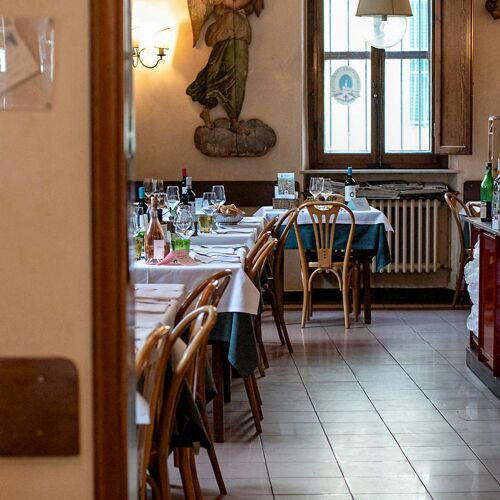

At a Glance
- Classic
- Elegant
- Group Dining
- Casual Hangout
- Terrace
- Historic Building
- Street Scene
Current opening hours
- Monday
- Closed
- Tuesday
- 12–2 PM
- Wednesday
- 12–2 PM, 7–9 PM
- Thursday
- 12–2 PM, 7–9 PM
- Friday
- 12–2 PM, 7–9 PM
- Saturday
- 12–2 PM, 7–9 PM
- Sunday
- Closed
Hours can change for holidays and private events. Last verified .
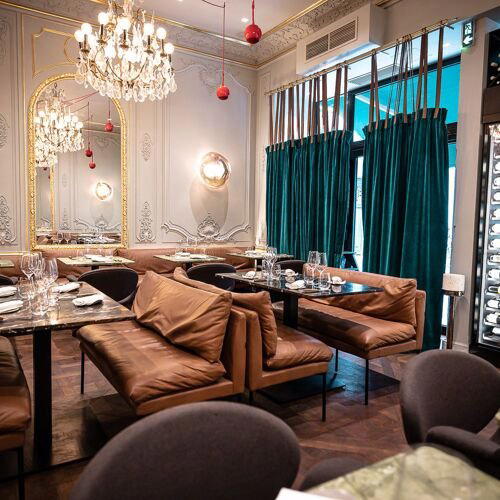
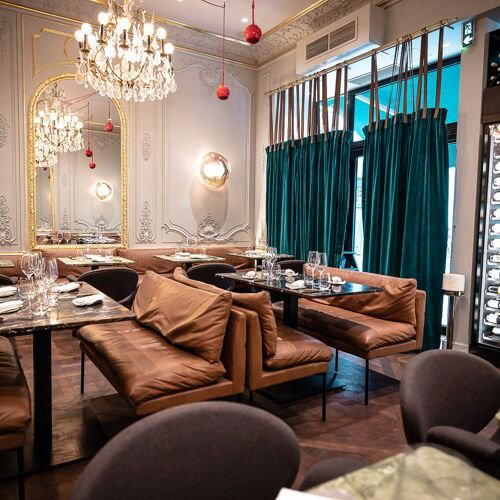
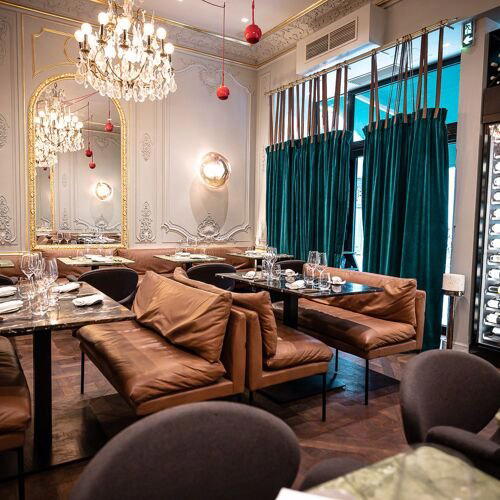
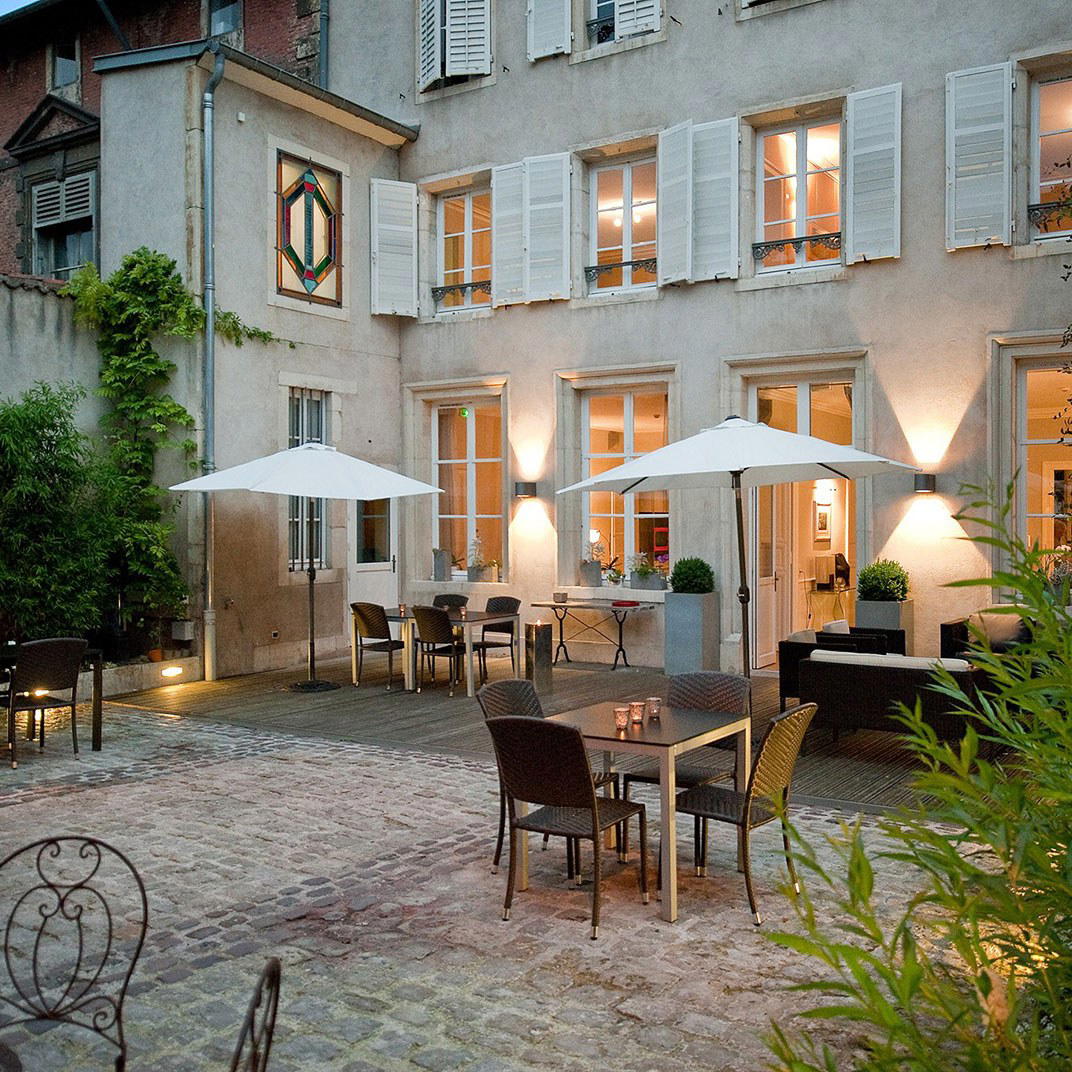
Chic Art Deco decor with tiled walls creating a relaxed bistro atmosphere.