Le charleston
Le Charleston occupies a quiet address on Rue des Armuriers in Baume-les-Dames, a small market town in the Doubs valley of Franche-Comté. The surrounding region is among eastern France's most productive for artisan ingredients, from Comté cheese and smoked meats to river fish and forest forage. For travellers moving between Alsace and Burgundy, it represents a grounded local option in a part of France rarely covered by mainstream dining guides.
Pearl is the En Primeur Club membership app — saves, bookings, and concierge access live there. Same editors, same standards.
- Address
- 10 Rue des Armuriers, 25110 Baume-les-Dames, France
- Phone
- +33381842407
- Directions
- Get directions
 Saves & bookings on Pearl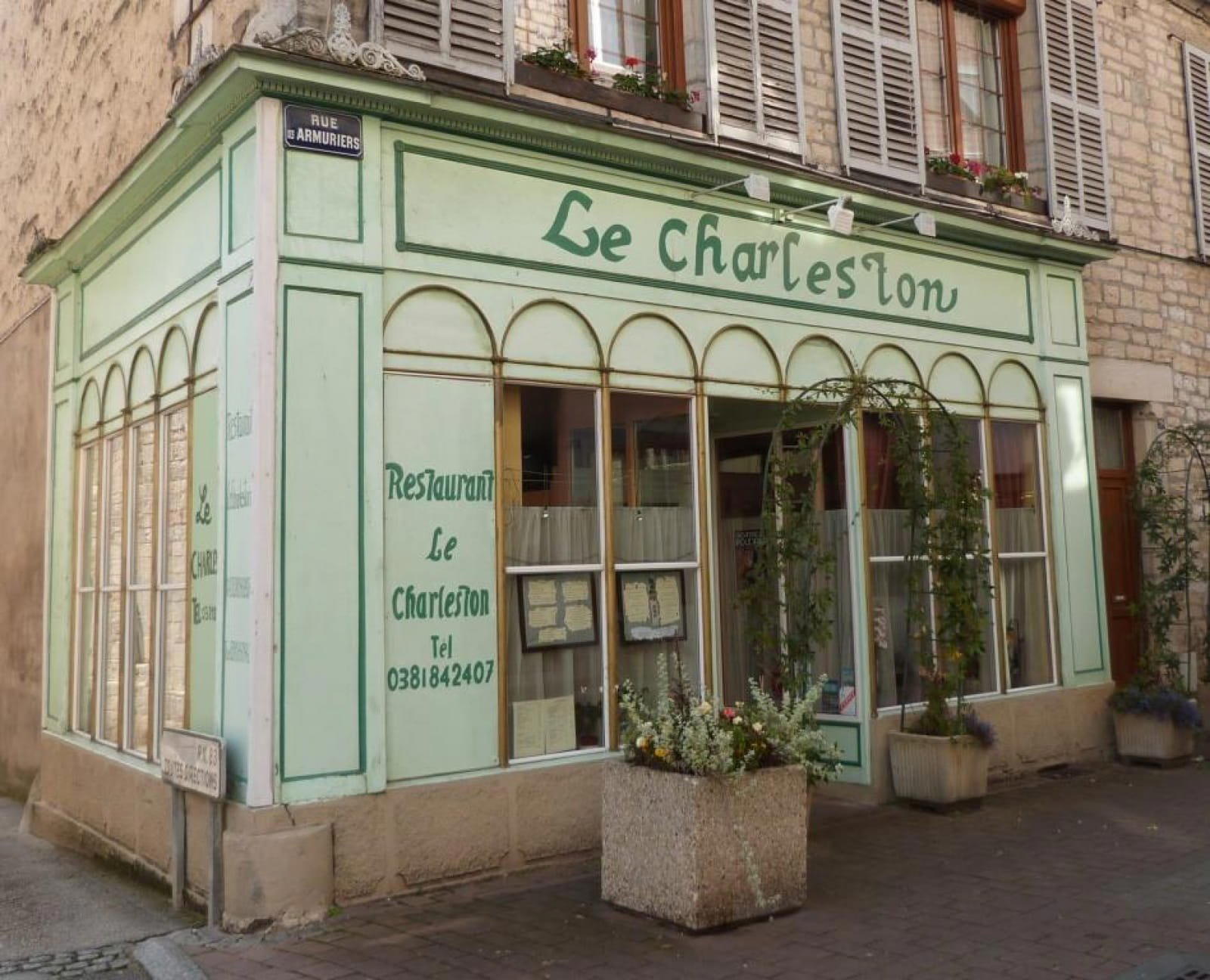
A Table in Franche-Comté's Quiet Interior
Baume-les-Dames sits in the Doubs valley roughly halfway between Besançon and Montbéliard, a town of around five thousand people whose stone-fronted streets have changed little in outline over the past century. The Rue des Armuriers, where Le Charleston is addressed, belongs to the older commercial fabric of the town rather than any tourist circuit. Arriving on foot from the central square, you pass a pharmacy, a boulangerie, and a shuttered hardware merchant before reaching number ten. The building is flush with the pavement, the way provincial French restaurants have always been, and the approach gives nothing away. That restraint is, in its own way, informative: this is a place serving a local clientele in a town with no particular claim on the international dining calendar.
What makes that context worth paying attention to is the region itself. Franche-Comté produces particularly traceable artisan ingredients in France. Comté AOP, made exclusively from the milk of Montbéliarde and Simmental cows grazed in this specific arc of the Jura plateau, is aged here in affineurs whose practice predates the appellation system. Morteau sausage carries its own IGP designation, tied to specific smoking methods using pine and juniper native to the Haut-Doubs. The Doubs river, which loops around Baume-les-Dames on three sides, has historically supplied trout and crayfish to local kitchens. A restaurant in this town, if it is doing its job, is working from a larder with genuine geographic specificity rather than sourcing from generic national distributors.
Ingredient Provenance and the Franche-Comté Larder
The ingredient story of this corner of eastern France is often overshadowed by its more famous neighbours. Alsace draws attention for its wine and choucroute tradition; Burgundy commands the room whenever Pinot Noir or Charolais beef enters the conversation. But Franche-Comté occupies a distinct position in the French artisan food geography. The Comté cheese affinage circuit alone supports a network of small producers across the Doubs and Jura departments, and the raw milk used in production is subject to traceability requirements that go beyond what most French AOPs demand. The smoked meats of the Haut-Doubs, particularly the Saucisse de Morteau and Saucisse de Montbéliard, carry designations that tie processing method and geography together in ways that reward sourcing from within the region.
This matters for any serious provincial kitchen because the argument for local sourcing in Franche-Comté is not aesthetic but practical: the ingredients carry appellations that are legally tied to specific production zones. A kitchen in Baume-les-Dames has access to designation-protected products by geography alone. Whether and how those products appear on a particular menu is the variable that separates a kitchen using its location from one that happens to be located there. This is the question worth holding in mind when approaching a restaurant in a town like this, where the supply chain is short and the provenance claims are checkable.
For comparison, the ingredient-sourcing argument at the highest end of French dining, as pursued at places like Mirazur in Menton or Bras in Laguiole, depends on proximity to a specific microclimate or landscape. Both restaurants have built sustained international reputations partly on the argument that their ingredients cannot be reproduced elsewhere. The Doubs valley makes a similar geographic claim, albeit at a different register of ambition. What Flocons de Sel in Megève does for alpine terroir, the Franche-Comté tradition attempts for its own river valleys and plateau pastures, without the benefit of equivalent critical infrastructure to amplify it.
The Broader French Provincial Context
France's most discussed restaurants cluster in Paris and along a handful of well-travelled regional axes: the Lyon-to-Roanne corridor that gave the world Troisgros and Paul Bocuse; Alsace, whose Auberge de l'Ill and Au Crocodile in Strasbourg have anchored the regional dining conversation for decades; the Côte d'Azur addresses like L'Oustau de Baumanière. The Paris operations such as Alléno Paris au Pavillon Ledoyen and Assiette Champenoise in Reims attract a global audience. On the Atlantic side, Christopher Coutanceau in La Rochelle and La Marine in Noirmoutier have built reputations tied to coastal sourcing. In the south, AM par Alexandre Mazzia in Marseille and Auberge du Vieux Puits in Fontjoncouse demonstrate what a committed kitchen can do in areas not historically associated with fine dining.
Between those poles lies a large and genuinely underreported zone of provincial French cooking, of which Baume-les-Dames and its peers in the Doubs valley form a part. The restaurants in this zone serve their towns rather than travelling diners, which makes their culinary choices more conservative but also more rooted in the actual food culture of the area. That is not a criticism; it is a description of a different kind of dining proposition from the Georges Blanc in Vonnas model, where destination dining has been engineered deliberately.
Planning a Visit
Baume-les-Dames is reachable by TGV to Besançon Franche-Comté TGV station, followed by a regional connection or a thirty-minute drive east along the N83. The town itself is compact and walkable. Le Charleston is recommended for reservations, and its regular hours are Monday closed; Tuesday 12 to 2 PM and 7 to 8:30 PM; Wednesday 12 to 2 PM; Thursday 12 to 2 PM and 7 to 8:30 PM; Friday 12 to 2 PM and 7 to 8:30 PM; Saturday 12 to 2 PM and 7 to 8:30 PM; Sunday 12 to 2 PM. The address at 10 Rue des Armuriers is in the centre of town and direct to locate on foot from the main square. Those travelling from further afield might treat a visit as part of a broader Franche-Comté itinerary rather than a standalone destination.
In Context: Similar Options
Comparable venues nearby, for context on price, style, and recognition.
| Venue | Cuisine | Price | Notes |
|---|---|---|---|
| Le charlestonThis venue — the venue you are viewing | Traditional French Bistro | $$ | Not listed |
| Le Signal 2108 | Bistronomic French with Regional Specialties | $$ | Signal Mountain |
| Le Gai Pinson | Traditional French Jura Regional | $$ | Les Rousses |
| Auberge de la Distillerie | Traditional Jura Regional Cuisine | $$ | Chapelle-des-Bois |
| Chez Nina | French with Caribbean Fusion | $$ | Avenue Turenne |
| Le P'tit Lieslois | French Bistro with Wood-Fired Pizzas | $$ | Liesle |
Continue exploring
More in Baume Les Dames
Restaurants in Baume Les Dames
Browse all →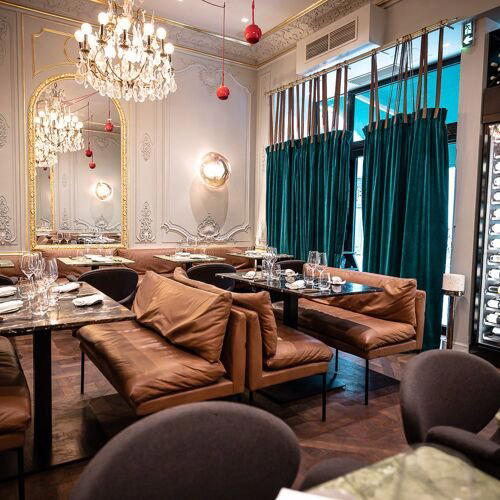
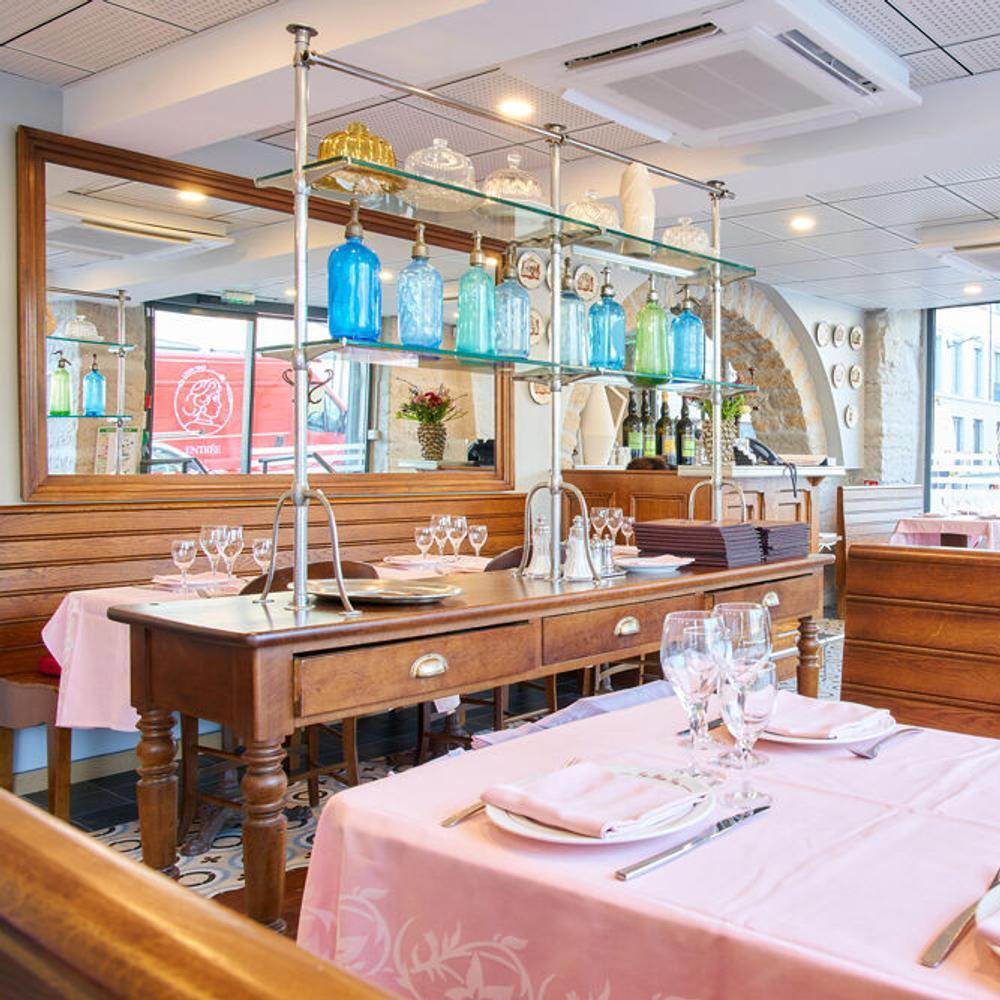
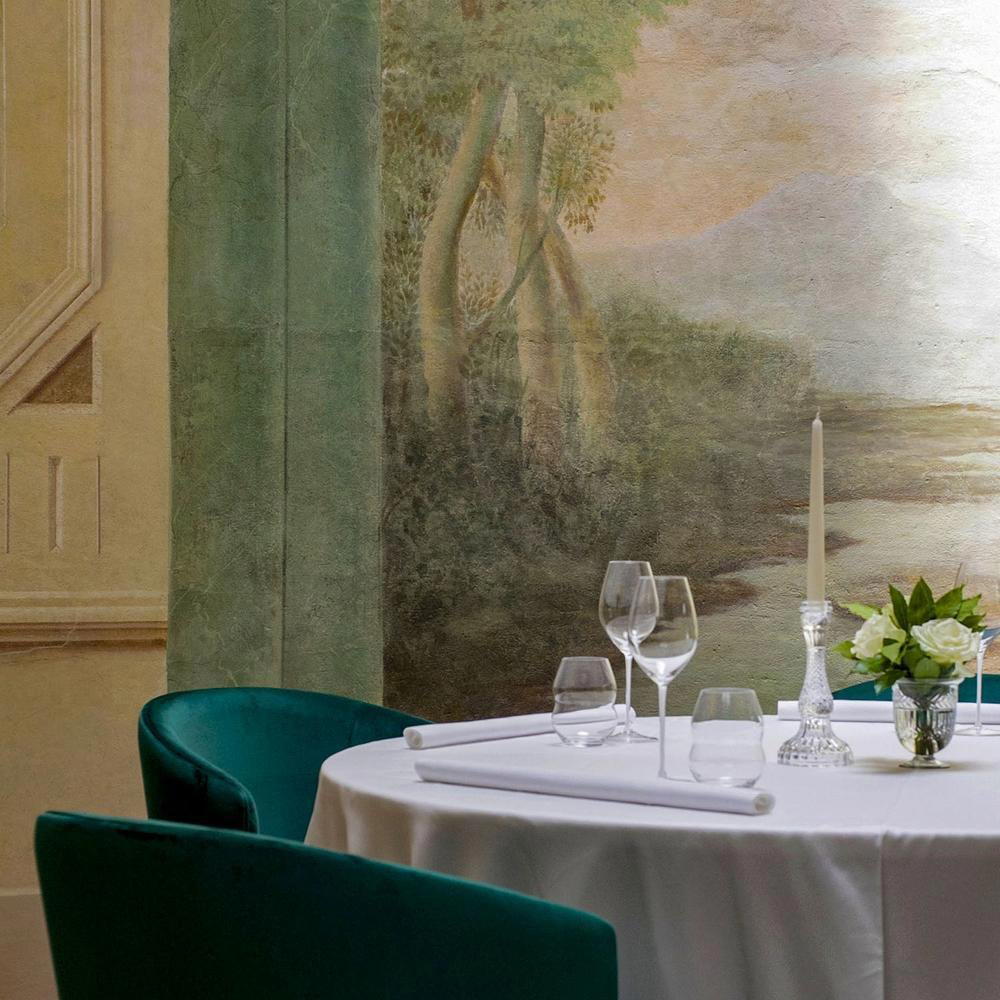
Hotels in Baume Les Dames
Browse all →

At a Glance
- Classic
- Cozy
- Family
- Casual Hangout
- Terrace
- Local Sourcing
Current opening hours
- Monday
- Closed
- Tuesday
- 12–2 PM, 7–8:30 PM
- Wednesday
- 12–2 PM
- Thursday
- 12–2 PM, 7–8:30 PM
- Friday
- 12–2 PM, 7–8:30 PM
- Saturday
- 12–2 PM, 7–8:30 PM
- Sunday
- 12–2 PM
Hours can change for holidays and private events. Last verified .
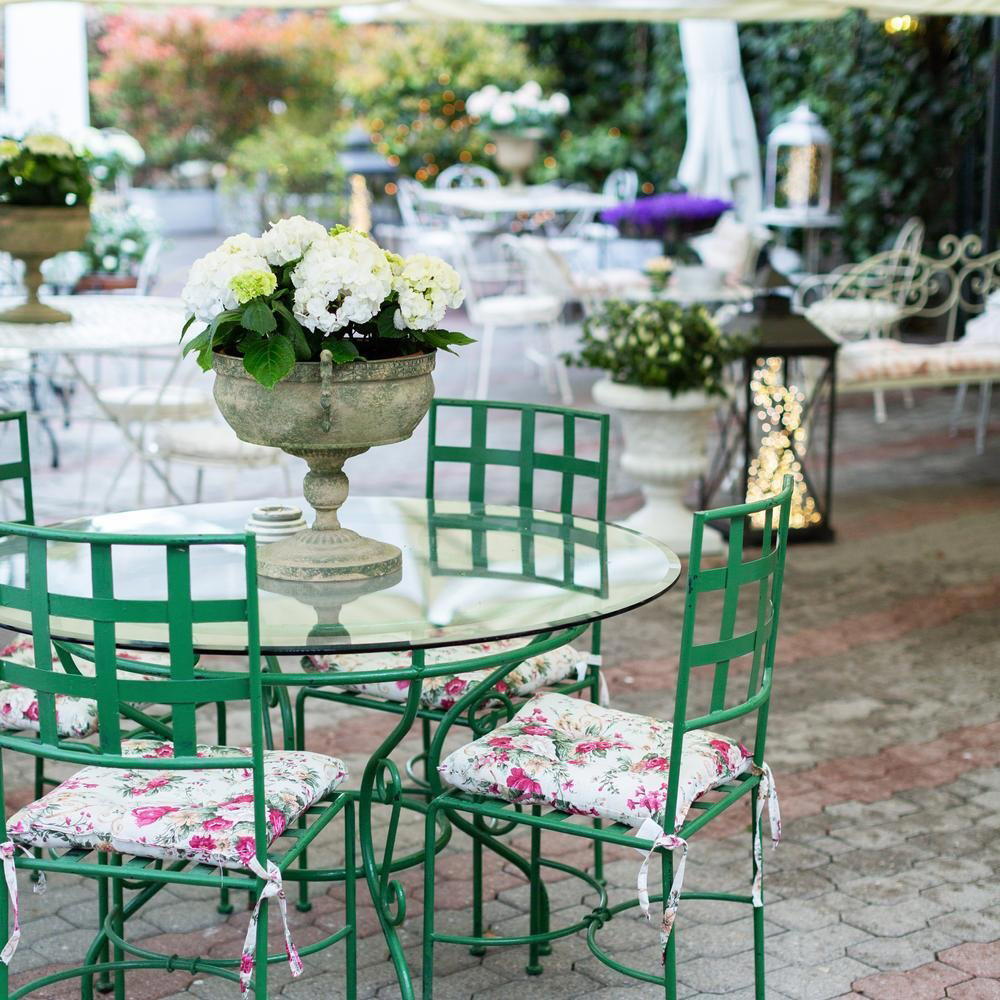
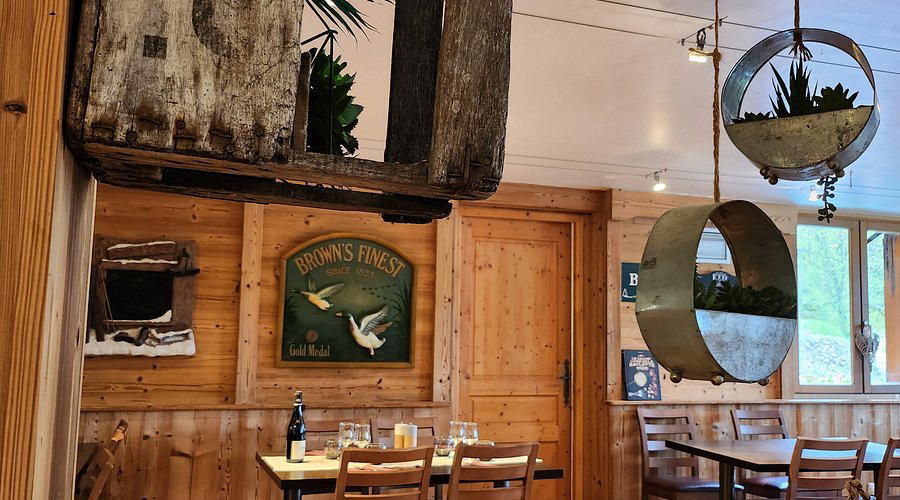
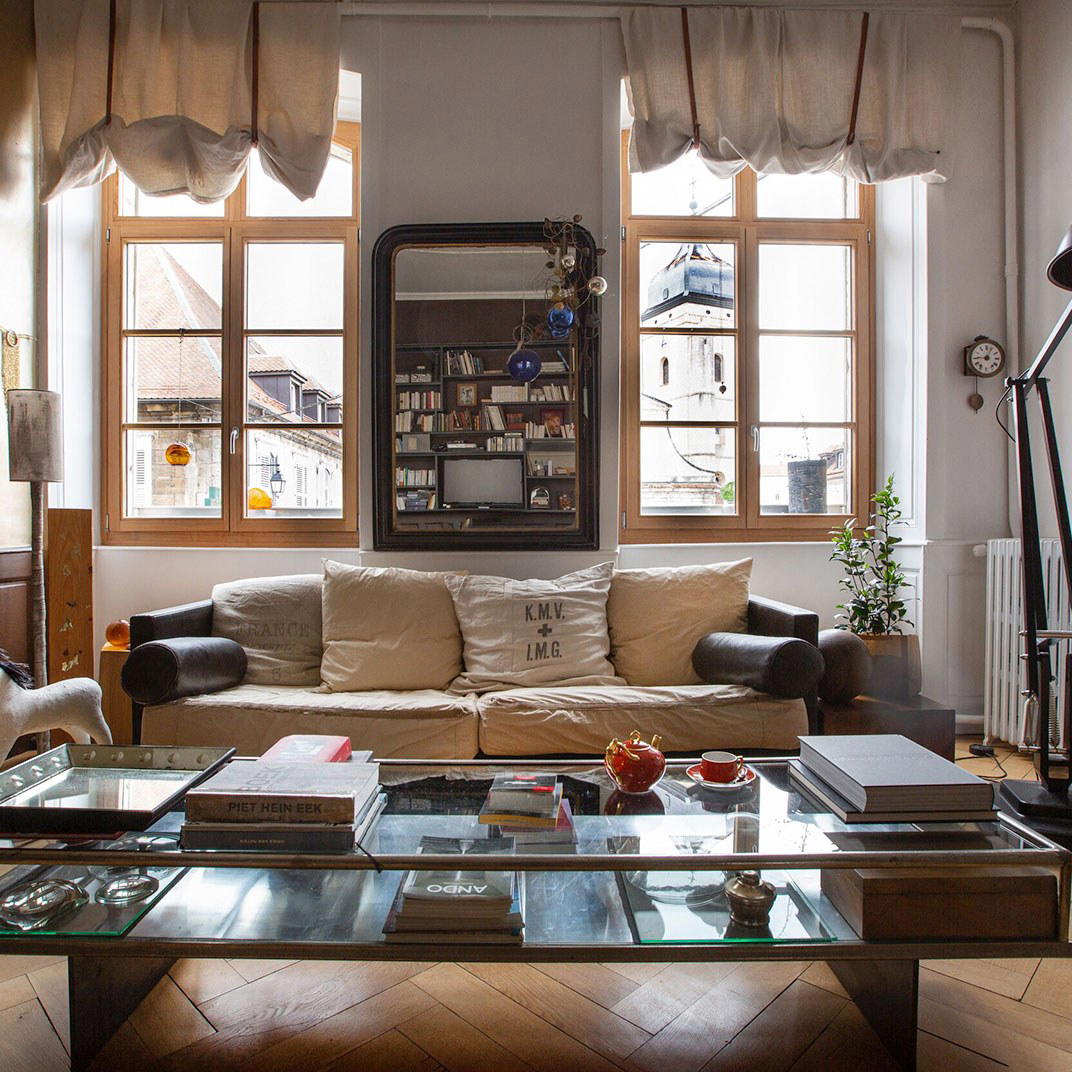
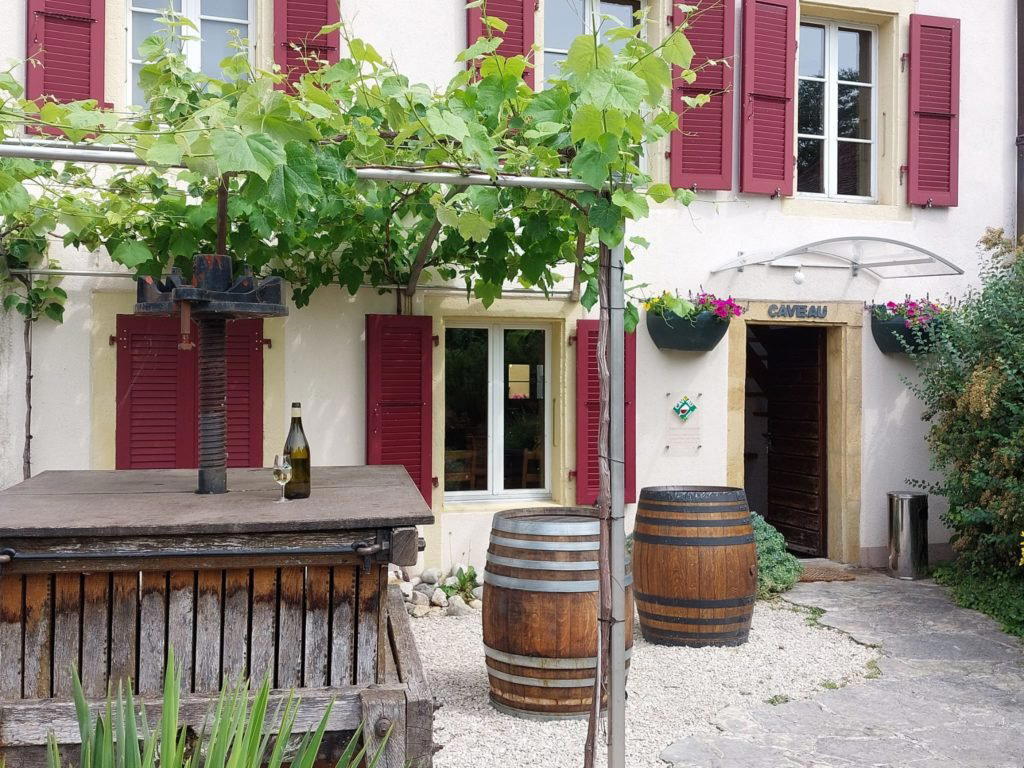
Classic and warm setting with friendly service, hearty portions, and a cozy terrace.