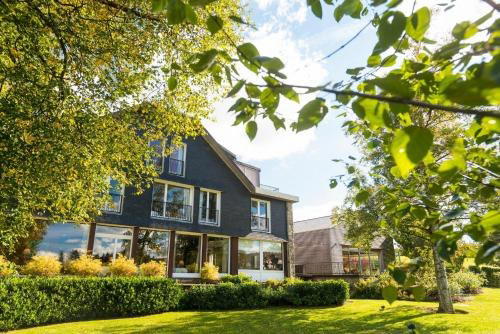
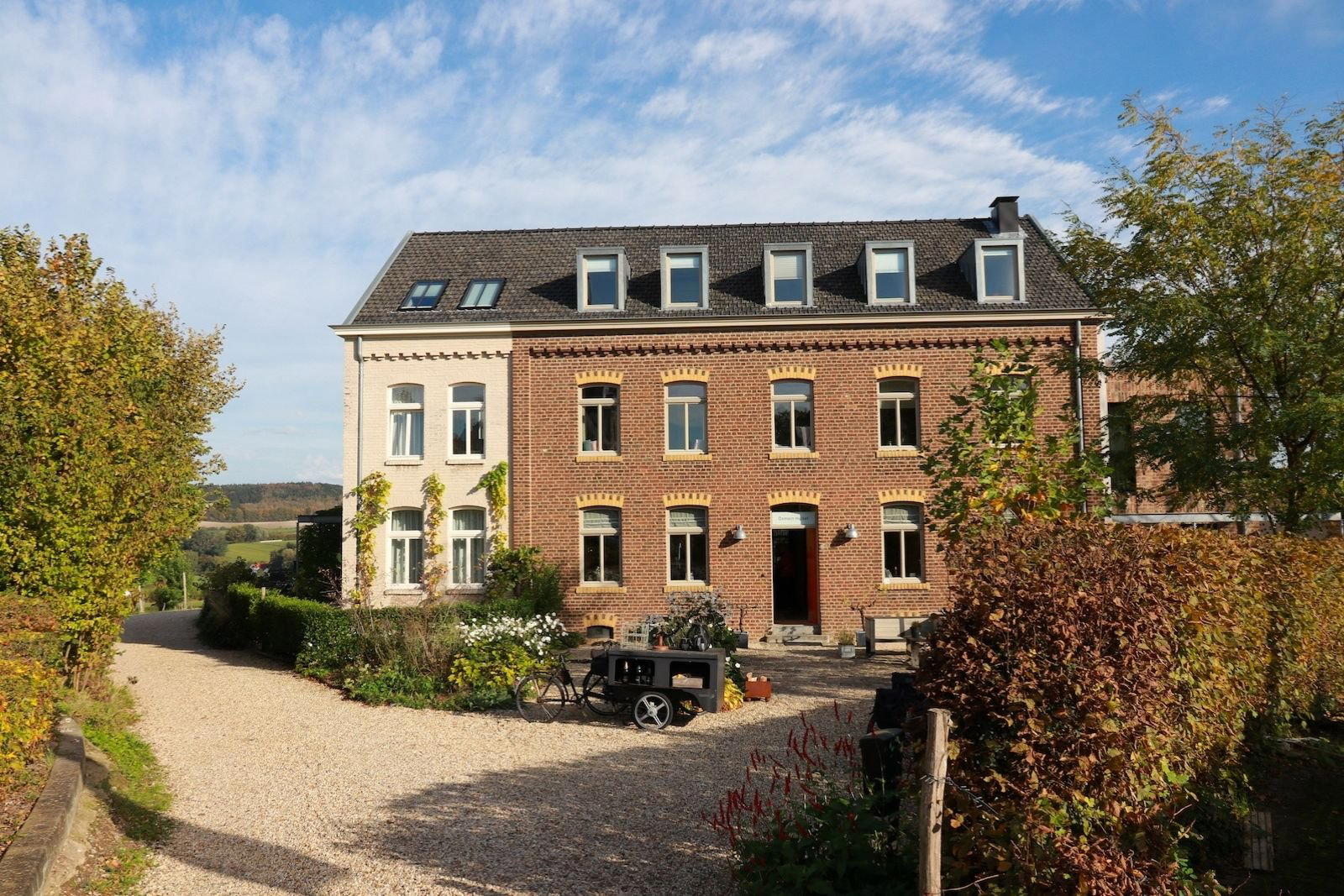
Le Chalet Du Parc occupies a standalone chalet within Spa's Parc de 7 Heures, placing it at a physical and conceptual remove from the town's other dining options. The Ardennes regional larder, with its game, river fish, and artisan produce, sets the sourcing context for any kitchen at this address. It fits the pace of a town built around deliberate, unhurried stays rather than passing trade.
Pearl is the En Primeur Club membership app — saves, bookings, and concierge access live there. Same editors, same standards.
- Address
- Parc de 7 Heures 1, 4900 Spa, Belgium
- Phone
- +3287772284
- Website
- lechaletduparc-spa.com
- Directions
- Get directions
 Saves & bookings on Pearl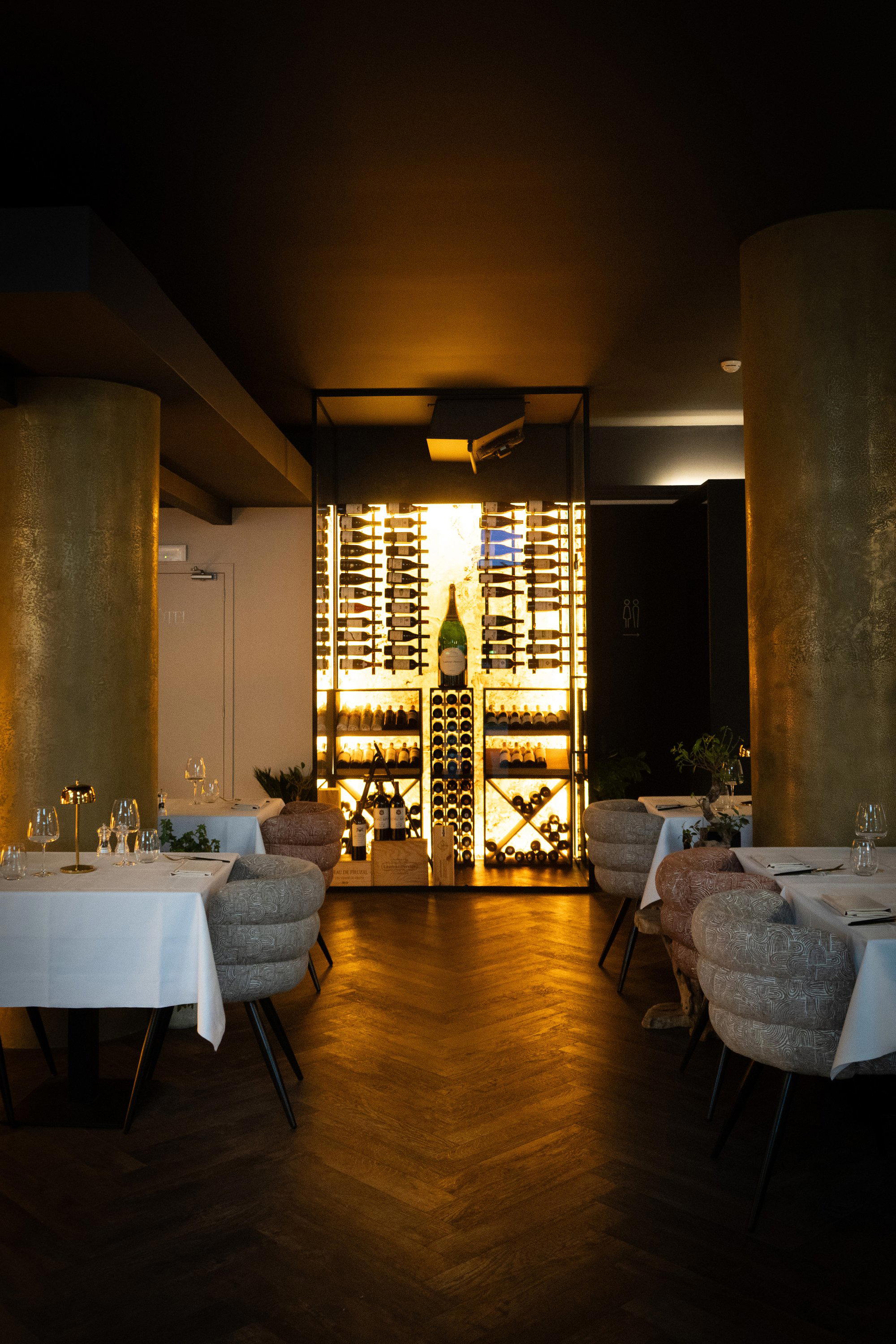
A Park Setting That Shapes the Meal Before You Sit Down
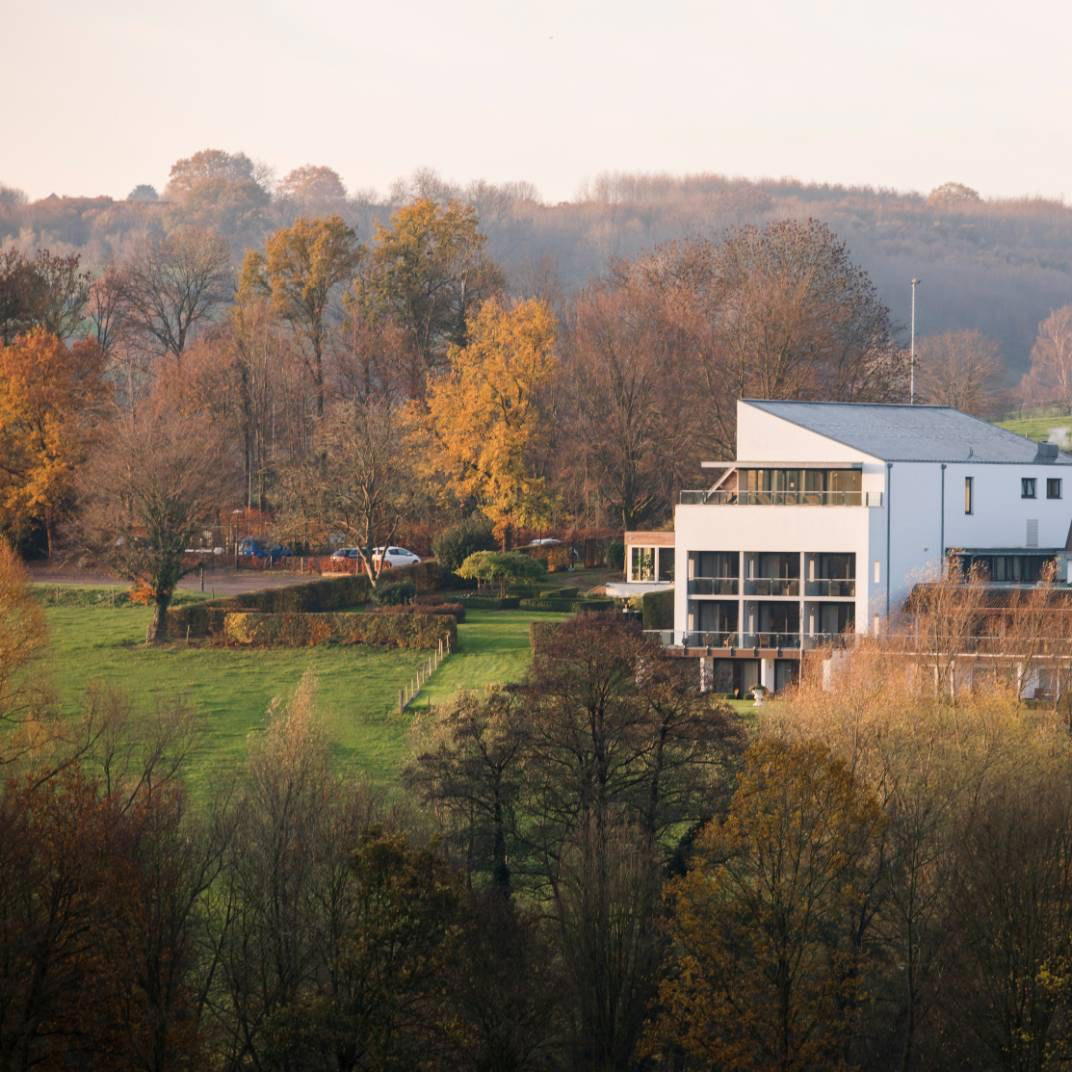
In Spa, Belgium's oldest thermal resort town, the relationship between outdoor space and dining room has always been closer than in a typical city restaurant. The Parc de 7 Heures, which gives Le Chalet Du Parc its address and its context, is one of those green spaces where the logic of leisure and appetite overlap naturally. Arriving through parkland rather than along a commercial street changes how a meal begins, slowing the pace before a single dish appears. That environmental framing matters here, because it situates Le Chalet Du Parc within Spa's broader identity as a place where people come deliberately, not incidentally.
Spa itself occupies a specific position in Belgian dining. It is not Brussels, where restaurants like Bozar Restaurant anchor an urban fine-dining circuit, nor is it a Flemish destination town with the density of addresses you find around Zilte in Antwerp or Boury in Roeselare. Spa is a Walloon resort, shaped by its waters and its forests, and the restaurants that survive here long-term tend to be those that read and serve that character rather than fighting it. Le Chalet Du Parc, positioned at the edge of its eponymous park, fits that pattern.
Where Sourcing Meets Setting in the Ardennes Region
The broader context for any kitchen operating out of this part of Belgium is the Ardennes larder. The region between Spa, Malmedy, and the Luxembourg border is among the most ingredient-rich in northern Europe: game from managed forests, freshwater fish from clear Ourthe and Amblève tributaries, artisan cheesemakers working in the hill villages, and market gardens that benefit from a cooler, wetter growing season than the Flanders plain. That sourcing geography matters because it sets a natural direction for kitchens in the area, one that Belgian restaurants at the higher end have consistently followed.
Belgium has demonstrated over several decades that close-range sourcing and serious culinary technique are not in tension. Kitchens like Hof van Cleve in Kruishoutem, Willem Hiele in Oudenburg, and L'air du temps in Liernu have built sustained critical recognition precisely by treating regional product as the starting point rather than a marketing afterthought. In the Ardennes and Liège province specifically, the same logic applies: the leading local kitchens are those that let the quality of the raw material carry visible weight in what appears on the plate. A chalet-format restaurant at a park address in Spa sits naturally within that tradition.
The Dining Scene in Spa and How Le Chalet Du Parc Fits
Spa's restaurant offering is compact relative to its tourism footprint. The town draws visitors from across Belgium, the Netherlands, Germany, and northern France, primarily for the thermal baths, the motor racing circuit at Francorchamps, and the general rhythm of a slow-paced hill town that has been in the wellness business since the sixteenth century. That visitor profile tends to support restaurants at a mid-to-upper price positioning, particularly those with dining rooms or terraces suited to a longer meal. Among the options currently active in the town, the range runs from L'Auberge at the accessible end through to the more formal registers of L'Art de Vivre and La Cour de la Reine. Botèye and Le Bacchus add further variety to a scene that, while modest in size, maintains reasonable depth. Our full Spa restaurants guide maps the complete picture.
Le Chalet Du Parc occupies a physically distinct position in this set: a standalone chalet structure within parkland, rather than a townhouse conversion or hotel dining room. That format carries its own logic for menu design. Kitchens in park or garden settings typically build menus that reflect the season and the outdoor surroundings more openly than urban rooms, where the connection to landscape is more abstract. Whether Le Chalet Du Parc follows that pattern directly, the address and structure point in that direction.
Belgian Fine Dining Beyond the Major Cities
One of the more interesting developments in Belgian gastronomy over the past decade is the geographic spread of serious cooking beyond Brussels and the Flemish cities. Addresses like Bartholomeus in Heist, Castor in Beveren, De Jonkman in Sint-Kruis, and d'Eugénie à Emilie in Baudour have demonstrated that sustained culinary ambition does not require a metropolitan setting. In Wallonia, the argument is even clearer: the region's agricultural and foraging resources give smaller-town kitchens a raw material advantage that urban restaurants must compensate for through supply chain effort. A kitchen with direct access to Ardennes game, river fish, and hill-country dairy is starting from a stronger position than one sourcing equivalent ingredients across a longer chain.
That context is worth holding in mind when assessing any restaurant in the Spa area. The question is not whether a room of this type can compete with a Brussels or Antwerp address on metropolitan scale and buzz, but whether it makes intelligent use of the specific larder available to it. Internationally, the parallel argument plays out at restaurants like Atomix in New York City, where precision and provenance combine regardless of urban setting, or Le Bernardin, where the sourcing rigour applied to a single category of ingredient becomes the organising principle of an entire kitchen. The scale differs; the underlying logic does not.
Planning a Visit
Spa is most naturally reached by car from Brussels (approximately 1 hour 40 minutes), from Liège (around 40 minutes), or from Maastricht across the Dutch border (roughly 45 minutes). The town is also accessible by train from Liège-Guillemins, the high-speed rail hub, with a journey of around 45 minutes on the regional line. The Parc de 7 Heures is central to Spa and walkable from most of the town's hotels, making a post-meal walk through the park a reasonable end to an evening meal. As with most restaurants in Spa that attract visitors alongside locals, booking ahead is advisable for weekend evenings and during peak periods: the Formula 1 Belgian Grand Prix at Francorchamps in late summer generates significant demand across the town's dining options. The thermal baths season and the summer holiday window from late June through August represent the busiest windows. Off-season visits in autumn, when Ardennes game is at its seasonal height, offer a different kind of appeal for anyone interested in regional product.
How Le Chalet Du Parc Spa compares with similar nearby venues.
| Venue | Cuisine | Price |
|---|---|---|
| L'Auberge | French | €€ |
| L'Art de Vivre | Modern French | €€€ |
Continue exploring
More in Spa
Restaurants in Spa
Browse all →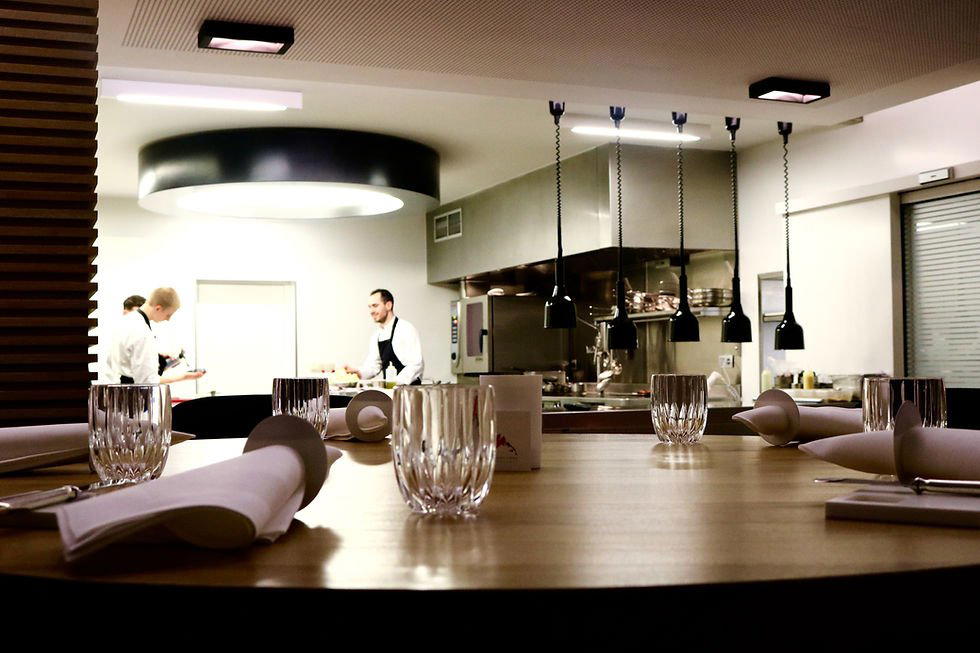
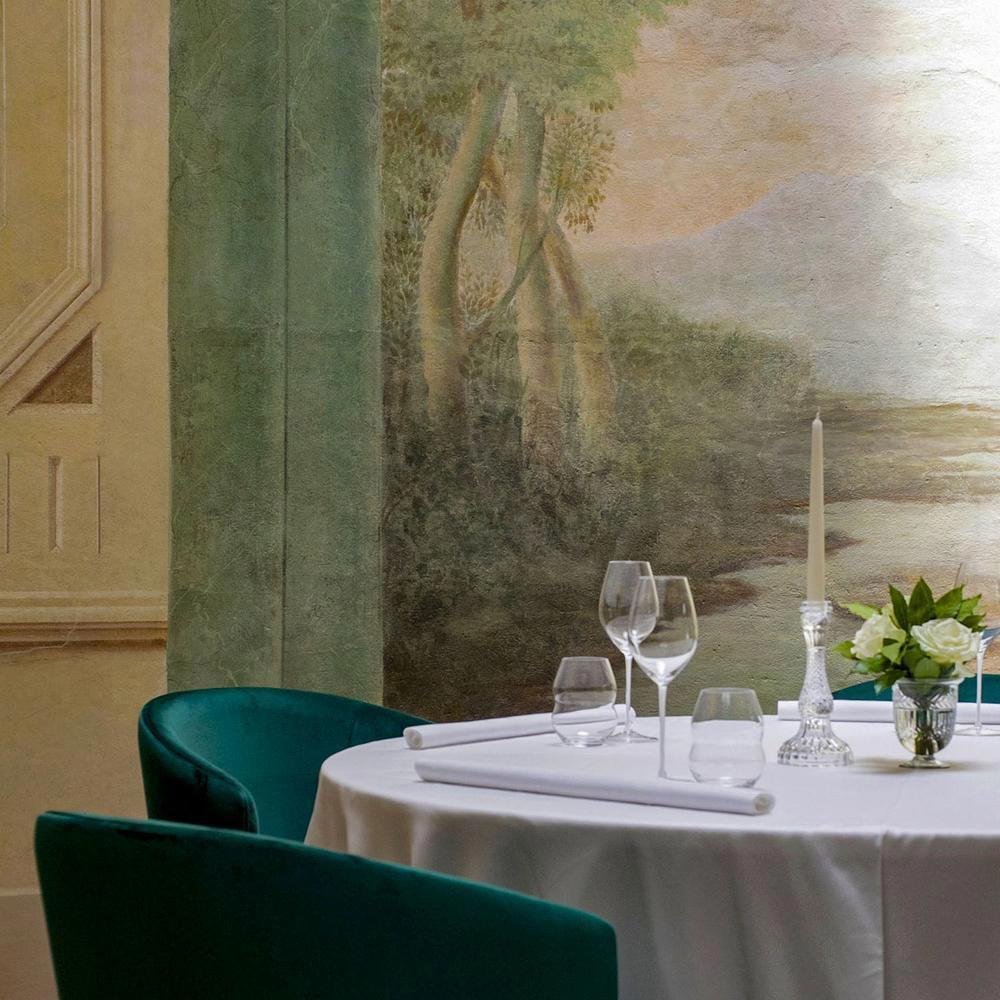
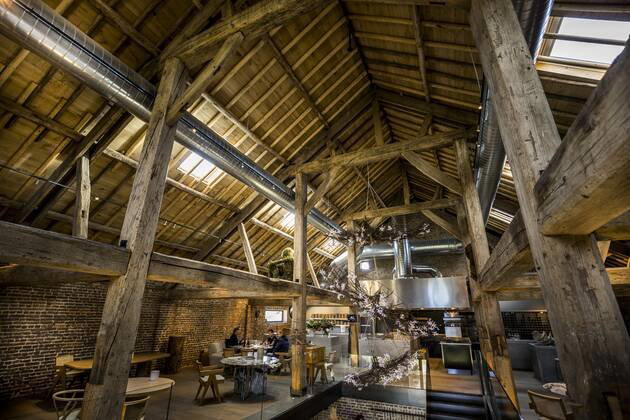
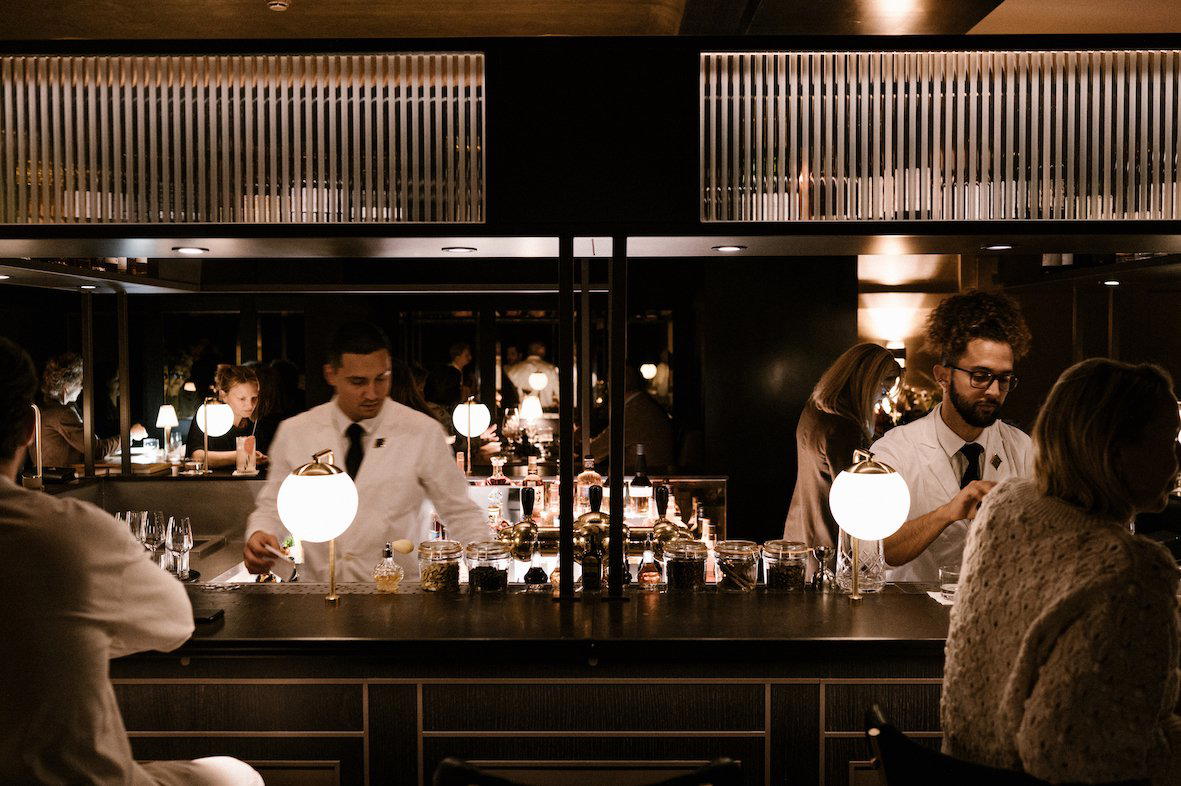
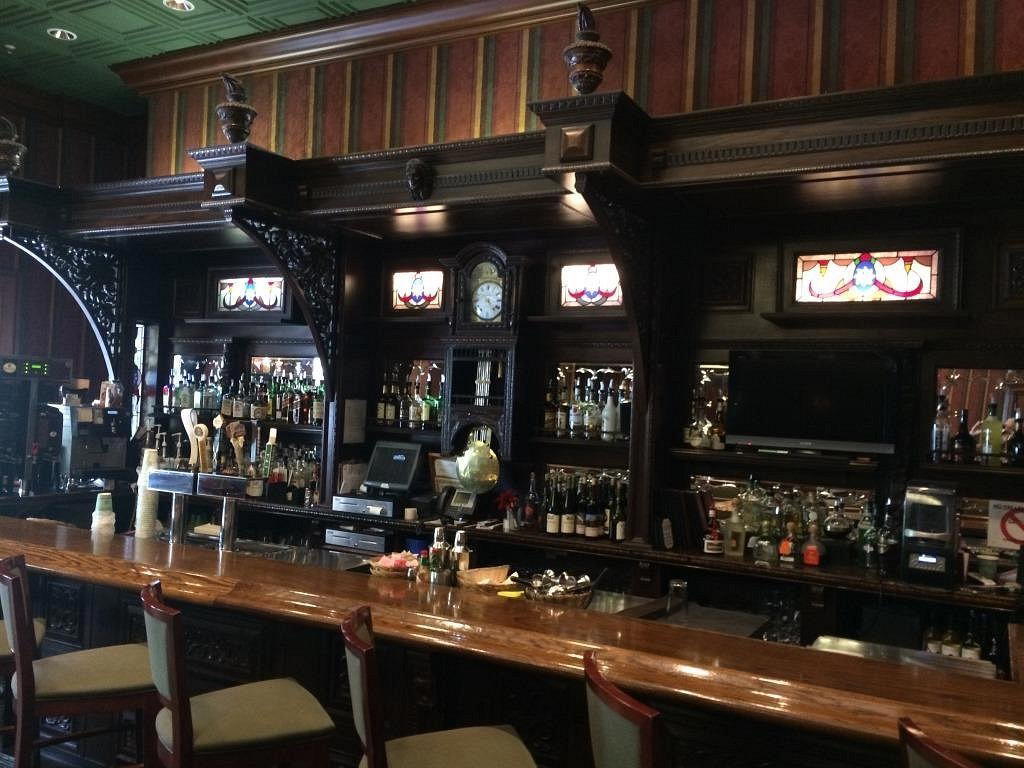
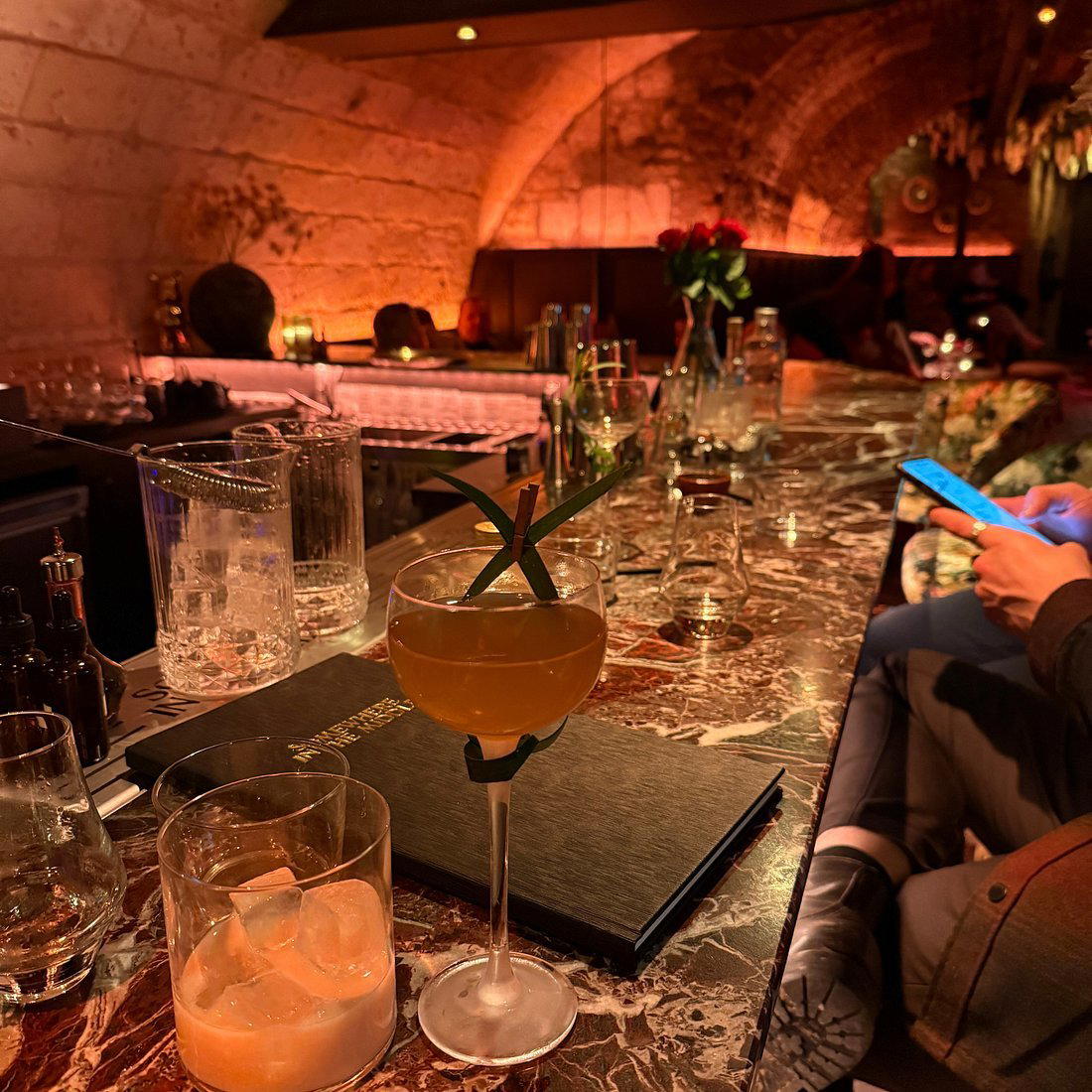
Bars in Spa
Browse all →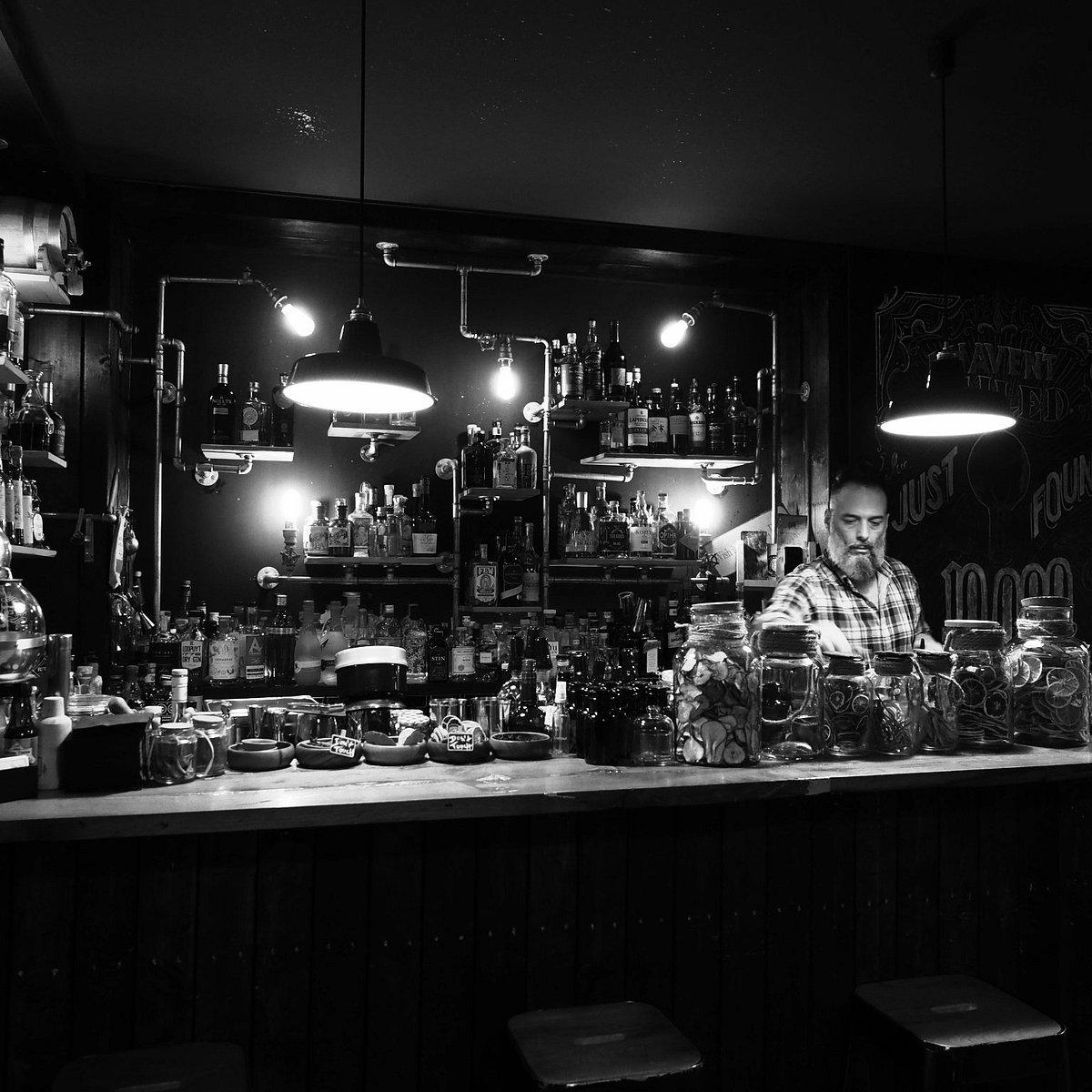
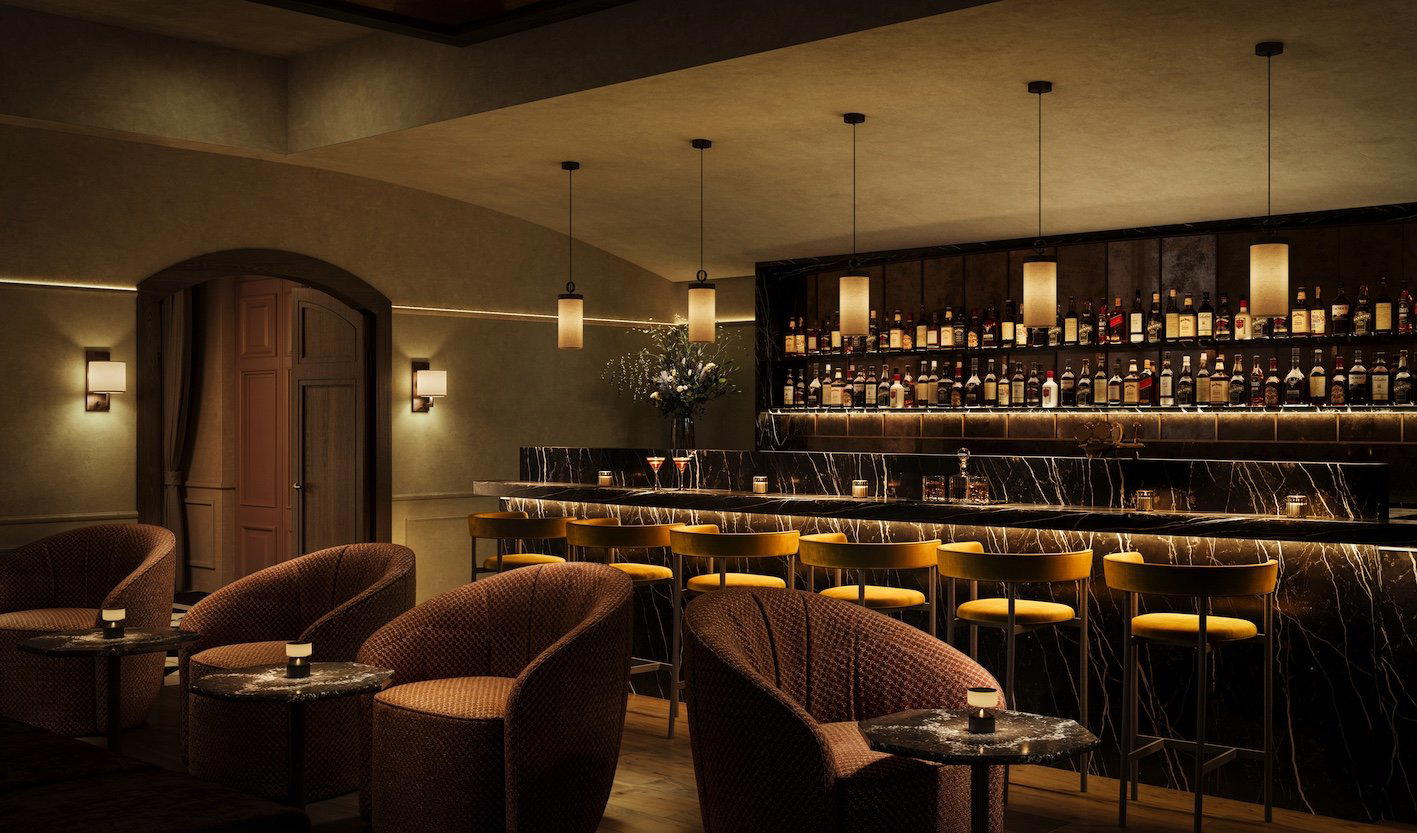
Hotels in Spa
Browse all →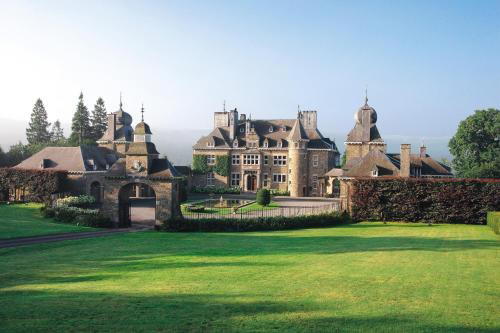

At a Glance
- Romantic
- Cozy
- Elegant
- Scenic
- Date Night
- Special Occasion
- Celebration
- Business Dinner
- Terrace
- Garden
- Hotel Restaurant
- Historic Building
- Extensive Wine List
- Sommelier Led
- Local Sourcing
- Garden
Current opening hours
- Monday
- 12–2 PM, 6:30–9 PM
- Tuesday
- Closed
- Wednesday
- Closed
- Thursday
- 12–2 PM, 6:30–9 PM
- Friday
- 12–2 PM, 6:30–9 PM
- Saturday
- 12–2 PM, 6:30–9 PM
- Sunday
- 12–2 PM, 6:30–9 PM
Hours can change for holidays and private events. Last verified .
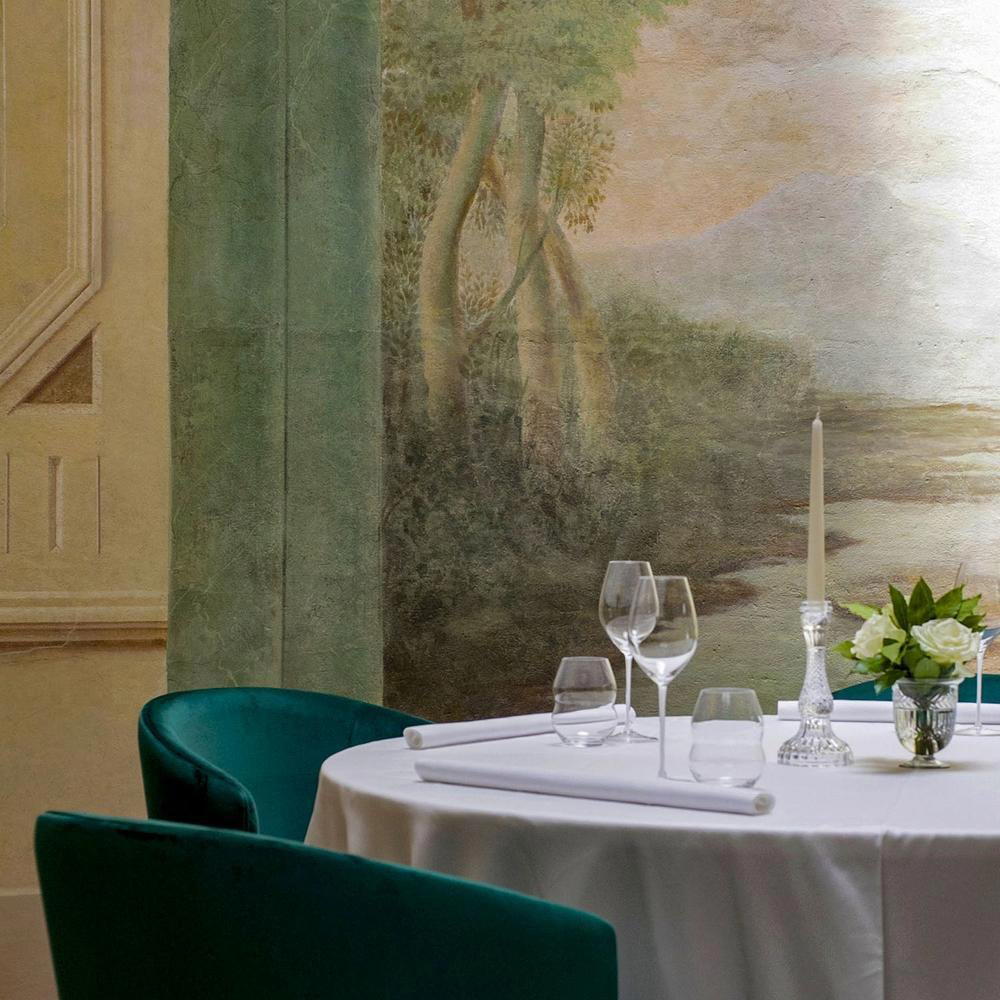
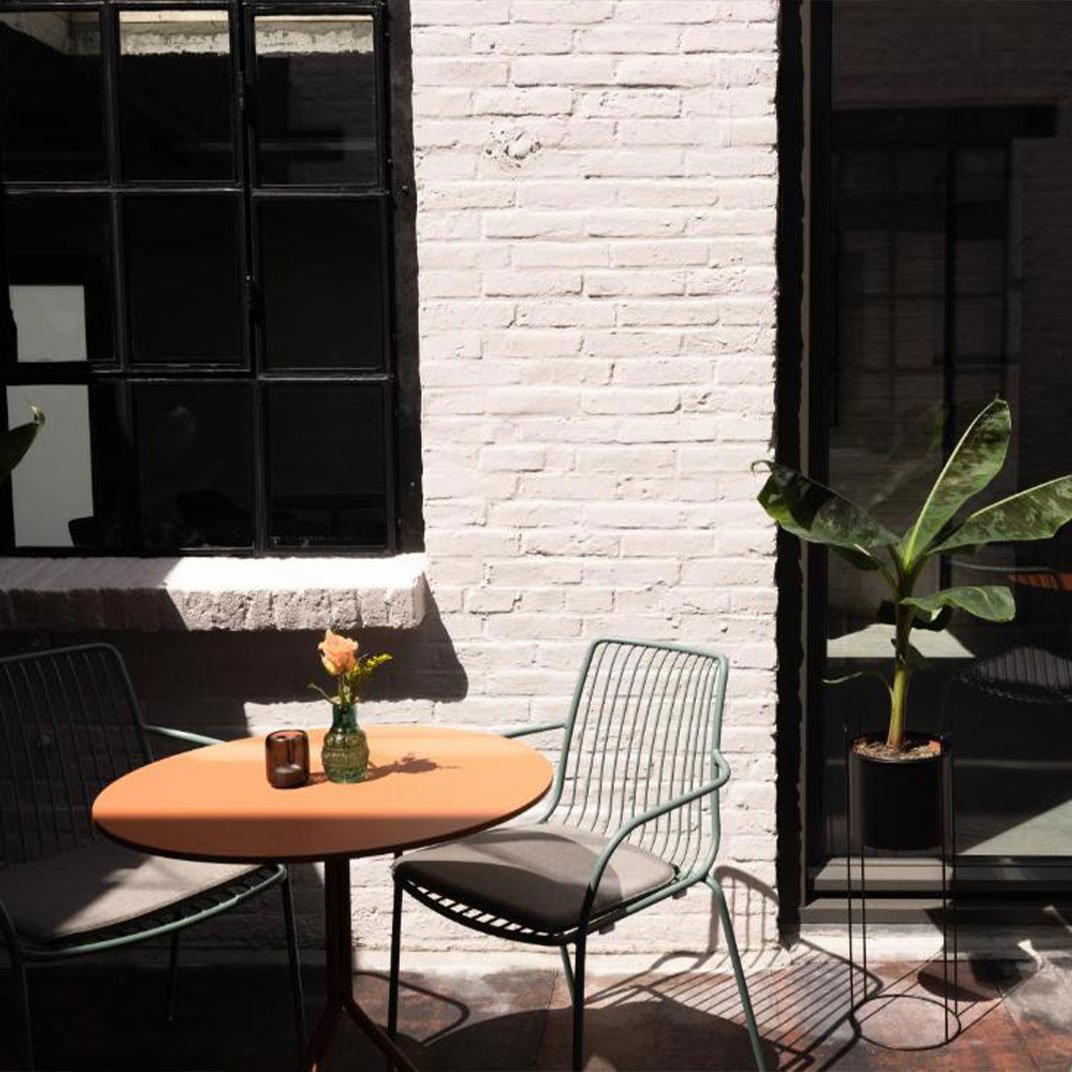
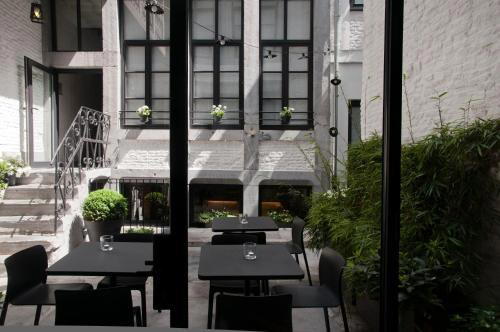
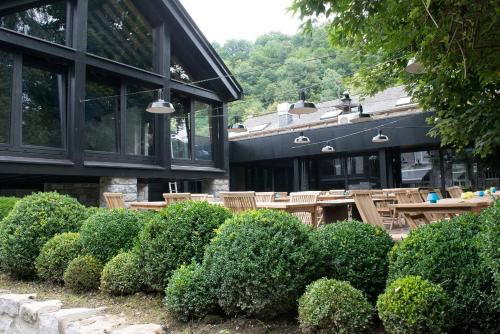
Warm and cozy with elegant touches; recently renovated with a well-lit terrace ideal for sunny days; intimate yet sophisticated atmosphere.
Know Before You Go
- Getting there
- Parc de 7 Heures 1, 4900 Spa, Belgium