Restaurant Le Cèdre - Badenerstrasse
Restaurant Le Cèdre - Badenerstrasse serves authentic Lebanese meze at Badenerstrasse 78, with mezzé platters and a lively room for dinner.
Pearl is the En Primeur Club membership app — saves, bookings, and concierge access live there. Same editors, same standards.
- Address
- Badenerstrasse 78, 8004 Zürich, Switzerland
- Phone
- +41 44 241 42 72
- Website
- libanesisch.ch
- Directions
- Get directions
 Saves & bookings on Pearl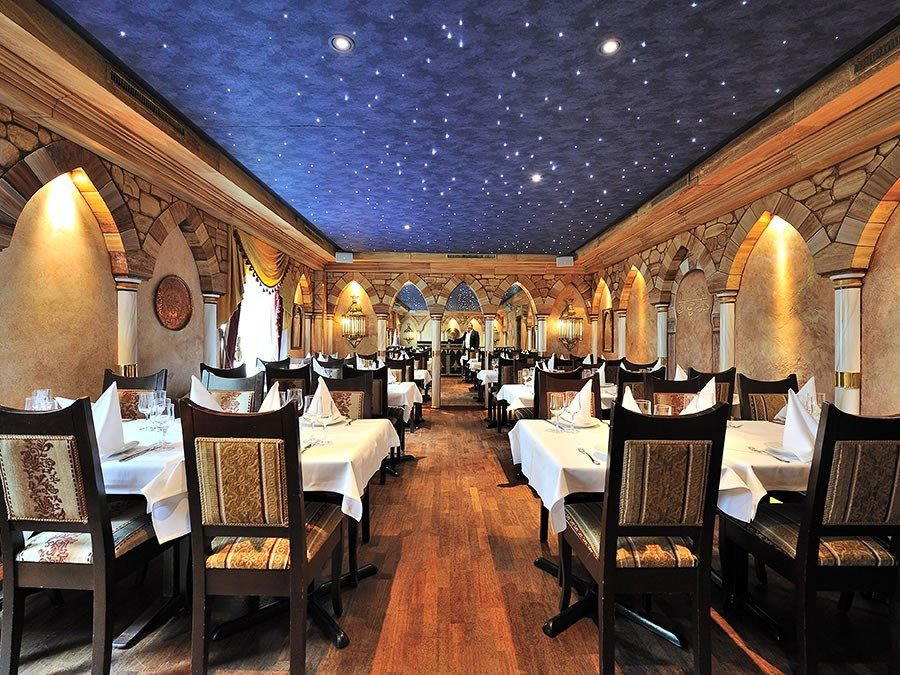
Badenerstrasse and the Lebanese Table in Zurich
Badenerstrasse runs southwest from the central city through District 4, a stretch that has quietly accumulated more culinary range per block than most of Zurich's more talked-about corridors. The street mixes Turkish greengrocers, Vietnamese lunch spots, and a handful of sit-down restaurants that serve the kind of food rarely found in the city's formal dining tier. Restaurant Le Cèdre occupies a position within that neighbourhood ecology: a Lebanese address on a street where Middle Eastern cooking, when done seriously, tends to fill seats by reputation rather than by marketing. Le Cèdre occupies a different register entirely: the kind of place where the food tradition itself carries the authority.
The Logic of a Lebanese Meal
Lebanese dining is structured differently from the European tasting-menu format that dominates Zurich's upper tier. The meal does not build toward a single climactic course. Instead, it expands laterally across a spread of cold mezze, then warm mezze, before proteins arrive. The rhythm is communal and deliberate, and the quality of any given table is legible almost immediately in the cold dishes: how the hummus is seasoned, whether the tabbouleh is herb-forward or bulgur-heavy, how the fattoush handles its dressing. These are not preambles. They are the measure of a kitchen's discipline.
That structure matters in a city like Zurich, where the dominant dining grammar is either the set tasting sequence (as practiced by The Restaurant in its creative format) or the Swiss institution format (as at Widder). Le Cèdre offers neither. It offers the Lebanese progression: a table that fills up before the main courses arrive, then fills up again. For diners accustomed to pacing a meal through a fixed sequence, this requires a recalibration of appetite and attention.
District 4, Badenerstrasse 78
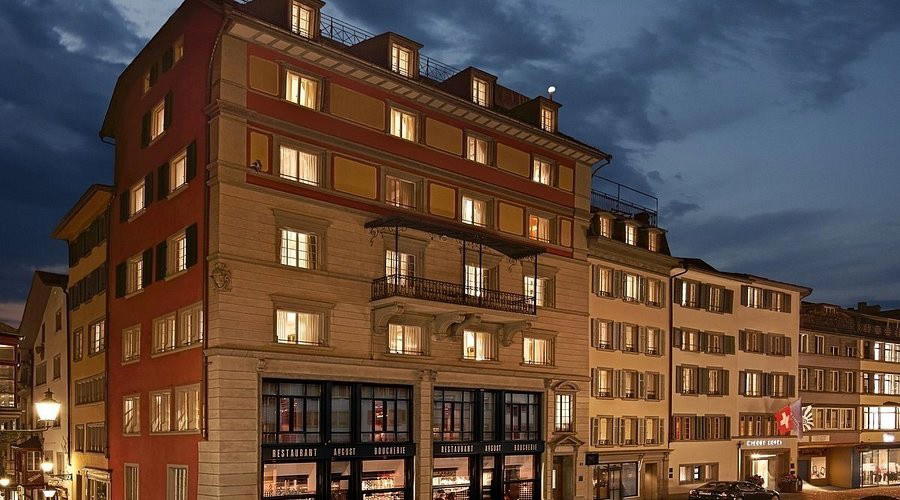
The address places Le Cèdre in the part of District 4 that sits between Helvetiaplatz and the railway viaduct, a walkable stretch from the city centre but outside the areas where Zurich's established dining names cluster. That distance from the polished restaurant quarters of the Niederdorf or the lake promenade is itself a contextual signal. Restaurants that survive and build regulars in this part of Badenerstrasse do so on repeat local custom rather than tourist traffic or hotel concierge referrals. The clientele tends to include Lebanese diaspora and regulars who know the food well enough to order by specificity rather than by scanning a menu cold.
For visitors approaching from the city centre, tram lines along Badenerstrasse connect the address to the broader Zurich network. The neighbourhood is also within reasonable walking distance of Helvetiaplatz, which serves as a transit node for several tram routes.
How the Meal Sequences
The editorial angle worth establishing here is the tasting arc that Lebanese cooking demands. Cold mezze arrive first. This is not a course to rush. In a well-run Lebanese kitchen, the cold spread will include labneh, baba ghanoush, kibbeh nayeh if the kitchen is confident, and a range of salads that together map the kitchen's sourcing and seasoning range. These dishes set the baseline. A table that arrives undisciplined on cold mezze is unlikely to redeem itself on the grill.
Warm mezze follow: falafel, sambousek, cheese pastries, dishes that require timed execution and hot delivery. The transition from cold to warm is where service sequencing becomes visible. A kitchen managing the two stages cleanly, without the cold dishes sitting too long while warm ones stack in the pass, is operating at a different level from one where the courses blur together.
Main proteins, typically grilled meats or fish, arrive last. In Lebanese tradition these are often shared: a mixed grill that covers the table, or a whole fish with additional condiments. At this stage the bread has usually been in rotation throughout the meal, used as utensil as much as food. The trajectory is one of sustained, layered eating rather than a sequence of discrete events. Diners familiar with the format at Lebanese addresses in Paris, London, or Beirut itself will read the kitchen's competence through how cleanly that arc holds together.
Switzerland's broader fine dining scene, which includes multi-starred addresses like Hotel de Ville Crissier, Schloss Schauenstein, and Memories in Bad Ragaz, operates on a set-menu, European-progression logic. Le Cèdre belongs to a different tradition entirely, one where the meal's architecture is cultural rather than chef-driven. That is not a limitation. It is the point.
Where Le Cèdre Sits in Zurich's Wider Picture
Zurich's dining scene has grown more international across the past decade, but Lebanese cooking at a serious level remains underrepresented relative to the city's size and appetite for variety. Against the city's more prominent shared-plate format, as practiced at Eden Kitchen and Bar, Lebanese mezze offer something structurally adjacent but culturally distinct: sharing as a default, not as a format choice.
Within Switzerland, the range extends further to addresses like Cheval Blanc by Peter Knogl in Basel, Einstein Gourmet in Sankt Gallen, Da Vittorio in St. Moritz, Mammertsberg in Freidorf, La Table du Valrose in Rougemont, focus ATELIER in Vitznau, and Maison Wenger in Le Noirmont, all of which operate in the European-progression fine dining format. Le Cèdre belongs to none of those categories, which is part of what makes it worth locating on any serious map of Zurich eating.
For context on how shared communal meal formats have been executed at the leading end internationally, Le Bernardin in New York City and Lazy Bear in San Francisco illustrate how different cultures of generous, course-layered hospitality translate into formal dining contexts, though the register is entirely different from a Lebanese mezze table.
Planning a Visit
Badenerstrasse 78, Zurich 8004. District 4 is served by tram from the city centre; Helvetiaplatz is the nearest major tram interchange. According to the restaurant's published hours, it is closed Monday, open Tuesday through Friday for lunch and dinner, and open Saturday and Sunday evenings.
Just the Basics
Comparable venues nearby, for context on price, style, and recognition.
| Venue | Cuisine | Price | Notes |
|---|---|---|---|
| Restaurant Le Cèdre - BadenerstrasseThis venue — the venue you are viewing | Aussersihl, Authentic Lebanese Meze | $$ | Not listed |
| Bebek | Not listed | $$ | Aussersihl, Lebanese & Middle Eastern Meze |
| Veganitas | Aussersihl, Vegan Middle Eastern Pitas | $$ | Not listed |
| Samarkand | Aussersihl, Uzbek | $$ | Not listed |
| Fribourger Fonduestübli | Aussersihl, Traditional Swiss Fondue | $$ | Not listed |
| La Taqueria | Aussersihl, Authentic Mexican Taqueria | $$ | Not listed |
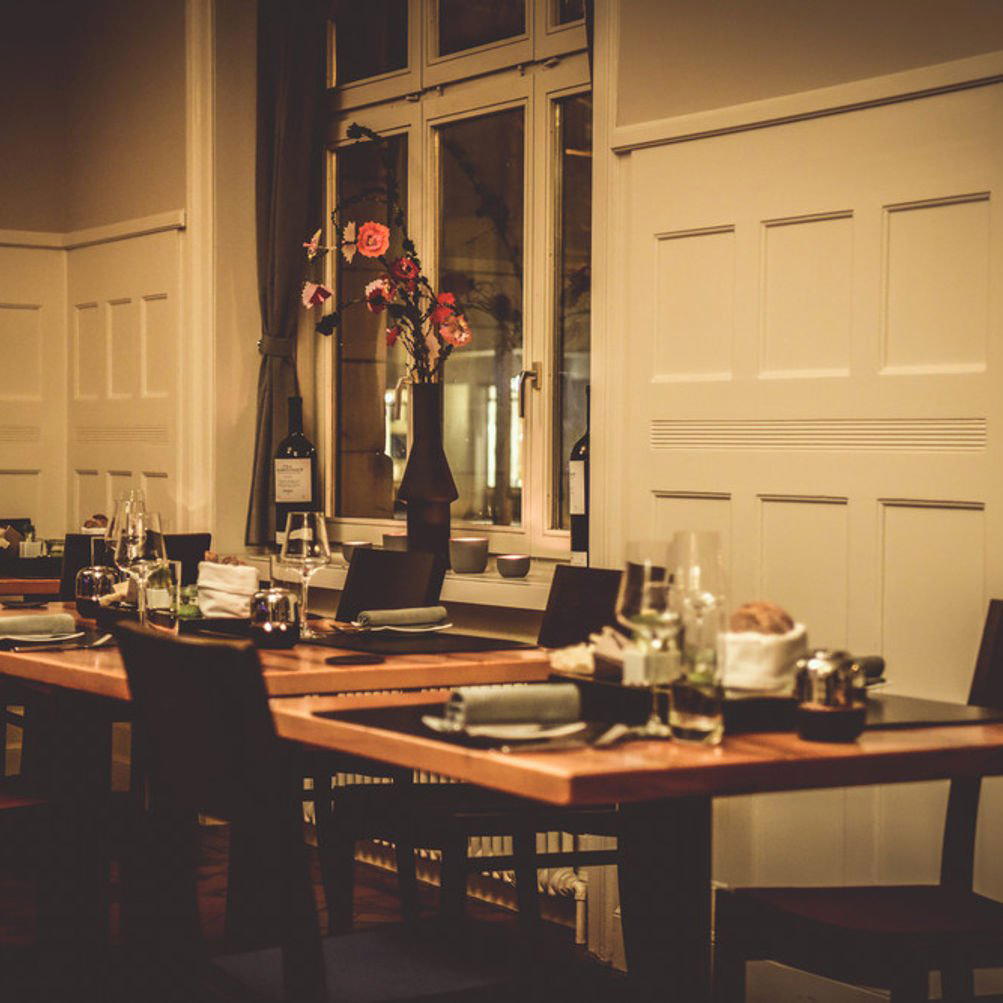
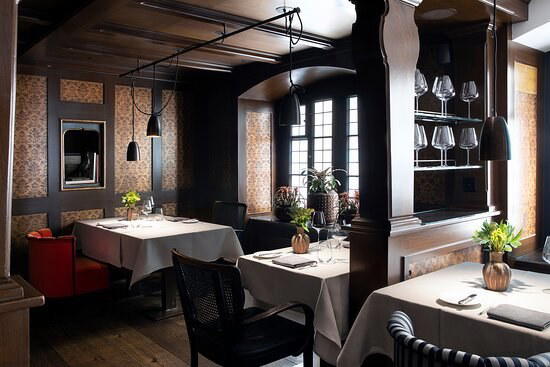
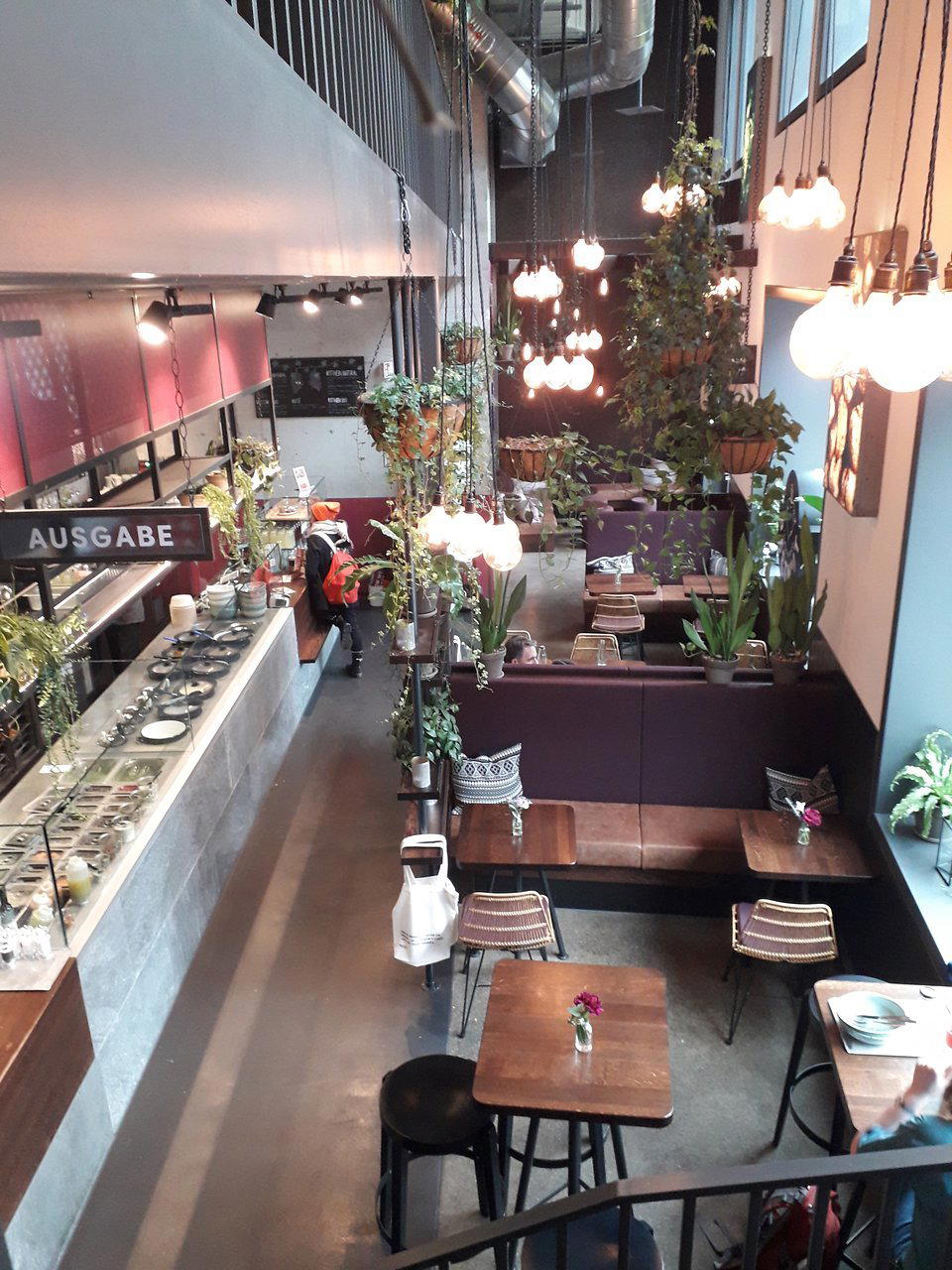
At a Glance
- Lively
- Cozy
- Elegant
- Group Dining
- Casual Hangout
- Celebration
- Standalone
Current opening hours
- Monday
- Closed
- Tuesday
- 11:30 AM–2:30 PM, 6 PM–12 AM
- Wednesday
- 11:30 AM–2:30 PM, 6 PM–12 AM
- Thursday
- 11:30 AM–2:30 PM, 6 PM–12 AM
- Friday
- 11:30 AM–2:30 PM, 6 PM–12 AM
- Saturday
- 6 PM–12 AM
- Sunday
- 6 PM–12 AM
Hours can change for holidays and private events. Last verified .
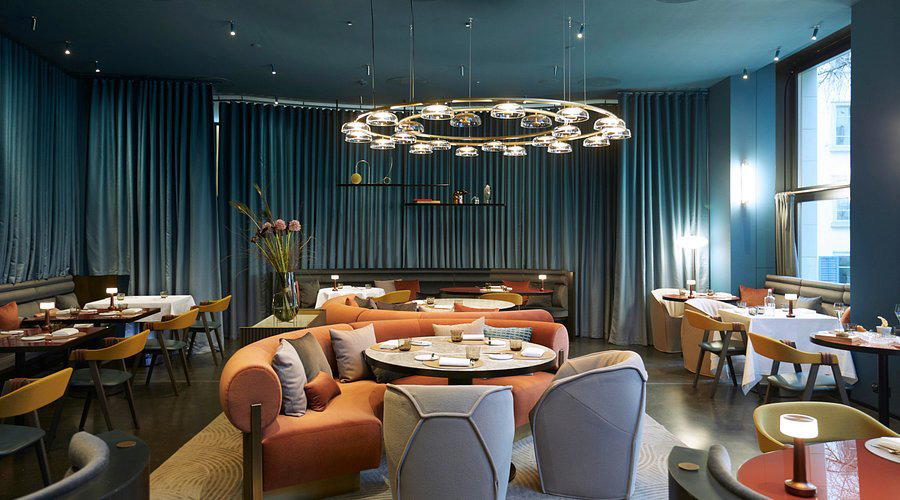
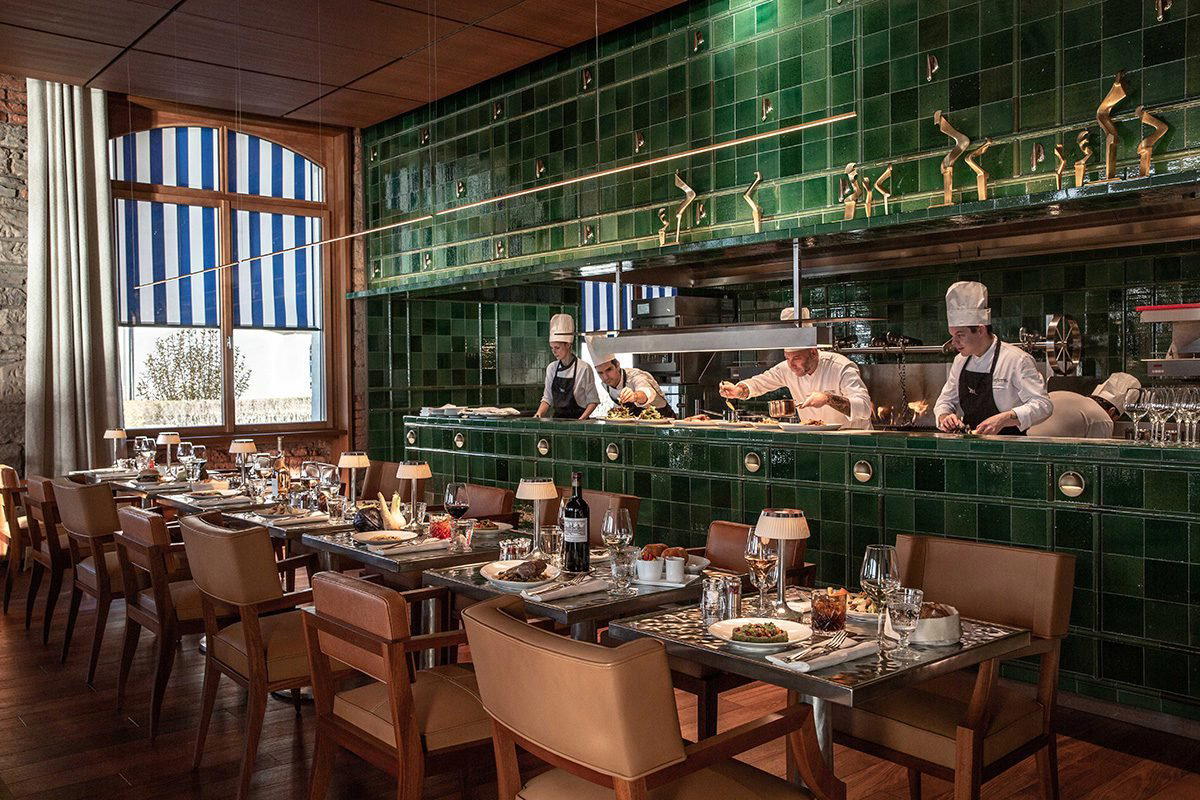
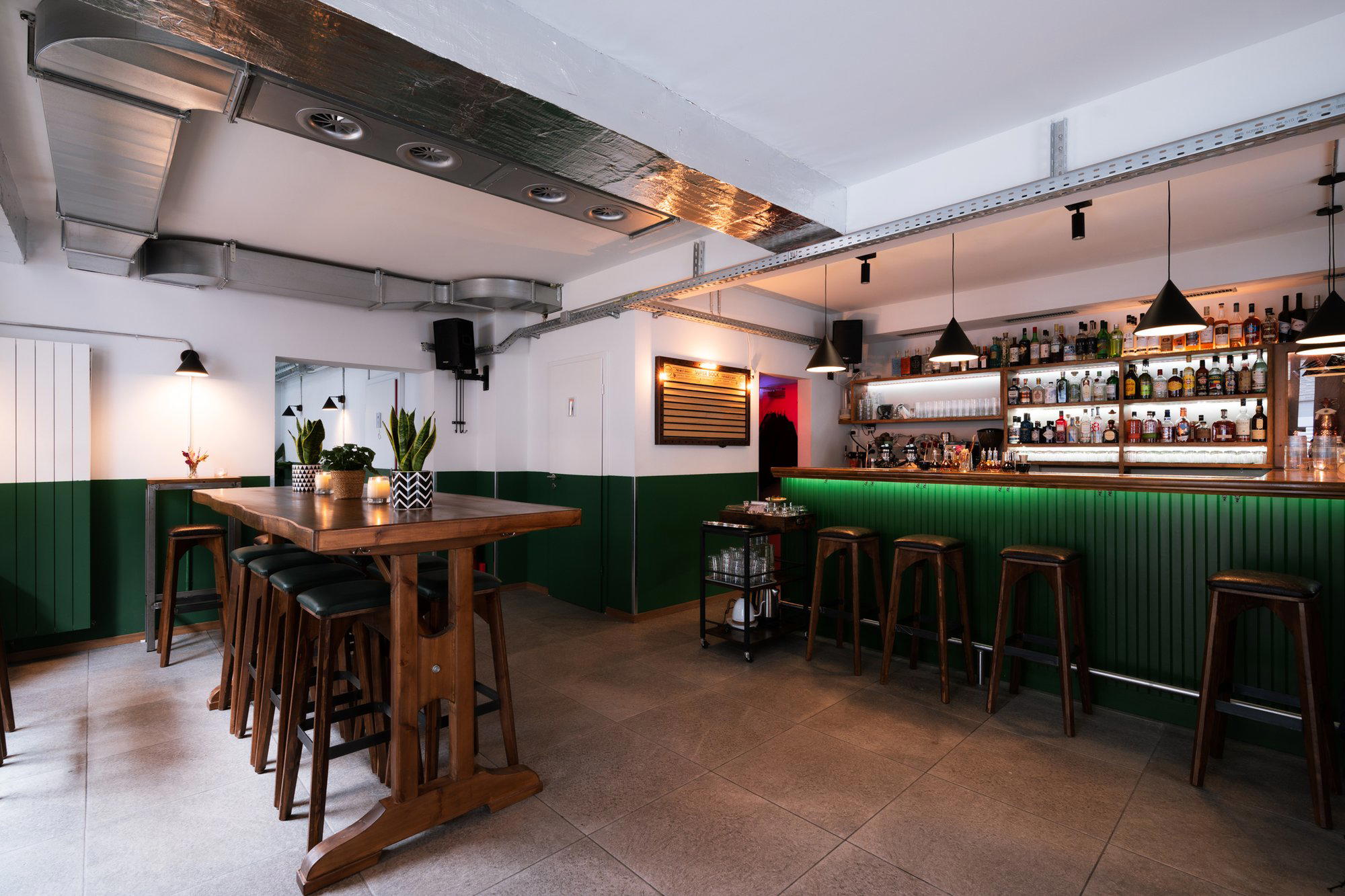
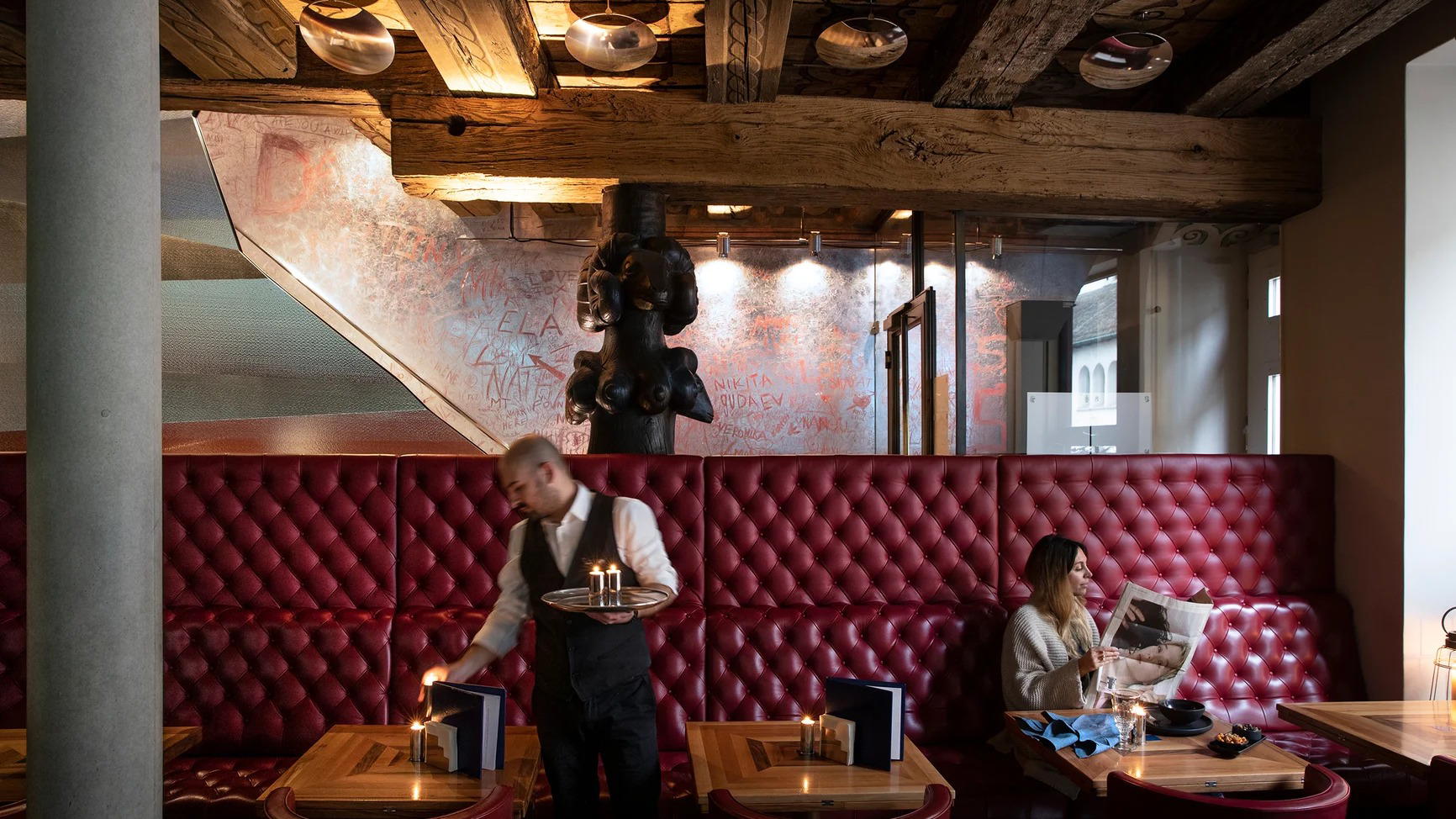
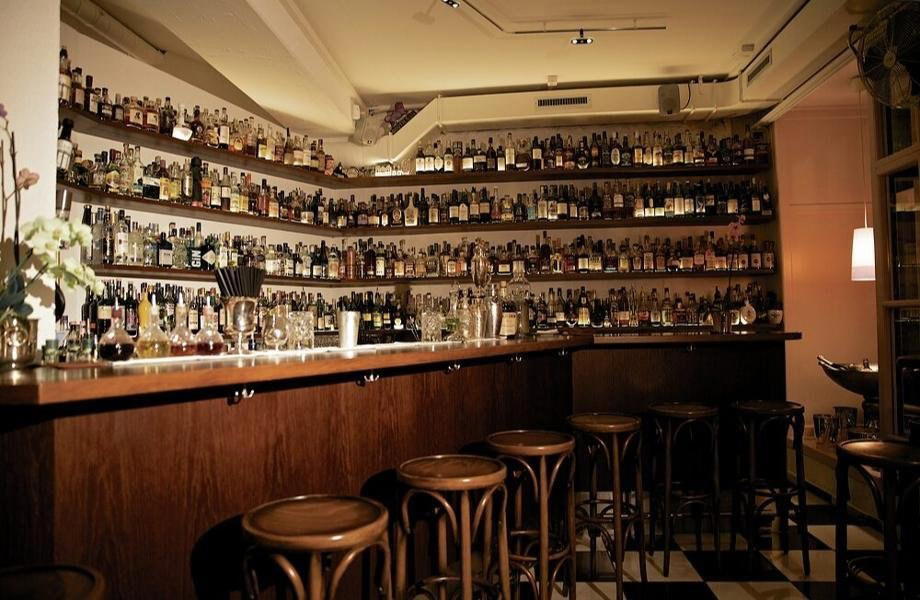
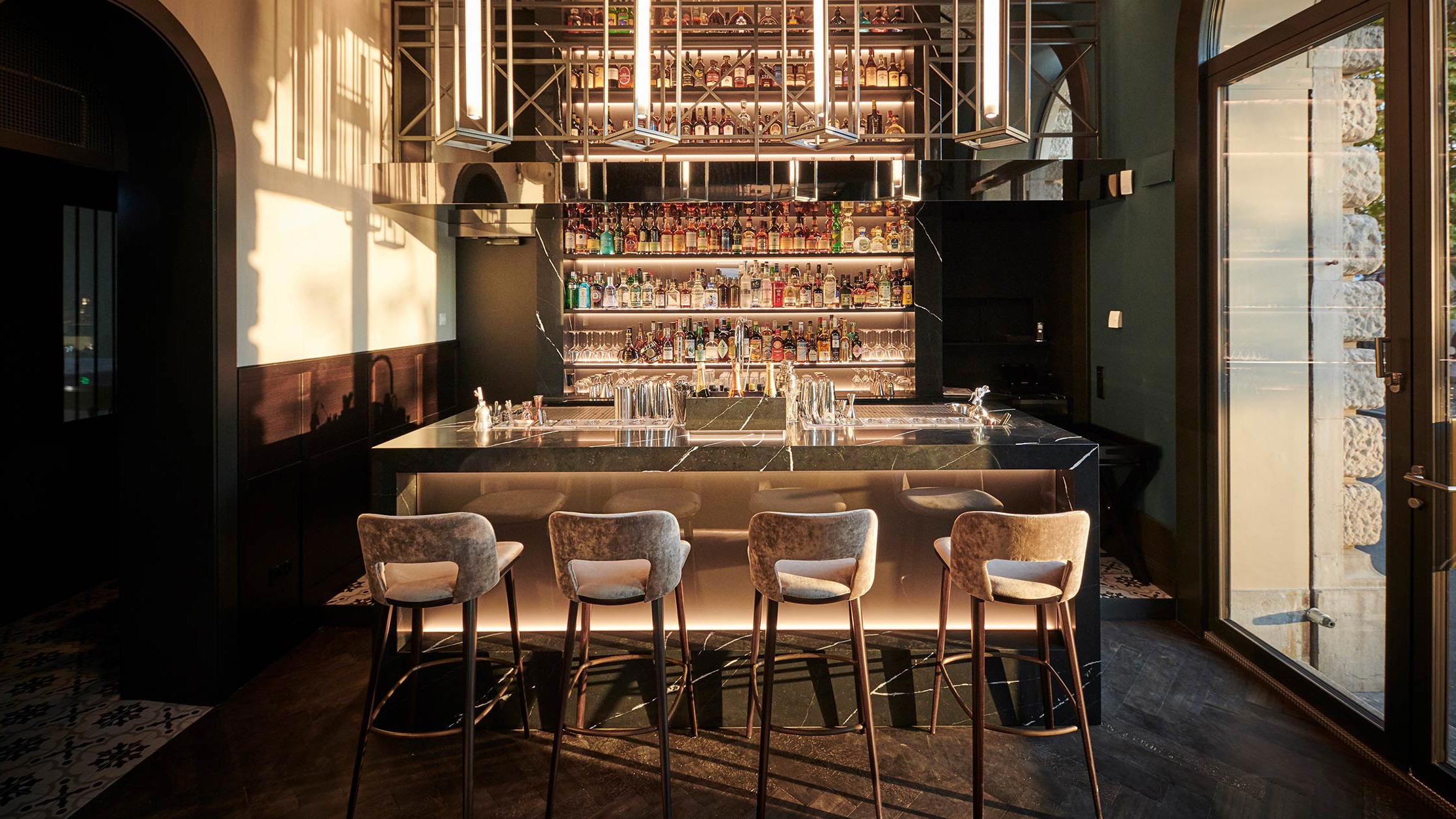
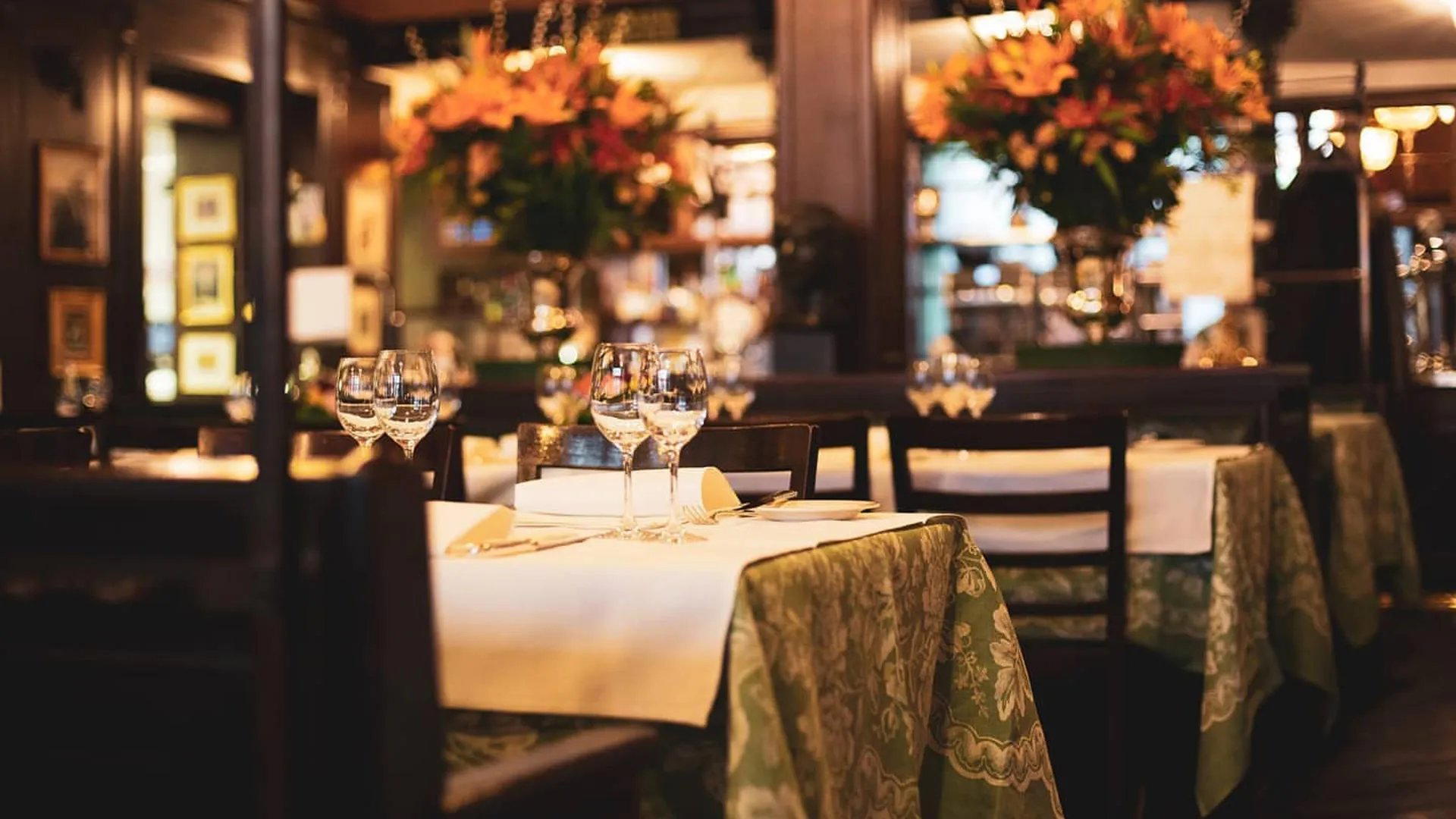
Charming and casual with lively, fun atmosphere evoking 1001 nights through oriental decor.