Frida Seefeld
Frida Seefeld occupies a considered address on Kreuzstrasse in Zurich's district 8, a neighbourhood that has become one of the city's more reliable indicators of where serious, non-institutional dining tends to cluster. Positioned away from the tourist-facing corridors of the old town, it draws a local crowd that knows the difference between a destination and a habit.
Pearl is the En Primeur Club membership app — saves, bookings, and concierge access live there. Same editors, same standards.
- Address
- Kreuzstrasse 26, 8008 Zürich, Switzerland
- Phone
- +41796169225
- Website
- frida-seefeld.ch
- Directions
- Get directions
 Saves & bookings on Pearl
District 8 and the Logic of Where Zurich Eats Well
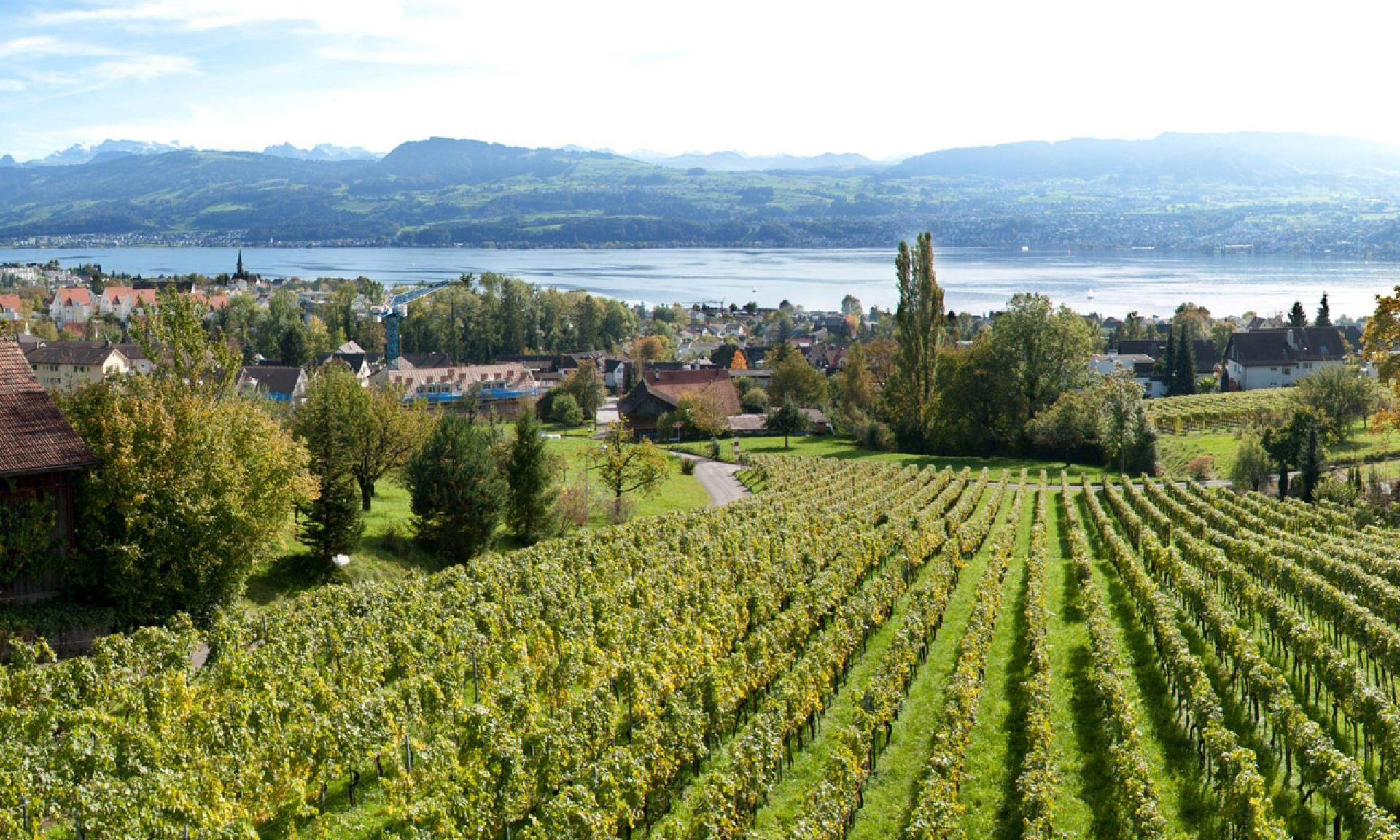
Zurich's restaurant geography has a pattern that repeats across European cities of comparable wealth and density: the most interesting dining migrates away from the postcard centre and settles into residential districts where rents allow ambition without the theatre-ticket markup. District 8, anchored around Seefeld and the lakeside stretch east of the Quaibrücke, is where that migration landed in Zurich. The area draws an international-but-rooted crowd — professionals, long-term expats, and Swiss families who are not particularly impressed by ceremony but are very particular about quality. Kreuzstrasse, where Frida Seefeld sits at number 26, runs through the heart of that sensibility.
The neighbourhood context matters for understanding what a restaurant here is trying to do. It is not competing with the white-tablecloth hotel dining rooms of Bahnhofstrasse, nor with the tourist-volume trattorias around the Grossmünster. It is competing, quietly, with the kind of place that a well-travelled local returns to on a Tuesday because the cooking is consistent and the room does not require an occasion to justify. That is a harder brief than it sounds.
The Seefeld Dining Register
Seefeld has accumulated a recognisable tier of neighbourhood restaurants that operate at a level above casual but below the formal destination category. They share certain characteristics: a loyalty-based clientele, a room that feels lived-in rather than designed-for-Instagram, and a kitchen that prioritises repetition of a good idea over novelty for its own sake. This is the context into which Frida Seefeld fits, and the Frida name — deployed across several addresses in Zurich, signals a deliberate positioning within that register.
The Frida group has established a pattern across its locations: approachable without being low-effort, European in orientation without the identity crisis of fusion, and priced at a point that reflects the neighbourhood's expectations rather than a destination premium. District 8 supports that model well. The lakeside proximity brings a certain leisured rhythm to evenings here, particularly in warmer months when the Swiss tendency toward long outdoor dining takes hold. Booking a table in season, especially on weekends, is not an afterthought.
For comparison with the broader Zurich scene, the city's upper tier of formal restaurants, including IGNIV Zürich by Andreas Caminada, The Counter, and The Restaurant, operates at a different price point and with a different social contract. Those rooms ask you to commit an evening; Seefeld restaurants like Frida ask you to relax into one. Both have their place in a city that does both reasonably well.
How Frida Seefeld Sits in Its Competitive Set
Within the neighbourhood, Frida Seefeld occupies a positioning that becomes clearer when you map it against its actual peers rather than against Zurich's fine-dining establishment. The relevant comparisons are not Widder or the hotel-anchored dining rooms, but the cluster of mid-to-upper neighbourhood restaurants that serve Seefeld's resident population throughout the week. Against those peers, the Frida format, European-leaning, consistent in register, designed for repeat visits, reads as a considered choice rather than a compromise.
The Swiss dining market more broadly has been shaped by proximity to culinary traditions that pull in different directions: French classicism from the west, Italian directness from the south, German solidity from the north, and a domestic tradition that is more honest about dairy and comfort than its neighbours tend to acknowledge. Restaurants in Zurich's premium-but-not-formal tier tend to negotiate those influences rather than commit to one. Eden Kitchen and Bar leans Italian; others in the district lean Mediterranean or contemporary European. Where Frida Seefeld sits on that spectrum is part of what defines its identity for its regular clientele.
Switzerland's Wider Fine Dining Context
Understanding any Zurich neighbourhood restaurant requires some awareness of where the ceiling sits in Swiss dining nationally. Switzerland punches well above its population size in Michelin-starred restaurants per capita, with addresses like Hotel de Ville Crissier, Schloss Schauenstein in Fürstenau, and Memories in Bad Ragaz representing a formal tier that is genuinely competitive internationally. Cheval Blanc by Peter Knogl in Basel and Einstein Gourmet in Sankt Gallen extend that map beyond Zurich. Even in the mountain resort category, Da Vittorio in St. Moritz operates at a level that reflects Swiss hospitality's broader ambition.
That density at the leading end creates an interesting pressure lower down the scale. Zurich diners with access to that calibre of formal experience tend to apply a high baseline to neighbourhood restaurants as well. A room like Frida Seefeld is evaluated not in isolation but in a market where the customer has options. That context raises the implicit standard for what counts as a satisfying regular haunt. It also explains why the Frida group's approach, consistency, accessibility, European craft, makes structural sense for the district it serves.
Other addresses in the broader Swiss landscape worth knowing for comparison include Maison Wenger in Le Noirmont, Mammertsberg in Freidorf, La Table du Valrose in Rougemont, and focus ATELIER in Vitznau. Internationally, the model of neighbourhood restaurants that earn genuine local loyalty rather than tourist traffic is well represented by places like Le Bernardin in New York City and Lazy Bear in San Francisco, which have built sustained credibility through consistency rather than novelty cycles.
Planning a Visit
Frida Seefeld is at Kreuzstrasse 26 in district 8, accessible from the city centre in under fifteen minutes by tram. The Seefeld neighbourhood is well served by public transport, which matters in a city where parking is not a reasonable strategy for an evening out. Evenings in Seefeld tend toward an earlier dinner culture relative to southern European norms; arriving between 19:00 and 20:00 fits the local rhythm. For broader orientation across the city's dining options, our full Zurich restaurants guide maps the relevant tiers and neighbourhoods.
| Venue | Neighbourhood | Style | Price Tier | Format |
|---|---|---|---|---|
| Frida Seefeld | District 8 / Seefeld | European neighbourhood | Mid-upper | À la carte, local focus |
| IGNIV Zürich by Andreas Caminada | City centre | Sharing / Creative | €€€€ | Sharing format, destination |
| The Counter | City centre | Creative | €€€€ | Counter / tasting, destination |
| Eden Kitchen and Bar | City centre | Italian | €€€€ | À la carte, hotel-adjacent |
| Widder | Altstadt | Swiss | €€€ | À la carte, heritage setting |
How Frida Seefeld Zürich compares with similar nearby venues.
| Venue | Cuisine | Price |
|---|---|---|
| Eden Kitchen & Bar | Italian | €€€€ |
Continue exploring
More in Zürich
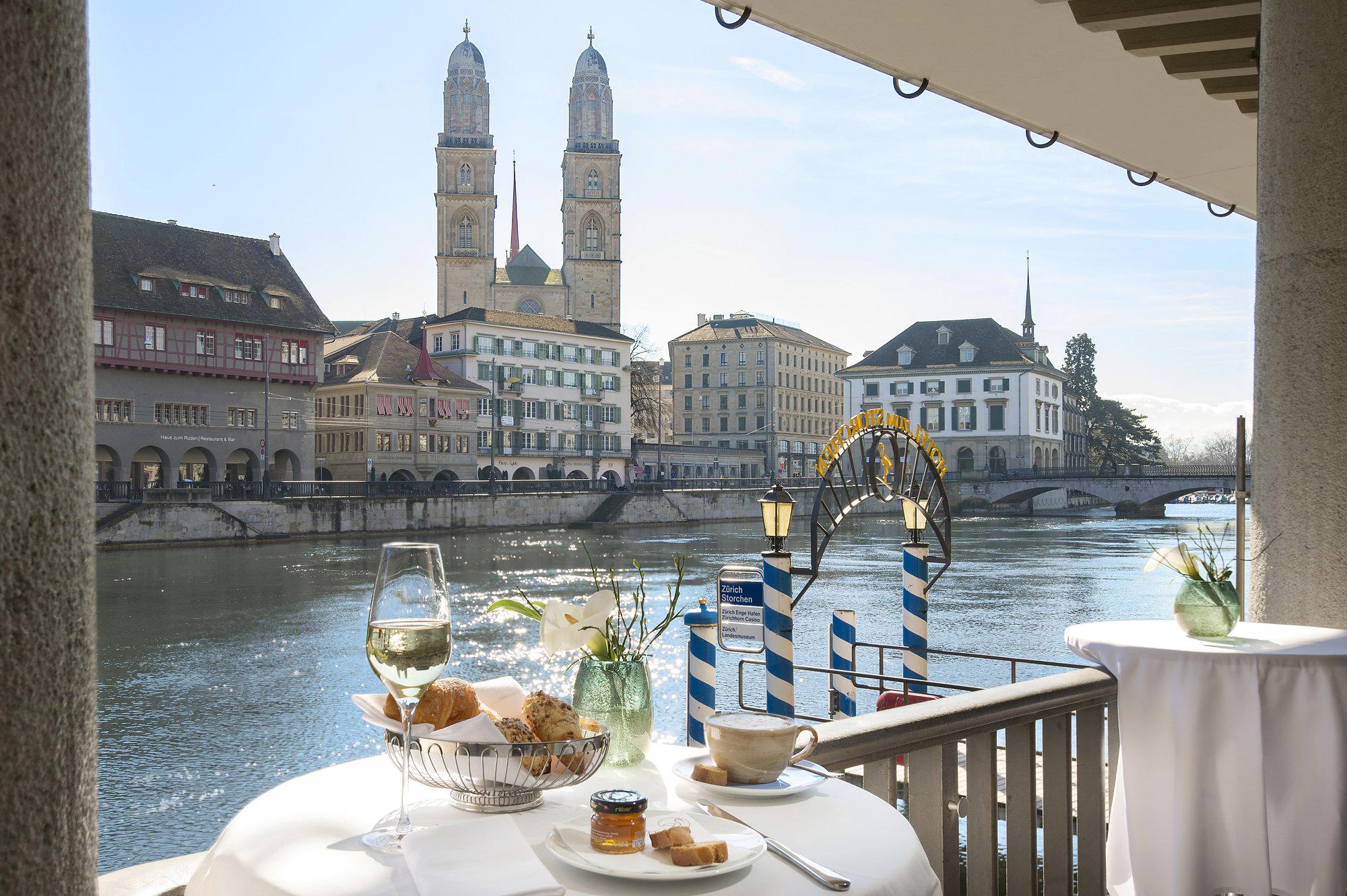
Restaurants in Zürich
Browse all →
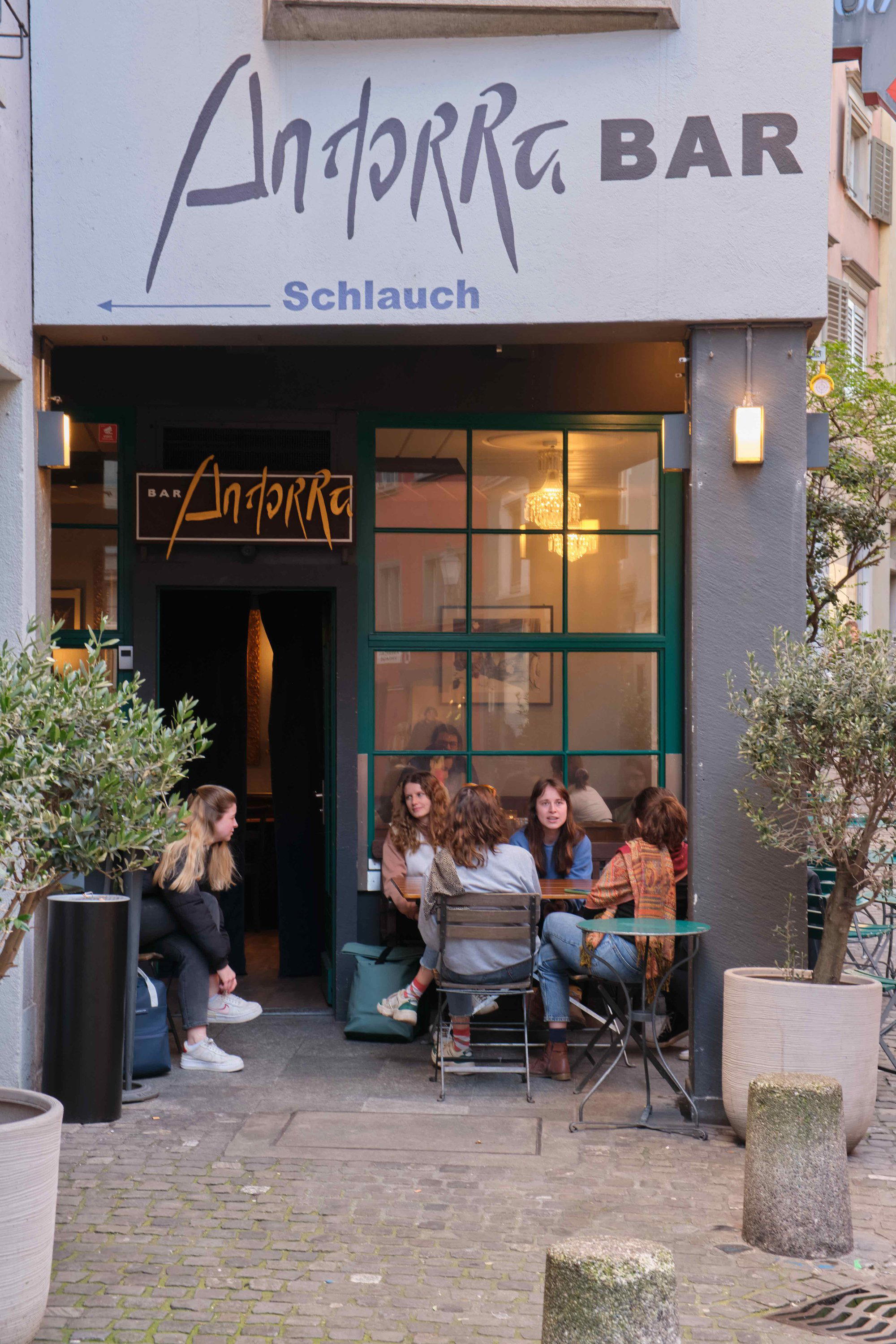
Bars in Zürich
Browse all →
Hotels in Zürich
Browse all →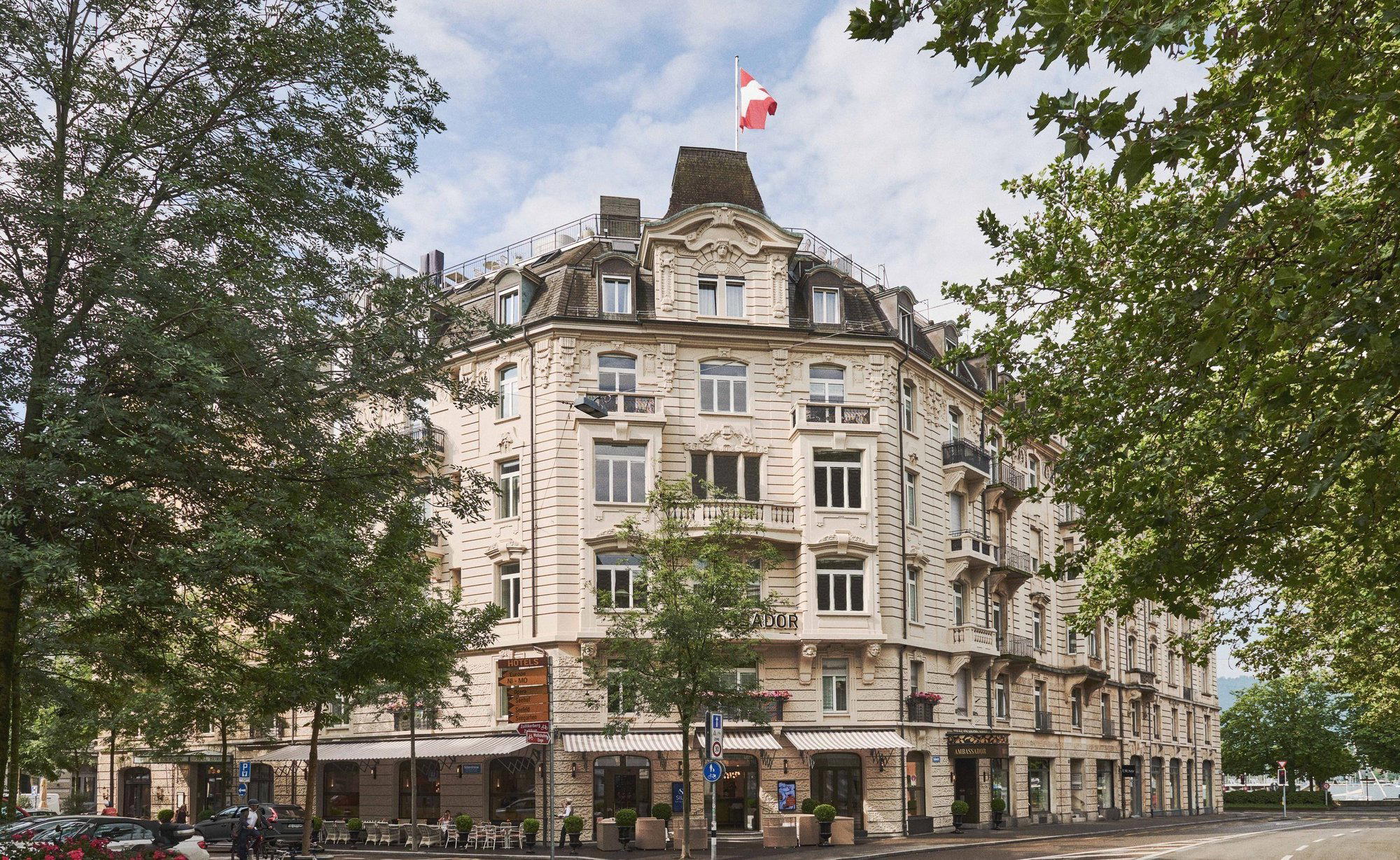

At a Glance
- Lively
- Trendy
- Cozy
- Casual Hangout
- Brunch
- Live Music
- Craft Cocktails
Current opening hours
- Monday
- 11 AM–2 PM, 5–8 PM
- Tuesday
- 11 AM–2 PM, 5–8 PM
- Wednesday
- 11 AM–2 PM, 5–9 PM
- Thursday
- 11 AM–2 PM, 5–9 PM
- Friday
- 11 AM–2 PM, 5–9 PM
- Saturday
- 5–9 PM
- Sunday
- Closed
Hours can change for holidays and private events. Last verified .
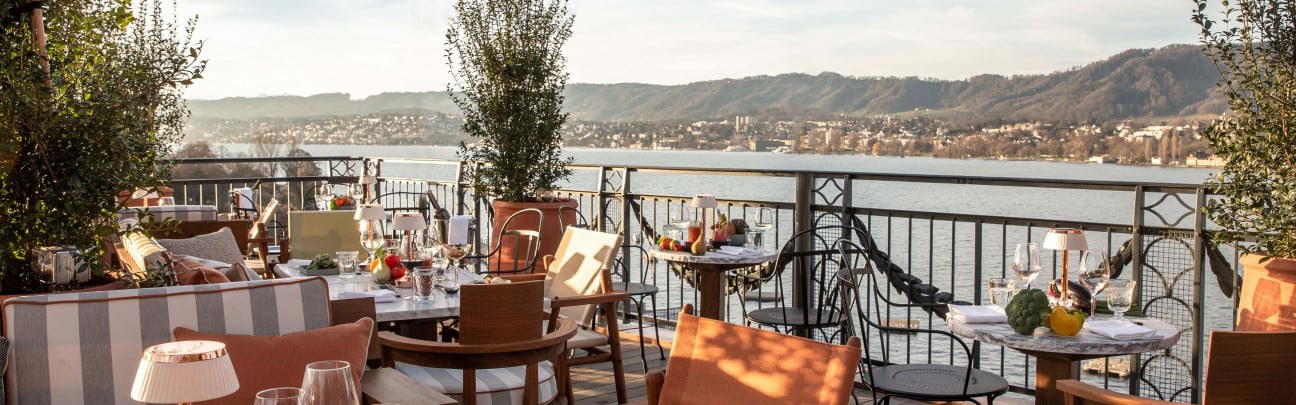
Cozy yet stimulating atmosphere with rich colors, artistic murals, and handcrafted decor reflecting Frida Kahlo's bold aesthetics, combined with a lively bar vibe.
Know Before You Go
- Getting there
- Kreuzstrasse 26, 8008 Zürich, Switzerland