In the medieval quarter of Saint-Goustan, Crêperie Saint-Sauveur sits on one of Auray's most atmospheric cobbled streets, serving the buckwheat galettes and wheat crêpes that define Breton table culture. The address places it squarely in the tradition of Morbihan's crêperie circuit, where locally sourced sarrasin flour and regional dairy are the standard against which everything is measured.
Pearl is the En Primeur Club membership app — saves, bookings, and concierge access live there. Same editors, same standards.
- Address
- 6 Rue Saint-Sauveur, 56400 Auray, France
- Phone
- +33297563553
- Directions
- Get directions
 Saves & bookings on Pearl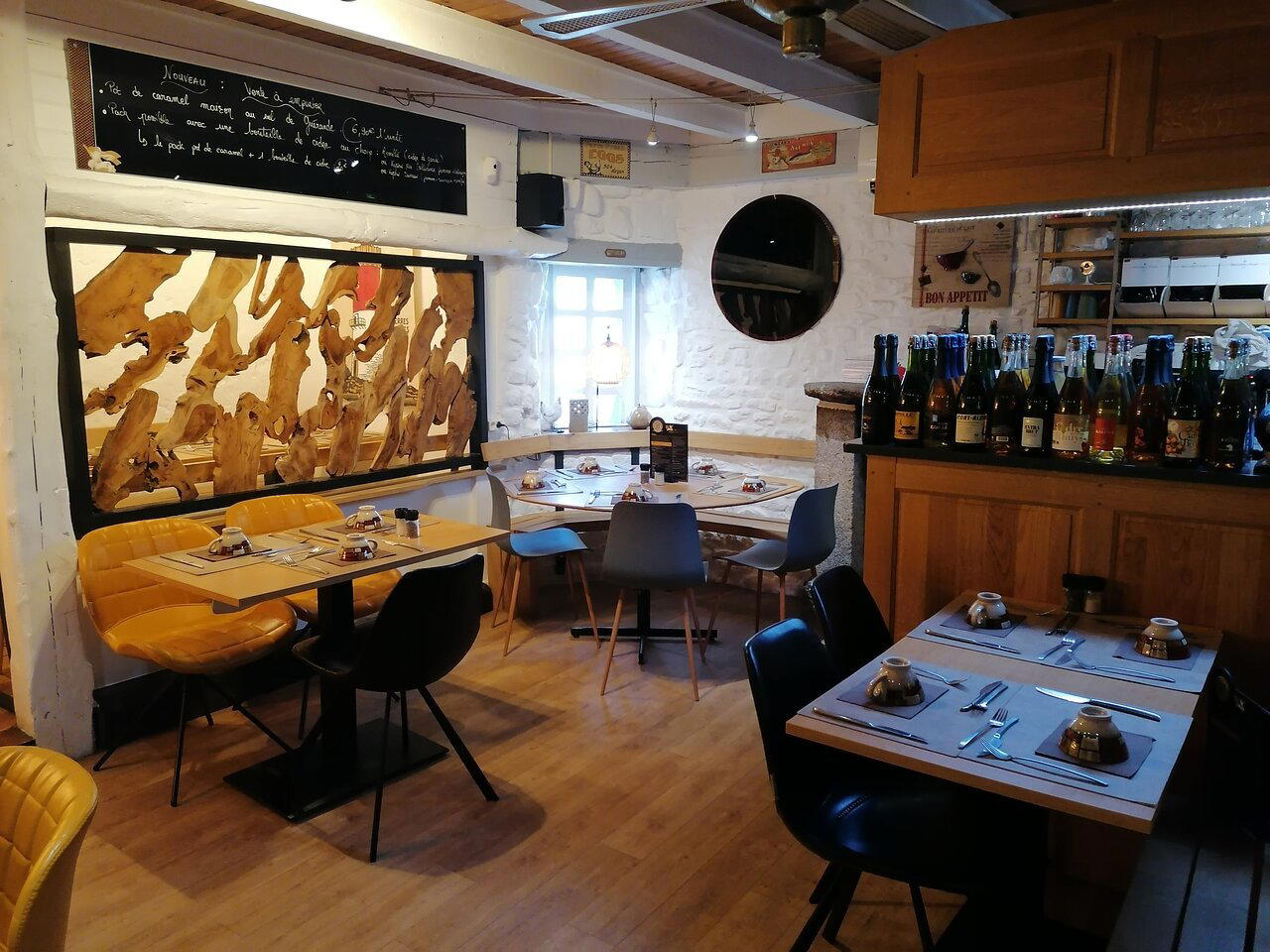
Buckwheat and Cobblestones: Auray's Crêperie Tradition
Brittany's crêperie culture operates on a logic that most French regional cuisines abandoned decades ago: the ingredient list is short, the sourcing geography is tight, and the technique is everything. In the Morbihan département, where Auray sits roughly midway between Vannes and the Quiberon peninsula, this tradition runs deep enough that locals can reliably detect the difference between a galette made with freshly milled local sarrasin and one made with commodity flour. Crêperie Saint-Sauveur, at 6 Rue Saint-Sauveur in Auray's medieval Saint-Goustan quarter, occupies exactly the kind of address where that tradition is most legible.
Rue Saint-Sauveur is one of those narrow, steeply pitched streets that feels less like a thoroughfare and more like an argument for the persistence of the Middle Ages. The half-timbered buildings, the worn granite underfoot, and the proximity to the tidal quays of the Loch river combine to place you firmly outside any context that might dilute the sense of eating in a place with genuine geographical roots. That physical frame matters for a crêperie: it anchors the food to its territory in a way that a modern bistro fit-out simply cannot replicate.
The Ingredient Logic Behind the Breton Galette
Breton buckwheat — sarrasin in French — is not the same crop as the Eastern European buckwheat that turns up in health food contexts elsewhere. Grown in the thin, acidic soils of interior Brittany, it carries a nuttier, earthier character than commodity alternatives, and the leading crêperies in the region have long maintained relationships with local mills or farms to preserve that distinction. The galette's composition is deceptively spare: sarrasin flour, water, salt, and an egg to bind. There is no leavening, no dairy in the batter itself. What carries the dish is the quality of the flour and the skill of the billig, the heavy cast-iron griddle that gives a Breton galette its characteristic lace-edged crisp.
Toppings vary, but in the Morbihan tradition the strongest galettes lean on local dairy: butter churned from the cream of Breton herds, eggs from nearby farms, and cheeses from producers operating within the region's short supply chain. This is not farm-to-table as a marketing position. It is the default condition of a cuisine that predates any such concept by centuries. In the wider French dining context, where three-Michelin-star kitchens like Flocons de Sel in Megève, Mirazur in Menton, or Alléno Paris au Pavillon Ledoyen have built elaborate sourcing frameworks around regional specificity, the Breton crêperie was already there, quietly doing it without the critical apparatus.
Saint-Goustan and the Crêperie Circuit
Auray's Saint-Goustan quarter is one of the better-preserved medieval port settlements on the Breton coast, and it has long supported a concentration of crêperies, seafood restaurants, and regional producers that reflects the town's dual identity as a working market town and a destination for visitors arriving from the Gulf of Morbihan. The crêperie cluster here is not a tourist fabrication: these addresses serve local clientele through the winter months, when the seasonal population contracts to its permanent base and the galette becomes the functional lunch of choice.
Within Auray's dining scene, crêperies occupy a distinct price tier and social register from the town's more formal restaurant addresses. For reference on what the broader restaurant offer looks like, La Chebaudière and Le Casier represent the more structured end of the local dining spectrum. The crêperie circuit runs parallel to that register rather than competing with it: different occasion, different price point, different relationship to the regional larder. A fuller map of the town's options is available in our full Auray restaurants guide.
France's most decorated kitchens, from Troisgros in Ouches to Paul Bocuse in Collonges-au-Mont-d'Or, Bras in Laguiole, or Auberge de l'Ill in Illhaeusern, occupy a different conversation entirely. So do addresses like Les Prés d'Eugénie in Eugénie-les-Bains, La Table du Castellet, Georges Blanc in Vonnas, Auberge du Vieux Puits in Fontjoncouse, Le 1947 à Cheval Blanc in Courchevel, or L'Oustau de Baumanière in Les Baux. The relevance here is contextual: France sustains both ends of the spectrum, from the multi-starred temple to the neighbourhood crêperie, and the credibility of the latter rests on the same underlying logic as the former, honest ingredients treated with respect for their provenance. International parallels exist too; destination restaurants like Le Bernardin in New York City and Lazy Bear in San Francisco have built reputations on precisely that kind of ingredient fidelity, even at radically different price points.
Planning Your Visit
Auray is served by the Auray SNCF station on the Paris Montparnasse to Quimper TGV line, with journey times from Paris running under three hours on fast services. From the station, Saint-Goustan is reachable on foot in roughly fifteen minutes, mostly downhill toward the river. The crêperie sits on Rue Saint-Sauveur within the medieval core of the quarter. Summer months, particularly July and August when the Gulf of Morbihan draws significant visitor numbers, represent the period of highest demand across Saint-Goustan's restaurant addresses. Arriving at opening time or visiting on a weekday afternoon in shoulder season, May, June, or September, gives a more relaxed experience and better access to tables. Given the absence of a published website or telephone number in the available record, the most reliable approach for current hours and booking confirmation is to visit the address directly or check for updated listings through local tourism resources.
How Crêperie Saint-Sauveur Auray compares with similar nearby venues.
| Venue | Cuisine | Price |
|---|---|---|
| La Chebaudière | Modern Cuisine | €€ |
| L'Auberge - Maisons Glenn Anna | Modern Cuisine | €€€ |

At a Glance
- Cozy
- Rustic
- Family
- Casual Hangout
- Terrace
- Local Sourcing
- Garden
Current opening hours
- Monday
- 12–1:30 PM, 7–8:30 PM
- Tuesday
- Closed
- Wednesday
- Closed
- Thursday
- 12–1:30 PM, 7–8:30 PM
- Friday
- 12–1:30 PM, 7–8:30 PM
- Saturday
- 12–1:30 PM, 7–8:30 PM
- Sunday
- 12–1:30 PM, 7–8:30 PM
Hours can change for holidays and private events. Last verified .
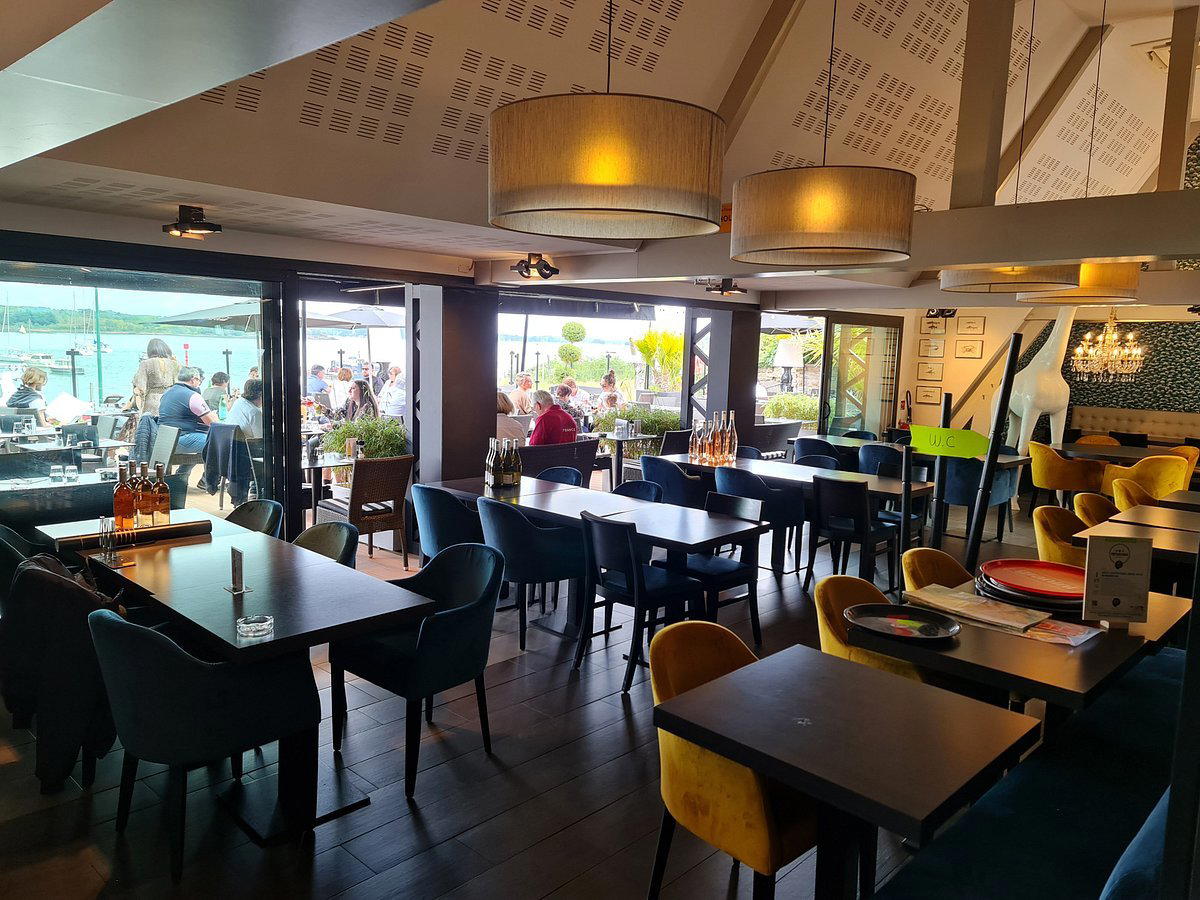
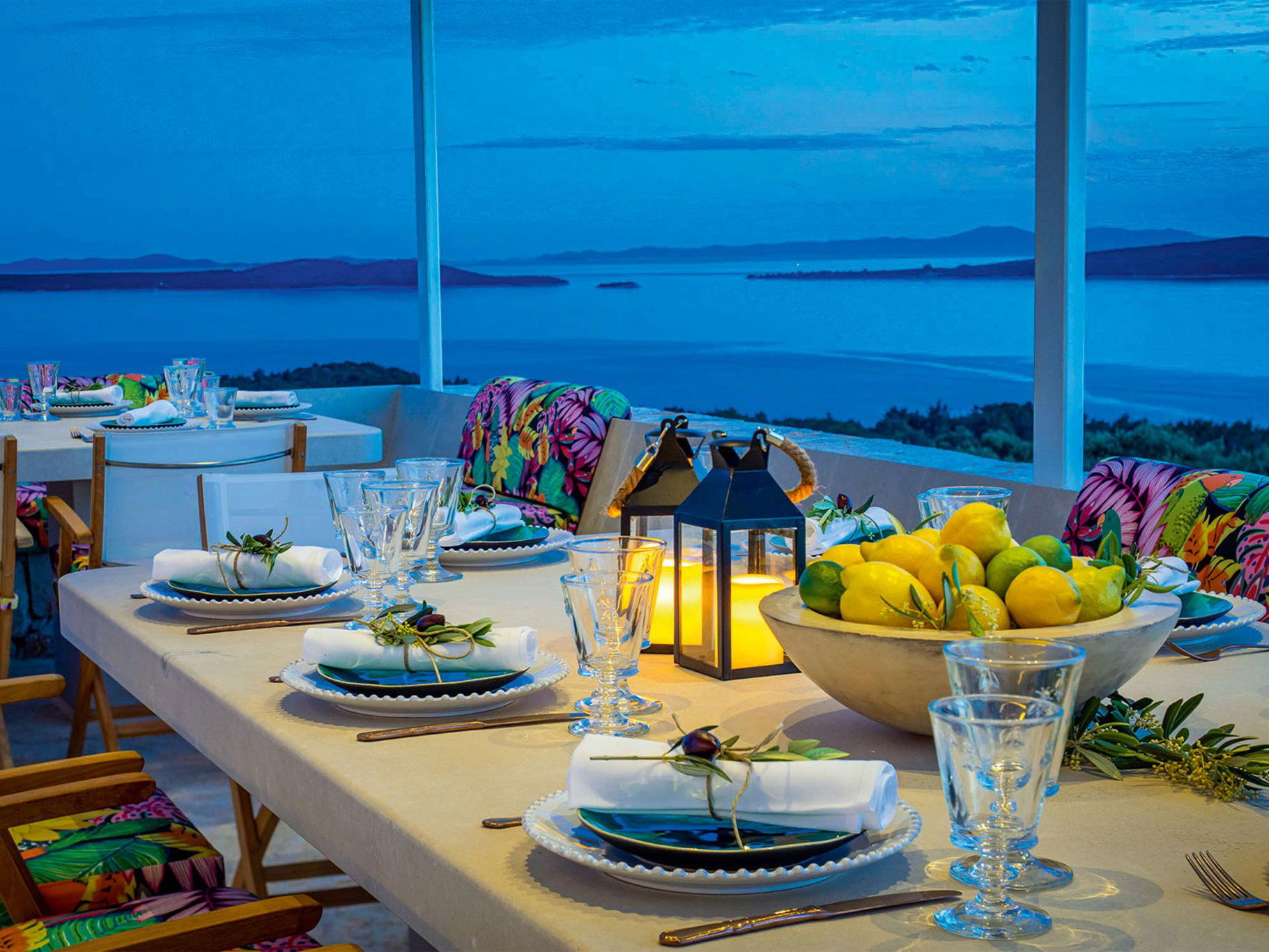
Verdoyante terrace and welcoming family-style atmosphere praised in guest reviews.
Know Before You Go
- Getting there
- 6 Rue Saint-Sauveur, 56400 Auray, France