La Mirlitantouille occupies a considered address at 12 Rue Nantaise in central Rennes, positioning itself within a city that has built a serious restaurant culture well beyond its regional reputation.
Pearl is the En Primeur Club membership app — saves, bookings, and concierge access live there. Same editors, same standards.
- Address
- 12 Rue Nantaise, 35000 Rennes, France
- Phone
- +33299675384
- Directions
- Get directions
 Saves & bookings on Pearl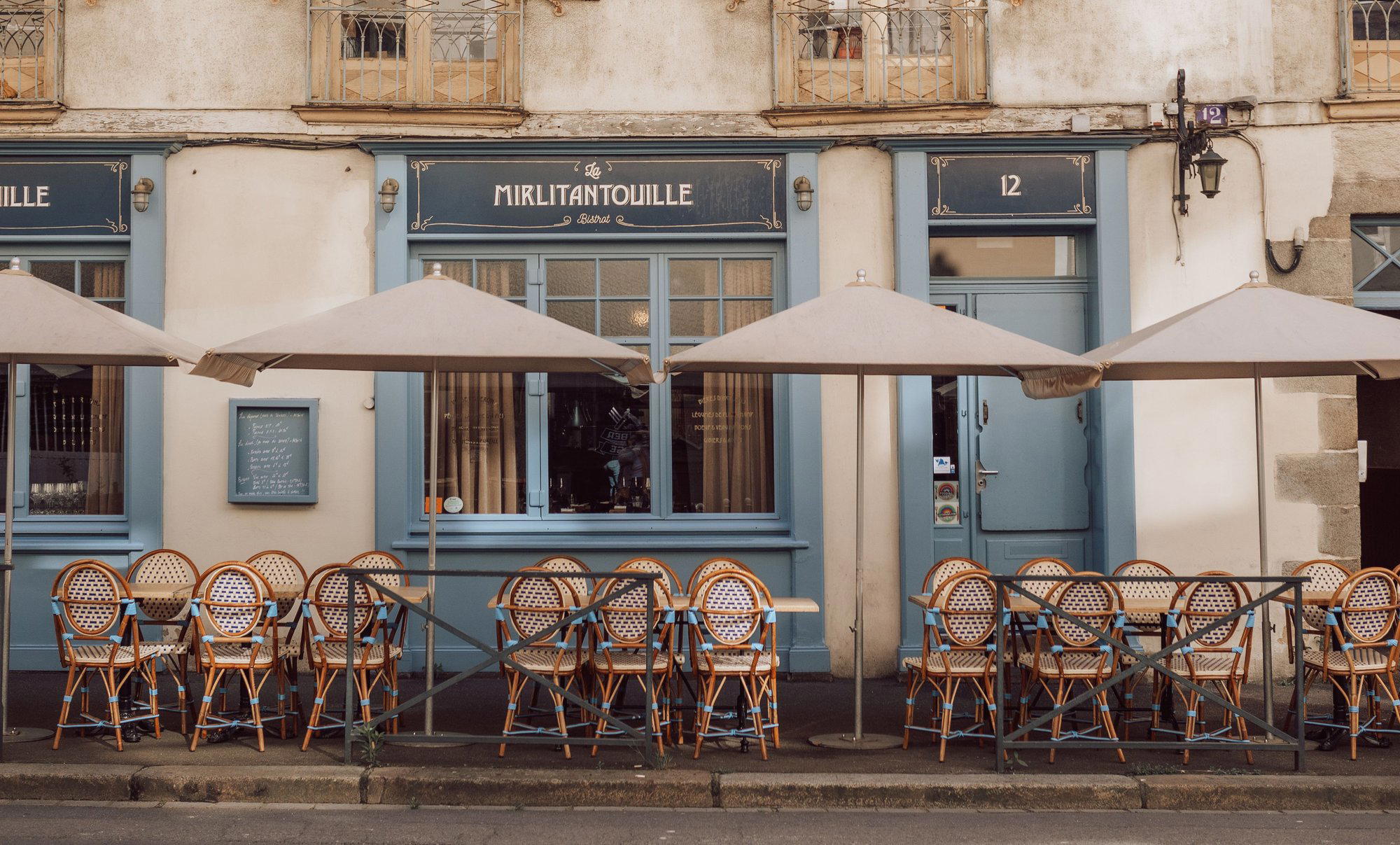
Rennes and the Question of Where to Eat Seriously
Brittany's capital has been quietly assembling one of provincial France's more coherent restaurant scenes. The city draws on a larder that most French regions would envy: Atlantic seafood landed within the hour, cider-country pork and duck from the interior, and a buckwheat tradition that gives even modest kitchens a distinctive regional anchor. That context matters when placing a restaurant like La Mirlitantouille, which holds an address at 12 Rue Nantaise in central Rennes, a street that sits within easy reach of the city's covered market and the older stone quarters where Rennes does most of its serious eating.
The city's dining tier has stratified over recent years. At one end, creative tasting-menu operations like Ima (Creative) and Bombance (Modern Cuisine) have built national attention with format-led cooking. At the other, accessible neighbourhood tables and the strong Breton crêperie tradition, represented well by Breizh Café Rennes (Breton), anchor the everyday culture. La Mirlitantouille sits within that range, in a city where the mid-market and upper-mid-market are becoming harder to distinguish by format alone and where the quality of front-of-house collaboration increasingly separates tables from each other.
The Dynamics That Define a French Dining Room
In French restaurant culture at this level, the quality of any given meal rarely comes down to kitchen output alone. The triangular relationship between chef, sommelier, and dining room team determines whether a table operates as a coherent experience or as a series of disconnected good intentions. This has been a subject of serious attention in French hospitality for decades, and Rennes restaurants that have gained regional or national recognition, including Alphonse and Benèze, tend to show that coherence clearly in the rhythm of service.
The mechanics are direct to describe but difficult to execute: a sommelier who understands the kitchen's flavour logic and can pace wine accordingly, a front-of-house team that reads the room without script, and a kitchen that communicates outward rather than operating in isolation. When that triangle functions, the result is a dining room where the guest feels attended to without being managed. France has historically set the standard for this model, and restaurants at nationally recognised addresses like Auberge de l'Ill in Illhaeusern or Troisgros - Le Bois sans Feuilles in Ouches have built multi-generational reputations partly on service architecture as much as on cooking.
What La Mirlitantouille brings to that framework at its specific address in Rennes is its French bistro identity at a modest price point. What the address on Rue Nantaise does confirm is a deliberate choice of placement, away from tourist-facing circuits and inside the working residential and commercial core where Rennes residents themselves eat and where peer pressure from a knowledgeable local clientele tends to keep standards honest.
Brittany as a Cooking Framework
Any serious table in Rennes operates against the backdrop of one of France's most distinctive regional ingredient cultures. Breton cooking has never needed to borrow from other regions to fill a menu: the coastline produces oysters, scallops, and line-caught fish with consistent quality, while the inland farms supply dairy and pork that carry protected designations. The buckwheat galette is the region's most visible culinary export, but the deeper tradition, slow-cooked meats, salted butter as a structural ingredient, cider as both drink and cooking medium, gives any kitchen working here a coherent local vocabulary to draw from or push against.
That regional specificity also shapes wine and beverage decisions in ways that are different from, say, the Loire or Burgundy. Breton ciders and local fruit-based drinks have a legitimate place on serious wine lists in this city, and a sommelier working in Rennes who ignores that context is missing part of the room's story. The leading dining rooms here tend to move between Loire whites and Breton producers with confidence, treating the latter not as a local curiosity but as a genuine alternative to conventional appellations. For context on how the broader French fine-dining conversation connects to this regional specificity, the comparison is instructive: operations like Mirazur in Menton or Bras in Laguiole have built identities precisely around the specificity of their terroir, treating geography as a culinary argument rather than a marketing detail.
Where La Mirlitantouille Fits
In a city where Rennes diners can choose between the accessible prix-fixe format of Benèze, the creative tasting-menu approach at Ima, or the neighbourhood accessibility of Bombance, the restaurant at 12 Rue Nantaise stakes a position by address alone. Rue Nantaise connects the historic centre to the southern districts, passing through a section of the city that draws both locals and visitors without orienting itself exclusively to either. A restaurant here needs to work for a Tuesday lunch as much as a Friday dinner, and the tables that manage that without losing culinary ambition tend to be the ones that build genuine reputations over time.
The French provincial model for that kind of durability typically rests on exactly the team dynamic described above: a chef with a clear point of view, a sommelier who makes wine decisions that feel genuinely considered rather than formulaic, and a front-of-house operation that treats pacing as part of the cooking. At houses like Assiette Champenoise in Reims or Au Crocodile in Strasbourg, that model has produced sustained recognition over decades.
Planning Your Visit
The restaurant's address at 12 Rue Nantaise, 35000 Rennes places it in the walkable core of the city, accessible from both the main train station and the historic market district. As with most serious French tables at this level, booking in advance is advisable, particularly for weekend evenings when Rennes's dining rooms fill from a combination of local regulars and visitors arriving via the TGV from Paris, a journey of approximately 90 minutes. Phone and booking platform details are not included here. Price range is about $25 per person, and hours are Mon: 12-2:30 PM, 7-10:30 PM; Tue: 12-2:30 PM, 7-10:30 PM; Wed: 12-2:30 PM, 7-10:30 PM; Thu: 12-2:30 PM, 7-11 PM; Fri: 12-2:30 PM, 7-11 PM; Sat: 12-2:45 PM, 7-11 PM; Sun: Closed.
Pricing, Compared
Comparable venues nearby, for context on price, style, and recognition.
| Venue | Cuisine | Price | Notes |
|---|---|---|---|
| La MirlitantouilleThis venue — the venue you are viewing | Cathédrale, French Bistro | $$ | Not listed |
| La Chope | Not listed | $$ | Parcheminerie Toussaints, Traditional French Brasserie |
| La Saint-Georges | Cathédrale, Modern Breton Crêperie | $$ | Not listed |
| L'AlgoRythme | Argentré, Seasonal French Tapas | $$ | Not listed |
| Tête d'ail | Not listed | $$ | centre-ville, Contemporary French Bistrot |
| Paris-New York | Centre-ville, French Fusion | $$ | Not listed |
Continue exploring
More in Rennes
Restaurants in Rennes
Browse all →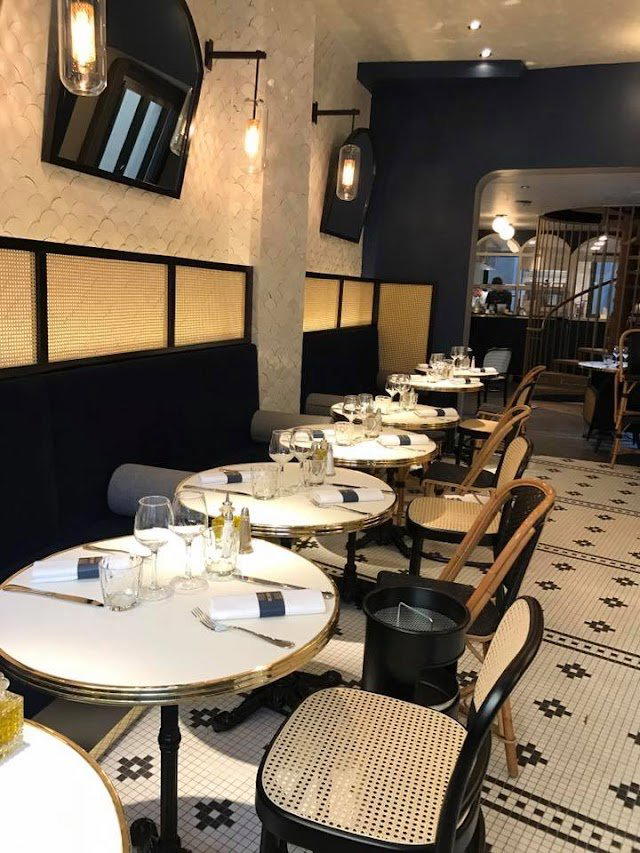
At a Glance
- Lively
- Cozy
- Rustic
- Casual Hangout
- Date Night
- Terrace
- Open Kitchen
- Natural Wine
- Local Sourcing
- Natural Wine
- Street Scene
Current opening hours
- Monday
- 12–2:30 PM, 7–10:30 PM
- Tuesday
- 12–2:30 PM, 7–10:30 PM
- Wednesday
- 12–2:30 PM, 7–10:30 PM
- Thursday
- 12–2:30 PM, 7–11 PM
- Friday
- 12–2:30 PM, 7–11 PM
- Saturday
- 12–2:45 PM, 7–11 PM
- Sunday
- Closed
Hours can change for holidays and private events. Last verified .
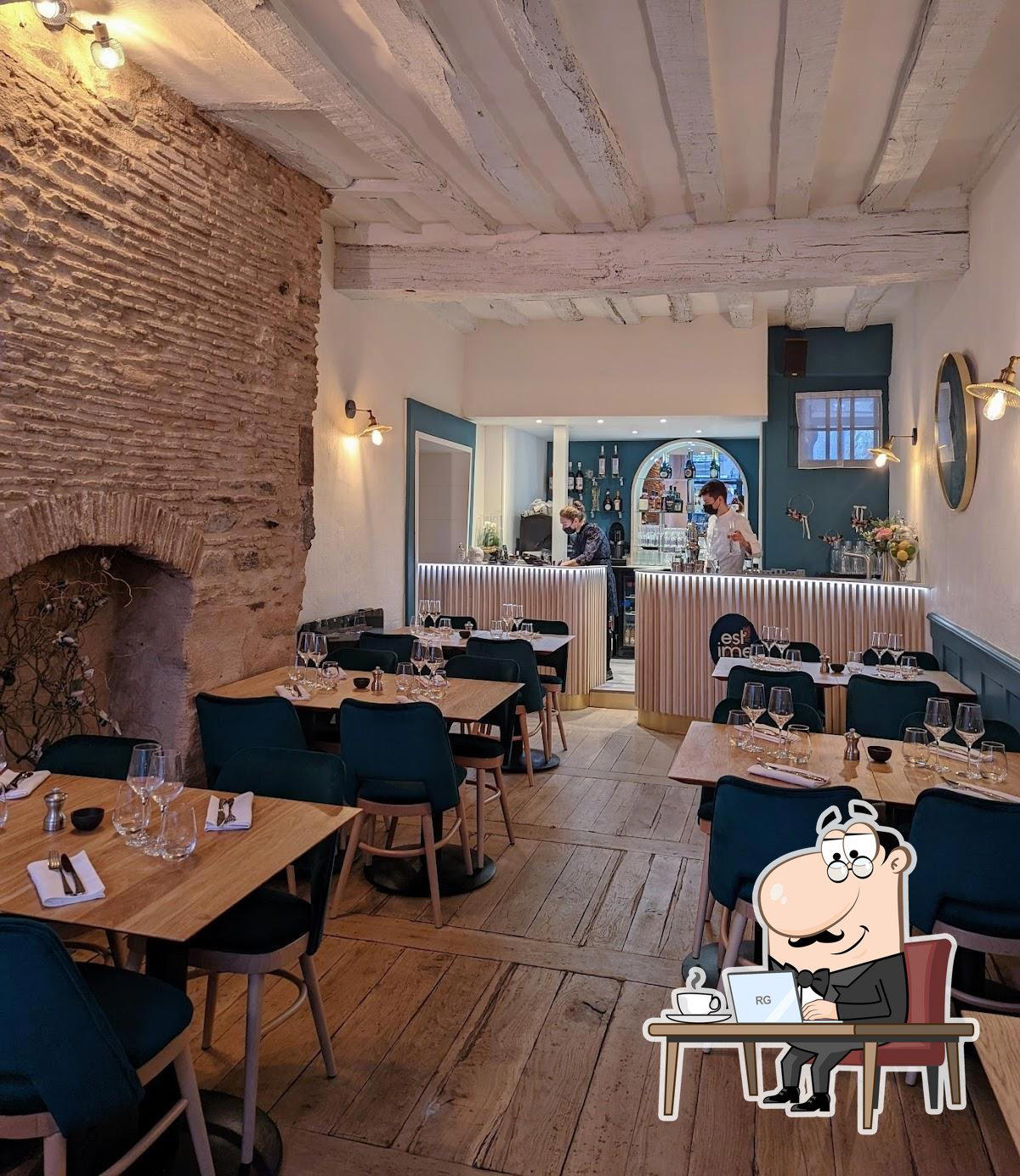
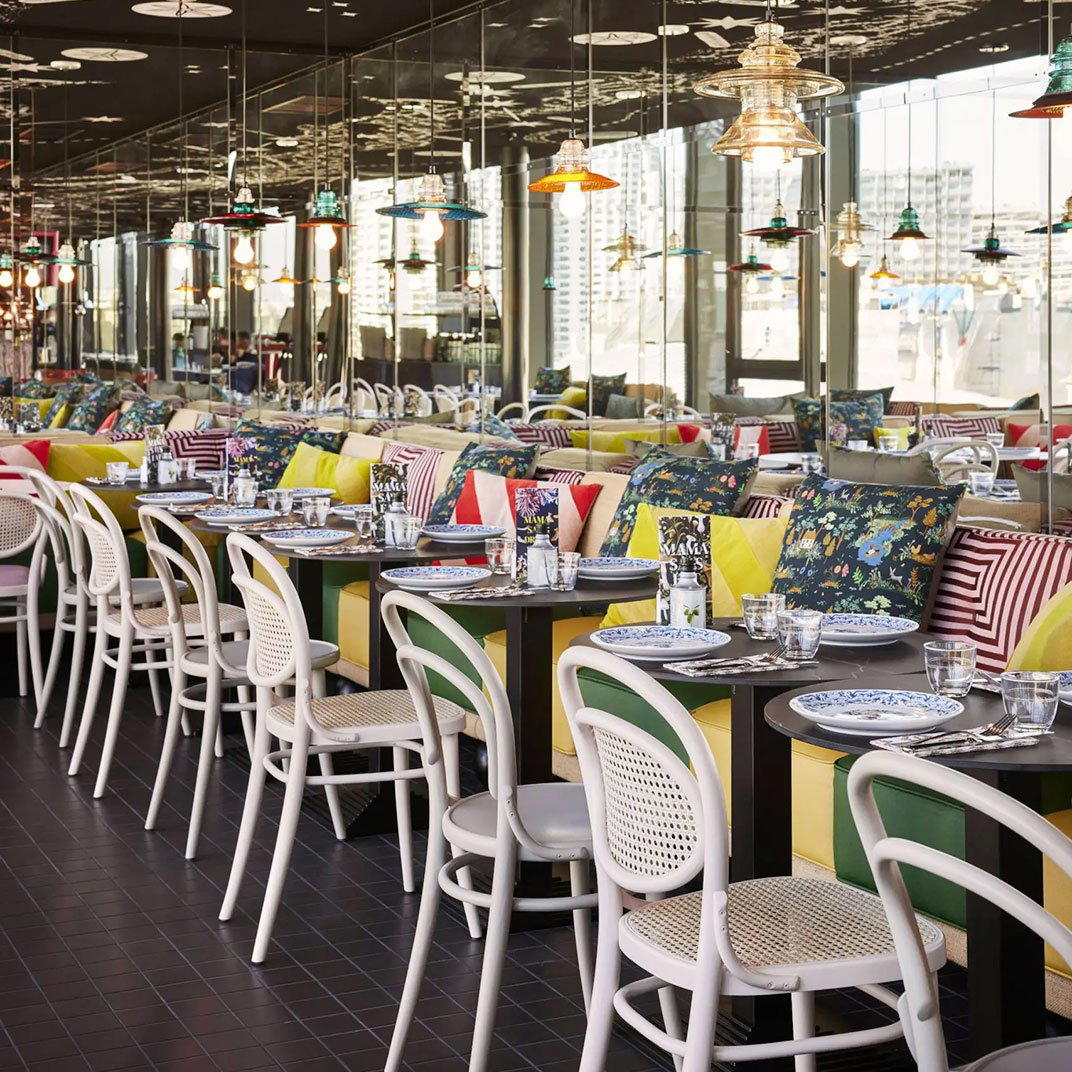
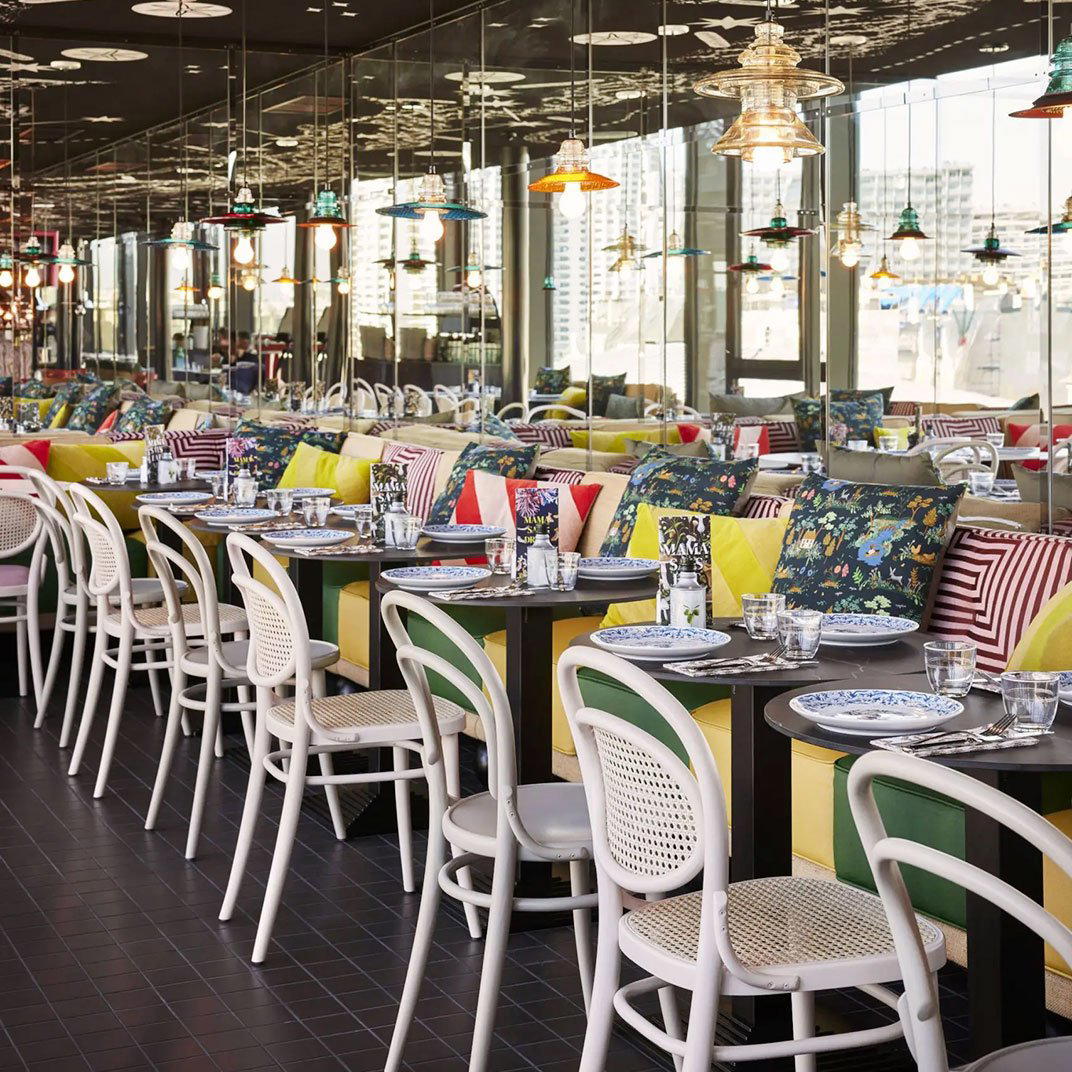
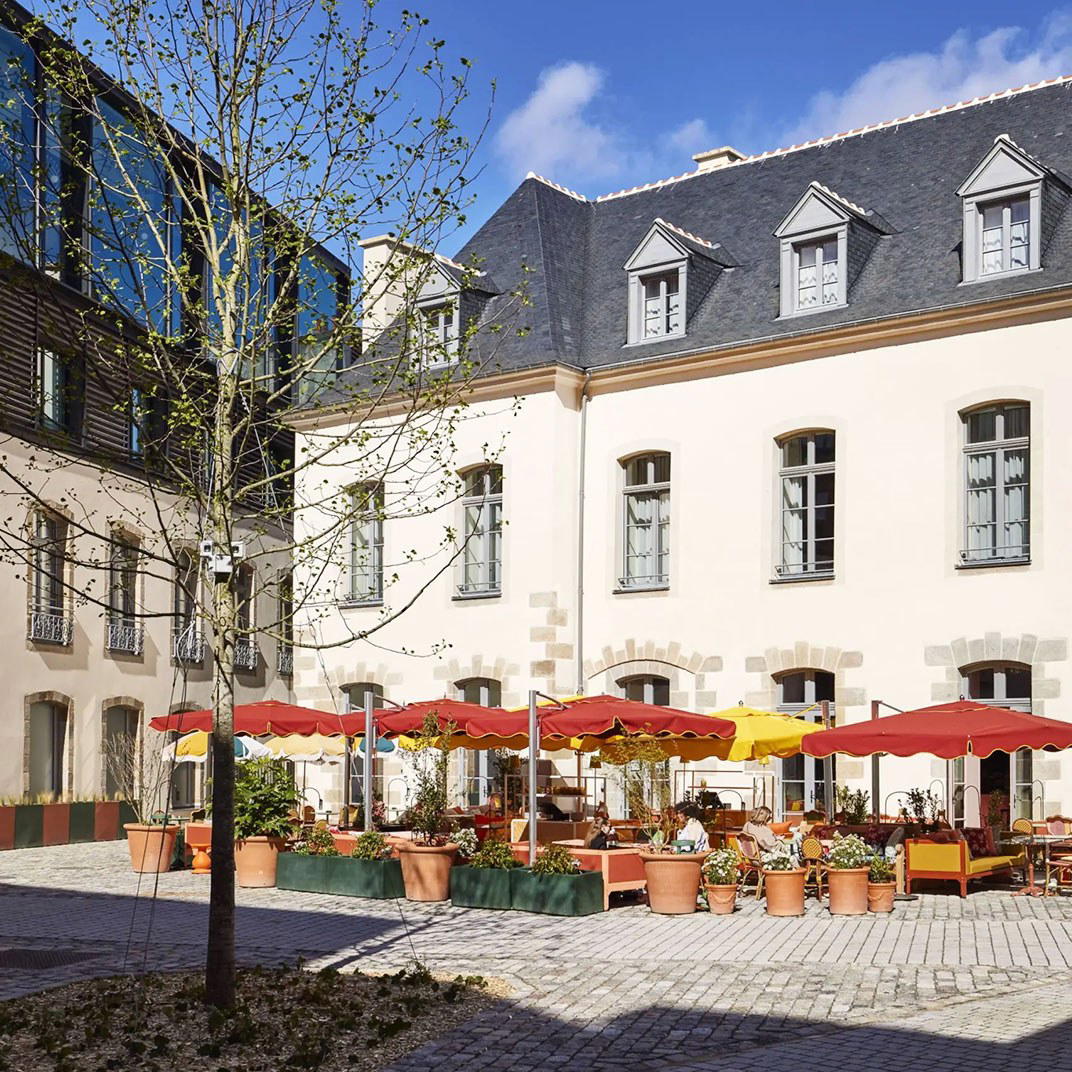
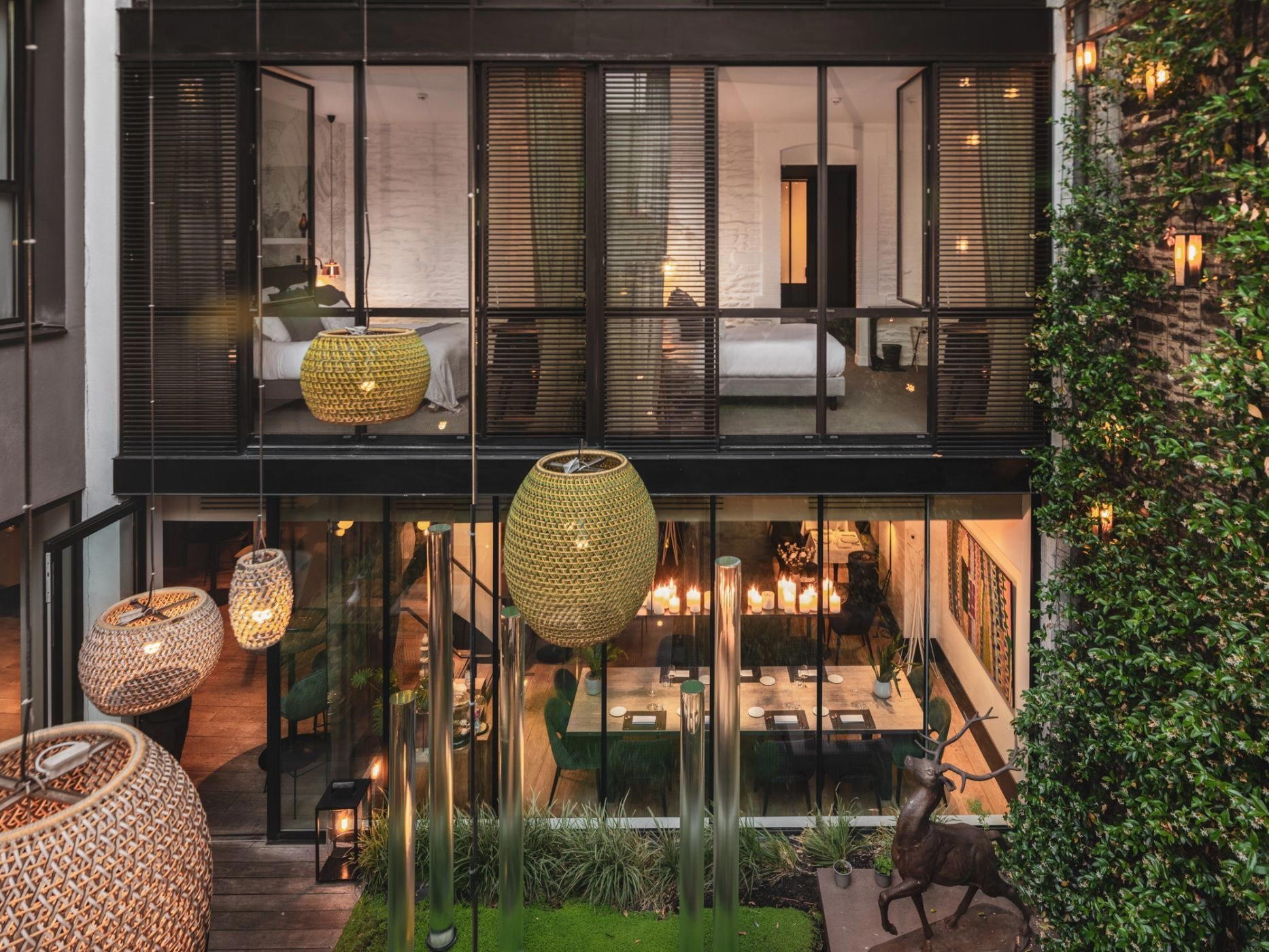
Warm and cheerful bistro atmosphere with old stone walls, parquet floors, terrace laughter, and infectious pleasure indoors.