Blanquette sits at Place Dupuy in central Toulouse, drawing from the southwest's deep tradition of slow-cooked, wine-braised cooking. The name itself anchors the restaurant to a classic French canon, the blanquette, a dish of patience and craft, and the address places it within walking distance of the city's most animated squares. For visitors tracing Toulouse's dining evolution, it belongs on the shortlist.
Pearl is the En Primeur Club membership app — saves, bookings, and concierge access live there. Same editors, same standards.
- Address
- 17 Pl. Dupuy, 31000 Toulouse, France
- Phone
- +33561624222
- Website
- blanquetterestaurant.fr
- Directions
- Get directions
 Saves & bookings on Pearl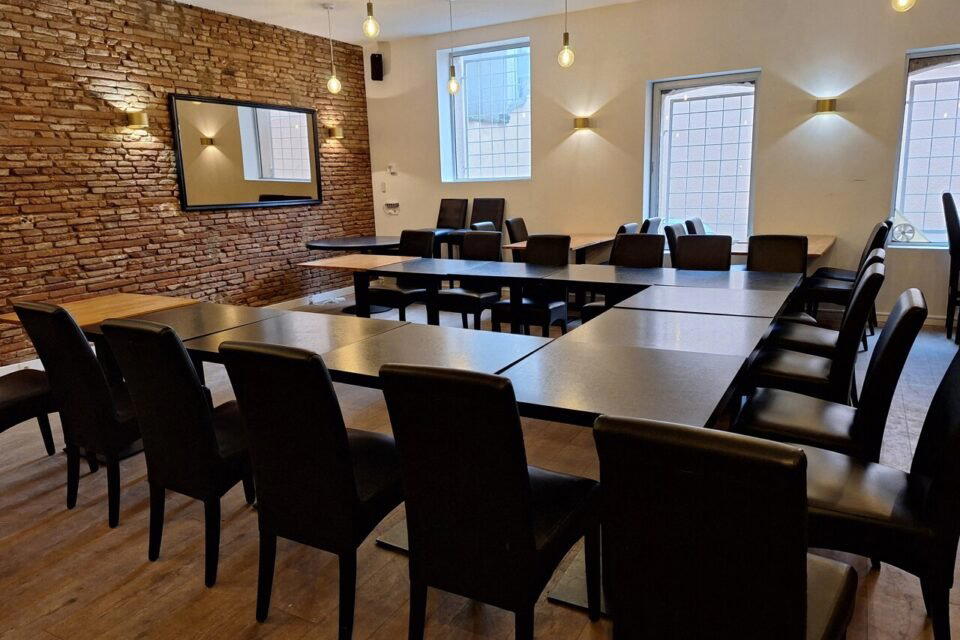
Place Dupuy and the Architecture of a Toulouse Meal
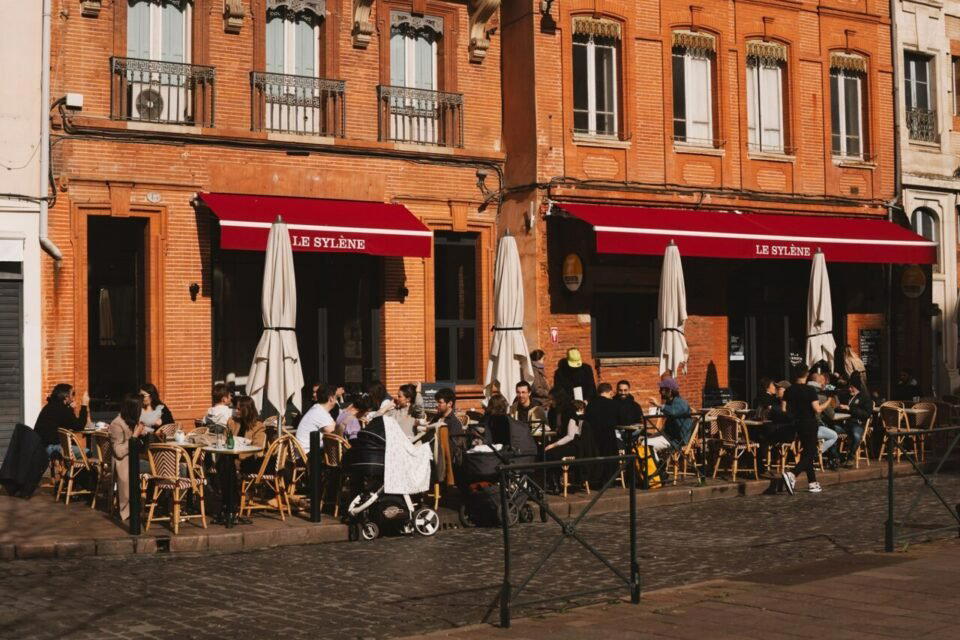
Place Dupuy occupies a particular kind of Toulouse real estate: broad, sun-facing, and positioned at the edge of the canal corridor that links the city's civic centre to quieter residential blocks. Restaurants here compete with the square itself, the light changes through service, tables face foot traffic from the Canal de Brienne side, and the terracotta tones of the surrounding facades do what Haussmann-era architecture does everywhere in this city, which is to make anything placed against it feel slightly more permanent than it probably is. Blanquette, at number 17 Place Dupuy, is a modern French bistro in Toulouse.
Toulouse has not always been easy to read as a dining city. Its food identity sits at a crossroads: southwest France's cassoulet-and-foie traditions pull hard in one direction, while a growing cohort of younger kitchens, many trained through larger French houses, have spent the past decade building something different. The city now hosts a range from serious gastronomic addresses like Michel Sarran and Py-r through mid-range modern kitchens such as Acte 2 Yannick Delpech and SEPT, down to neighbourhood-scaled rooms where the format is simpler and the cooking more direct. Blanquette's position in that spectrum matters more than any individual dish description.
The Blanquette as a Statement of Intent
The name is not incidental. Blanquette de veau, veal in a white cream sauce, finished with egg yolk and lemon, is among the more technically demanding of the French bourgeois canon precisely because it asks for nothing to hide behind. There is no char, no reduction-black intensity, no textural drama. The dish survives or fails on the quality of the stock, the discipline of the sauce, and the timing of the meat. Restaurants that name themselves after it are, consciously or not, aligning with a tradition of patience-led cooking that runs from domestic kitchens through to the grand old houses of French provincial gastronomy, places like Auberge de l'Ill in Alsace or Les Prés d'Eugénie in the Landes, where classical French cooking has been preserved and refined across generations.
That lineage is significant context for Toulouse. The southwest has its own version of this cooking, cassoulet and confit carry the same philosophical weight as blanquette, dishes where slow time and good fat do the work, but Toulouse's restaurant scene has not always foregrounded the classical white-sauce tradition in the same way. A venue that signals it at the name level is making an argument about where it sits in that broader French cooking conversation, even before a menu appears.
How the Neighbourhood Has Shifted Around It
The area around Place Dupuy has undergone a quiet repositioning over the past several years. Canal-side dining in Toulouse once meant tourist traps and weekend lunch crowds with no particular interest in the food itself. That has changed as the Canal de Brienne corridor attracted a more engaged local clientele, younger professionals from the aerospace and tech sectors that drive much of the city's economy, alongside the academic population that gives Toulouse its outsized density of people in their twenties and thirties. The dining rooms in this zone now have to work harder, because their customers are comparing them not just with nearby bistros but with the mid-range creative tables that have opened across the city centre.
In that context, a restaurant anchoring its identity to classical French craft rather than chasing modern-technique signifiers is a particular kind of editorial choice. It positions the room as a counter-argument to the direction taken by addresses like Agapes, where the emphasis leans toward contemporary presentations. Whether that argument holds up in the cooking is something visitors will have to assess in person,
Toulouse in the Wider French Dining Frame
To understand what a Toulouse address like Blanquette is working against and alongside, it helps to map the city's position in French gastronomy overall. The dominant narrative of French regional cooking runs through Lyon, Alsace, Normandy, and the Basque Country. The southwest, Gascony, the Aveyron, the Gers, produces extraordinary ingredients and some deeply important cooking traditions, but its restaurants appear less frequently in the annual conversation than their northern counterparts. Houses like Bras in Laguiole are the exception, their recognition built over decades. At the formal upper end, the national roll call includes addresses of the order of Troisgros, Paul Bocuse, Flocons de Sel, and Alléno Paris, a comparable set that places Toulouse firmly in the second tier of French dining cities by institutional recognition, even if ingredient quality in the region rivals anywhere in the country.
That gap creates space for mid-market and neighbourhood restaurants in Toulouse to define themselves against local expectation rather than national benchmarks. It also means the city's dining scene rewards visitors who look past the Michelin-mapped addresses toward rooms that are doing serious work at less formal price points. For international visitors accustomed to cities like New York or San Francisco where the gap between fine dining and serious neighbourhood cooking has largely collapsed, Toulouse's version of that dynamic will feel familiar. For those oriented toward the south of France's more design-led coastal properties, such as La Table du Castellet or Mirazur, the register here is quieter and more domestic. That is not a weakness; it is the point.
Planning a Visit
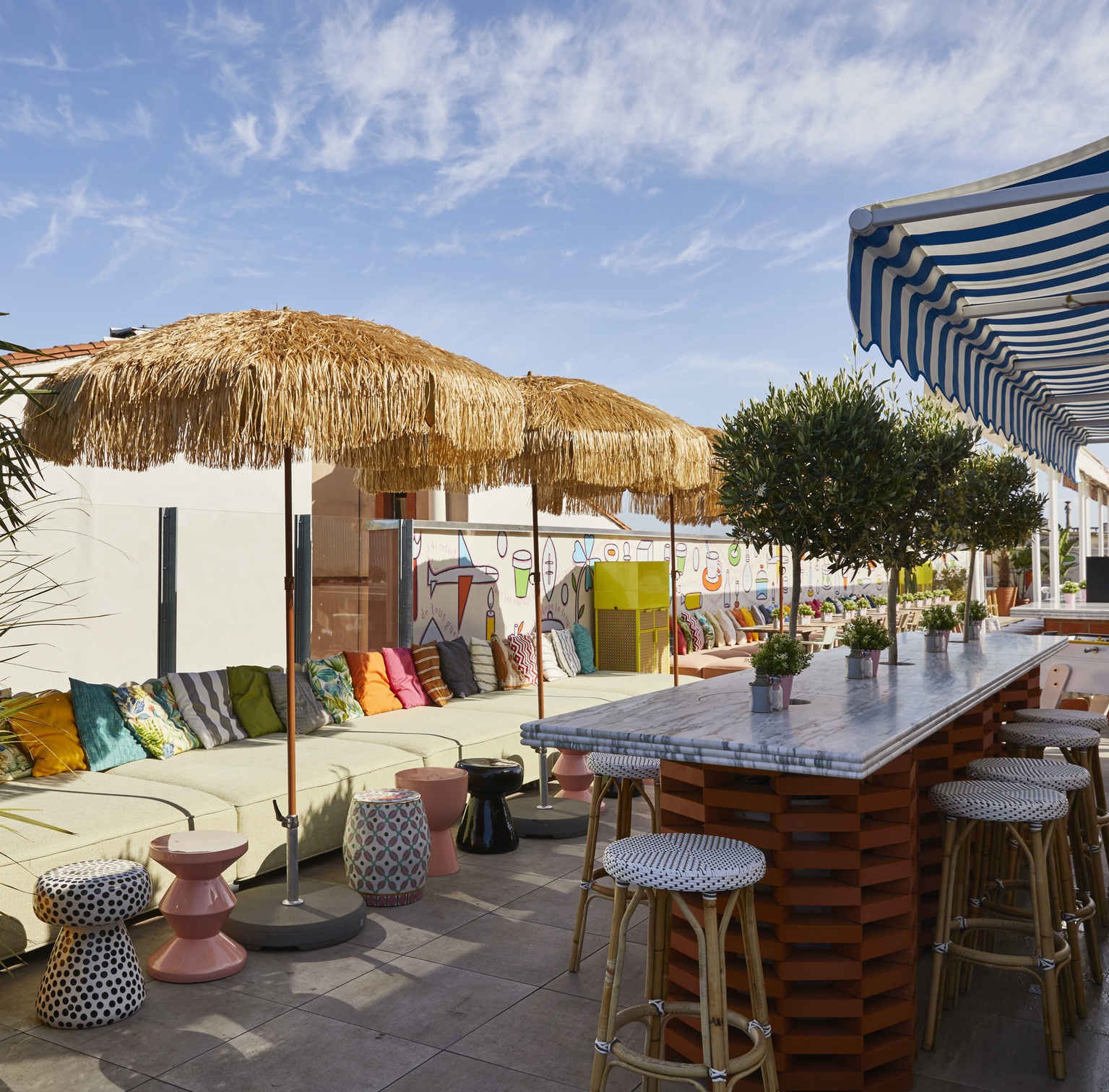
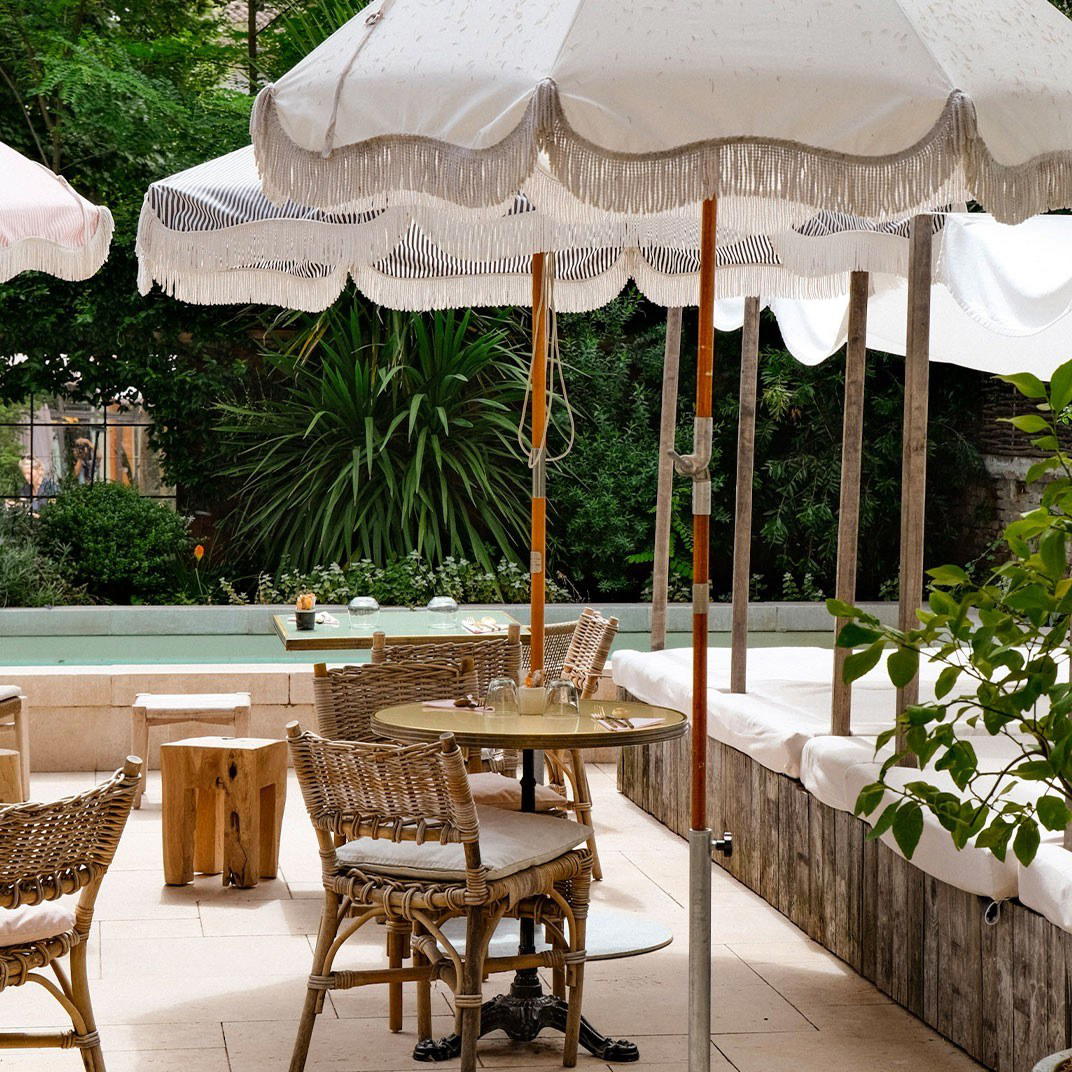
Blanquette is located at 17 Place Dupuy, within the central arrondissement and reachable on foot from Toulouse-Matabiau station in approximately fifteen minutes, or by metro to François Verdier and a short walk along the canal. Place Dupuy is a functioning public square, which means access is direct at any hour, but dinner service in this part of the city tends to fill the terrace quickly on evenings from late spring through September. Blanquette is recommended for reservations, and its casual dress code suits the room.
Reputation First
Comparable venues nearby, for context on price, style, and recognition.
| Venue | Cuisine | Price | Notes |
|---|---|---|---|
| BlanquetteThis venue — the venue you are viewing | Modern French Bistro | $$ | Not listed |
| Chez Navarre | Traditional French Regional Gastropub | $$ | Capitole / Arnaud Bernard / Carmes |
| La Cendrée | Traditional French with Southwest Specialties | $$ | Capitole / Arnaud Bernard / Carmes |
| Combustible | Modern French Bistro | $$ | Capitole / Arnaud Bernard / Carmes |
| Le Pic Saint Loup | Modern French Bistro | $$ | Saint-Michel / Saint-Agne / Empalot / Le Busca / Île du Ramier / Monplaisir |
| Assoiffés | French Bistro with Natural Wines | $$ | Les Chalets / Bayard / Belfort / Saint-Aubin / Dupuy |
Continue exploring
More in Toulouse
Restaurants in Toulouse
Browse all →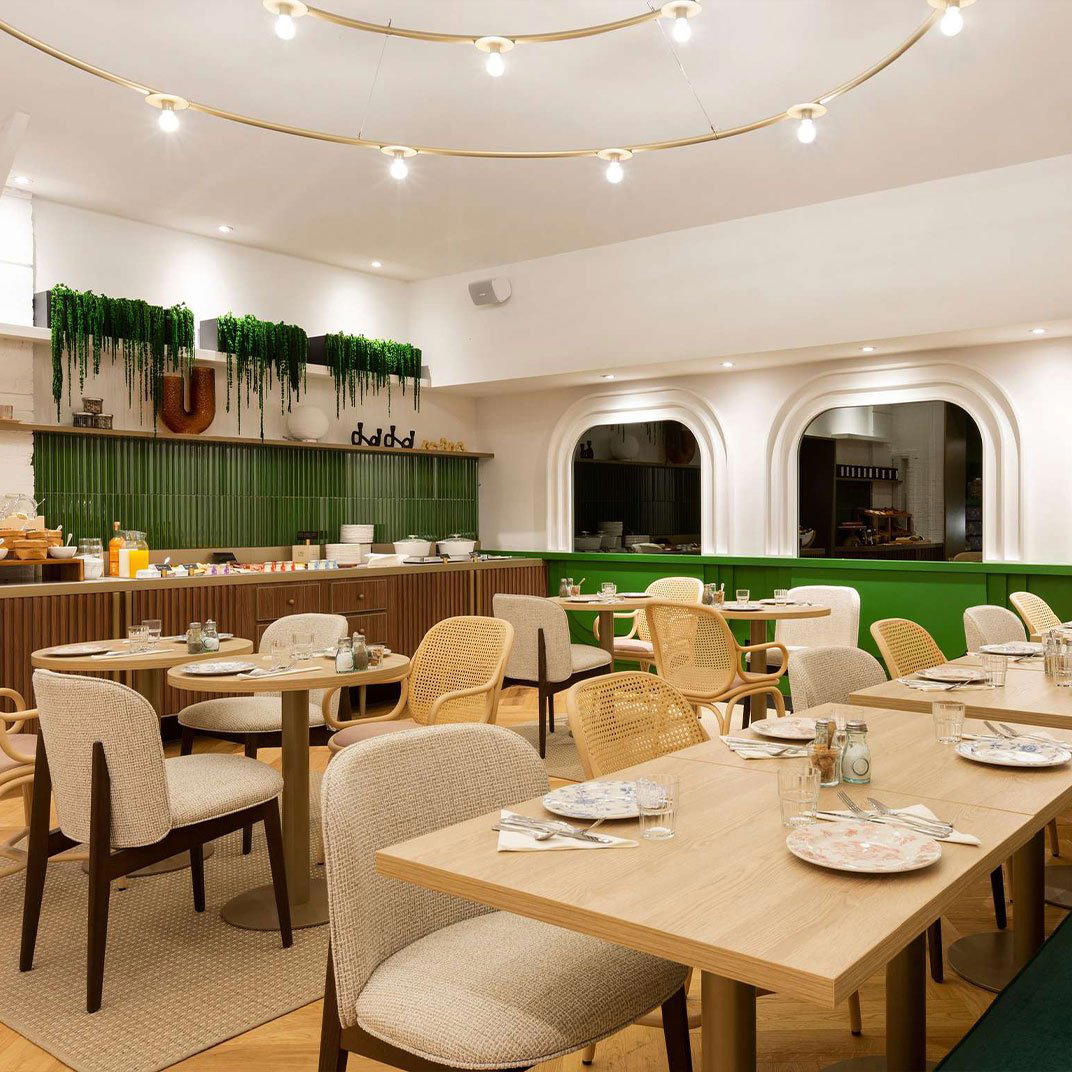
At a Glance
- Cozy
- Lively
- Family
- Casual Hangout
- Group Dining
- Date Night
- Terrace
- Private Dining
- Local Sourcing
- Street Scene
Current opening hours
- Monday
- 10 AM–4 PM
- Tuesday
- 10 AM–12 AM
- Wednesday
- 10 AM–12 AM
- Thursday
- 10 AM–12 AM
- Friday
- 10 AM–1 AM
- Saturday
- 10 AM–1 AM
- Sunday
- 10 AM–4 PM
Hours can change for holidays and private events. Last verified .
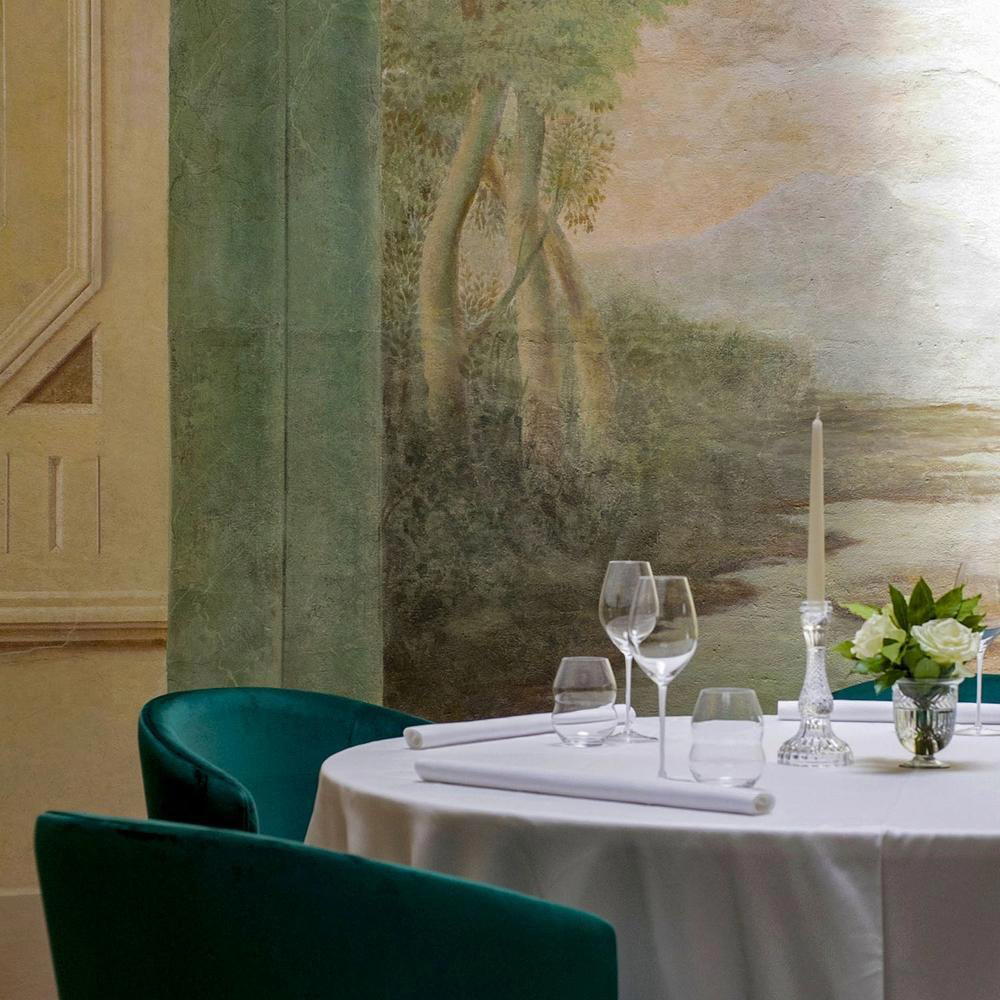
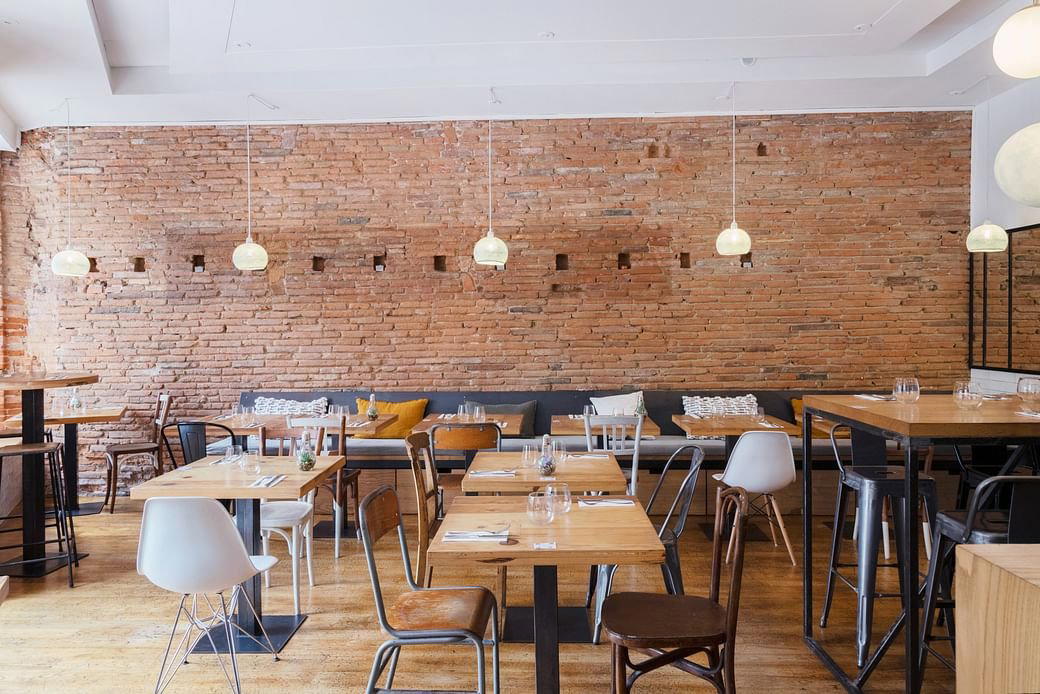
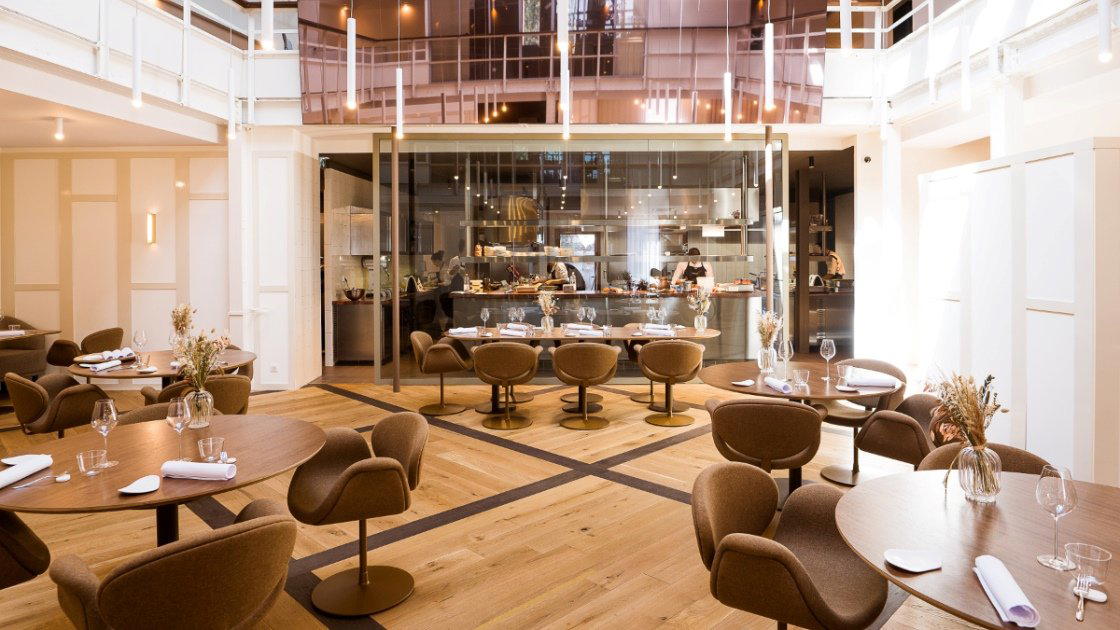
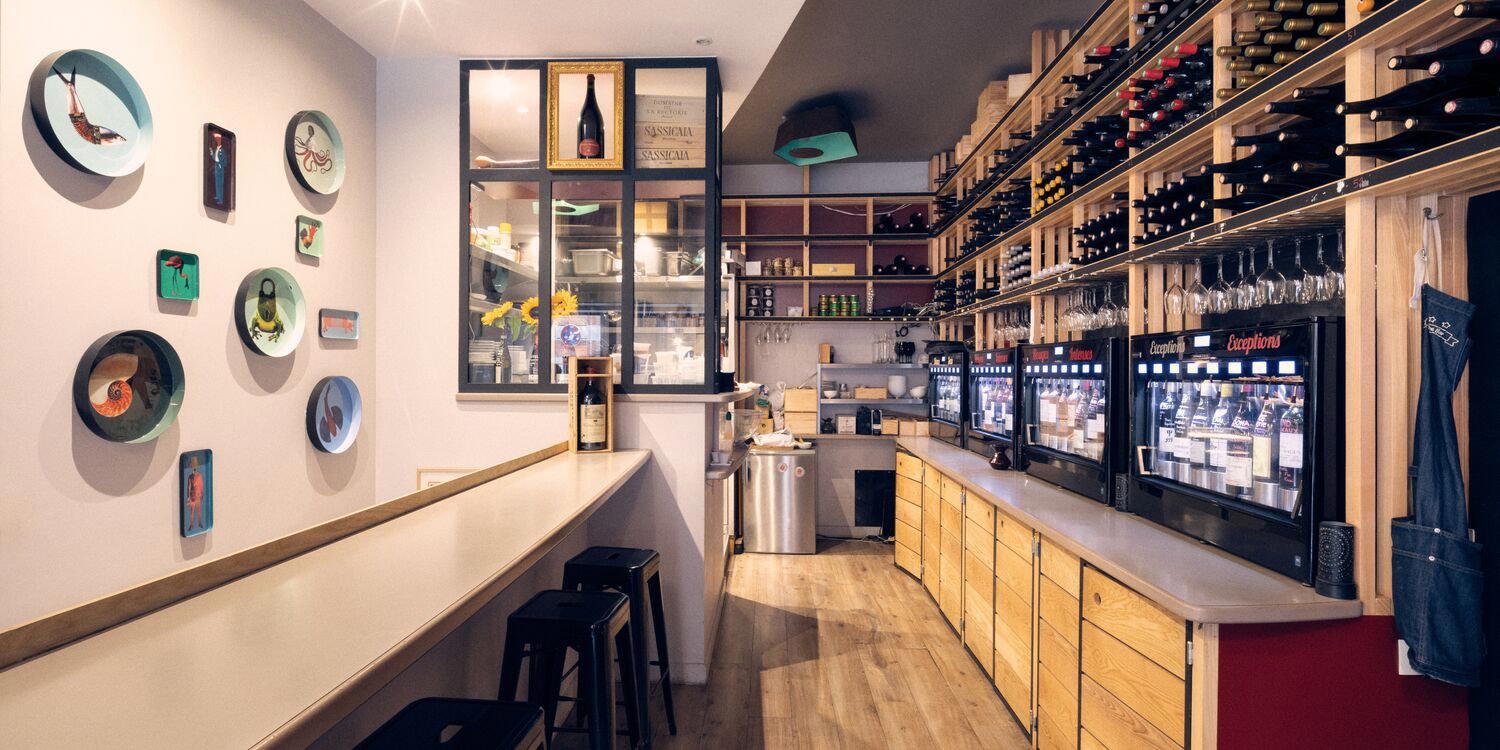
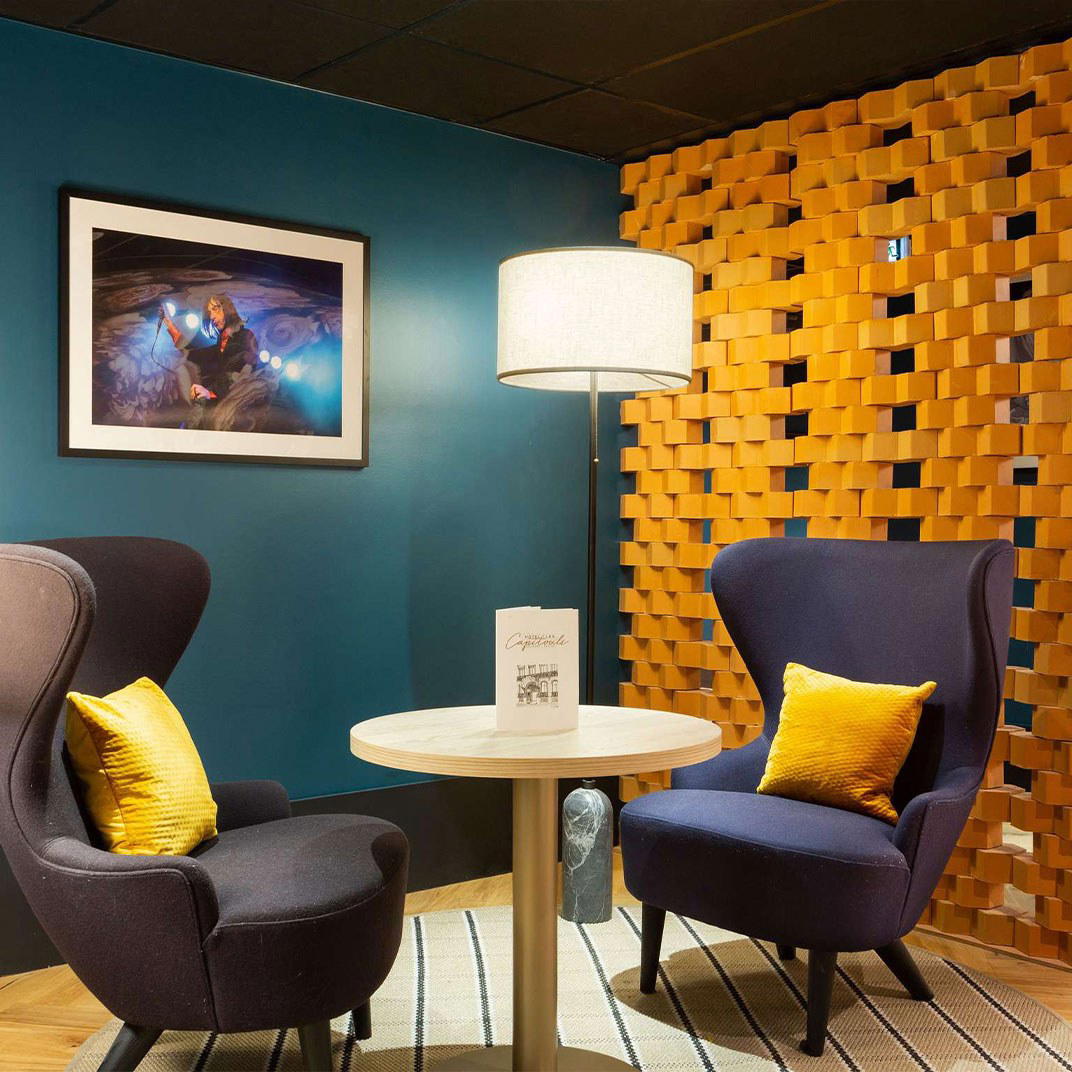
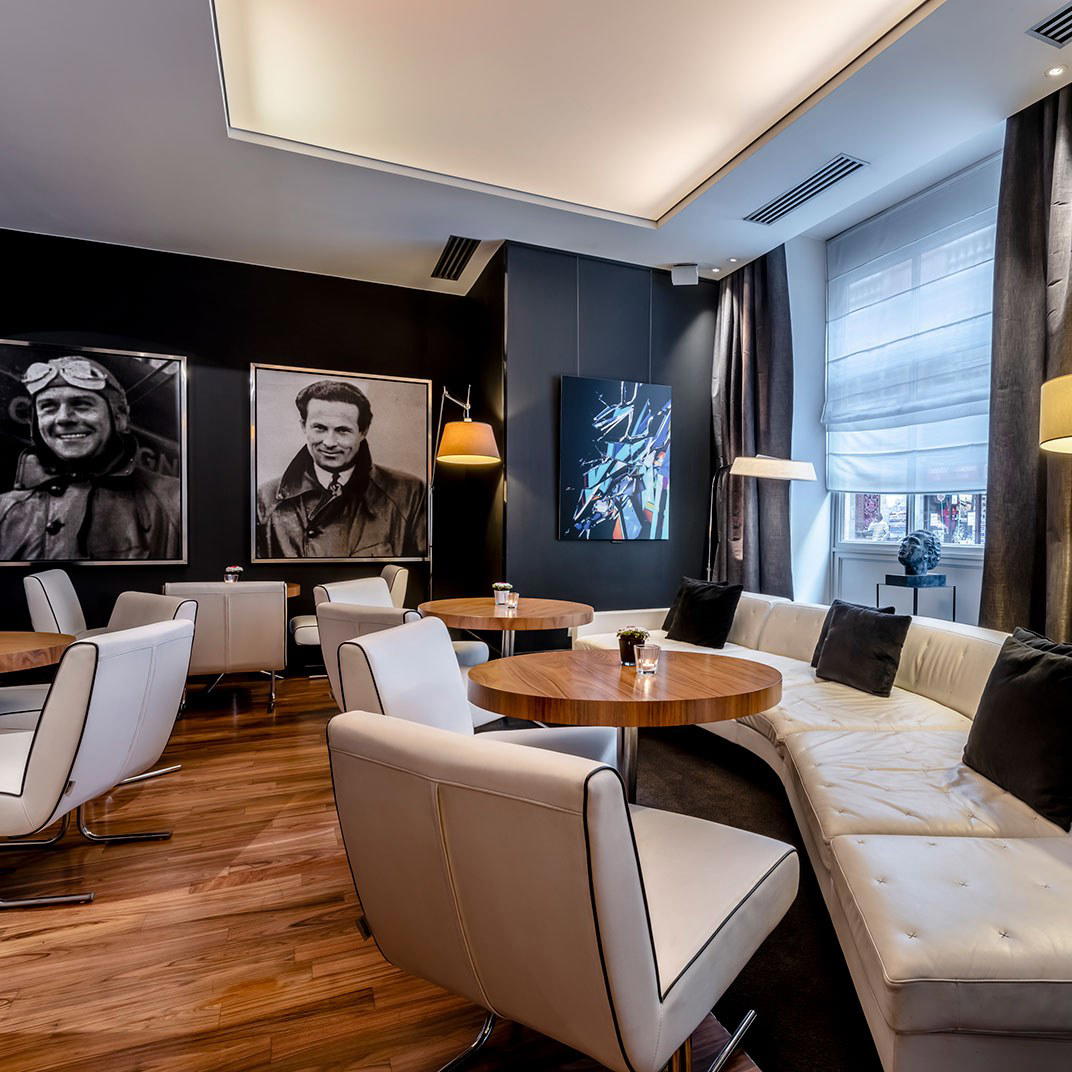
Warm family-friendly atmosphere that can turn festive with DJ events, evoking a grandmother's house.