.png)
A Michelin Plate recipient in 2024 and 2025, Le Bon Saint-Pourçain occupies a measured position in Saint-Germain-des-Prés's modern bistro tier, priced at €€€ and drawing a loyal neighbourhood following to its address on Rue Servandoni. The kitchen works in the idiom of contemporary French cooking, with a wine program that reflects the broader Loire and regional France conversation happening across the 6th arrondissement's better tables.
 Discover on Pearl
Pearl is the En Primeur Club membership app — saves, bookings, and concierge access live there. Same editors, same standards.
- Address
- 10bis Rue Servandoni, 75006 Paris, France
- Phone
- +33 1 42 01 78 24
- Website
- bonsaintpourcain.com
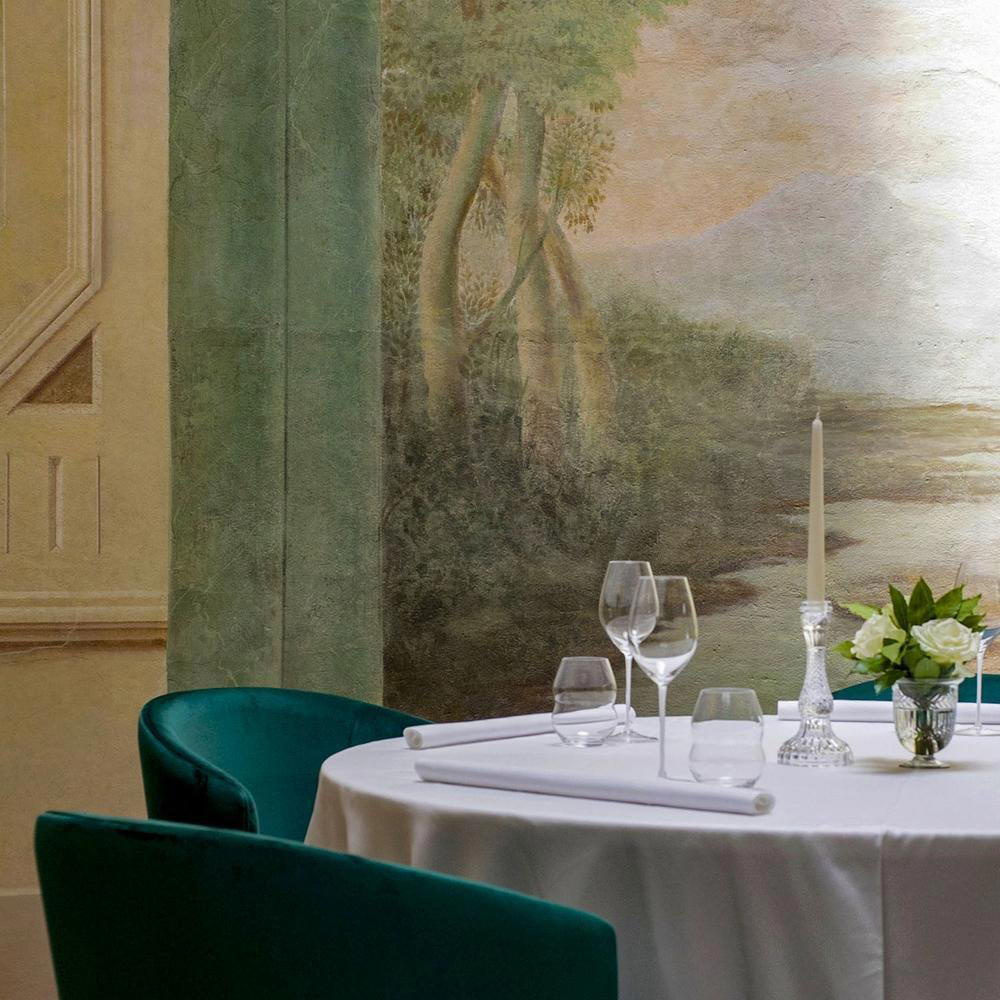
Saint-Germain's Quietly Competitive Bistro Tier
The 6th arrondissement has long operated as a pressure test for modern French cooking. Rents are high, the clientele is experienced, and the competition between mid-market tables running €€€ price points is genuine. In this context, its recognition in 2024 and 2025 carries weight as a consistent signal that a kitchen is doing the foundational work correctly, year after year. Le Bon Saint-Pourçain, at 10bis Rue Servandoni, belongs to this tier: a restaurant that earns its place through repetition and discipline rather than spectacle.
Rue Servandoni itself runs south from the Place Saint-Sulpice, a stretch that sits at the quieter residential edge of Saint-Germain rather than its busier commercial corridors. The address places the restaurant in a part of the 6th that functions more like a neighbourhood than a destination strip, which shapes the room's character and the guest profile considerably. This is not a table where the theatre of the room dominates the experience. The food and, notably, the wine list carry the evening.
The Wine Argument at This Price Point
Across Paris's modern bistro category, the wine list has become the clearest differentiator between tables that are merely competent and those worth returning to. The capital's leading mid-tier rooms in the 6th and neighbouring arrondissements have largely moved past the generic Bordeaux-and-Burgundy default, leaning instead toward natural producers, Loire Valley growers, and the kind of regional French selections that reward guests who pay attention. Le Bon Saint-Pourçain takes its name from Saint-Pourçain-sur-Sioule, a small appellation in the Allier department of the Auvergne, which produces Gamay and Tressallier-based wines of genuine character that rarely appear on Paris lists outside of specialist circles. The name alone functions as a declaration of curatorial intent.
Saint-Pourçain wines occupy an interesting position in the French canon: old enough to predate Burgundy's dominance in the region, obscure enough to have avoided the price inflation that followed AOC recognition in 2009. A table named for this appellation is making an argument about depth over recognition, about choosing a wine tradition because of what it offers rather than what it signals. That argument tends to run through the entire list. Guests arriving with an interest in French regional producers, particularly from the Loire and Massif Central, will find the selections coherent with the restaurant's name rather than incidental to it.
For comparison, the wine programs at tables in the €€€€ bracket, such as Accents Table Bourse or the grander rooms at 114, Faubourg, operate with deeper cellar inventory and more formal sommelier infrastructure. Le Bon Saint-Pourçain's approach is more focused and less exhaustive, which suits a room of this scale and price positioning. The list rewards the curious rather than the collector.
Modern Cuisine in the French Bistro Frame
The cuisine classification is modern, which in the Paris bistro context typically means a French technical base updated with contemporary sourcing sensibility and lighter saucing than the classic repertoire. This is the dominant mode of serious cooking across the 6th arrondissement right now. Tables like Anona and Amâlia operate in related registers, each finding a distinct way to work within the same broad tradition. What separates them is emphasis: the balance of classic technique against seasonal ingredient-led spontaneity, the degree of formal structure in the menu, and the extent to which the kitchen takes interpretive risks.
Le Bon Saint-Pourçain's 4.6 rating across 337 Google reviews suggests a kitchen that delivers reliably on its own terms. In a city where the gap between a 4.2 and a 4.6 in this category represents real consistency over a large sample, that number is a meaningful data point. It indicates a room that has found its register and holds to it, which is what the Michelin Plate recognition, renewed in consecutive years, also confirms.
Further afield in France, the reference point for this kind of sustained regional-rooted cooking with wine depth sits at tables like Bras in Laguiole or Auberge de Montfleury, operations where the wine and the cuisine are in genuine conversation with a specific French geography. Le Bon Saint-Pourçain stakes a similar claim at a more accessible price point and in a city setting. For the larger context of what French modern cuisine looks like at its most ambitious, Mirazur in Menton, Flocons de Sel in Megève, and Troisgros - Le Bois sans Feuilles in Ouches set the upper register, alongside the institution that is Paul Bocuse - L'Auberge du Pont de Collonges and the long-running excellence of Auberge de l'Ill in Illhaeusern. Internationally, the modern cuisine conversation has its own distinct shape at places like Frantzén in Stockholm and FZN by Björn Frantzén in Dubai. Le Bon Saint-Pourçain is not competing at those altitudes, nor does it need to. Its competition is the other serious bistro tables in the 6th arrondissement, and in that field it holds its ground with consistency.
Planning Your Visit
The restaurant sits at 10bis Rue Servandoni in the 6th arrondissement, a short walk from Saint-Sulpice metro station. At €€€ pricing, a full dinner with wine is a meaningful spend without approaching the €€€€ tier of formal tasting-menu rooms. Given the 4.6 rating across a substantial review base and consecutive Michelin Plate recognition, this is a table with genuine demand in its category. Advance booking through the restaurant's standard channels is the reliable approach, though the Rue Servandoni address and neighbourhood character of the room may allow for counter availability on quieter weekday evenings. Guests prioritizing the wine program would do well to arrive with at least a passing familiarity with Loire and Auvergne producers, which will make the list's logic more readable and the selections more rewarding.
Budget Reality Check
Comparable venues nearby, for context on price, style, and recognition.
| Venue | Cuisine | Price | Awards | Notes |
|---|---|---|---|---|
| Le Bon Saint-PourçainThis venue — the venue you are viewing | Modern Cuisine | $$$ | Michelin Plate | |
| Terra | Le Marais, Modern French Bistro | $$$ | Michelin Plate | |
| L’Oyat | $$$ | Michelin Plate | Arts-et-Métiers, Modern French Bistronomic | |
| Racines des Prés | $$$ | Michelin Plate | Saint-Germain-des-Prés, Modern French Bistronomique | |
| Bistrot Marloe | $$$ | Michelin Plate | 8th Arrondissement, Classic French Bistro | |
| La Table du Caviste Bio | $$$ | Michelin Plate | Paris 17, Franco-Japanese Organic Bistro |



At a Glance
- Intimate
- Cozy
- Elegant
- Classic
- Date Night
- Special Occasion
- Terrace
- Extensive Wine List
- Local Sourcing
- Street Scene
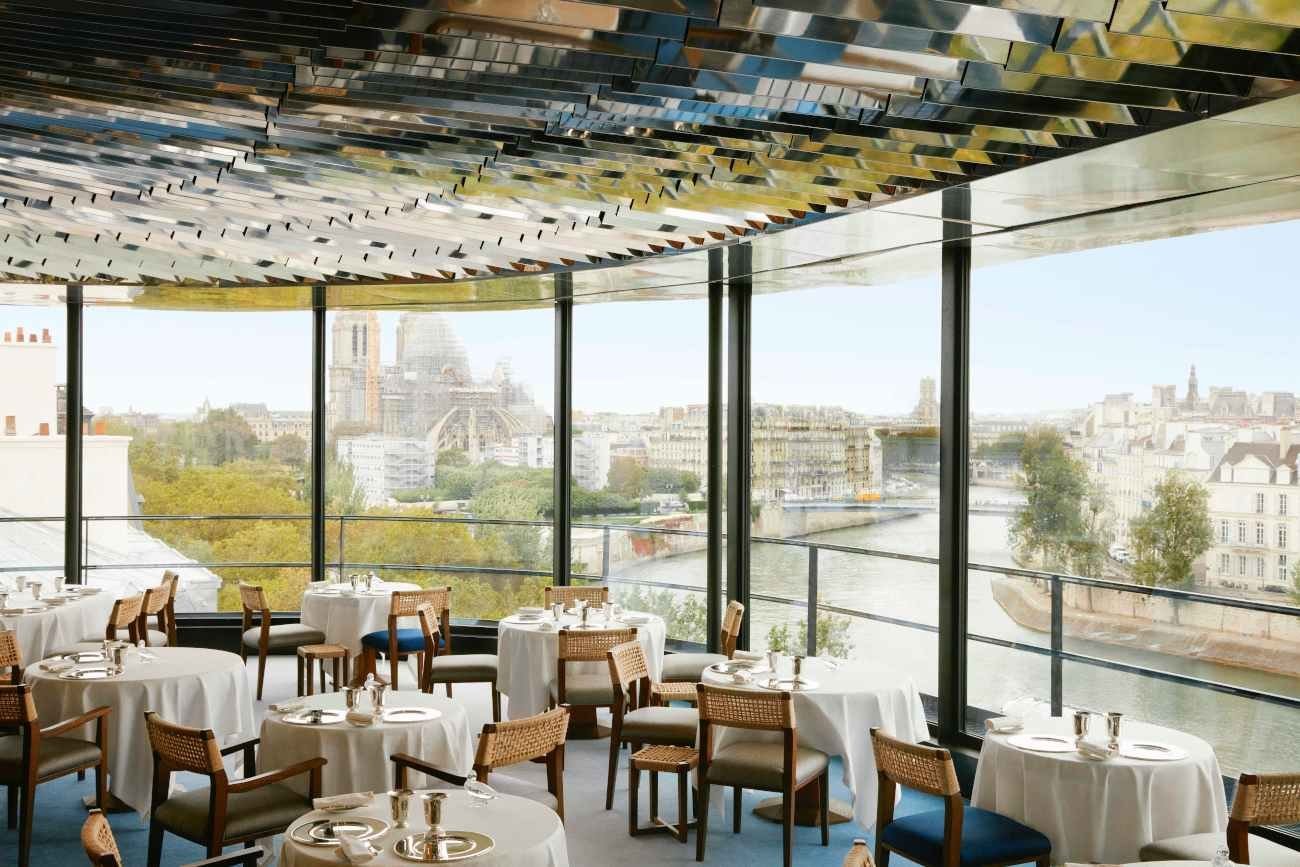
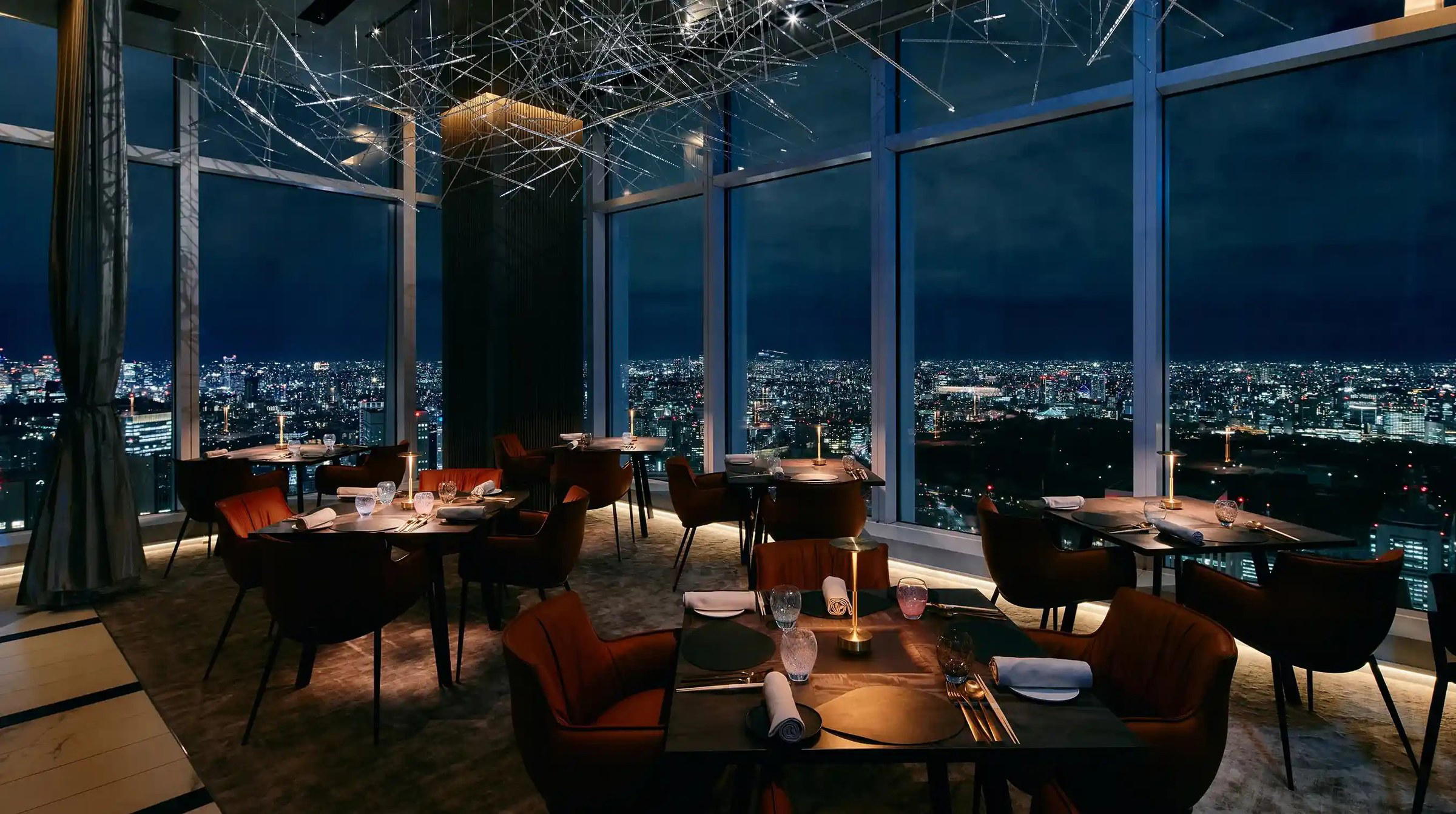
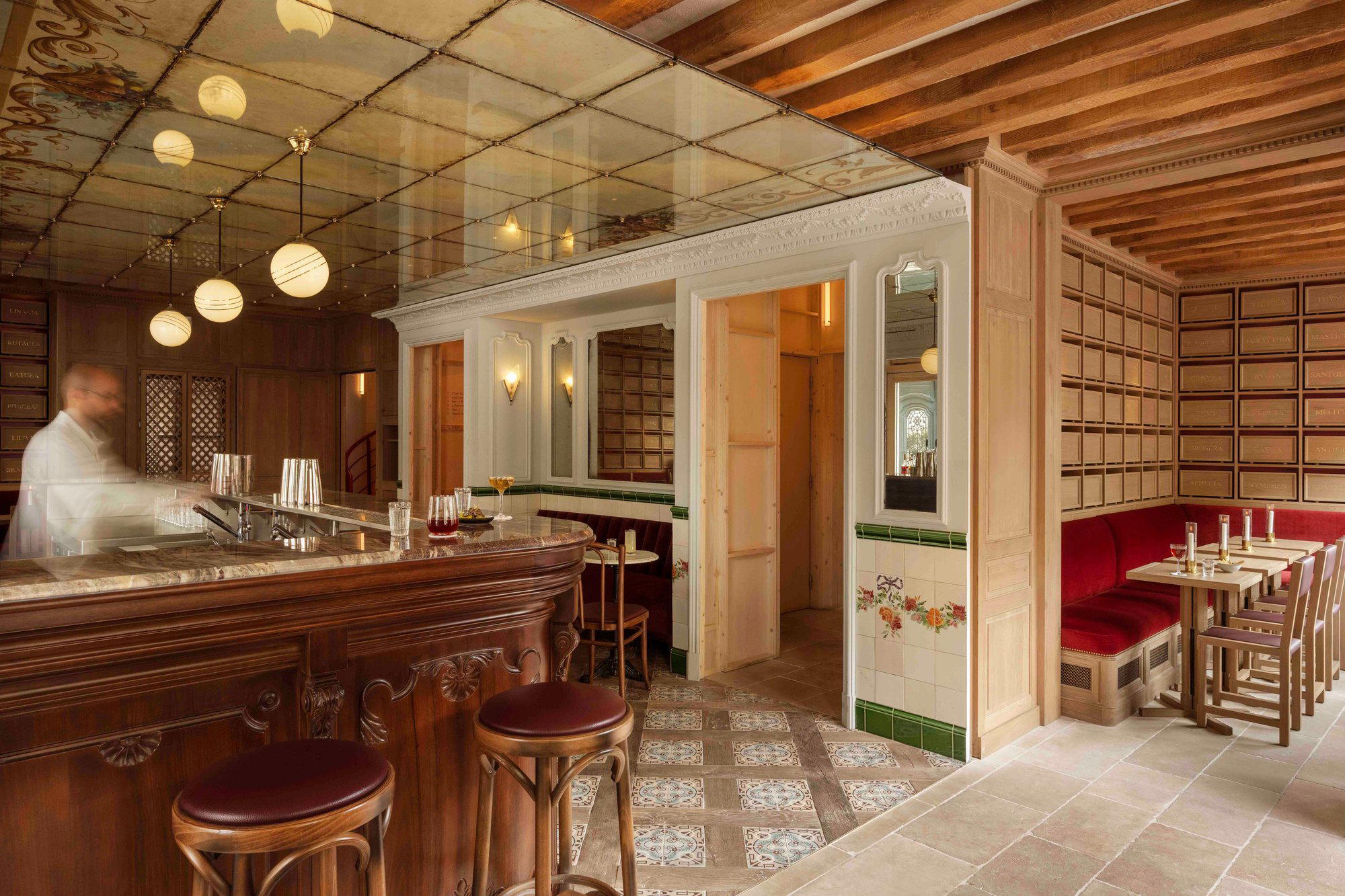
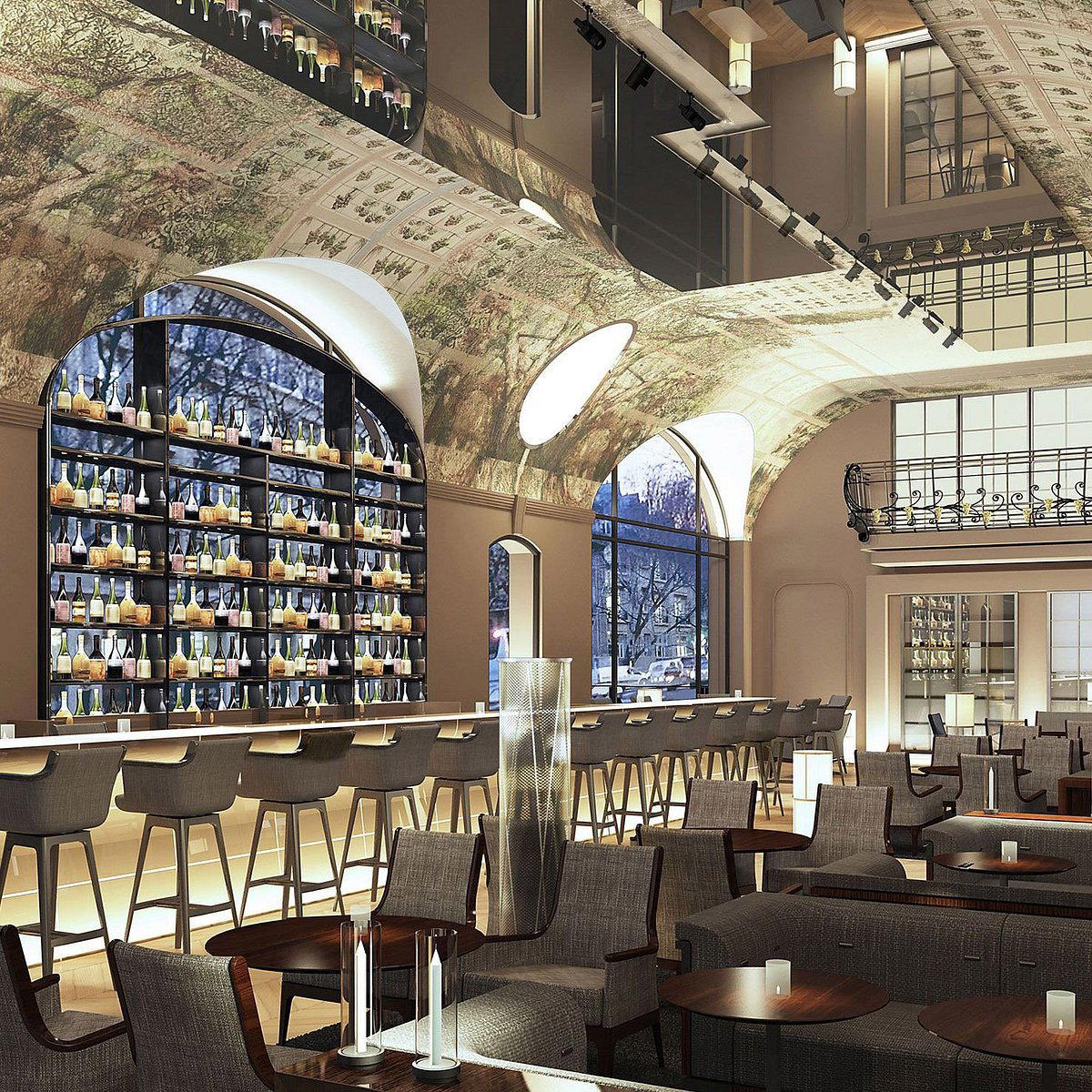
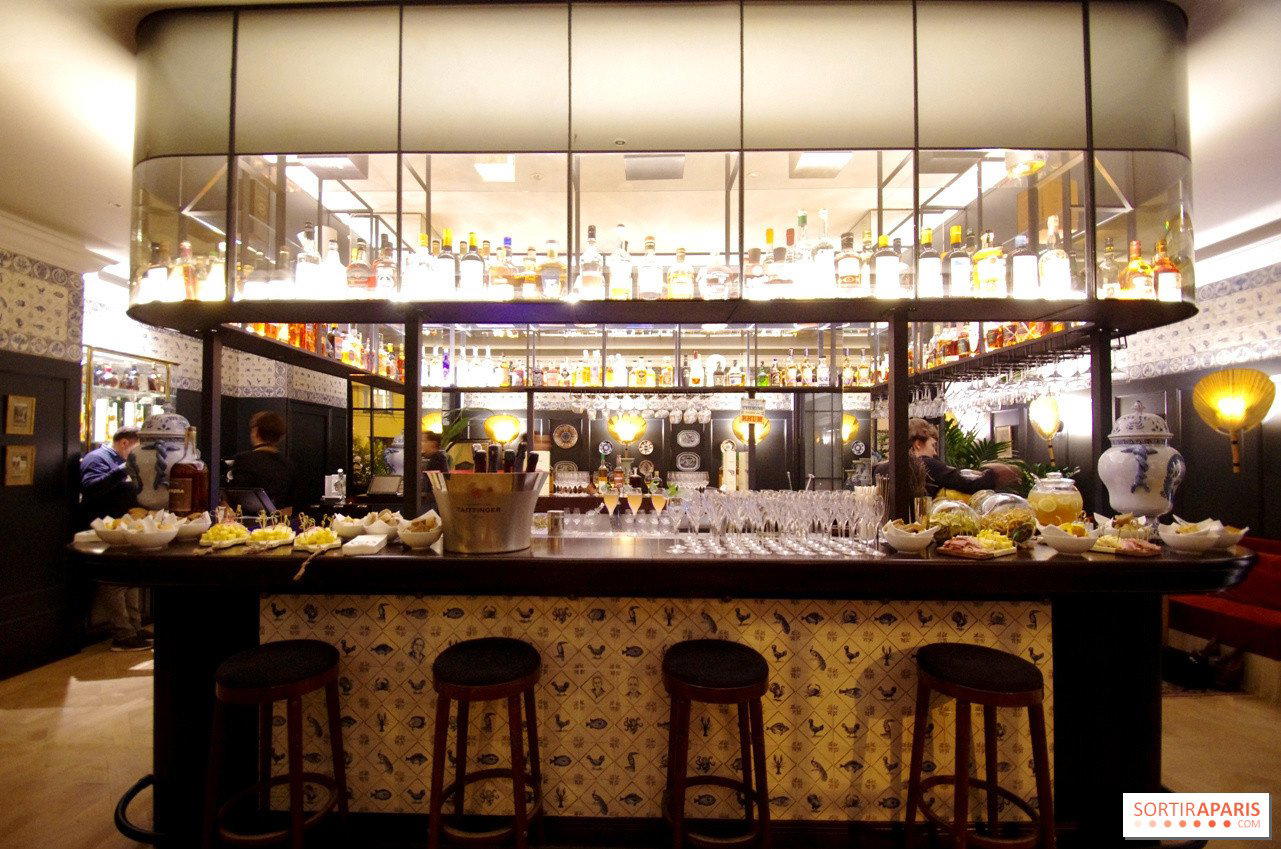
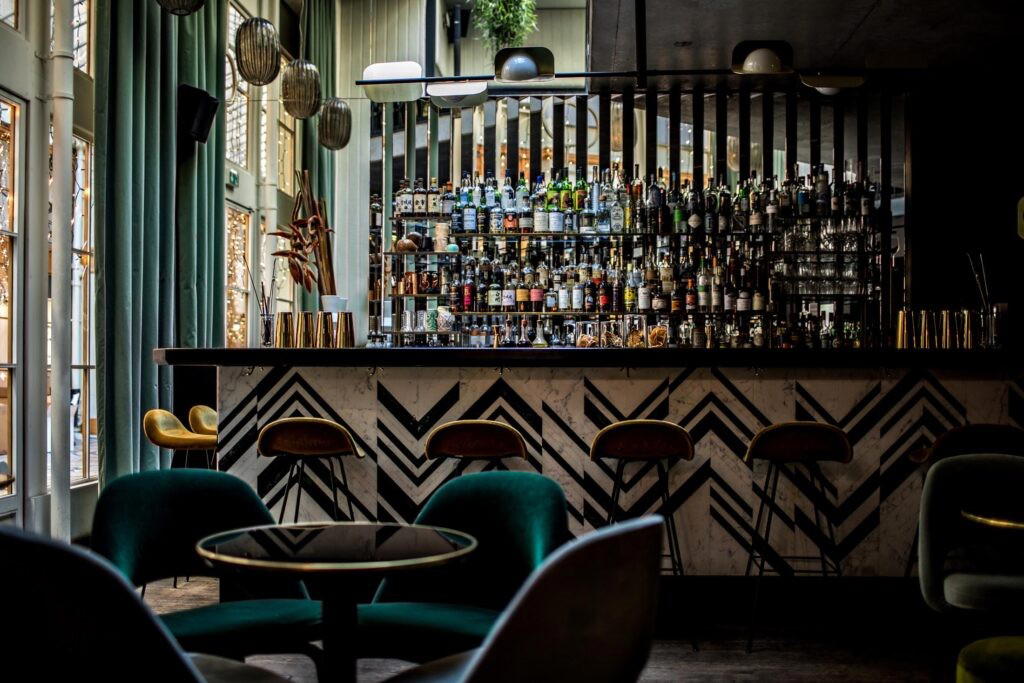
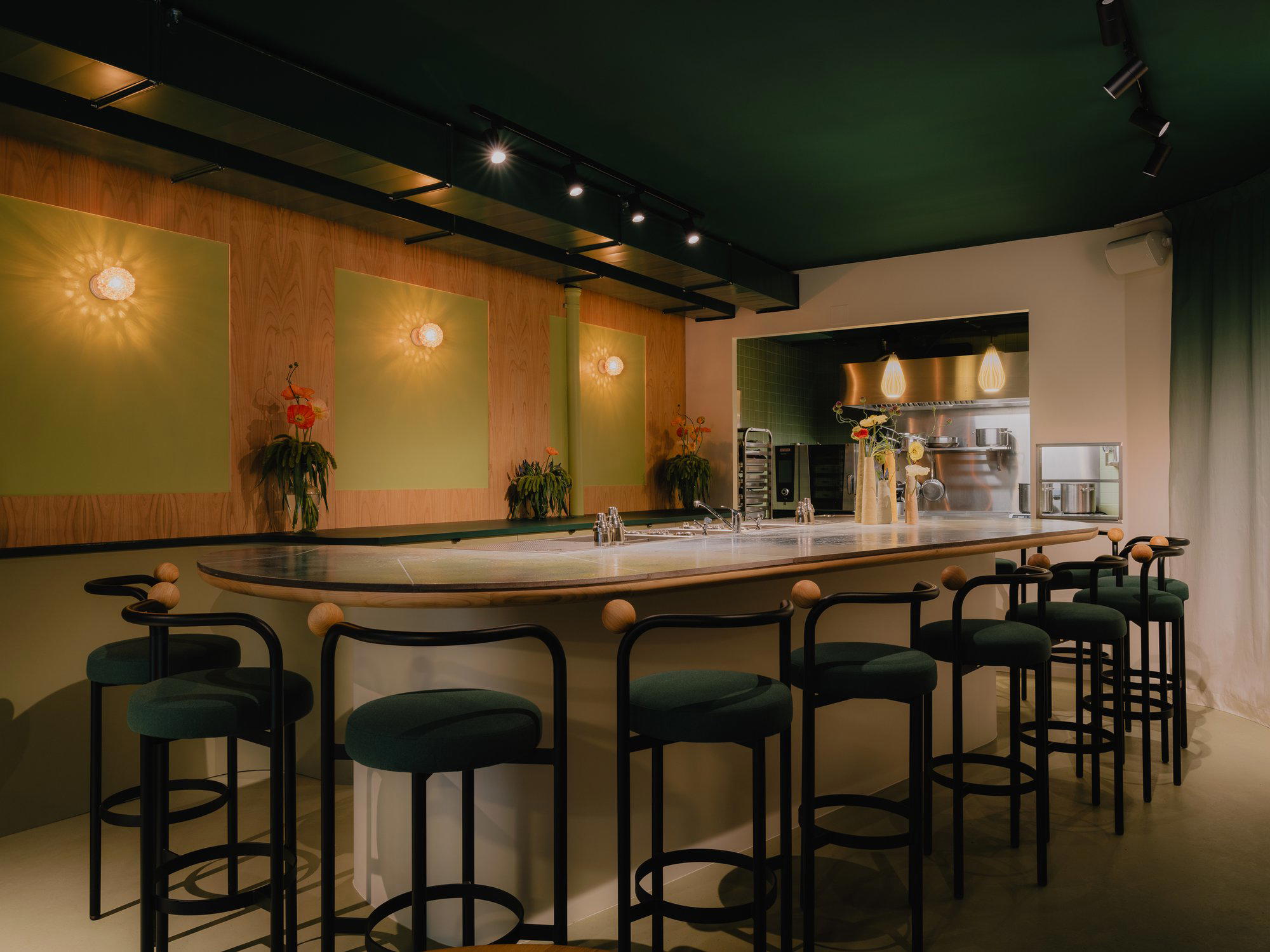
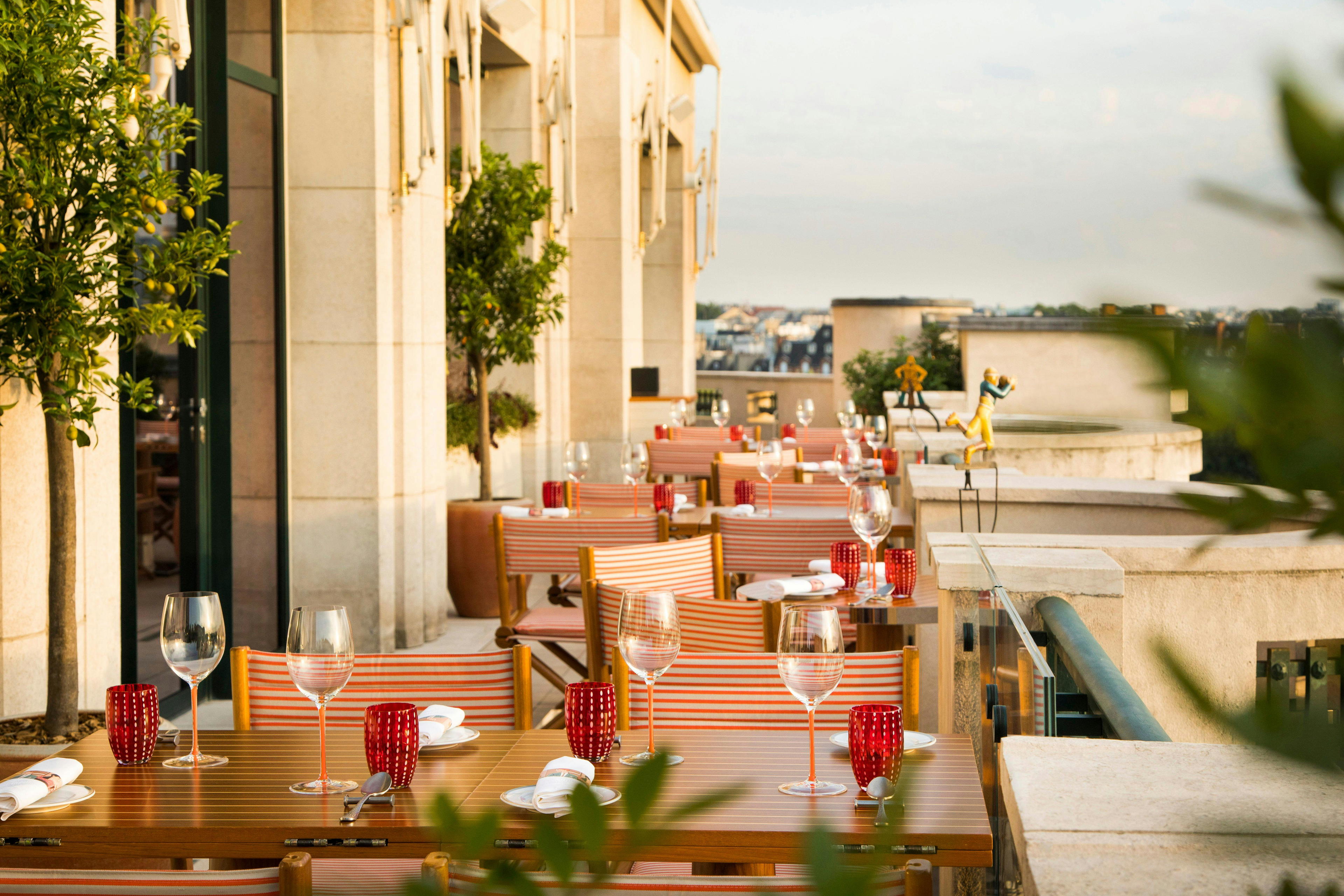
Cozy and nostalgic with red banquettes, small tables, and a warm, discreet atmosphere.