Le bistrot du Kachatelier

Michelin Plate
Our verdict
Le bistrot du Kachatelier sits in the Moselle-adjacent village of Manternach, a farm-to-table address that has earned consecutive Michelin Plates in 2024 and 2025. At the €€ price point, it represents the more grounded tier of Luxembourg's recognised dining scene, where sourcing discipline and seasonal produce do the heavy lifting..

Pearl is the En Primeur Club membership app — saves, bookings, and concierge access live there. Same editors, same standards.
- Address
- 2 A Lambett, 6850 Manternach, Luxembourg
- Phone
- +352 26 78 95 950
- Hours
- Mon–Fri 12–3 PMSat–Sun Closed
- Website
- kachatelier-manternach.lu
- Directions
- Get directions
The menu
What to order
- Coq au vin
- Cabillaud à la meunière
A village address in Luxembourg's eastern farming belt
Luxembourg's recognised dining scene is heavily concentrated in and around the capital, where addresses like Ma Langue Sourit and Léa Linster operate at the €€€€ tier with menus built around classical French technique. Le bistrot du Kachatelier in Manternach occupies a different register entirely. Set in a small village in the Grevenmacher canton, roughly in the corridor between Luxembourg City and the Moselle wine country, it draws on the agricultural character of its surroundings rather than the gravity of urban fine dining. The approach is farm-to-table in the structural sense: the menu follows what the land and local producers make available, not the other way around.
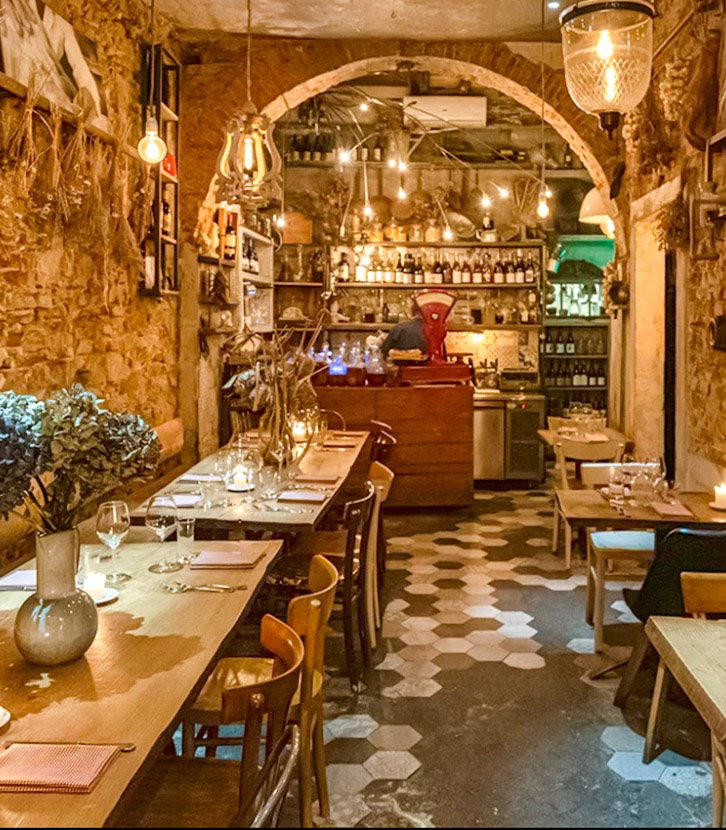
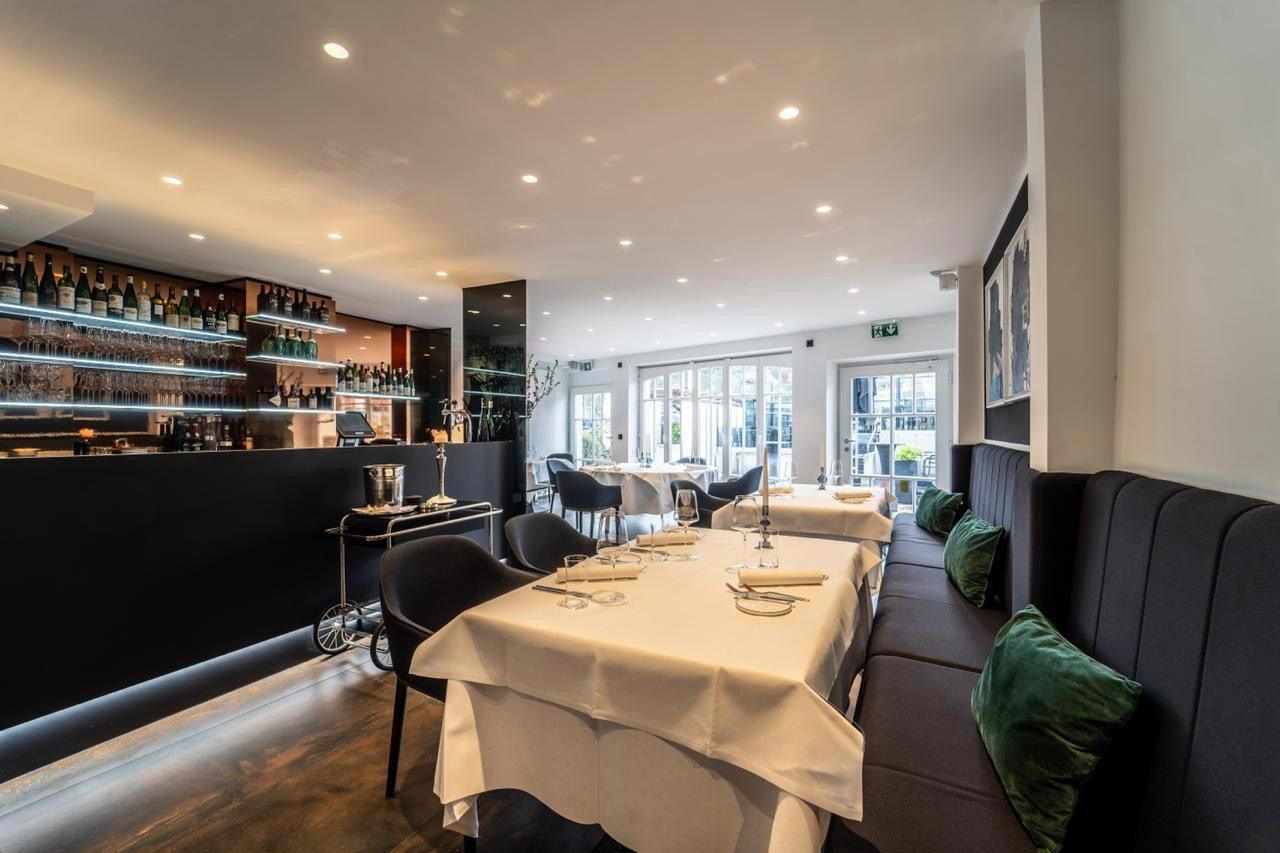
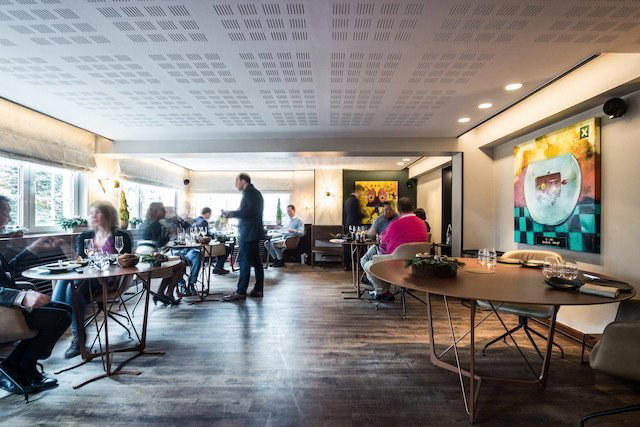
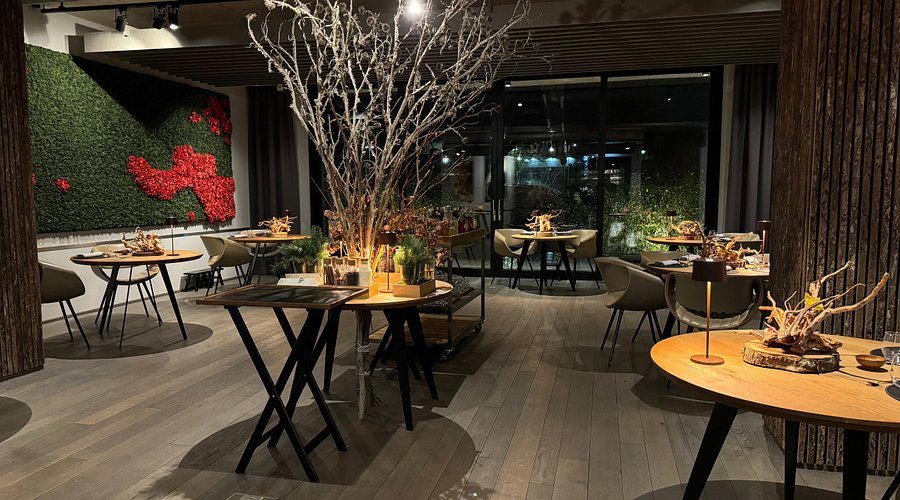
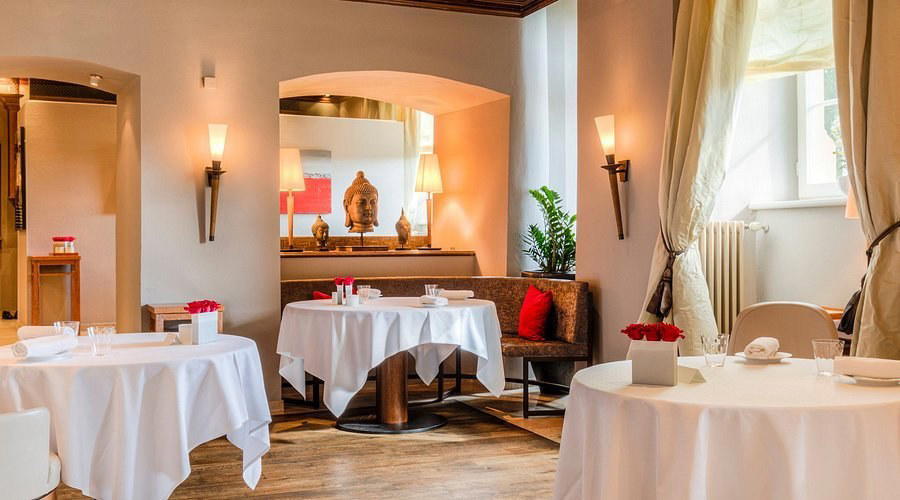
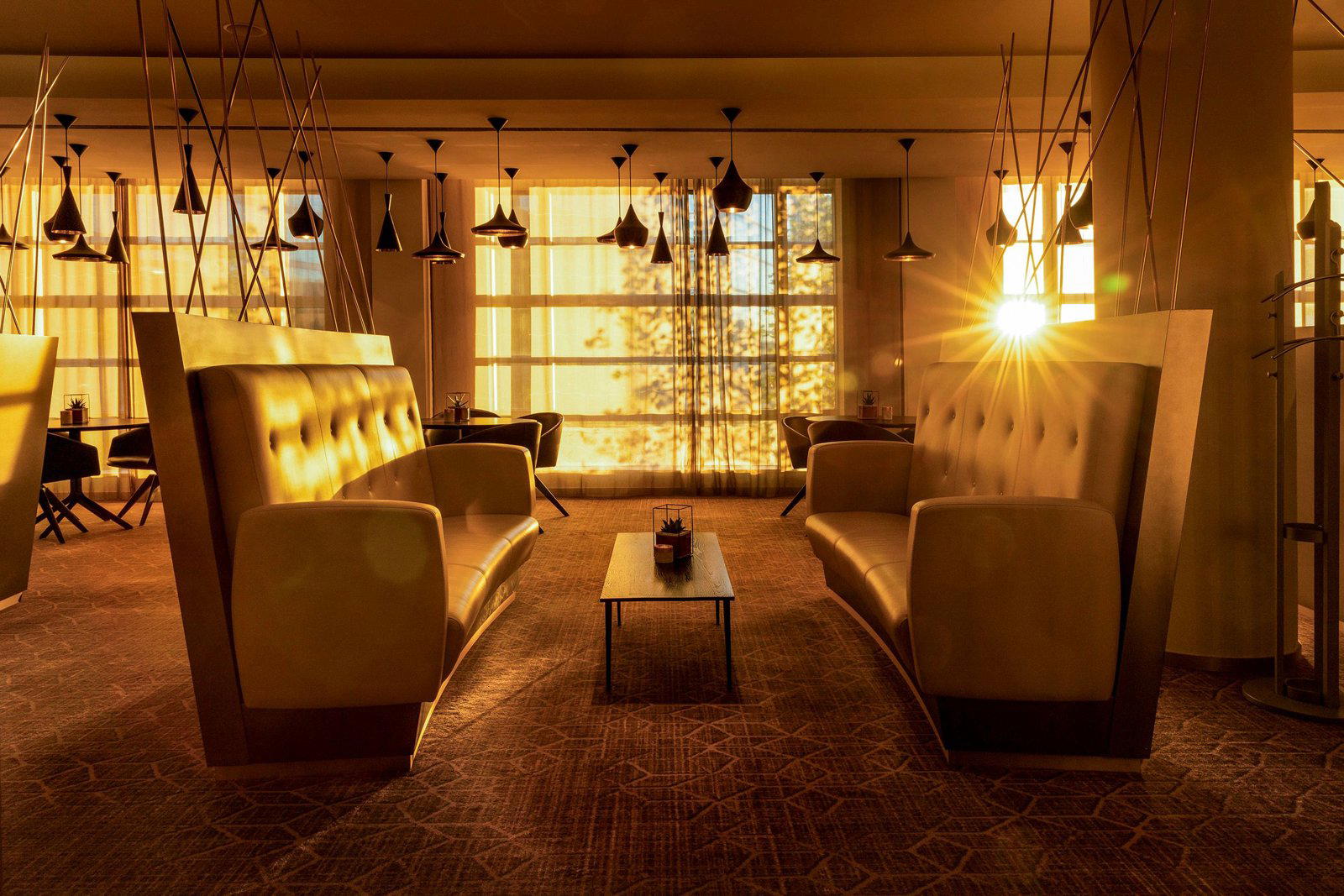
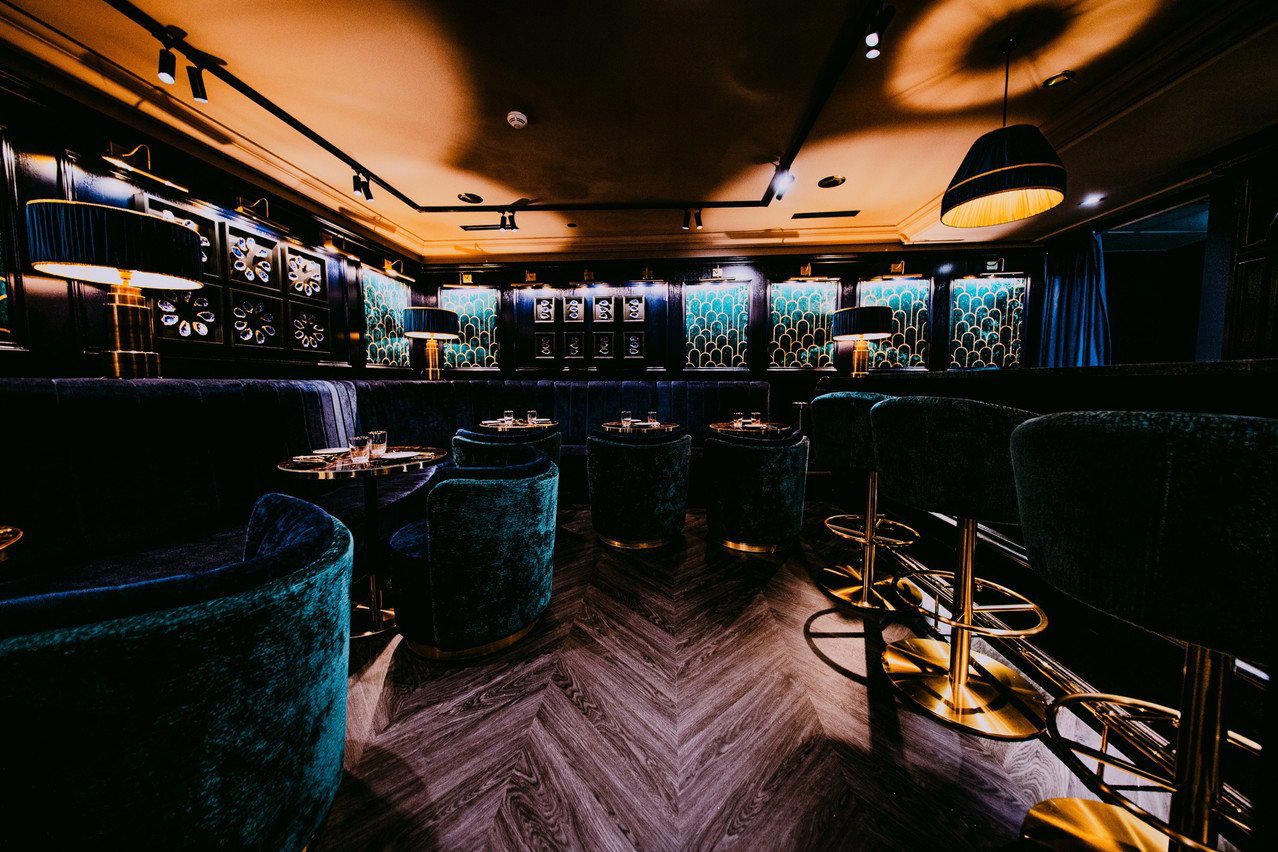
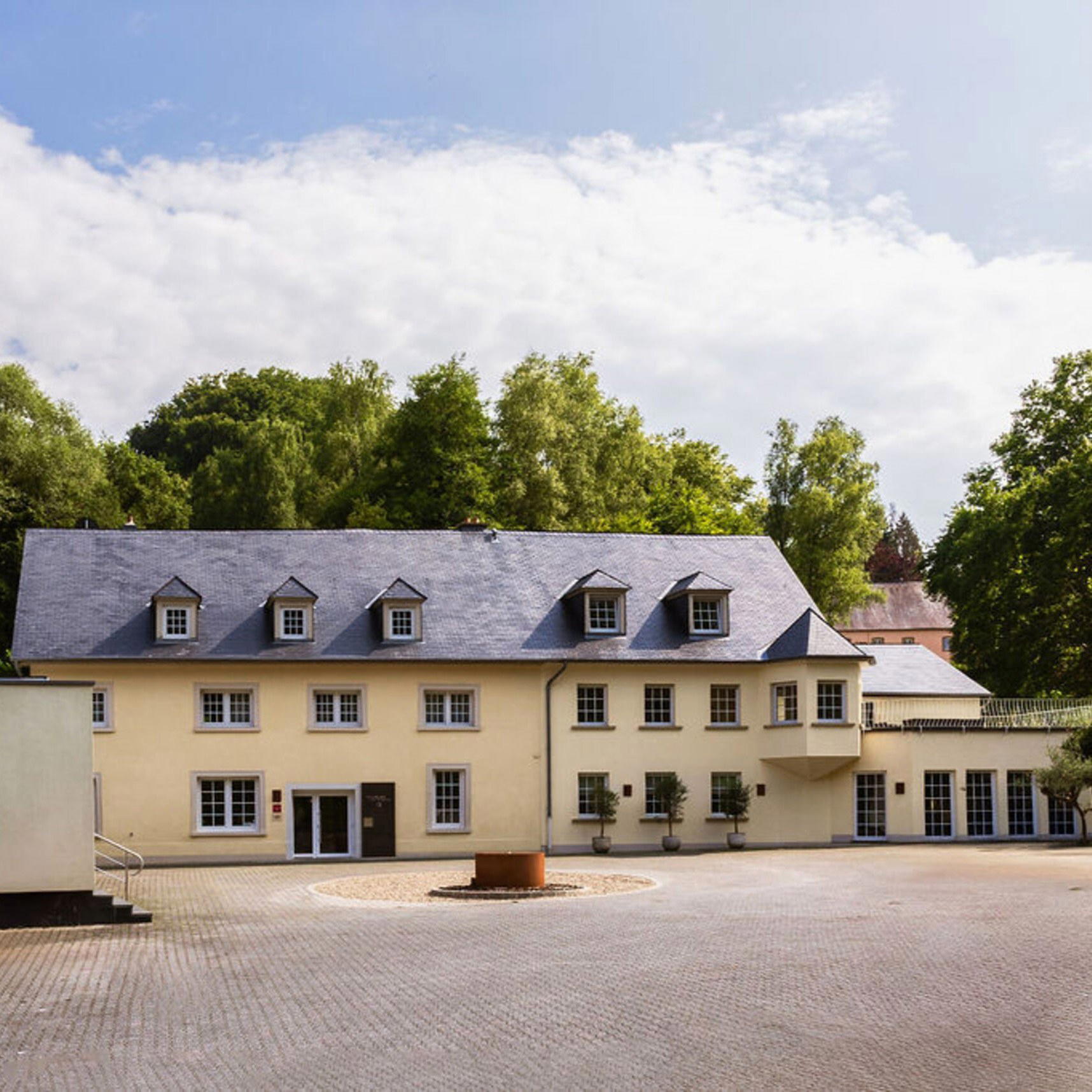
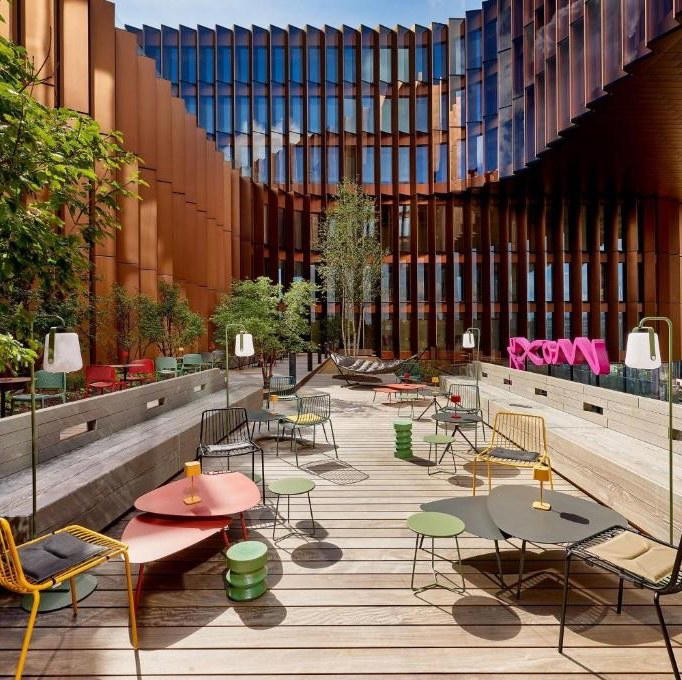
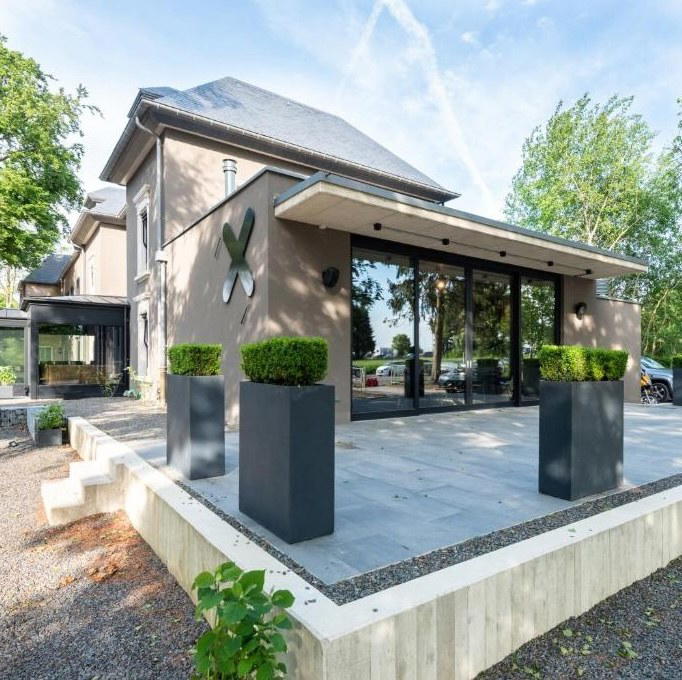
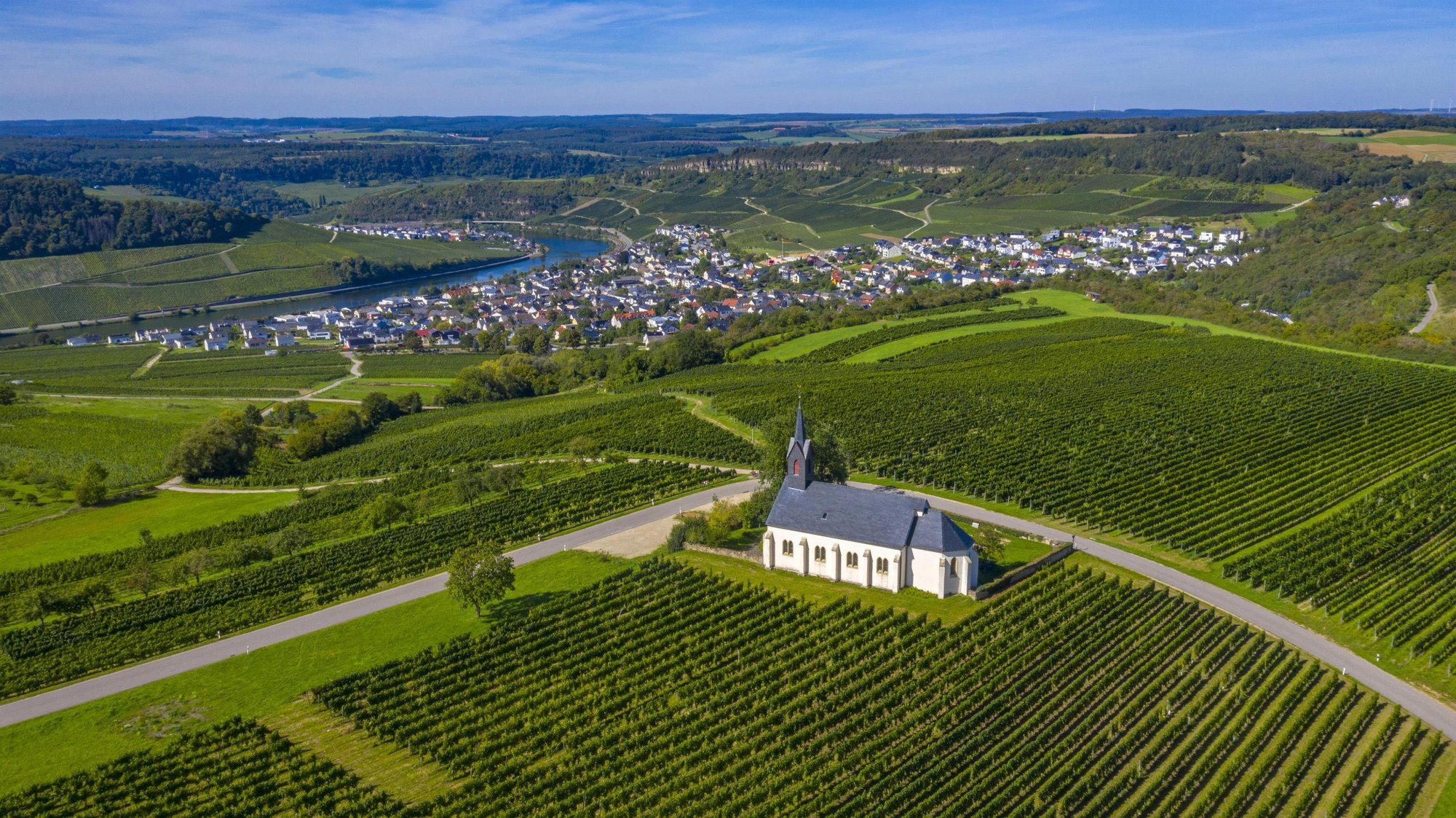
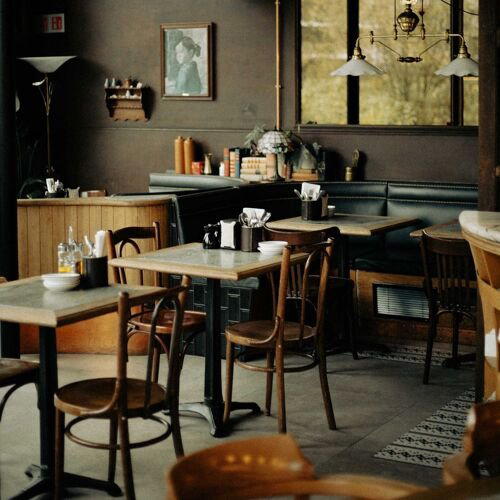
Arriving in Manternach reinforces this orientation. The village sits in the kind of quiet eastern Luxembourg countryside where the infrastructure is agricultural before it is touristic — field boundaries, farm tracks, the occasional estate vineyard. The bistrot itself carries that register into its interior, where the setting reads as purposeful and unhurried rather than designed for effect. This is not the sleek, stripped-back aesthetic of a capital-city natural wine bar. It is something closer to a working relationship between a kitchen and its immediate geography.
What farm-to-table means when it's done seriously
The farm-to-table designation has become one of the most diluted claims in contemporary restaurant marketing. In practice, it covers everything from a full regenerative sourcing model to a kitchen that occasionally mentions the county its carrots came from. The version worth paying attention to is the one where sourcing constraints visibly shape the menu, where the dish list contracts in winter and diversifies in summer, and where the kitchen's choices are driven by what is available at peak condition rather than what maintains a stable year-round offer.
Le bistrot du Kachatelier's consecutive Michelin Plates, awarded in both 2024 and 2025, suggest it sits in the more credible end of that spectrum. The Michelin Plate designation does not carry the same weight as a star, but it is a meaningful marker: Michelin uses it to identify restaurants where the food quality merits attention, and sustained recognition across two consecutive years indicates consistency rather than a single strong performance.
The sustainability logic behind the format
Farm-to-table as a format carries a sustainability argument that goes beyond provenance labelling. When a kitchen sources from a defined local radius, it reduces the carbon footprint of ingredient transport, supports agricultural biodiversity by creating demand for heritage varieties and smaller producers, and generates less food waste because quantities are calibrated to seasonal supply rather than held against a fixed menu. These are structural efficiencies, not marketing positions.
In the context of Luxembourg's eastern agricultural belt, this means the kitchen at Le bistrot du Kachatelier is drawing on a landscape that includes Moselle Valley viticulture, small-scale livestock farming, and the market garden tradition that has persisted in the region's villages. The proximity to the Moselle also points toward a natural wine pairing logic: the region produces Riesling, Auxerrois, and Pinot Gris under Luxembourg's own appellation system, and a kitchen committed to local sourcing in this geography would logically extend that commitment to the glass. Luxembourg's wine production remains little-known outside the country despite consistent quality from producers along the river's left bank, which makes the Kachatelier's position in this corridor editorially interesting for anyone building a broader picture of the country's food and drink identity.
BOK Restaurant in Münster, Clostermanns Le Gourmet in Niederkassel, Das garbo zum Löwen in Eggenstein-Leopoldshafen, die burg in Donaueschingen, DIE GOURMET STUBE im Gasthaus Hummel in Duggendorf, and Gasthof Alex in Weißenbrunn all represent the same broader Central European tendency toward rooted, produce-led cooking at mid-range price points with Michelin attention. The pattern across these addresses suggests that the credibility of this format depends not on scale or formality but on sourcing rigour and kitchen discipline.
Where Le bistrot du Kachatelier sits in Luxembourg's wider scene
Luxembourg's dining scene is smaller than its European neighbours but more internally diverse than its size might suggest. The capital's top tier, anchored by addresses with multiple Michelin stars, operates with the full formality of French haute cuisine. A step below that sits a cluster of creative and contemporary French kitchens, including Apdikt and Archibald De Prince, the latter specifically focused on organic produce. Then there are the country-facing addresses, often outside the capital, that connect directly to Luxembourg's agricultural and wine-producing geography.
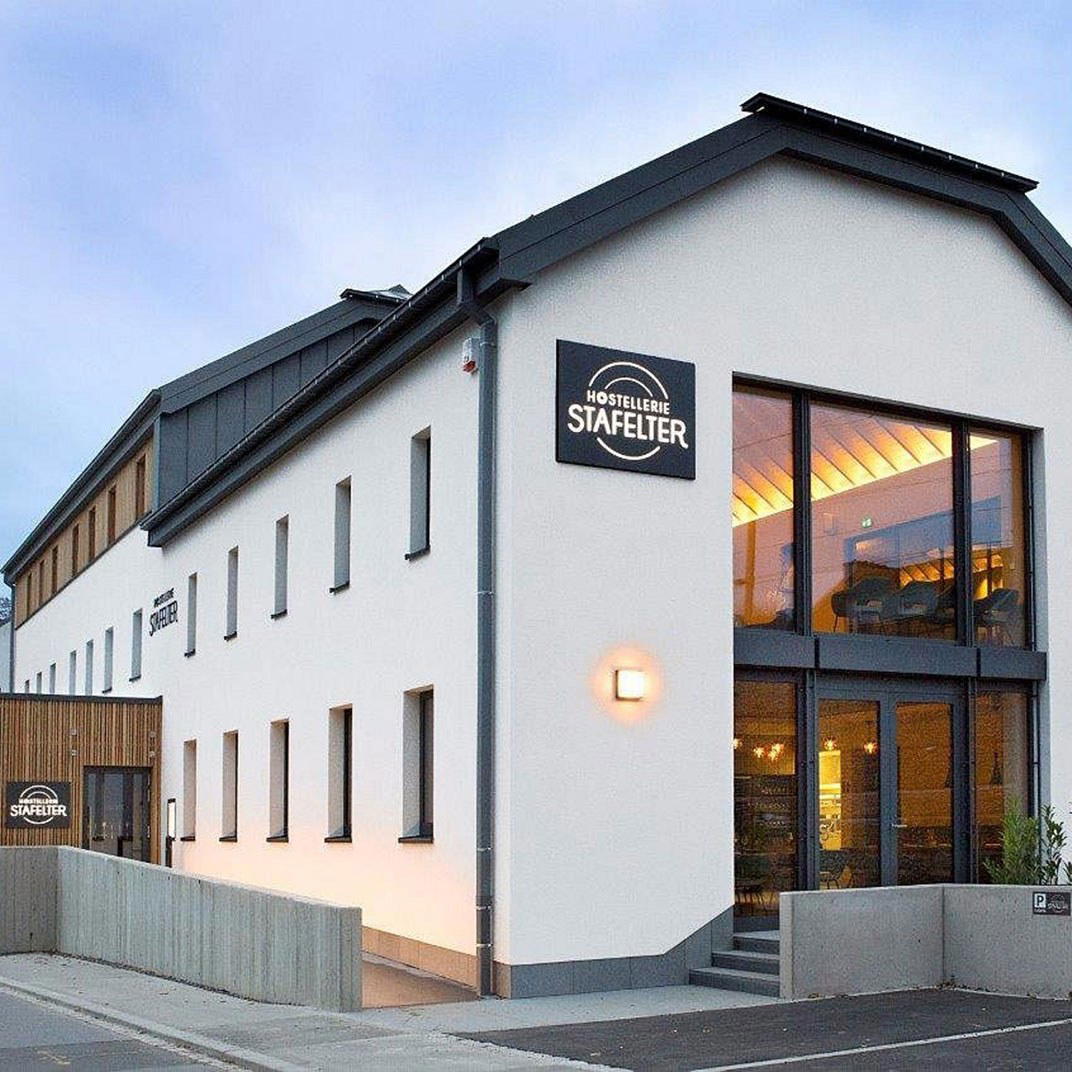
Le bistrot du Kachatelier occupies that third tier, and at €€ it is accessible in a way that most Michelin-recognised addresses in Luxembourg are not. Comparable Luxembourg addresses operating in the countryside with similar recognition include Hostellerie Stafelter, which also serves a guest base drawn partly from outside the capital.
Planning a visit
Manternach is a drive rather than a transit destination. The village is accessible from Luxembourg City by car in under 30 minutes, sitting east of the capital toward the German border. For visitors combining a visit with Moselle wine country, the address makes logical sense as an anchor for a day or half-day in the region, which has its own wine estates and river scenery. Given the small-village setting and the farm-to-table format, which typically means limited covers and a menu that changes with supply, booking ahead is advisable. The address is at 2A Lambett, 6850 Manternach. Those building a broader Luxembourg itinerary can use EP Club's full Luxembourg restaurants guide, hotels guide, bars guide, wineries guide, and experiences guide for a complete picture of the country's hospitality offer.
Frequently asked questions
Has Le bistrot du Kachatelier won any awards?
Le bistrot du Kachatelier has received recognition including: Michelin Plate (2025); Michelin Plate (2024).
Is Le bistrot du Kachatelier focused on a specific cuisine style?
What's the must-try dish at Le bistrot du Kachatelier?
Specific menu details are not published for Le bistrot du Kachatelier, which limits advance planning on individual dishes. The farm-to-table format means the kitchen builds around seasonal and locally sourced produce, so the menu shifts with what is available rather than anchoring to fixed signature dishes. Arriving with that format in mind is the more practical approach than targeting a specific plate.
What price level is Le bistrot du Kachatelier?
Pricing at Le bistrot du Kachatelier is listed as €€.
What part of town is Le bistrot du Kachatelier in?
Le bistrot du Kachatelier is located at 2 A Lambett, 6850 Manternach, Luxembourg, Luxembourg.
Is Le bistrot du Kachatelier reservation-only?
Booking details are not listed publicly for Le bistrot du Kachatelier. Given its village location in Manternach and its two consecutive Michelin Plate recognitions in 2024 and 2025, demand is likely to outpace walk-in availability on weekends. Contacting the restaurant directly before making the drive from Luxembourg City is the sensible step.
At-a-Glance Comparison
A compact comparison to help you place this venue among nearby peers.
| Venue | Cuisine | Price | Awards | Notes |
|---|---|---|---|---|
| Le bistrot du KachatelierThis venue — the venue you are viewing | Modern Regional French Bistro | Not listed | Michelin Plate | Not listed |
| Ma Langue Sourit | Modern French Fine Dining | $150–200 | 2 Michelin Stars · La Liste Top Restaurants | Contemporary French, Modern Cuisine |
| Léa Linster | Modern French Fine Dining | Not listed | Not listed | Modern French |
| Grünewald Chef’s Table | Modern French Chef's Table | $100–150 | 1 Michelin Star | Modern Cuisine |
| Guillou Campagne | Traditional French Country Bistro | $100–150 | 1 Michelin Star | Classic French |
| Apdikt | French Contemporary Fine Dining | $150–200 | 1 Michelin Star · We're Smart World 2 Radishes | Creative |
Recognition history
Dated appearances from independent guides and award organizations, with the underlying list record or original source where available.
Michelin Plate
Michelin
Full recognition history (3 entries)
Michelin Plate
Michelin
Michelin Plate
Michelin