DIE GOURMET STUBE im Gasthaus Hummel

1 Michelin Star
Our verdict
The contrast between the rural setting and the kitchen's ambition is precisely the point.

Pearl is the En Primeur Club membership app — saves, bookings, and concierge access live there. Same editors, same standards.
- Address
- Heitzenhofener Str. 16, 93182 Duggendorf, Germany
- Phone
- +49 9473 324
- Hours
- Mon–Wed ClosedThu–Sat 6–11 PMSun 11 AM–2 PM, 5–11 PM
- Website
- gasthaushummel.de
- Directions
- Get directions
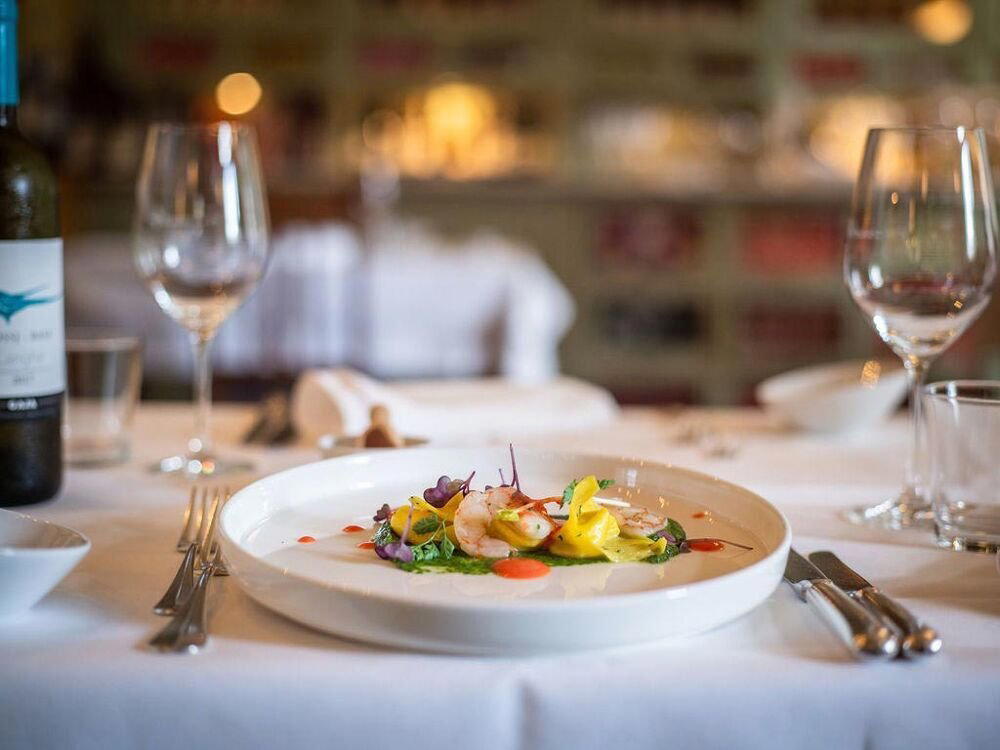
A Gasthaus with a Star: Rural Bavaria's Unlikely Fine Dining Address
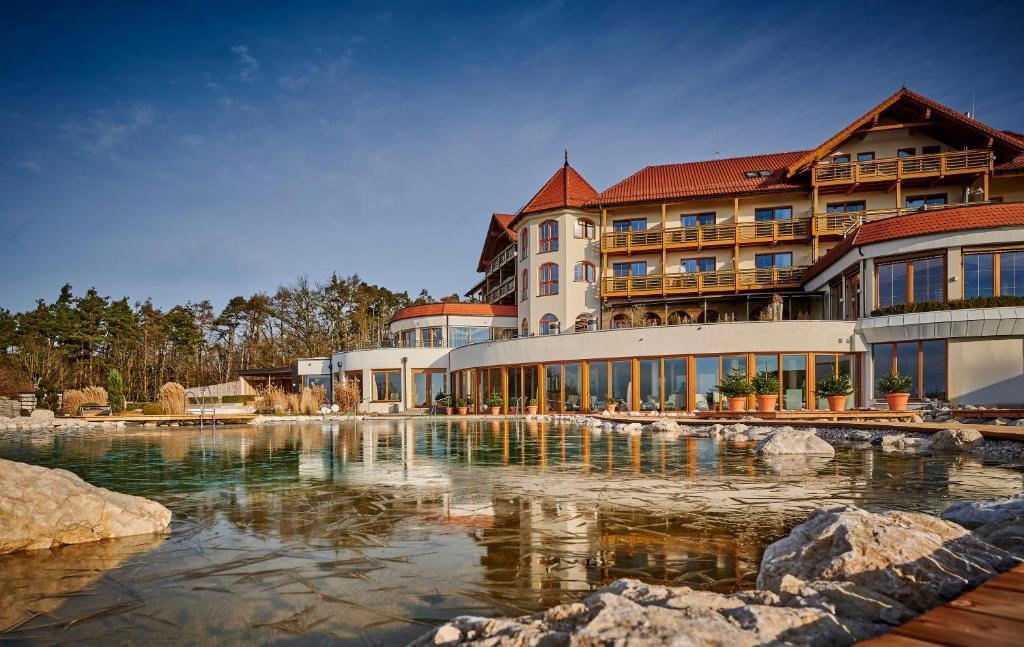
There is a particular kind of restaurant that only makes sense when you arrive. The drive to Duggendorf, a small community in the Upper Palatinate district of Bavaria, takes you through the kind of countryside that doesn't appear in Germany's standard fine dining itinerary. No city grid, no famous culinary quarter, no cluster of starred tables within walking distance. When Gasthaus Hummel appears at Heitzenhofener Str. 16, it looks exactly like what it is: a traditional Bavarian inn, the sort that has anchored small communities for generations. The surprise is what awaits inside the Gourmet Stube, where Chef Marcel Kazda has held a Michelin star in both 2024 and 2025.
This tension between setting and ambition is not incidental. It is, in fact, a pattern that has gained traction across Germany's less-urbanised regions, where a handful of chefs have chosen to build serious kitchens in places that require guests to commit to the journey. ES:SENZ in Grassau and Schanz in Piesport operate in comparably removed settings. The common thread is deliberate: when the dining room is a destination in itself, the kitchen has to carry the full weight of the visit.
Farm-to-Table as Culinary Argument, Not Marketing Position
Farm-to-table cooking in the hands of a Michelin-starred kitchen is a fundamentally different proposition from the same phrase on a casual bistro chalkboard. At the single-star tier, it implies sourcing discipline, seasonal constraint, and a menu that shifts with supply rather than customer expectation. Germany's farm-to-table fine dining scene is less visible internationally than its French or Nordic counterparts, but it has developed considerable depth, particularly in Bavaria and Baden-Württemberg, where agricultural variety and proximity to ingredient sources give chefs genuine raw material to work with.
Chef Marcel Kazda's approach at the Gourmet Stube sits within this tradition. The farm-to-table designation at a venue that has retained its Michelin star across successive years suggests that the sourcing commitments are structural rather than decorative. Michelin's inspectors assess consistency above almost everything else; a kitchen that depends on unreliable or highly seasonal supply typically struggles to hold a star without compensating with technical depth and menu flexibility. That Kazda has managed two consecutive starred years points to both.
For context on how this tier positions itself within Germany's broader fine dining conversation: the country's three-star tables, including Aqua in Wolfsburg and Schwarzwaldstube in Baiersbronn, operate with substantially larger teams, higher price floors, and international sourcing access. The single-star rural table competes on different terms: intimacy, local identity, and a cooking style that the location itself makes coherent. Comparable farm-led single-star operations like Au Gré du Vent in Seneffe and BOK Restaurant in Münster illustrate how this niche has developed across the region.
The Chef in Context: Kazda and the Gasthaus Kitchen
The editorial angle here is not Kazda's biography but what his presence at a rural Gasthaus implies about where serious cooking is happening in Germany. The country's fine dining generation that trained through the 1990s and 2000s largely gravitated toward urban addresses or established hotel restaurants. A different pattern has emerged more recently: chefs with the credentials to open in Munich or Frankfurt choosing instead to anchor themselves to a specific place and its ingredients. JAN in Munich represents the urban end of this ambition; the Gourmet Stube at Gasthaus Hummel represents its rural counterpart.
What the Michelin recognition confirms is that the inspector's attention now follows this geography. The 2025 star retention signals that Kazda's kitchen is not coasting on local goodwill or the novelty of its setting. At the top end of the price spectrum, guest tolerance for inconsistency is low, and review aggregates tend to polarise; a 4.7 holding across nearly 400 visits carries weight.
What the €€€€ Tier Means Here
Price tier classifications can be misleading without geographic context. €€€€ in Duggendorf does not price against the same competitive set as €€€€ in Munich's Maxvorstadt or Hamburg's Rotherbaum. The rural starred table typically operates with lower overhead on space and real estate, but faces higher per-head ingredient costs as a proportion of menu price when committed to local sourcing. The net result for the guest is often better value-per-star than the equivalent urban table, particularly at the single-star level.
That comparison is worth making against peers like Bagatelle in Trier or Waldhotel Sonnora in Dreis, both of which operate in non-metropolitan settings and have built guest bases willing to travel.
Planning a Visit: Logistics and Expectations
Duggendorf is located in the Upper Palatinate, roughly between Regensburg and Amberg. Regensburg is the most practical base for those arriving by rail, with the drive to Duggendorf covering under 30 kilometres. The Gasthaus format means overnight accommodation may be available on-site or nearby, which is worth investigating when booking, particularly for those combining the visit with a broader exploration of the region's food and drink scene. For those building a longer trip, our full Duggendorf hotels guide covers the accommodation options in the area, while our full Duggendorf restaurants guide maps the broader dining picture. Bars, wineries, and local experiences are covered separately.
Booking a Michelin-starred table in a rural setting typically requires more lead time than the star count alone would suggest. Single-star restaurants in small communities often run with limited covers and no second sittings; contacting the venue directly and booking several weeks ahead is the standard approach. Hours and specific booking methods are best confirmed through the venue directly, as rural Gasthaus kitchens frequently operate on schedules tied to season and staffing.
Dress expectations at a Gasthaus-format restaurant, even a starred one, tend toward smart-casual rather than formal. The setting itself signals something about the intended experience: serious cooking in a grounded, regional context rather than the performance register of an urban fine dining room. Guests who have dined at Victor's Fine Dining by Christian Bau in Perl or Vendôme in Bergisch Gladbach should calibrate accordingly: the cooking ambition is comparable in star terms, but the room and service register differ.
For those approaching Germany's starred dining map as a whole, Restaurant Haerlin in Hamburg and CODA Dessert Dining in Berlin illustrate how different the country's fine dining range has become. The Gourmet Stube sits at one clear end of that range: rooted, regional, and dependent on its kitchen's relationship with the land immediately around it.
Frequently asked questions
Is DIE GOURMET STUBE im Gasthaus Hummel child-friendly?
The Gourmet Stube operates at the €€€€ tier within a Michelin-starred farm-to-table format, which typically means extended tasting menus and a pace better suited to adults. The Gasthaus setting may offer more flexibility than a city fine dining room, but families should check the venue's official channels to confirm whether children are accommodated in the Gourmet Stube specifically.
What should I expect atmosphere-wise at DIE GOURMET STUBE im Gasthaus Hummel?
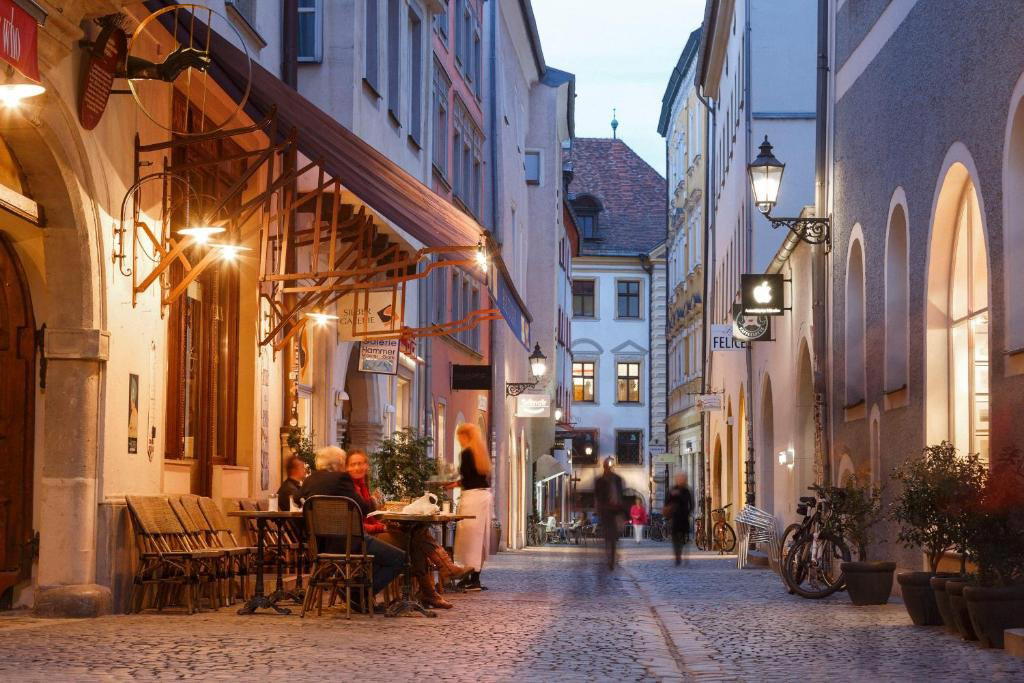
The room sits inside a Gasthaus in Duggendorf, a small Upper Palatinate community, which means the architecture reads as traditional Bavarian inn rather than metropolitan dining room. The Michelin star, held in both 2024 and 2025, signals that Marcel Kazda's kitchen operates at a precision that contrasts with the rural, grounded surroundings — that contrast is precisely the point.
What distinctions does DIE GOURMET STUBE im Gasthaus Hummel have?
DIE GOURMET STUBE im Gasthaus Hummel has received recognition including: Michelin 1 Star (2025); Michelin 1 Star (2024).
What should I order at DIE GOURMET STUBE im Gasthaus Hummel?
The kitchen's declared approach is farm-to-table, meaning the menu follows regional and seasonal sourcing under Chef Marcel Kazda.
At-a-Glance Comparison
| Venue | Cuisine | Awards |
|---|---|---|
| DIE GOURMET STUBE im Gasthaus HummelThis venue — the venue you are viewing | German Fine Dining | 1 Michelin Star |
| Schwarzwaldstube | French, Classic French | Michelin 3 Star |
| Aqua | Contemporary German, Italian/Japanese, Creative | Michelin 3 Star |
| CODA Dessert Dining | Creative | Michelin 2 Star |
| Tantris | Modern French, French Contemporary | Michelin 2 Star |
| Vendôme | Modern European, Creative | Michelin 2 Star |
Recognition history
Dated appearances from independent guides and award organizations, with the underlying list record or original source where available.
Michelin 1 Star
Michelin
Full recognition history (3 entries)
Michelin 1 Star
Michelin
Michelin 1 Star
Michelin
Continue exploring
More in Duggendorf
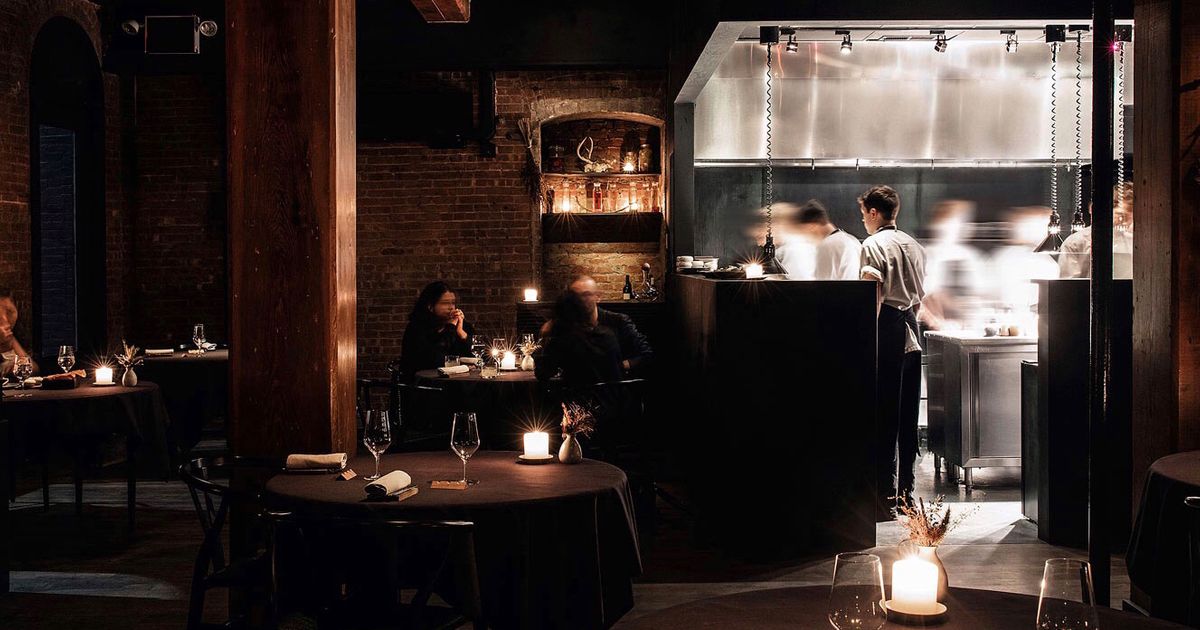
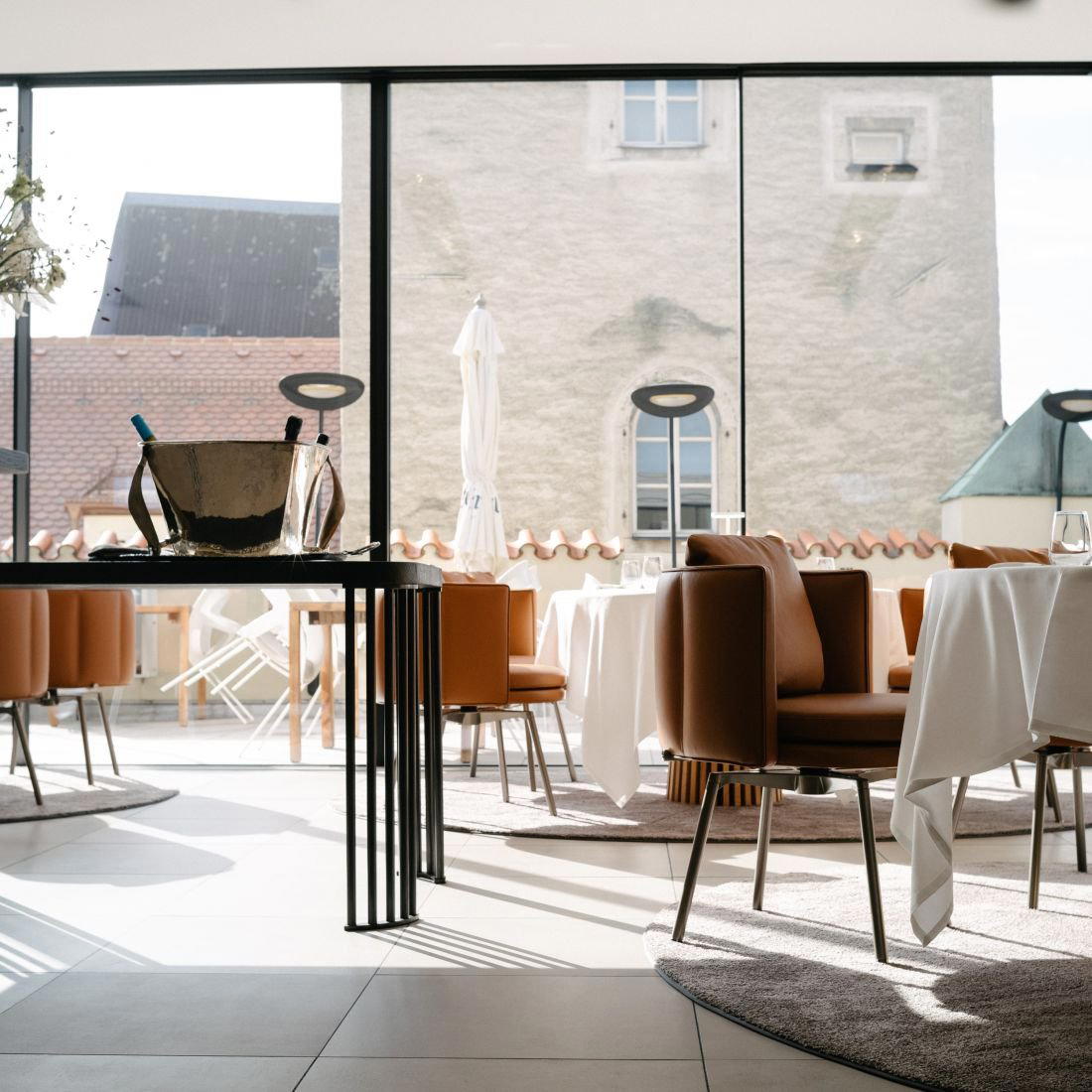
Restaurants in Duggendorf
Browse all →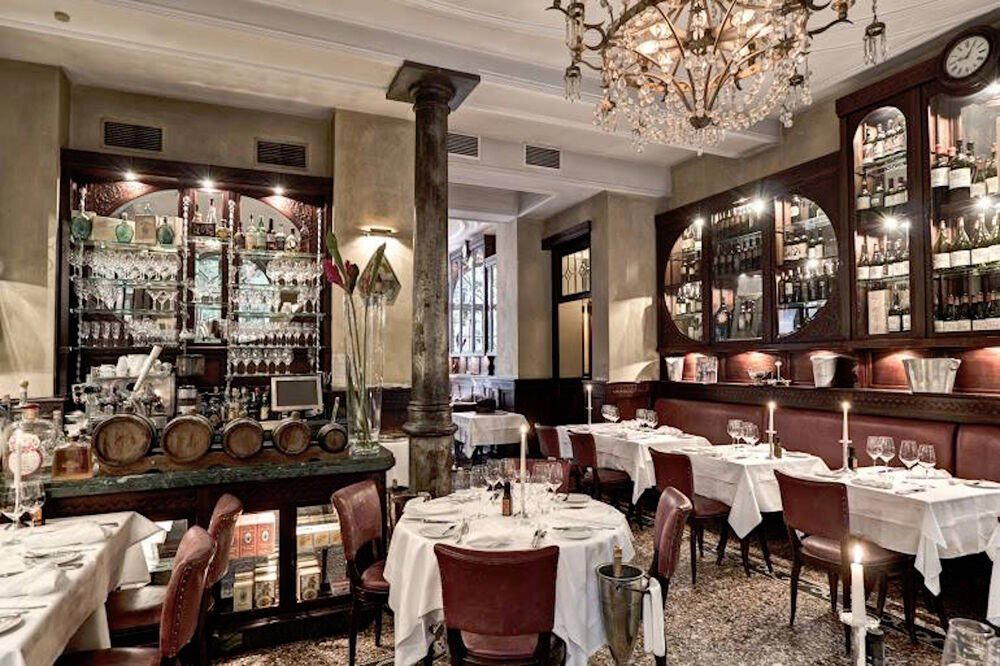
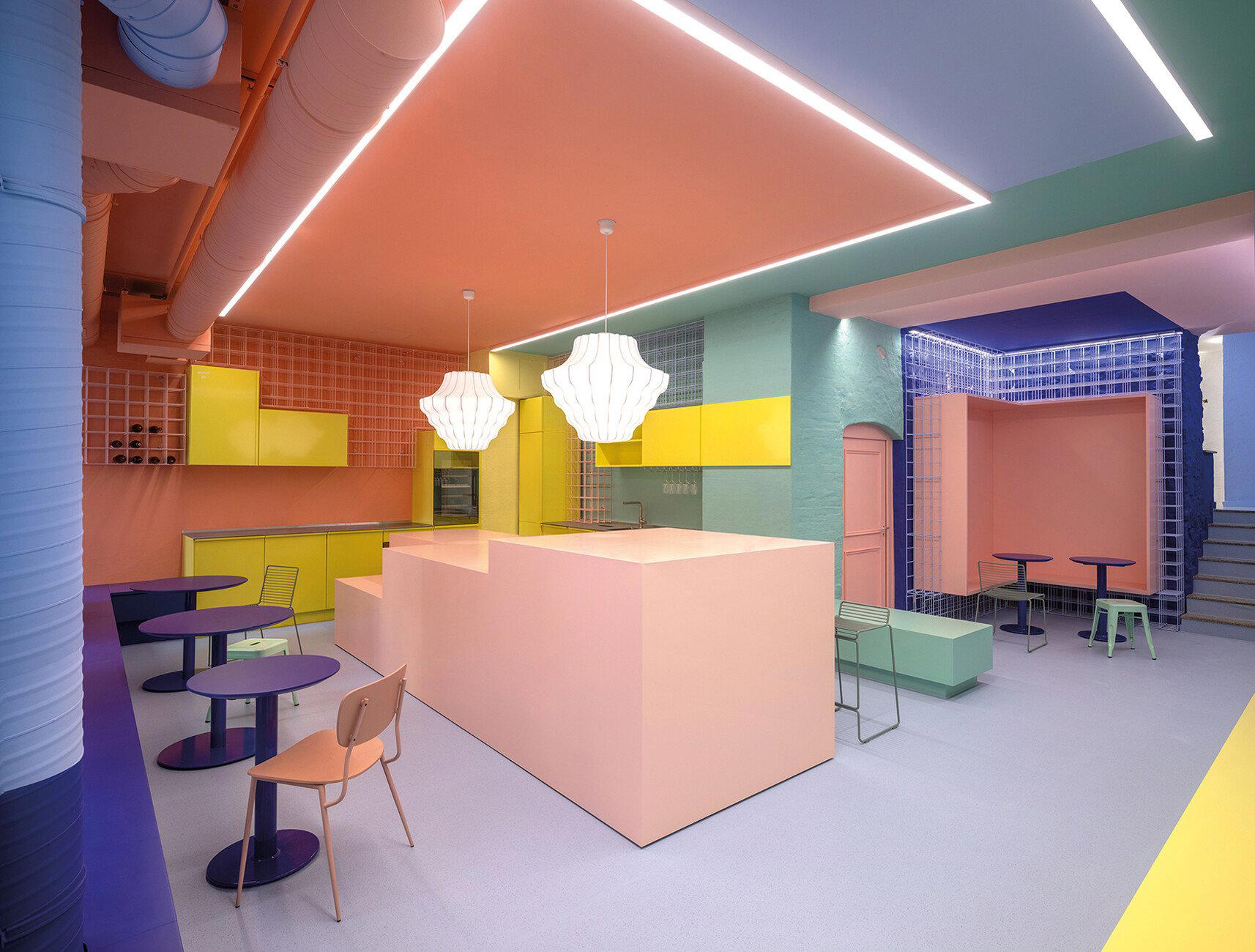
Bars in Duggendorf
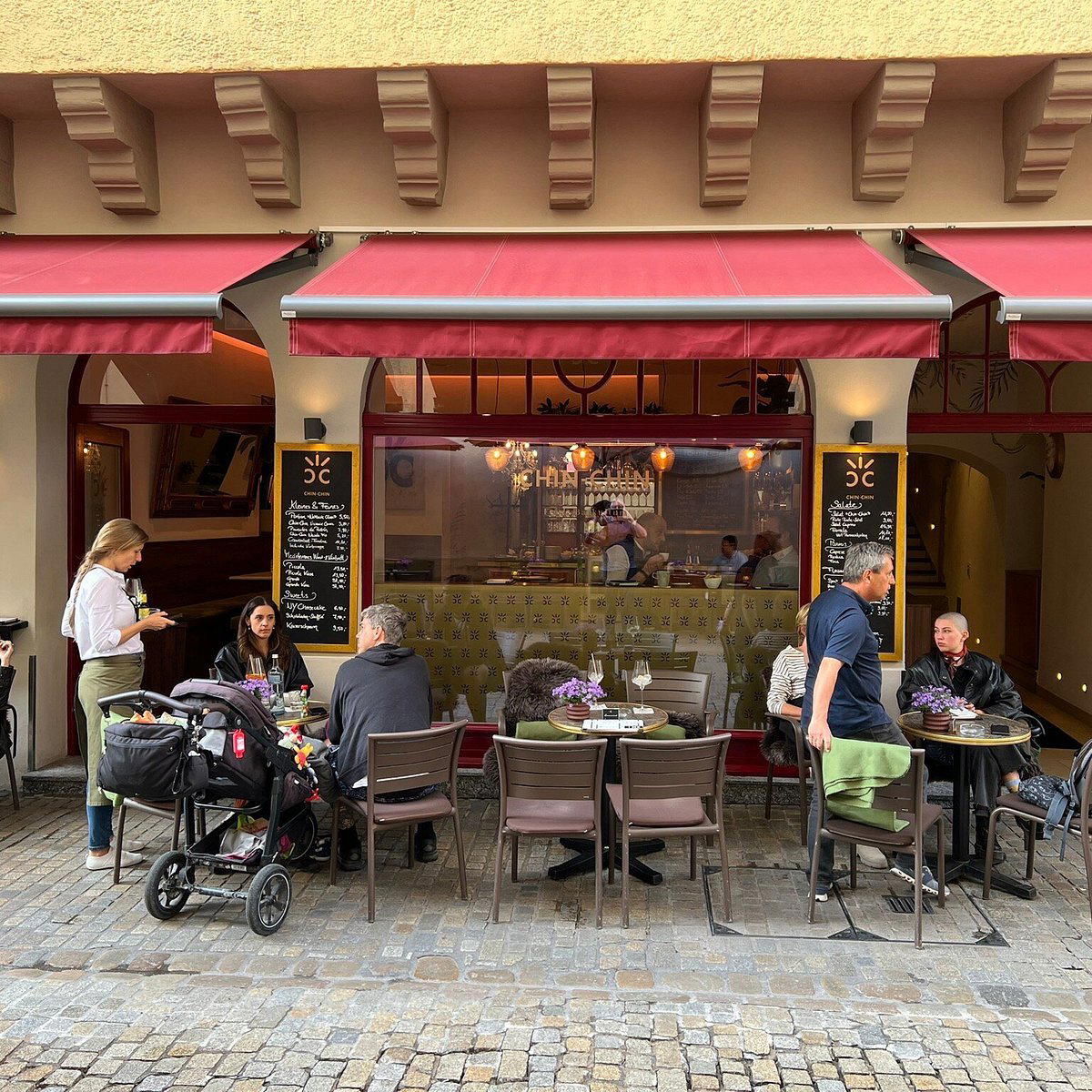
Browse all →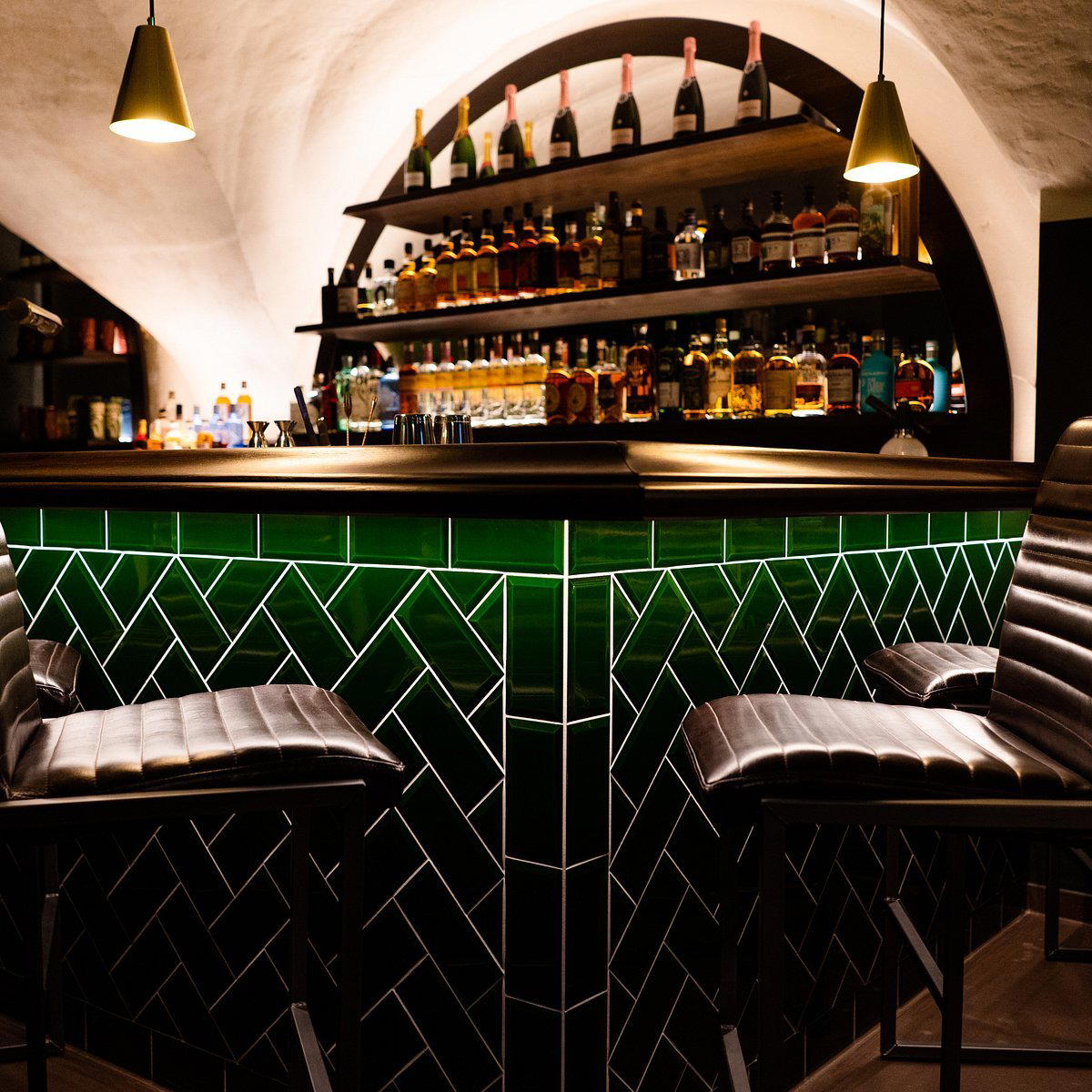
Details
- Cozy
- Elegant
- Rustic
- Special Occasion
- Historic Building
- A La Carte
Current opening hours
- Monday
- Closed
- Tuesday
- Closed
- Wednesday
- Closed
- Thursday
- 6–11 PM
- Friday
- 6–11 PM
- Saturday
- 6–11 PM
- Sunday
- 11 AM–2 PM, 5–11 PM
Hours can change for holidays and private events. Last verified .
Charming and welcoming atmosphere in a traditional Bavarian gasthaus.