In the Meuse town of Commercy, Le Bistroquet at 7 Rue Colson operates in the register that defines provincial French dining at its most grounded: a kitchen shaped by what grows, grazes, and flows nearby rather than by trend or spectacle. For travellers moving between Nancy and the Argonne, it sits squarely in the tradition of the neighbourhood bistro that takes its region seriously.
Pearl is the En Primeur Club membership app — saves, bookings, and concierge access live there. Same editors, same standards.
- Address
- 7 Rue Colson, 55200 Commercy, France
- Phone
- +33329892324
- Directions
- Get directions
 Saves & bookings on Pearl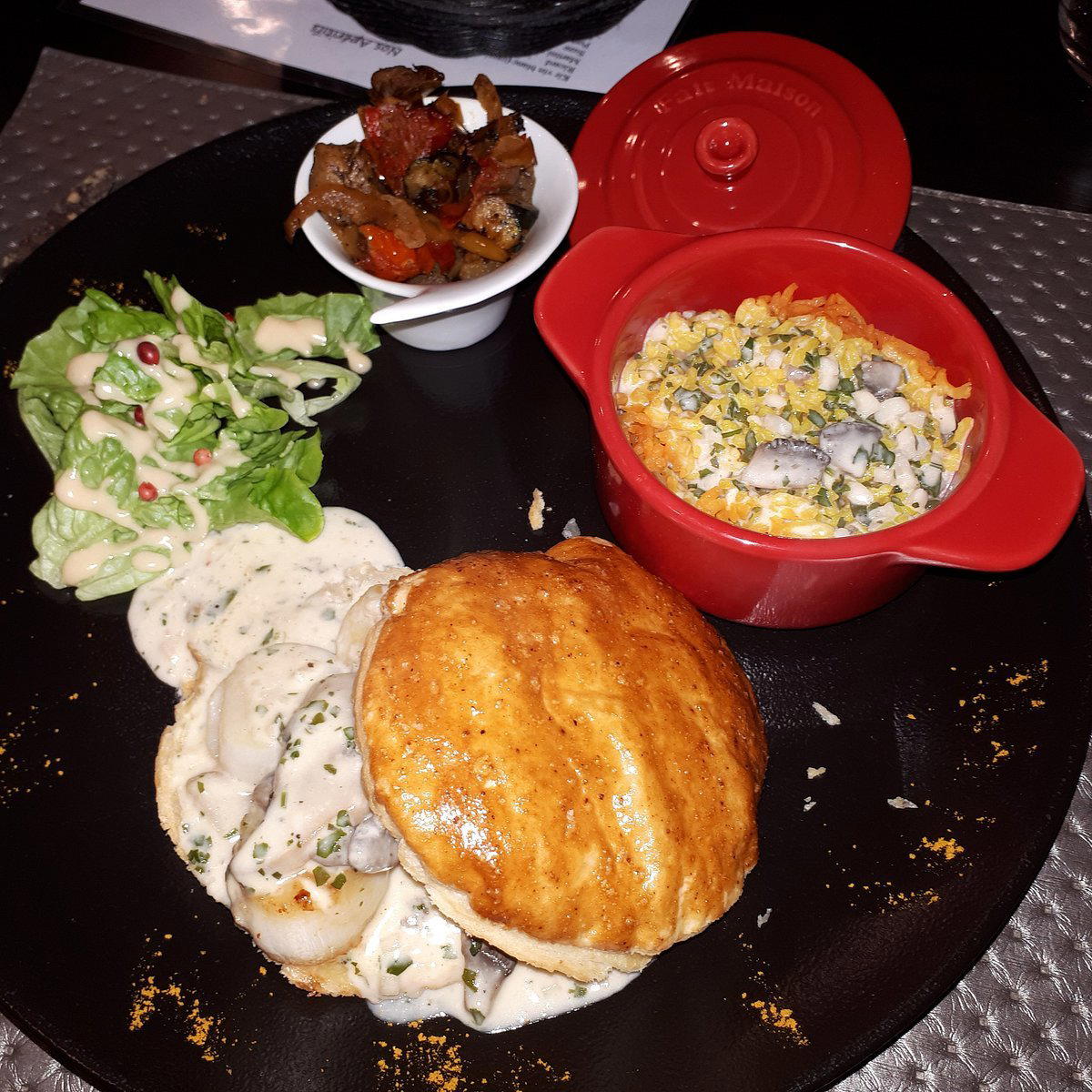
What Meuse Puts on the Plate
The town on the Meuse is best known nationally for the madeleine, that shell-shaped butter cake whose production has anchored local identity since the eighteenth century. But the cooking tradition around Commercy runs deeper than a single pastry: the Meuse valley and the surrounding Lorraine farmland have long supported a kitchen culture built on dairy, freshwater fish, cured pork, and the vegetables that thrive in the cooler, wetter climate of this part of northeastern France. A bistro in this setting does not need to import its reference points. The ingredient logic is already there, established over generations.
Le Bistroquet, at 7 Rue Colson in the centre of Commercy, operates in that tradition. The address places it within the compact grid of the old town, where the architecture is northern French in character: stone facades, modest scale, the kind of streetscape that has changed less than most French towns of comparable size. Approaching the address, you are in a working town rather than a tourist circuit, which is precisely what shapes the cooking priorities of bistros at this level. The audience is local before it is visiting, and that tends to keep kitchens honest about price and portion.
The Ingredient Logic of Lorraine
French regional cooking is often discussed in terms of its famous products, and Lorraine has several worth tracking: Munster cheese from the Vosges foothills, mirabelle plums from the orchards east of Commercy toward Metz, quiche Lorraine in its austere original form (lardons, egg, cream, no cheese), and the freshwater fish of the Meuse and Moselle rivers, particularly trout and pike. These are not background details. In a bistro kitchen working from what the region produces, they function as the structural logic of the menu across different seasons.
The sourcing habits of provincial bistros in northeastern France tend to differ from their counterparts in, say, the Atlantic coast or the Mediterranean south. Places like Christopher Coutanceau in La Rochelle or La Marine in Noirmoutier-en-l'île are defined by proximity to the sea and its daily catch. Inland Lorraine kitchens work from a different pantry: the dairy herd, the game forest, the river, and the kitchen garden. That constraint produces its own discipline, and when executed well, the result is cooking that reads as deeply specific rather than merely rustic.
In the broader context of French fine dining, establishments like Mirazur in Menton, Bras in Laguiole, and Auberge du Vieux Puits in Fontjoncouse have made ingredient sourcing the centrepiece of their critical identity, to international recognition. The neighbourhood bistro in Commercy is operating at a different register entirely, but the underlying principle, that the plate should reflect what the land around it produces, belongs to the same lineage. What separates the starred houses, whether Auberge de l'Ill in Illhaeusern or Flocons de Sel in Megève, from a well-run provincial bistro is not the philosophy but the execution tier and the price bracket.
The Bistro Format in a Town Like Commercy
The word bistro carries a great deal of freight in French food culture, and much of it is misleading when applied to a small provincial town. In Paris, the bistro has been curated, priced upward, and in many cases turned into a concept. The starred counters of Alléno Paris au Pavillon Ledoyen or the formal rooms of Assiette Champenoise in Reims represent one end of that spectrum. In a Meuse town of Commercy's size, the bistro format remains more literal: a dining room serving a local clientele at prices calibrated to local incomes, with a menu that changes with the market and the season rather than with a tasting menu cycle.
That format has its own discipline. It demands consistency at lunch as much as dinner, a wine list that works at the glass, and cooking that holds up under volume rather than just on a good night. The bistros that survive in towns like Commercy do so because they are genuinely useful to the people who live there, which is a different test than impressing a passing food journalist. Comparisons to destination restaurants such as Troisgros in Ouches, Georges Blanc in Vonnas, or Paul Bocuse in Collonges-au-Mont-d'Or are instructive mainly to show how different the categories are. Internationally oriented kitchens like AM par Alexandre Mazzia in Marseille or Le Bernardin in New York City occupy an entirely separate conversation. The neighbourhood bistro answers to a different set of criteria, and those criteria are worth respecting on their own terms.
Planning a Visit
Commercy sits on the A4 axis between Paris and Strasbourg, with Nancy approximately forty kilometres to the east making it the nearest city with rail connections from Paris Est. The town itself is compact enough to reach Le Bistroquet's address on Rue Colson on foot from any central accommodation. Lorraine's restaurant culture tends to respect a traditional service rhythm, with lunch running from midday and dinner from around seven, and provincial bistros in France typically close one or two days per week, most commonly Sunday evening and Monday. Booking ahead, even for a town-centre bistro of this scale, is a reasonable precaution, particularly on Friday and Saturday evenings when local demand peaks. Those planning a longer northeast France circuit might also consider Au Crocodile in Strasbourg and L'Oustau de Baumanière in Les Baux as contrasting reference points for what formal French regional cooking looks like at the other end of the formality scale.
How It Stacks Up
Comparable venues nearby, for context on price, style, and recognition.
| Venue | Cuisine | Price | Notes |
|---|---|---|---|
| LE BISTROQUETThis venue — the venue you are viewing | Traditional French Bistro | $$$ | Not listed |
| V Four | French Bistro | $$$ | vieille ville |
| Bienheureux | Modern French seasonal tasting menu | $$$ | Wasquehal |
| Le Petit Canard | Traditional French Duck Bistro | $$$ | 9th arrondissement |
| L'Annexe | French Bistro | $$$ | historic center |
| Maison Blanche | Modern French Fine Dining | $$$ | 8th arrondissement |
Continue exploring
More in Commercy
At a Glance
- Classic
- Cozy
- Elegant
- Casual Hangout
- Group Dining
- Business Dinner
- Standalone
- Local Sourcing
Current opening hours
- Monday
- Closed
- Tuesday
- 12–1:30 PM
- Wednesday
- 12–1:30 PM
- Thursday
- 12–1:30 PM, 7–9 PM
- Friday
- 12–1:30 PM, 7–9:30 PM
- Saturday
- 12–1:30 PM, 7–9:30 PM
- Sunday
- Closed
Hours can change for holidays and private events. Last verified .
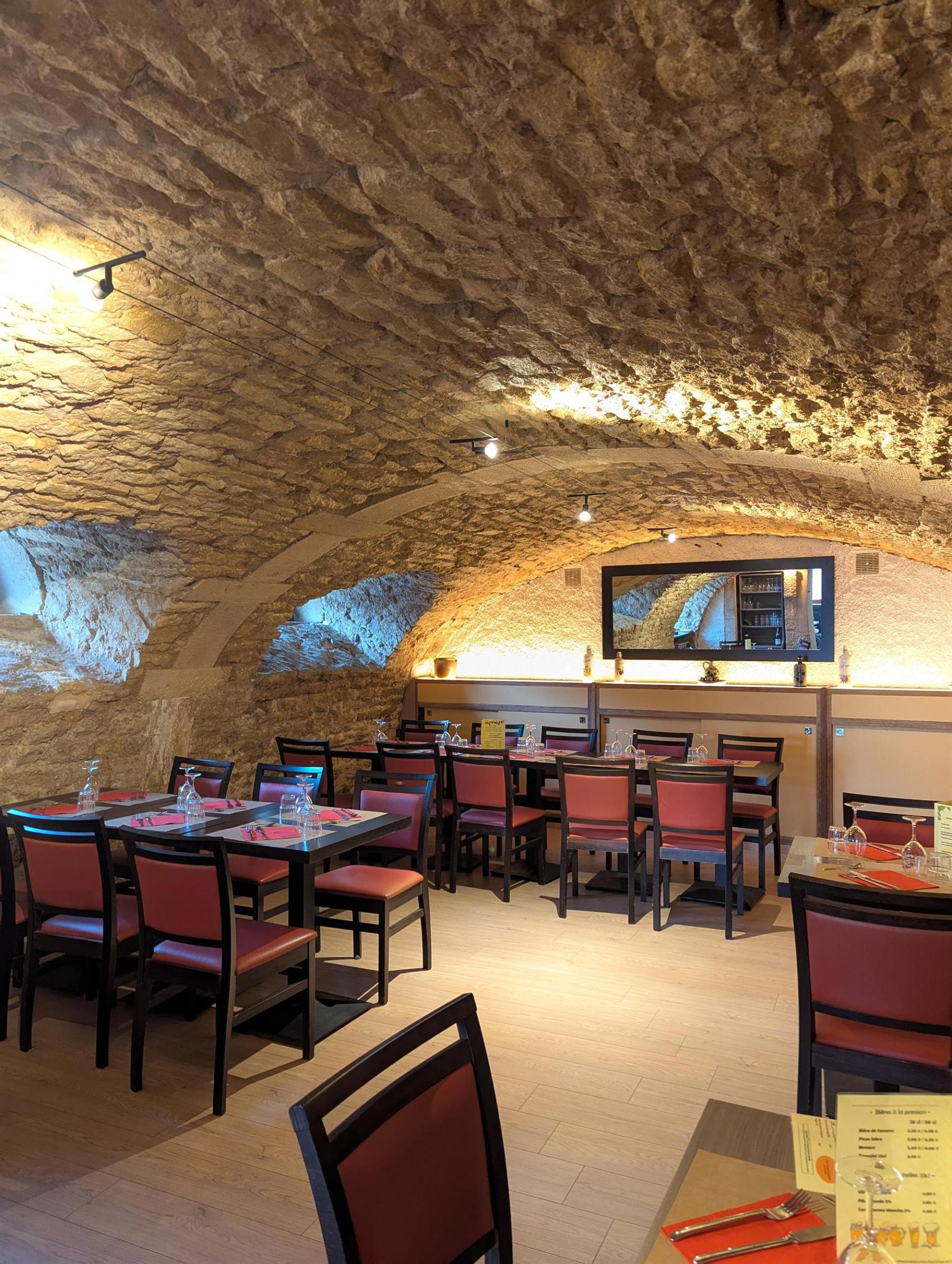
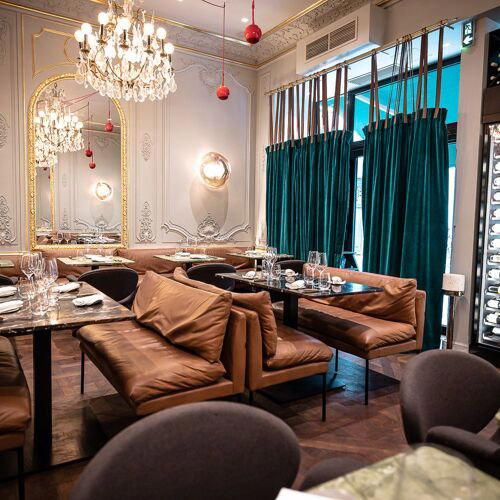
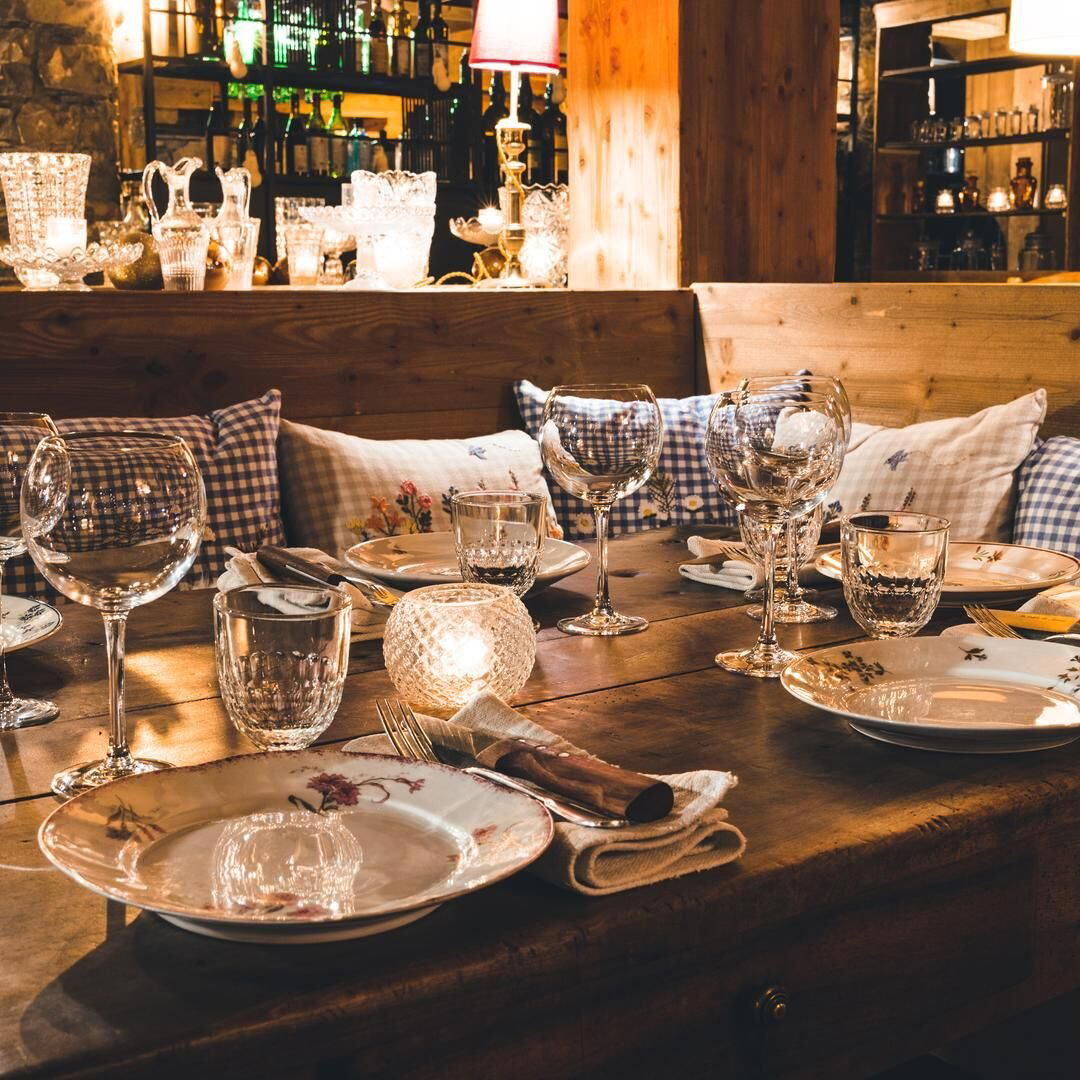
Charming setting with simple accents, pleasant staff, and a warm, welcoming atmosphere that reflects classic French bistro aesthetics.