Bistro Saint-Jean

Michelin Plate
Our verdict
Bistro Saint-Jean holds a Michelin Plate for the second consecutive year in 2025, placing it among Bar-le-Duc's most consistently recognised modern cuisine addresses. Sitting on Boulevard de la Rochelle, it operates at the €€ price point where thoughtful cooking meets everyday accessibility. It maintains a level of public approval that few provincial bistros sustain.

Pearl is the En Primeur Club membership app, where members save venues, book tables and use the concierge.
The menu
What to order
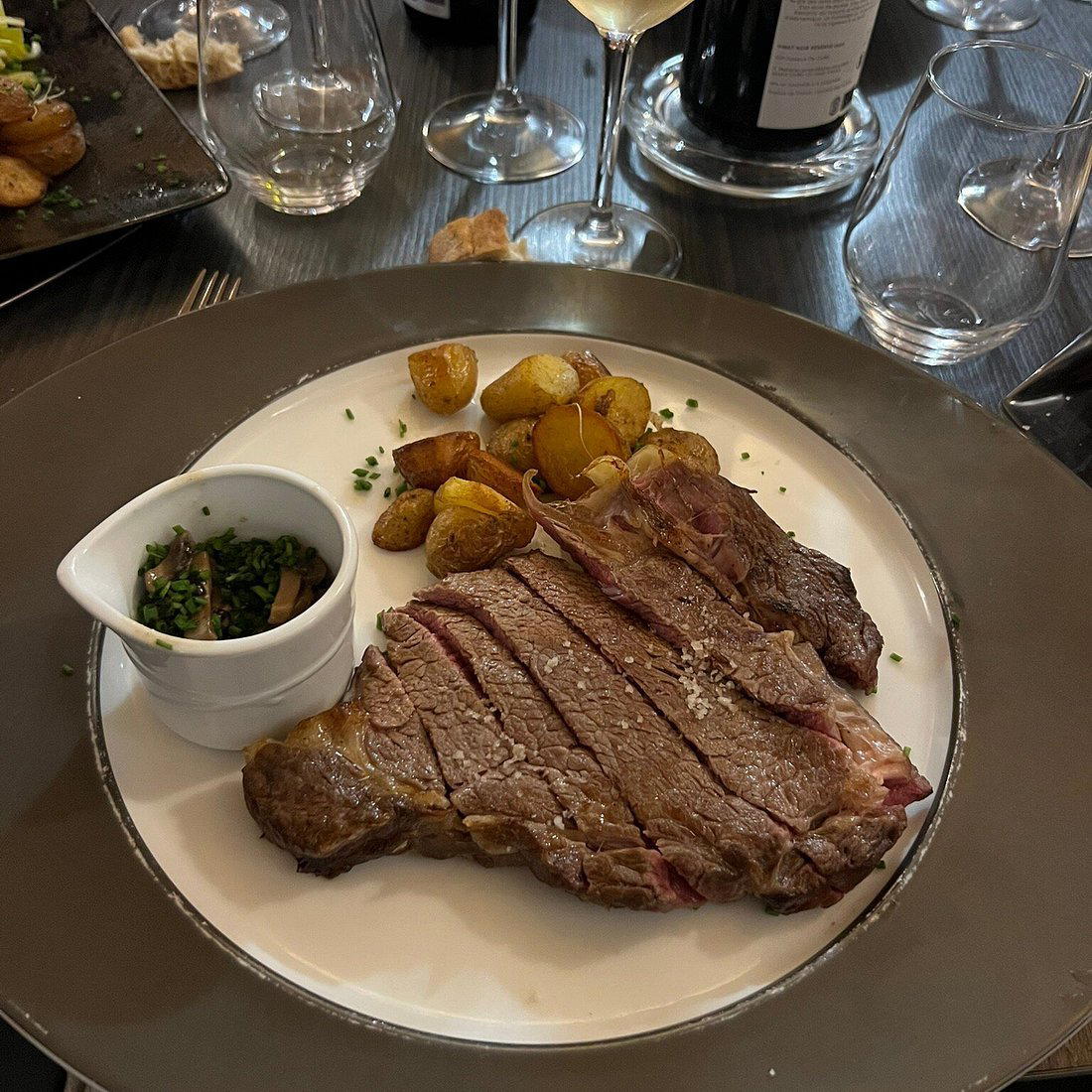
- Slow-cooked pork belly with baby onions and braising juices
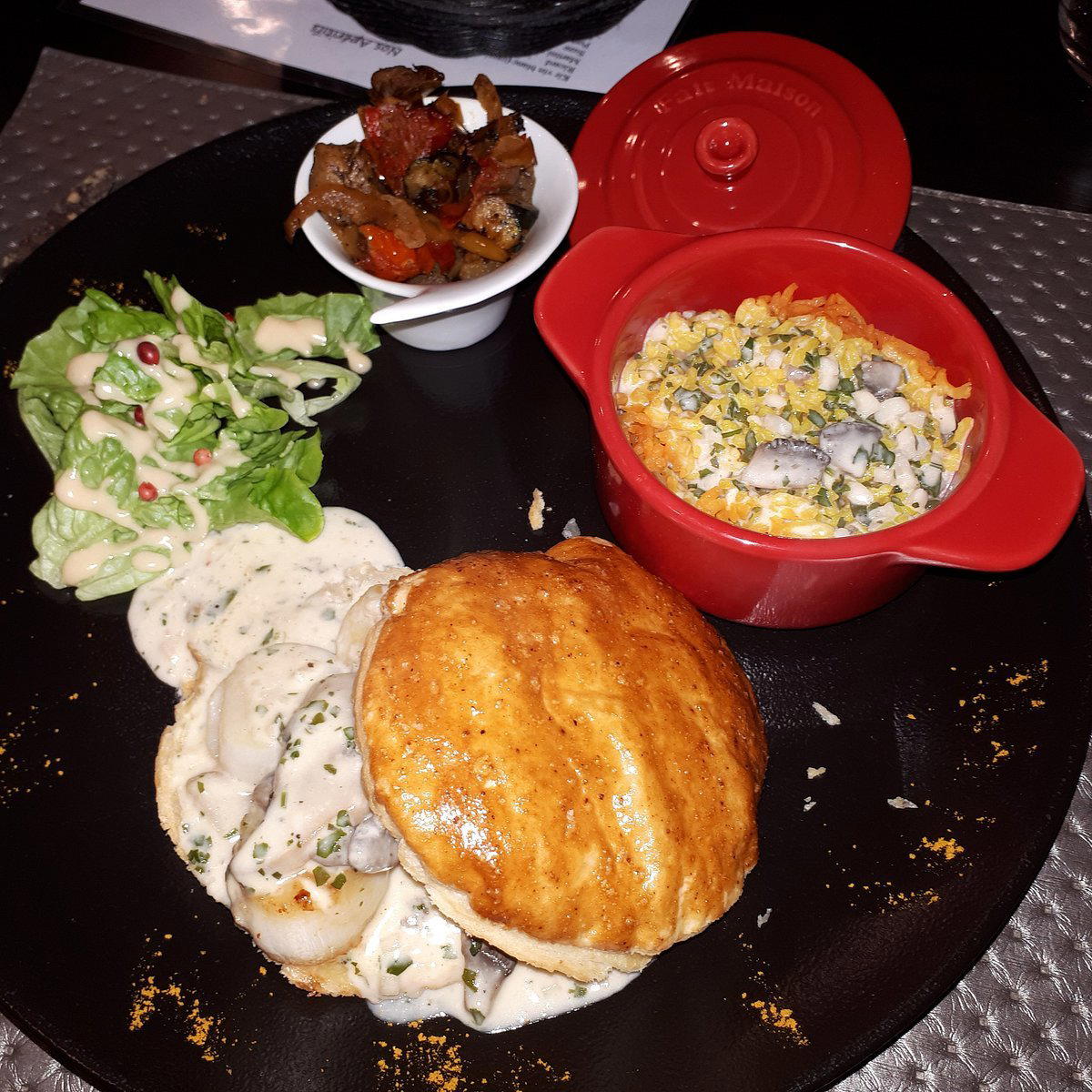
- Perfectly cooked egg 64°C with seafood and bouillabaisse jus
- Beef fillet with morel and oyster mushroom cream
- Praline croustillant with chocolate and English cream
A Boulevard Bistro in a City That Rewards Attention
Boulevard de la Rochelle runs through the quieter residential edge of Bar-le-Duc, a Meuse prefecture town that most travellers pass through rather than stop in. That tendency to overlook the town is largely a mistake. Bar-le-Duc carries one of the most precise artisanal food traditions in the Lorraine region, the hand-seeded redcurrant jam known as groseille épépinée à la plume de oie, a product that requires a goose feather and considerable patience, and which has been produced here since at least the sixteenth century. A town with that kind of relationship to ingredient patience tends to support kitchens that take sourcing seriously. Bistro Saint-Jean, on that same boulevard, fits the pattern. For those planning a broader visit, see our full Bar-le-Duc restaurants guide.
Where the Food Comes From, and Why That Matters Here
Lorraine sits at a productive agricultural crossroads. The Meuse valley supplies dairy and beef of genuine quality; the Vosges foothills to the east contribute foraged mushrooms, game, and freshwater fish; and the proximity to Champagne to the west brings both wine-region produce and the culinary sensibility that comes with feeding a prosperous agricultural economy. Kitchens in this corridor have access to a larder that their urban counterparts often have to import at significant cost. Modern cuisine as a category, the format Michelin assigns to Bistro Saint-Jean, tends to express itself most clearly when the sourcing infrastructure is already in place, because the cooking approach depends on letting good primary material speak rather than constructing elaborate flavour architecture around mediocre ingredients.
That regional sourcing context is part of what a Michelin Plate designation signals at this price point. The Plate, awarded to Bistro Saint-Jean in both 2024 and 2025, indicates that Michelin's inspectors found the cooking quality noteworthy without yet recommending it for a star. In a €€ bistro in a mid-sized provincial city, that is a meaningful signal: it suggests a kitchen working above the expectations of its tier and location. For comparison, the starred tier of French regional cooking, restaurants like Bras in Laguiole or Auberge de l'Ill in Illhaeusern, operates at price points two or three brackets higher, with sourcing budgets to match. What a Plate-recognised €€ kitchen in Lorraine offers is something different: ingredient-led cooking at a price that still makes sense as a regular meal rather than a special occasion.
The Format and the Room
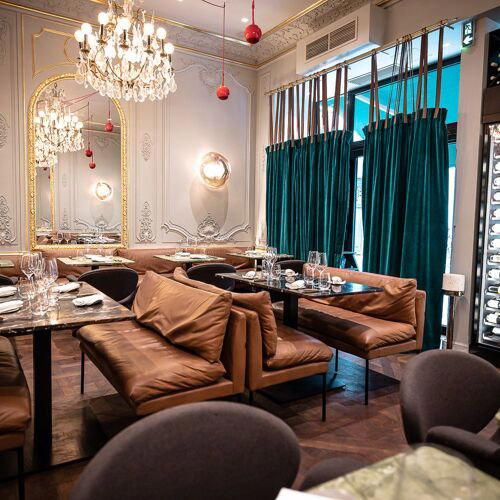
The bistro format in French regional cooking has a specific logic that distinguishes it from both the brasserie (volume-oriented, long hours, fixed menu) and the gastronomic restaurant (tasting menu, ceremony, occasion dining). A bistro operates on the assumption that a good meal should be accessible on a weekday evening, that the room should feel inhabited rather than staged, and that the cooking should be direct. The address at 132 Boulevard de la Rochelle places Bistro Saint-Jean in a neighbourhood context rather than a tourist-district setting, which tends to self-select for a local clientele that holds the kitchen to consistent standards rather than the more forgiving expectations of passing trade.
Lorraine's Wider Food Context
Lorraine cuisine in its traditional form is hearty and pork-forward: quiche lorraine in its proper form (no cheese, cream-heavy custard), potée lorraine, charcuterie from artisan producers in towns like Void-Vacon. Modern cuisine interpretations of this tradition tend to work by refining technique rather than abandoning the primary ingredients, lighter preparations of the same regional larder rather than a wholesale pivot to Mediterranean or Asian influence. The northeast of France has historically been more conservative in its culinary evolution than, say, Provence or the Atlantic coast, which makes the consistent Michelin recognition at Bistro Saint-Jean more notable: inspectors tend to reward kitchens that improve on an established tradition rather than simply importing trends.
For context on the wider French modern cuisine conversation, the starred end of that category includes restaurants like Alléno Paris au Pavillon Ledoyen and Mirazur in Menton, both operating at the €€€€ tier with three Michelin stars. The distance between those addresses and a Plate-recognised bistro in Bar-le-Duc is not a flaw in the comparison, it is the point. France's Michelin-acknowledged dining operates across a wide spectrum, and the value proposition at the lower end of that spectrum is often stronger for the traveller who is not explicitly seeking a destination dining experience. See also Assiette Champenoise in Reims and Au Crocodile in Strasbourg for the starred tier of the wider Grand Est region, or Flocons de Sel in Megève for alpine modern cuisine at a different price tier. Beyond France, the modern cuisine category extends internationally to addresses like Frantzén in Stockholm and FZN by Björn Frantzén in Dubai.
Planning a Visit
Bar-le-Duc sits on the A4/N35 corridor between Paris and Strasbourg, approximately two hours from Paris by car and accessible by regional TGV connections via the Meuse TGV station at Lerouville, about 15 kilometres south of the city centre. The town is compact enough to navigate on foot once you arrive. Bistro Saint-Jean's address at 132 Boulevard de la Rochelle is direct to reach from the town centre. As with most French bistros operating at this scale, booking ahead is advisable for Friday and Saturday evenings; the combination of Michelin recognition and a relatively small local market means that word-of-mouth reputation fills the room faster than the address's low profile might suggest. For accommodation and broader planning, see our Bar-le-Duc hotels guide, and for the full picture of what the town offers across drinks and experiences, consult the bars guide, the wineries guide, and the experiences guide.
Frequently asked questions
Is Bistro Saint-Jean a family-friendly restaurant?
The bistro format at this €€-tier address on Boulevard de la Rochelle generally accommodates families more readily than a formal gastronomic table would. The Michelin Plate recognition for 2024 and 2025 signals consistent kitchen quality without the ceremony of a starred room, which typically means a more relaxed service tempo suited to mixed-age groups.
What is the atmosphere like at Bistro Saint-Jean?
Bistro Saint-Jean sits on Boulevard de la Rochelle at the quieter residential edge of Bar-le-Duc, which shapes the room's character: neighbourhood-facing rather than tourist-driven. A Michelin Plate at the €€ price point positions it as a serious but unpretentious address, the kind of French bistro where the cooking earns attention without the room demanding it.
What's Bistro Saint-Jean known for in terms of accolades?
Bistro Saint-Jean has received recognition including: Michelin Plate (2025); Michelin Plate (2024).
What's the best thing to order at Bistro Saint-Jean?
The kitchen works within the modern cuisine category, drawing on Lorraine's agricultural strengths, Meuse dairy and beef, game from the Vosges foothills, and the preserved and smoked traditions the region does well. The Michelin Plate in both 2024 and 2025 confirms the cooking holds a consistent standard, so ordering along seasonal and regional lines is the most reliable approach.
How It Stacks Up
| Venue | Cuisine | Price | Awards | Notes |
|---|---|---|---|---|
| Bistro Saint-JeanThis venue (the venue you are viewing) | Contemporary French Market Bistro | $50–100 | Michelin Plate | Not listed |
| Alléno Paris au Pavillon Ledoyen | Modern French Fine Dining | $150–200 | 3 Michelin Stars · World's 50 Best #79 | Creative |
| Kei | Contemporary French, Modern Cuisine | Not listed | Michelin 3 Star | Not listed |
| L'Ambroisie | Classic French Haute Cuisine | $300–500 | 2 Michelin Stars · World's 50 Best #23 | French, Classic Cuisine |
| Le Cinq - Four Seasons Hôtel George V | Modern French Fine Dining | $300–500 | 3 Michelin Stars · World's 50 Best #24 | French, Modern Cuisine |
| Plénitude | Modern French Sauce-Led Fine Dining | $300–500 | 3 Michelin Stars · World's 50 Best #14 | Contemporary French |
Recognition history
Dated appearances from independent guides and award organizations, with the underlying list record or original source where available.
Michelin Plate
Michelin
Full recognition history (3 entries)
Michelin Plate
Michelin
Michelin Plate
Michelin
Continue exploring
More in Bar-le-Duc
Details
- Elegant
- Modern
- Cozy
- Intimate
- Date Night
- Special Occasion
- Business Dinner
- Standalone
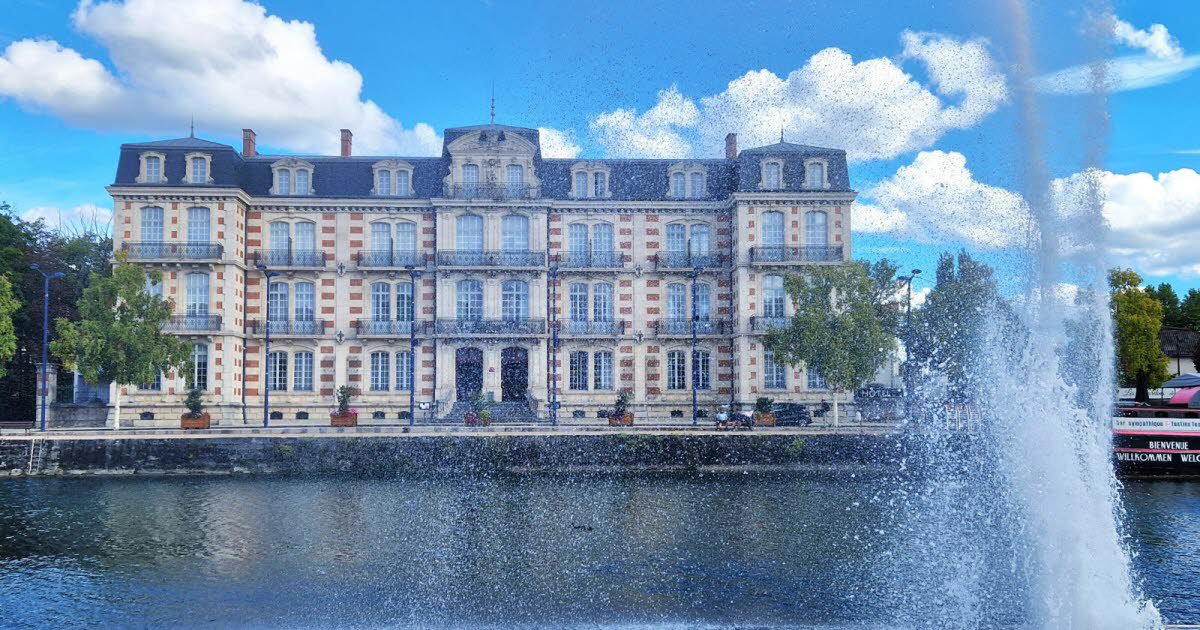
- Historic Building
- Farm To Table
- Local Sourcing
- Prix Fixe
- A La Carte
- Wine
Current opening hours
- Monday
- Closed
- Tuesday
- 12–1:15 PM, 7:15–8:10 PM
- Wednesday
- 12–1:15 PM, 7:15–8:10 PM
- Thursday
- 12–1:15 PM
- Friday
- 12–1:15 PM, 7:15–8:45 PM
- Saturday
- 7:15–8:45 PM
- Sunday
- 12–12:50 PM
Hours can change for holidays and private events. Hours as of .
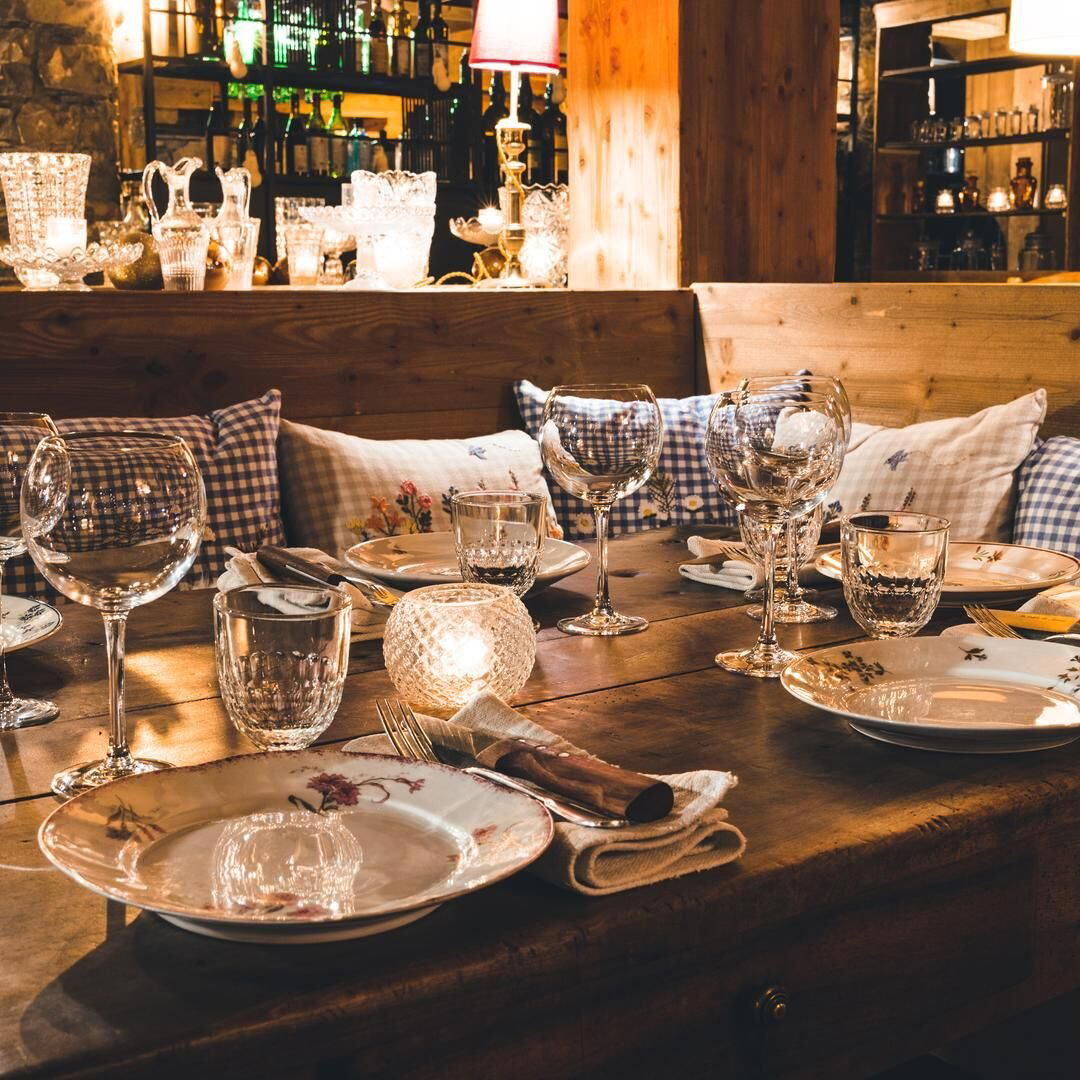
Warm, comfortable, and contemporary with colorful, elegant décor that creates an intimate dining atmosphere; modern and refined yet approachable.