Le bistro de la grande maison
Our verdict
Le bistro de la grande maison sits in Le Mée-sur-Seine, a quiet Seine-et-Marne commune south of Paris that operates well outside the capital's dining circuit. As a neighbourhood bistro in a town shaped by its proximity to the Seine valley and the agricultural plains of the Brie region, it represents the kind of address where sourcing proximity and local tradition carry more weight than Parisian visibility.

Pearl is the En Primeur Club membership app — saves, bookings, and concierge access live there. Same editors, same standards.
- Address
- 228 Rte de Boissise, 77350 Le Mée-sur-Seine, France
- Phone
- +33164391205
- Hours
- Mon ClosedTue–Sat 12:15–1:45 PM, 7:15–8:45 PMSun Closed
- Website
- bistro.lagrande.maison
- Directions
- Get directions
- Booking
- Book on the venue's website
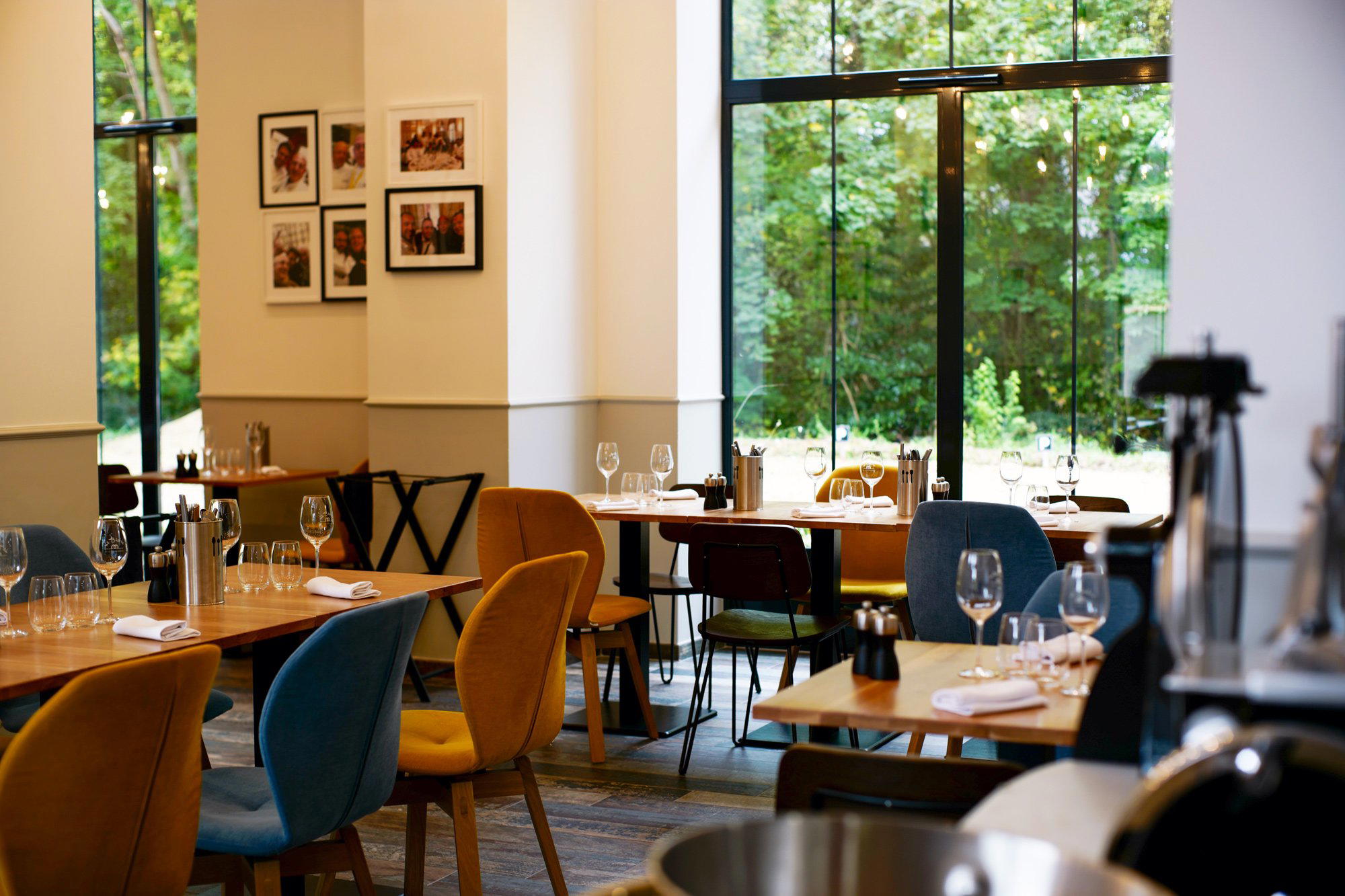
The menu
What to order
- Pan-fried porcini mushrooms
- Lobster
- Tomahawk prime rib
- Scallops Rossini
Where the Seine Valley Sets the Table
The Seine-et-Marne department rarely appears in the same sentence as France's marquee dining destinations. That gap is partly structural: the département sits close enough to Paris to be absorbed into its commuter gravity, yet far enough to develop its own agricultural identity. Le Mée-sur-Seine, a commune of modest scale along the Seine's left bank south of Melun, belongs to that in-between zone. The Brie plateau runs east, the Fontainebleau forest anchors the south, and the river itself defines the western edge. These are not abstract geographical facts — they are the conditions that shape what ends up on a plate in a place like Le bistro de la grande maison.
France's bistro tradition draws its authority from exactly this kind of rootedness. Unlike the high-concept tasting menus that define addresses such as Alléno Paris au Pavillon Ledoyen in Paris or the altitude-driven produce philosophy at Flocons de Sel in Megève, the bistro format anchors itself in a different set of values: shorter distances from farm to kitchen, seasonal menus that shift with what the surrounding countryside actually produces, and a relationship with regulars rather than destination tourists. That is the tradition this address on the Route de Boissise connects to.
Sourcing in Seine-et-Marne: What the Region Offers
The Brie region that frames Le Mée-sur-Seine produces some of France's most recognised agricultural output. Brie de Meaux and Brie de Melun — both carrying AOC protection, come from this corridor. The cereal plains supply grain to mills that have operated here for centuries. The Seine valley, with its alluvial soil, supports market garden production: vegetables that travel minutes rather than hours to reach kitchens in the area. This agricultural density is significant context for any serious bistro operating here.
Ingredient sourcing at this scale of restaurant is rarely about single-supplier relationships announced on menus. It is more often about accumulated proximity: a kitchen that knows which local farms are harvesting this week, which river fish are running, what the cheese affineur in Melun currently has. That accumulated local knowledge is what separates a bistro genuinely embedded in its region from one that simply occupies a space within it. The French provinces have always understood this distinction, it is why addresses like Georges Blanc in Vonnas or Auberge de l'Ill in Illhaeusern built lasting reputations on place-specific produce logic rather than imported ingredients dressed in local branding.
The Bistro Format in Its Proper Context
France's mid-tier restaurant market has compressed significantly over the past two decades. Rising food costs, staff shortages, and the gravitational pull of Paris's dining media have made the regional bistro a more precarious category than it once appeared. Several addresses that held real local authority in the 1990s and 2000s have closed or shifted to a more casual formula. The ones that have held their ground tend to share a common trait: they resisted the temptation to perform for a Parisian or international audience and instead deepened their relationship with the community immediately around them.
Le Mée-sur-Seine is not a dining destination in the way that Menton is for Mirazur or the Roanne countryside is for Troisgros. Visitors do not build itineraries around it. What the town offers instead is something that those destination addresses cannot replicate: an ordinary Tuesday lunch in a room where the mayor might be at the next table, where the fixed menu reflects what arrived from the market that morning, where the formality is calibrated for the neighbourhood rather than for an international review. That register of dining has its own integrity. It is what Bras in Laguiole once described as the pleasure of eating without performance, though there, of course, the performance level is considerably higher.
Getting to Le Mée-sur-Seine
The commune sits roughly 50 kilometres south of central Paris, accessible by RER D to Melun and then a short road transfer. By car, the A5 and N6 connect the area to the capital in under an hour outside rush hour. The address, 228 Route de Boissise, places it on the western edge of the commune along the Seine bank road, which runs between Le Mée and the neighbouring village of Boissise-la-Bertrand. For those combining a visit with a day in the Fontainebleau forest or the Vaux-le-Vicomte estate, the geography stacks neatly: the bistro works as a lunch stop on a wider Seine-et-Marne circuit rather than a standalone destination trip from Paris. Reservations are advisable, particularly at weekends, given the limited scale that defines the bistro category. Our full Le Mée-sur-Seine restaurants guide covers additional options in the commune for those spending longer in the area.
Where It Sits in the Wider French Dining Picture
France's most-discussed restaurants tend to cluster in Paris or in the specific regional towns that media and award bodies have refined: Reims, with Assiette Champenoise; Strasbourg, with Au Crocodile; La Rochelle, with Christopher Coutanceau. Those addresses attract visitors who have specifically come to eat. The bistro in Le Mée occupies a different tier, one that the award infrastructure rarely reaches but that constitutes the bulk of how French people actually eat well on a routine basis. Addresses like Auberge du Vieux Puits in Fontjoncouse or L'Oustau de Baumanière in Les Baux have built documented, award-verified reputations. A bistro in Seine-et-Marne builds a different kind of record: repeat tables, consistent sourcing relationships, a kitchen that knows what it is doing and does it without external validation as a primary driver.
That distinction is not a criticism of either tier. The French dining tradition is broad enough to hold both Paul Bocuse's Auberge du Pont de Collonges and the neighbourhood bistro that feeds the same town every week. Internationally, the comparison that closest maps to this register is the neighbourhood fixture that stays genuinely local, not unlike what La Marine in Noirmoutier represents in its own coastal context, though at a higher documented level of ambition. The bistro format, at its finest, is where French culinary identity is least performed and most inhabited.
Frequently asked questions
Can I bring kids to Le bistro de la grande maison?
The bistro format at 228 Route de Boissise, Le Mée-sur-Seine, typically suits a range of dining parties, including families. French bistros in this part of Seine-et-Marne are generally more relaxed in atmosphere than Parisian fine-dining rooms. check the venue's official channels to confirm any specific arrangements for children.
Is Le bistro de la grande maison formal or casual?
The name and bistro classification position this as a mid-register address rather than a white-tablecloth destination. Bistros in Seine-et-Marne communes like Le Mée-sur-Seine tend toward convivial, unpretentious settings. Specific dress expectations are best confirmed with the restaurant before visiting.
Is Le bistro de la grande maison a good option for dining near Melun when arriving by RER D?
Le Mée-sur-Seine sits adjacent to Melun, the RER D terminus roughly 50 kilometres south of central Paris, making the bistro at 228 Route de Boissise a plausible stop for travellers coming from the capital by train. A short road transfer connects Melun station to the commune. No specific journey time or taxi data is confirmed in the sources available, so factor in local transfer logistics when planning.
What's the best thing to order at Le bistro de la grande maison?
Given the venue's location in the Brie region of Seine-et-Marne, the surrounding area produces Brie de Meaux and Brie de Melun, both carrying AOC status, which frequently inform local restaurant sourcing. Ask the team what is running from the current seasonal supply when you visit.
What's Le bistro de la grande maison's location?
Le bistro de la grande maison is located at 228 Rte de Boissise, 77350 Le Mée-sur-Seine, France, Le Mee Sur Seine.
Can I walk in to Le bistro de la grande maison?
No booking policy is publicly documented for this address at 228 Route de Boissise. Smaller bistros in Seine-et-Marne municipalities often accommodate walk-ins outside peak service, but a call ahead remains the more reliable approach.
What has Le bistro de la grande maison built its reputation on?
The venue occupies a commune, Le Mée-sur-Seine, that sits outside the media circuits tracking restaurants in Reims, Lyon, or central Paris, which means its standing is built on local and regional patronage rather than award-body visibility. No Michelin stars or named awards are currently documented for this address. That absence places it squarely in the fabric of France's working bistro tier, where consistency for a neighbourhood audience is the measure that counts.
Comparable Venues
Comparable venues nearby, for context on price, style, and recognition.
| Venue | Cuisine | Price | Notes |
|---|---|---|---|
| Le bistro de la grande maisonThis venue — the venue you are viewing | French Bistro Cuisine Canaille | $50–100 | Not listed |
| Alain Passard's Garden | Vegetable-Focused Fine Dining | Not listed | Bois Giroult |
| Café Lapérouse | Refined French Bistro | $50–100 | Place de la Concorde |
| Monsieur George | Modern French Fine Dining | $150–200 | 8th Arr. |
| Girafe | Modern French Seafood Brasserie | $100–150 | Passy |
| L'Aventure | Modern French with Japanese influences | $100–150 | 16th arrondissement |
Continue exploring
More in Le Mee Sur Seine
Restaurants in Le Mee Sur Seine
Browse all →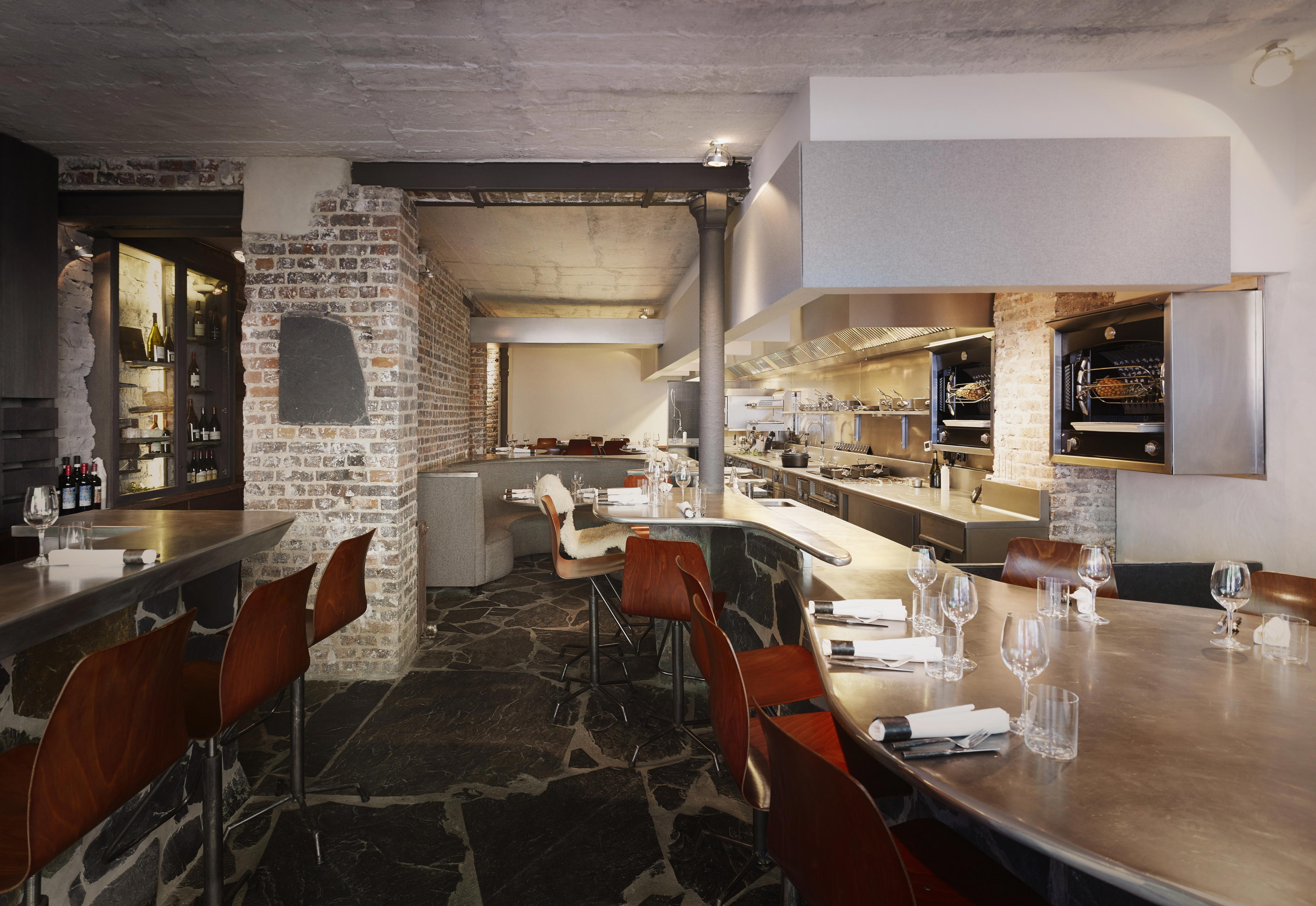
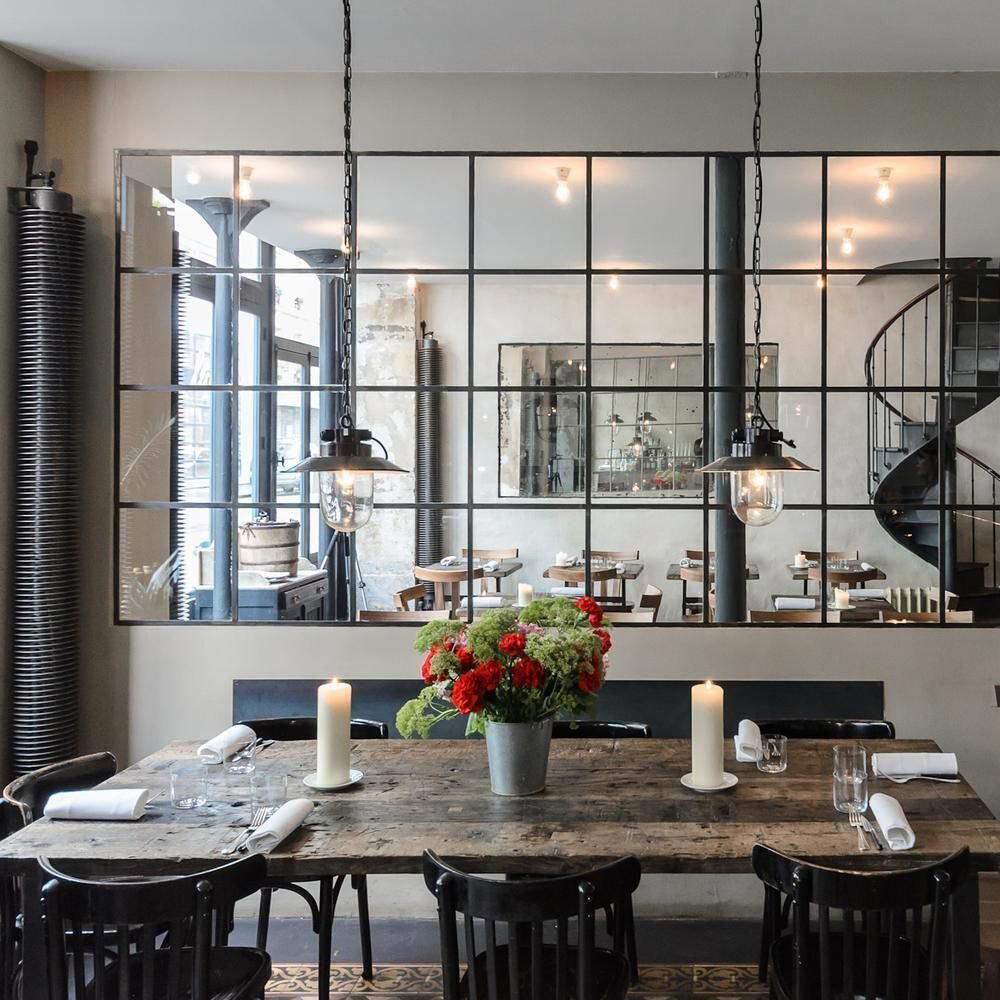
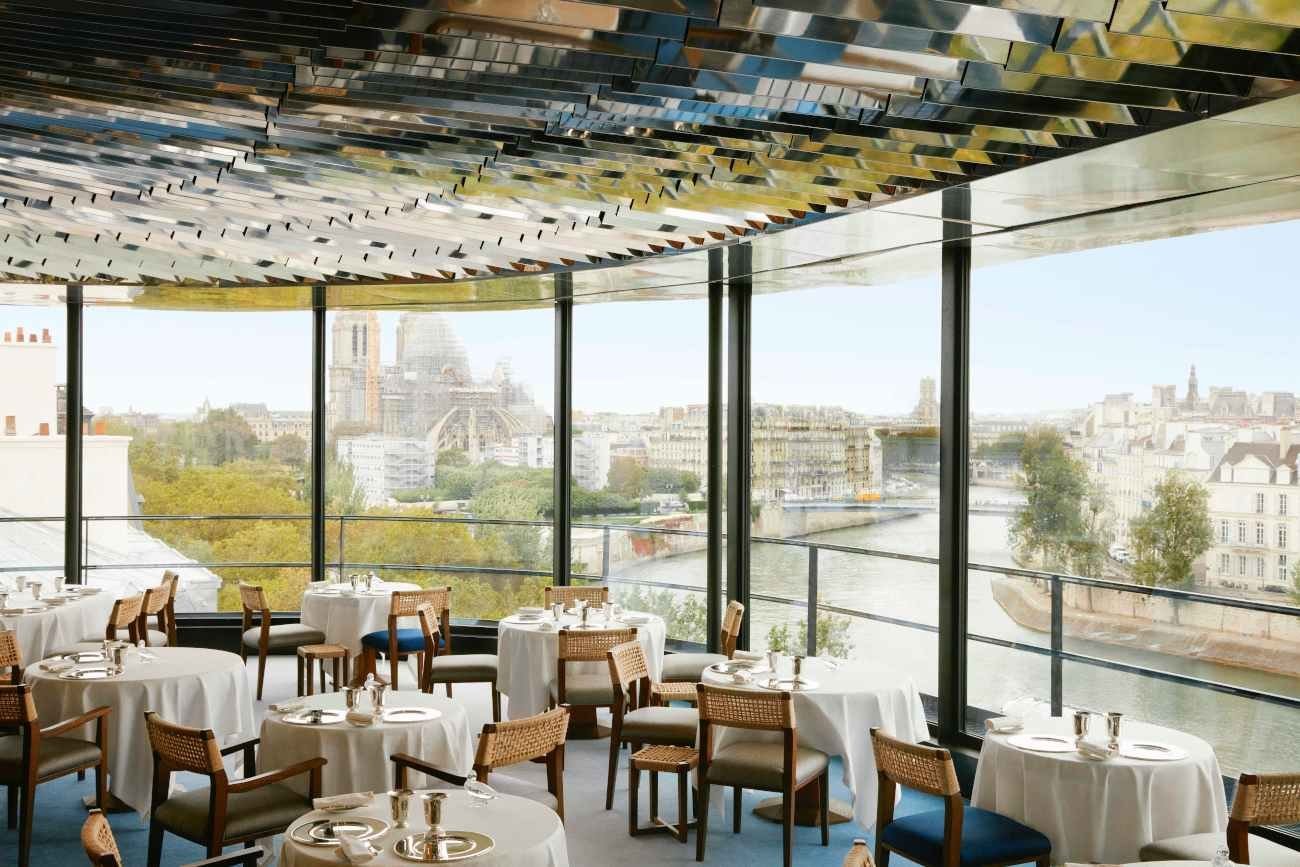
Bars in Le Mee Sur Seine
Browse all →
Hotels in Le Mee Sur Seine
Browse all →
Wineries in Le Mee Sur Seine
Browse all →


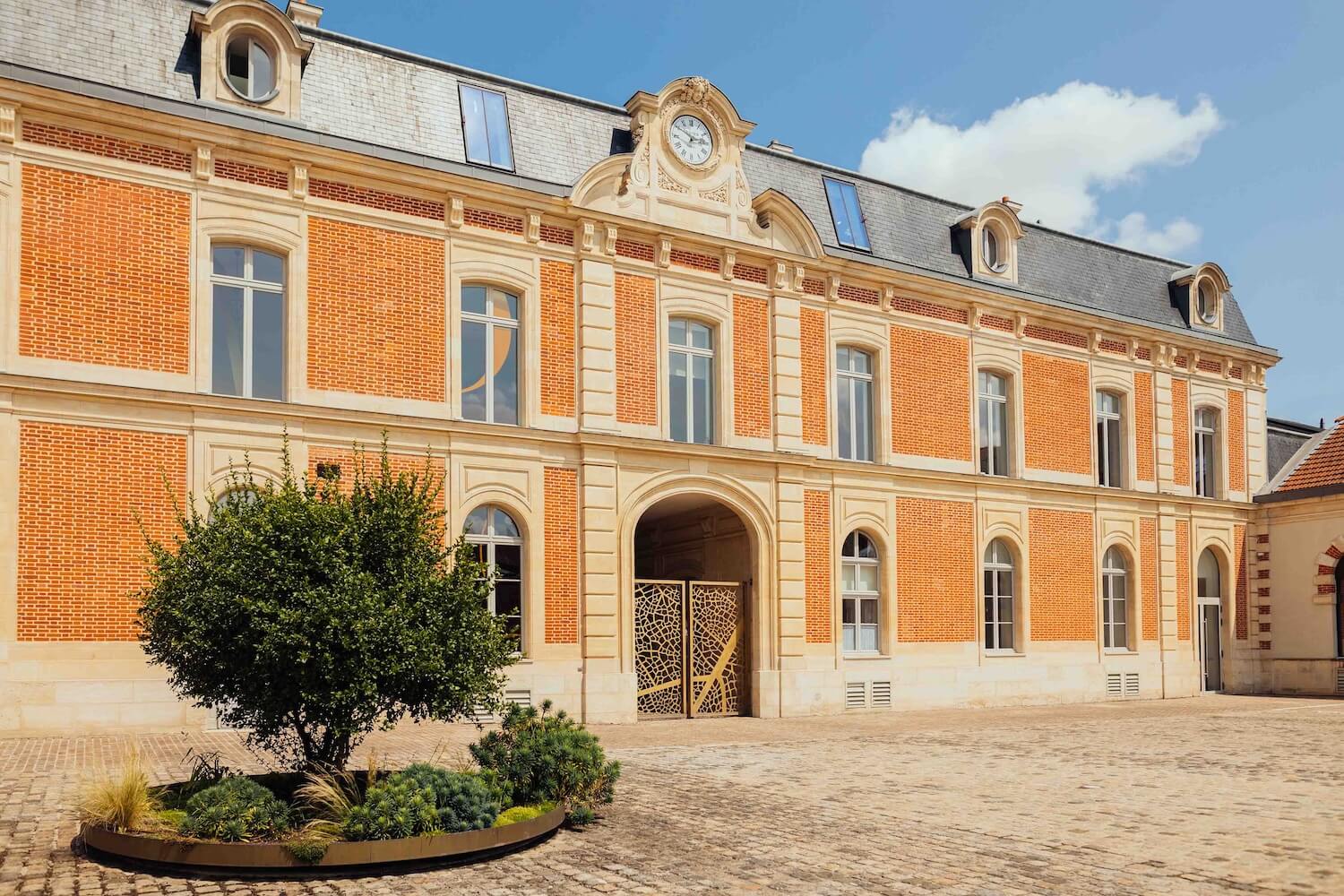
Le bistro de la grande maison
The wine
- Wine program
- Curated wine list
- Extensive wine list
Details
- Cozy
- Elegant
- Classic
- Intimate
- Date Night
- Special Occasion
- Group Dining
- Historic Building
- Private Dining
- Terrace
- Extensive Wine List
- Local Sourcing
- Garden
- A La Carte
- Gluten Free Options
Current opening hours
- Monday
- Closed
- Tuesday
- 12:15–1:45 PM, 7:15–8:45 PM
- Wednesday
- 12:15–1:45 PM, 7:15–8:45 PM
- Thursday
- 12:15–1:45 PM, 7:15–8:45 PM
- Friday
- 12:15–1:45 PM, 7:15–8:45 PM
- Saturday
- 12:15–1:45 PM, 7:15–8:45 PM
- Sunday
- Closed
Hours can change for holidays and private events. Last verified .
Warm, gourmand bistro atmosphere reminiscent of Parisian bistros, Lyonnais bouchons, and Basque bistros, set in a charming half-timbered house with attentive service.