Our verdict
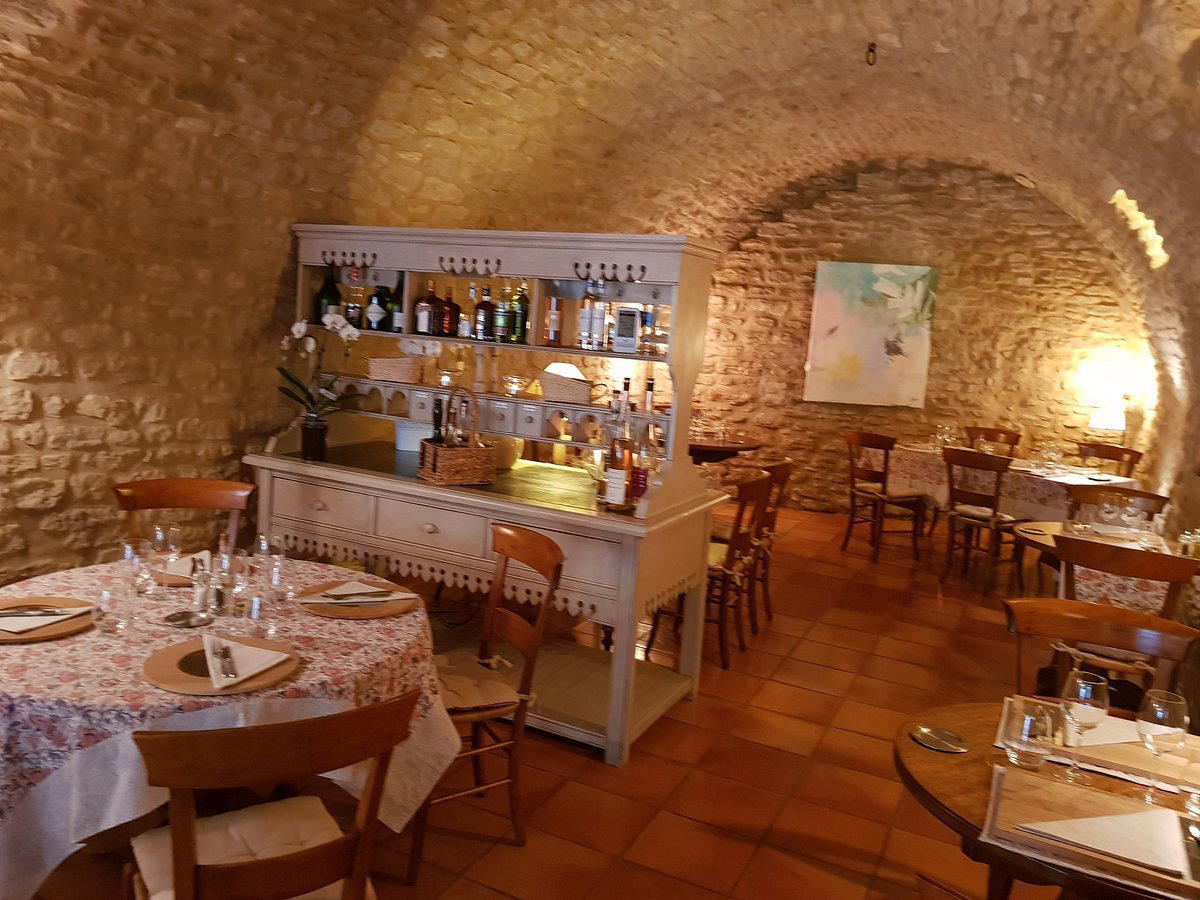
Le 1886 occupies a quietly significant address in La Celle, a village in the Var where Provençal farmland meets the edge of one of France's most storied abbey estates. The restaurant takes its name from the year that anchors the site's history, and positions itself inside a French regional dining tradition that prizes proximity to source above spectacle. Serious wine country, serious produce, and a room that earns its setting.

Pearl is the En Primeur Club membership app, where members save venues, book tables and use the concierge.
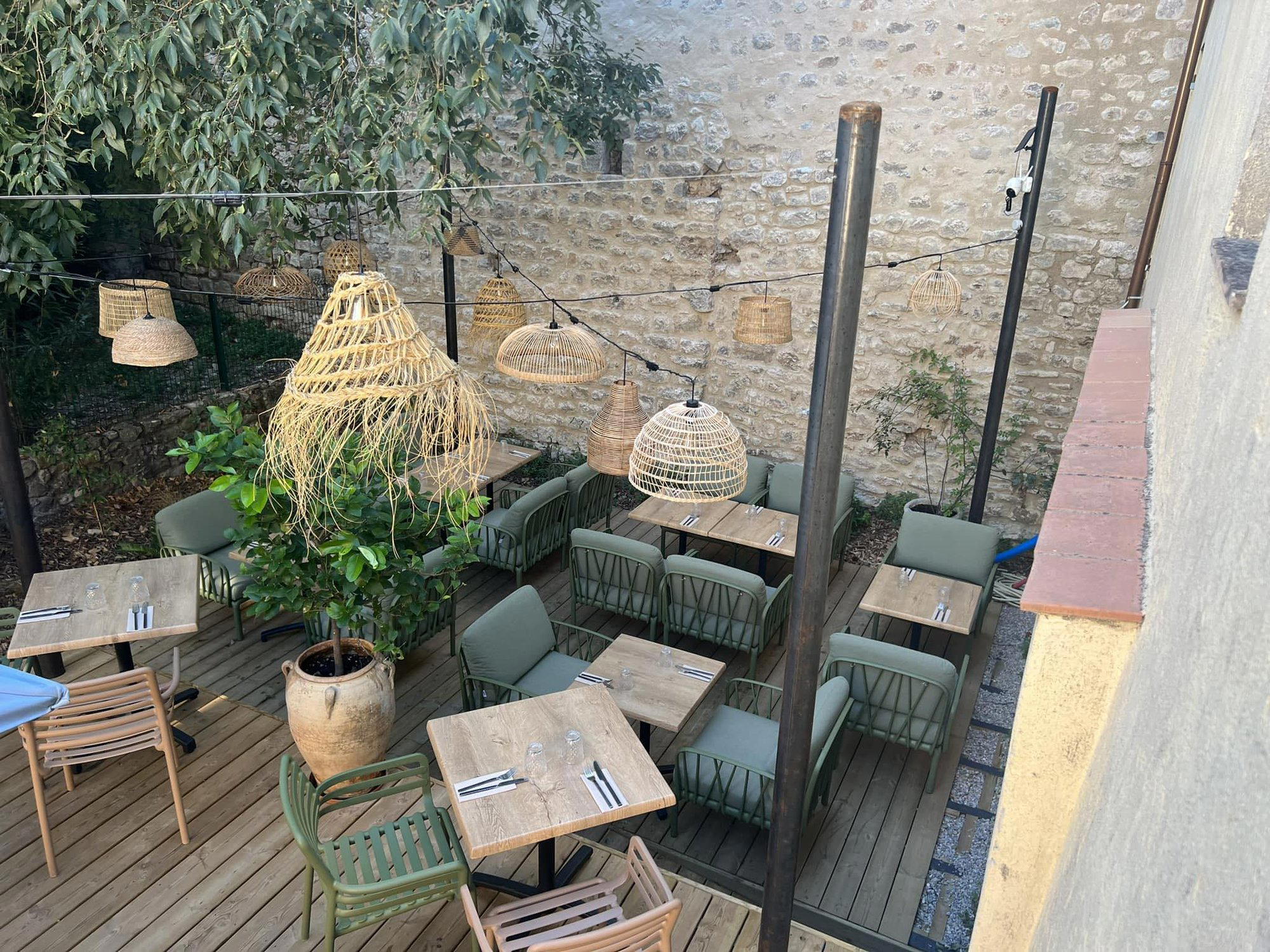
The menu
What to order
- Steak frites
- Slow-cooked lamb shank
- Pizza
- Pasta
- Tartare
- Ravioli
Where the Var's Produce Sets the Terms
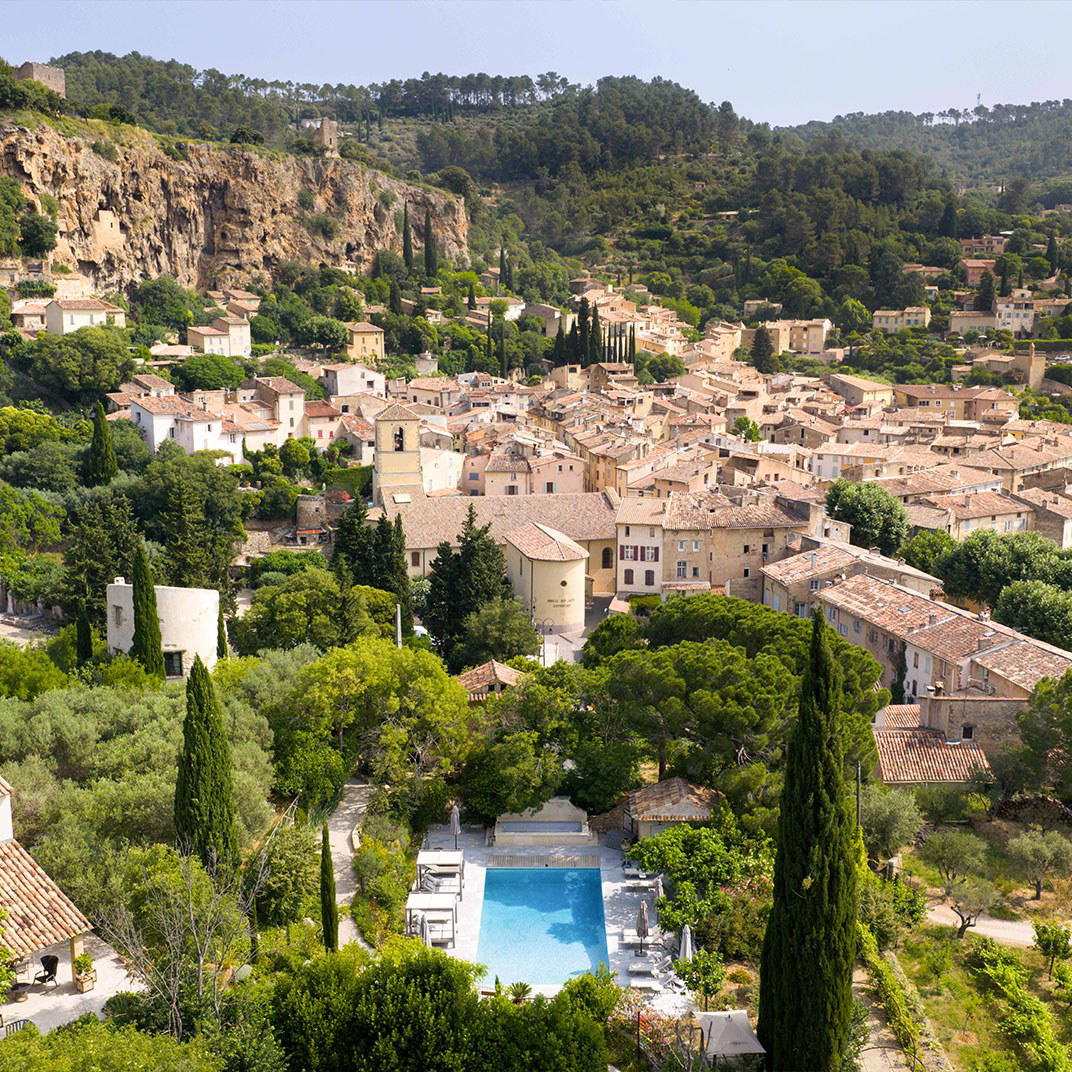
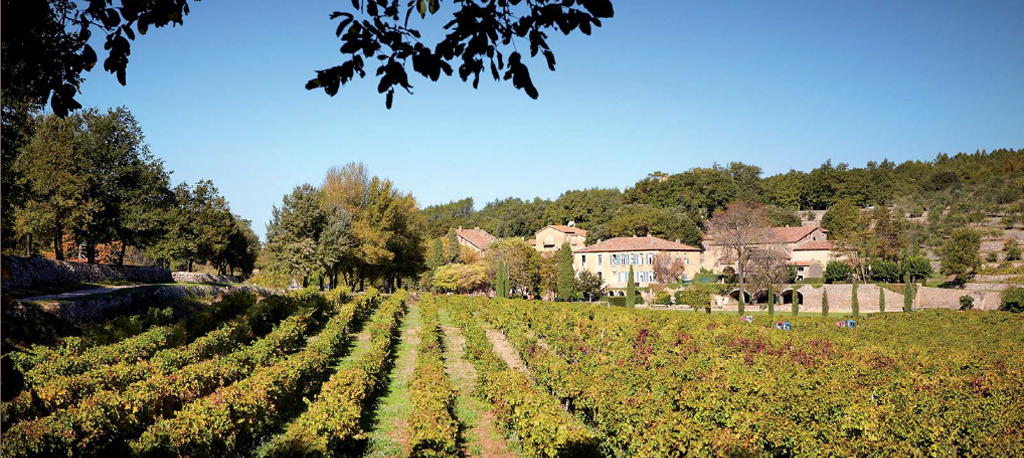
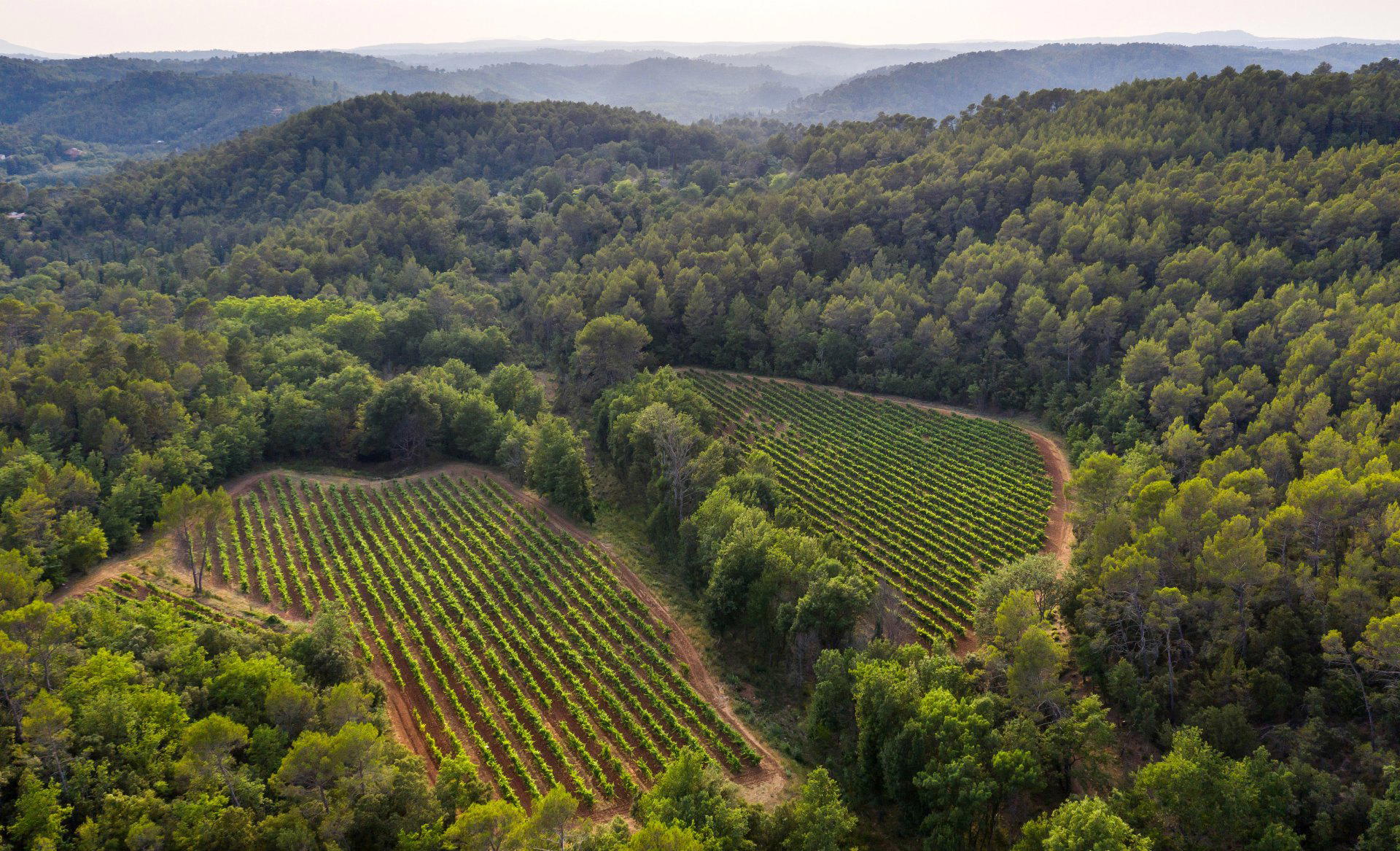
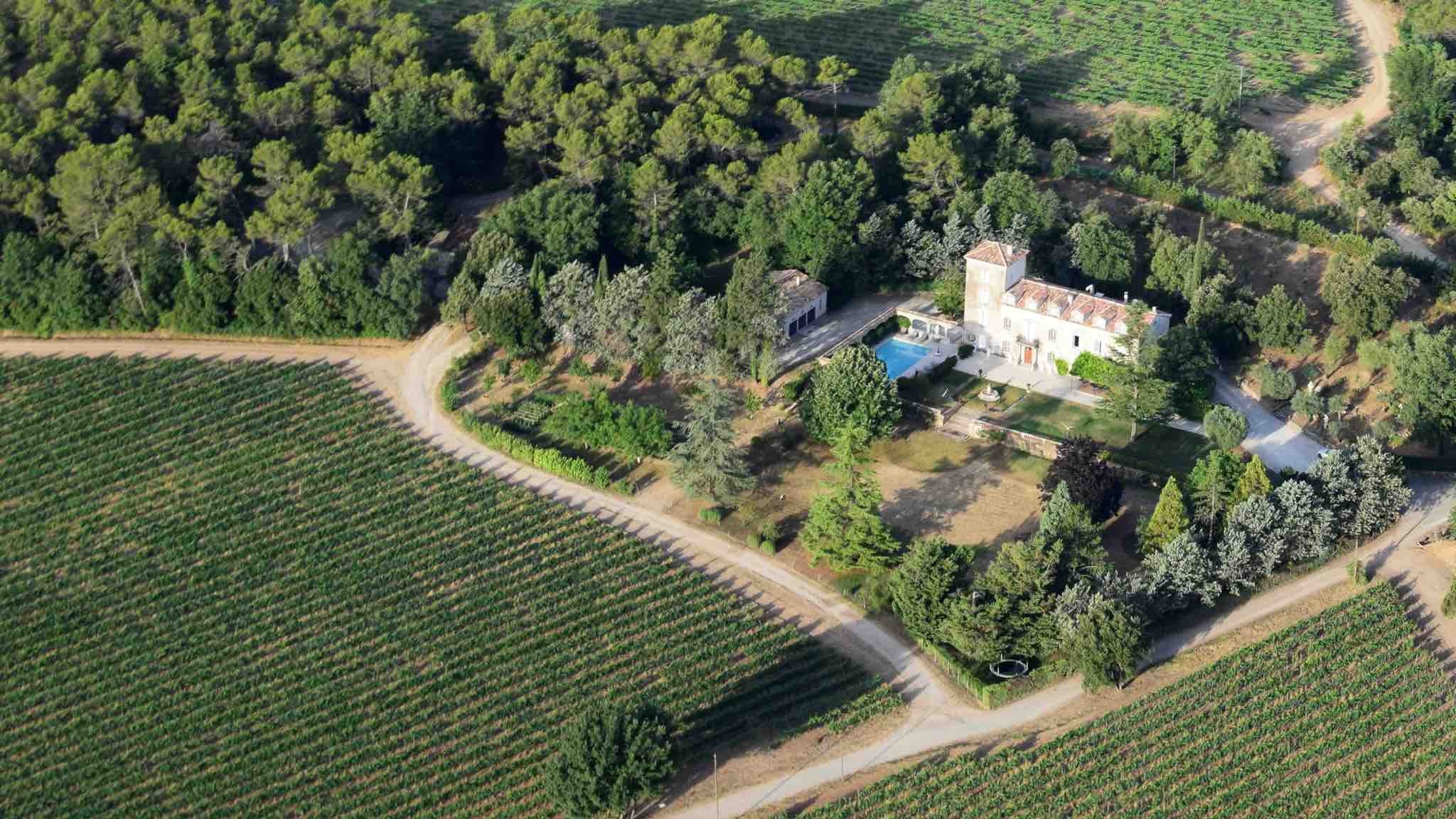
In Provence's interior, roughly halfway between Brignoles and Toulon, La Celle sits in a fold of the Var that most visitors pass through without stopping. That inattention is the village's greatest asset. The land here still functions as farmland: olive groves, vineyards, and kitchen gardens that supply a local food economy which hasn't been reshaped by coastal tourism. Le 1886, at 8 Place de Clastre, operates in this context. The name references the site's historical footprint rather than a chef's biography, and that orientation, toward place and provenance rather than personality, is consistent with how serious Provençal cooking has always framed itself. For a broader survey of where this restaurant sits among La Celle's options, our full La Celle restaurants guide maps the village's dining character in detail.
The Case for Inland Provence
Coastal Provence commands most of the critical attention: Mirazur in Menton has held the best of the World's 50 Best for years, while AM par Alexandre Mazzia in Marseille has carved a reputation for dense, reference-laden cooking that looks outward to global technique. Inland addresses work from different material. The Var's clay soils and altitude shifts produce herbs with more concentration than their coastal equivalents, and the proximity to producers means that ingredient decisions can be made daily rather than planned around supply chains. This is the structural advantage that restaurants at addresses like La Celle have always pressed: not prestige, but access. The same logic applies further afield at places like Bras in Laguiole, where the surrounding plateau defines what the kitchen can and cannot do, or Auberge du Vieux Puits in Fontjoncouse, another village address where remoteness from the dining mainstream became a deliberate editorial position.
Ingredient Logic in the French Regional Tradition
French regional cooking at its most disciplined is less a cuisine than a procurement philosophy. The kitchen's job is to know who grows what, when it peaks, and how little intervention it requires. This model has produced some of France's most durable restaurants. Georges Blanc in Vonnas built generations of reputation on Bresse poultry and local dairy. Auberge de l'Ill in Illhaeusern remains anchored to the Alsatian river basin it has sourced from for decades. Troisgros - Le Bois sans Feuilles in Ouches relocated partly to regain proximity to the producers that define its cooking. Le 1886 works within this tradition: an address where the surrounding terroir is the primary argument rather than a supporting detail. In the Var, that means access to olive oils from the Pays de la Castre, lamb from the Verdon plateau, and wines from the Coteaux Varois en Provence appellation that encircles the village.
The Abbey Setting and What It Signals
La Celle's physical character is shaped by the Benedictine abbey that has anchored the village since the eleventh century. The Hostellerie de l'Abbaye de la Celle (Provençal) operates in the abbey's hospitality tradition and represents the formal end of the village's dining spectrum. Le 1886, taking its name from a specific historical moment at the site, places itself within that same longue durée without positioning itself as a hotel annexe. The distinction matters for how you plan your visit: the address functions as a standalone dining destination, reached on the D405 into the village from Brignoles, approximately fifteen kilometres to the northeast.
Positioning Against the French Dining Spectrum
, it would be inaccurate to position Le 1886 against the formal fine dining tier that includes Alléno Paris au Pavillon Ledoyen or Flocons de Sel in Megève. What the address and name suggest is a restaurant that operates in the provincial tradition: serious about produce, connected to local supply, and priced for a regional rather than destination dining market. This is a different value proposition from the abbey hotel next door, and from coastal addresses like L'Oustau de Baumanière in Les Baux, which attracts an international visitor base and prices accordingly.
Planning a Visit
La Celle is most practically reached by car. Brignoles, the nearest town with a train connection via the Marseille-Ventimiglia line, sits roughly fifteen kilometres north. For visitors arriving from further afield, Christopher Coutanceau in La Rochelle and Assiette Champenoise in Reims illustrate how France's most serious regional restaurants sit outside major cities and require deliberate routing. The same logic applies here. Le 1886's address at 8 Place de Clastre places it on the village's central square, walkable from the abbey. Spring and autumn are the Var's most productive agricultural seasons, which generally translates to the strongest produce on regional menus.
How Le 1886 Fits the Broader Record
France's regional dining map has enough depth that a Provençal village address with historical grounding and proximity to serious produce sources is genuinely worth attention, even without the formal credentials that make a place like Paul Bocuse - L'Auberge du Pont de Collonges in Collonges-au-Mont-d'Or an anchor point in the national narrative. The interesting restaurants in France are not always the awarded ones; sometimes they are simply the ones that know their land. For readers who have already worked through the major southern addresses, from Au Crocodile in Strasbourg on the Alsatian end to the coast, Le 1886 represents a quieter chapter in the same story. For those coming from outside the French tradition entirely, venues like Le Bernardin in New York City or Atomix in New York City offer a useful frame for what serious sourcing discipline looks like when applied at the highest level of execution.
Frequently asked questions
Is Le 1886 a family-friendly restaurant?
La Celle is a quiet village address, and the abbey surroundings suggest a setting that prioritises calm over activity, a reasonable fit for families who are comfortable with a slower, more formal pace. Anyone travelling with young children should check the venue's official channels before booking.
Is Le 1886 better for a quiet night or a lively one?
La Celle is a small inland Var village, not a resort town, so the ambient energy at 8 Place De Clastre is going to lean quieter by default. The Benedictine abbey that defines the village's character has shaped a setting where the pace is unhurried. If you are looking for a convivial, buzzing room, coastal Provence will serve that better.
What should I order at Le 1886?
What the La Celle location does suggest is a kitchen oriented around Var produce, the region supplies olives, lamb, herbs, and vegetables that anchor Provençal cooking at its most ingredient-led. Seasonality is likely to drive the offer, so what's available at the table will reflect what's available in the valley.
Comparable Spots, Quickly
Comparable venues nearby, for context on price, style, and recognition.
| Venue | Cuisine | Price | Awards | Notes |
|---|---|---|---|---|
| Le 1886This venue (the venue you are viewing) | French-Italian Bistro | $30–50 | Not listed | Not listed |
| Hostellerie de l'Abbaye de la Celle | Provençal Fine Dining | $100–150 | Michelin Plate | La Celle |
| Chez Lulu | French Bistro | $20–30 | Not listed | Lauris |
| Le GM | French Bistro with American Influences | $20–30 | Not listed | Centre-ville |
| Un p'tit coin de cuisine | Mediterranean café and tea room | $10–20 | Not listed | Bonnieux old town |
| Grenache | Modern French Bistro | $30–50 | Not listed | Pont De Beraud |
Continue exploring
More in La Celle
Restaurants in La Celle
All restaurants in La Celle →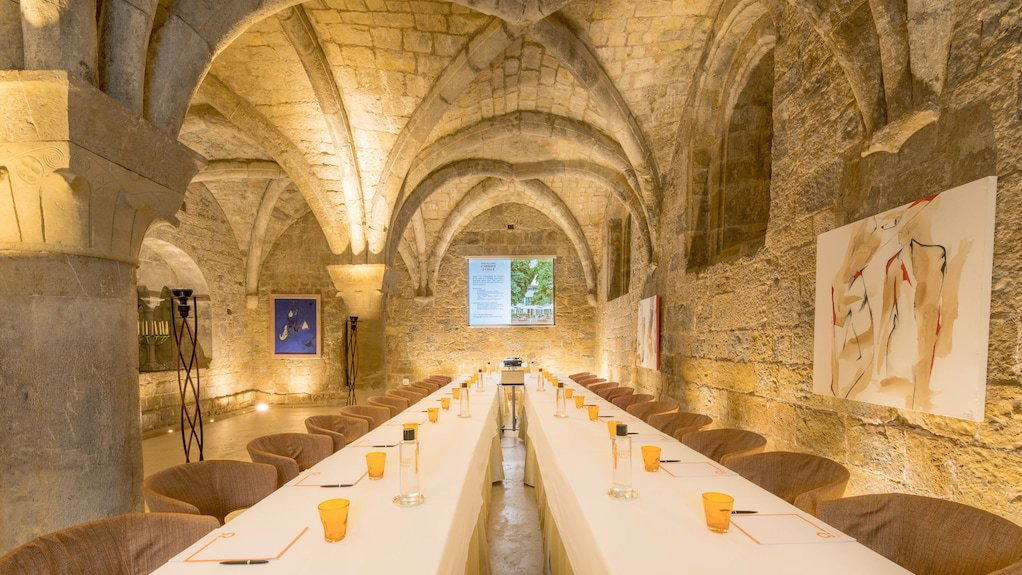
Bars in La Celle
Browse all →
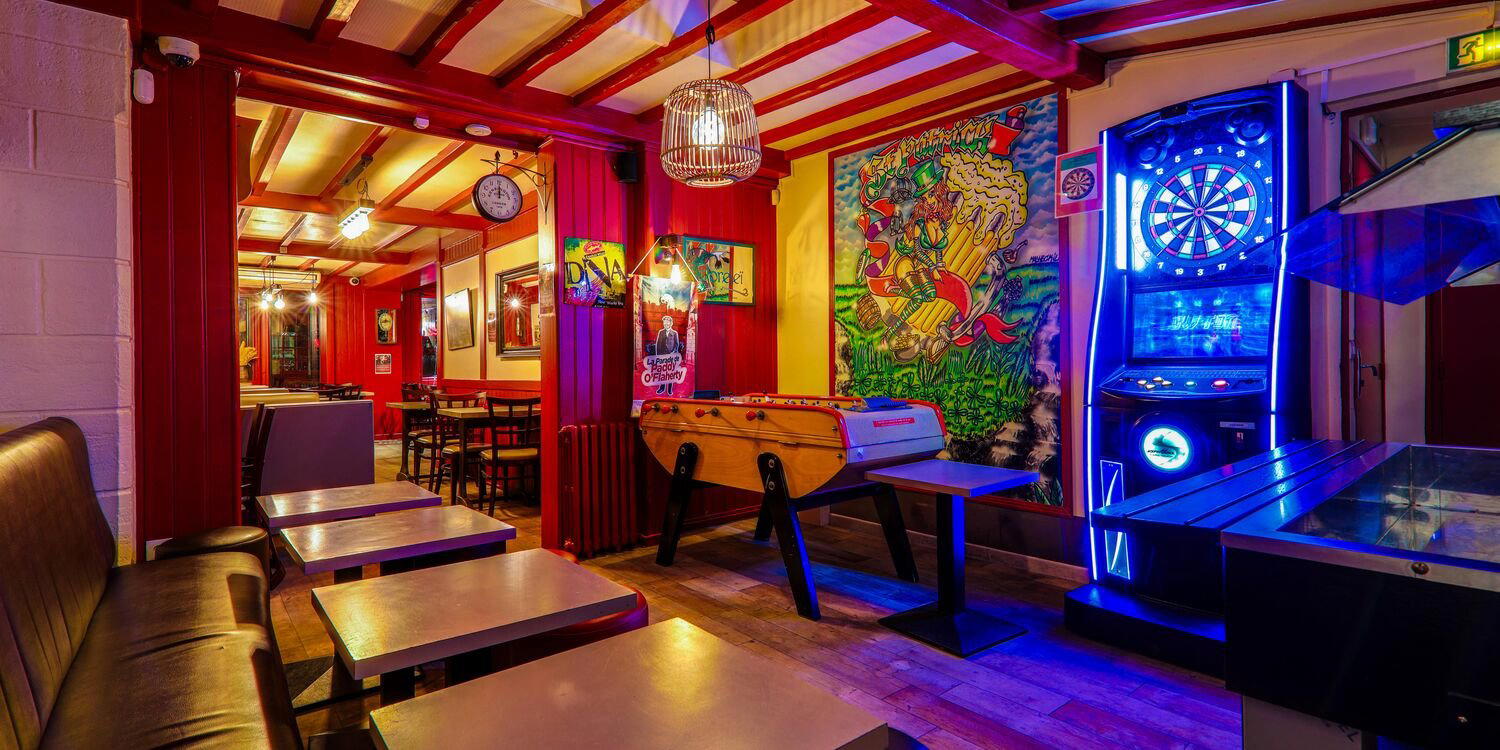
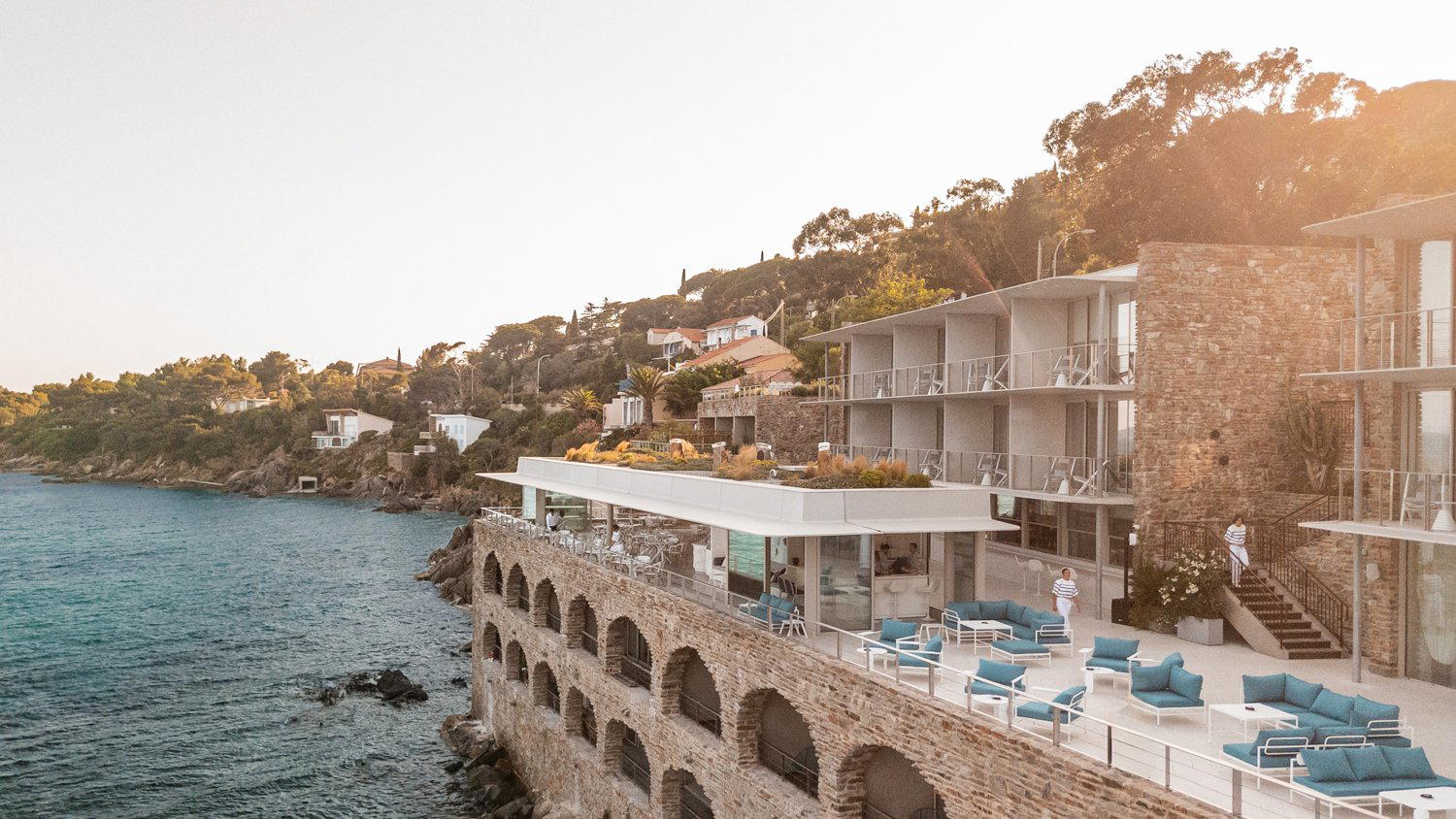
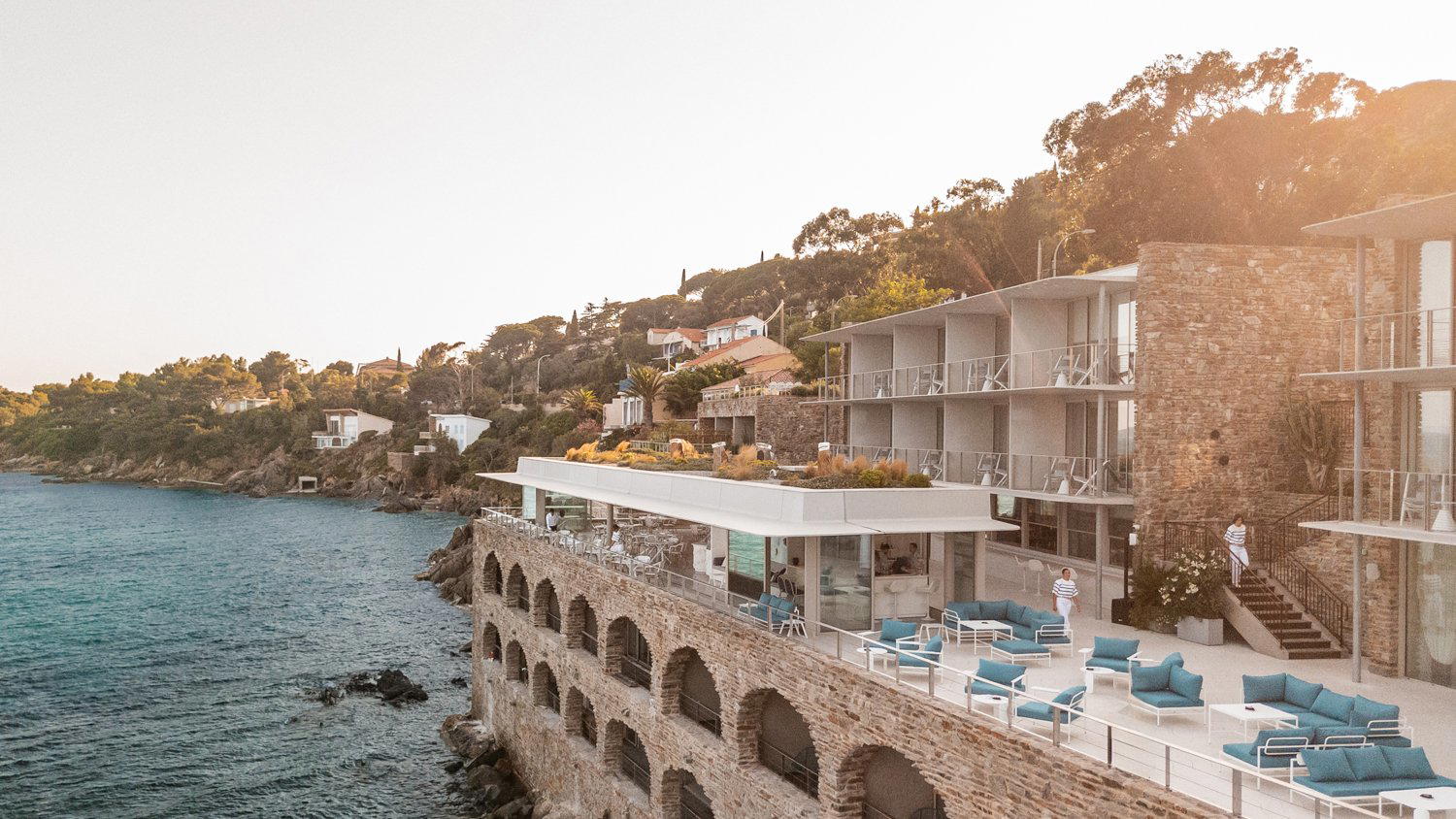
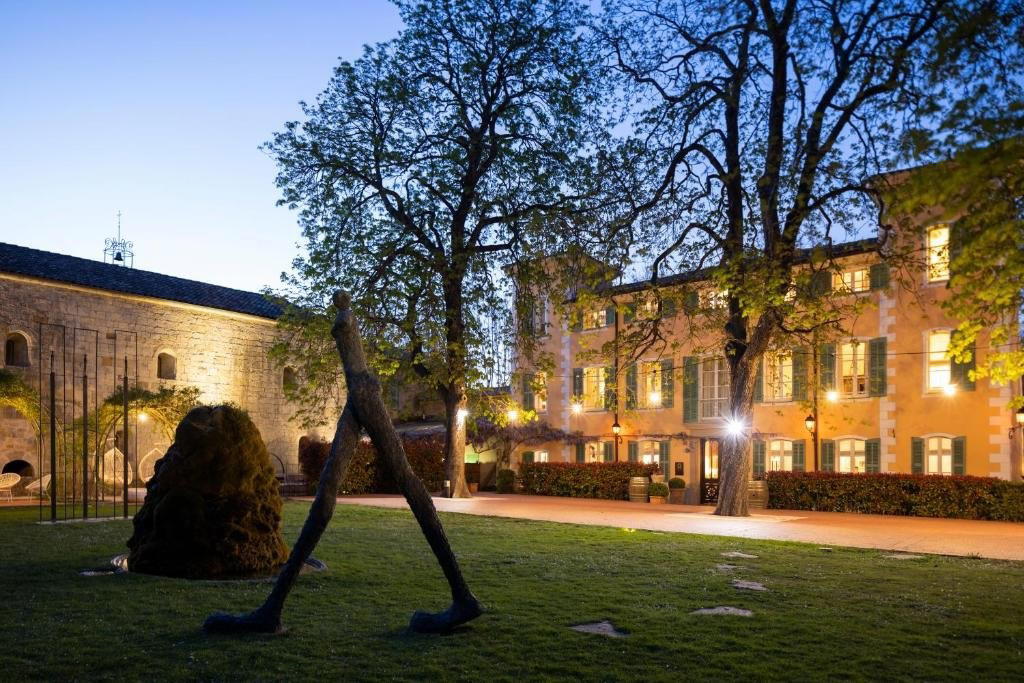

Details
- Cozy
- Rustic
- Classic
- Casual Hangout
- Group Dining
- Terrace
- Standalone
- A La Carte
- Prix Fixe
Current opening hours
- Monday
- Closed
- Tuesday
- 12–2 PM, 6–10 PM
- Wednesday
- 12–2 PM, 6–10 PM
- Thursday
- 12–2 PM, 6–10 PM
- Friday
- 12–2 PM, 6–10 PM
- Saturday
- 12–2 PM, 6–10 PM
- Sunday
- Closed
Hours can change for holidays and private events. Hours as of .
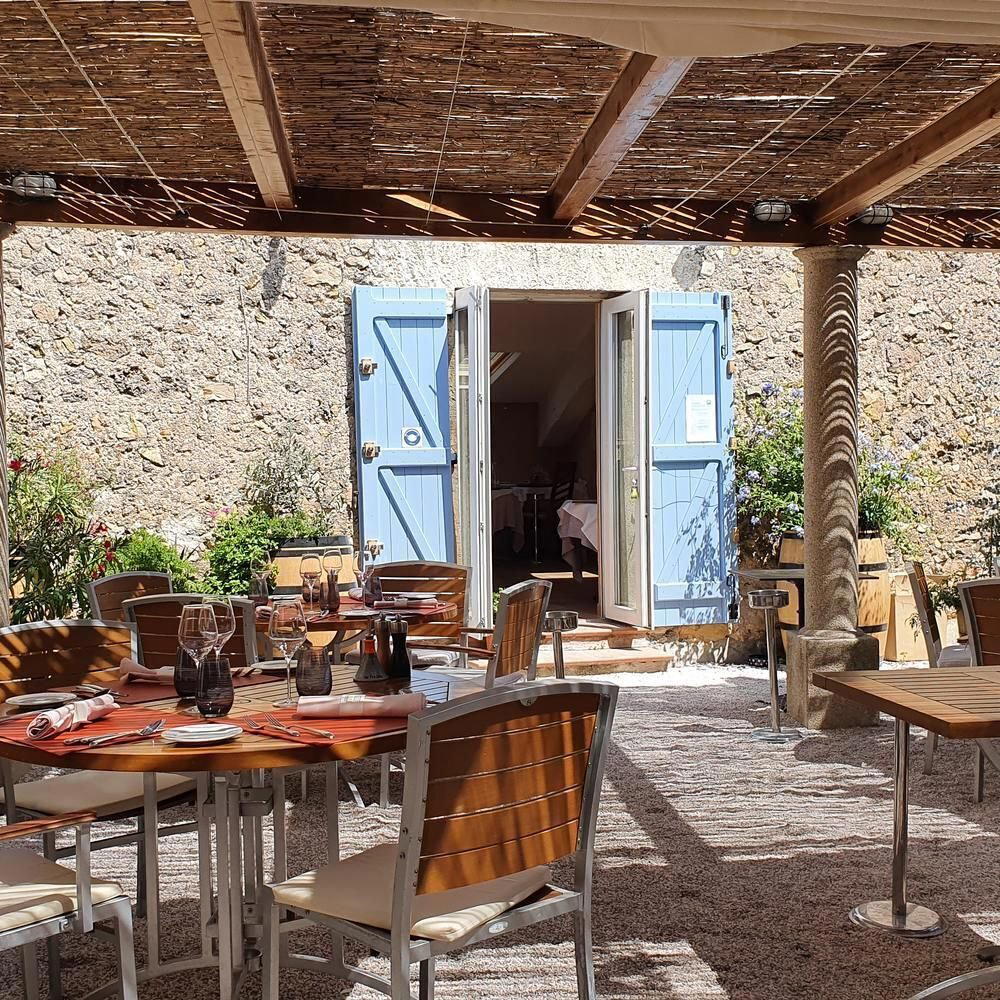
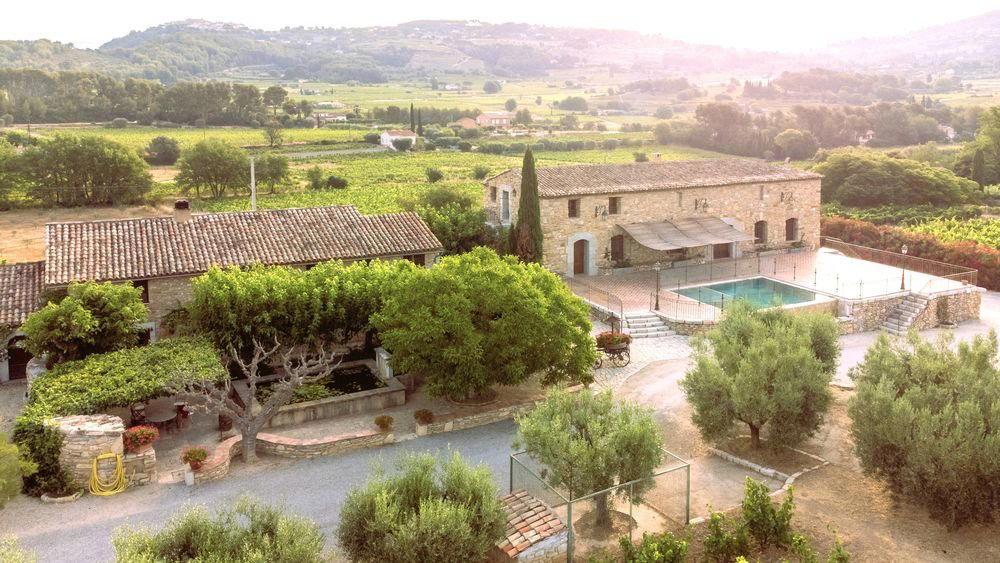
Welcoming and warm atmosphere with hearty, well-prepared dishes; intimate terrace setting in proximity to the abbey.