
The kitchen works within the Upper Swabian agricultural tradition, drawing on regional produce in a setting that reads as serious without being ceremonial. Price range sits at €€€, placing it in premium territory for the area.
Pearl is the En Primeur Club membership app — saves, bookings, and concierge access live there. Same editors, same standards.
- Address
- Hauptstraße 9, 88477 Schwendi, Germany
- Phone
- +49 7353 98490
- Website
- oberschwaebischer-hof.de
- Directions
- Get directions
 Saves & bookings on Pearl
Upper Swabia at the Table: What Farm-to-Table Means in This Corner of Baden-Württemberg
The farm-to-table label has been stretched thin across German fine dining, but in Upper Swabia it carries a specific weight. The region between the Danube and Lake Constance has sustained one of Germany's more coherent small-farm networks, built around dairy, grain, and market-garden production that predates the contemporary localism trend by generations. When a kitchen in this area commits to regional sourcing, it is drawing on supply relationships and seasonal rhythms that are genuinely embedded in the land rather than assembled for a menu concept. Lazarus Stube im Oberschwäbischen Hof, located on Hauptstraße in the town of Schwendi, operates within that tradition. The Michelin Plate it has held in both 2024 and 2025 signals consistent kitchen discipline here, not a star but a mark of quality worth recording.
The Room and the Register
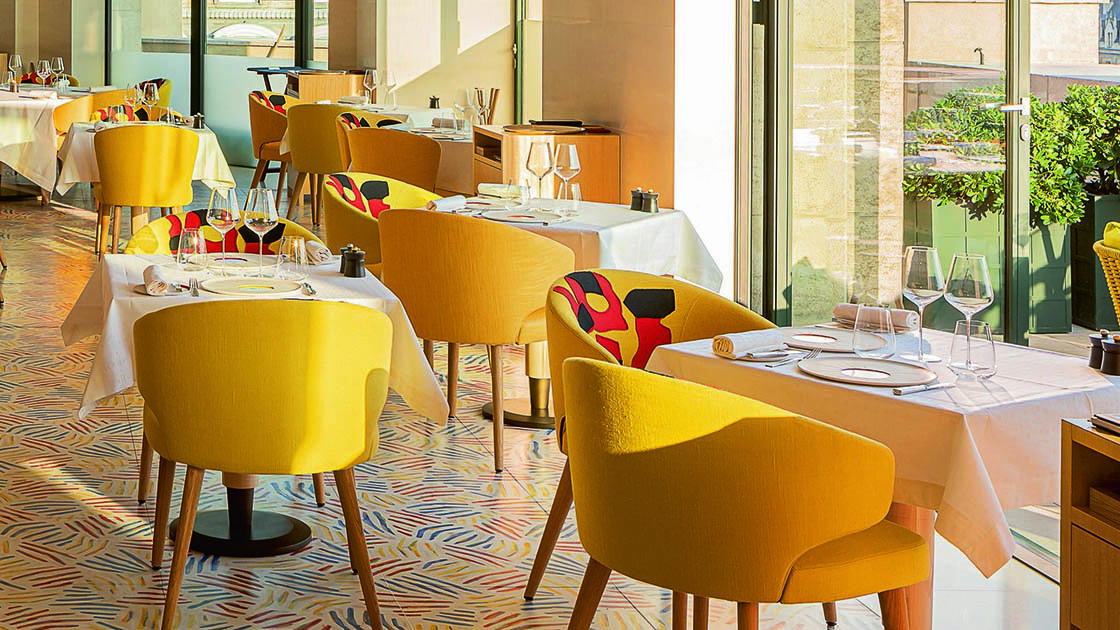
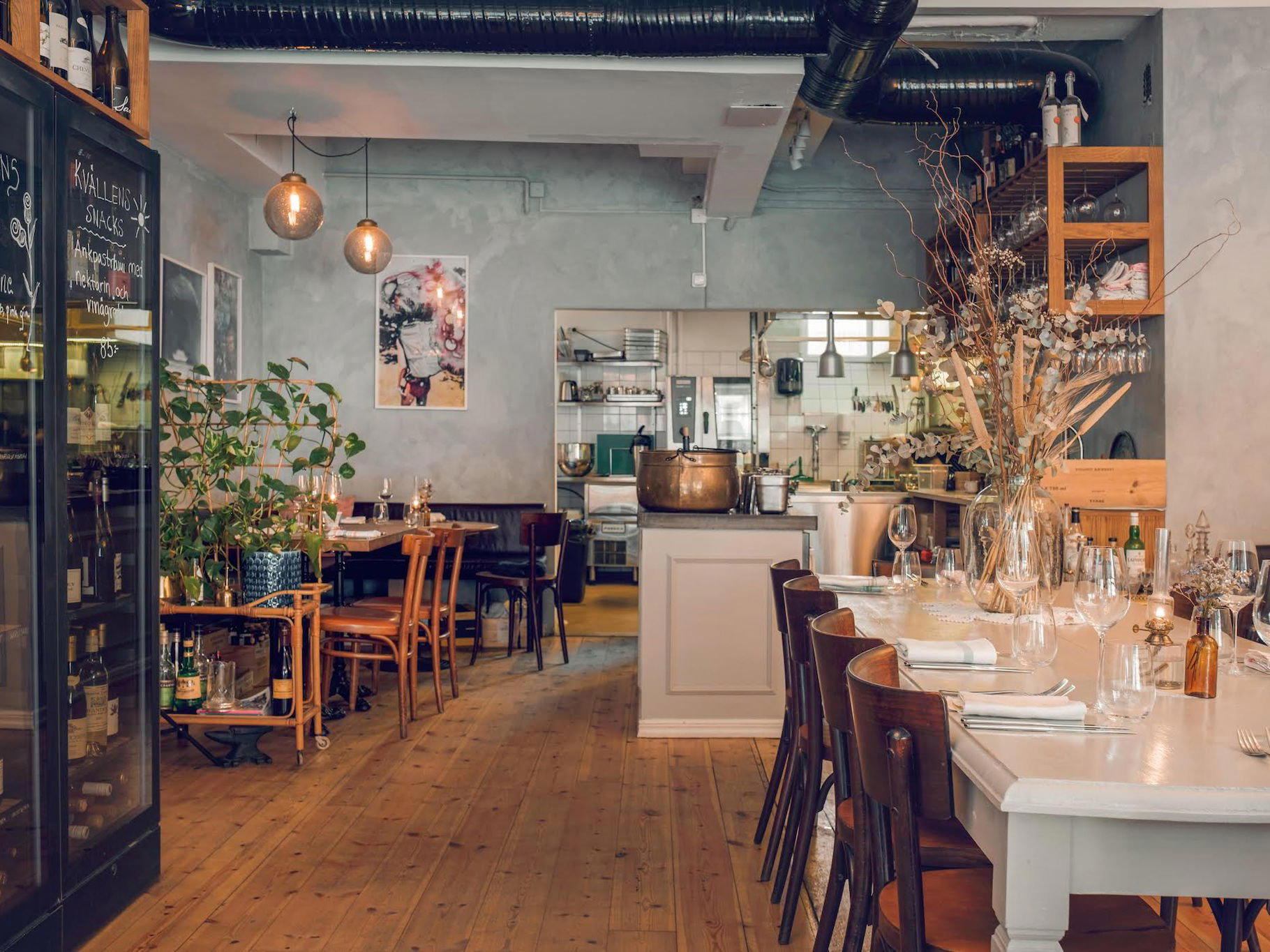
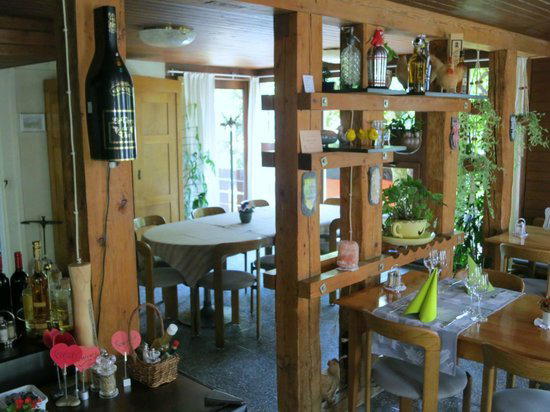
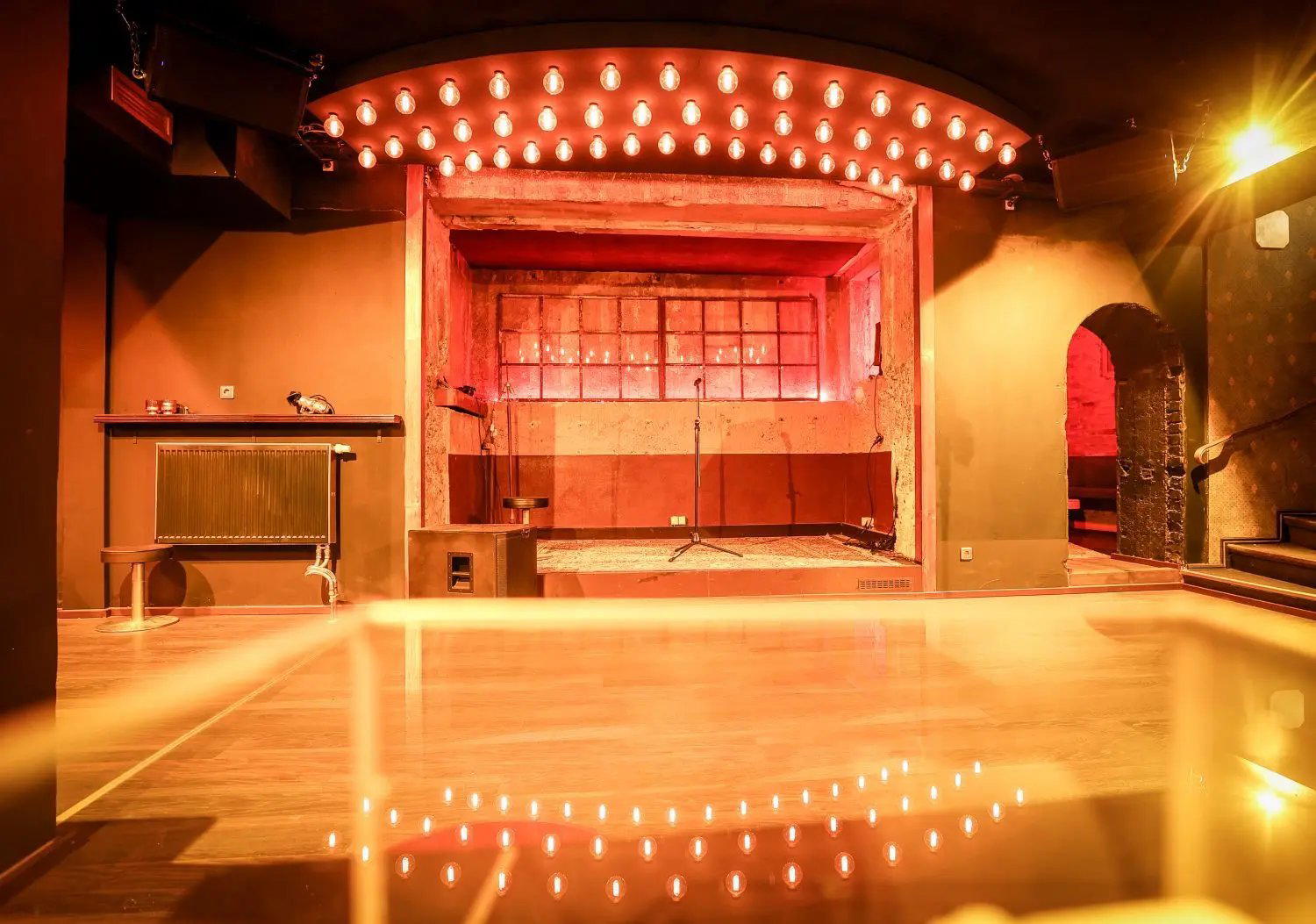
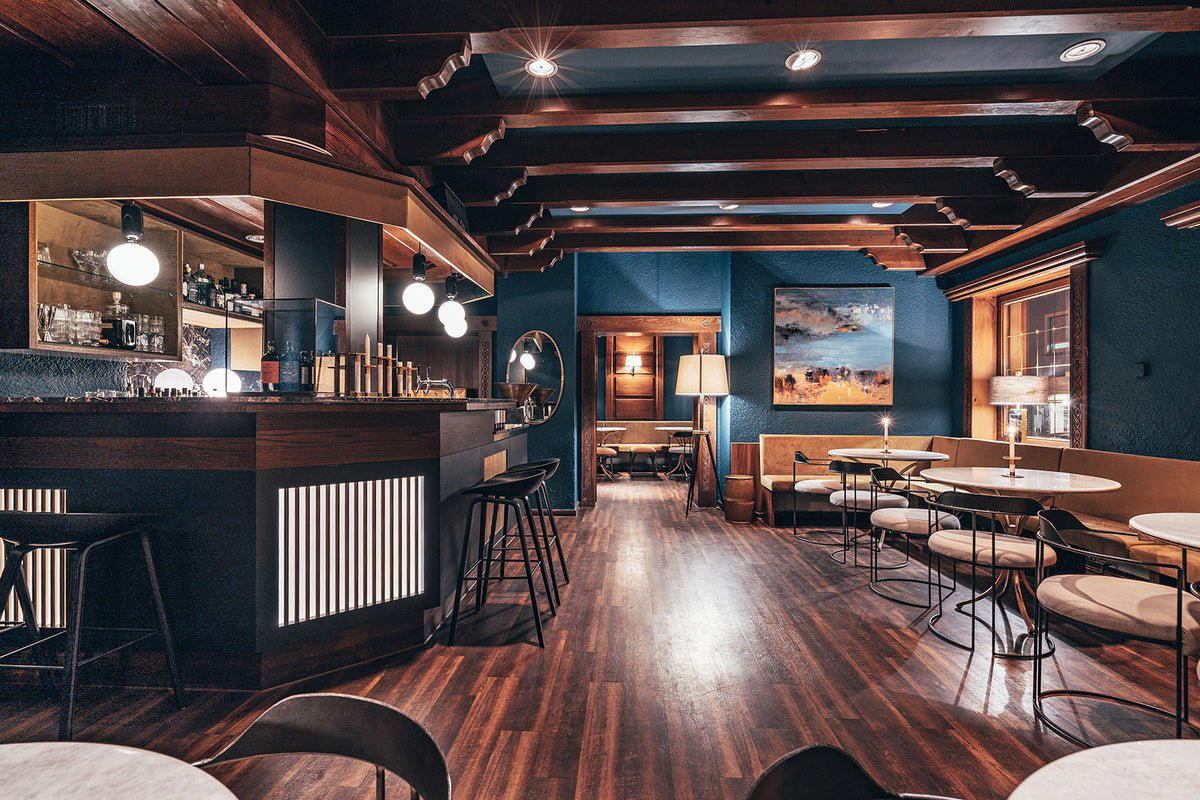
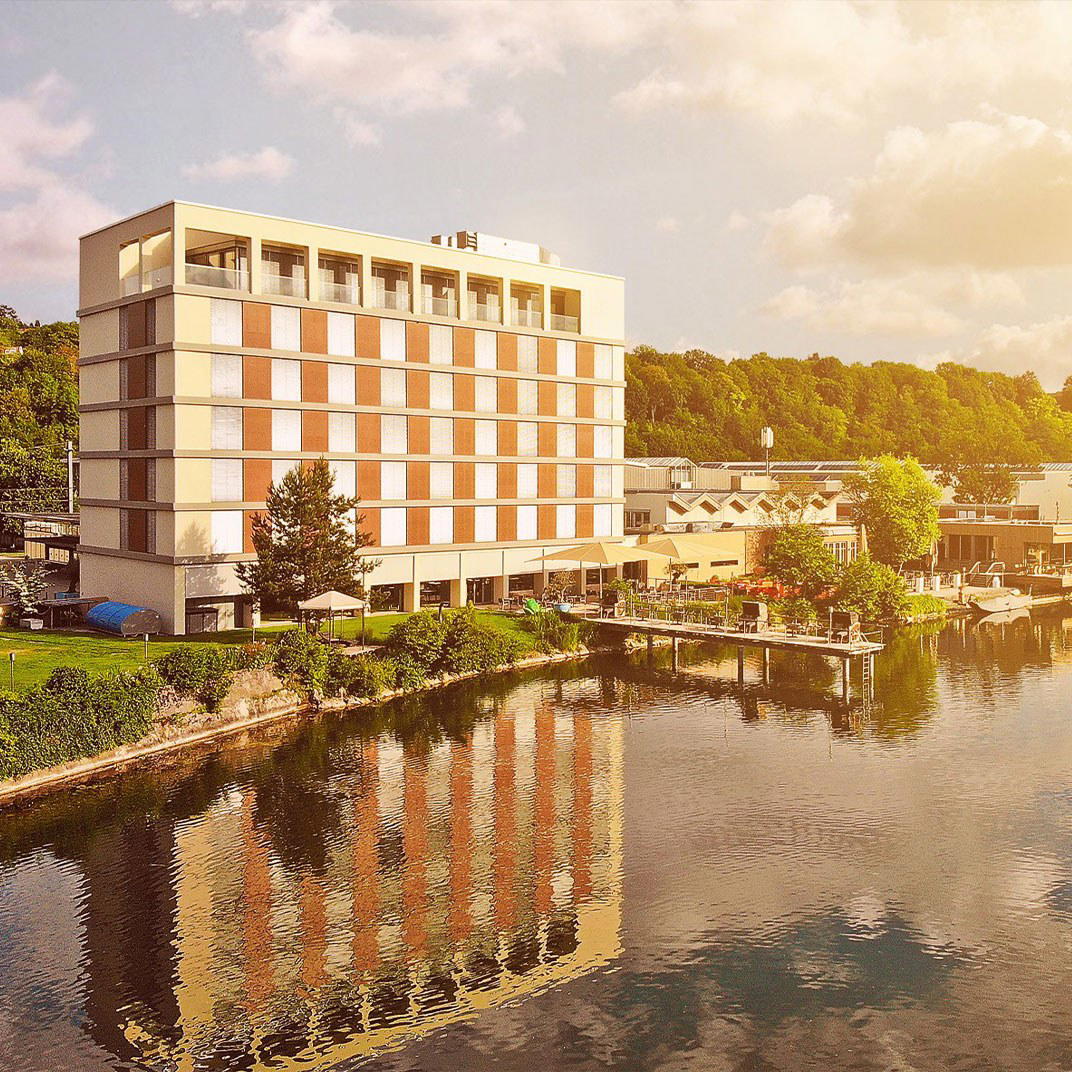
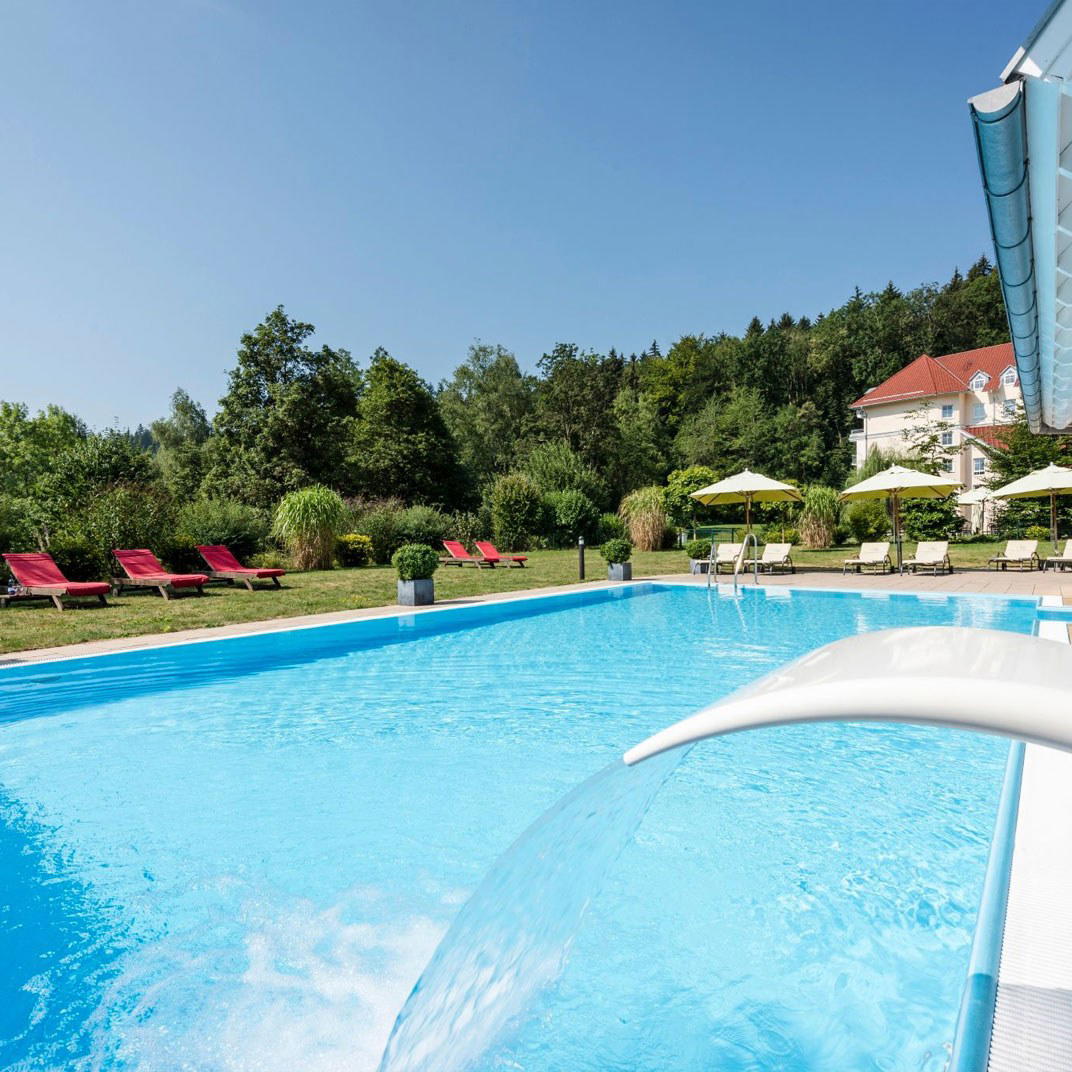
Schwendi is a small municipality in the Biberach district, and the Oberschwäbischen Hof building reads as the kind of regional inn that has shaped southern German hospitality for well over a century. Approaching a house like this, the architecture announces a particular register: stone or rendered facade, pitched roof, the suggestion of a courtyard or garden, and an interior that tends toward warm wood, ceramic tile, and the accumulated material decisions of successive generations. The Lazarus Stube occupies one part of this larger property, the dining room distinct from the more casual areas that a traditional German inn typically runs alongside its kitchen. That separation matters. It allows the kitchen to operate at a price point and discipline level that would sit uncomfortably inside a general Gasthof atmosphere. At €€€, the Lazarus Stube is priced in premium territory for a town of this size, and the Michelin recognition confirms the kitchen is working at a level that justifies that positioning.
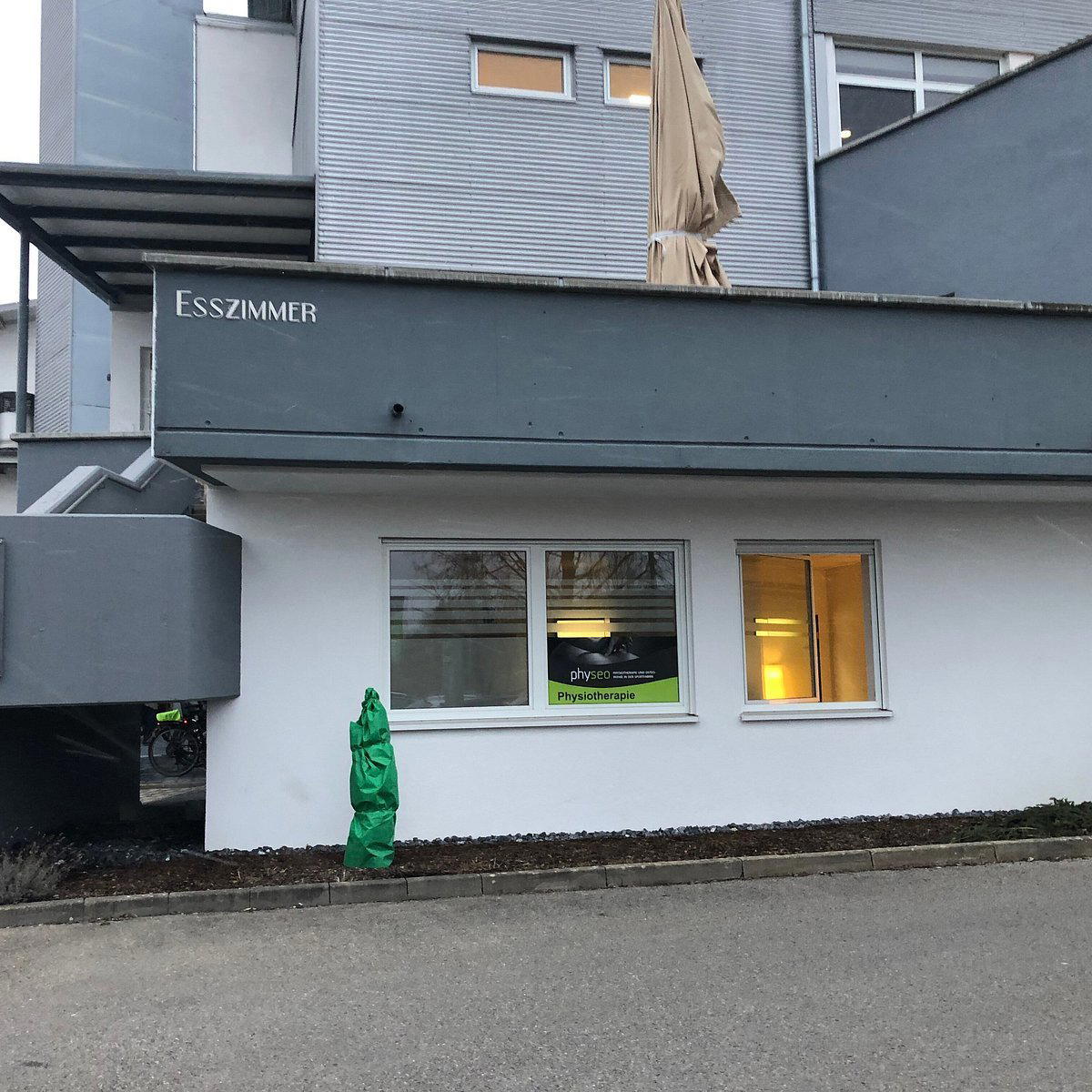
The property also houses Esszimmer im Oberschwäbischen Hof, a modern cuisine address under the same roof, which creates a two-register structure, the Stube for regional rootedness, the Esszimmer for contemporary ambition. That kind of internal differentiation is increasingly common in regional German properties that want to serve both the local lunch trade and destination diners without forcing either group into the wrong room.
Michelin's Plate Category and What It Signals in Practice
Germany's Michelin-recognised restaurant map is weighted heavily toward the country's urban centres and established spa or wine regions. Three-star addresses like Aqua in Wolfsburg and two-star houses like Vendôme in Bergisch Gladbach attract diners who plan trips specifically around the meal. Further down the recognition ladder, the Michelin Plate sits in a different competitive category: it identifies kitchens where cooking is good enough for the guide to acknowledge, without the ceremony or booking pressure that surrounds a starred address. For a town like Schwendi, that distinction is significant. Holding a Plate in consecutive years, 2024 and 2025, indicates the kitchen is not delivering occasional flashes of quality but maintaining a coherent standard across service cycles and seasons.
Among Germany's farm-to-table addresses, the Plate category contains a range of approaches. BOK Restaurant Brust oder Keule in Münster and Clostermanns Le Gourmet in Niederkassel represent comparable commitments to regional sourcing at a serious level. What distinguishes the Lazarus Stube's position is its setting: a small Swabian town with no obvious tourism infrastructure, which means the kitchen's customer base is drawn primarily from the surrounding region rather than from national or international destination traffic.7 across 295 reviews suggests strong local loyalty.
Upper Swabian Cuisine and the Cultural Frame It Provides
Understanding what a kitchen like this is working with requires some knowledge of what Upper Swabian cooking historically involves. This is Alemannic country, sharing culinary DNA with Allgäu to the east and with the northern reaches of Switzerland and Vorarlberg to the south. The tradition is dairy-forward, cheese, cream, and butter are structural rather than accent ingredients, and the grain culture produces the flour-based dishes, from Maultaschen to Spätzle, that define the regional table. Game from the surrounding forests, freshwater fish from the Federsee and the upper Danube tributaries, and the pork traditions of the Swabian small-farm economy complete the larder.
Farm-to-table cooking in this context is less a departure from conventional fine dining than a return to a regional cuisine that was never fully absorbed into the classical French framework that dominated German restaurant ambition from the 1970s onward. Houses like Schwarzwaldstube in Baiersbronn built three-star reputations on classical French technique applied to Black Forest ingredients. The current generation of Upper Swabian kitchens is doing something structurally different: foregrounding the ingredient relationships and seasonal rhythms of the region itself, rather than using those ingredients as raw material for an internationally legible cuisine language. That is the cultural significance of what a Michelin Plate in this location and this style represents.
Planning a Visit: What to Know Before You Go
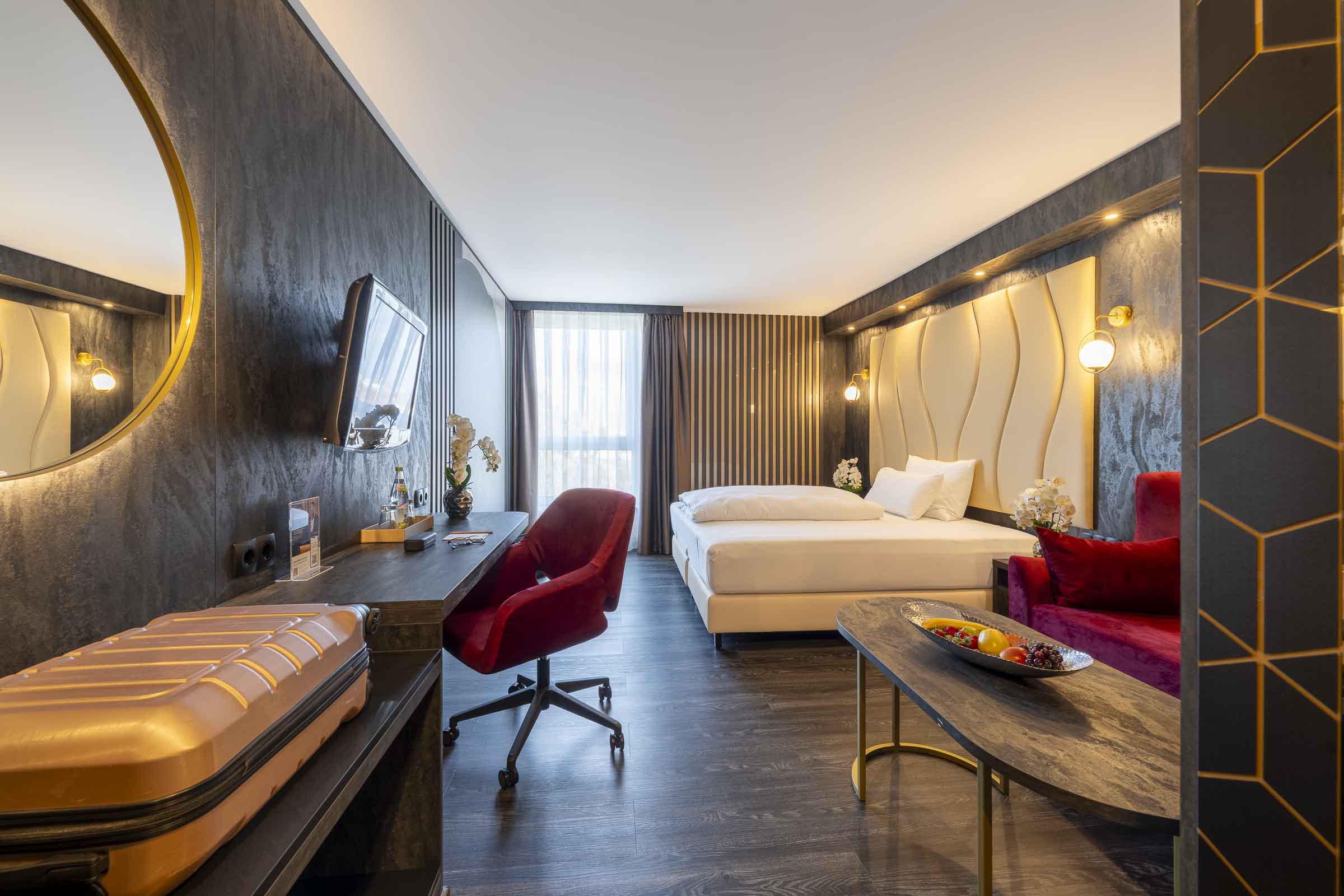
Schwendi sits in the Biberach district of Baden-Württemberg, roughly equidistant between Biberach an der Riß and Laupheim, and accessible by road from Ulm to the north and from the Lake Constance corridor to the south. The town itself offers limited accommodation options, which means most visitors arriving from outside the region will base themselves in Biberach or Ulm and drive out, or consider whether the Oberschwäbischen Hof itself offers rooms, a common arrangement for traditional German inns of this type, though this should be confirmed directly with the property.
The €€€ price positioning places the Lazarus Stube in a tier that expects some planning: this is not a casual drop-in address, and the Michelin recognition means there is likely a core local audience that books ahead. For broader context on where Germany's serious regional kitchens are operating, the EP Club coverage of JAN in Munich, ES:SENZ in Grassau, Restaurant Haerlin in Hamburg, Schanz in Piesport, Waldhotel Sonnora in Dreis, Victor's Fine Dining by Christian Bau in Perl, and CODA Dessert Dining in Berlin maps the range of ambitions currently in play across the country.
What Regulars Order
What the farm-to-table designation and Upper Swabian location suggest is a kitchen that moves with the agricultural calendar: warm months bring market-garden vegetables and freshwater fish to the fore, while the colder half of the year shifts emphasis toward game, preserved preparations, and the dairy-led dishes that are structural to this region's table. Regulars at a house like this tend to return for the seasonal rhythm rather than a fixed signature, which is the point of a kitchen committed to this model.
Price Lens
Comparable venues nearby, for context on price, style, and recognition.
| Venue | Cuisine | Price | Awards | Notes |
|---|---|---|---|---|
| Lazarus Stube im Oberschwäbischen HofThis venue — the venue you are viewing | Schwendi, Swabian Regional Cuisine | $$$ | Michelin Plate | Not listed |
| Esszimmer im Oberschwäbischen Hof | Not listed | $$$$ | Michelin 1 Star | Schwendi, Modern Fine Dining with South German Influences |
| Zum Ochsen | Not listed | $$$ | Michelin Plate | Kernen im Remstal, Swabian Regional with Mediterranean Influences |
| Anglerstuben | Not listed | $$$ | Michelin Plate | Reichenaustraße, Regional German Fish Cuisine |
| freistil. | Schweineberg, Modern German Seasonal | $$$ | Michelin Plate | Not listed |
| Stubersheimer Hof | Stubersheim, Traditional Swabian German | $$ | Michelin Plate | Not listed |
Recognition history
Dated appearances from independent guides and award organizations, with the underlying list record or original source where available.
Michelin Plate
Michelin · 2026 Michelin Plate
Michelin Plate
Michelin
Michelin Plate
Michelin

At a Glance
- Cozy
- Rustic
- Classic
- Special Occasion
- Date Night
- Hotel Restaurant
- Historic Building
- Extensive Wine List
- Farm To Table
- Local Sourcing
Charming and cozy atmosphere with friendly attentive service in a historic hotel setting.