
1 Michelin Star
Our verdict
Two consecutive Michelin stars (2024 and 2025) at a restaurant in Schwendi, a small market town in Upper Swabia, says something pointed about how far Germany's fine-dining reach now extends beyond its urban centres. Chef Julius Reisch delivers modern cuisine from an address most GPS systems take a moment to locate, placing Esszimmer im Oberschwäbischen Hof firmly in Germany's wider conversation about regional fine dining.

Pearl is the En Primeur Club membership app — saves, bookings, and concierge access live there. Same editors, same standards.
- Address
- Hauptstraße 9, 88477 Schwendi, Germany
- Phone
- +49 7353 98490
- Hours
- Mon–Tue ClosedWed–Fri 6:30–9 PMSat 12–2 PM, 6:30–9 PMSun Closed
- Website
- oberschwaebischer-hof.de
- Directions
- Get directions
- Booking
- Book on OpenTable
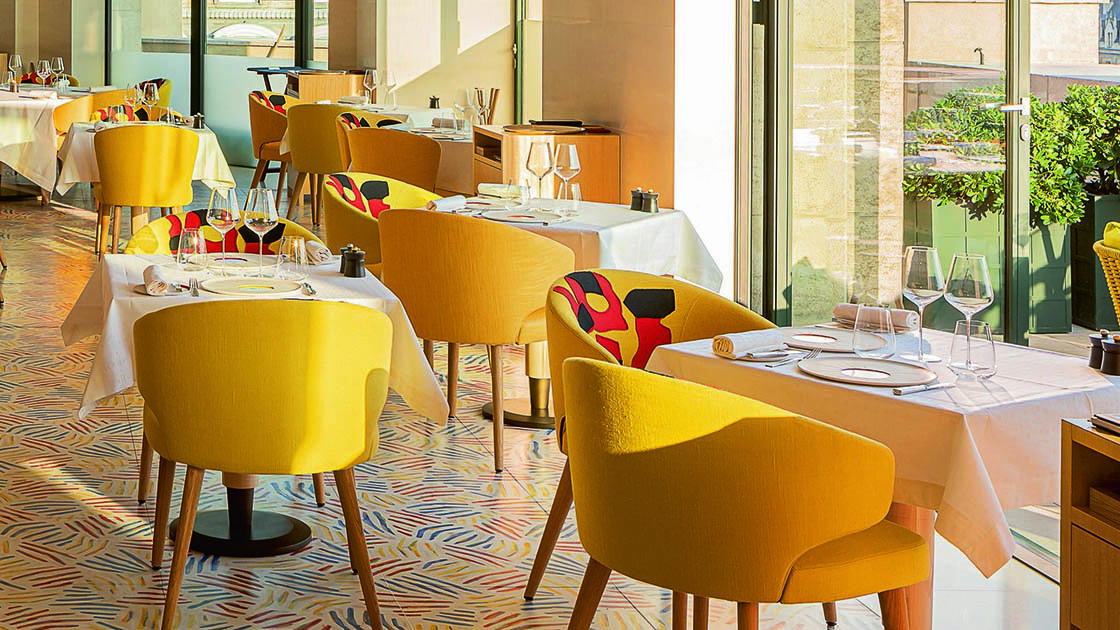
Fine Dining at the Edge of the Map
Upper Swabia is not a region that announces itself loudly. The landscape between Ulm and Lake Constance is agricultural and unhurried, a stretch of southern Germany where small market towns like Schwendi carry on without much external attention. That makes the presence of a Michelin-starred kitchen on Hauptstraße 9 worth examining seriously. Germany's fine-dining circuit has historically clustered around Munich, Hamburg, and the Black Forest corridor, with destinations like Schwarzwaldstube in Baiersbronn and Aqua in Wolfsburg drawing the long-haul pilgrimages. The Esszimmer im Oberschwäbischen Hof operates at a different scale and in a different register, but it belongs to the same broader pattern: Michelin's continued interest in kitchens that earn stars on culinary merit regardless of postcode.
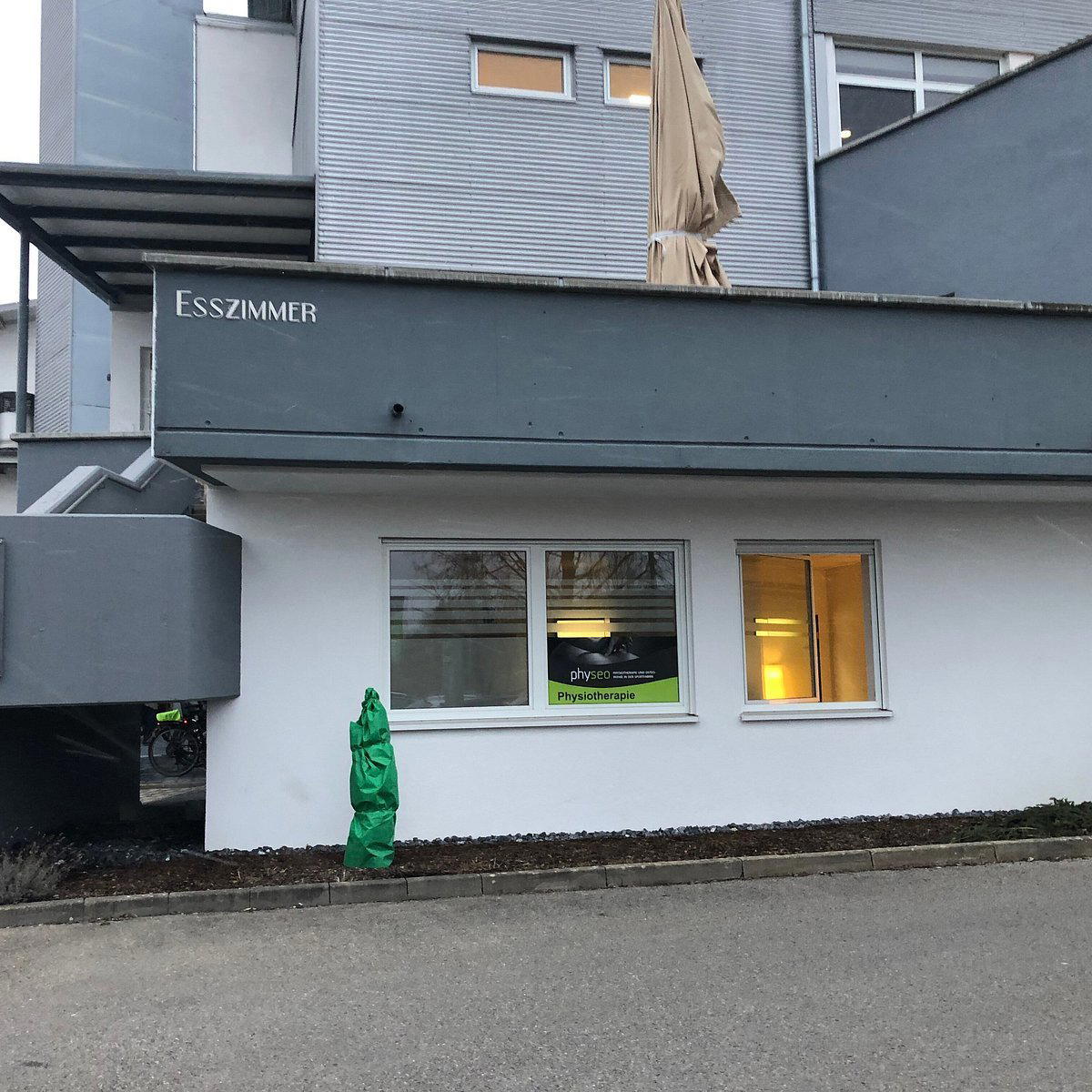
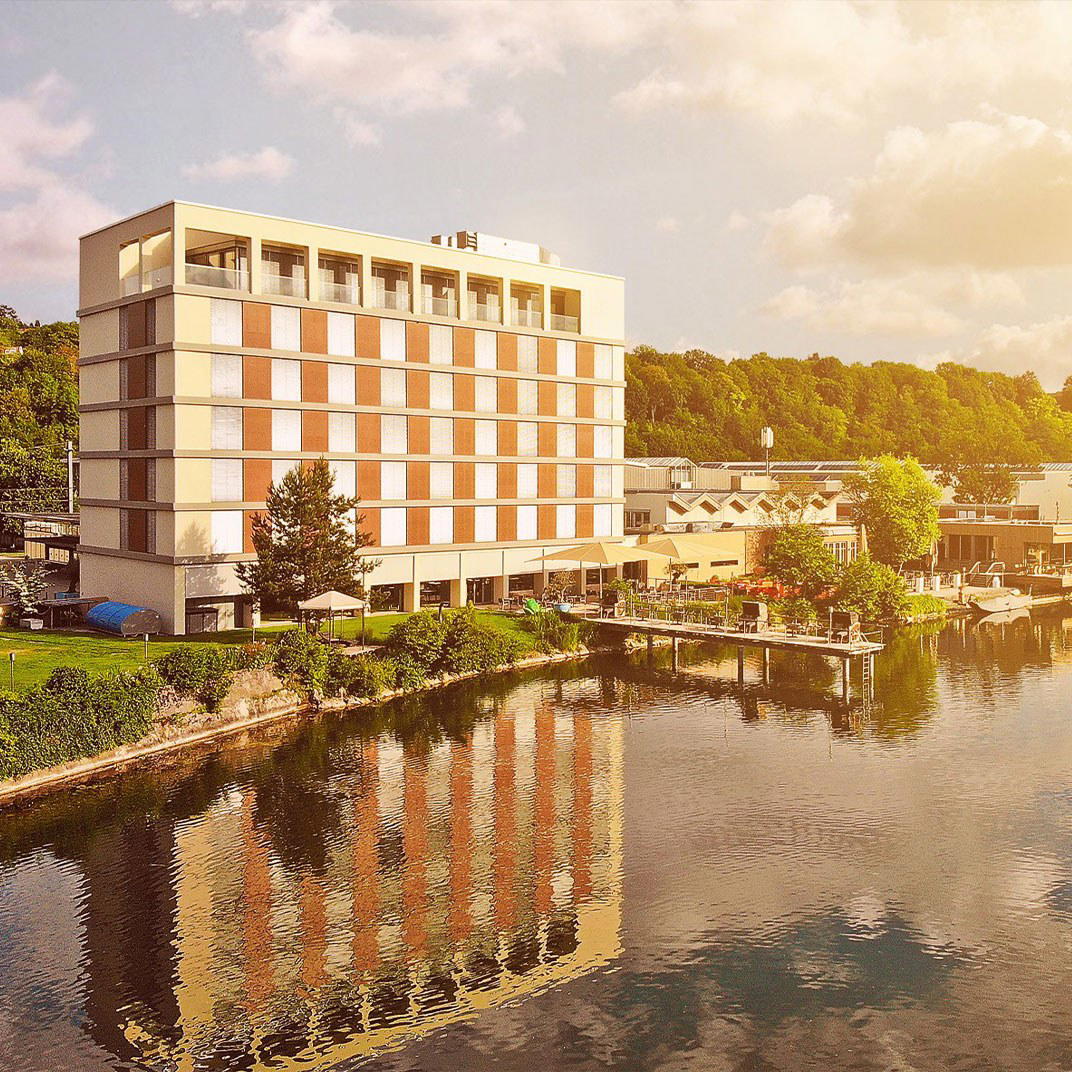
The address itself frames the experience before you sit down. The Oberschwäbischen Hof is a traditional inn, the kind of multi-purpose establishment common to rural southern Germany, where a farm-to-table restaurant and a fine-dining room share a building and a sense of place. The ground-floor Lazarus Stube im Oberschwäbischen Hof operates in that farm-to-table register, while the Esszimmer sits above it in the price and ambition tier. Arriving in Schwendi, a town of a few thousand residents with no obvious fine-dining infrastructure around it, sharpens the attention in a way that a city restaurant rarely manages.
Chef Julius Reisch and the Regional Fine-Dining Argument
The editorial angle that Germany's fine-dining scene increasingly rewards regional ambition over metropolitan address finds a clear case study here. Chef Julius Reisch holds the kitchen at Esszimmer, and what the Michelin designation signals is that the cooking sustains a level of consistency and precision that the guide's inspectors find credible over multiple visits. Two consecutive stars, in 2024 and 2025, confirm that the first award was not provisional.
Chef-led, destination-format model in rural Germany has precedent. Waldhotel Sonnora in Dreis and Schanz in Piesport both operate from small towns with long drives between them and the nearest city, yet both draw a committed audience. What those addresses share with Esszimmer is the logic that the restaurant itself becomes the destination, not a component of a city itinerary. Guests who make the journey to Schwendi are, by definition, coming specifically for the meal.
Reisch works within the modern cuisine category, a classification broad enough to accommodate many approaches but which, in the German context, typically implies a European classical base reworked through contemporary technique and strong regional sourcing. Upper Swabia's agricultural density gives a kitchen at this address a genuine supply argument: the region produces quality dairy, grain, and seasonal produce at a density that urban kitchens have to work harder to access.
Positioning in the German Fine-Dining Tier
At the €€€ price point, Esszimmer sits one tier below the dense cluster of German two- and three-star addresses that operate at €€€€. The one-star, €€€ position is in many ways the most interesting tier in German fine dining right now: ambition and technique at a spend level that makes the experience accessible to a wider range of guests without the full-commitment cost of a top-tier tasting menu.
For comparison, Restaurant Haerlin in Hamburg and Victor's Fine Dining by Christian Bau in Perl both operate at a higher price tier and with more established national profiles. In rural fine-dining terms, that ratio is a meaningful signal: guests who make the effort to reach Schwendi are returning satisfied.
The comparison to non-German starred restaurants with similar modern cuisine positioning is also instructive. ES:SENZ in Grassau occupies a comparable small-town Bavarian context, and both addresses contribute to an argument that serious cooking in southern Germany is no longer confined to Munich or the Black Forest. Further afield, the modern cuisine model at Frantzén in Stockholm and its Dubai offshoot FZN by Björn Frantzén show how the category scales internationally, though the Schwendi context is fundamentally different in scale and register.
What to Expect When You Arrive
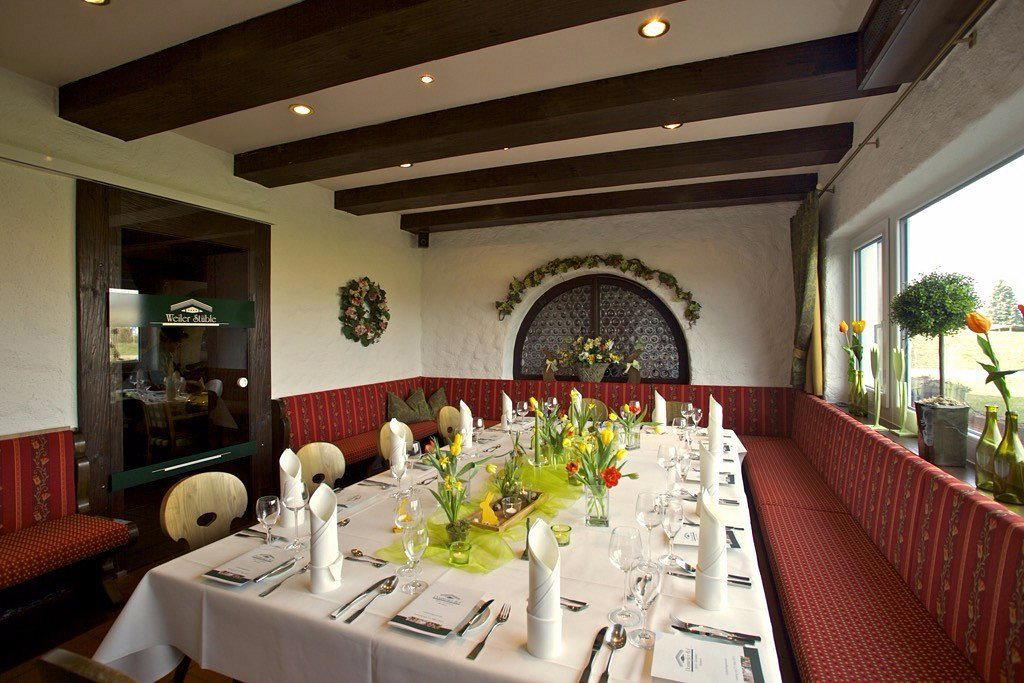
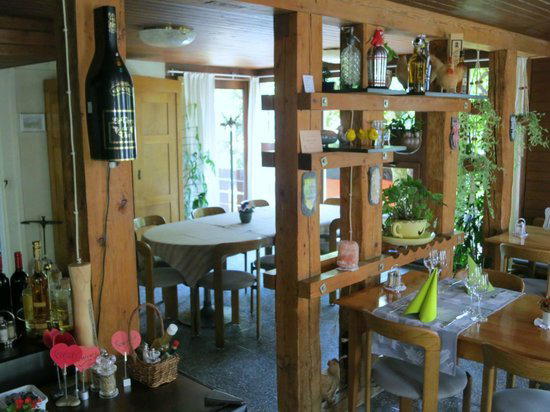
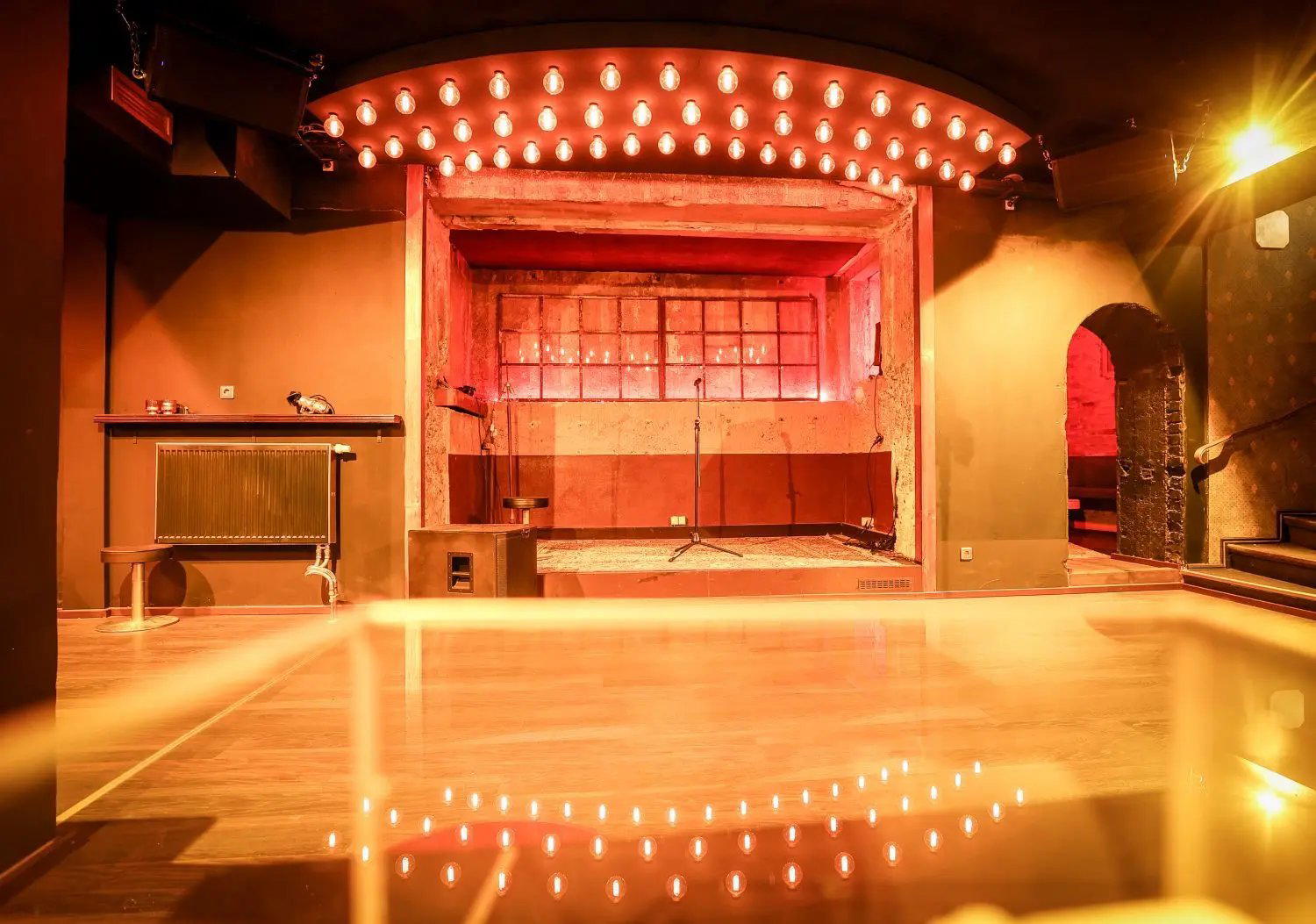
The Oberschwäbischen Hof setting establishes the frame before any food arrives. A traditional inn context in a rural Swabian town carries specific expectations about warmth, directness, and the absence of urban performance. The Esszimmer occupies that building while operating at a star-level standard, which creates an interesting tension between the setting's informality and the cooking's precision. That tension, when managed well, is exactly what makes rural fine dining feel different from its city equivalents.
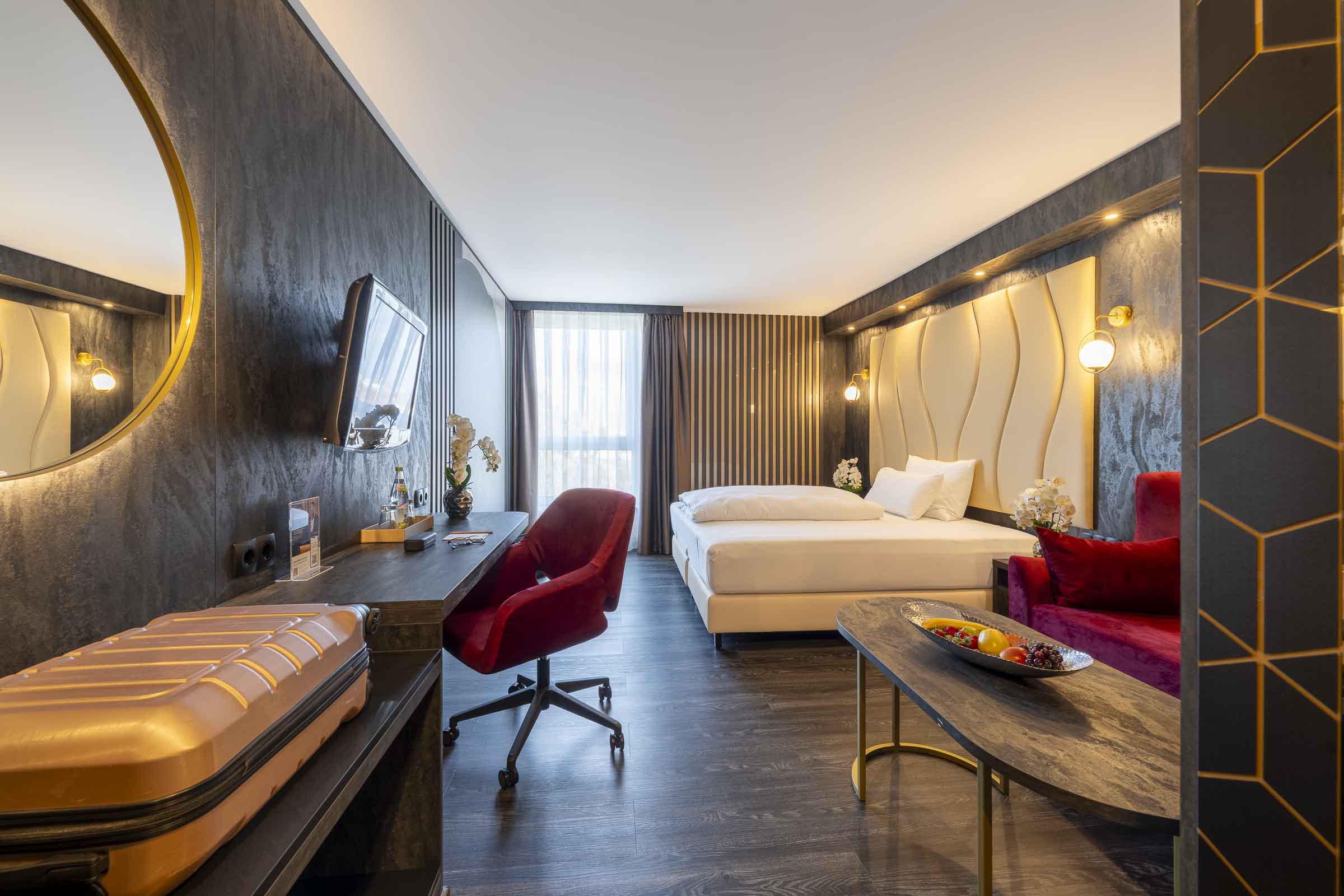
Practical access requires planning. Schwendi is reachable by road from Ulm (roughly 30 kilometres to the northwest) or from Biberach an der Riß (closer still), but public transport options are limited. The trip works most naturally as part of a broader Upper Swabia route or as a standalone destination meal with overnight accommodation in the region. For guests using Schwendi area accommodation, the proximity to the restaurant removes the return-drive calculation from the evening entirely.
Contacting the restaurant directly is advisable for current table availability and menu format. Hours, tasting menu structure, and any à la carte options should be confirmed ahead of the visit.
The Broader Schwendi Picture
A meal at Esszimmer sits more naturally within an Upper Swabia itinerary than it does as a standalone city trip. The region has its own hospitality infrastructure, and for guests building a longer stay, the full Schwendi restaurants guide, alongside guides to bars, wineries, and experiences in the area, provides the wider context for spending time here rather than simply passing through for dinner.
The Lazarus Stube, operating in the same building under a farm-to-table format, offers a lower-commitment entry point to the Oberschwäbischen Hof as an address. For guests uncertain about the full Esszimmer commitment, an evening in the Stube followed by a longer return visit to the Esszimmer is a reasonable sequencing of the two rooms.
The Case for Going
A two-year run of Michelin recognition in a town that most of Germany's dining public would not recognise by name is the clearest possible argument for making the drive. Rural one-star addresses in Germany occupy a specific position in the national fine-dining map: they require more effort to reach, offer less surrounding infrastructure, and deliver a meal in a context that is genuinely different from the experience of a city dining room. That difference is the point. Esszimmer im Oberschwäbischen Hof is not trying to replicate what Munich or Hamburg offers. It is making a different argument about where serious cooking can happen and who it is for.
Frequently asked questions
What is the vibe at Esszimmer im Oberschwäbischen Hof?
The setting is a traditional Swabian inn in a small market town, which places the atmosphere closer to grounded rural hospitality than urban fine-dining formality. The cooking operates at Michelin one-star level (confirmed in both 2024 and 2025) within a €€€ price bracket, which in the German context suggests a room that takes the food seriously without requiring the full ceremony of a three-star address. Guests arriving from larger cities often note the contrast between the modest exterior and the precision on the plate as one of the defining features of rural starred dining in southern Germany.
What should I eat at Esszimmer im Oberschwäbischen Hof?
The Michelin recognition over two consecutive years indicates consistent technical execution and a coherent culinary point of view. When booking, confirming the current menu format (tasting menu, à la carte, or a combination) directly with the restaurant will give you the clearest picture of what the kitchen is doing at the time of your visit.
Would Esszimmer im Oberschwäbischen Hof be comfortable with kids?
At the €€€ price point with Michelin star recognition, Esszimmer sits in a tier that generally works better for adults focused on the meal. Families travelling to Schwendi with children may find the Lazarus Stube in the same building a more appropriate setting, with its farm-to-table format likely to offer a more relaxed environment. For the Esszimmer itself, contacting the restaurant directly before booking with younger guests is advisable.
Side-by-Side Snapshot
| Venue | Cuisine | Price | Awards |
|---|---|---|---|
| Esszimmer im Oberschwäbischen HofThis venue — the venue you are viewing | Modern Fine Dining with South German Influences | $150–200 | 1 Michelin Star |
| Schwarzwaldstube | French, Classic French | Not listed | Michelin 3 Star |
| Aqua | Contemporary German, Italian/Japanese, Creative | Not listed | Michelin 3 Star |
| CODA Dessert Dining | Creative | Not listed | Michelin 2 Star |
| Tantris | Modern French, French Contemporary | Not listed | Michelin 2 Star |
| Vendôme | Modern European, Creative | Not listed | Michelin 2 Star |
Recognition history
Dated appearances from independent guides and award organizations, with the underlying list record or original source where available.
Michelin 1 Star
Michelin
Full recognition history (3 entries)
Michelin 1 Star
Michelin
Michelin 1 Star
Michelin

Details
- Elegant
- Sophisticated
- Intimate
- Cozy
- Date Night
- Special Occasion
- Hotel Restaurant
- Extensive Wine List
- Tasting Menu
- Prix Fixe
- Vegetarian Friendly
Current opening hours
- Monday
- Closed
- Tuesday
- Closed
- Wednesday
- 6:30–9 PM
- Thursday
- 6:30–9 PM
- Friday
- 6:30–9 PM
- Saturday
- 12–2 PM, 6:30–9 PM
- Sunday
- Closed
Hours can change for holidays and private events. Last verified .
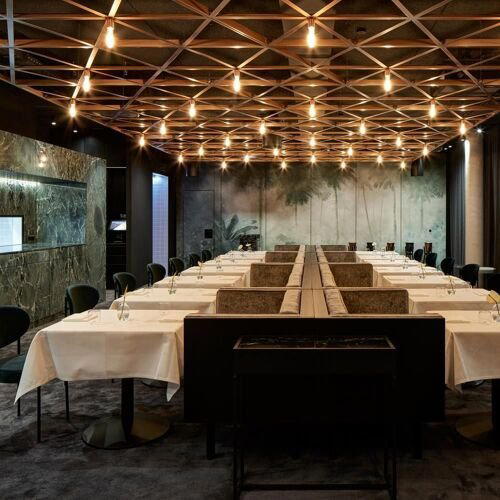
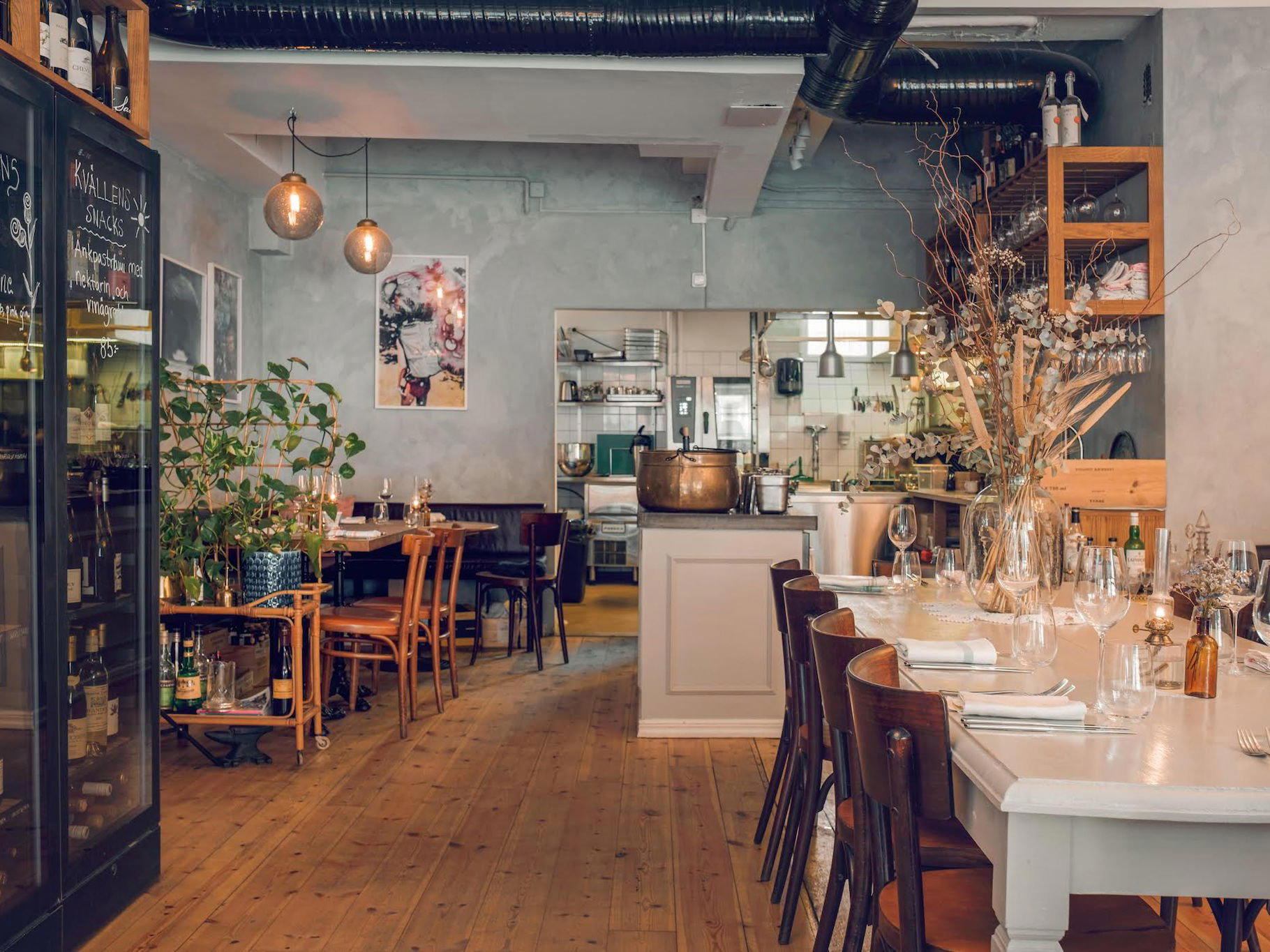
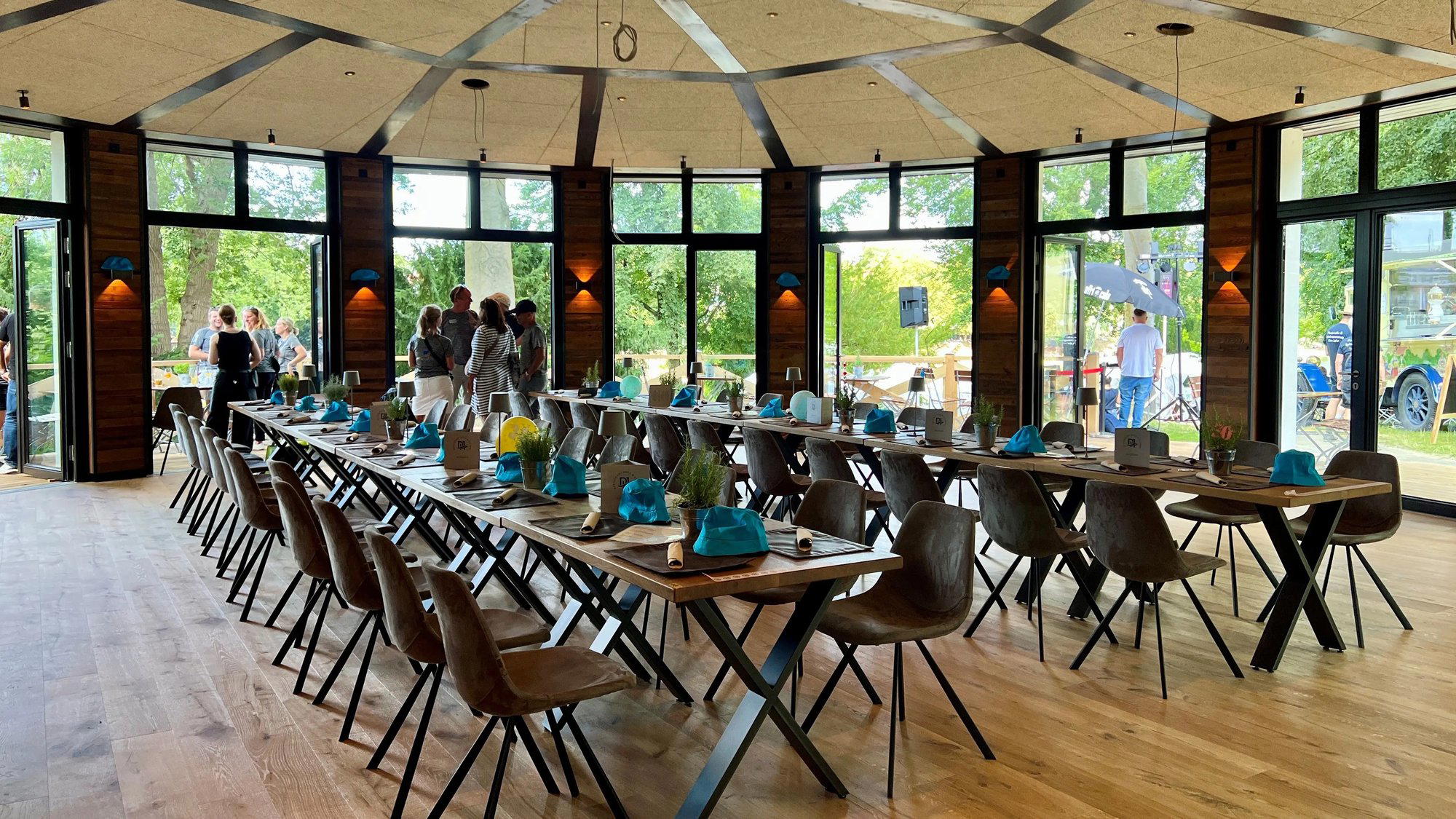
Gediegene, unprätentiöse Ausstattung with charming, relaxed service and a small inner courtyard offering atmospheric outdoor dining under trees.