On West 4th Avenue in Vancouver's Kitsilano neighbourhood, Lavidas occupies a stretch where the city's appetite for ingredient-led, consciously sourced dining has taken firm root. The address places it within walking distance of independent producers and farmers' market culture that has shaped the area's food identity for decades. For those tracing how ethical sourcing translates into a restaurant setting, this is a useful reference point.
Pearl is the En Primeur Club membership app — saves, bookings, and concierge access live there. Same editors, same standards.
- Address
- 1961 W 4th Ave, Vancouver, BC V6J 1M7, Canada
- Phone
- +16047320004
- Website
- lavidasrestaurant.ca
- Directions
- Get directions
 Saves & bookings on Pearl
West 4th and the Ethics of the Plate
Kitsilano's West 4th Avenue corridor has, over the past two decades, become one of Vancouver's more concentrated expressions of what happens when a neighbourhood's values align with its appetite. The area draws independent food businesses that treat sourcing as a structural decision rather than a marketing footnote. Lavidas is a contemporary French bistro at 1961 W 4th Ave in Vancouver, priced at about US$38 per person.
Vancouver's dining culture has long positioned sustainability as a differentiator, but the city's most serious restaurants have moved past the signalling stage. The conversation has shifted from whether a kitchen sources ethically to how visibly and rigorously it does so, and how that commitment shapes what actually arrives on the plate. Kitsilano restaurants that have held sustained neighbourhood attention tend to be those where the environmental framework is structural, not decorative.
The Sustainability Argument in Vancouver's Restaurant Scene
British Columbia's geography gives its restaurants an unusual degree of access to responsibly produced ingredients. The Pacific coast supplies seafood under some of the more closely monitored fishery regimes in North America. The Fraser Valley and the Okanagan provide produce and proteins that allow kitchens to draw sourcing lines that are both short and credible. For restaurants operating with environmental consciousness as an organising principle, the infrastructure exists in a way it simply does not in landlocked cities of comparable size.
What separates the kitchens that execute this well from those that coast on the region's natural advantages is discipline in the face of menu pressure. Seasonal gaps are real in the Pacific Northwest, and the restaurants that handle them most honestly are the ones that treat substitution and preservation, fermentation, pickling, and creative use of secondary cuts and overlooked species, as core technique rather than fallback. This is where the sustainability story becomes a culinary one, and where kitchens on the West 4th corridor tend to attract the readers who are eating with intent.
Across the Canadian fine dining scene, this alignment of ethics and craft has appeared in different registers. Tanière³ in Quebec City has built its reputation around hyperlocal and foraged ingredients framed within a technically ambitious tasting format. Eigensinn Farm in Singhampton takes one literal approach, operating as both farm and table. Narval in Rimouski applies the same logic to a coastal context not unlike Vancouver's own. These are restaurants where the sourcing framework is inseparable from the cooking itself, and where guests arrive prepared to eat on the kitchen's terms.
Kitsilano as Dining Context
The neighbourhood Lavidas occupies is not a restaurant district in the way that Gastown or Yaletown are. West 4th draws a local dining population with specific expectations: ingredient transparency, formats that reward attention, and a scepticism toward spectacle for its own sake. This is not the strip where a restaurant wins on room design or celebrity associations. It wins, or does not, on what it puts in front of people and on whether the sourcing story holds up when examined.
For visitors approaching Vancouver's restaurant map from outside the city, Kitsilano sits roughly between downtown and the University of British Columbia campus, accessible without a car and worth building into a day that includes the Kitsilano Farmers Market when it is operating seasonally. The neighbourhood's food culture is dense in a compressed stretch, which means the dining decision at Lavidas sits within a broader walk rather than a dedicated destination trip.
Vancouver's premium dining tier is anchored by a cluster of restaurants with significant critical recognition. Kissa Tanto has held Canada's 50 Best Restaurants placement and operates a Japanese-Italian fusion format in Chinatown that represents a different kind of ingredient discipline. AnnaLena and Barbara both sit in the contemporary $$$$ bracket and have sustained editorial attention for their respective approaches to the city's produce-driven cooking. Masayoshi operates in the Japanese premium tier. These are the restaurants against which serious Kitsilano addresses measure their ambition.
Further afield but relevant for readers building a Canadian dining itinerary, Alo in Toronto and Jérôme Ferrer's Europea in Montreal represent the country's other poles of fine dining ambition. Restaurant Pearl Morissette in Lincoln and The Pine in Creemore show what happens when the farm-to-table commitment moves outside urban centres entirely. For those whose interest in ethical sourcing extends to international benchmarks, Le Bernardin in New York City has long set the standard for responsible seafood sourcing at the highest tier of fine dining, while Atomix, also in New York, demonstrates how Korean fine dining handles the intersection of heritage ingredients and contemporary technique.
Planning a Visit
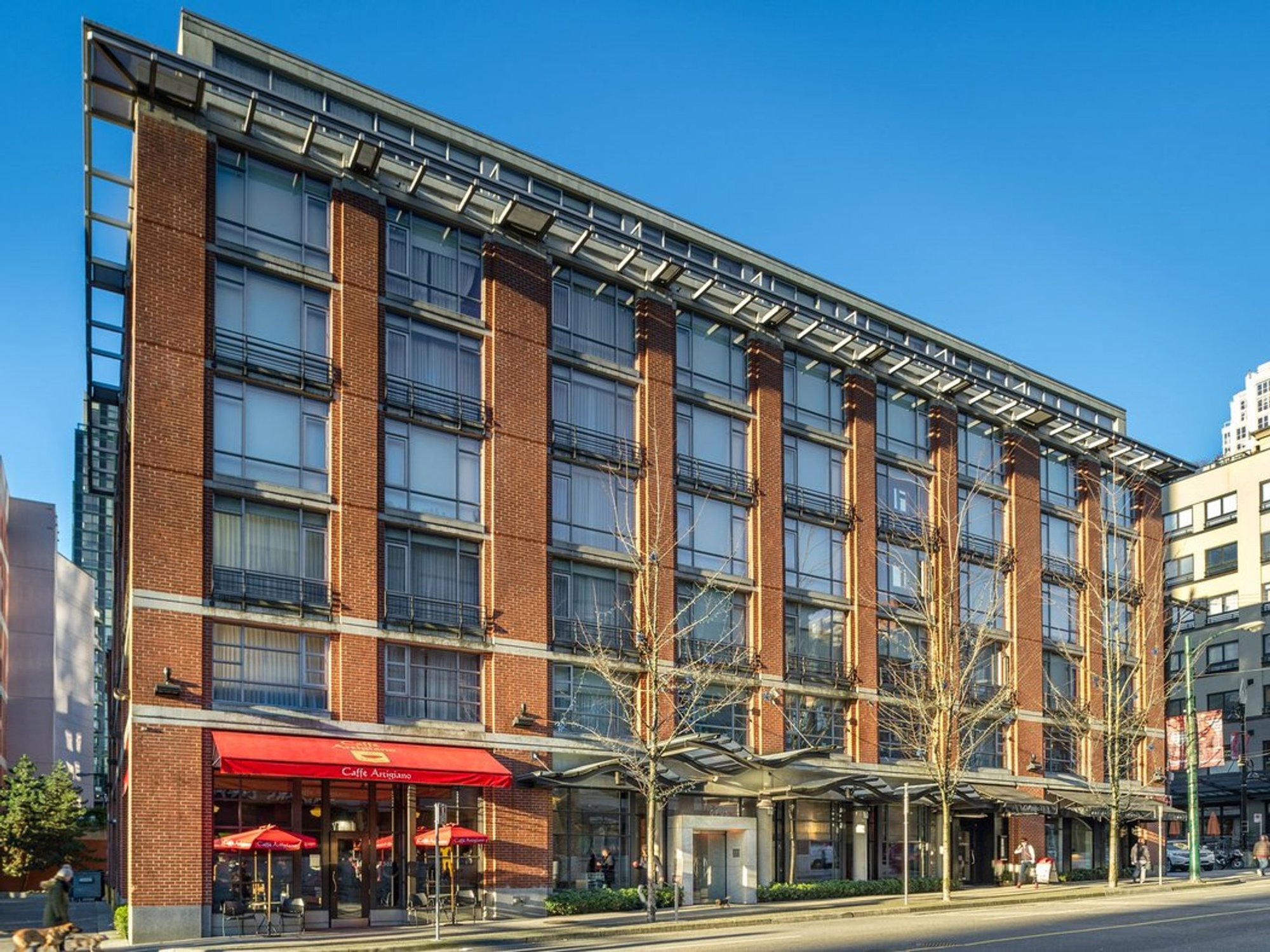
Lavidas sits at 1961 W 4th Avenue, within the residential and independent-retail section of Kitsilano rather than at the denser commercial end of the street. The address is accessible by transit from downtown Vancouver via the 84 or 44 bus routes along West 4th, and street parking is generally available in the surrounding blocks during off-peak hours. Reservations are recommended, and the restaurant is closed Monday and Tuesday, with dinner service Wednesday through Sunday from 5 to 8:30 PM.
What It’s Closest To
Comparable venues nearby, for context on price, style, and recognition.
| Venue | Cuisine | Price | Notes |
|---|---|---|---|
| LavidasThis venue — the venue you are viewing | Contemporary French Bistro | $$ | Not listed |
| Café Salade de Fruits | Authentic French Bistro | $$ | Fairview |
| Legendary Noodle House | Lanzhou Hand-Pulled Noodles | $$ | West End |
| Oshi Nori | Modern Japanese Hand Roll Bar | $$ | Yaletown |
| Miso Taco | Japanese-Mexican Fusion Street Food | $$ | Riley Park |
| Jay Nok | Modern Thai Street Food | $$ | Olympic Village |
Continue exploring
More in Vancouver
Restaurants in Vancouver
Browse all →
Bars in Vancouver
Browse all →

At a Glance
- Cozy
- Date Night
- Casual Hangout
- Standalone
- Extensive Wine List
Current opening hours
- Monday
- Closed
- Tuesday
- Closed
- Wednesday
- 5–8:30 PM
- Thursday
- 5–8:30 PM
- Friday
- 5–8:30 PM
- Saturday
- 5–8:30 PM
- Sunday
- 5–8:30 PM
Hours can change for holidays and private events. Last verified .
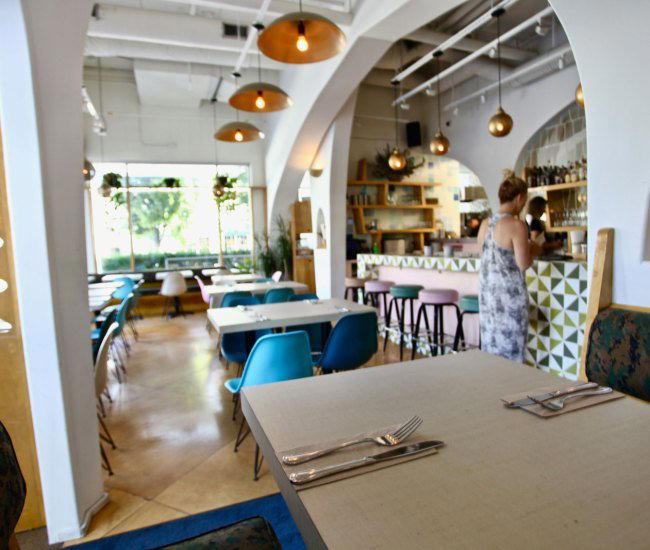
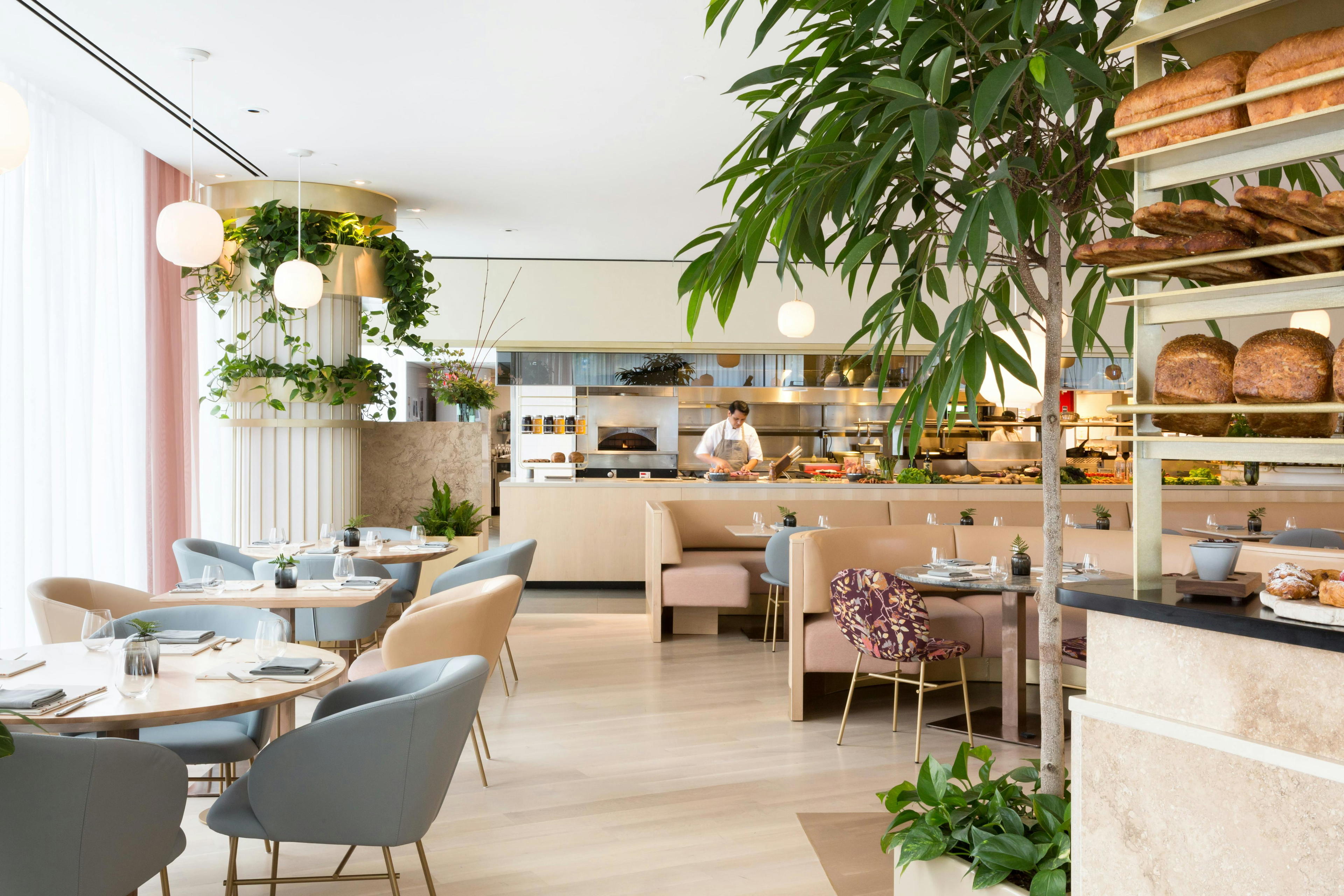
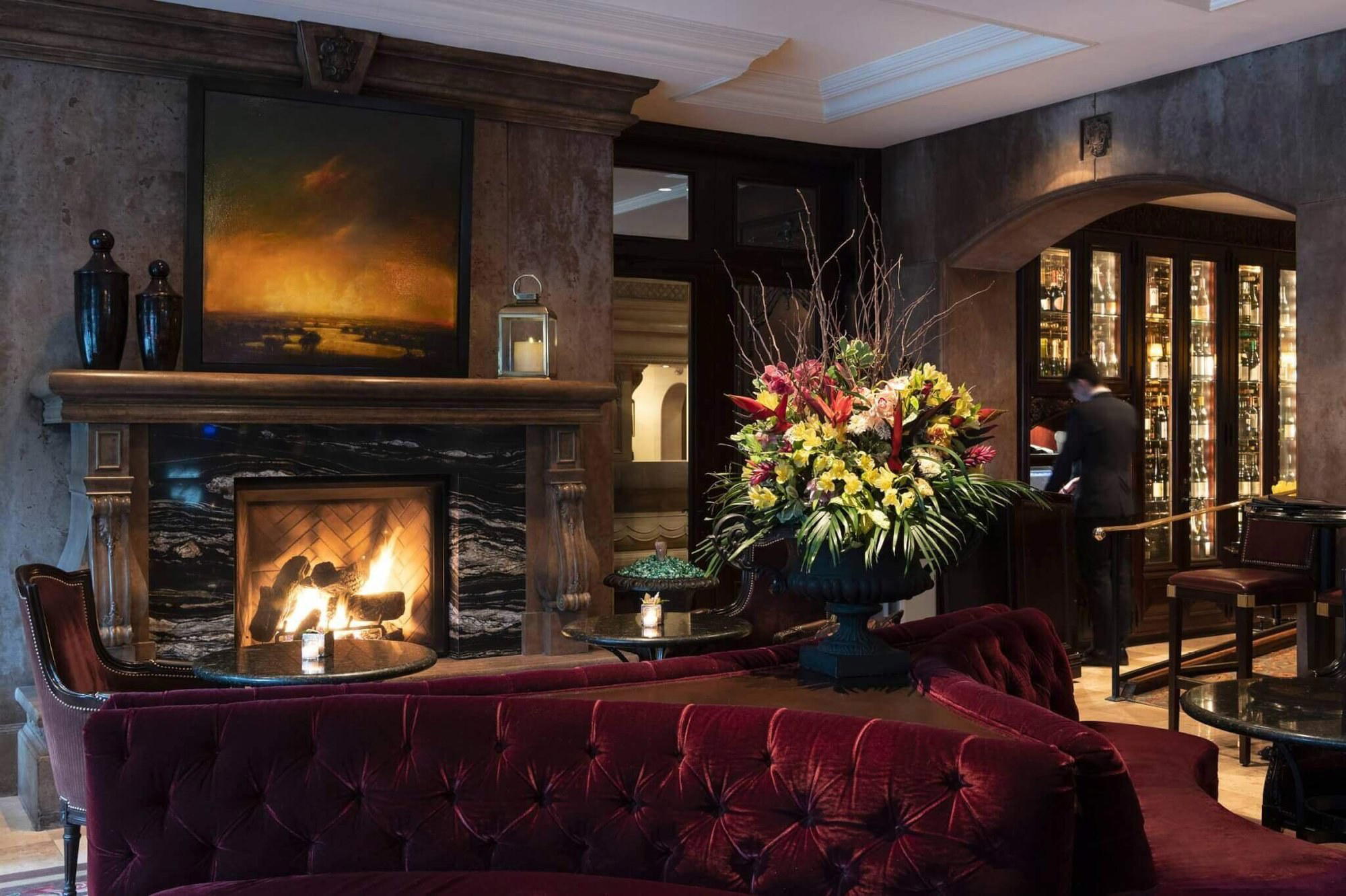
Cozy and warm dining atmosphere with a charming, homey feel.