L'Auberge du Château

Michelin Plate
Our verdict
Opposite the village hall in a tranquil Aveyron hamlet, L'Auberge du Château distills the romance of the French countryside into a refined, garden-led dining experience. Here, vegetables and herbs take center stage, framed with contemporary technique, crystalline flavors, and a chromatic palette that delights the eye as much as the palate. Sunlit by day and candlelit by night, the flower-bedecked terrace invites lingering lunches and intimate dinners, while the kitchen crafts dishes of luminous clarity—precise, fragrant, and quietly luxurious. For travelers in search of elegance without ostentation, this address offers an exquisite equilibrium: terroir expressed with grace, seasonality elevated with creativity, and service that understands discretion as an art.

Pearl is the En Primeur Club membership app — saves, bookings, and concierge access live there. Same editors, same standards.
- Address
- Le bourg L'ort du pont, 12330 Muret-le-Château, France
- Phone
- +33 5 65 47 71 57
- Website
- aubergeduchateau.com
- Directions
- Get directions
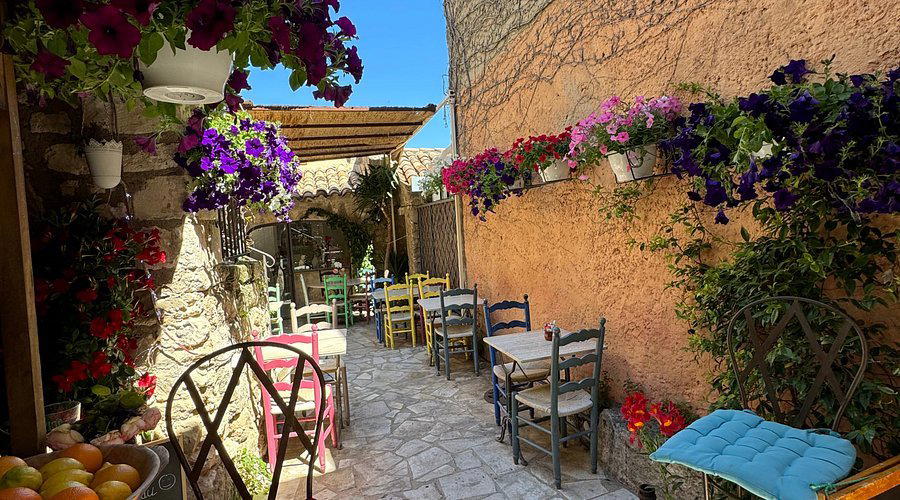
Stone, River, and the Aveyron Tradition of Cooking What Grows Nearby
Arriving in Muret-le-Château, a village of medieval stone in the Aveyron department of southern France, the setting does most of the talking before any food is placed on the table. The Dourdou de Conques river threads below the village, the causses plateau stretches outward, and the built environment reads as a register of centuries rather than decades. L'Auberge du Château occupies a position within this fabric, at Le bourg L'ort du pont, placing it in the kind of context that shapes what a kitchen can and should do. In the Aveyron, that context is specific: this is one of France's most particular food territories, defined by lamb raised on the limestone plateau, lentils from Le Puy just to the north, and a culture of using what the land produces rather than importing an identity from elsewhere.
The broader tradition of the French auberge in rural areas like this is worth understanding before reading any individual address. The format has historically meant a kitchen embedded in its locality, feeding travellers and locals alike from the same regional larder. That is the benchmark against which a place like L'Auberge du Château is usefully measured, and the benchmark that distinguishes it from the more internationally mobile register of, say, Alléno Paris au Pavillon Ledoyen in Paris or Mirazur in Menton, where the sourcing conversation operates at a different scale and with a different audience.
Michelin Recognition in a Rural Context
The Michelin Plate awarded in 2024 is a signal worth parsing carefully. In the Guide's vocabulary, a Plate denotes good cooking without the star-level elevation of, for instance, Bras in Laguiole, which sits roughly 80 kilometres to the northeast and represents the upper tier of Aveyron fine dining, or Auberge du Vieux Puits in Fontjoncouse, which has carried three stars in a similarly rural southern French context. The Plate is not a consolation; it is a specific designation for kitchens where the cooking is clean, consistent, and worth a traveller's attention. In a department like Aveyron, which punches above its weight in Michelin terms relative to its population, that recognition carries genuine weight.
The price range of €€€ places it in the territory of considered dining without the rarefied bracket of the three-star circuit. For comparison, that price tier in rural France typically signals a multi-course menu rather than à la carte, with wine pairings available at an additional cost. It is a commitment, but a calibrated one.
What the Aveyron Larder Means for a Modern Cuisine Kitchen
Cuisine classification here is Modern Cuisine, which in France generally signals a kitchen working with classical technique but willing to reframe presentation and combinations. In a region as ingredient-rich as the Aveyron, that approach tends to mean the sourcing is the story. Aveyron lamb, carrying an AOC designation, is among the most closely identified regional products in France. Roquefort, produced in the caves of Combalou just south of here, is another. The seasonal availability of ceps, walnuts, and wild herbs from the surrounding causse adds a further layer of specificity to what any serious kitchen in this area can put on a plate.
This is what separates a kitchen in Muret-le-Château from its urban counterparts. A restaurant like AM par Alexandre Mazzia in Marseille draws its sourcing identity from the coast and the import networks of a major port city. A kitchen in the Aveyron draws it from a radius of producers many of whom have supplied the same tables for generations. That proximity creates accountability in both directions: the kitchen cannot easily substitute, and the producers cannot easily disappear. It is a tighter, less fungible relationship than urban sourcing typically allows.
Rural French kitchens at this level also tend to operate with a seasonal rigidity that urban restaurants are gradually moving back toward. The menu in late autumn is different from the menu in early spring, not as a marketing proposition but as a direct function of what is available. For a visitor from a city, that seasonality is part of what makes the journey worth making. For anyone planning a visit to L'Auberge du Château, consulting our full Muret-le-Château restaurants guide will help map this address against others in the area with a similar sourcing orientation.
Placing the Visit: Getting There and Planning Around It
Muret-le-Château is not a passing stop. The nearest significant rail hub is Rodez, roughly 20 kilometres to the northeast, which itself requires a connection from larger cities. For visitors approaching from the south, Montpellier provides the most practical gateway. A car is, in practice, the only sensible means of reaching the village. That logistical requirement shapes the visit: this is destination dining rather than spontaneous dining, which means it rewards planning. Booking in advance is advisable, particularly in summer when the Aveyron sees increased tourism from French and European travellers moving between the coast and the highlands.
The €€€ price range at dinner, combined with the rural location, also makes it a natural anchor for a longer stay. Muret-le-Château itself has limited accommodation, but the surrounding Aveyron offers a range of options. Our full Muret-le-Château hotels guide covers the accommodation picture in and around the village. Visitors with broader interests in the region should also look at our Muret-le-Château wineries guide, our bars guide, and our experiences guide to build a fuller itinerary around the meal.
The Wider French Rural Fine Dining Circuit
The tradition of serious cooking in provincial France is long and well-documented. Auberge de l'Ill in Illhaeusern has held its position in Alsace for decades, demonstrating that rural placement is no barrier to sustained recognition. Troisgros - Le Bois sans Feuilles in Ouches and Paul Bocuse - L'Auberge du Pont de Collonges in Collonges-au-Mont-d'Or further demonstrate that the French auberge model, at its highest levels, has shaped the global language of fine dining. L'Auberge du Château in Muret-le-Château operates at a different tier than those references, but the same underlying logic applies: a kitchen rooted in a specific place, cooking what that place produces, and inviting travellers to come to the food rather than asking the food to travel to them. For those interested in how the same modern approach plays out in more internationally frequented contexts, Flocons de Sel in Megève and Assiette Champenoise in Reims offer instructive comparisons, as does the entirely different register of Frantzén in Stockholm or FZN by Björn Frantzén in Dubai, where modern cuisine operates within a global rather than regional identity. The Aveyron model is the opposite of that, and that is precisely its appeal.
Frequently asked questions
Is L'Auberge du Château suitable for children?
Is L'Auberge du Château better for a quiet night or a lively one?
What dish is L'Auberge du Château famous for?
A Quick Peer Check
Comparable venues nearby, for context on price, style, and recognition.
| Venue | Cuisine | Price | Awards | Notes |
|---|---|---|---|---|
| L'Auberge du ChâteauThis venue — the venue you are viewing | Modern French Regional Bistro | $50–100 | Michelin Plate | Not listed |
| Au Déjeuner de Sousceyrac | Classic French Gastronomic | $50–100 | Michelin Plate | Sousceyrac-en-Quercy |
| La Table de Jean | Bistronomic French | $50–100 | Michelin Plate | Centre-ville |
| La Route d'Argent | Traditional French Bistro | $50–100 | Michelin Plate | Bozouls |
| Bistrot le Héron | French Seasonal Bistro | $30–50 | Michelin Plate | Conques-en-Rouergue |
| La Table du Clos | Traditional French Fine Dining | $50–100 | Michelin Plate | Thiers |
Recognition history
Dated appearances from independent guides and award organizations, with the underlying list record or original source where available.
Michelin Plate
Michelin
Continue exploring
More in Muret-le-Château
Restaurants in Muret-le-Château
Browse all →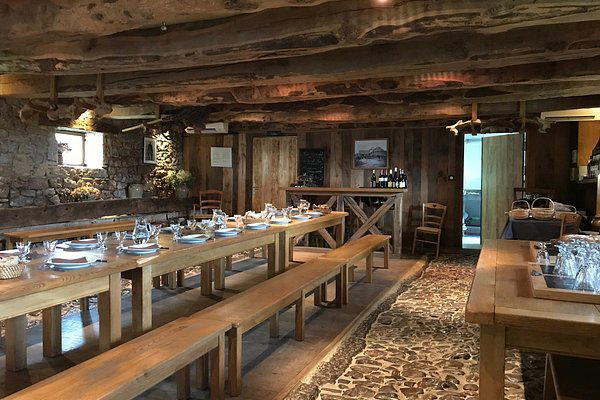
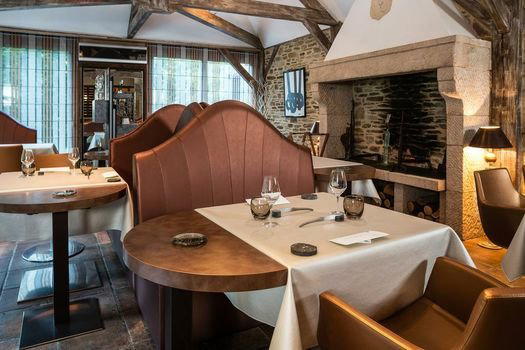
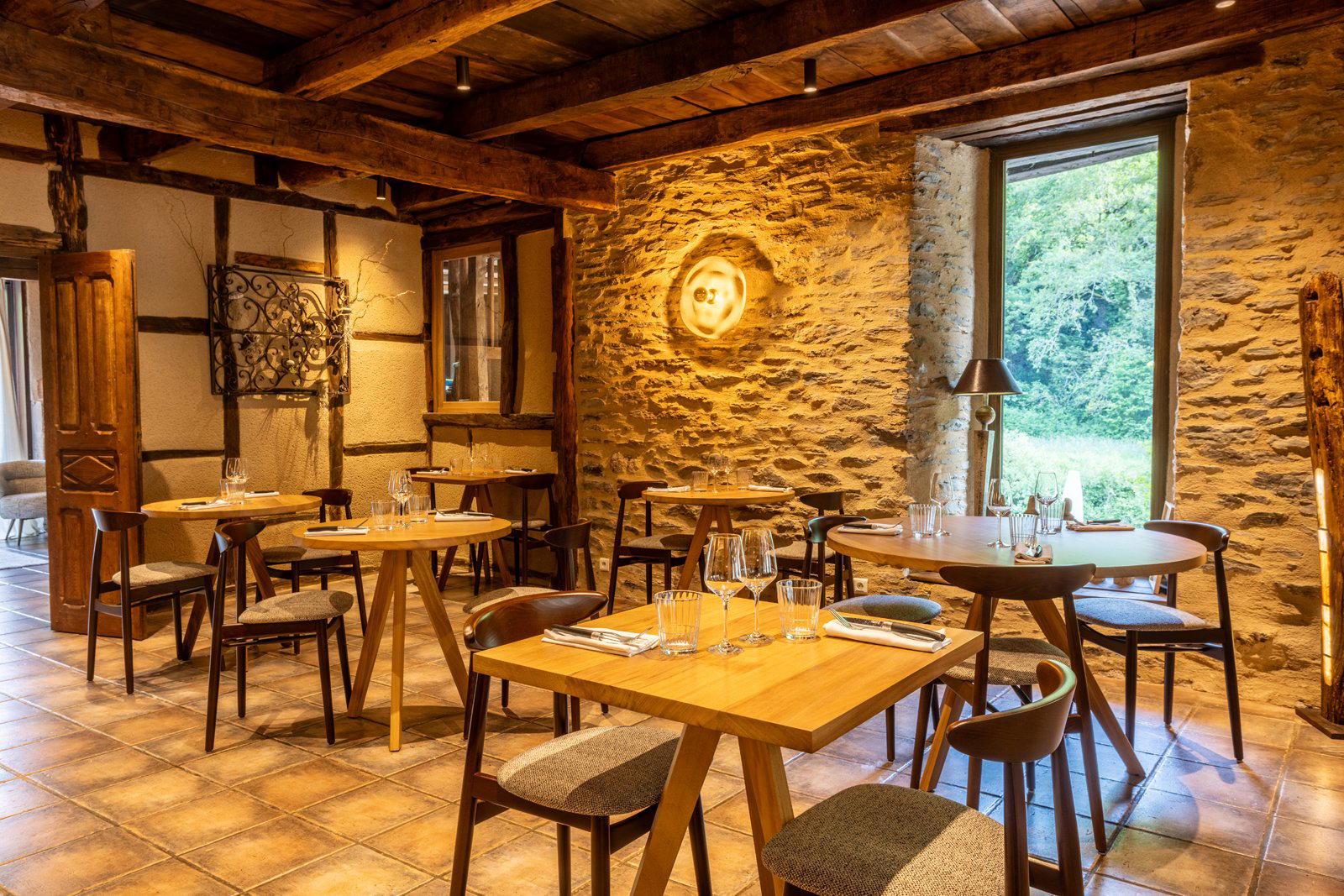
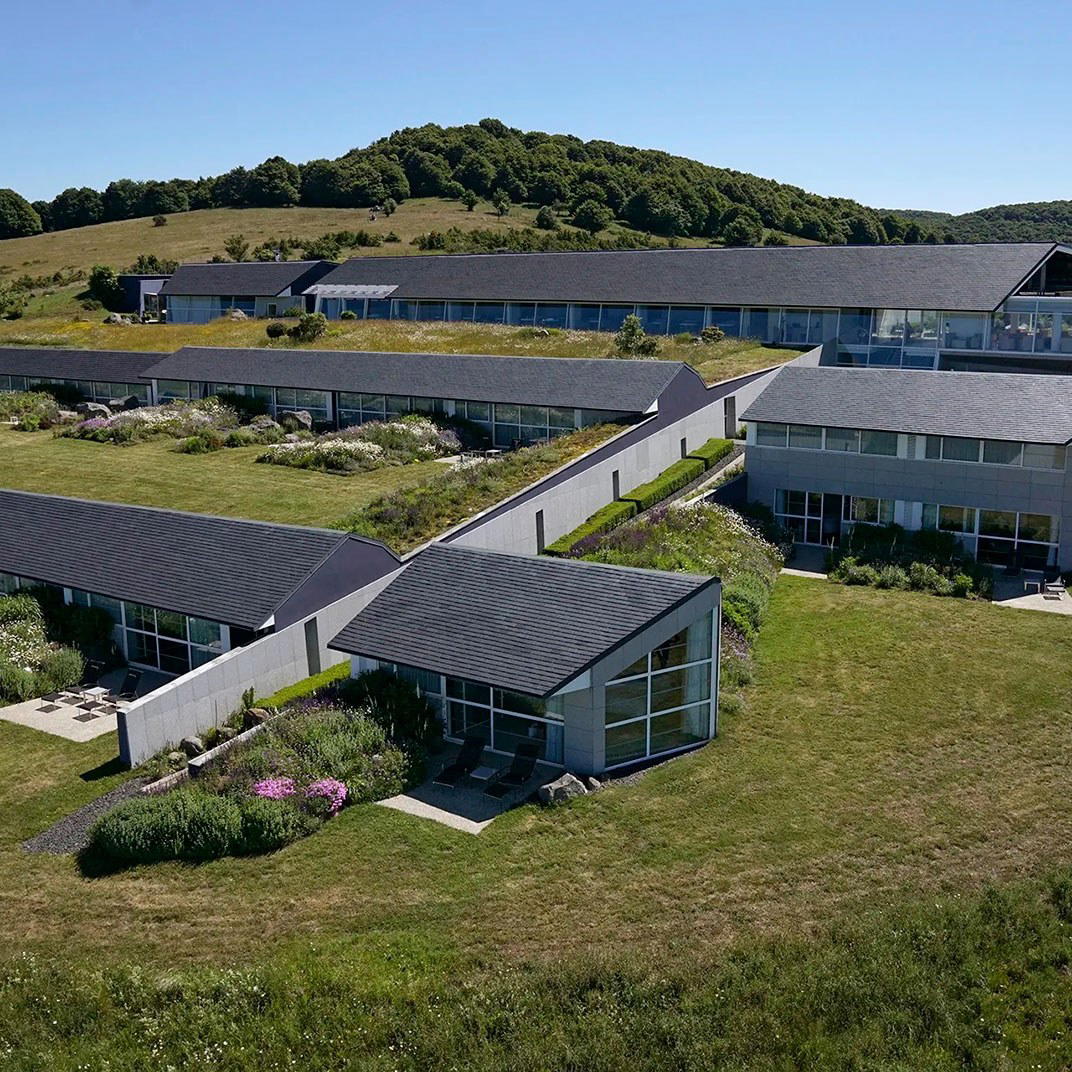
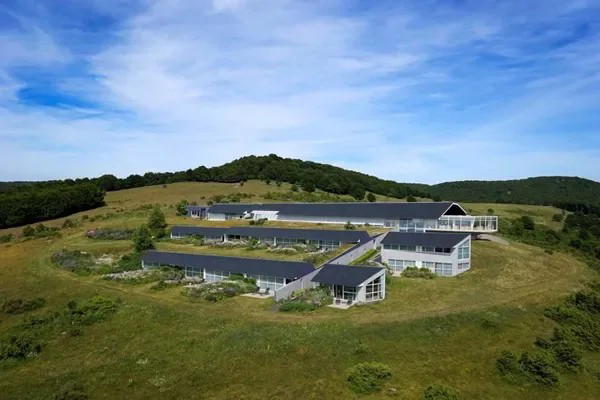
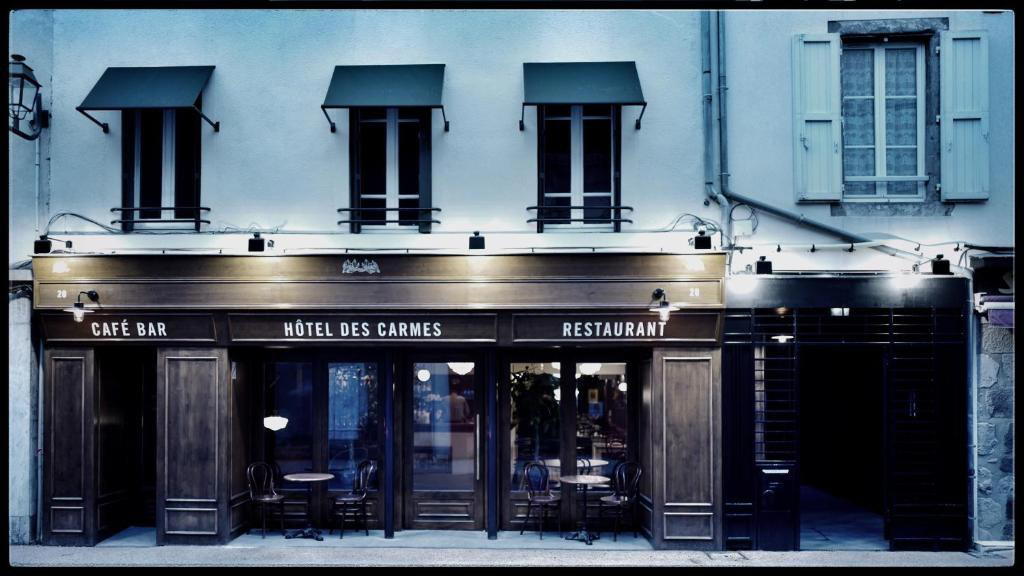
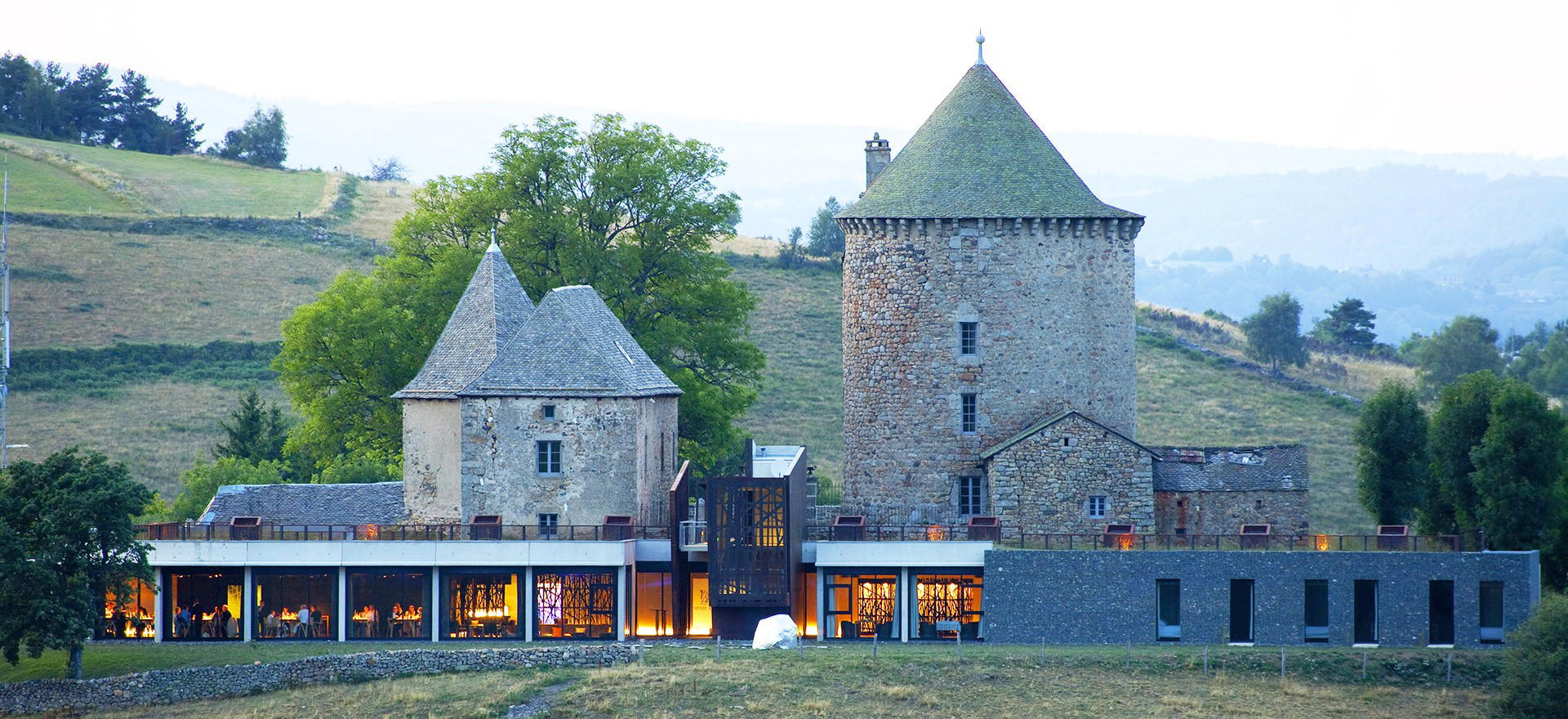
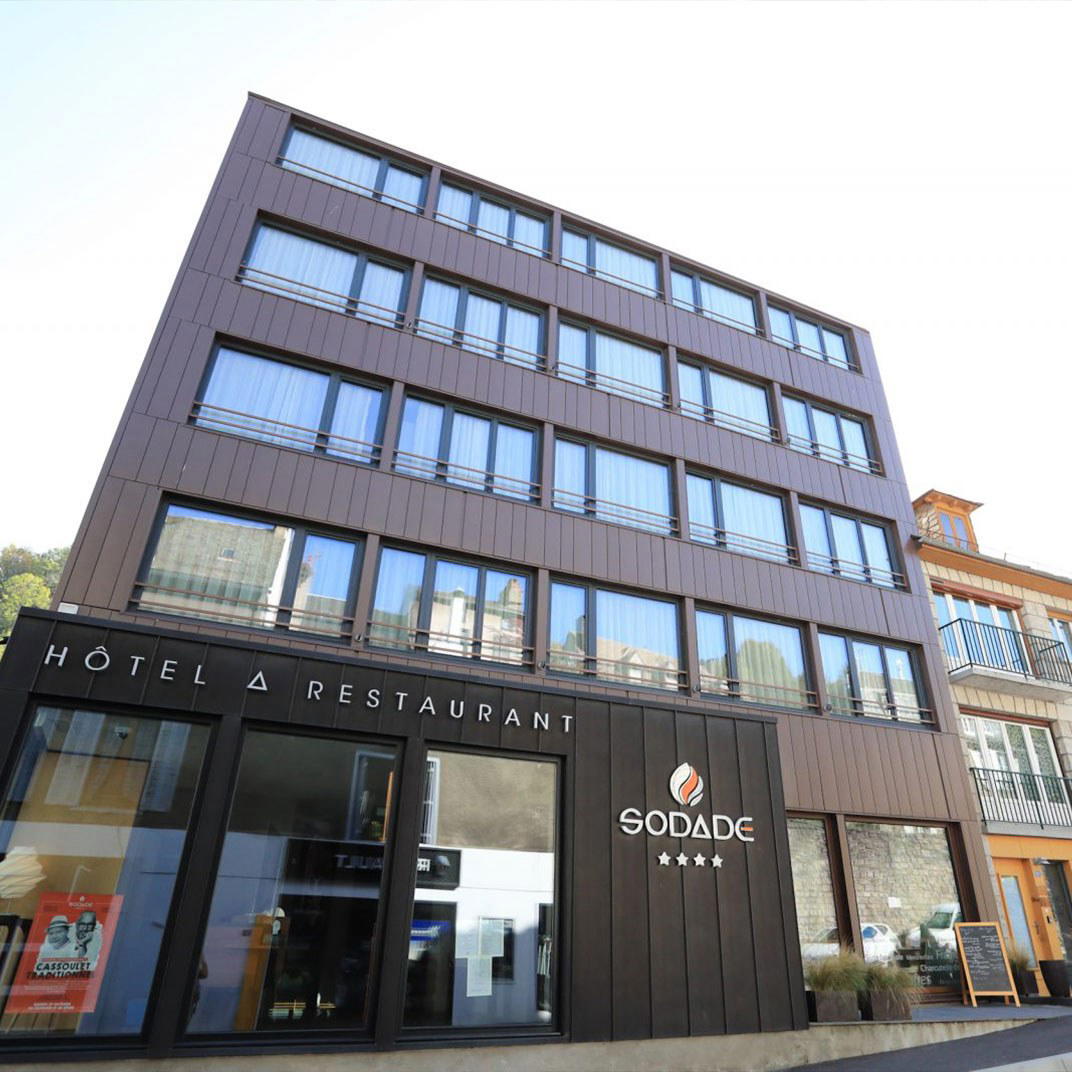
L'Auberge du Château
The wine
- Wine program
- Curated wine list
- Extensive wine list
Details
- Cozy
- Rustic
- Elegant
- Intimate
- Scenic
- Date Night
- Family
- Celebration
- Special Occasion
- Terrace
- Historic Building
- Hotel Restaurant
- Extensive Wine List
- Local Sourcing
- A La Carte
- Vegetarian Friendly
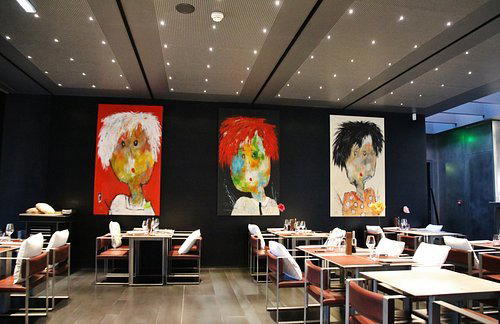
Warm, familial atmosphere with artistic plate presentations, cozy indoor dining, and pleasant shaded terrace.