
Michelin Selected
Hôtel des Carmes occupies a historic address at 20 rue des Carmes in Aurillac, the administrative capital of the Cantal department in France's Massif Central. Recognised by the Michelin Guide 2025 in its Selected Hotels category, it represents one of the few accommodation options in this undervisited city to carry independent editorial validation. For travellers moving through the volcanic highlands of Auvergne, it offers a grounded base in an authentic provincial setting.

Pearl is the En Primeur Club membership app — saves, bookings, and concierge access live there. Same editors, same standards.
- Address
- 20 Rue des Carmes, 15000 Aurillac, France
- Phone
- +33 4 71 48 01 69
- Website
- hoteldescarmes.fr
- Directions
- Get directions
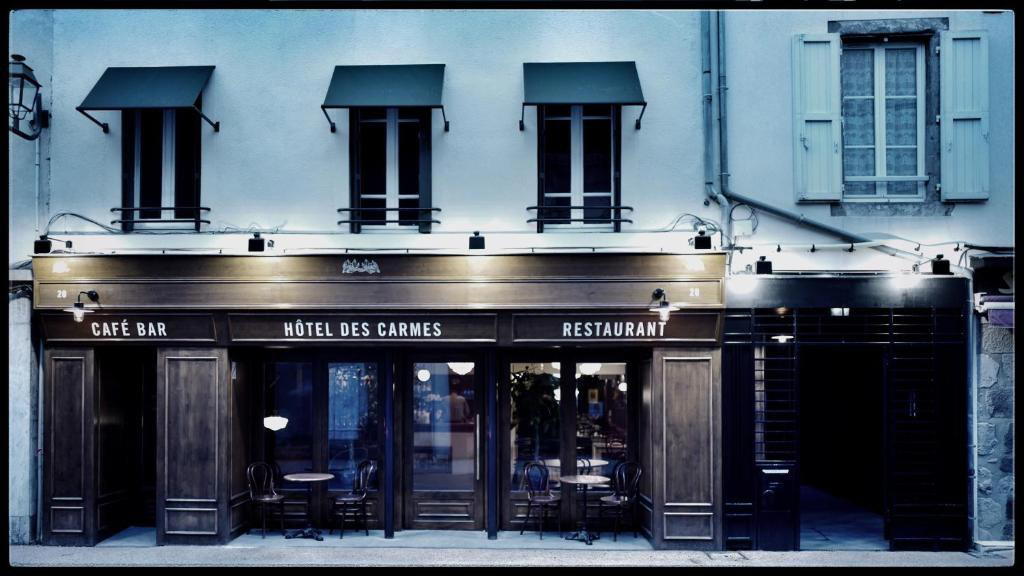
A Stone Address in Aurillac's Old Quarter
Aurillac is not a city that announces itself. The capital of Cantal sits at roughly 600 metres above sea level in the southern Massif Central, surrounded by the remnants of an ancient shield volcano, and its urban character reflects that geological introversion: compact, self-contained, built from dark lava stone that absorbs light rather than reflecting it. The rue des Carmes, where Hôtel des Carmes takes its address at number 20, runs through the older fabric of the city near the former Carmelite convent that gave the street its name. In French provincial towns, streets named after religious orders almost always trace the pre-revolutionary built environment, and Aurillac is no exception. The stones here have been set for centuries.
France's provincial hotel scene divides broadly into two modes: the chain-operated comfort property positioned for commercial travellers and regional conferences, and the independently operated address that has absorbed the character of its building and neighbourhood over time. Hôtel des Carmes belongs to the second category. That designation matters more in a city like Aurillac, where independent editorial validation is sparse, than it would in Lyon or Bordeaux, where the Michelin hotel selection runs to dozens of entries.
What the Building Communicates
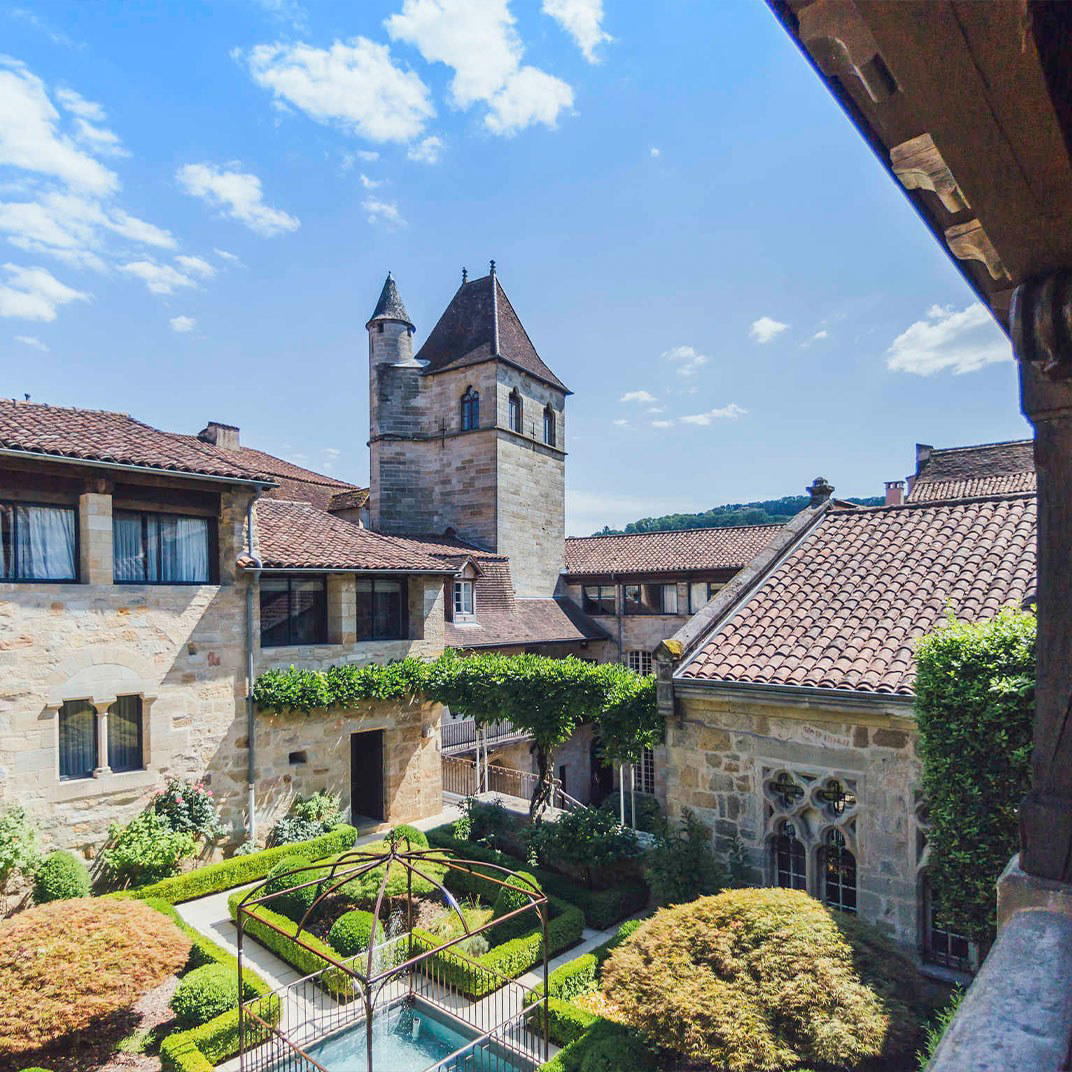
French hotels in medieval street networks tend to resolve the tension between historic fabric and modern comfort in one of two ways. The first approach preserves structural bones while modernising interiors almost completely, producing spaces that read as contemporary with historic volume. The second works with the existing material language of the building, accepting uneven floors, thick stone walls, and compressed ceiling heights as part of the guest experience rather than problems to engineer away. Properties in the Michelin Selected tier in comparable Auvergnat towns have generally leaned toward the latter approach, where the architecture itself functions as the primary amenity.
The address on rue des Carmes, in a part of Aurillac with surviving pre-industrial building stock, suggests the hotel's physical form is a significant part of what the property offers. Stone construction in this region means thermal mass: rooms that stay cooler in the Cantal summers and hold warmth against the region's known cold winters, when the Massif Central plateau sees temperatures well below what coastal France experiences. That is not a designed amenity so much as a fact of the material, but guests who have chosen a historic address over a peripheral business hotel have implicitly chosen that physical relationship with the building.
Among Michelin Selected properties in France's less-visited departmental capitals, the more architecturally coherent examples tend to share certain features: public spaces that preserve original volumes, room configurations that vary rather than repeat, and a legible connection between the exterior streetscape and the interior atmosphere. Whether Hôtel des Carmes meets those criteria in full is not something the available record makes explicit, but the Michelin designation suggests editorial reviewers found sufficient quality and character to include it in the 2025 selection, a guide that by its own standards prioritises consistent hospitality and genuine personality over formula.
Aurillac as a Destination Context
Placing a hotel visit in Aurillac requires understanding what the city is and is not. It is the prefecture of Cantal, a department with roughly 145,000 residents and an economy built around cattle farming, cheese production (Cantal AOP and Salers AOP are both produced in the surrounding hills), and public administration. The city hosts the Festival des Théâtres de Rue each August, one of the largest street theatre festivals in Europe by audience attendance, which transforms the city's population and character for a concentrated period. Outside festival season, Aurillac operates as an authentic working provincial city, which is precisely the quality that makes it interesting to a particular kind of traveller.
For context on how Aurillac-area hospitality compares to France's more prominently profiled hotel destinations, the contrast is considerable. Properties like Le Bristol Paris in Paris, Hotel Du Cap-Eden-Roc in Cap d'Antibes, or La Réserve Ramatuelle in Ramatuelle operate in markets with high international demand, dense competitive sets, and corresponding price and service infrastructure. Aurillac is categorically different: lower international profile, genuine provincial character, and a hotel selection where a Michelin Selected property represents a meaningful signal rather than one of many. Travellers who have stayed at Domaine Les Crayères in Reims or Royal Champagne Hotel & Spa in Champillon will find Aurillac a different register entirely, one defined by absence of tourist infrastructure as much as by presence of character.
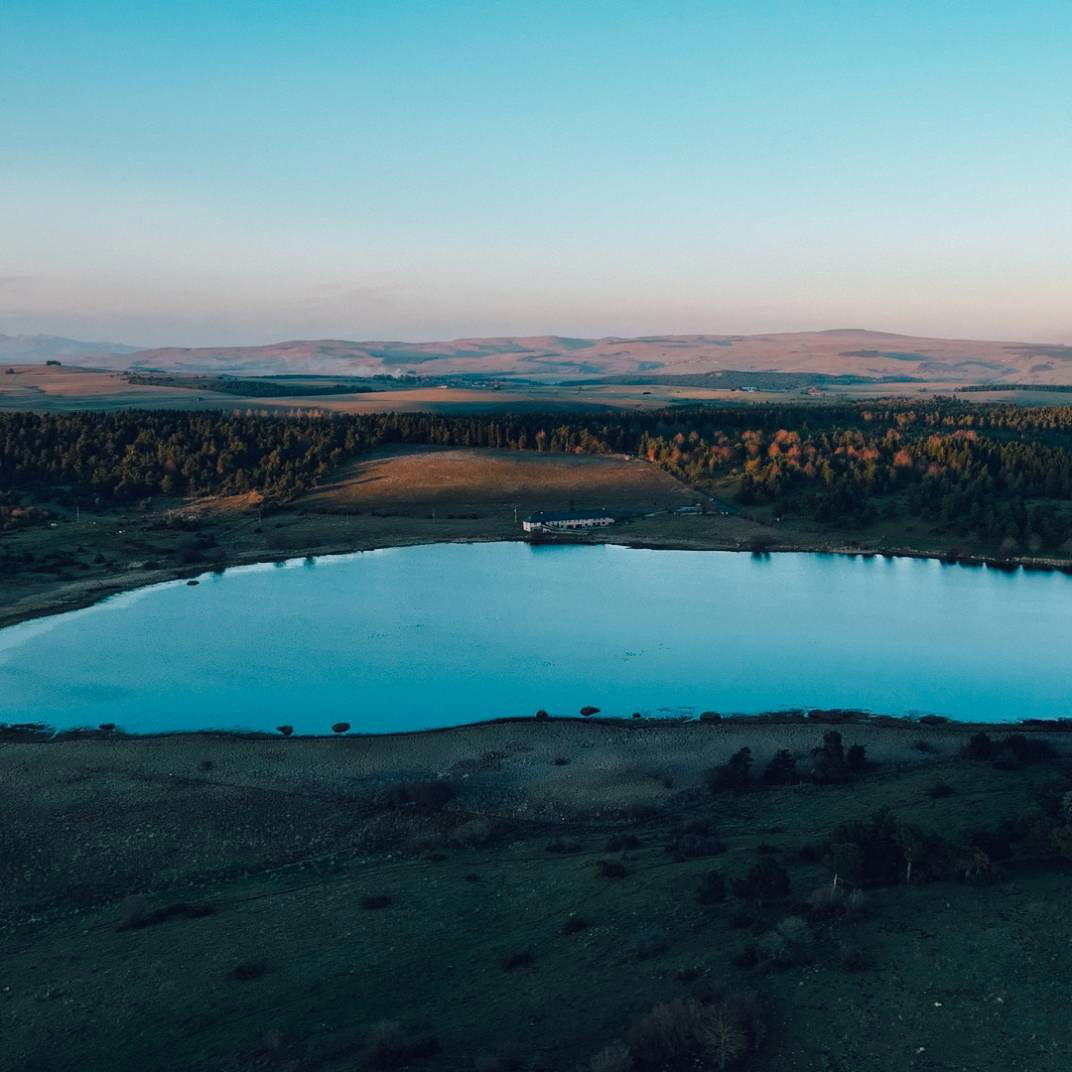
The surrounding Cantal landscape rewards those who travel for landscapes rather than resort services. The Puy Mary volcanic massif, the Truyère gorges, and the medieval villages of Salers and Murat are all accessible from Aurillac as day trips. The city itself is a practical base rather than a destination resort, and Hôtel des Carmes functions accordingly. For a broader view of what Aurillac offers across dining and accommodation, our full Aurillac guide covers the city's options in more detail.
Planning a Stay
Aurillac is served by Aurillac Airport (AUR), with limited domestic connections primarily to Paris Orly. The more reliable rail access is via the SNCF network, with Aurillac station connecting to Clermont-Ferrand and onward to the national TGV network, though journey times from Paris are long by French standards, typically over four hours with connection. The practical reality is that most visitors arrive by car, which also suits the logic of exploring the Cantal's rural areas. The rue des Carmes address places the hotel within walking distance of Aurillac's central market square and the old town, making a car unnecessary once you are based in the city. For those planning the August street theatre festival, advance booking is advisable, as the city's limited accommodation stock fills at that period. The Michelin 2025 Selected status provides a useful reference point when comparing options, confirming that editorial standards have been applied to the property's inclusion. Specific room rates, availability, and any on-site services are best confirmed directly with the property.
In Context: Similar Options
Comparable venues nearby, for context on price, style, and recognition.
| Venue | Cuisine | Price | Awards | Notes |
|---|---|---|---|---|
| Hôtel des CarmesThis venue — the venue you are viewing | Urban style hotel with contemporary charm and modern facilities | Not listed | Michelin Selected | Not listed |
| Ville d'Hiver | Historic industrial heritage converted into boutique hotel | $100–200 | Michelin Selected | Ville d'Hiver |
| Auberge du Vieux Puits | Charming Occitan auberge blending traditional stone architecture with contemporary comfort | $300–500 | Michelin Selected | Fontjoncouse |
| Zoku Paris | hybrid home-office apartment hotel | Not listed | Michelin Selected | 17th arrondissement |
| pieuX | 19th-century boutique with original charm and modern restoration | Not listed | Michelin Selected | Montreuil-sur-Mer |
| La Villa Guy | Historic guesthouse with contemporary luxury | $200–300 | Michelin Selected | City Center |
Recognition history
Dated appearances from independent guides and award organizations, with the underlying list record or original source where available.
Michelin Selected
Michelin
Continue exploring
More in Aurillac
Hotels in Aurillac
Browse all →
Details
- Modern
- Elegant
- Cozy
- Weekend Escape
- Business Trip
- Wi Fi
- Pool
- Sauna
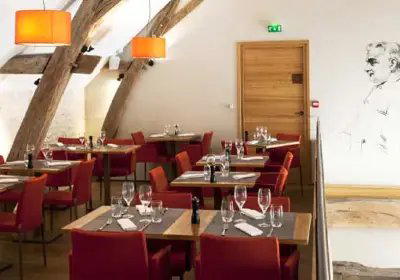
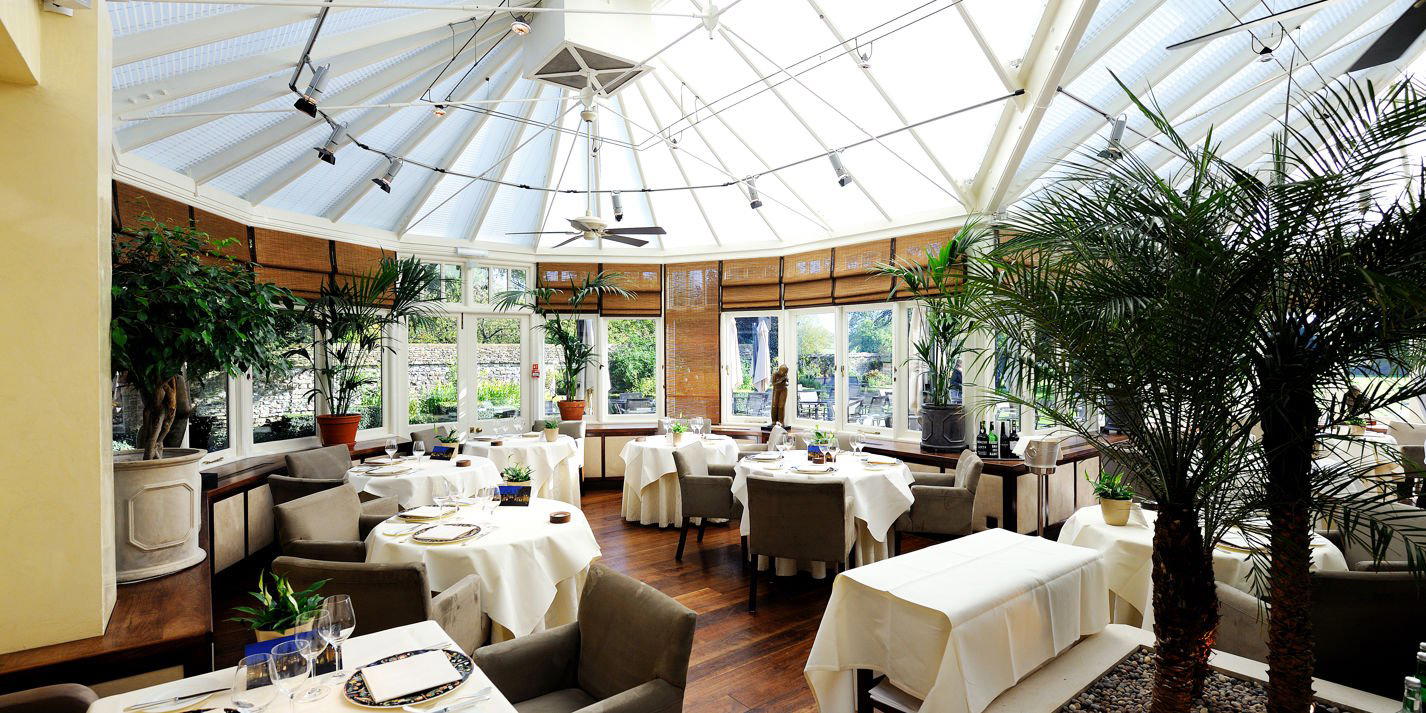
- Restaurant
- Parking
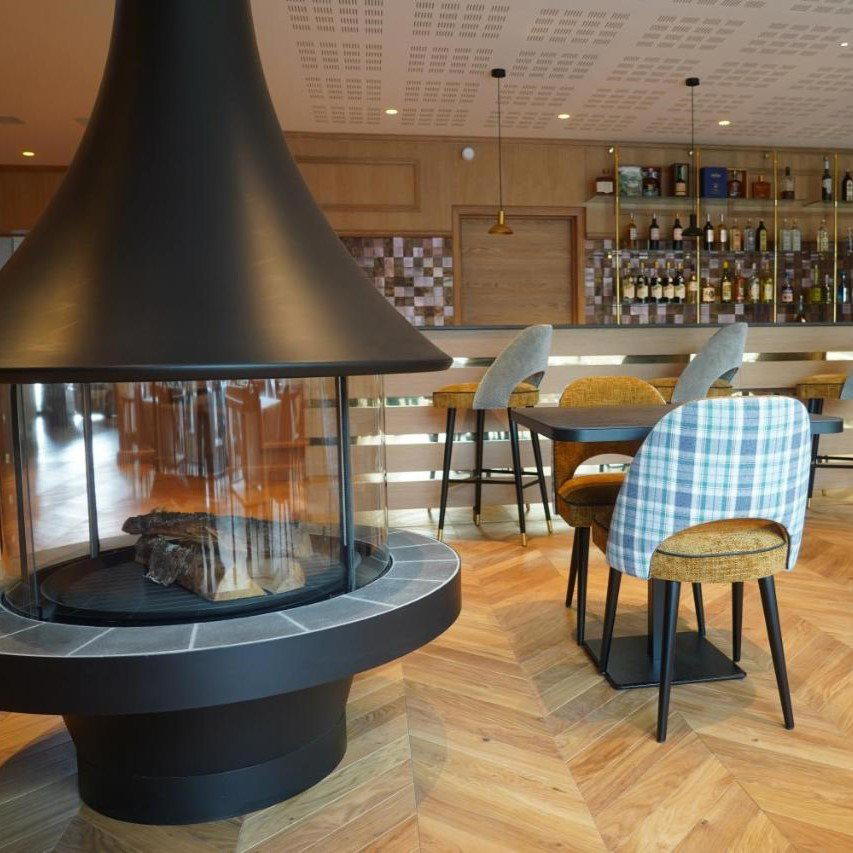
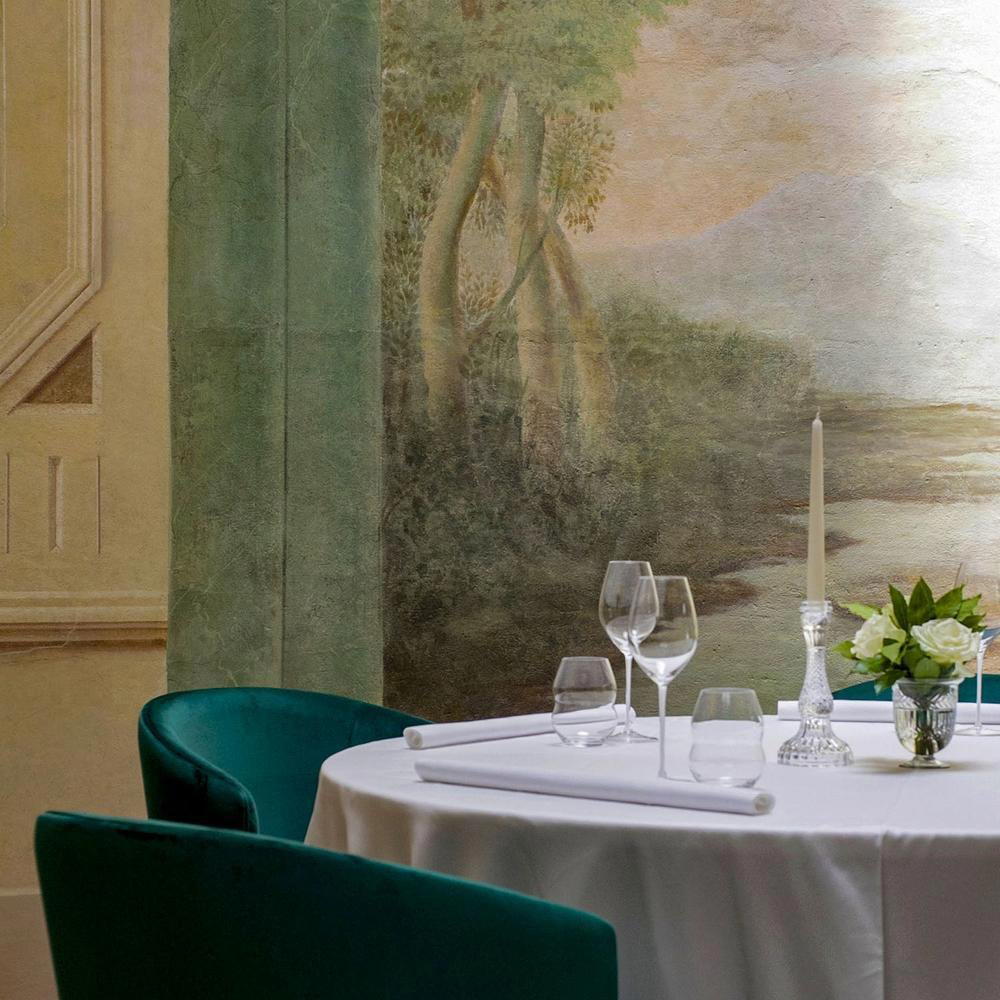
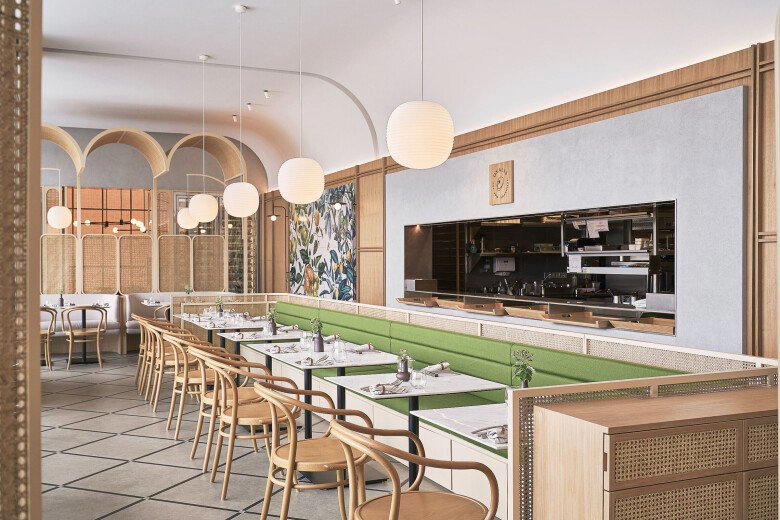
Contemporary and original style with modern decor, offering an elegant and comfortable atmosphere in the heart of the city.