

Few Paris addresses carry the sustained peer recognition of L'Atelier Saint Germain De Joël Robuchon, which appeared on the World's 50 Best Restaurants list every year from 2004 to 2014, reaching as high as fourth place globally. Under Chef Axel Manes, the Saint-Germain-des-Prés counter format continues the structured, multi-course approach that defined the Robuchon atelier model across a dozen cities worldwide.
Pearl is the En Primeur Club membership app — saves, bookings, and concierge access live there. Same editors, same standards.
- Address
- 5 Rue de Montalembert, 75007 Paris, France
- Phone
- +33 1 42 22 56 56
- Directions
- Get directions
 Saves & bookings on Pearl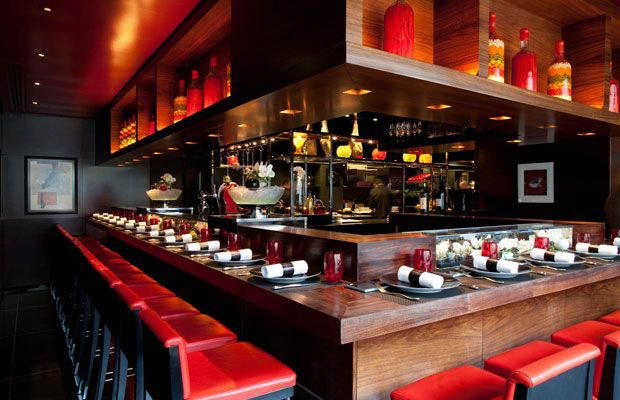
Counter Dining and the Logic of the Atelier Format
Saint-Germain-des-Prés has long occupied the intersection of literary Paris and serious gastronomy, and the stretch of Rue de Montalembert, close to the Seine, a short walk from Boulevard Saint-Germain, reflects both. The neighbourhood draws a clientele that moves between the publishing houses on the boulevard, the galleries around Rue du Bac, and a cluster of restaurants that lean toward precision over theatre. It is not the arrondissement for spectacle dining. The food does the work.
L'Atelier Saint Germain De Joël Robuchon sits inside that tradition, but it also represents a specific structural idea about how French fine dining can be delivered. The atelier counter format, developed by Robuchon as a deliberate departure from the white-tablecloth salon model, places guests at a lacquered bar facing the open kitchen. The format itself is the editorial statement: the distance between diner and cook collapses, the pacing is controlled by the counter rather than a room of separate tables, and the multi-course sequence carries more weight than in a carte-led setting. This is structured dining, and the structure is the point.
Where This Address Sits in the Paris Fine Dining Tier
Paris fine dining currently organises itself into a recognisable hierarchy, and the atelier address operates at a level below the three-Michelin-star houses, Alléno Paris au Pavillon Ledoyen, Kei, L'Ambroisie, and Le Cinq at the Four Seasons George V, but with a recognition history that most one- and two-star restaurants in the city cannot match. Holding a Michelin Plate in both 2024 and 2025 positions it as recommended but not currently starred, which is itself a useful signal about where the address fits for someone building an itinerary rather than chasing accolades.
The more instructive data point is the World's 50 Best history. The Paris atelier appeared on the list every year from 2004 through 2014, reaching fourth globally in 2004 and returning to fourteenth in 2008. A run of eleven consecutive appearances reflects sustained peer and critical consensus over more than a decade. That kind of longevity in a ranking driven by international industry voting says something about the format's coherence, not just about any single year's performance. The address carried institutional credibility before most of its current comparable set had opened.
For context on how French fine dining distributes itself across the country, restaurants including Mirazur in Menton, Troisgros in Ouches, Flocons de Sel in Megève, Auberge de l'Ill in Illhaeusern, Bras in Laguiole, Paul Bocuse outside Lyon, and Restaurant Marcon in Saint-Bonnet-le-Froid represent the regional tradition that Paris restaurants have always measured themselves against. The atelier model was, in part, a response to that tradition: it took classical French technique and presented it at a bar counter with a more accessible and participatory format, which is why it spread so readily to cities outside France.
The Prix Fixe Logic and What the Counter Format Delivers
The editorial angle worth pressing here is the relationship between format and value in structured multi-course dining. Counter-based tasting menus operate differently from table service. The sequence is held tighter, courses arrive in rhythm with the kitchen rather than in response to a waiter's read of the table, and the diner's experience is shaped more deliberately by the progression the kitchen has planned. At the atelier, the counter faces the cooking directly, so the sequencing of the meal has a transparency that most tasting-menu formats lack. You can see when a course is being completed. That visibility changes the pacing experience.
French multi-course dining in the classical register tends to move from lighter to richer, from raw to cooked, and from singular to complex. The atelier format was designed to deliver this progression in a setting that felt less formal than a salon, without reducing the technical seriousness of the kitchen. For a diner choosing between a starred table with full room service and a counter format with equivalent technical standards, the counter offers something the table does not: proximity to the process, a more compressed and focused sequence, and usually a slightly different relationship between portion size and course count. The atelier historically ran more courses at smaller sizes, which suited the counter rhythm and reduced the heaviness that long classical menus can accumulate by the sixth or seventh course.
Chef Axel Manes holds the kitchen in the current iteration of the address. The Michelin Plate in both 2024 and 2025 confirms the address remains in Michelin's recommended tier.
Arriving and Reading the Room
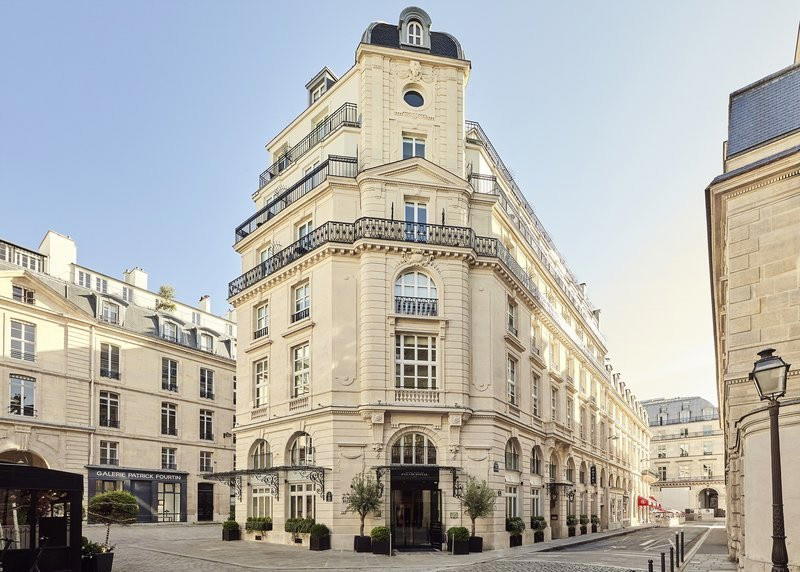
The 7th arrondissement operates at a different register from the more conspicuous luxury of the 8th. There are no grand hotel facades on Rue de Montalembert. The street is residential in scale, and the atelier's entrance sits quietly within it. This is consistent with how the format was conceived: the drama is interior. The lacquered surfaces, the counter arc, the kitchen visible behind it, these read immediately on entry as a specific kind of proposition. It is not a room designed to impress before the food arrives. The room frames the kitchen, and the kitchen is expected to carry the evening.
1 across 2,114 reviews) places the address in a comfortable positive range for Paris fine dining. A 4.2 aggregate across more than two thousand reviews, covering a period when the restaurant was navigating a post-Robuchon era, is a stable signal, not a collapse in quality. Restaurants in transition at this level often see sharper drops. The stability of the rating suggests the format itself retains enough coherence to carry the experience independently of its founder's presence.
For readers planning a wider Paris visit, our full Paris restaurants guide maps the current dining scene across arrondissements and price tiers. The Paris hotels guide covers the 7th and adjacent areas. The Paris bars guide and experiences guide complete the picture for a multi-day stay, and the Paris wineries guide is relevant if your visit extends to the wider Île-de-France wine context. For international comparisons in French cuisine tradition, Le Quartier Français in Franschhoek represents how the French multi-course model has been adapted in the southern hemisphere. The Arpège counter in the 7th offers a direct Parisian peer comparison in a different register.
Planning Your Visit
Address: 5 Rue de Montalembert, 75007 Paris. Cuisine: French, counter format. Current standing: Michelin Plate (2024, 2025); World's 50 Best top-thirty appearances across eleven consecutive years (2004 to 2014). Chef: Axel Manes. Reservations: Advance booking advised; the counter format limits covers per service. Getting there: Rue du Bac (Métro Line 12) is the nearest station, a short walk from the address. Dress: Smart; the 7th arrondissement standard applies, not black tie, but the room expects considered dress. Budget: About $95 per person before wine.
What to Eat at L'Atelier Saint Germain De Joël Robuchon
Particularly useful directive is structural: the counter format rewards ordering the full sequence rather than selecting à la carte. The atelier model was built around a progression, and individual courses selected out of that sequence lose some of their logic. Arrive with time, a full counter service here runs longer than a brasserie meal, and let the kitchen set the pace. If there is a signature dish held over from the Robuchon era still on the current menu (the pomme purée in particular has a long association with the wider atelier brand), it is worth confirming at booking. The technical standard for which the address built its 50 Best reputation was rooted in classical French execution at the detail level: sauces, temperature control, and the kind of precision that multi-course counter dining makes visible in a way that table service does not.
A Tight Comparison
Comparable venues nearby, for context on price, style, and recognition.
| Venue | Cuisine | Price | Notes |
|---|---|---|---|
| L'Atelier Saint Germain De Joël RobuchonThis venue — the venue you are viewing | Saint-Germain, French Fine Dining | $$$$ | Not listed |
| Tour d'Argent | Not listed | $$$$ | Quartier Latin, Classic French Fine Dining |
| Alain Ducasse au Plaza Athénée | Not listed | $$$$ | 8th arrondissement, Modern French Naturalness Cuisine |
| Le Gabriel - La Réserve Paris | Not listed | $$$$ | 8th arrondissement, Modern French Fine Dining |
| Le Pré Catelan | Bois de Boulogne, French Fine Dining | $$$$ | Not listed |
| Restaurant David Toutain | Gros-Caillou, Modern French Fine Dining | $$$$ | Not listed |
Recognition history
Dated appearances from independent guides and award organizations, with the underlying list record or original source where available.
Michelin Plate
Michelin
Michelin Plate
Michelin
Michelin Plate
Michelin
World's 50 Best Best Restaurants #31
World's 50 Best
World's 50 Best Best Restaurants #24
World's 50 Best
World's 50 Best Best Restaurants #12
World's 50 Best
World's 50 Best Best Restaurants #14
World's 50 Best
World's 50 Best Best Restaurants #29
World's 50 Best
World's 50 Best Best Restaurants #18
World's 50 Best
World's 50 Best Best Restaurants #14
World's 50 Best
World's 50 Best Best Restaurants #13
World's 50 Best
World's 50 Best Best Restaurants #25
World's 50 Best
World's 50 Best Best Restaurants #4
World's 50 Best
Continue exploring
More in Paris
Restaurants in Paris
Browse all →
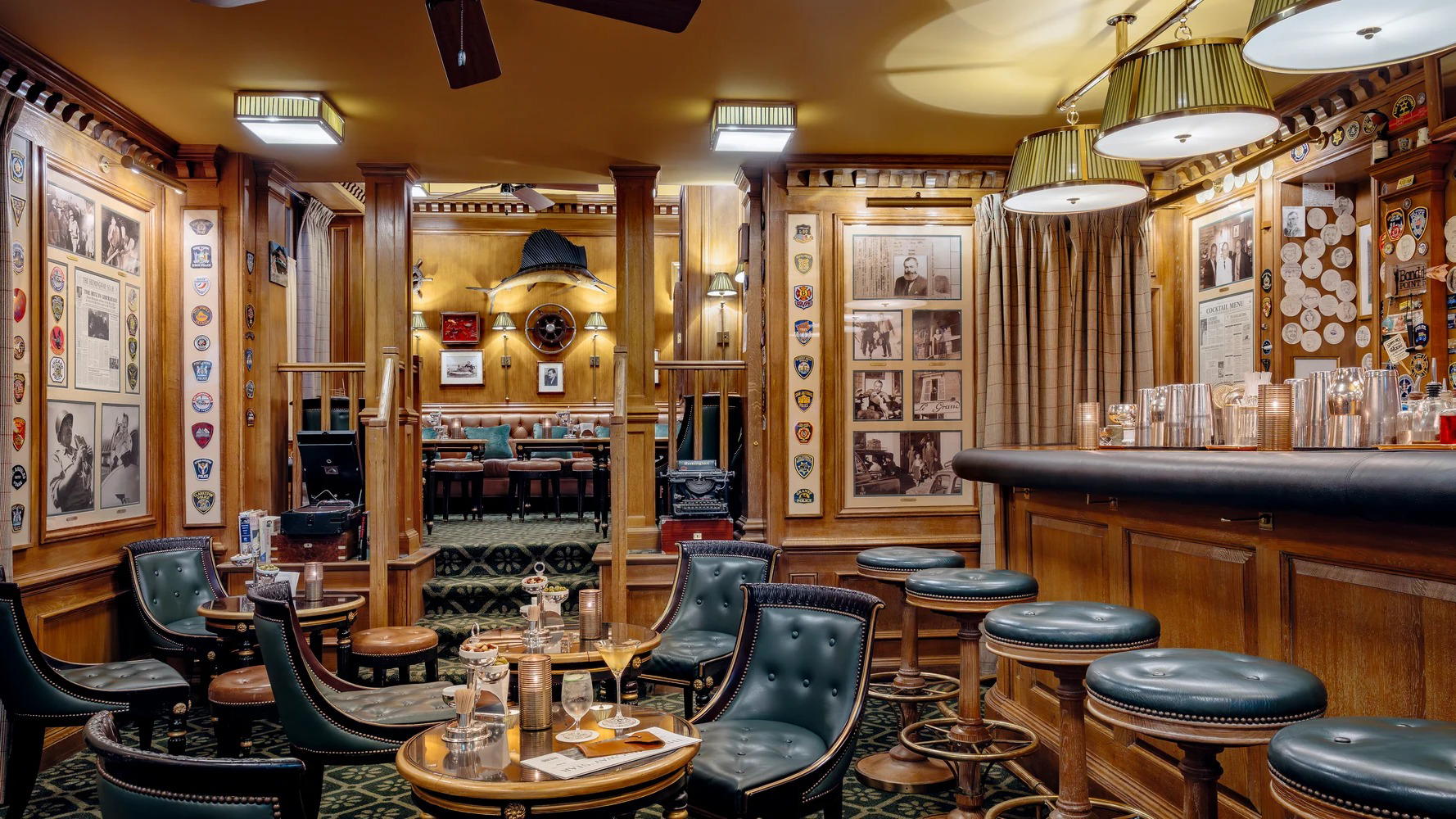
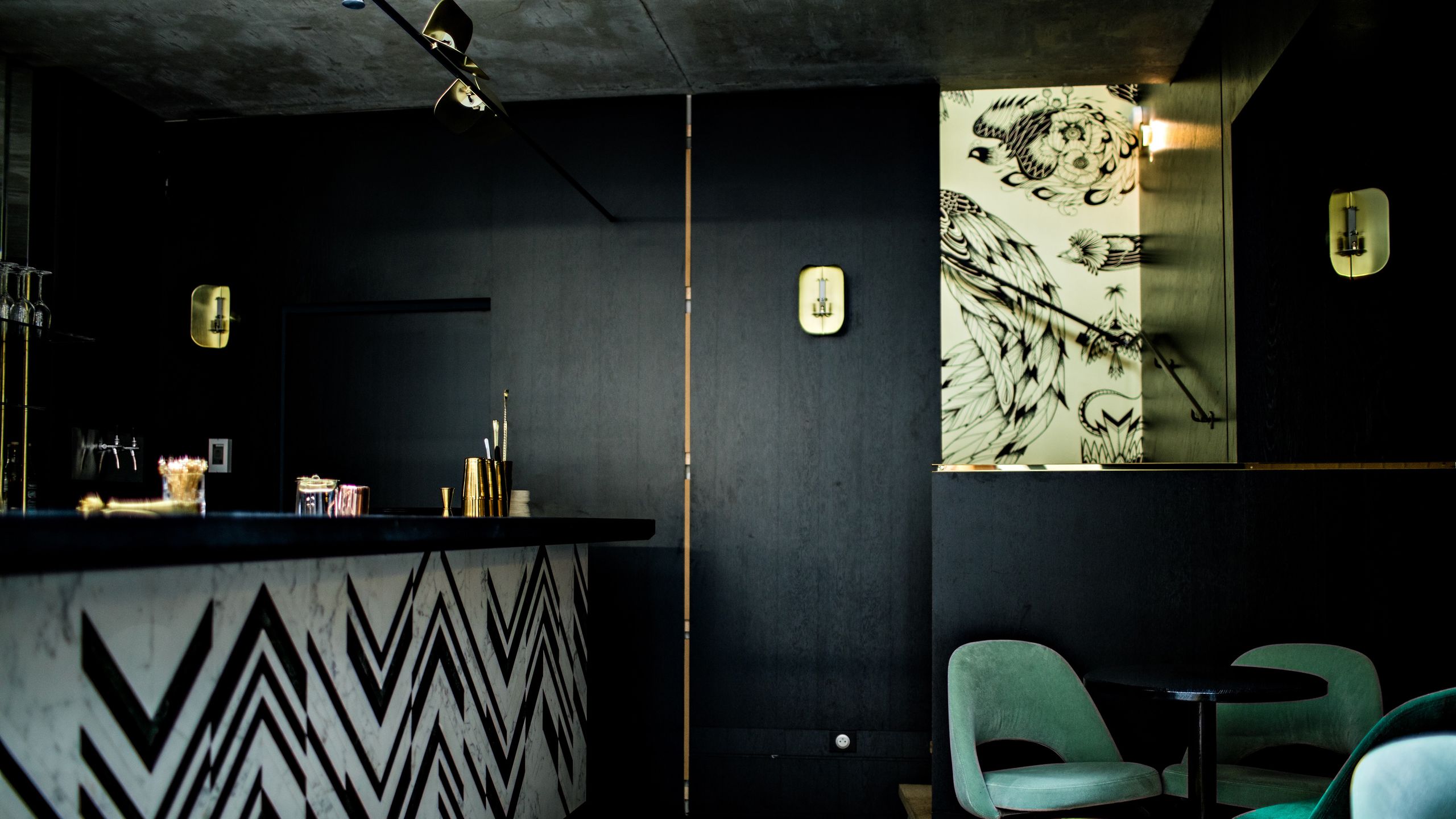
Bars in Paris
Browse all →

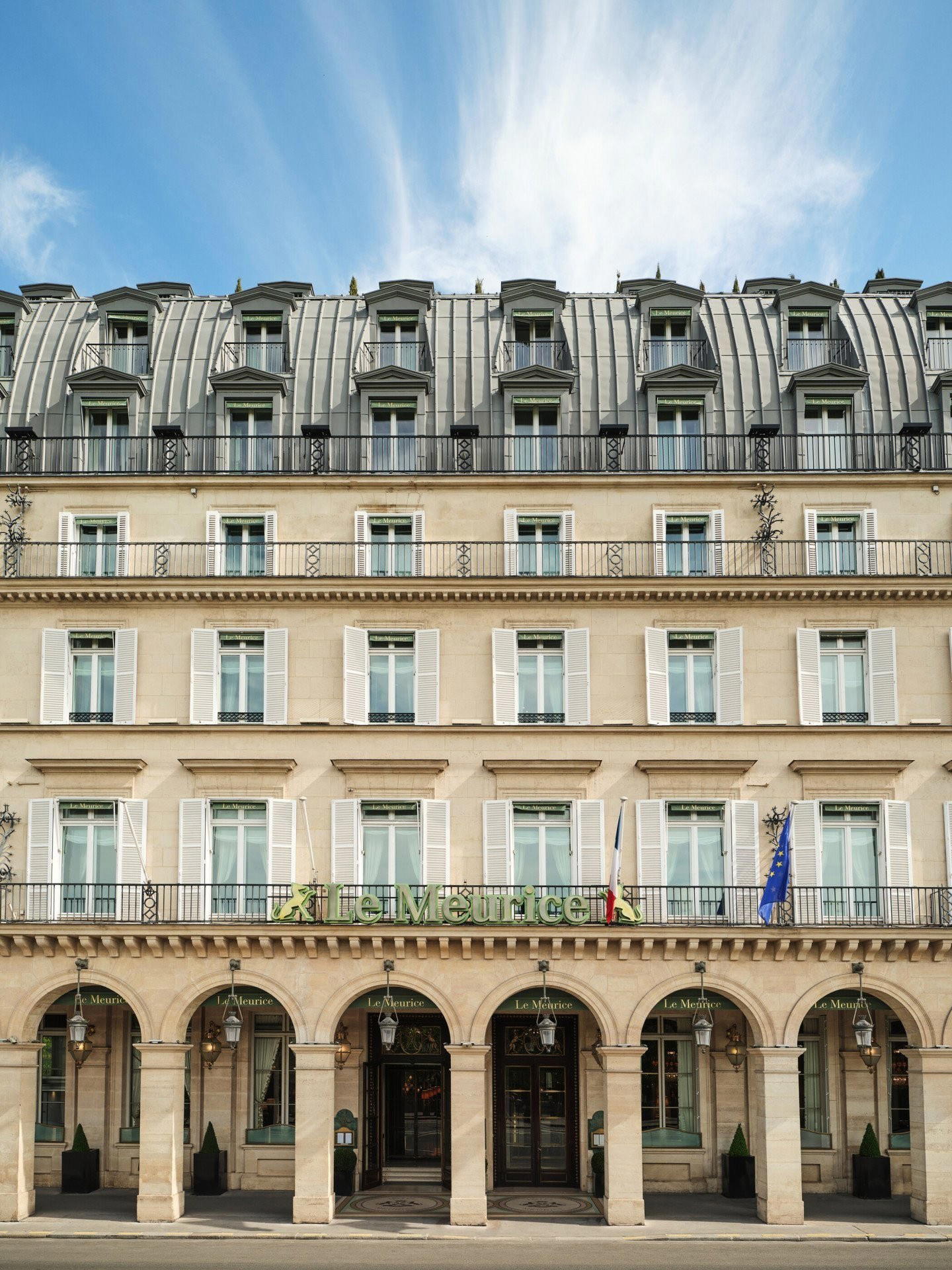
Hotels in Paris
Browse all →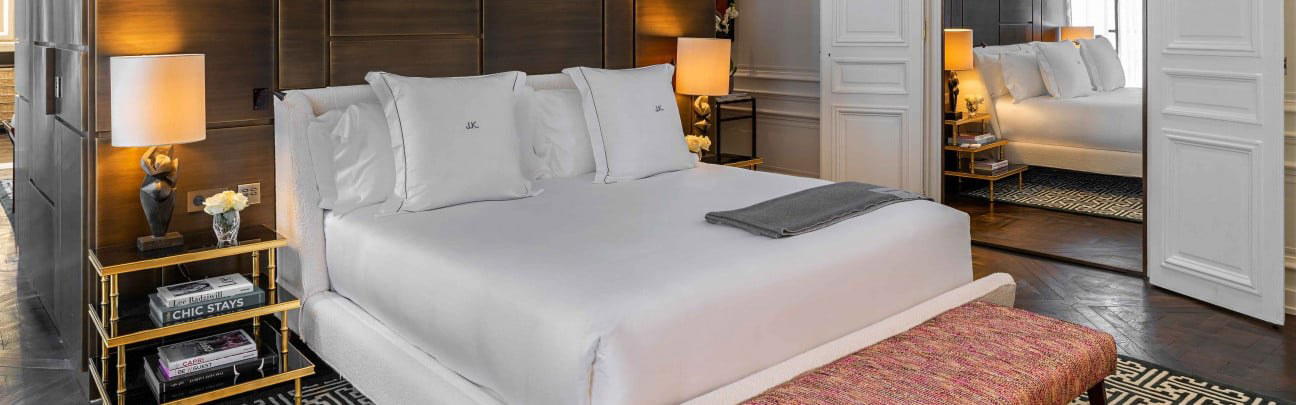




At a Glance
- Elegant
- Sophisticated
- Modern
- Intimate
- Date Night
- Special Occasion
- Business Dinner
- Open Kitchen
- Extensive Wine List
- Sommelier Led
Current opening hours
- Monday
- 11:30 AM–3:30 PM, 6:30 PM–12 AM
- Tuesday
- 11:30 AM–3:30 PM, 6:30 PM–12 AM
- Wednesday
- 11:30 AM–3:30 PM, 6:30 PM–12 AM
- Thursday
- 11:30 AM–3:30 PM, 6:30 PM–12 AM
- Friday
- 11:30 AM–3:30 PM, 6:30 PM–12 AM
- Saturday
- 11:30 AM–3:30 PM, 6:30 PM–12 AM
- Sunday
- 11:30 AM–3:30 PM, 6:30 PM–12 AM
Hours can change for holidays and private events. Last verified .
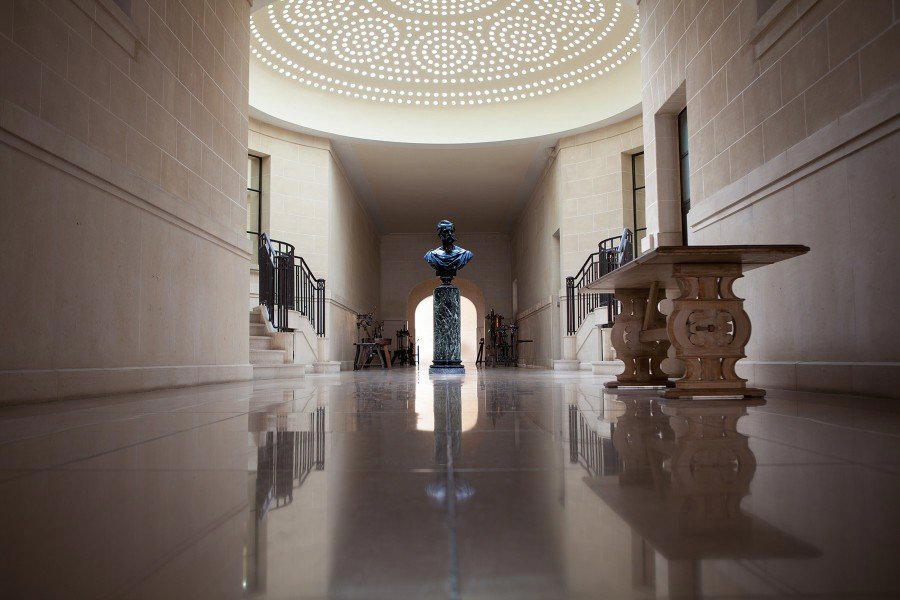
Studied semi-darkness with red and black decor, refined atmosphere around facing bars and central kitchen.