
In a city defined by its classical kitchens and meaty bouchon tradition, Laska at 13 Rue Terraille makes a deliberate case for fully plant-based cooking. Every ingredient is organic, the format reads closer to bistro than fine dining, and the kitchen's focus on reimagining traditional dishes through plant-only technique has drawn a steady local following across Greater Lyon.
Pearl is the En Primeur Club membership app — saves, bookings, and concierge access live there. Same editors, same standards.
- Address
- 13 Rue Terraille, 69001 Lyon, France
- Phone
- +33 4 78 98 86 30
- Website
- laska-lyon.fr
- Directions
- Get directions
 Saves & bookings on Pearl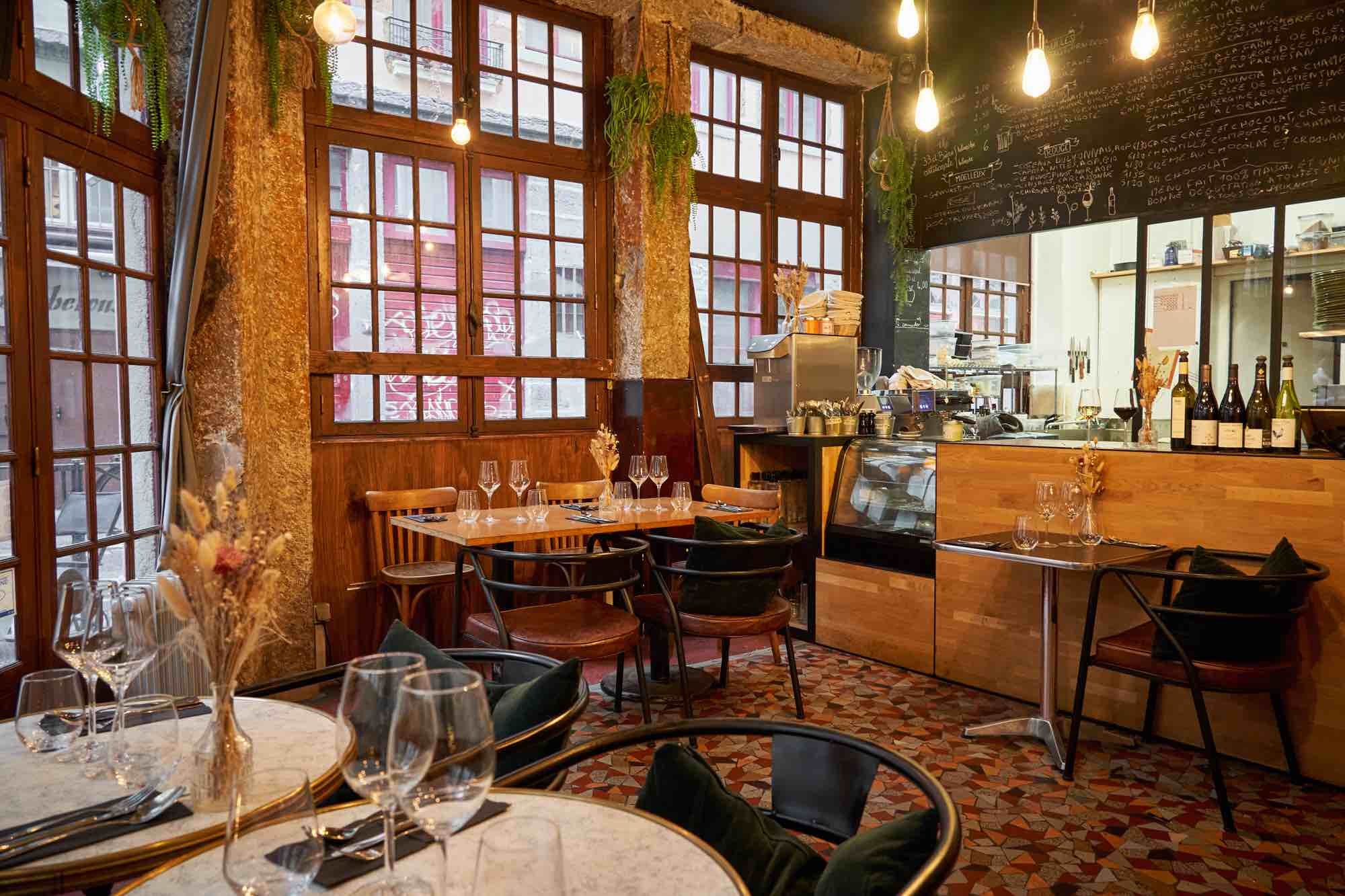
Plant-First in the Capital of French Gastronomy
Laska is a restaurant in Lyon's 1st arrondissement serving modern vegan French fusion at 13 Rue Terraille. That friction is precisely what makes Laska interesting. Operating at 13 Rue Terraille in the 1st arrondissement, it occupies a position in Lyon's dining scene that has no direct equivalent in the city's classical tier.
France's plant-based restaurant movement has largely concentrated in Paris, with a handful of addresses drawing international attention and a younger urban clientele. Lyon, more conservative in its culinary identity, has been slower to develop a comparable scene. Laska sits at a point where that gap has become visible: the city's residents, evidently, were looking for exactly this format, and the restaurant has attracted a consistent local audience since opening.
The Logic of the Format
The label Laska uses for itself is instructive: a bistro. In the Lyon context, that word carries specific meaning. A bistro implies approachability in price, informality in service, and a menu calibrated for regular return visits rather than occasion dining. Applying that format to a fully plant-based, entirely organic program is a considered positioning choice. It removes the stigma of virtuous austerity that plant-forward dining can carry in a culture that still reads meat as culinary seriousness, and replaces it with the familiar, low-barrier hospitality of the neighborhood table.
The kitchen's central project is the transformation of traditional dishes into plant-only versions. This is not a sideline or a menu accommodation; it is the entire premise. In a city where classical French technique is the default reference point, that approach puts the cooking in direct conversation with dishes that Lyonnais diners already know. The gap between source and reinterpretation becomes part of the experience. For context, Lyon's broader contemporary dining scene includes Takao Takano and Au 14 Février, both operating in the creative fine-dining register, and Burgundy by Matthieu in the mid-tier modern bracket. Laska addresses none of those price points or formats directly; it is working a different part of the market entirely.
Collaboration at the Counter
Team dynamic at Laska is central to understanding why the format holds together. Plant-based kitchens operating at the bistro level face a specific challenge: without the structural and textural shortcuts that meat, fish, and dairy provide, the coherence of a dish depends more heavily on the collaboration between the kitchen and the front-of-house. When the person taking your order understands not just what is on the plate but how it was constructed and why, the service interaction carries more information. At Laska, the team's evident investment in surprising guests with what plant cooking can do is a front-of-house commitment as much as a kitchen one.
That collaborative model, where service and kitchen share a common fluency in the product, is not distinctive to plant-based restaurants, but it matters more here than in a conventional bistro setting. A guest unfamiliar with fully plant-based cooking at this level will have questions that a knowledgeable server can answer in a way that reframes the dish before it arrives.
Organic Commitment as a Structural Constraint
The entirely organic sourcing at Laska is worth separating from the plant-based premise, because the two make different demands. A fully plant-based menu can use industrial produce and remain technically plant-based. Organic certification on every ingredient imposes a real supply chain discipline that limits both cost control and menu flexibility. For a bistro-format operation, where the price-to-quality relationship is a core part of the value proposition, maintaining organic standards across the board without pricing into the fine-dining tier is a genuine operational commitment, not a marketing claim.
France's broader farm-to-table and biodynamic movements have a strong presence in the country's higher-end restaurants, including celebrated addresses like Mirazur in Menton, Flocons de Sel in Megève, and the long-standing organic commitments visible at Bras in Laguiole. At that price tier, sourcing costs can be absorbed more readily. Doing the same thing at bistro prices, in a city where the bouchon still sets the baseline expectation for value, is a harder equation to balance.
Where Laska Sits in a Wider Picture
For readers familiar with the direction plant-focused fine dining has taken internationally, including the more formalized tasting-menu approaches visible at prominent addresses in cities like New York, where Le Bernardin has long shown how a single-ingredient focus can anchor a restaurant's identity, Laska's bistro register is worth noting as a deliberate contrast. The format does not aspire to the ceremony of a tasting counter. It aspires to the repeat visit, the neighborhood seat, the kind of cooking that someone returns to on a Tuesday rather than reserving months ahead for a special occasion. That is a different ambition, and a more difficult one to sustain at quality in the plant-based space.
Lyon's wider restaurant scene is documented in our full Lyon restaurants guide, which covers the city's full range from classical bouchon to contemporary tasting menus. For those building a longer stay, our Lyon hotels guide, bars guide, wineries guide, and experiences guide cover the broader picture. For those with a broader France itinerary, the country's classical and contemporary fine-dining tier includes Alléno Paris au Pavillon Ledoyen, Troisgros in Ouches, and Auberge de l'Ill in Illhaeusern, all of which operate in a different register to Laska but share the same country-wide culinary conversation.
Planning Your Visit
Laska is at 13 Rue Terraille, 69001 Lyon, in the city's 1st arrondissement, a central district accessible on foot from most of Lyon's main accommodation clusters and a short distance from the Presqu'île. The bistro format and local following suggest that booking ahead is advisable, particularly for evening service; no walk-in policy is publicly confirmed. Booking ahead is advisable, particularly for evening service. Dress code is smart casual.
Cuisine Context
Comparable venues nearby, for context on price, style, and recognition.
| Venue | Cuisine | Price | Notes |
|---|---|---|---|
| LaskaThis venue — the venue you are viewing | Modern Vegan French Fusion | $$ | Not listed |
| Chez Hugon | Traditional Lyonnaise Bouchon | $$ | Quartier Bas des Pentes Presqu'île |
| Le Bouchon des Cordeliers | Traditional Lyonnais Bouchon | $$ | Quartier Bellecour Cordeliers |
| Chez Georges (Lyon Bouchon) | Traditional Lyonnaise Bouchon | $$ | Quartier Bas des Pentes Presqu'île |
| Le Bistrot de Lyon | Authentic Lyonnaise Bistro | $$ | Quartier Bellecour Cordeliers |
| Bistrot Thélème | French Bistro | $$ | Quartier Croix-Rousse Centre |
Recognition history
Dated appearances from independent guides and award organizations, with the underlying list record or original source where available.
We're Smart World 3 Radishes
We're Smart World
Continue exploring
More in Lyon
Restaurants in Lyon
Browse all →
Bars in Lyon
Browse all →
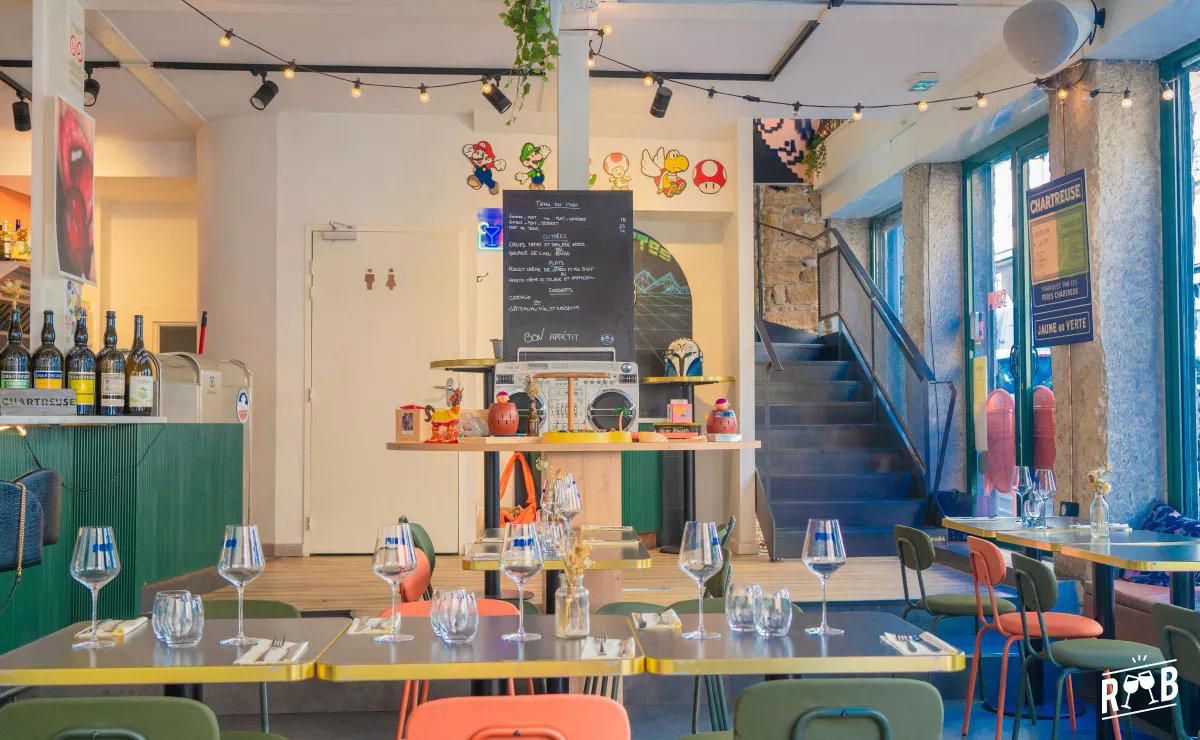
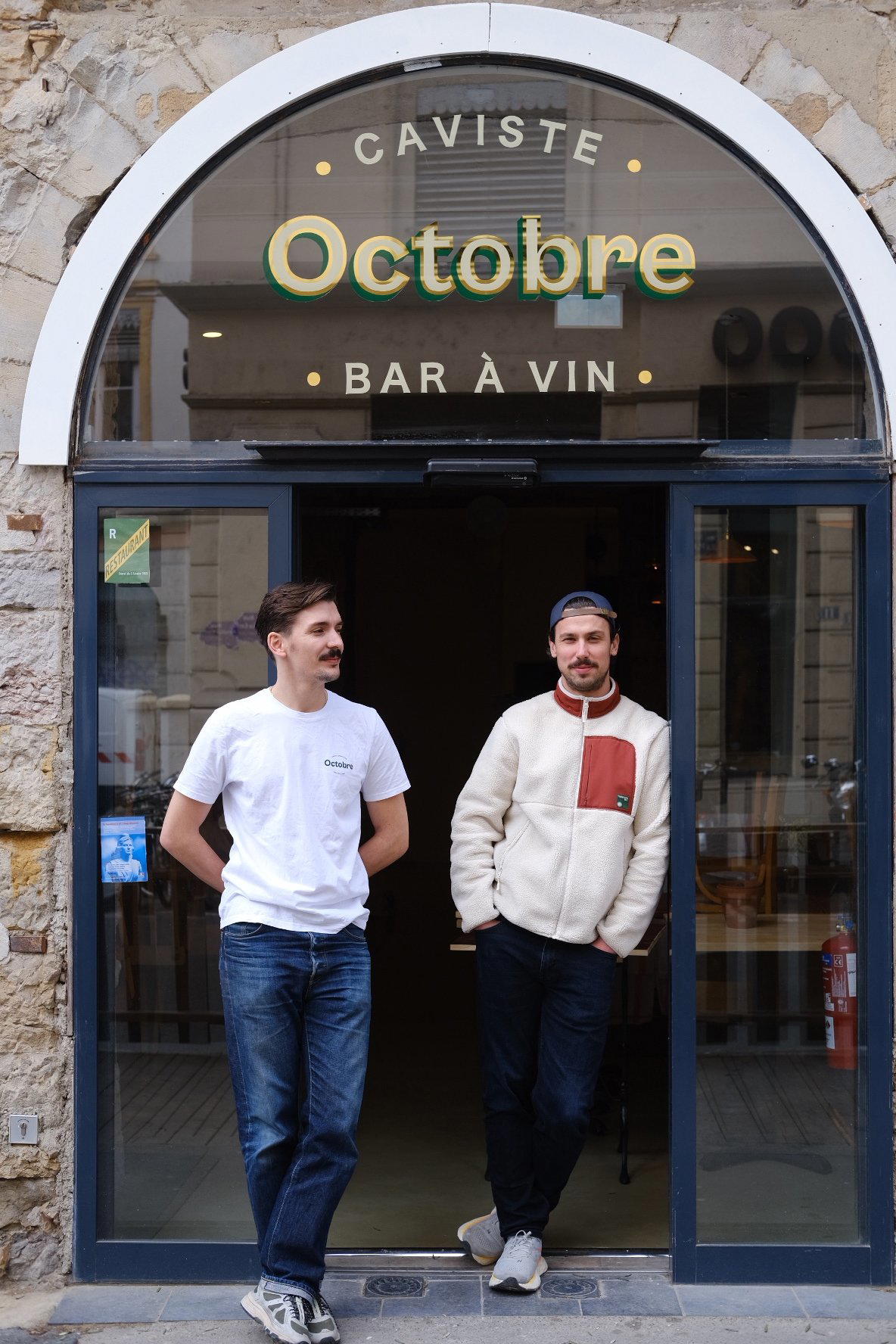
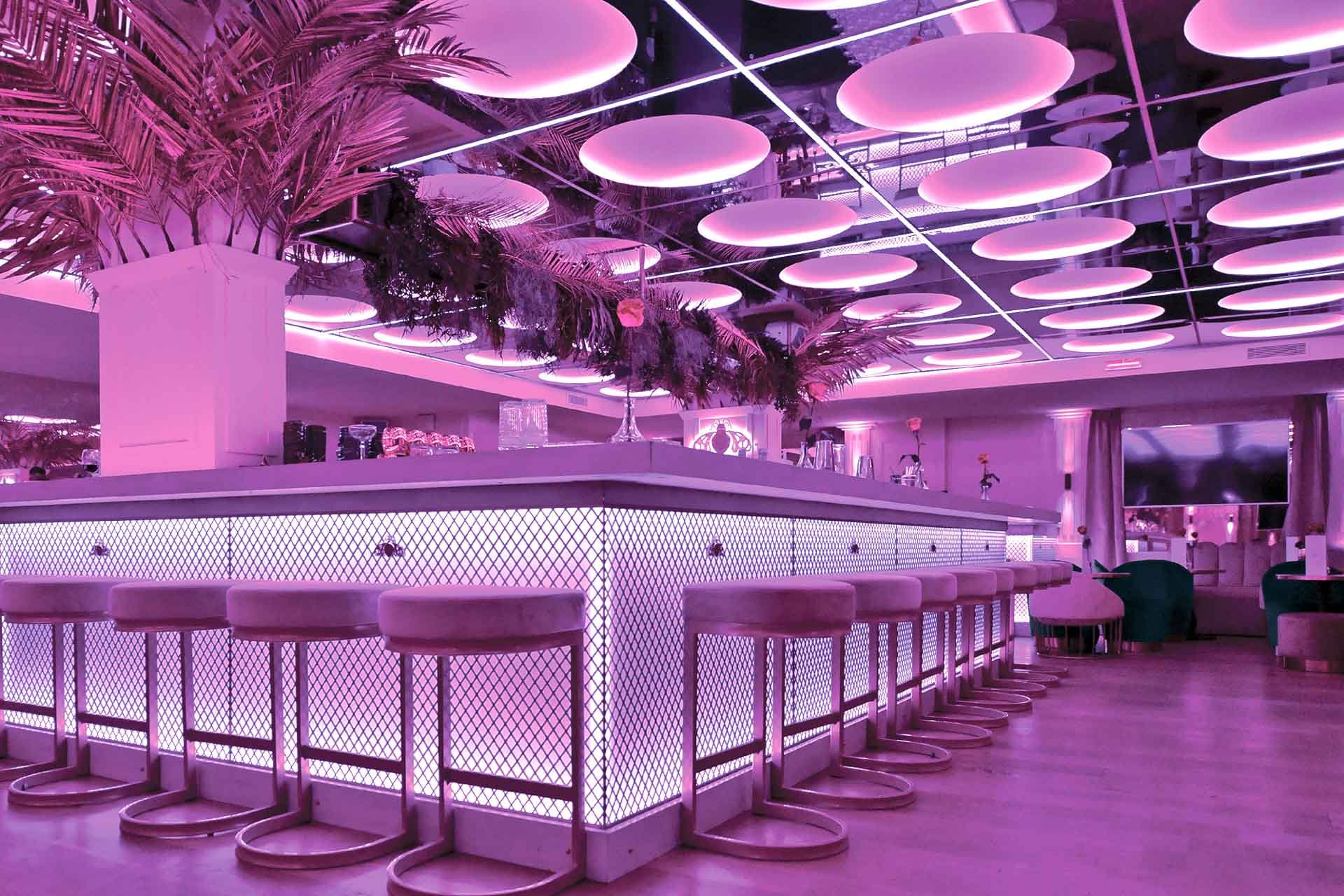
Hotels in Lyon
Browse all →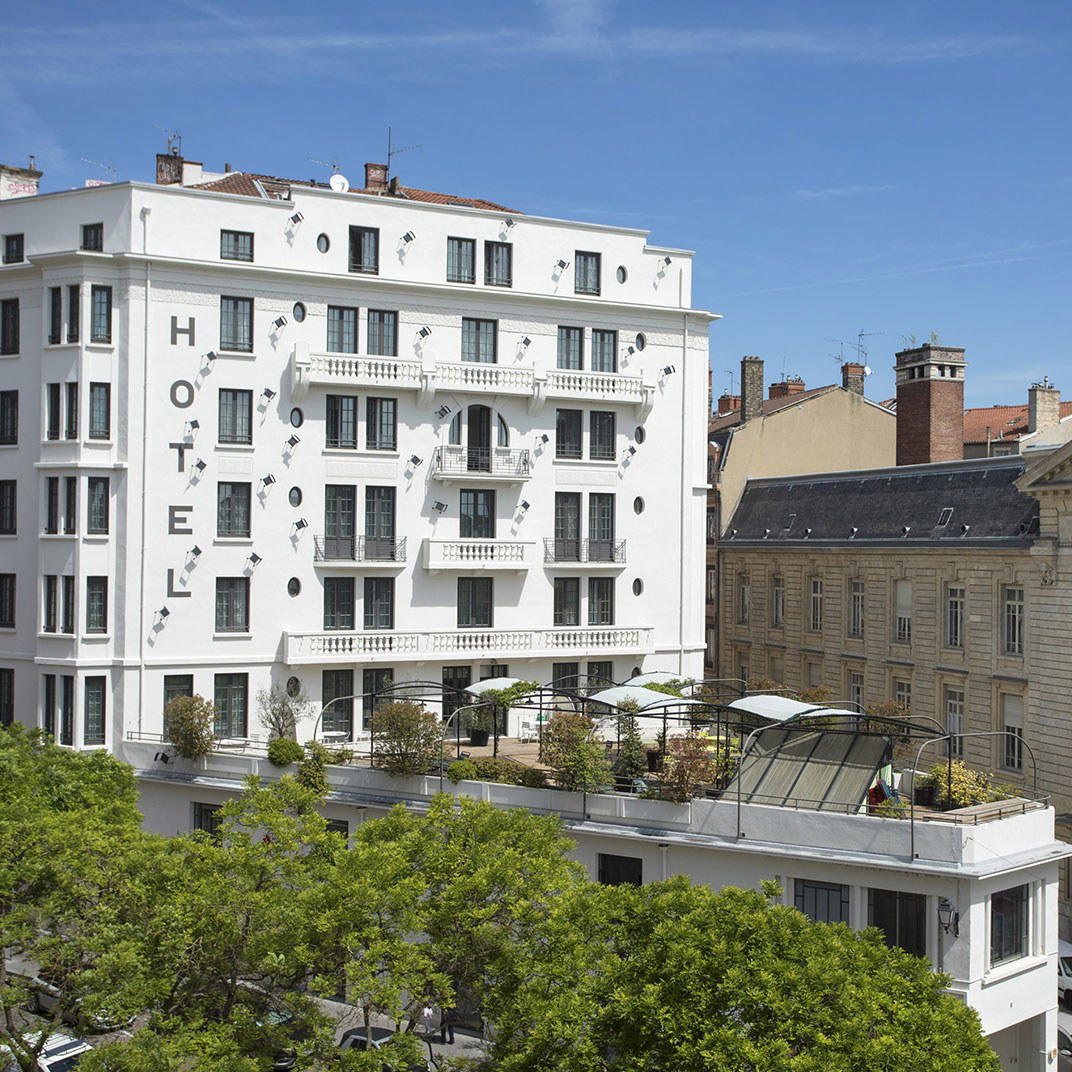

At a Glance
- Cozy
- Intimate
- Modern
- Date Night
- Special Occasion
- Open Kitchen
- Extensive Wine List
- Organic
- Local Sourcing
Current opening hours
- Monday
- Closed
- Tuesday
- 12–2:30 PM, 7–9:30 PM
- Wednesday
- 12–2:30 PM, 7–9:30 PM
- Thursday
- 12–2:30 PM, 7–9:30 PM
- Friday
- 12–2:30 PM, 7–9:30 PM
- Saturday
- 12–3 PM, 7–9:30 PM
- Sunday
- Closed
Hours can change for holidays and private events. Last verified .
Cozy and intimate with an informal setting, open kitchen views, soft electro music, and a charming, welcoming atmosphere.