Le Bouchon des Cordeliers, on Rue Claudia in Lyon's 2nd arrondissement, sits at the centre of what a bouchon is supposed to be: a neighbourhood table anchored in the city's cooking tradition, where the sourcing ethic is as old as the format itself. This is Lyon dining stripped of performance, where the logic of the plate reflects the logic of the market stall and the season.
Pearl is the En Primeur Club membership app — saves, bookings, and concierge access live there. Same editors, same standards.
- Address
- 15 Rue Claudia, 69002 Lyon, France
- Phone
- +33478033353
- Website
- bouchondescordeliers.com
- Directions
- Get directions
 Saves & bookings on Pearl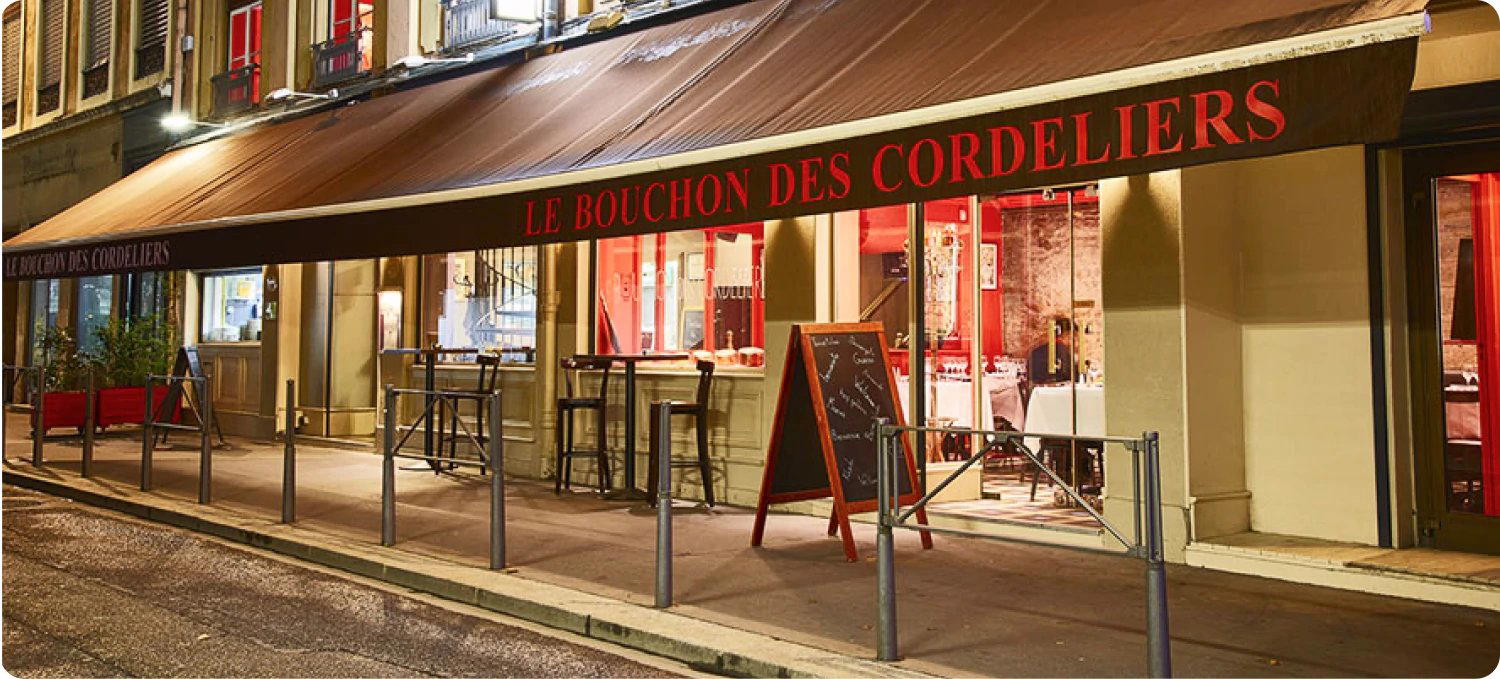
What a Bouchon Actually Is, and Why Lyon Still Needs Them
The bouchon is one of France's most specific restaurant formats, and Lyon is its only real home. These are small, typically family-run rooms that emerged over centuries as workers' canteens and wine-stop taverns, later codified into a recognisable civic institution. The cooking draws from the whole animal, the secondary cuts, the braised preparations that reward patience over technique, dishes that were sustainable before that word entered the restaurant lexicon. In a city where La Mere Brazier built its reputation on classical rigour and newer addresses like Le Neuvième Art and Takao Takano push contemporary French cooking into new registers, the bouchon endures as a counterweight, deliberately unspectacular, deliberately rooted.
Le Bouchon des Cordeliers occupies a position on Rue Claudia in the 2nd arrondissement, the Presqu'île, which is the gravitational centre of Lyon's restaurant life. The Cordeliers quarter sits between the Saône and the Rhône, a few minutes from the covered market at Les Halles de Lyon Paul Bocuse and within walking distance of the UNESCO-listed old city across the river. The address places the bouchon inside a neighbourhood where the food culture is dense and the competition to hold a regular clientele is real.
The Sustainability Logic Built Into Bouchon Cooking
Before the farm-to-table conversation reached European fine dining, bouchons were already operating on a set of inherited principles that amount to the same thing. The format's classical repertoire, tablier de sapeur (breaded tripe), quenelle de brochet (pike dumplings), saucisson brioché, tête de veau, is built from ingredients that larger, more fashionable kitchens discard or overlook. Every organ, every knuckle, every carcass has a purpose. This is not ethical sourcing as marketing strategy; it is the original logic of a cuisine shaped by economic necessity and proximity to the producer.
Lyon's position at the confluence of the Rhône and Saône valleys gives it access to some of France's most productive agricultural land: Bresse poultry, Charolais beef, Dombes freshwater fish, vegetables from the Pilat foothills. Sourcing locally, in this context, is not a departure from tradition, it is the tradition. The bouchon format exists precisely because Lyon's cooks have always built menus around what grows nearby and what arrives at market that morning. That relationship between the kitchen and the regional supply chain is the defining structural feature of the category, and it is what separates a bouchon from a bistro in the broader French sense.
Contrast this with the sourcing frameworks at the other end of Lyon's dining register. Au 14 Février and Burgundy by Matthieu operate in a more self-conscious register of modern cuisine, where provenance is named and credited on the menu. The bouchon achieves the same end without the annotation, the seasonality is simply assumed, the sourcing geography implicit in the dish itself.
The Room and the Ritual
Approaching a bouchon in the Cordeliers quarter, the signals are consistent across the category: red-and-white checked tablecloths, wooden furniture worn by years of use, walls hung with enamel signs and old Lyon ephemera, the smell of stock and rendered fat arriving before the door opens. These are not decorative choices. They are the residue of how the rooms have always functioned. The furniture is old because it has been there a long time. The ambience is a byproduct of continuity, not a reconstruction of it.
A genuine bouchon operates at lunch and dinner on a tight rotation. Menus are short and change with market availability. Wine lists lean heavily on Beaujolais and Côtes du Rhône, both produced within easy reach of the city, reinforcing the same local-supply logic that governs the food. Pots of Beaujolais, the 46cl ceramic jug historically associated with the format, remain the standard vessel in particularly traditional rooms. This is not nostalgia; it is an efficient, low-waste serving format that keeps wine moving quickly and at correct temperature without the overhead of a full sommelier programme.
For visitors working through Lyon's full dining range, the bouchon functions as the essential baseline. No amount of time at the starred tables across the city, and Lyon holds a concentration of Michelin-recognised restaurants that rivals any city outside Paris, translates into an understanding of where Lyon's cooking culture comes from without a meal in one of these rooms.
Lyon in the French Dining Conversation
France's restaurant culture operates across a wide geographic range. The format diversity alone, from Alléno Paris au Pavillon Ledoyen to Bras in Laguiole, from Mirazur in Menton to Auberge de l'Ill in Illhaeusern, reflects how deeply regional the country's cooking identity remains. Lyon sits within this conversation as both a producer city and a dining city. The institutions here, from Paul Bocuse's Auberge du Pont de Collonges to the contemporary rooms earning recognition today, draw on a larder and a set of cooking references that are distinctly Lyonnais. The bouchon is where that identity is most concentrated and least mediated.
Internationally, the bouchon format has no real equivalent. The neighbourhood bistro comes close in Paris, but lacks the organ-meat emphasis and the civic pride that Lyon attaches to its version. Addresses in New York like Le Bernardin or Atomix operate in completely different registers. Even within France, Flocons de Sel in Megève, Troisgros in Ouches, AM par Alexandre Mazzia in Marseille, Assiette Champenoise in Reims, and Au Crocodile in Strasbourg all express regional identity through different lenses. The Lyonnais bouchon is the only format built specifically around the city's own working-class culinary inheritance.
Planning Your Visit
Le Bouchon des Cordeliers is located at 15 Rue Claudia, 69002 Lyon, in the Presqu'île's 2nd arrondissement, a walkable distance from the Cordeliers metro station and central Lyon's main hotel cluster. Bouchons in this quarter draw both residents and visitors, and particularly established rooms fill quickly at midday, particularly Thursday through Saturday. Arriving without a reservation at peak lunch hours carries real risk in the category. Dinner tends to be slightly more accessible, though particularly traditional bouchons keep shorter evening hours than their bistro counterparts elsewhere in France.
Cuisine-First Comparison
Comparable venues nearby, for context on price, style, and recognition.
| Venue | Cuisine | Price | Notes |
|---|---|---|---|
| Le Bouchon des CordeliersThis venue — the venue you are viewing | Traditional Lyonnais Bouchon | $$ | Not listed |
| Le Café du Peintre | Traditional Lyonnais Bouchon | $$ | Quartier Brotteaux |
| Sathonay | Classic French Brasserie | $$ | Quartier Haut et Coeur des Pentes |
| Arsenic | Modern French Gastropub | $$ | Quartier Mutualité Préfecture Moncey |
| Café Luna | French Bistro with Spanish Accents | $$ | Quartier Quartiers Anciens |
| Bistrot de la Passerelle | Traditional French Bistro & Seafood | $$ | Quartier Bellecour Cordeliers |
Continue exploring
More in Lyon
Restaurants in Lyon
Browse all →
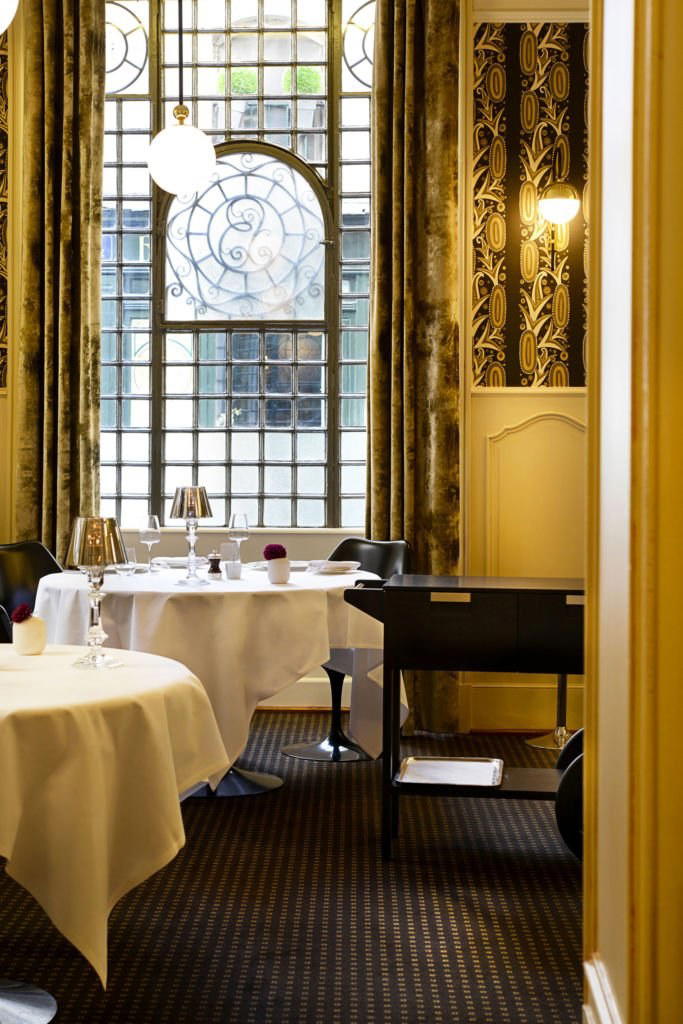
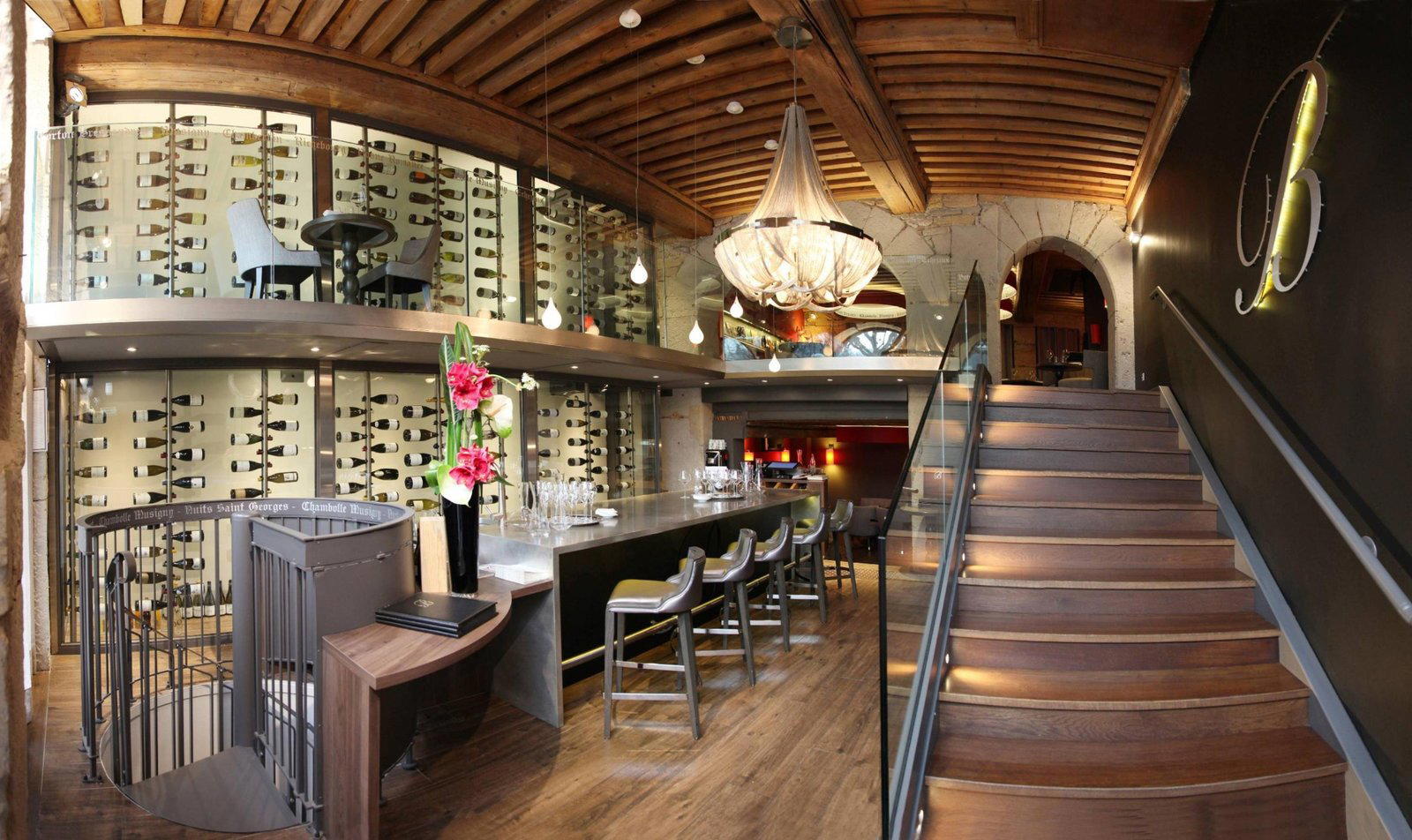
Bars in Lyon
Browse all →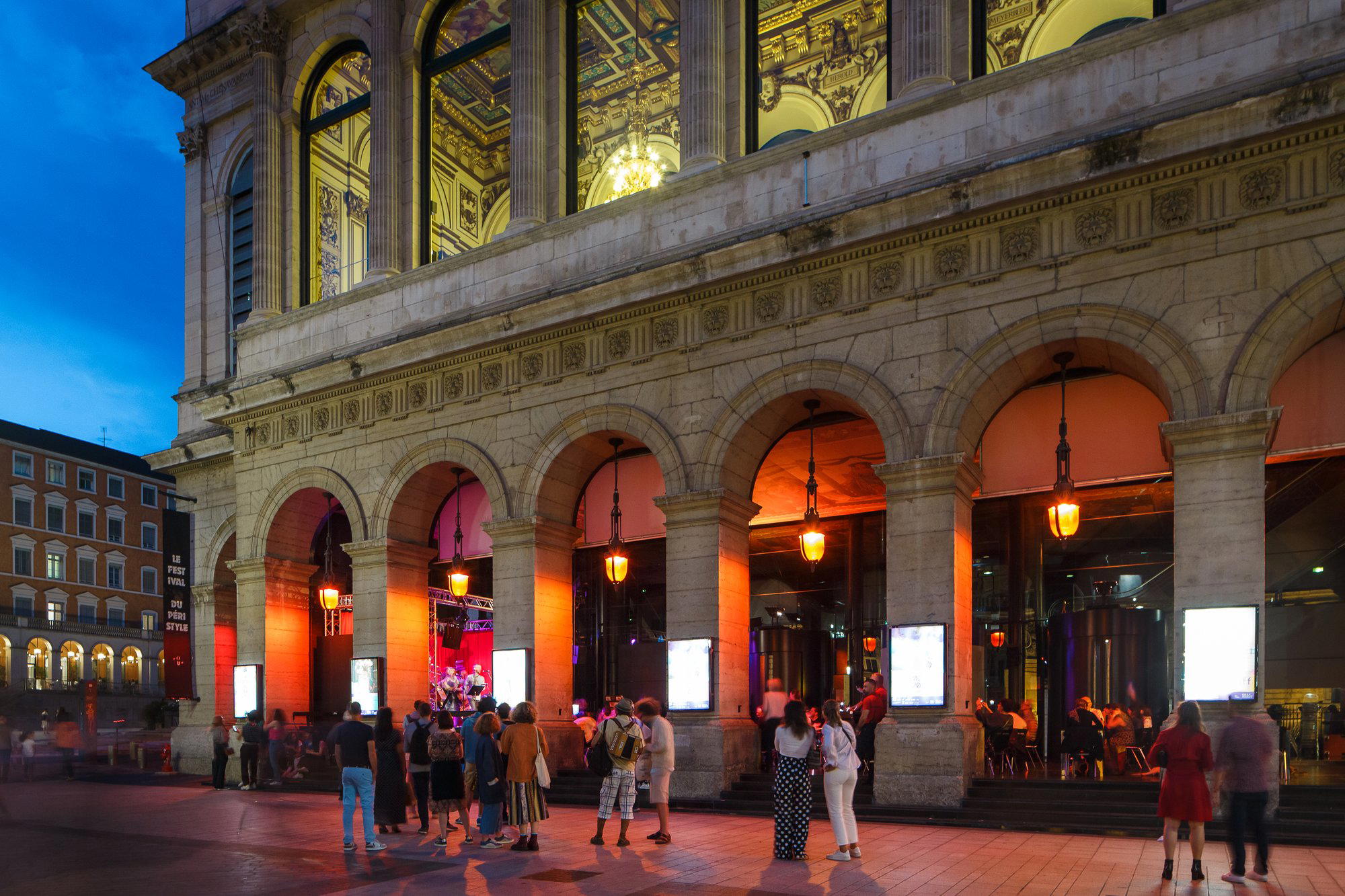
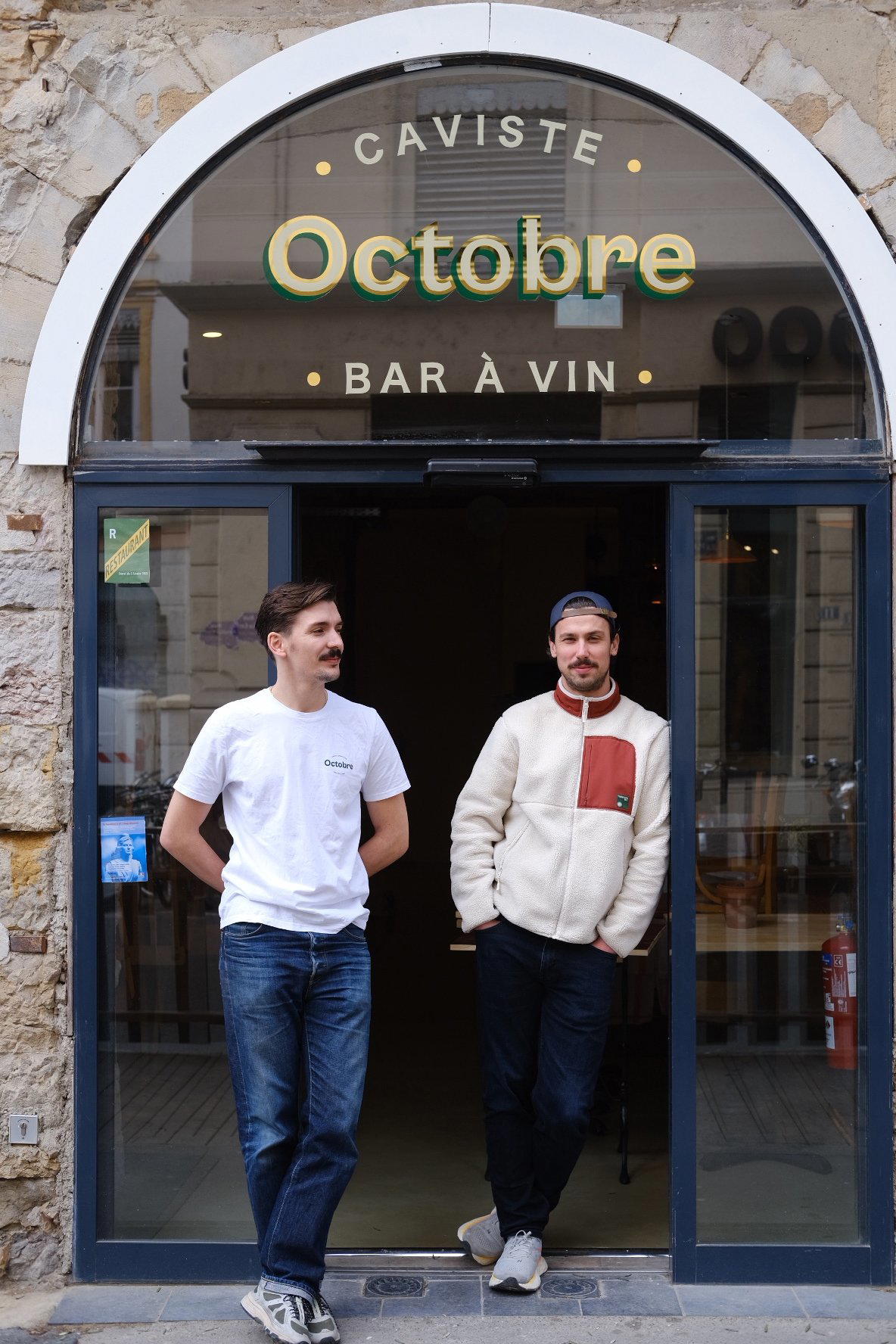
Hotels in Lyon
Browse all →

At a Glance
- Lively
- Cozy
- Classic
- Rustic
- Group Dining
- Casual Hangout
- Terrace
- Local Sourcing
Current opening hours
- Monday
- Closed
- Tuesday
- 12–1:30 PM, 7:30–9:30 PM
- Wednesday
- 12–1:30 PM, 7:30–9:30 PM
- Thursday
- 12–1:30 PM, 7:30–9:30 PM
- Friday
- 12–1:30 PM, 7:30–9:30 PM
- Saturday
- 12–1:30 PM, 7:30–9:30 PM
- Sunday
- Closed
Hours can change for holidays and private events. Last verified .
Warm and lively atmosphere with vermilion walls, exposed stone, checkered tablecloths, and a convivial, sometimes noisy vibe when full.