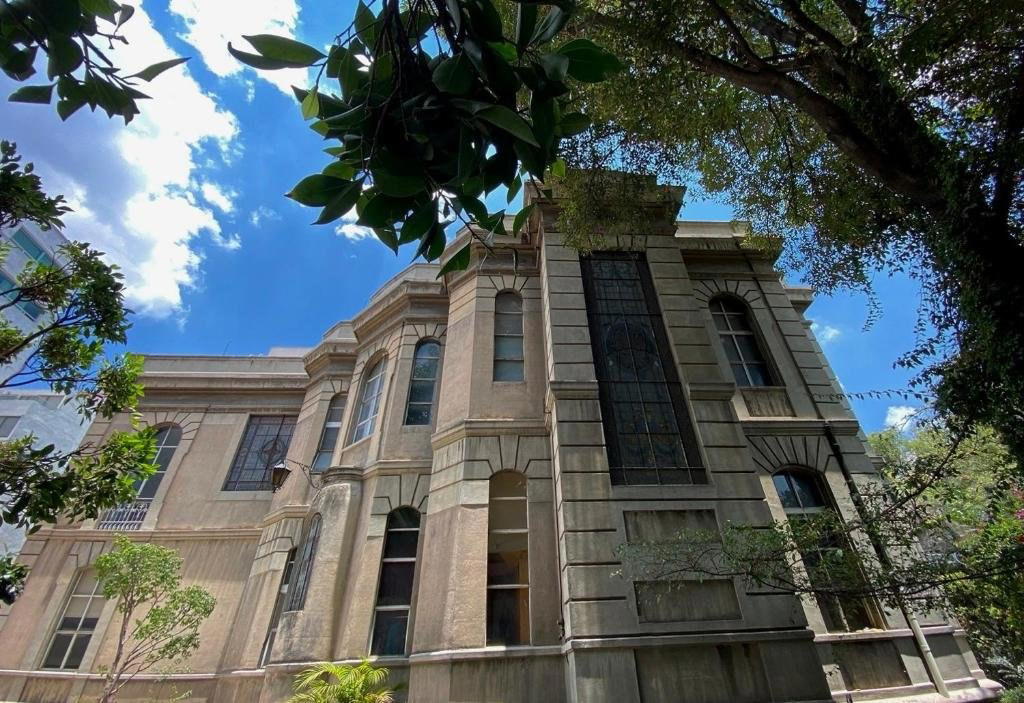
Lardo

Our verdict
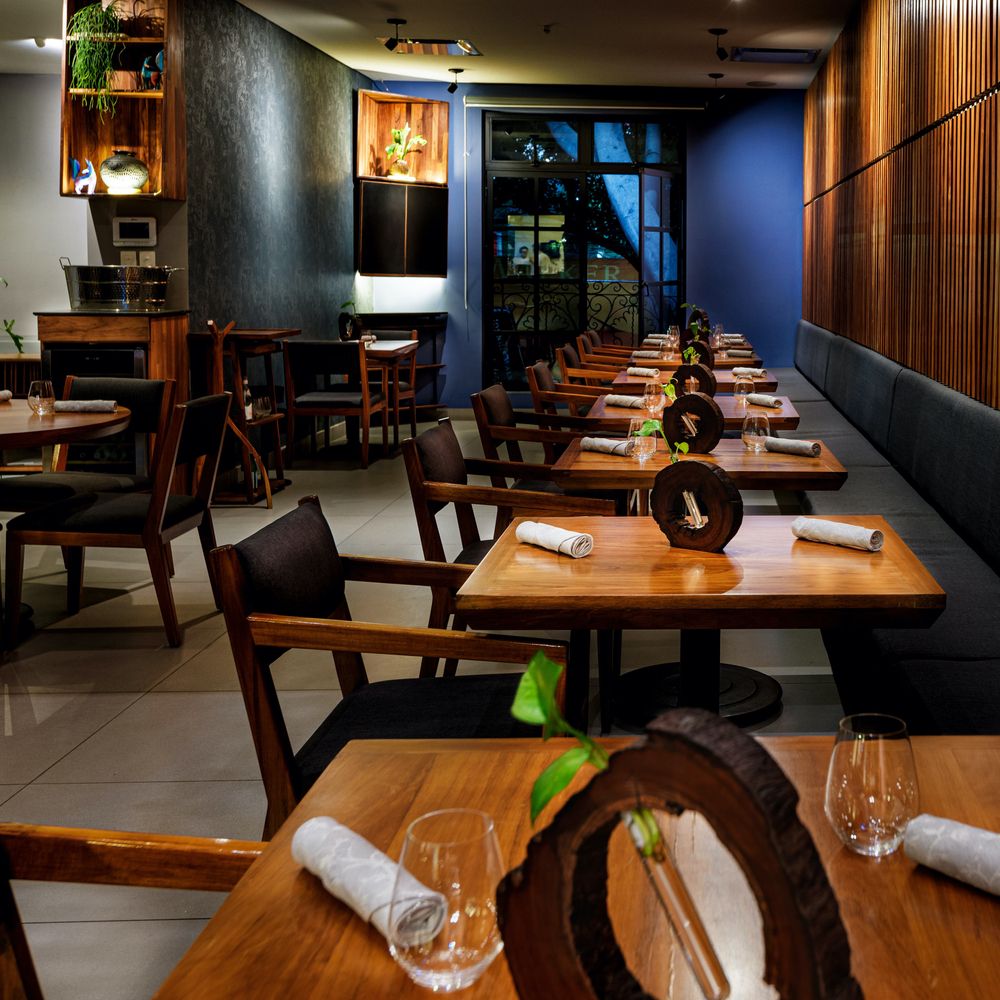
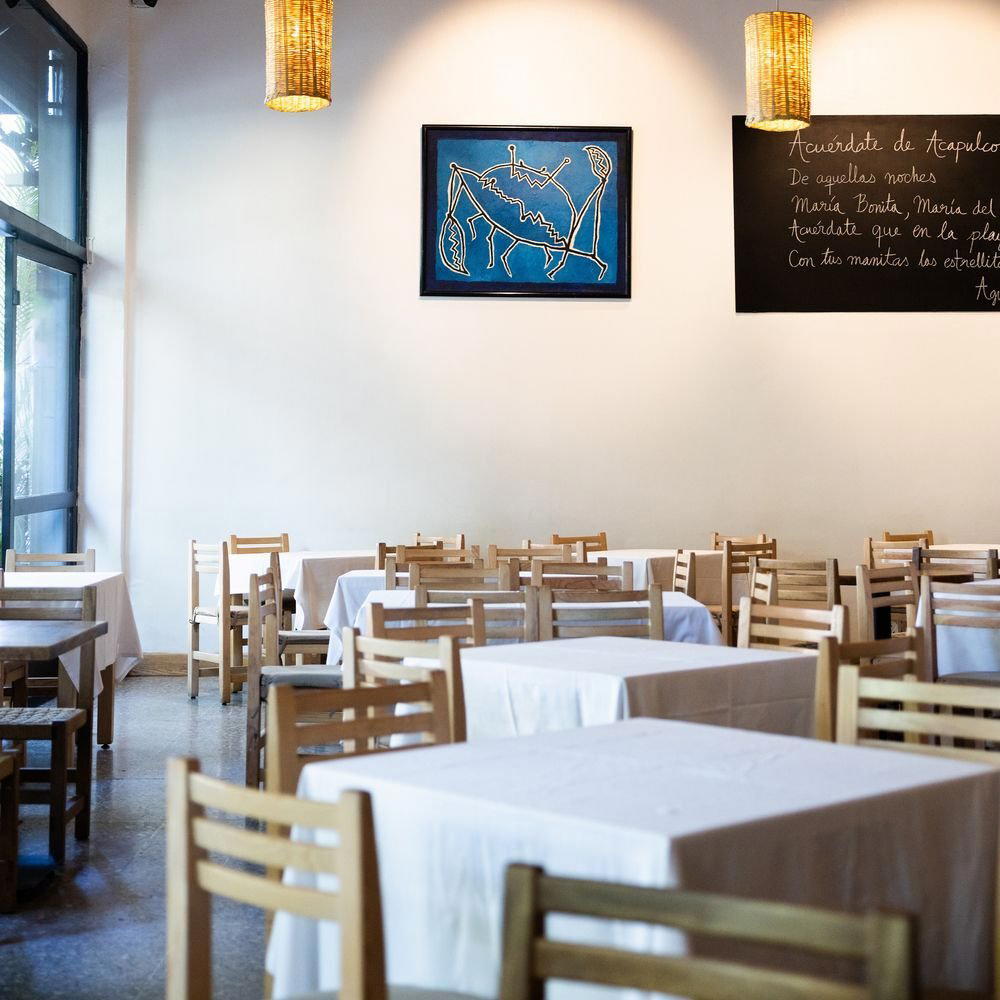
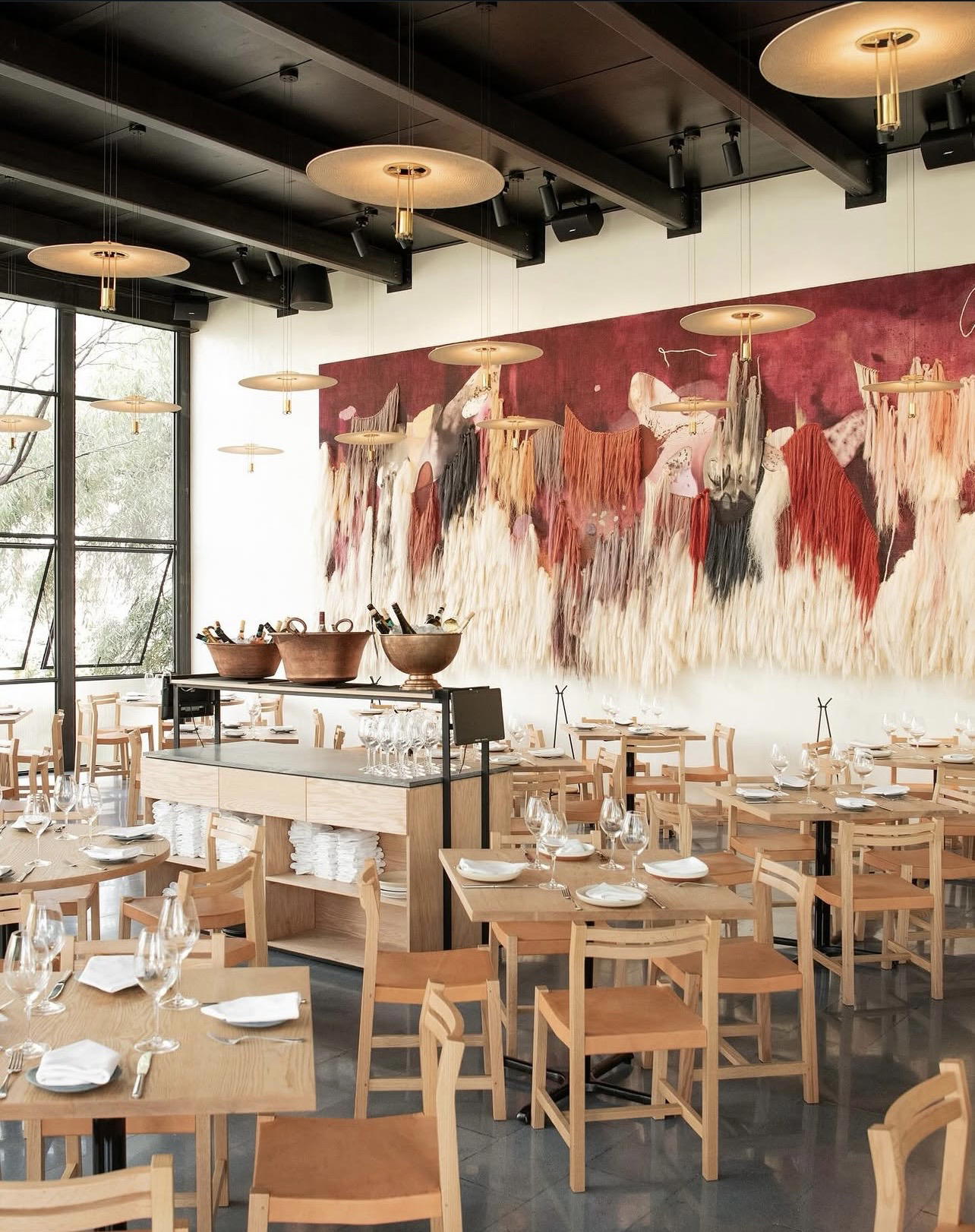
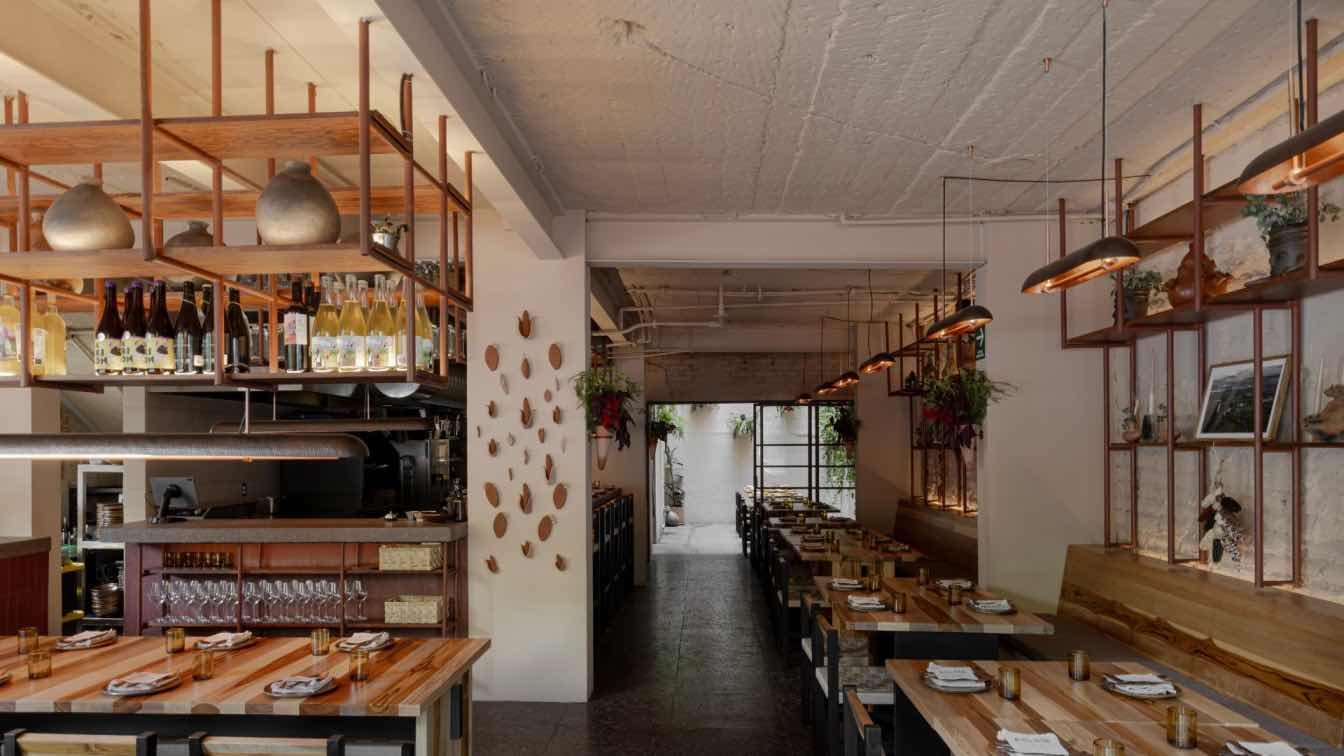
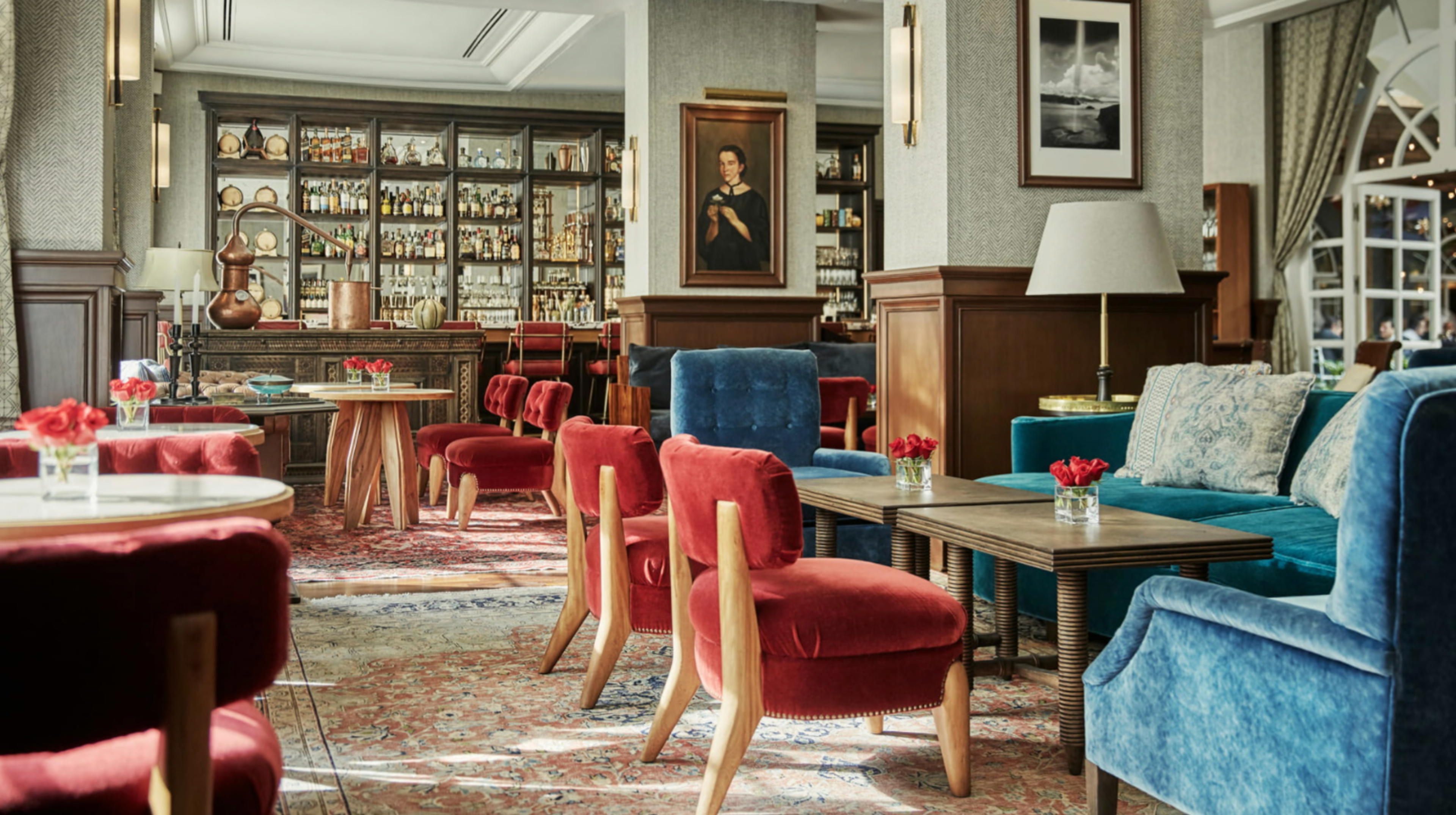
In Colonia Condesa, Lardo occupies a position worth understanding within Mexico City's mid-range dining tier, where Italian-inflected kitchens and neighbourhood bistro formats have carved a distinct space alongside the capital's celebrated modern Mexican scene. The address on Agustín Melgar places it in one of the city's most walkable, restaurant-dense corridors, making it a practical and considered choice for those moving between the neighbourhood's better-known tables.

Pearl is the En Primeur Club membership app, where members save venues, book tables and use the concierge.

The menu
What to order
- Grilled Octopus with Peanut and Tomato Sauce
- Croque Madame
- Green Chilaquiles with Burrata
- Lamb Kebab
- Eggplant Pizza with Labneh
Condesa's Bistro Register and Where Lardo Fits
Colonia Condesa has developed one of Mexico City's most coherent neighbourhood dining identities: tree-lined streets, mid-century residential blocks, and a density of restaurants that skews toward the casual-serious rather than the tasting-menu formal. This is not the district you come to for the kind of ceremonial modern Mexican cooking that defines Pujol or the vegetable-forward ambition of Quintonil. It is, instead, a neighbourhood where a well-executed neighbourhood restaurant can quietly build a following over years without the scaffolding of international awards or a recognisable chef name attached to the door.
Lardo sits on Agustín Melgar 6, in the core of that residential-commercial Condesa fabric. The street address alone positions it within a specific kind of Mexico City dining: accessible by foot from the Parque México axis, close enough to the neighbourhood's cafe culture to share a clientele with it, yet distinct enough in its register to function as a proper sit-down destination. In a city where the distance between a street taco and a $$$$ tasting menu can be three blocks, the mid-range bistro slot Lardo appears to occupy is both competitive and, when done well, durable.
The Cultural Weight of Italian Cooking in Mexico City
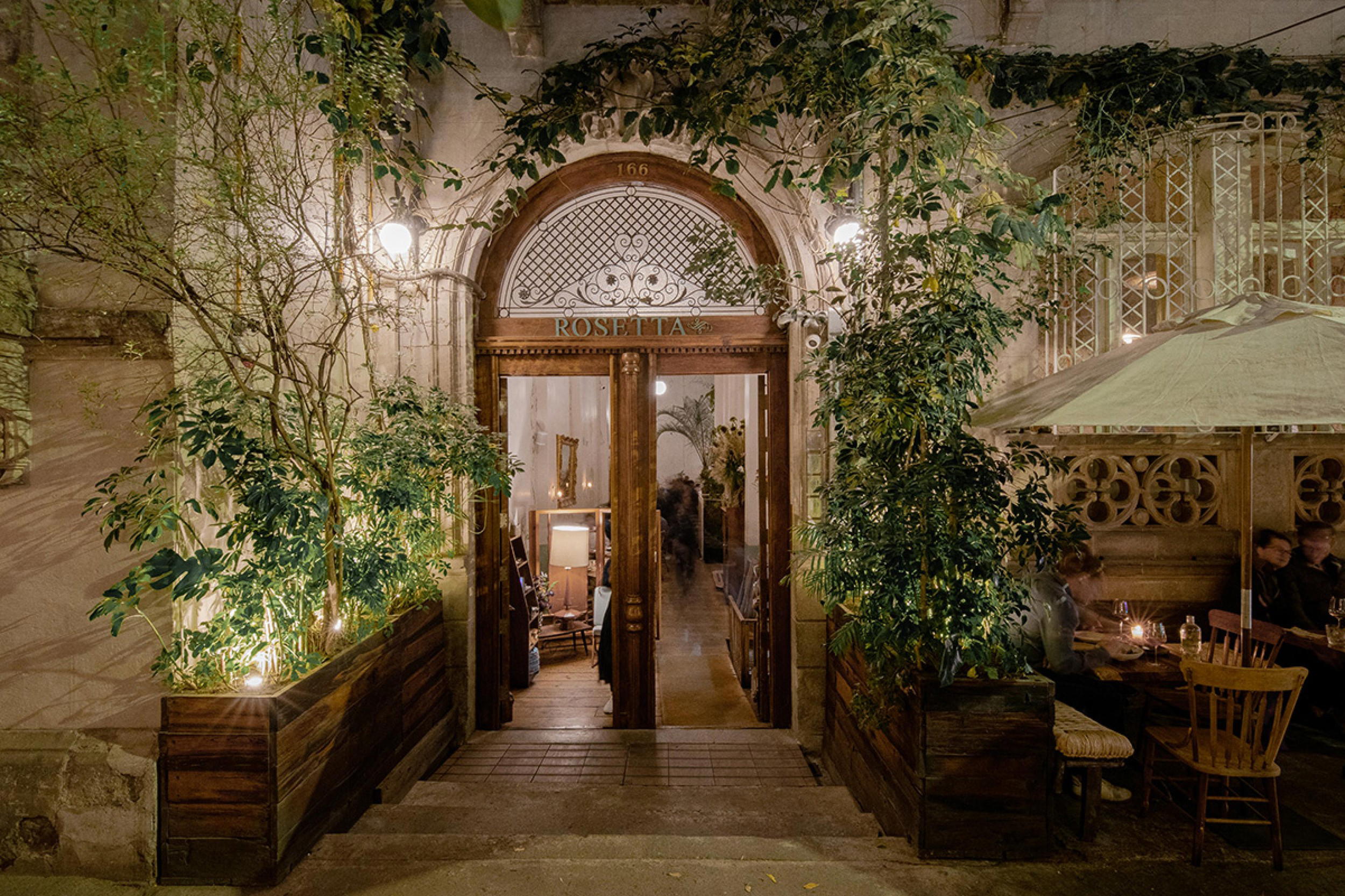
Mexico City's relationship with Italian cooking is older and more layered than the current wave of natural-wine-and-pasta openings might suggest. European immigration patterns through the twentieth century left a culinary imprint on the capital that sits alongside, rather than in competition with, the indigenous and mestizo food traditions that rightly dominate the conversation. Today, Italian-inflected kitchens in the city operate in a different register from the modern Mexican projects at Em or the creative European approach at Rosetta, which blends Italian framework with local ingredient sourcing in a way that has made it one of Roma Norte's most discussed addresses.
The name Lardo references one of Italy's most specific and culturally loaded ingredients: cured fatback, typically seasoned with rosemary and other aromatics, and eaten on warm bread as a starter. In Italian culinary tradition, lardo is not a novelty or a chef's trick. It is a product with protected designation of origin status in Colonnata, Tuscany, and a longstanding place in the cured-meat canon of Liguria and Veneto as well. A restaurant choosing that name is making a statement about register: this is cooking that takes the Italian pantry seriously, that is interested in fat and curing and the kind of simplicity that requires ingredient quality to hold up. Whether Lardo Mexico City fully delivers on that implicit promise is a question better answered by those who have sat at its tables, but the name itself signals intent.
Condesa in the Context of Mexico City's Broader Dining Map
To understand any single Condesa address, it helps to hold the city's dining geography in mind. Mexico City's serious restaurant culture is distributed across several neighbourhoods, each with a different character. Polanco carries the formal fine-dining density, with the highest concentration of internationally recognised tables. Roma Norte has become the city's most discussed neighbourhood for creative, mid-range, and natural-wine-adjacent projects. Condesa sits adjacent to both in terms of price and aspiration, drawing a clientele that is local, international, and increasingly well-travelled in its food expectations.
Beyond the capital, Mexico's restaurant scene has expanded significantly in range and ambition. Sud 777 in Pedregal represents one strand of that evolution within the city itself. Across the country, kitchens like Animalón in Valle de Guadalupe, Le Chique in Puerto Morelos, KOLI Cocina de Origen in Monterrey, Levadura de Olla in Oaxaca, Lunario in El Porvenir, HA' in Playa del Carmen, Pangea in San Pedro Garza García, Olivea Farm to Table in Ensenada, and Alcalde in Guadalajara have made Mexico a destination for serious eating beyond the capital. Even within the coastal leisure market, Arca in Tulum has built a following that competes with resort-adjacent kitchens in other Latin American cities. Against that national backdrop, a Condesa neighbourhood restaurant operates in a specific and relatively modest register, which is not a criticism. The neighbourhood bistro format has proved its staying power in cities like Paris, New York, and London precisely because it does not try to be everything.
Planning a Visit
Lardo's address at Agustín Melgar 6 in Colonia Condesa places it within easy walking distance of the neighbourhood's main park and the Avenida Ámsterdam circuit, which means it benefits from the foot traffic and ambient restaurant culture that makes Condesa one of the more pleasant areas of the city to spend an evening. For those arriving from outside the neighbourhood, the Chilpancingo metro station on Line 9 provides a practical entry point, and ride-share services operate freely through the area. Mexico City's mid-range neighbourhood restaurants tend to fill on weekends without formal reservations being common, which means a walk-in approach on a weekday evening is generally more reliable than on a Friday or Saturday. For the wider Mexico City picture, the EP Club Mexico City restaurants guide maps the city's dining by neighbourhood and price tier. For reference points further afield, Le Bernardin in New York City and Lazy Bear in San Francisco illustrate the kind of international fine-dining standards that increasingly inform what well-travelled diners expect from serious tables at any price point.
Frequently asked questions
Where is Lardo in Mexico City?
Lardo is located at Agustín Melgar 6, Colonia Condesa, Cuauhtémoc, 06140 Ciudad de México, CDMX, Mexico, Mexico City.
How does Lardo fit into Condesa's dining scene compared to other neighbourhood restaurants?
Condesa has built one of Mexico City's most internally consistent neighbourhood dining identities, and Lardo at Agustín Melgar 6 sits within that framework as an Italian-leaning option rather than a destination-dining proposition. Where some Condesa addresses chase the CDMX fine-dining circuit, a bistro format at this address is pitched more at residents and repeat visitors who know the neighbourhood well. That positioning, common in European dining districts, is still relatively rare in Mexican neighbourhood contexts, which is part of what gives Condesa restaurants like Lardo their local currency.
What dish is Lardo famous for?
Specific menu details for Lardo are not something we can verify without current sourcing, but the restaurant's Italian-leaning identity in Colonia Condesa places it within a local tradition of housemade pasta and charcuterie-driven plates. The name itself references cured fatback, which signals where the kitchen's attention sits. For the current menu, checking directly at Agustín Melgar 6 or through local booking platforms is the most reliable approach.
What makes Lardo worth seeking out?
Lardo occupies a specific register that Condesa does well: a neighbourhood-scale Italian bistro operating in one of Mexico City's most coherent dining corridors, where the streets and the restaurant culture reinforce each other. Mexico City's Italian cooking tradition runs deeper than the recent natural-wine-and-pasta wave, and addresses in Condesa that work within that longer lineage tend to hold up better over time. The location on Agustín Melgar, within walking distance of Parque México and Avenida Ámsterdam, also means it fits naturally into a broader afternoon or evening in the neighbourhood.
In Context: Similar Options
Comparable venues nearby, for context on price, style, and recognition.
| Venue | Cuisine | Price | Notes |
|---|---|---|---|
| LardoThis venue (the venue you are viewing) | Mexican-Mediterranean Fusion | $30–50 | Not listed |
| Oly | Modern Mediterranean | $20–30 | Hipodromo de la Condesa |
| Malcriado | Mediterranean Café & Wine Bar | $20–30 | Hipodromo de la Condesa |
| Gulí Hagadol | Mediterranean Middle Eastern | Not listed | Polanco Chapultepec |
| Delirio | Mediterranean Deli-Cafe | $10–20 | Hipodromo |
| Camaron Buchon - Condesa | Mexican Seafood - Shrimp Specialists | $20–30 | Bosque de Chapultepec |
Recognition history
Dated appearances from independent guides and award organizations, with the underlying list record or original source where available.
Opinionated About Dining Casual in North America Recommended
Opinionated About Dining