On East Georgia Street in Vancouver's Chinatown-adjacent corridor, Laowai occupies a part of the city where older immigrant food traditions and newer independent restaurant culture have been converging for years. The address places it inside one of Vancouver's more texturally interesting dining neighbourhoods, where sourcing decisions and cultural framing carry as much weight as technique.
 Discover on Pearl
Pearl is the En Primeur Club membership app — saves, bookings, and concierge access live there. Same editors, same standards.
- Address
- 251 E Georgia St, Vancouver, BC V6A 1Z6, Canada
- Website
- laowai.ca
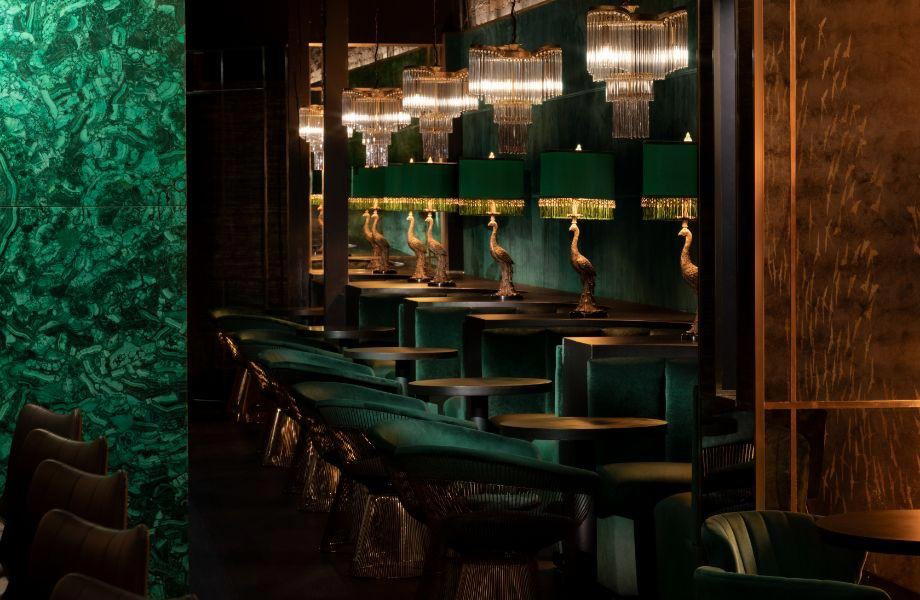
East Georgia and the Block Where Vancouver's Food Identity Gets Complicated
The stretch of East Georgia Street around 251 sits at the edge of what Vancouverites have called Chinatown for over a century, though the neighbourhood's actual composition has shifted considerably. What was once a tightly bounded enclave of Cantonese institutions has, over the past decade, absorbed a wave of independent restaurants and bars that draw on Asian culinary traditions without being reducible to them. This block-level tension, between inherited food culture and newer interpretive restaurants, is the context that shapes a venue called Laowai. The word itself, a Mandarin term for foreigner, signals an awareness of position: who is cooking, for whom, and with what claim to a tradition.
That kind of naming decision matters more in Vancouver than in most North American cities. The region's Chinese diaspora is large, and its restaurant culture is correspondingly dense and specific. Cantonese roast shops, regional Sichuan houses, Hong Kong-style cha chaan tengs, and contemporary Chinese-Canadian kitchens all operate within a short radius. A restaurant entering that conversation with a self-aware name is making an editorial choice about its own legitimacy.
Where the Food Comes From, and Why That Question Has Weight Here
Vancouver's position on ingredient sourcing is structurally different from most Canadian cities. The proximity to the Pacific puts wild salmon, halibut, Dungeness crab, and sea urchin within close commercial reach of any kitchen that commits to sourcing them well. The Fraser Valley, a short drive east, produces a range of vegetables, poultry, and dairy that has supported a generation of farm-to-table rhetoric, some of it substantiated and some of it decorative. Discerning that difference, in Vancouver, requires knowing which farms and fisheries are actually in play, not just which are name-checked on menus.
For a restaurant on East Georgia drawing on Chinese culinary frameworks, sourcing takes on an additional dimension. Chinese cooking traditions, particularly those from Cantonese and coastal regions, are deeply calibrated to ingredient quality: the freshness of a fish determines the cooking method, the variety of a vegetable determines the pairing, the age and fat content of a duck shapes the preparation. These are not aesthetic preferences but functional principles embedded in how the cuisine was built. A kitchen working within those traditions in Vancouver has access to strong raw materials. Whether that access is used structurally, as part of how dishes are conceived, or decoratively, as a marketing layer, is the question any serious diner should bring to the table.
That framing connects Laowai to a broader pattern visible across Vancouver's higher-end independent scene. Venues like Kissa Tanto and Masayoshi have built reputations partly on the credibility of their sourcing within Japanese-Italian and Japanese frameworks respectively. iDen and QuanJuDe Beijing Duck House approaches Chinese fine dining from a legacy-brand angle, with a Peking duck tradition traceable to a Beijing institution founded in 1864. These are all different answers to the same underlying question: how do you build authority for a cuisine that has deep roots elsewhere?
The Neighbourhood's Competitive Layer
East Georgia and its immediate surroundings now hold enough independent restaurants that the area functions as a genuine dining destination rather than a corridor between better-known blocks. Vancouver's premium restaurant tier, exemplified by AnnaLena and Barbara in Kitsilano and on the West Side respectively, tends to cluster away from this part of the city. That geographic separation means East Georgia operates with a different register: less formal, more neighborhood-facing, with pricing that reflects a mixed local clientele.
That positioning has its own integrity. Some of the most interesting food in any city happens in this middle register, where kitchens are not performing for Michelin inspectors or optimizing for expense-account covers, but cooking for a room of regulars who will return if the food earns it. The challenge is that without formal recognition, these restaurants are harder to triangulate for a visitor. The work has to speak through the plate and through the accumulated testimony of the people who eat there regularly.
Across Canada, this kind of neighbourhood-embedded, culturally specific restaurant has produced some of the country's most discussed kitchens in recent years. Tanière³ in Quebec City and Alo in Toronto represent the formal end of that spectrum. Jérôme Ferrer's Europea in Montreal and farm-anchored destinations like Eigensinn Farm in Singhampton or Restaurant Pearl Morissette in Lincoln show how sourcing specificity can become the central organizing principle of a restaurant's identity. Laowai sits in a different register than any of those, but the underlying logic, that where food comes from shapes what it means, runs through all of them.
Planning Your Visit
Comparable Spots, Quickly
Comparable venues nearby, for context on price, style, and recognition.
| Venue | Cuisine | Price | Awards | Notes |
|---|---|---|---|---|
| LaowaiThis venue — the venue you are viewing | Modern Chinese Speakeasy Lounge | $$$ | , | |
| Fatty Cow Seafood Hotpot | Seafood Hot Pot | $$$ | , | Victoria Drive |
| Tom Sushi | Authentic Japanese Sushi | $$$ | , | West End |
| Arike Restaurant | Modern Nigerian-Canadian Fusion | $$$ | , | West End |
| Kirin Seafood | Cantonese Seafood and Dim Sum | $$$ | 1 recognition | West End |
| Heritage Asian Eatery | Modern Chinese Comfort | $$ | , | Coal Harbor |
Continue exploring
More in Vancouver
Restaurants in Vancouver
Browse all →
Bars in Vancouver
Browse all →
At a Glance
- Hidden Gem
- Trendy
- Intimate
- Sophisticated
- Opulent
- Date Night
- Casual Hangout
- Special Occasion
- Craft Cocktails
- Local Sourcing
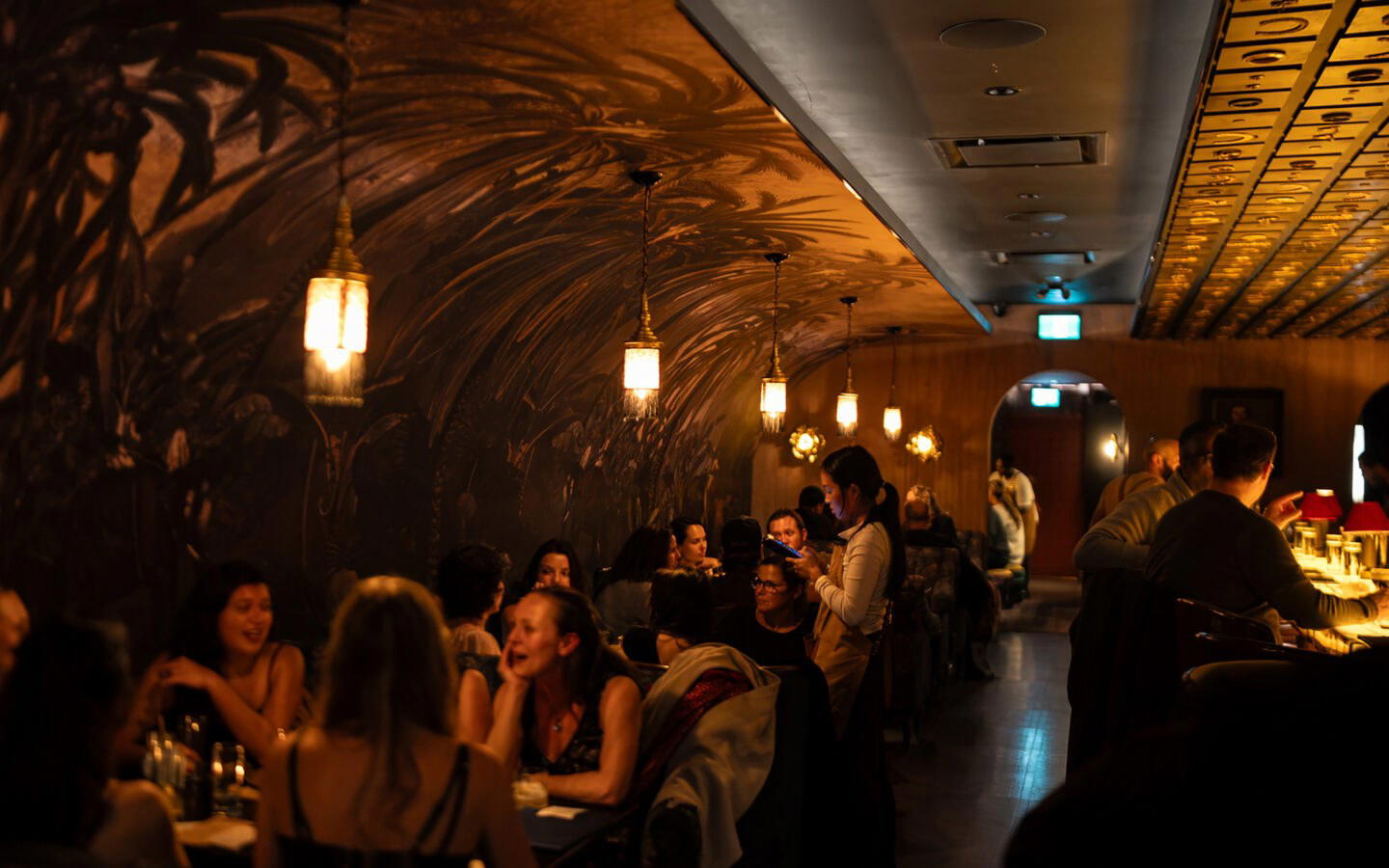
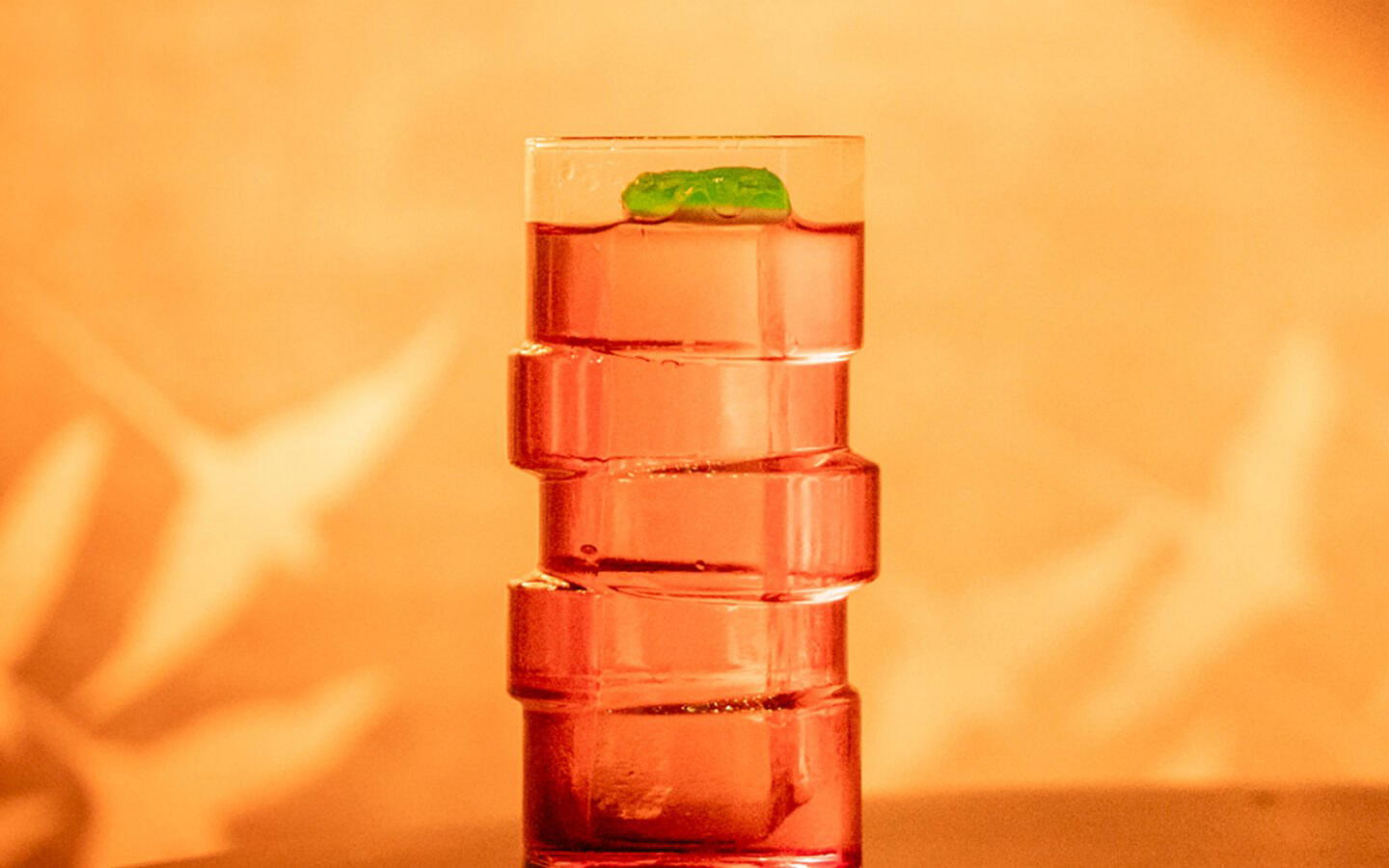
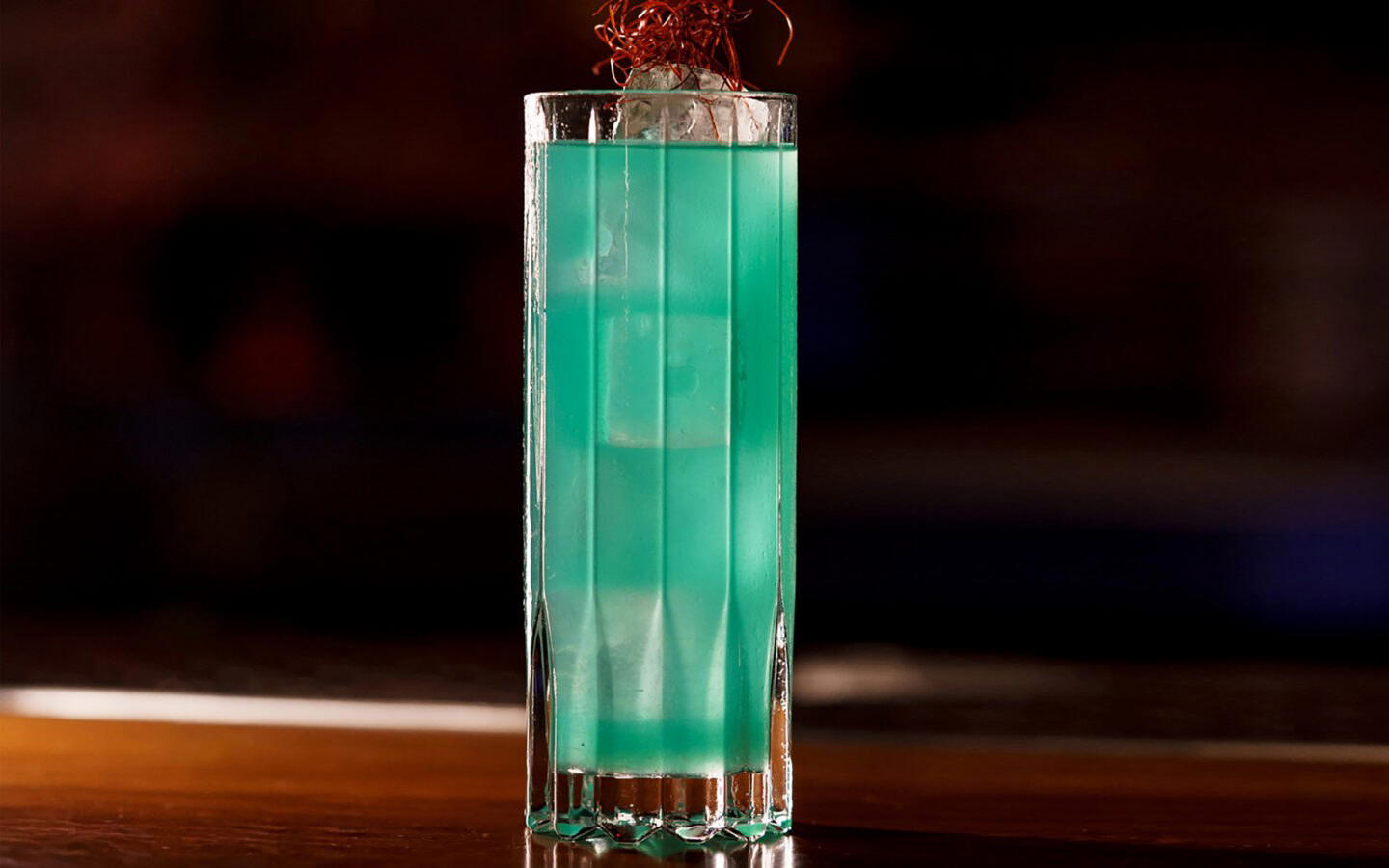
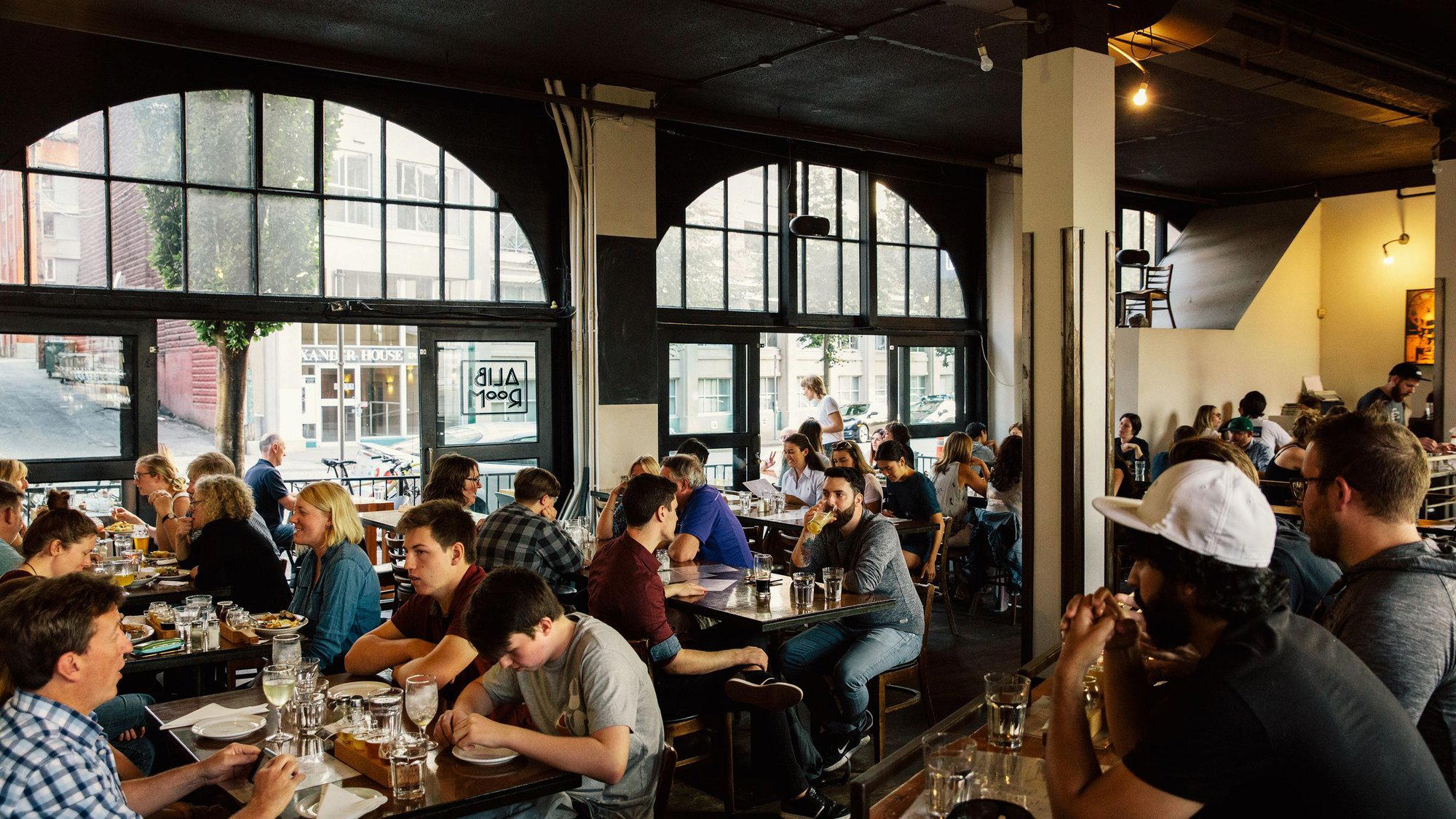
Opulent 1920s Shanghai-inspired lounge with glitzy velvet, copper, gold, malachite, and rich leather, creating an upscale yet cozy atmosphere.