Tom Sushi occupies a well-established address on Davie Street in Vancouver's West End, sitting within a neighbourhood that has quietly developed one of the city's more concentrated pockets of Japanese dining. The restaurant draws from Vancouver's tradition of Pacific Rim ingredient access, placing it in a local scene where proximity to fresh seafood and a sizeable Japanese-Canadian community have long shaped expectations for what sushi should be.
Pearl is the En Primeur Club membership app — saves, bookings, and concierge access live there. Same editors, same standards.
- Address
- 1175 Davie St, Vancouver, BC V6E 1N2, Canada
- Phone
- +16043360855
- Website
- tomsushi.ca
- Directions
- Get directions
 Saves & bookings on Pearl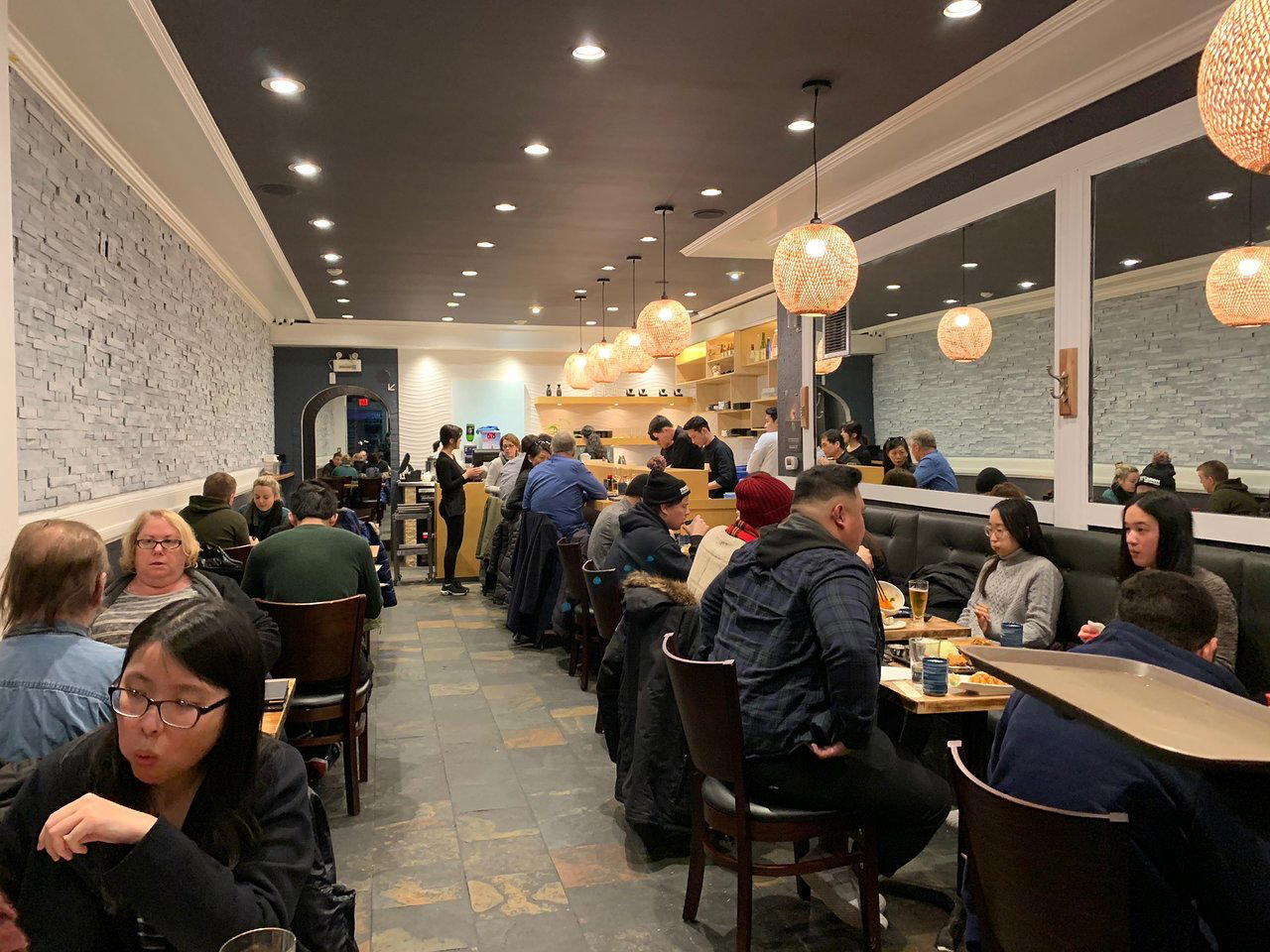
Davie Street and the West End's Quiet Japanese Dining Corridor
Vancouver's West End has never attracted the same dining press as Gastown or Mount Pleasant, yet Davie Street has accumulated a dense run of neighbourhood restaurants that serve serious food without the performance that comes with a more prominent postcode. The street runs through one of Vancouver's most walkable residential districts, and the dining rooms along it tend to reflect that character: smaller in scale, more regular in clientele, and less reliant on the kind of theatrical presentation that drives social media bookings elsewhere in the city. Tom Sushi at 1175 Davie Street sits inside this pattern. The address is not one that announces itself, and that low profile is part of what defines the experience for returning guests.
Japanese dining in Vancouver occupies a more layered competitive space than in most North American cities. The combination of Pacific Ocean proximity, one of Canada's largest Japanese-Canadian communities, and decades of cultural exchange through trade and immigration has produced a market where sushi literacy runs deep among local diners. That context matters when assessing any Japanese restaurant here. Vancouver guests compare against a reference set that includes counter omakase rooms like Masayoshi at the premium tier and a wide mid-range of neighbourhood Japanese operations. Tom Sushi competes in that mid-range, where consistency and ingredient quality carry more weight than format novelty.
The West End Setting: What the Room Communicates
Arriving on Davie Street in the early evening, the neighbourhood reads as residential first and dining destination second. That ordering is reflected in the experience at Tom Sushi. The room does not position itself as a destination occasion but as a reliable local counter, the kind of place where the same tables fill on weeknights because the food holds up over repeat visits. In a city where the high-end Japanese tier has consolidated around larger investment and imported design language, the West End's mid-range Japanese operations have retained a more functional, food-forward character.
This matters because Vancouver's dining scene has bifurcated visibly over the past several years. On one side sit the $$$$ Contemporary and fusion operations that have drawn national attention: venues like Kissa Tanto, which blends Japanese and Italian influences into a format that reads as occasion dining, or AnnaLena and Barbara, which operate at the top of the contemporary Canadian bracket. On the other side sits a network of neighbourhood restaurants where the value proposition is built on craft rather than concept. Tom Sushi belongs to the latter category.
Beverage and the Role of the Wine List in a Japanese Neighbourhood Room
Japanese restaurants at the mid-range of the market have historically treated beverage programs as secondary, and Vancouver is no exception. The dominant logic has been beer, sake, and a brief wine list assembled for compliance rather than curation. What distinguishes the more serious operators in this tier is a willingness to think about how the beverage selection interacts with the food, rather than simply providing something cold to drink alongside it.
Sake selection is the most instructive signal in this context. A Japanese restaurant that stocks only widely distributed commercial sake is making a different statement than one that sources from smaller breweries or presents variations across junmai, ginjo, and daiginjo classifications. The latter signals that the operator understands pairing as a discipline, not an afterthought. In Vancouver's mid-range Japanese tier, the gap between these two approaches is wide enough to be meaningful when choosing where to eat on a given evening.
The broader Canadian dining scene has seen increased investment in beverage programs at venues well outside the fine dining bracket. Restaurant Pearl Morissette in Lincoln has built a national reputation as much on its cellar as its kitchen, and operations like Alo in Toronto have demonstrated that wine program depth is now a competitive signal across multiple dining tiers. That pressure has reached Vancouver's mid-range, where guests who have eaten at wine-forward destinations carry those expectations into neighbourhood rooms as well.
Where Tom Sushi Sits Against the Vancouver Japanese Tier
The most useful peer comparison for Tom Sushi is not the omakase counter format, which operates at a different price point and format register entirely, but rather the range of neighbourhood Japanese restaurants across the West End and adjacent areas. At the premium end of the Japanese category in Vancouver, Masayoshi represents the omakase model with the credentialing that comes from sustained critical recognition. Tom Sushi does not compete in that bracket and is not positioned to do so.
Within the mid-range Japanese segment, the relevant comparison is less about prestige signals and more about ingredient sourcing, preparation consistency, and whether the room maintains its standard across a full week of service. These are the metrics that neighbourhood regulars apply, and they are harder to fake over time than a single strong review cycle. The West End's dining regulars are, in aggregate, a more demanding audience than they appear from the outside precisely because they return often enough to notice when a kitchen or beverage program slips.
For visitors oriented toward Vancouver's premium Japanese dining scene more broadly, the full Vancouver restaurants guide maps the range from neighbourhood mid-range through to the city's most credentialed fine dining operations. Internationally, the reference points for Japanese dining at the highest tier include venues like Atomix in New York City, which applies Korean fine dining logic to a format that shares the same precision standards as Japan's leading counter restaurants, while Le Bernardin in New York City offers a comparison point for how seafood-forward cooking at the highest level is structured outside the Japanese tradition entirely.
Within Canada's wider dining conversation, Tom Sushi's Davie Street positioning has more in common with the neighbourhood-embedded French Canadian tradition represented by Aux Anciens Canadiens in Quebec than with destination-focused operations like Tanière³ in Quebec City or Jérôme Ferrer - Europea in Montreal. The model is neighbourhood reliability over national profile, and that is a deliberate positioning rather than an absence of ambition.
Planning Your Visit
Logistics at a Glance
| Venue | Category | Price Tier | Format |
|---|---|---|---|
| Tom Sushi | Japanese, West End | Mid-range | Neighbourhood à la carte |
| Masayoshi | Japanese, $$$$ | Premium | Omakase counter |
| Kissa Tanto | Fusion, $$$$ | Premium | Occasion dining, à la carte |
| AnnaLena | Contemporary, $$$$ | Premium | Tasting / à la carte |
| iDen & QuanJuDe Beijing Duck House | Chinese, $$$$ | Premium | Tableside service |
Tom Sushi is located at 1175 Davie Street, accessible by foot from much of the West End and a short transit ride from downtown Vancouver. Given the absence of published online booking data, contacting the restaurant directly is advisable for groups or specific seating requests. Walk-ins are a reasonable option for solo diners and pairs earlier in the week, though weekend evenings on Davie Street fill across most restaurants and early arrival is sensible.
Continue exploring
More in Vancouver
Restaurants in Vancouver
Browse all →
Bars in Vancouver
Browse all →
At a Glance
- Cozy
- Modern
- Date Night
- Casual Hangout
- Open Kitchen
- Sake Program
Current opening hours
- Monday
- 12–9:30 PM
- Tuesday
- Closed
- Wednesday
- 12–9:30 PM
- Thursday
- 12–9:30 PM
- Friday
- 12–9:30 PM
- Saturday
- 12–9:30 PM
- Sunday
- 12–9 PM
Hours can change for holidays and private events. Last verified .
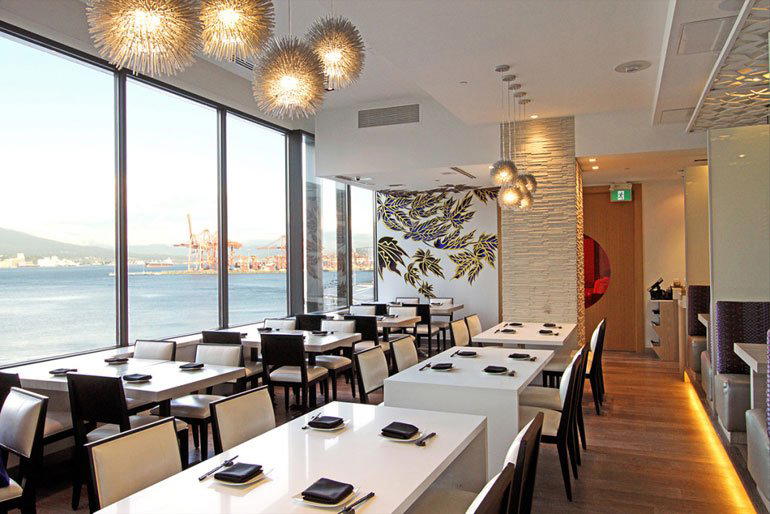
Cozy, modern, and clean atmosphere with friendly service and an open sushi bar where chefs prepare fresh dishes.
Know Before You Go
- Getting there
- 1175 Davie St, Vancouver, BC V6E 1N2, Canada