Our verdict
Khun Bu Lom Road and What It Tells You About Vientiane Dining Khun Bu Lom Road runs through a part of Vientiane that resists easy categorisation. The street sits close enough to the Mekong embankment to catch the late-afternoon light off the...

Pearl is the En Primeur Club membership app, where members save venues, book tables and use the concierge.
Khun Bu Lom Road and What It Tells You About Vientiane Dining
Khun Bu Lom Road runs through a part of Vientiane that resists easy categorisation. The street sits close enough to the Mekong embankment to catch the late-afternoon light off the river, but far enough from the tourist corridor that its restaurants draw a clientele shaped as much by neighbourhood habit as by guidebook recommendation. In a city where the dining scene has long split between colonial-era French holdovers and informal Lao street-food culture, addresses on Khun Bu Lom occupy a middle register: places where local ingredients and Lao cooking tradition carry more weight than imported technique or international branding. Laoderm sits on this street, and that address is itself a kind of editorial statement about what the kitchen is likely prioritising.
Vientiane is a small capital by Southeast Asian standards, with a food culture that has historically flown below the regional radar that elevates Bangkok, Hanoi, and Luang Prabang. That relative obscurity has preserved something: a closer relationship between what grows in the surrounding lowland plains, the foraged produce from highland markets, and what ends up on the plate. The Mekong valley supplies freshwater fish, riverine herbs, and sticky rice that form the backbone of traditional Lao cooking, and restaurants on streets like Khun Bu Lom are more likely to source from these regional networks than from the centralised supply chains that feed the international hotel dining rooms further downtown.
The Ingredient Logic Behind Lao Cooking
To understand what a kitchen like Laoderm is working with, it helps to understand the sourcing geography of Lao cuisine. Sticky rice khao niao, is not a side ingredient here; it is the structural centre of the meal, grown in paddies across the Vientiane plain and Savannakhet province, and its quality varies considerably between early and late harvest. Freshwater fish from the Mekong and its tributaries, including species rarely found outside the region, feed preparations like mok pa (fish steamed in banana leaf with herbs) and jeow bong, the fermented chilli paste that functions as both condiment and seasoning base. Foraged bitter greens, galangal, lemongrass, and dill appear with a frequency that reflects genuine agricultural proximity rather than culinary trend-following.
This sourcing reality distinguishes Lao cooking from its more internationally visible neighbours. Thai cuisine has industrialised much of its ingredient supply; Vietnamese cooking has developed strong export-oriented supply chains. Lao cuisine, by contrast, remains largely dependent on local markets, highland trade routes, and seasonal availability. For a restaurant on Khun Bu Lom Road, that means the menu is shaped partly by what arrives from the Talat Sao morning market and the informal vendors who bring produce in from Vang Vieng and the Bolaven Plateau. It is a more contingent, seasonal kind of cooking, less consistent by design, more honest by necessity.
Restaurants that operate inside this tradition, as Laoderm appears to, are not making a philosophical statement so much as responding to the practical realities of where they cook. The comparison with heavily awarded destination restaurants in other parts of the world is worth making explicitly: where a place like Arpège in Paris has built a reputation around garden-to-table sourcing as a high-concept proposition, or where Aponiente in El Puerto de Santa María has made marine-sourcing specificity into a Michelin three-star program, Lao restaurants on streets like Khun Bu Lom are doing something structurally similar, privileging provenance, without the infrastructure of international recognition around it.
Where Laoderm Sits in Vientiane's Dining Structure
Vientiane's restaurant scene divides roughly into three tiers: the international hotel dining rooms, the French colonial-era establishments that have been operating since the mid-twentieth century, and the locally-run kitchens that serve Lao food to a predominantly local and regional clientele. Cafe Ango represents one version of the locally-focused approach, while more informal spots like Rice Noodle Lao Porridge anchor the street-food end of the spectrum. Laoderm on Khun Bu Lom Road appears to occupy the middle ground: a sit-down kitchen with enough structure to qualify as a restaurant proper, working within Lao culinary tradition rather than importing a foreign framework.
That positioning matters for how you read the dining experience. You are not arriving at a place calibrated for international fine-dining expectations, where the service rhythm and menu architecture have been engineered to match the Michelin or World's 50 Best scoring rubric. The comparison set here is closer to what you find in Luang Prabang at addresses like 3 Nagas Hotel Luang Prabang or the noodle specialists around the old city such as Xieng Thong Noodle Soup: kitchens where the quality argument rests on ingredient fidelity and recipe knowledge, not on imported technique or table choreography.
For context on how different that scoring logic is from the global top tier, consider that a technically ambitious tasting-menu restaurant like Atomix in New York City or Alinea in Chicago operates inside a completely different institutional framework, one built on wine programs, multi-course architecture, and front-of-house systems that require different infrastructure entirely. The absence of that framework in Vientiane is not a deficiency; it reflects a city where the food culture is still largely organised around community eating patterns, market proximity, and seasonal availability rather than international critical currency.
Planning a Visit: What You Need to Know
Vientiane's dining scene is informal enough that reservations are rarely required at locally-run restaurants, and Khun Bu Lom Road follows that pattern. The practical approach for visiting Laoderm is to arrive during standard local meal hours: lunch from midday and dinner from early evening. The Lao dining day tends to run earlier than in European or Latin American cities, with kitchens winding down by 9pm or 10pm at most independent restaurants. Walking from the Mekong embankment, Khun Bu Lom is reachable on foot in under ten minutes from most central guesthouses, and tuk-tuk fares from anywhere in central Vientiane are low by regional standards. Dress expectations at restaurants of this type are informal. Currency is the Lao kip, though US dollars are widely accepted in Vientiane. A broader survey of what the city's restaurants offer is available in our full Vientiane restaurants guide.
Frequently asked questions
Can I bring kids to Laoderm?
Khun Bu Lom Road restaurants in Vientiane tend toward relaxed, informal setups without strict codes of conduct, and Laoderm follows that neighbourhood pattern. Lao dining culture is family-oriented at its core, with shared dishes and sticky rice at the table making the format naturally suited to children. Nothing in the venue's profile suggests otherwise.
What kind of setting is Laoderm?
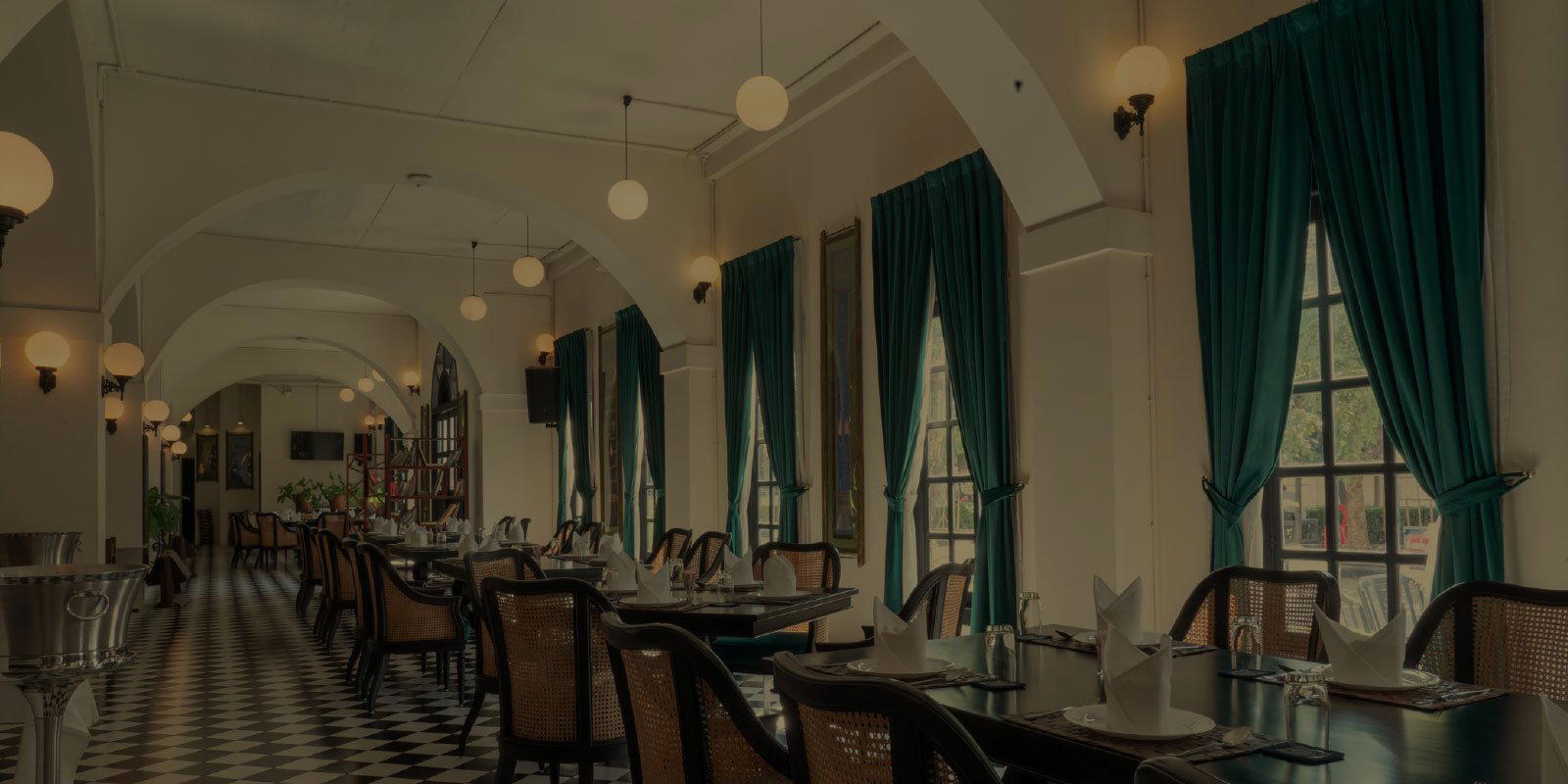
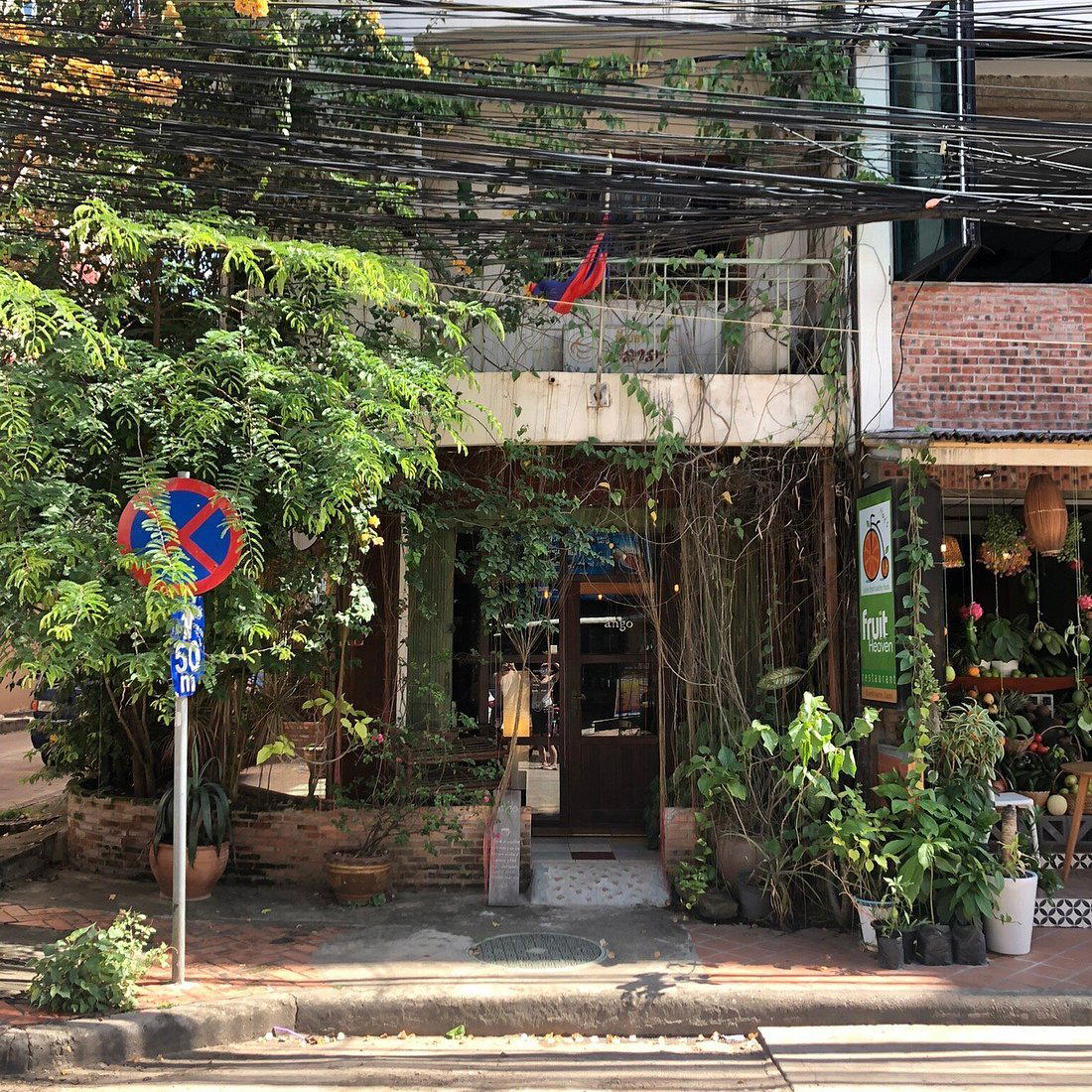
Laoderm sits on Khun Bu Lom Road, a stretch of central Vientiane close to the Mekong embankment that mixes locally-run kitchens with older French colonial-era buildings. The street's character leans informal and neighbourhood-facing rather than hotel-polished. That context points to a dining room that prioritises the food over theatrical presentation.
How does Laoderm fit into Vientiane's broader Lao cuisine scene?
Vientiane's restaurant landscape divides between international hotel dining, colonial-era French establishments, and locally-run Lao kitchens, and Laoderm sits in the third category on Khun Bu Lom Road. That tier is where the sourcing logic of Lao cooking, built around northern and central Laos produce, sticky rice, and fermented ingredients, tends to be most faithfully expressed. It is also the category least covered by mainstream travel guides, which gives Laoderm a context that rewards some prior research before visiting.
What's the signature dish at Laoderm?
What can be said is that Lao kitchens in Vientiane build around khao niao, glutinous sticky rice, as the dietary constant, alongside herb-forward broths and fermented fish-based condiments that define the cuisine's base flavour logic.
How do I find Laoderm?
Laoderm is located at Khun Bu Lom Rd, Vientiane, Laos, Vientiane.
Should I book Laoderm in advance?
Vientiane's locally-run restaurants, including those on Khun Bu Lom Road, rarely require reservations. The city's dining culture operates on a walk-in basis at this tier of establishment. No booking contact details are currently listed for Laoderm, which is consistent with that approach.
What makes Laoderm worth seeking out?
Laoderm occupies a part of Vientiane's dining structure that sits outside the international hotel rooms and the French colonial holdovers, the category of locally-rooted kitchens that most visitors miss by defaulting to better-documented addresses. Khun Bu Lom Road's proximity to the Mekong places it in a neighbourhood with genuine daily-life texture. For anyone trying to understand how Vientiane actually eats, that positioning matters.
In Context: Similar Options
Comparable venues nearby, for context on price, style, and recognition.
| Venue | Cuisine | Price | Awards | Notes |
|---|---|---|---|---|
| LaodermThis venue (the venue you are viewing) | Authentic Laotian Regional Cuisine | $10–20 | Not listed | Not listed |
| Cafe Ango | Japanese Cafe | Not listed | Not listed | Not listed |
| Rice Noodle Lao Porridge | Lao Rice Noodle Porridge | $1–10 | Not listed | central Vientiane |
| Doi Ka Noi | Dining | Not listed | World's 50 Best #86 | Vientiane |
| Tamarind | Authentic Lao Cuisine | Not listed | Not listed | Ban Wat Sene |
| Manda de Laos | Traditional Laotian Family Cuisine | Not listed | Not listed | Ban Thatluang |
Continue exploring
More in Vientiane
Restaurants in Vientiane
All restaurants in Vientiane →
Details
- Elegant
- Classic
- Cozy
- Group Dining
- Hotel Restaurant
- Local Sourcing
- A La Carte
- Vegetarian Friendly
Current opening hours
- Monday
- 9 AM–10 PM
- Tuesday
- 9 AM–10 PM
- Wednesday
- 9 AM–10 PM
- Thursday
- 9 AM–10 PM
- Friday
- 9 AM–10 PM
- Saturday
- 9 AM–10 PM
- Sunday
- 9 AM–10 PM
Hours can change for holidays and private events. Hours as of .
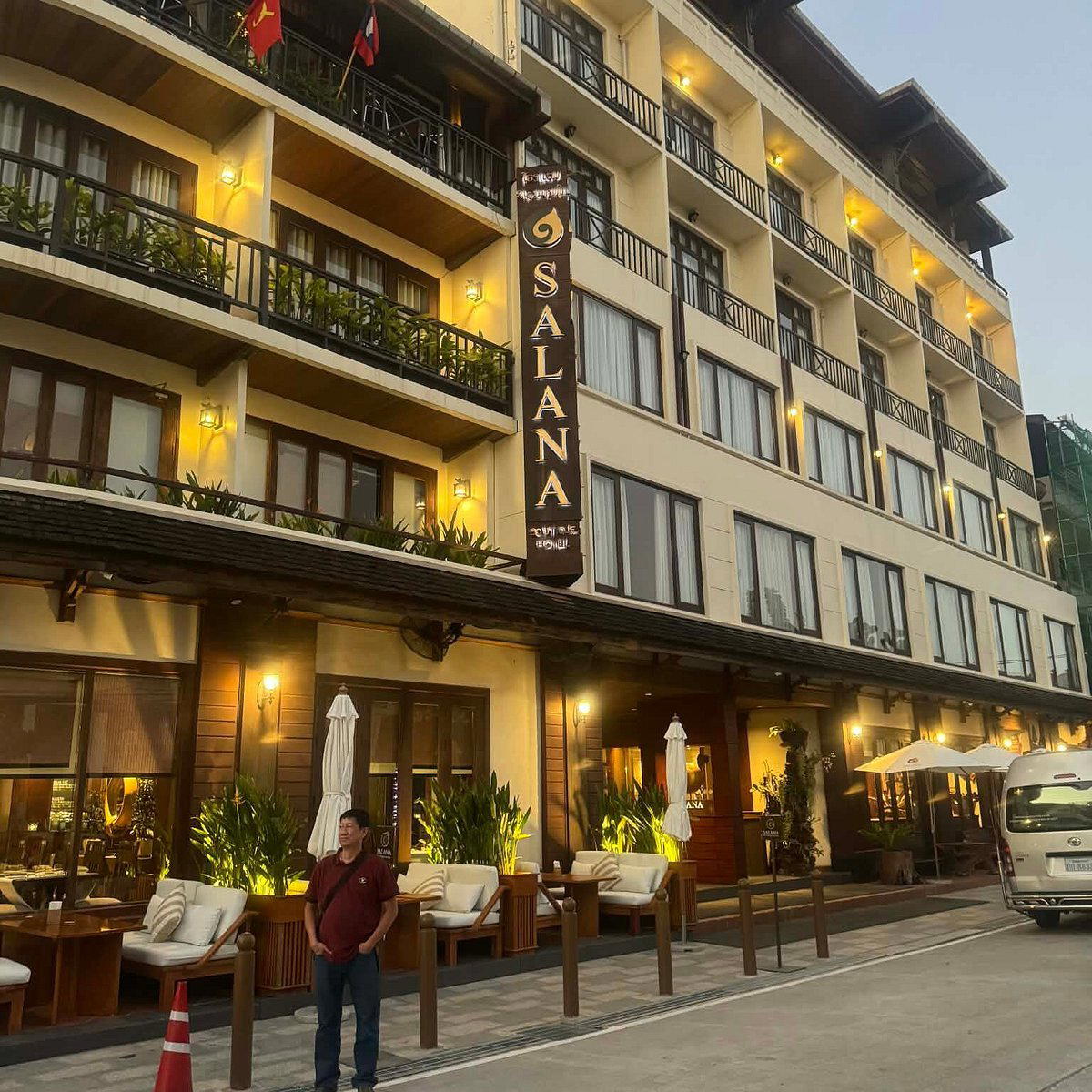
Beautiful French colonial decor with charming furniture, accessories, and comfortable interior, offering a refined and hospitable atmosphere.