Our verdict
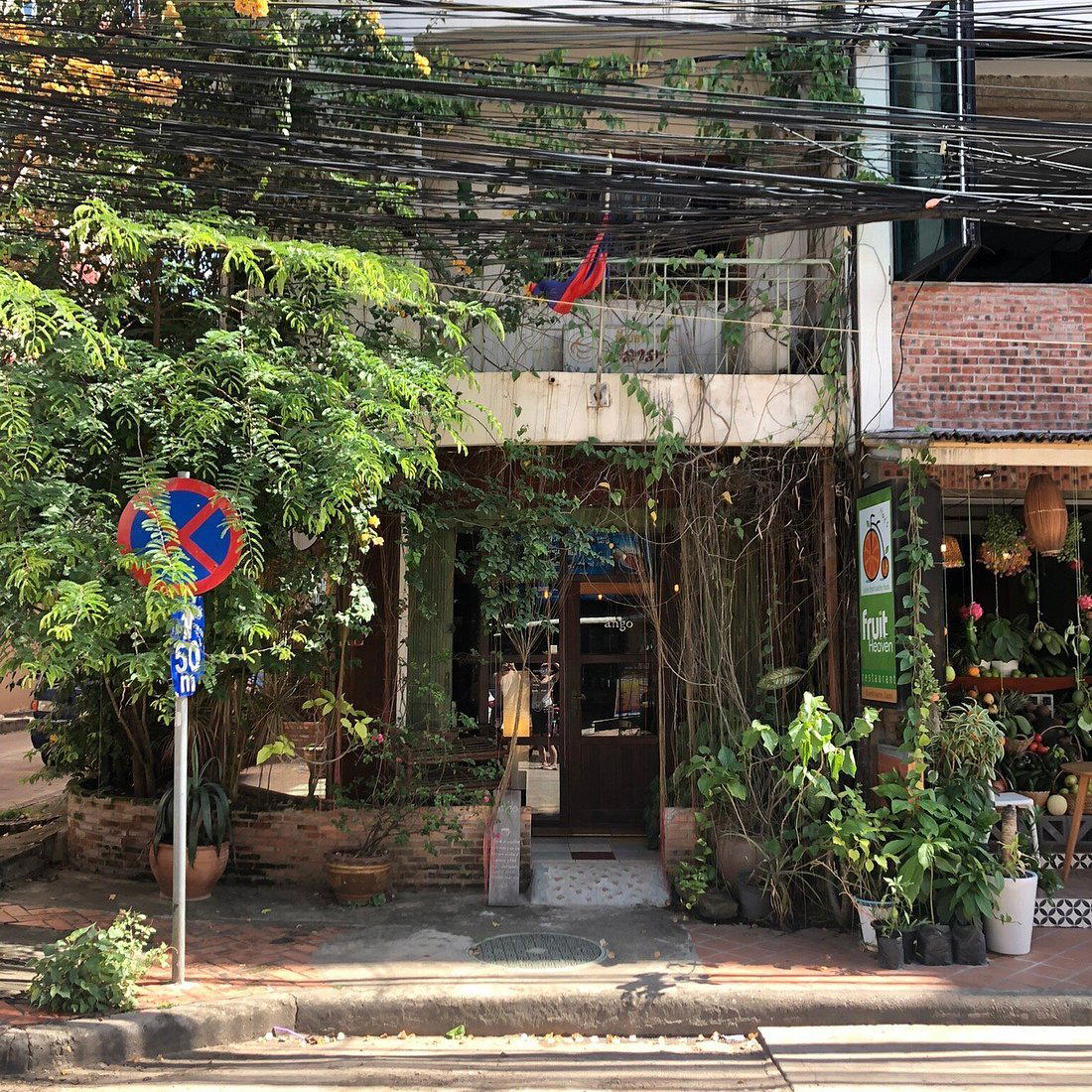
Cafe Ango occupies a residential street in Haisok village, one of Vientiane's quieter neighbourhoods, operating as a neighbourhood cafe for a predominantly local clientele. The kitchen draws from Lao staples sourced through local supply chains rather than tourist-facing menus. It represents the informal, ingredient-direct end of Vientiane's eating culture.

Pearl is the En Primeur Club membership app, where members save venues, book tables and use the concierge.
The menu
What to order
- Taco Rice
- Katsu Don
Where Vientiane Slows Down
Haisok village sits in one of Vientiane's quieter residential pockets, where the street grid relaxes and the pace follows. Henbounenoy street is the kind of address that rewards those who already know to look for it: no commercial strip, no tourist infrastructure, just the low-slung architecture and morning smells of a working Lao neighbourhood. Cafe Ango occupies that context rather than escaping it, which tells you something about the register it operates in before you reach the door.
In a city where the dining conversation has long been split between heritage Lao cooking and the French-inflected colonial holdovers, smaller neighbourhood cafes and kitchens have carved out a third space. These are places where the sourcing logic is local by default, not by design statement. The kitchen draws from what the surrounding markets carry, and the menu follows from that, rather than the other way around. It is a structural difference that matters more than it sounds: dishes change with supply, not with season-branded marketing.
The Sourcing Logic Behind Lao Neighbourhood Cooking
Lao cuisine operates on an ingredient hierarchy that is older than most contemporary farm-to-table rhetoric. River fish, sticky rice from the Mekong plains, wild herbs gathered from kitchen gardens, fermented pastes developed over generations, these are the structural elements, and the leading neighbourhood kitchens in Vientiane treat them as non-negotiable rather than optional. Galangal, lemongrass, kaffir lime leaf, and padaek (the fermented fish paste that anchors much of Lao flavour) are not embellishments here. They are the grammar.
This stands in contrast to the sourcing logic at award-documented destination restaurants elsewhere. At places like Atelier Moessmer Norbert Niederkofler in Brunico or Piazza Duomo in Alba, sourcing is an explicit editorial position, documented and communicated through the tasting menu architecture. In a Lao neighbourhood kitchen, the same discipline operates silently. The padaek is made locally. The sticky rice is from the region. The vegetables arrived this morning. None of this requires a manifesto because none of it was ever in question.
It is worth situating Cafe Ango against other Vientiane addresses that operate in the same register. Rice Noodle Lao Porridge and Laoderm each represent different points on the city's everyday eating spectrum. The neighbourhood cafe format that Cafe Ango occupies sits closer to the informal end of that range, where the kitchen's sourcing relationships with local producers are most direct and least intermediated.
What Haisok Village Tells You About the Meal
The neighbourhood itself functions as a trust signal. Vientiane's serious everyday eating does not concentrate in the tourist-facing zones along Nam Phu or the riverfront. It disperses through residential villages where the customer base is predominantly local and the kitchen has no incentive to adjust flavour for outside expectations. Haisok is that kind of address. The clientele sets the flavour register, and the flavour register stays Lao.
This has practical implications for what arrives at the table. Dishes are likely to run saltier, more fermented, and more herb-forward than the versions served in restaurants that calibrate for a mixed tourist-local audience. That is not a criticism of either approach. It is a structural difference with consequences for the kind of meal you are going to have. If your reference point for Lao food is the toned-down versions available in capital-city tourist corridors, a neighbourhood cafe in Haisok will read as more intense and more direct.
For broader context on where Cafe Ango sits within Vientiane's full dining map, including both heritage Lao kitchens and the city's newer restaurant generation, see our full Vientiane restaurants guide. The guide covers the price tiers, neighbourhood concentrations, and the culinary traditions worth understanding before choosing where to eat.
Placing Cafe Ango in a Wider Regional Frame
Laos's position between Thailand and Vietnam means its cuisine absorbs influences from both while maintaining distinct identity markers. The sticky rice culture, the use of padaek over the fish sauces more common further south, the preference for bitter and astringent flavour notes alongside the sour and spicy, these are markers that differentiate Lao cooking from its neighbours and that appear most clearly in neighbourhood kitchens rather than in restaurants that are managing cross-cultural legibility.
Visitors who have eaten at Thongmoun Aunt Noodle Soup in Luang Prabang will recognise a similar structural logic: the bowl built from local broth, local herbs, local noodle form. The kitchen's vocabulary is Lao throughout, and the sourcing is local because the supply chain has always been local. Kimsatcat Korean Restaurant in Luang Prabang represents the other current running through Lao city dining: imported cuisine formats sitting alongside the domestic tradition. Cafe Ango belongs to the domestic current.
The gap between a Vientiane neighbourhood cafe and the documented destination restaurants that EP Club covers across Europe and North America is worth naming plainly. Restaurants like Le Bernardin in New York City, Uliassi in Senigallia, or HAJIME in Osaka operate inside award ecosystems that create legibility for the international reader. Cafe Ango operates outside those systems entirely. Its value is not certified by those frameworks, which means the reader is evaluating on different criteria: neighbourhood authenticity, sourcing directness, and the texture of an everyday meal in a working Lao village.
Planning a Visit
Cafe Ango is located in Haisok village on henbounenoy street in Vientiane. Given the residential neighbourhood context and the informal cafe format, the most practical approach is to arrive in the morning or at midday, when neighbourhood kitchens in Vientiane are typically at full capacity and the day's sourced ingredients are freshest. No booking information is currently available in public records, which suggests walk-in is the expected mode. Vientiane operates at a pace that rewards this approach: the city's neighbourhood eating culture is structured around availability and informality rather than reservation windows.
Budget expectations should calibrate to the neighbourhood cafe tier, which in Vientiane sits well below the pricing of the city's hotel restaurants or French-influenced addresses. This is everyday eating priced for a local customer base.
Frequently asked questions
Does Cafe Ango work for a family meal?
The residential setting in Haisok village on henbounenoy street suggests an informal, low-key format that typically suits mixed-age groups without issue. Neighbourhood cafes in Vientiane of this type tend to operate at a relaxed pace with no pressure on table time.
What is the atmosphere like at Cafe Ango?
Haisok village sits in one of Vientiane's quieter residential pockets, and Cafe Ango reflects that context, expect a pace and setting shaped by the local street rather than the tourist-facing zones along Nam Phu. The address on henbounenoy street places it firmly in everyday Vientiane, not in a curated dining district. The feel is almost certainly informal and unhurried.
Is Cafe Ango a good option for experiencing Lao food away from Vientiane's main tourist areas?
Cafe Ango's address in Haisok village on henbounenoy street places it in a residential part of Vientiane that sits outside the concentrated tourist corridor. That geography alone signals a kitchen cooking for a local rather than visitor clientele, which in Vientiane tends to mean closer alignment with the ingredient logic and portion conventions of everyday Lao cooking.
What dish is Cafe Ango famous for?
Given its Haisok village location in Vientiane, the kitchen almost certainly draws on core Lao staples, sticky rice, river fish preparations, and herb-forward dishes consistent with the neighbourhood cooking tradition of the Mekong plain. Confirming the current menu directly at the cafe is the most reliable approach.
Where is Cafe Ango located?
Cafe Ango is located at Haisok village, henbounenoy street, Vientiane, Laos, Vientiane.
Do I need a reservation for Cafe Ango?
Haisok village operates outside the high-footfall tourist zones, so demand pressure is likely lower than at centrally located venues. Arriving early in a meal period is a reasonable precaution.
Comparable Spots, Quickly
Comparable venues nearby, for context on price, style, and recognition.
| Venue | Cuisine | Price | Awards | Notes |
|---|---|---|---|---|
| Cafe AngoThis venue (the venue you are viewing) | Japanese Cafe | Not listed | Not listed | Not listed |
| Laoderm | Authentic Laotian Regional Cuisine | $10–20 | Not listed | Chanthabouly District |
| Rice Noodle Lao Porridge | Lao Rice Noodle Porridge | $1–10 | Not listed | central Vientiane |
| Doi Ka Noi | Dining | Not listed | World's 50 Best #86 | Vientiane |
| Xieng Thong Noodle Soup | Traditional Lao Khao Piak Sen Noodle Soup | $1–10 | Not listed | near Wat Xieng Thong |
| Secret Pizza | Wood-Fired Italian Pizza | Not listed | Not listed | Ban Nasamphanh |
Continue exploring
More in Vientiane
Restaurants in Vientiane
All restaurants in Vientiane →
Details
- Cozy
- Quiet
- Casual Hangout
- Solo
- A La Carte
- Vegetarian Friendly
- Vegan Options
- Gluten Free Options
Current opening hours
- Monday
- Closed
- Tuesday
- Closed
- Wednesday
- Closed
- Thursday
- Closed
- Friday
- Closed
- Saturday
- Closed
- Sunday
- Closed
Hours can change for holidays and private events. Hours as of .
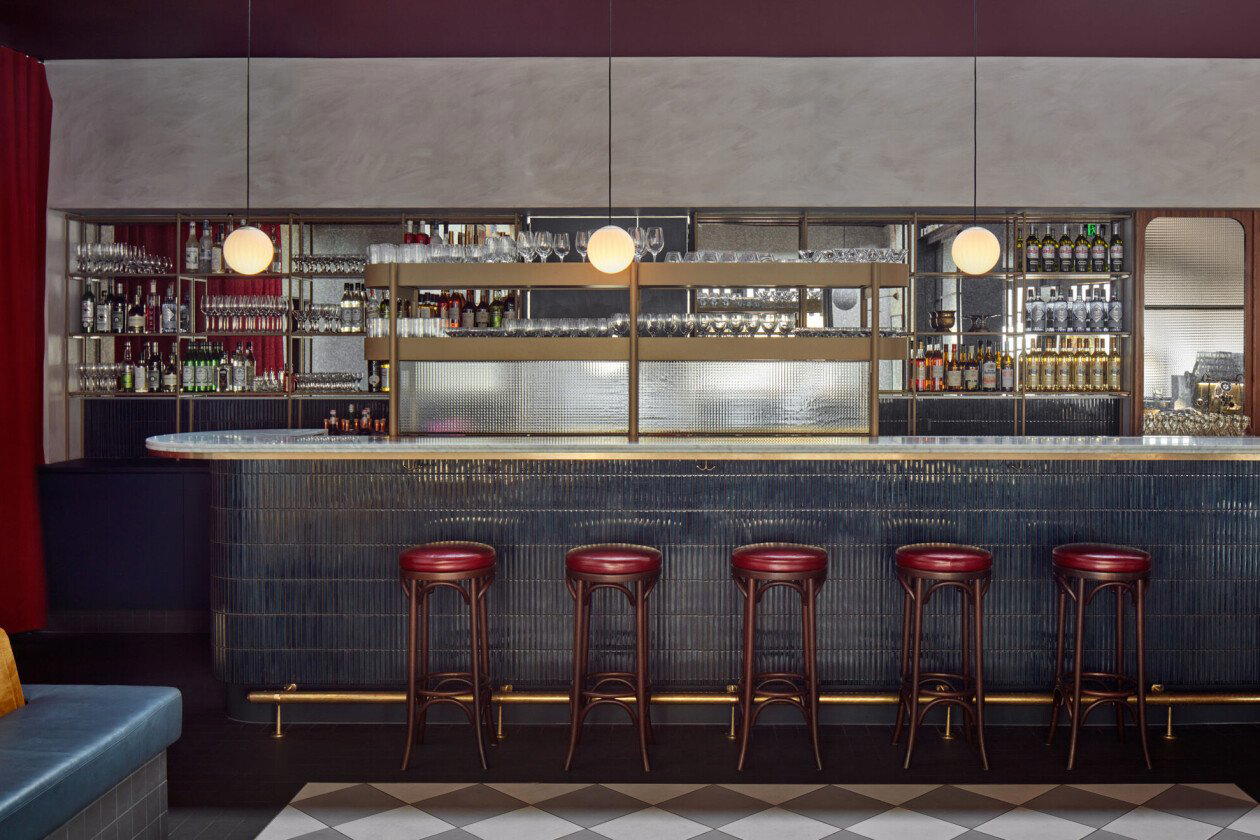
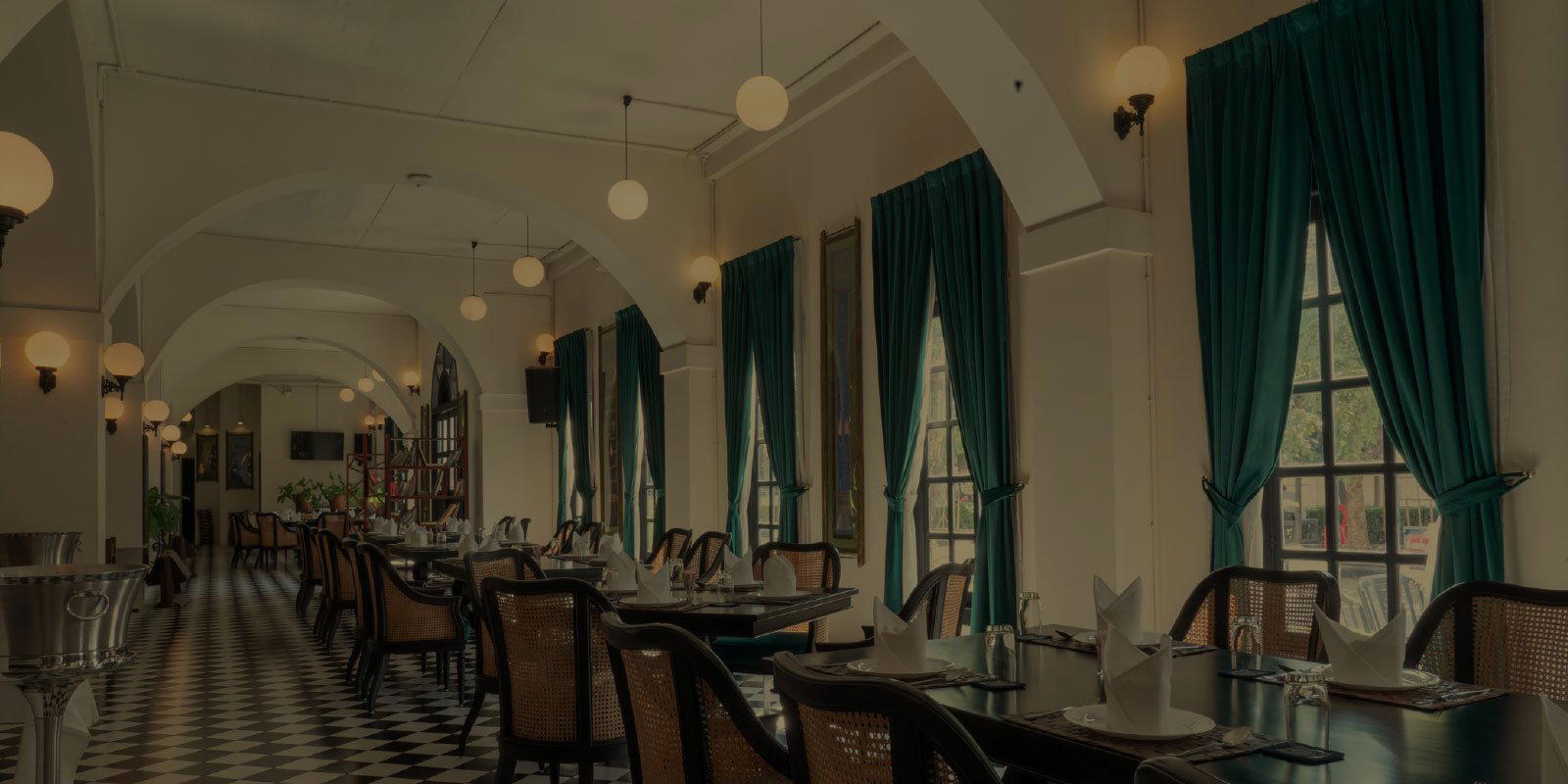
Friendly and quiet environment with relaxing atmosphere, ideal for enjoying food alone or with friends.