Lao Sze Chuan

Our verdict
A Chinatown institution that has appeared on Opinionated About Dining's Cheap Eats in North America list three consecutive years (2023–2025), Lao Sze Chuan on South Archer Avenue brings Szechuan hot chicken to the center of Chicago's most concentrated Chinese dining corridor. Chef Tony Hu's kitchen operates at a pace and price point that sits far outside the city's tasting-menu tier, yet draws the same serious food attention.

Pearl is the En Primeur Club membership app — saves, bookings, and concierge access live there. Same editors, same standards.
- Address
- 2172 S Archer Ave, Chicago, IL 60616
- Phone
- (312) 326-5040
- Hours
- Daily 10:45 AM–11:45 PM
- Website
- pos.chowbus.com
- Directions
- Get directions
The menu
What to order
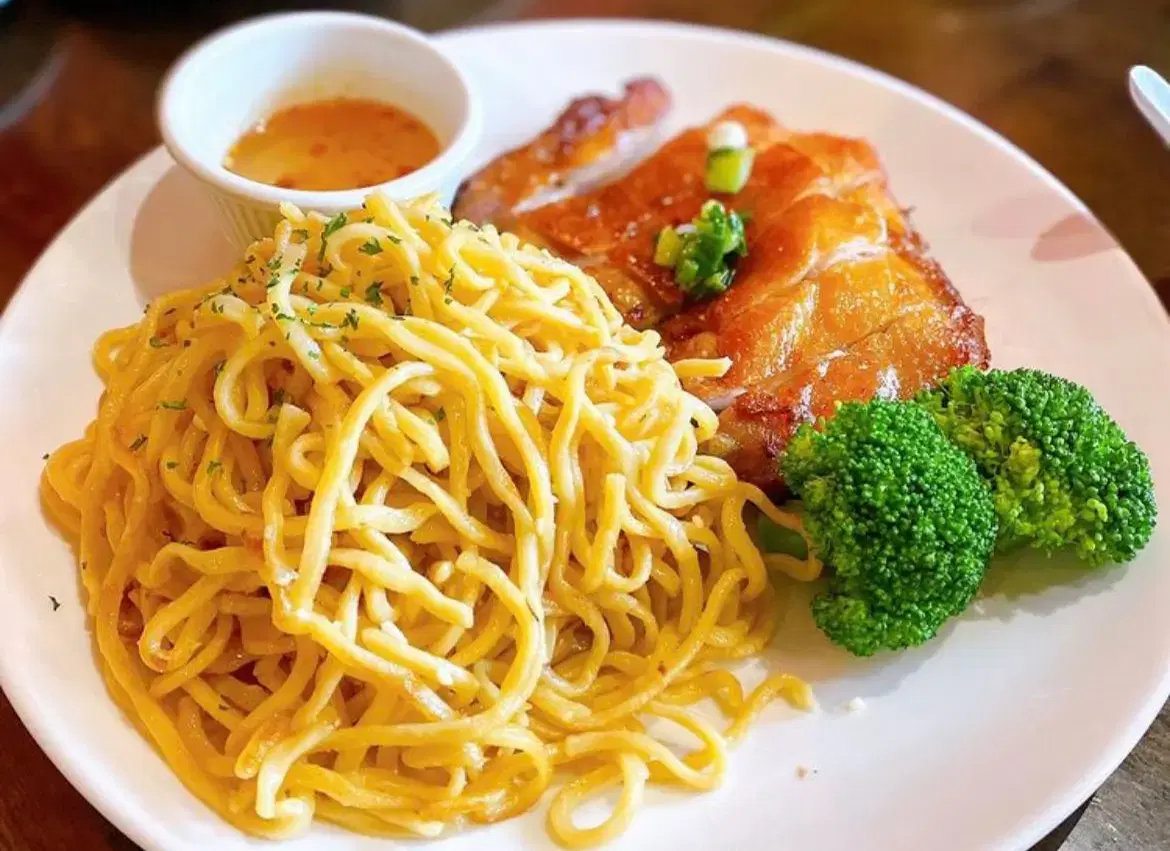
- Chef's Special Dry Chili Chicken
- Peking Duck
- Mapo Tofu
South Archer Avenue and the Ritual of the Szechuan Table
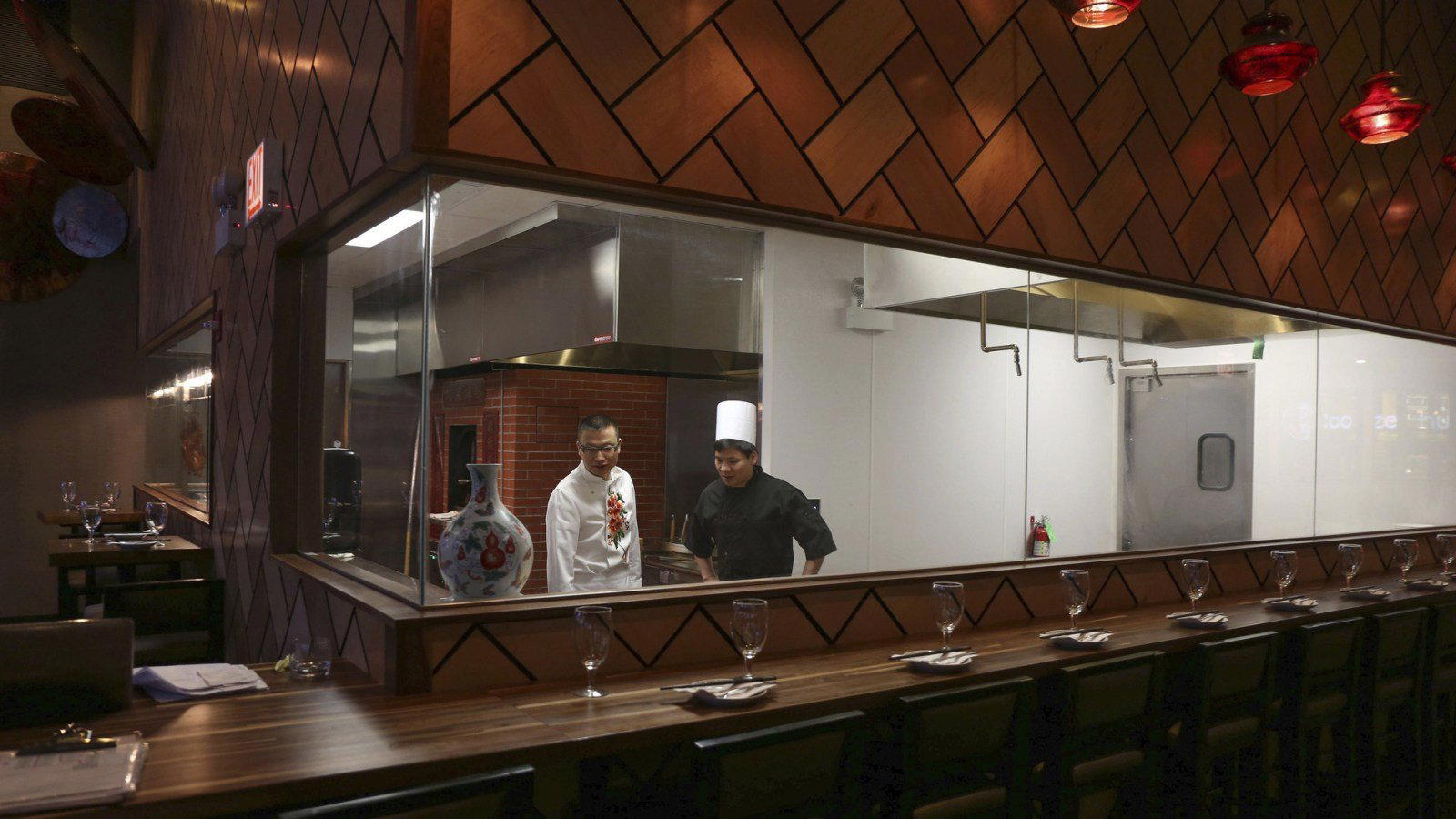
Chinatown's main commercial artery runs south from Cermak Road through a stretch of storefronts that have been feeding Chicago's Chinese community, and the city at large, for generations. The blocks around Wentworth and Archer carry a particular dining logic: the meal is not an event scheduled weeks in advance, but a decision made with appetite. You arrive, you wait if you have to, you order with intent. Lao Sze Chuan, at 2172 S Archer Ave, operates inside that tradition rather than against it. The room does not ask you to slow down for atmosphere — the food does that on its own terms.
That dynamic separates Chinatown's serious restaurants from the tasting-menu circuit further north. While Alinea, Smyth, and Oriole structure a meal around choreographed pacing and pre-purchased seats, the Szechuan table ritual runs on a different clock: dishes arrive as they're ready, heat builds across the meal, and the table fills incrementally rather than in synchronized courses. It's a format that rewards groups willing to order broadly.
The Heat Tradition Behind the Format
Szechuan cooking has always occupied a specific register in the broader Chinese culinary canon. The cuisine's signature tool is the Szechuan peppercorn, which produces mala — a combination of numbing (ma) and spicy (la) that is pharmacologically distinct from the sharp capsaicin heat of, say, Nashville hot chicken or Thai bird-chili cooking. The numbness arrives first, then the heat settles in, and the effect redistributes attention across the whole palate. That sensory sequence shapes how a Szechuan meal moves: early dishes calibrate the diner, later ones amplify.
Szechuan hot chicken as a specific format sits at the intersection of this tradition and the broader American appetite for structured heat. It is not a gimmick category, it draws directly from Szechuan's mala logic while meeting diners who understand heat levels as a menu variable. Daybird in Los Angeles has built a full concept around that same intersection, signaling that the format has enough identity to sustain a dedicated house. At Lao Sze Chuan, that category sits within a wider Szechuan menu rather than as the sole organizing principle, which means the kitchen has to justify the broader range, not just the signature heat.
Ordering as Navigation
The ritual of eating well at a restaurant like this one is largely an ordering problem. Szechuan menus run long, often across multiple pages, and the distance between a competent order and a great one is significant. The instinct to anchor on familiar proteins (chicken, beef) can shortchange the meal. The more experienced approach is to balance textures and heat registers: something cold and dressed, something braised, something wok-fried, and then the hot chicken as a centerpiece or late-arriving intensifier.
That approach applies across serious Szechuan houses in American cities. The menu at a restaurant operating at the level Lao Sze Chuan has reached, ranked #452 on Opinionated About Dining's Cheap Eats in North America list in 2024, then climbing to #507 in 2025 while maintaining consistent OAD recognition since 2023, is not meant to be read leading to bottom and ordered from the most recognizable items. It rewards rereading and lateral thinking across sections.
Groups of four or more have a structural advantage: the table can cover more ground, and the dishes that benefit from sharing (anything in a large clay pot, anything with a poured sauce) make more sense with multiple people around the bowl. Solo diners and pairs do well to commit to fewer dishes but order deeper into unfamiliar sections.
Chef Tony Hu and Chicago's Szechuan Position
Chef Tony Hu has been one of the more visible figures in Chicago's Chinese dining scene for years, operating multiple locations across the city's Chinatown and surrounding neighborhoods. That multi-unit footprint is worth noting as context: it signals that the kitchen at Lao Sze Chuan functions within an operation that has had to maintain consistency across sites, which is a different discipline than the single-counter precision of an omakase house or the creative-led individualism of a Kasama. The OAD recognition across three consecutive years, 2023 through 2025, suggests the flagship on Archer has held its footing through that expansion.
For context, OAD's Cheap Eats lists are surveyed by a network of engaged diners and food professionals rather than a single anonymous critic, which means the rankings reflect accumulated opinion from repeat visitors rather than a one-time assessment. A consistent multi-year presence carries more weight than a single-year entry.
Chinatown in Chicago's Wider Dining Picture
Chicago's food reputation has historically been anchored to its fine-dining tier, the tasting-menu circuit that runs from Next Restaurant through the city's multiple Michelin-starred rooms. But the city's most durable eating identity is more democratic than that. The Chinatown corridor, the Mexican kitchens along 18th Street in Pilsen, the Polish and Eastern European remnants on the Northwest Side, these are the rooms that feed the city at volume, at price points that don't require advance planning.
Lao Sze Chuan operates squarely in that civic tradition. It is not a restaurant that positions itself against Le Bernardin in New York or The French Laundry in Napa, the competitive set is the concentrated Szechuan dining that exists across American cities with significant Chinese populations. Within that set, sustained OAD recognition is a meaningful credential.
For visitors building a Chicago itinerary that moves across price points and neighborhoods, the Archer Avenue address sits within easy reach of the CTA Red Line's Cermak-Chinatown stop, which connects north to the Loop and the city's hotel corridor. The hours extend to midnight on Fridays and Saturdays, which makes a late visit after a longer tasting menu evening, or as an anchor for the night, logistically plausible. See our full Chicago restaurants guide for the broader picture, including hotels, bars, and experiences across the city.
How Lao Sze Chuan Compares Further Afield
The American appetite for serious regional Chinese cooking has grown steadily over the past decade, and Szechuan in particular has attracted the kind of critical attention that was once reserved for French or Japanese kitchens. Houses like Atomix in New York and Lazy Bear in San Francisco represent the fine-dining end of that attention shift, places where Asian culinary traditions are framed through the tasting-menu lens. Lao Sze Chuan represents the other end of that spectrum: a kitchen where the cooking is the credential, not the format.
That positioning is increasingly rare at a time when serious cooking and serious restaurant design have become difficult to separate. The OAD Cheap Eats framework specifically rewards this category, restaurants where the kitchen's output exceeds what the room's price point or format would suggest. Providence in Los Angeles and Single Thread in Healdsburg occupy the opposite end of that calculus. Both are worth knowing. The point is that a disciplined Chicago itinerary has room for both registers, and Lao Sze Chuan earns its place in the former with documented recognition rather than local sentiment alone.
Know Before You Go
- Address: 2172 S Archer Ave, Chicago, IL 60616
- Hours: Monday–Thursday 10:45 am–9:30 pm; Friday–Saturday 10:45 am–12:00 am; Sunday 10:45 am–9:30 pm
- Chef: Tony Hu
- Cuisine: Szechuan Hot Chicken (broader Szechuan menu)
- Awards: Opinionated About Dining Cheap Eats North America, Recommended (2023), #452 (2024), #507 (2025)
- Transit: CTA Red Line, Cermak-Chinatown station
- Booking: Walk-in format typical for Chinatown operations; confirm current policy directly with the restaurant
Frequently asked questions
What's Lao Sze Chuan's location?
Lao Sze Chuan is located at 2172 S Archer Ave, Chicago, IL 60616, Chicago.
Who is the chef connected to Lao Sze Chuan?
The chef associated with Lao Sze Chuan is Tony Hu.
What makes Lao Sze Chuan worth seeking out?
Chef Tony Hu has operated across multiple Chicago Chinatown locations for years, giving the 2172 S Archer Ave address institutional weight in a neighbourhood that has fed Chicago's Chinese community for generations. For serious Szechuan cooking outside the coasts, this kitchen sits in a short list.
A Credentials Check
| Venue | Cuisine | Price | Awards | Notes |
|---|---|---|---|---|
| Lao Sze ChuanThis venue — the venue you are viewing | Authentic Szechuan Chinese | $30–50 | Not listed | Not listed |
| Alinea | Avant-Garde Molecular Gastronomy | $300–500 | 2 Michelin Stars · World's 50 Best #37 | Progressive American, Creative |
| Smyth | Modern American Tasting Menu | $200–300 | 3 Michelin Stars · World's 50 Best #1 | Progressive American, Contemporary |
| Kasama | Modern Filipino | $30–50 | 2 Michelin Stars · World's 50 Best #31 | Filipino |
| Next Restaurant | Avant-Garde Themed Tasting Menus | Not listed | 1 Michelin Star · We're Smart World 2 Radishes | American Cuisine |
| Boka | Modern American Seasonal Fine Dining | $150–200 | 1 Michelin Star · La Liste Top Restaurants | New American, Contemporary |
Recognition history
Dated appearances from independent guides and award organizations, with the underlying list record or original source where available.
Opinionated About Dining Cheap Eats in North America Ranked #507
Opinionated About Dining
Full recognition history (3 entries)
Opinionated About Dining Cheap Eats in North America Ranked #452
Opinionated About Dining
Opinionated About Dining Cheap Eats in North America in Recommended
Opinionated About Dining
Details
- Lively
- Trendy
- Group Dining
- Casual Hangout
- Family
- Open Kitchen
- Sake Program
- A La Carte
- Small Plates
- Vegetarian Friendly
Current opening hours
- Monday
- 10:45 AM–11:45 PM
- Tuesday
- 10:45 AM–11:45 PM
- Wednesday
- 10:45 AM–11:45 PM
- Thursday
- 10:45 AM–11:45 PM
- Friday
- 10:45 AM–11:45 PM
- Saturday
- 10:45 AM–11:45 PM
- Sunday
- 10:45 AM–11:45 PM
Hours can change for holidays and private events. Last verified .
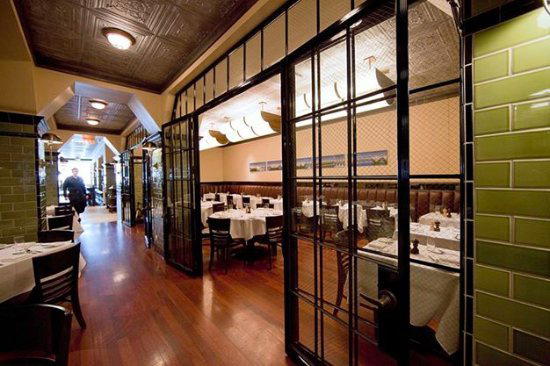
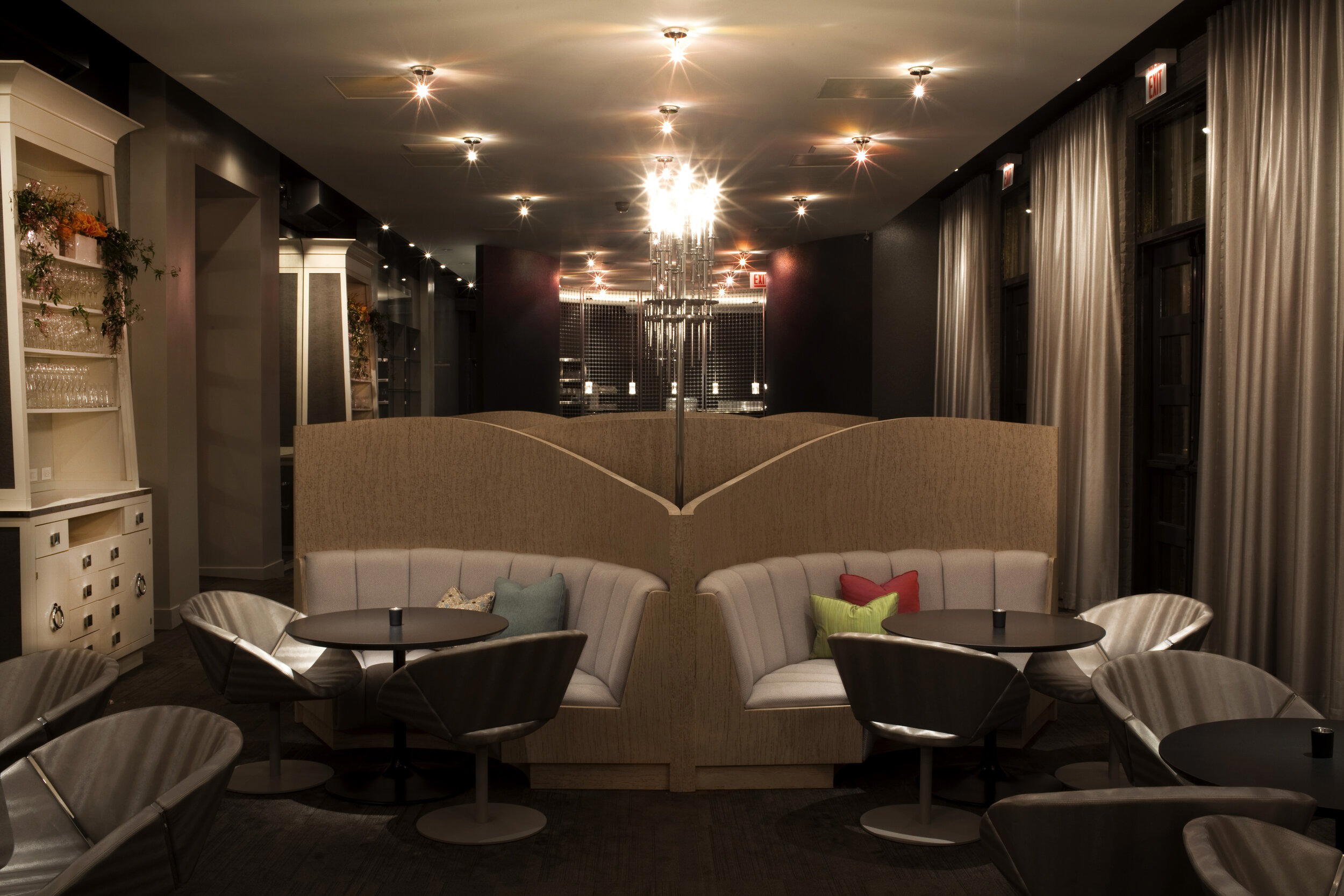
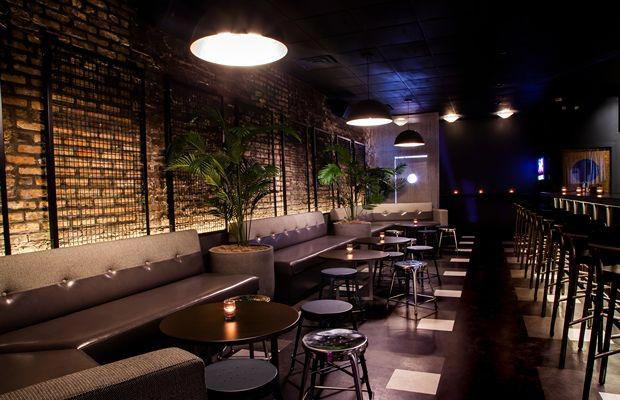
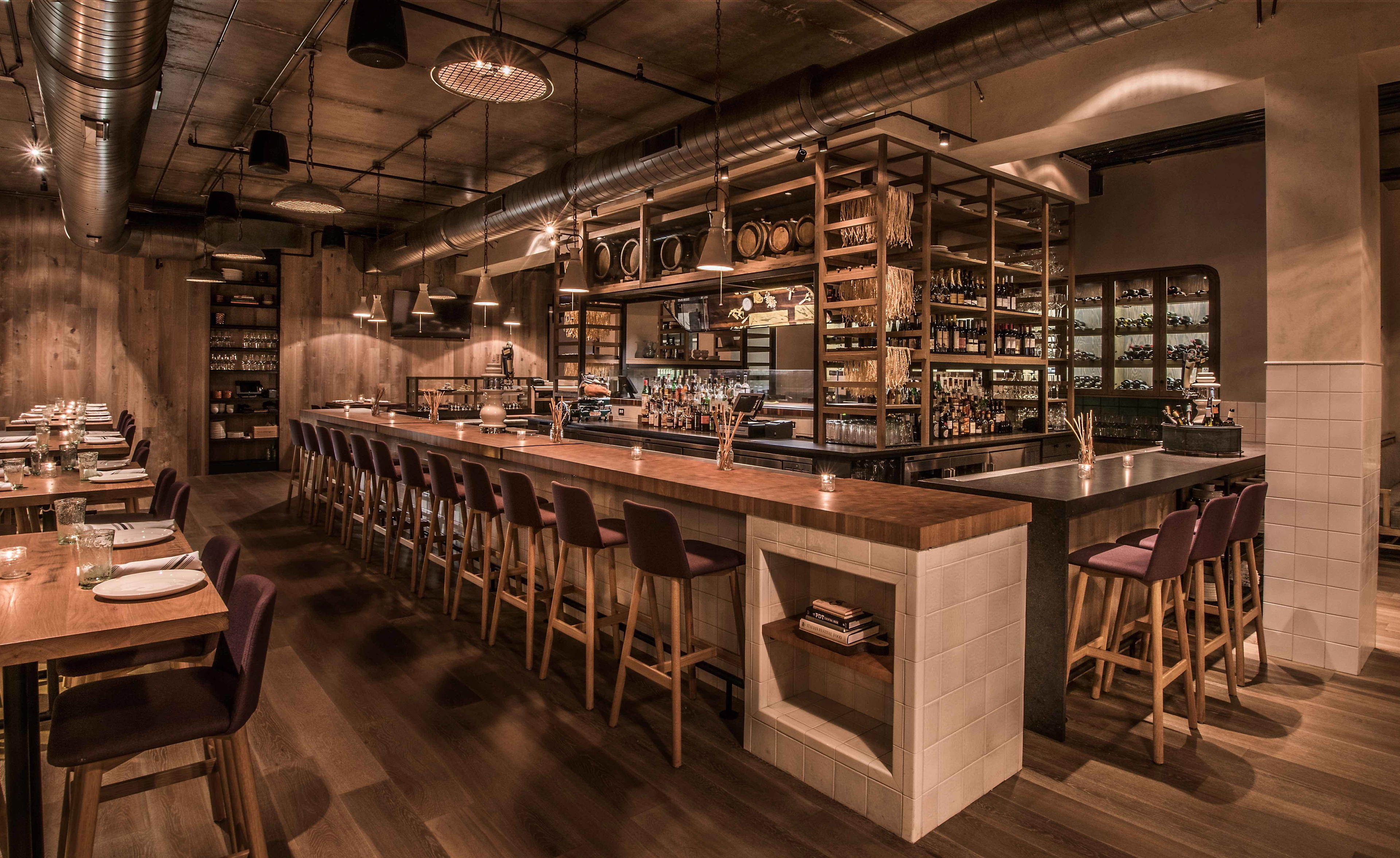
Large, trendy space with a lively atmosphere, though some note it feels outdated and dingy with ripped chairs.