Caffe Del Teatro
On Zhambyl Street in central Almaty, Caffe Del Teatro occupies a position in the city's mid-tier European café circuit where theatrical name and neighbourhood setting do most of the framing. The address places it within walking distance of the city's cultural venues, making it a natural stop before or after an evening out. Almaty's café scene rewards those who look past the obvious corridors.
Pearl is the En Primeur Club membership app — saves, bookings, and concierge access live there. Same editors, same standards.
- Address
- Zhambyl St 51a, Almaty 050000, Kazakhstan
- Phone
- +77272728777
- Website
- cdt.kz
- Directions
- Get directions
 Saves & bookings on Pearl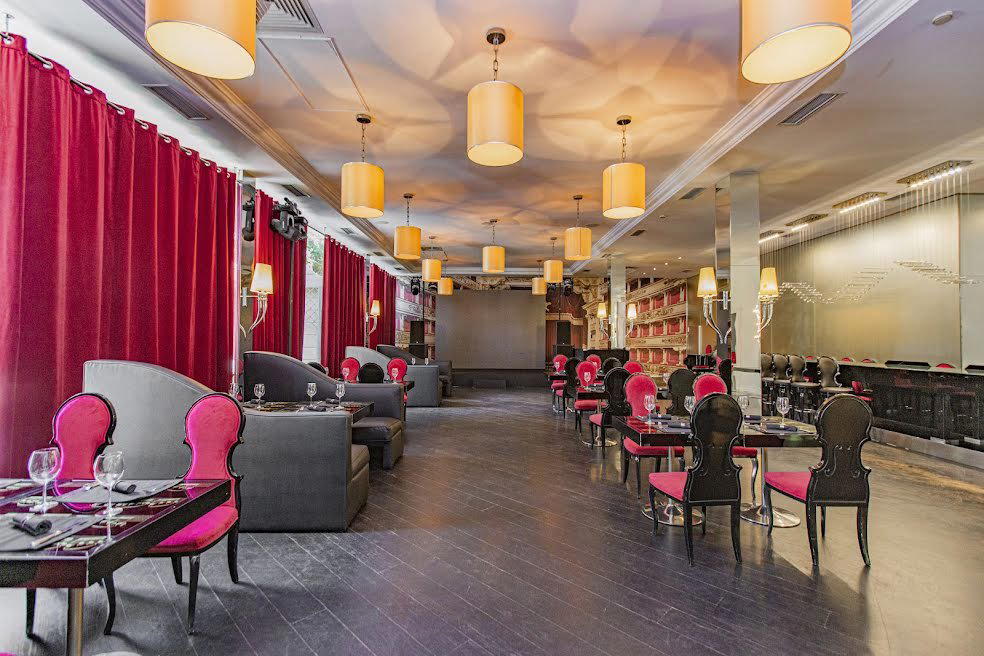
Where Almaty's Street-Level Café Culture Takes Shape
Approach Zhambyl Street on a weekday evening and the character of central Almaty's café strip becomes legible quickly. This is not the glass-tower dining corridor of Dostyk Avenue, nor the self-consciously polished restaurant row around the Esentai district. Zhambyl sits closer to the older grain of the city, where Soviet-era streetscapes and post-independence commercial fit-outs share the same block, and where cafés function as social infrastructure as much as dining venues. Caffe Del Teatro, at number 51a, occupies this middle register: a name borrowed from the European tradition of theatre-adjacent café culture, planted in a neighbourhood that still operates at a pedestrian, neighbourhood scale.
That framing matters when you place it against Almaty's broader dining arc. The city has developed a recognisable upper tier over the past decade, represented by venues like Abay & Inzhu, which has staked its identity on Kazakh heritage ingredients, or Villa dei Fiori, which targets the European fine-dining register. Below that sits a busy middle band of cafés, casual European-inflected spots, and neighbourhood restaurants where price sensitivity and throughput shape the offer more than sourcing philosophy or kitchen ambition. Caffe Del Teatro operates in that middle band, where the theatrical branding signals aspiration without the infrastructure of a full-service fine-dining program behind it.
The Sourcing Question in a Landlocked City
Any honest account of Almaty's café and restaurant sector has to reckon with geography. Kazakhstan is landlocked, altitude-varied, and vast, and those facts shape what kitchens can realistically source, at what price, and with what consistency. The country's agricultural base, concentrated in the north and east, produces strong wheat, solid dairy, and significant meat supply. What it does not produce reliably, at the quality tier that European café culture implies, is the short supply chain of seasonal produce, artisan imports, and specialty proteins that underpin the sourcing story at places like Atelier Moessmer Norbert Niederkofler in Brunico or Dal Pescatore in Runate.
In that context, the sourcing reality for a Zhambyl Street café is shaped more by Almaty's import infrastructure and wholesale market access than by any farm-to-table philosophy. The city's Green Bazaar, a few kilometres north, remains especially important single sourcing node for independent kitchens: seasonal produce, domestic dairy, and Central Asian dried goods move through it at volume. What a café at this address does with that access, whether it treats the bazaar as a living ingredient library or as a cost-control mechanism, is one of the more telling distinctions between venues in the mid-tier. The question itself is the right one to ask of any Almaty kitchen operating in this category.
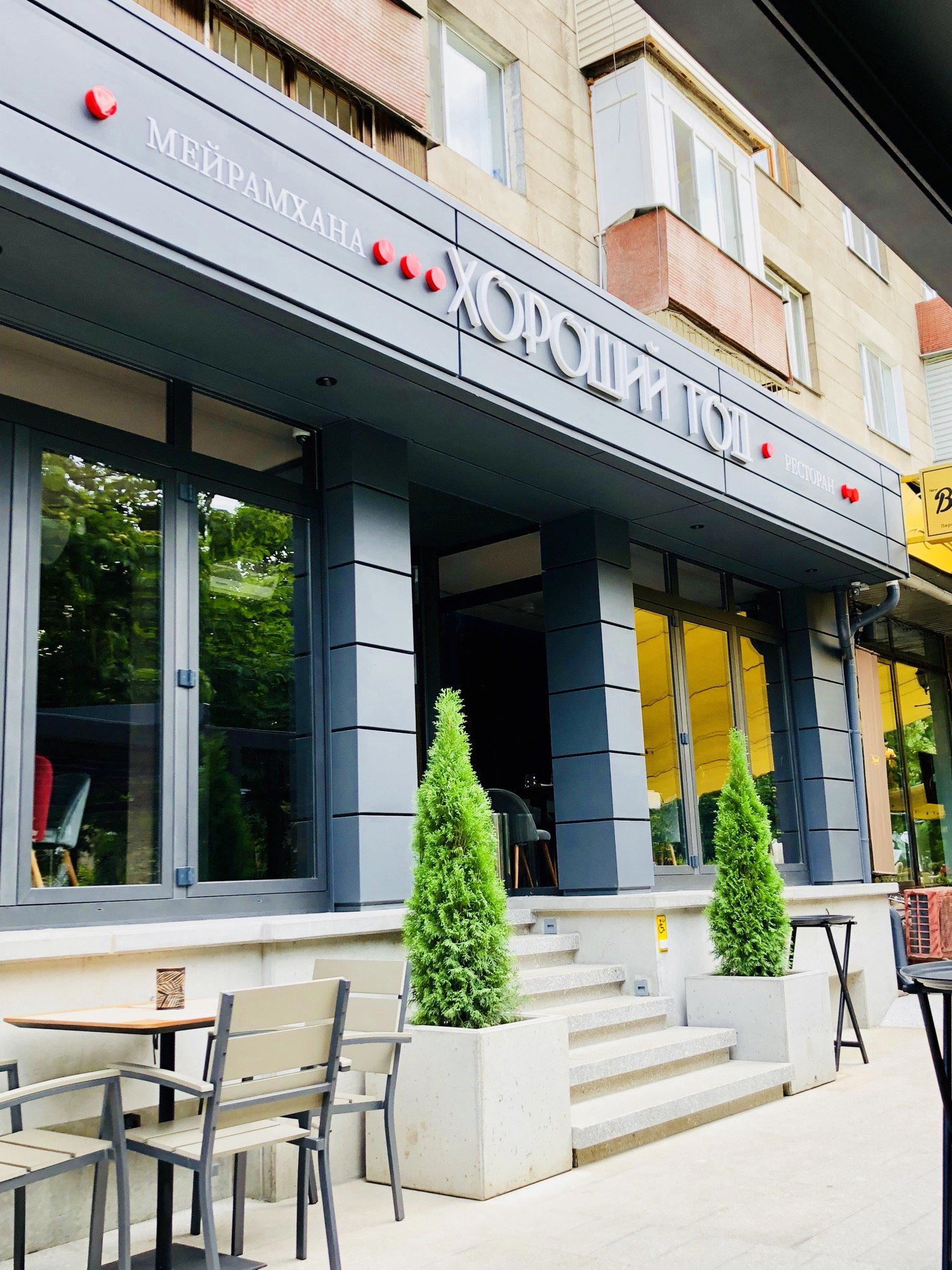
The European café tradition that Caffe Del Teatro's name invokes carries its own sourcing logic: coffee from established roasters or commodity blends, pastry from either in-house production or a local supplier, a menu that bridges breakfast, lunch, and light evening formats. In Almaty, that format has found genuine traction, particularly among younger professional demographics and the city's growing expatriate community. Venues like Horoshiy God have occupied adjacent territory, using European café DNA as a starting point while adapting to local ingredient availability and price expectations.
Placing It in the City's Competitive Set
Almaty's restaurant geography tends to cluster along two axes: the upscale corridor toward Esentai and the older central districts where Zhambyl sits. The central cluster skews more accessible in price, more neighbourhood in character, and more reliant on repeat local custom than destination traffic from out-of-town visitors or corporate accounts. Within that cluster, the café category has become crowded, with new openings drawing from both the European café template and the growing influence of Korean and East Asian café formats, which have taken significant market share among younger Almatians.
Against that background, a venue positioned as a theatre-adjacent café, referencing the European tradition of pre-show coffee and post-performance wine, occupies a cultural niche that is recognisable but not automatically differentiated. The comparison set includes venues across Almaty's mid-tier, but also reaches outward to how the café-restaurant format operates in other Central Asian cities. Qazaq Gourmet in Astana has taken a different approach, foregrounding Kazakh culinary identity at a higher price point, while noodle-forward concepts like Lanzhou in Shymkent and Lanzhou in Almaty demonstrate how single-category focus can carve out loyal followings in the mid-tier. The European café generalist model competes against both of these moves.
For visitors cross-referencing Almaty's dining options, the more committed Kazakh-inflected offers are worth considering alongside European-format cafés. AUYL takes a heritage-forward position that places it in a different conversation entirely, as does Spiros, which handles the Mediterranean register at a different price tier.
Planning Your Visit
The address, Zhambyl Street 51a, puts the restaurant within the older central grid of Almaty, accessible by taxi or rideshare from most hotel clusters in the city. The neighbourhood is walkable during daylight and early evening. Plan to arrive with some flexibility and treat the visit as part of a broader exploration of the central café circuit rather than a standalone destination reservation. For visitors accustomed to pre-booking at venues like Le Bernardin in New York City or Atomix, the operating register here is considerably more casual, which is itself part of the appeal of Almaty's mid-tier café culture.
Timing toward the late afternoon or early evening aligns with the European café rhythm the name implies, and with Almaty's own pattern of after-work social dining that has grown steadily since the mid-2010s. The city's café culture is most animated between 17:00 and 21:00 on weekdays, when the neighbourhood restaurant format reaches its natural audience.
Quick Comparison
Comparable venues nearby, for context on price, style, and recognition.
| Venue | Cuisine | Price | Notes |
|---|---|---|---|
| Caffe Del TeatroThis venue — the venue you are viewing | Mediterranean and Kazakh Café | $$ | Not listed |
| AUYL | Neo-Nomad Central Asian | $$$ | Medeu |
| Казах Аул - Qazaq Auyl | Authentic Kazakh Nomadic Cuisine | $$$ | Medeu District |
| Spiros | Modern Greek Island Cuisine | $$$ | upper Almaty |
| Огонёк - Ogonek | Smart Comfort Live-Fire | $$$ | Almaly |
| Lanzhou | Chinese Noodle Bar | $ | Бостандыкский район |
At a Glance
- Cozy
- Elegant
- Intimate
- Date Night
- Special Occasion
- Historic Building
- Street Scene
Current opening hours
- Monday
- 10 AM–12 AM
- Tuesday
- 10 AM–12 AM
- Wednesday
- 10 AM–12 AM
- Thursday
- 10 AM–12 AM
- Friday
- 10 AM–12 AM
- Saturday
- 10 AM–12 AM
- Sunday
- 10 AM–12 AM
Hours can change for holidays and private events. Last verified .
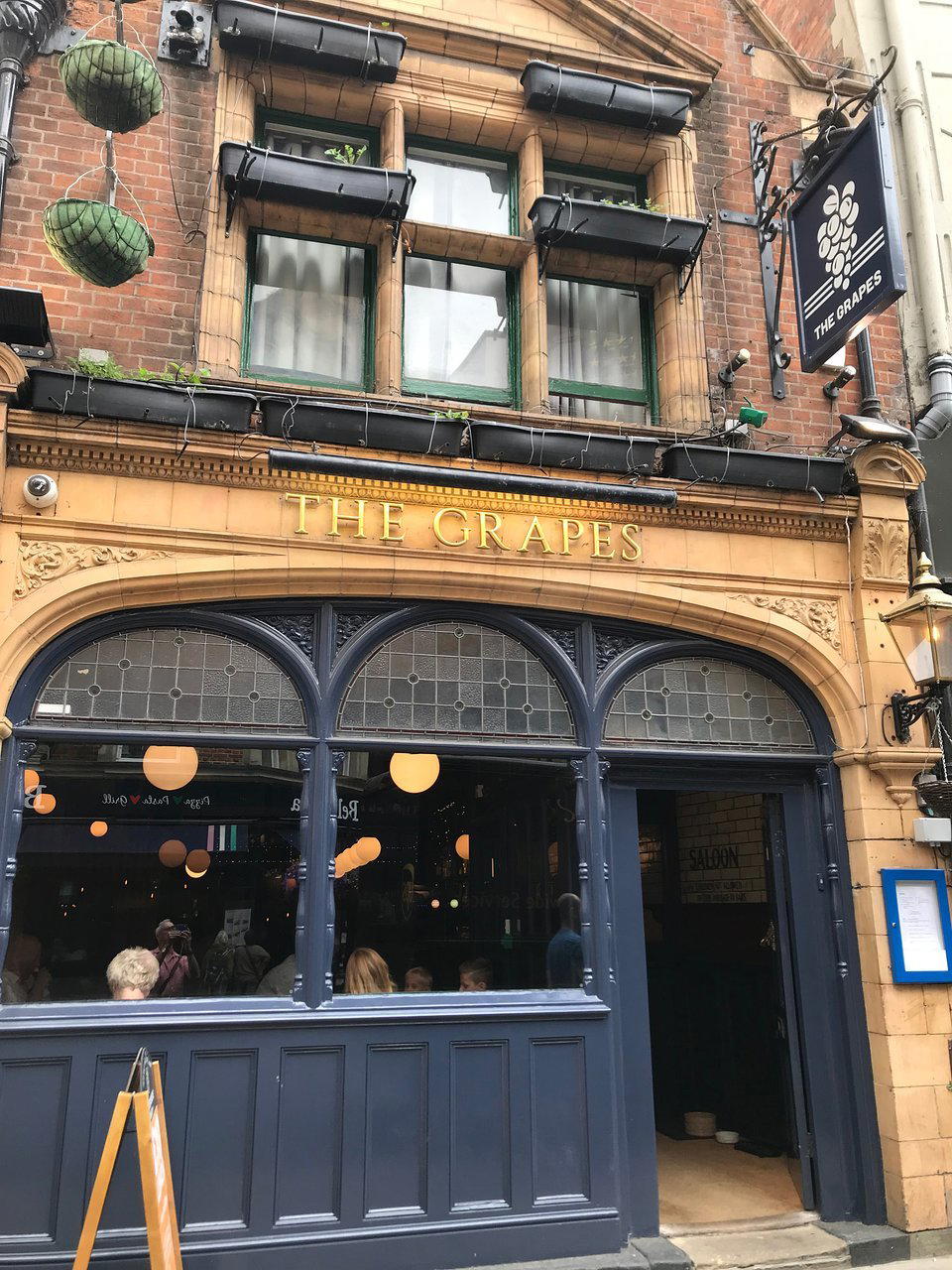
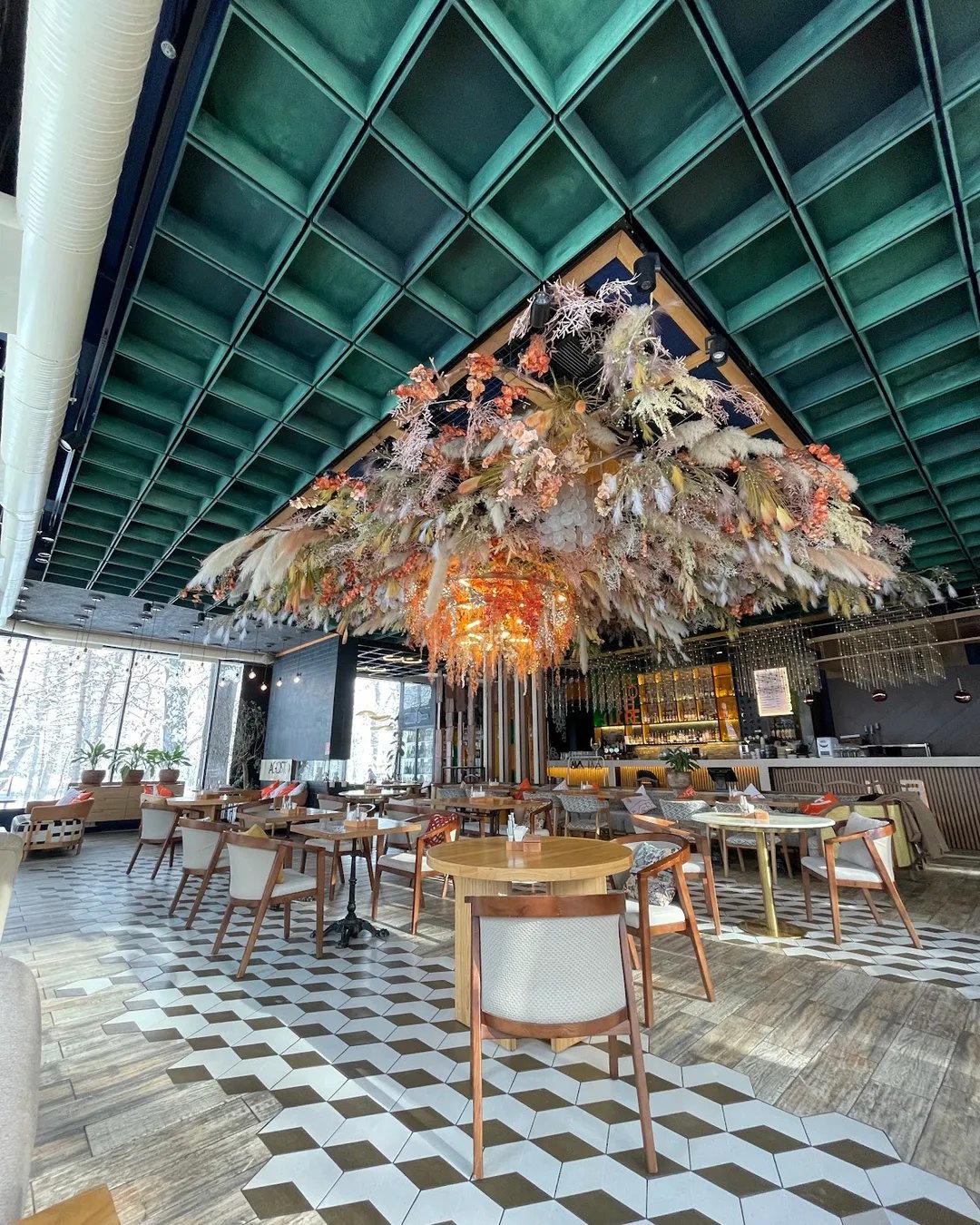
Cozy and chic spot with relaxing ambiance and comfortable green surroundings.