
A Michelin Plate-recognised address in the Upper Swabian countryside, Lamm in Maselheim occupies the quieter end of Germany's rural dining tradition, where country cooking is taken seriously rather than dressed up. It holds a consistent local following that metro-area restaurants twice its price would envy. The €€€ price point makes it a practical case for why rural Germany still produces kitchens worth travelling to.
Pearl is the En Primeur Club membership app — saves, bookings, and concierge access live there. Same editors, same standards.
- Address
- Baltringer Str. 14, 88437 Maselheim, Germany
- Phone
- +49 7356 937078
- Website
- sulminger-lamm.de
 Saves & bookings on Pearl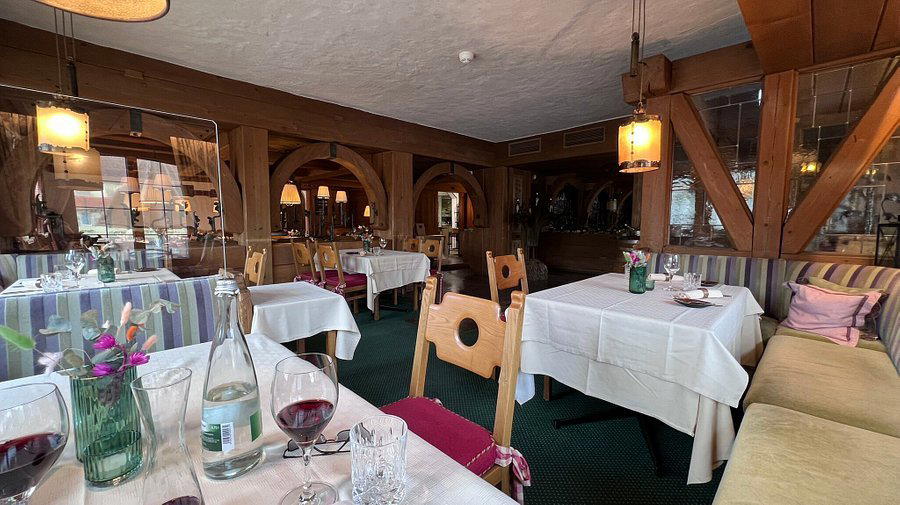
Where Upper Swabia Sets the Table
The villages between Biberach an der Riß and Bad Schussenried don't announce themselves. Maselheim, population just over three thousand, sits in the broad agricultural plain of Upper Swabia, a region whose dairy farms, grain fields, and market gardens have supplied professional kitchens for generations. It is the kind of place where the distance between ingredient and plate is measured in minutes rather than supply-chain logistics. Lamm, at Baltringer Str. 14, fits that context precisely: a country kitchen operating at a register where produce and provenance carry more weight than architectural drama or tasting-menu theatre.
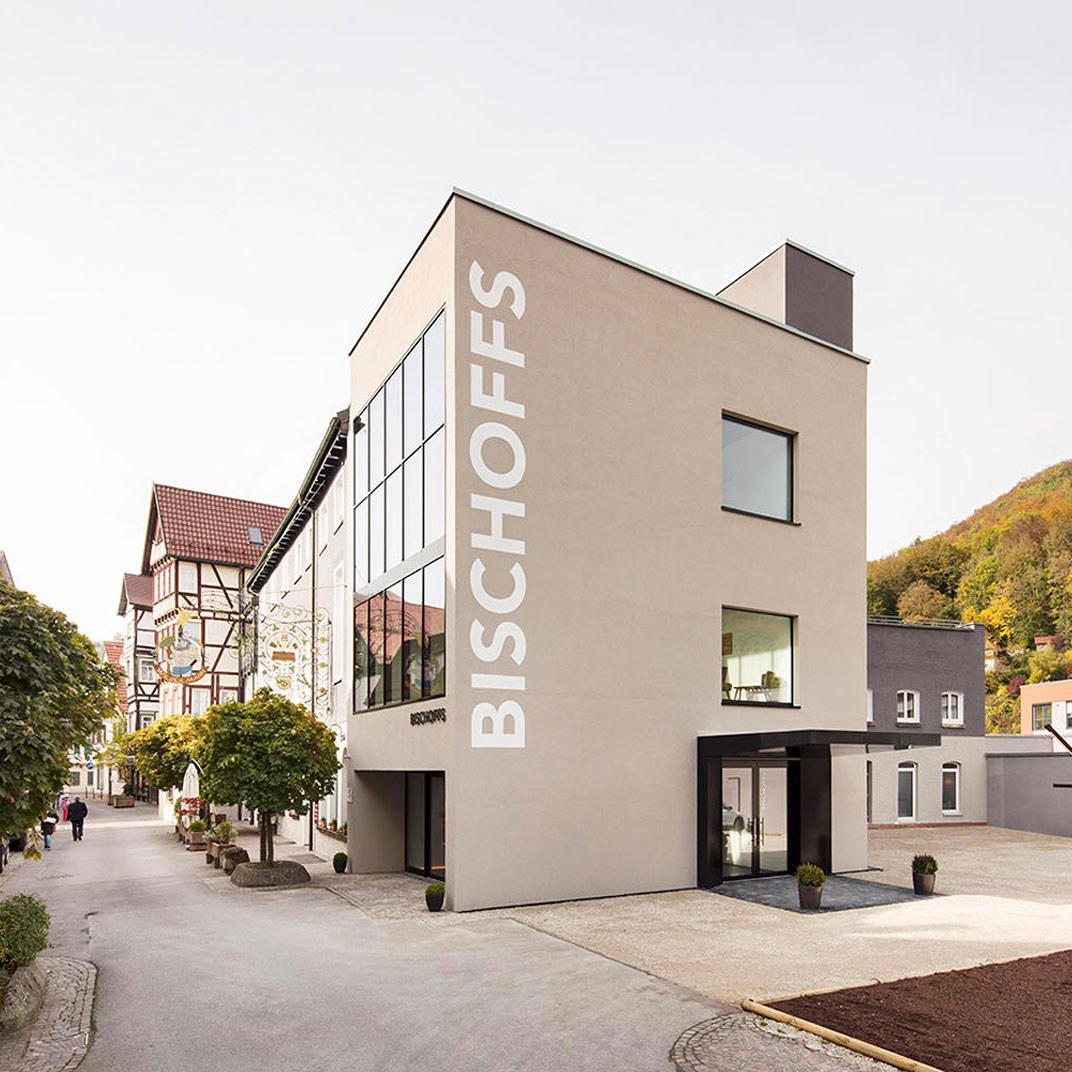
Arriving in a small Swabian village, the visual grammar is consistent: rendered facades, church tower, a Gasthaus with a painted sign. Lamm belongs to that grammar. What changes once you are inside is the seriousness of the cooking, signalled clearly enough that Michelin's 2025 inspectors awarded the Plate designation, the guide's recognition that a kitchen is producing food worth a specific detour rather than merely acceptable regional fare.
Country Cooking as a Culinary Argument
Germany's restaurant conversation tends to cluster around a handful of cities and grand rural destinations: the multi-starred houses in Baiersbronn like Schwarzwaldstube, the creative precision of Aqua in Wolfsburg, the dessert-forward program at CODA Dessert Dining in Berlin, or the modern European ambition of Vendôme in Bergisch Gladbach. Those kitchens operate in a different tier, both in price (most sit at €€€€) and in ambition. Lamm's €€€ positioning and Michelin Plate recognition place it in a separate, more demanding category: the rural Gasthaus that earns credentialed recognition without the infrastructure of a destination resort or a metropolitan audience.
Country cooking in this part of Germany is not a nostalgic exercise. Upper Swabia's agricultural output is among the more varied in Baden-Württemberg: cattle farming around Ravensburg, the Allgäu dairy belt to the east, vegetable cultivation in the river valleys, and a tradition of lake and river fish from the Bodensee and its tributaries. A kitchen working in this geography has access to materials that urban counterparts pay premium import prices to source. The editorial question for any Michelin-recognised country kitchen is whether that access translates into something on the plate that reflects the landscape's specificity, or whether regional proximity is incidental to a menu that could exist anywhere.
The Ingredient Logic of Upper Swabian Cooking
The Michelin Plate designation, awarded in 2025, is the guide's clearest statement about cooking quality without making claims about format or ambition level. It says: the food here is good enough that you should consider going specifically for it. For a village address like Lamm, that signal carries particular weight. Michelin's coverage of rural Germany is selective, and Plate recognition in a sub-5,000-population commune represents a meaningful narrowing of the field.
Upper Swabian country cooking draws on a pantry that includes smoked meats and cured products from a long preservation tradition, fresh dairy and cheese from Allgäu-adjacent producers, and seasonal vegetables tied to the agricultural calendar rather than year-round supply chains. The region's food culture is not light or minimalist; it is grounded in the practical economics of farming communities, where richness and substance were built into cooking by necessity rather than indulgence. Contemporary Swabian kitchens that work in this tradition tend to apply technique to those foundations rather than replacing them with something more fashionable.
For comparison, country-cooking addresses that have earned similar recognition elsewhere in German-speaking Europe, such as 21.9 in Piobesi d'Alba or Andrea Monesi - Locanda di Orta in Orta San Giulio, share a structural characteristic: they succeed by treating regional ingredients as the argument rather than the backdrop. The kitchen's job is to make the case for its own geography.
Who Comes and Why the Numbers Matter
. It reflects a sustained local and regional audience rather than a destination-dining crowd. Ninety-six reviews at that average suggests a kitchen that earns repeat visits, not one that benefits from a single spike of tourist attention. In rural Upper Swabia, that audience is predominantly Swabian, with the occasional visitor from Ulm, Ravensburg, or the broader Stuttgart orbit making the drive for a meal that justifies the distance.
The €€€ price range positions Lamm above the casual Gasthof tier but below the full destination-dining bracket occupied by addresses like Schanz in Piesport, Waldhotel Sonnora in Dreis, or Victor's Fine Dining by christian bau in Perl. That middle tier is where interesting rural German cooking often happens: serious enough to earn external recognition, accessible enough to maintain a local base.
Planning a Visit
Maselheim sits roughly midway between Biberach an der Riß and Bad Schussenried, accessible by car from the B30, the main north-south artery connecting Ulm to the Bodensee. The nearest rail connection is Biberach, approximately ten kilometres west, making a car the practical option for most visitors. Lamm's address on Baltringer Strasse is at the centre of the village, consistent with the historic Gasthaus model where the inn occupied a central position in community life.
Booking in advance is the prudent approach for any Michelin-recognised address operating at village scale, where covers are limited and a single reservation can shift availability significantly. The €€€ price range suggests a meal cost consistent with serious regional cooking rather than tasting-menu pricing, making it a realistic proposition for a full table rather than a special-occasion solo visit. For visitors building a broader itinerary, JAN in Munich, Restaurant Haerlin in Hamburg, ES:SENZ in Grassau, and Bagatelle in Trier.
In Context: Similar Options
Comparable venues nearby, for context on price, style, and recognition.
| Venue | Cuisine | Price | Awards | Notes |
|---|---|---|---|---|
| LammThis venue — the venue you are viewing | Modern German Fine Dining | $$$$ | Michelin Plate | Not listed |
| Edda Brasserie | Modern German-French Brasserie | $$$ | Michelin Plate | Stadtmitte |
| Oberländer Weinstube | Modern Regional German | $$$$ | Michelin Plate | Innenstadt-West |
| RAUSCH | Modern German Fine Dining | $$$$ | Michelin Plate | Westend |
| Alpenkönig - Esslust | Modern German Regional Fine Dining | $$$ | Michelin Plate | Oberstaufen |
| Krietsch | International Swabian Cuisine | $$$ | Michelin Plate | Altstadt (Old Town) |
Recognition history
Dated appearances from independent guides and award organizations, with the underlying list record or original source where available.
Michelin Plate
Michelin
Continue exploring
More in Maselheim
Restaurants in Maselheim
Browse all →
At a Glance
- Elegant
- Classic
- Sophisticated
- Rustic
- Special Occasion
- Date Night
- Celebration
- Standalone
- Terrace
- Local Sourcing
Current opening hours
- Monday
- Closed
- Tuesday
- Closed
- Wednesday
- 6–10 PM
- Thursday
- 6–10 PM
- Friday
- 6–10 PM
- Saturday
- 6–10 PM
- Sunday
- Closed
Hours can change for holidays and private events. Last verified .
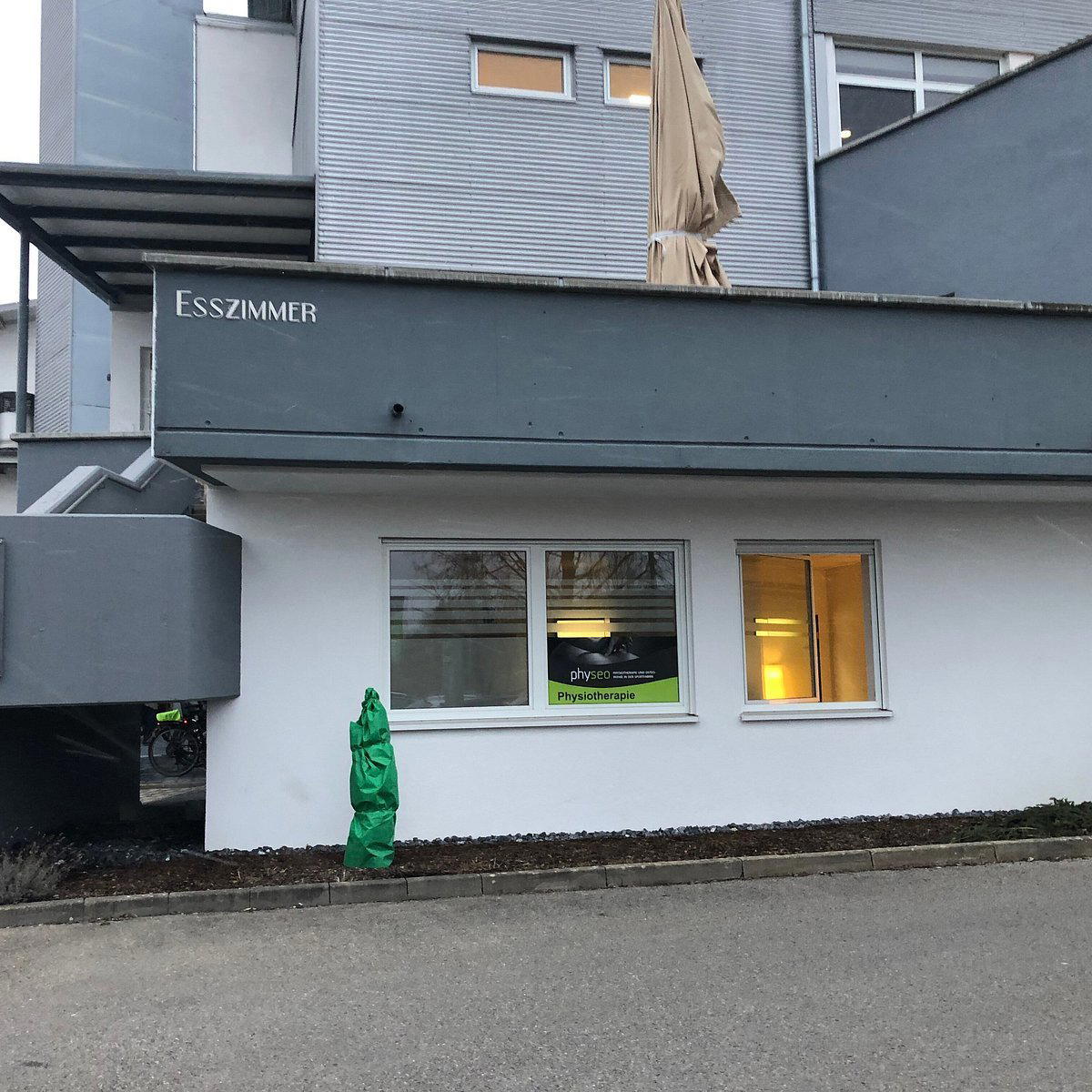
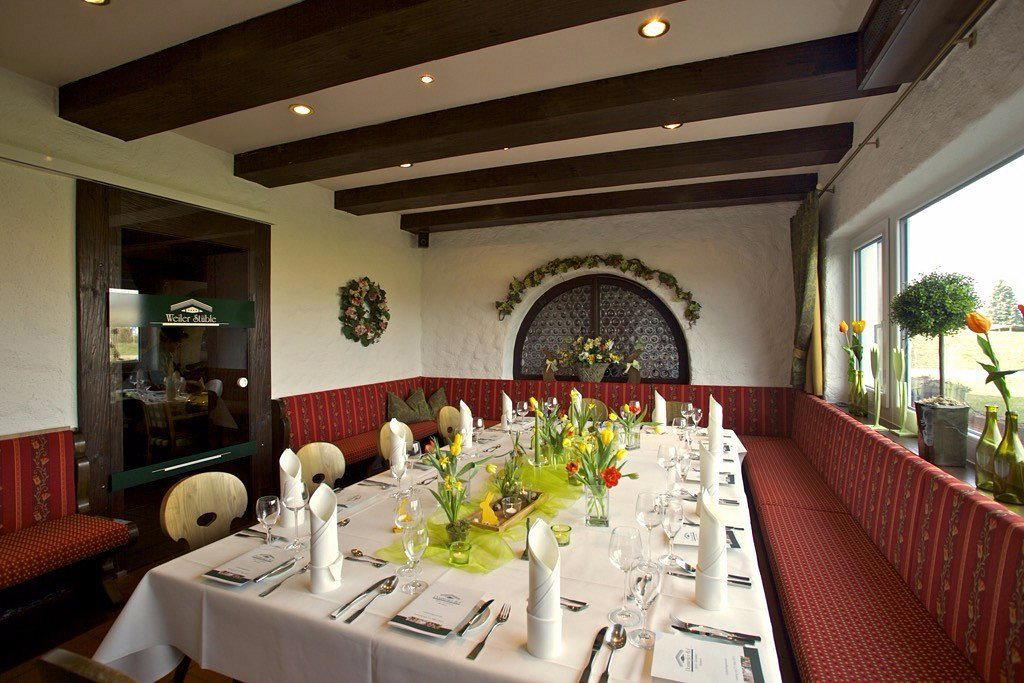
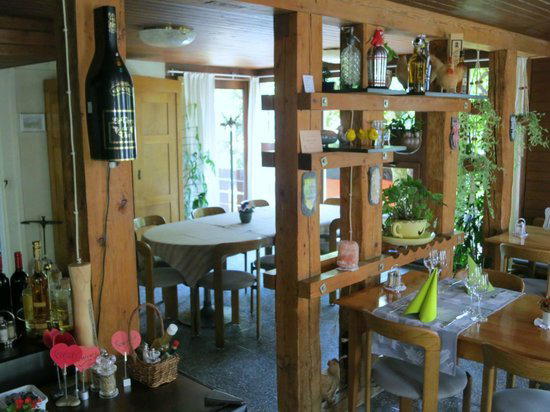
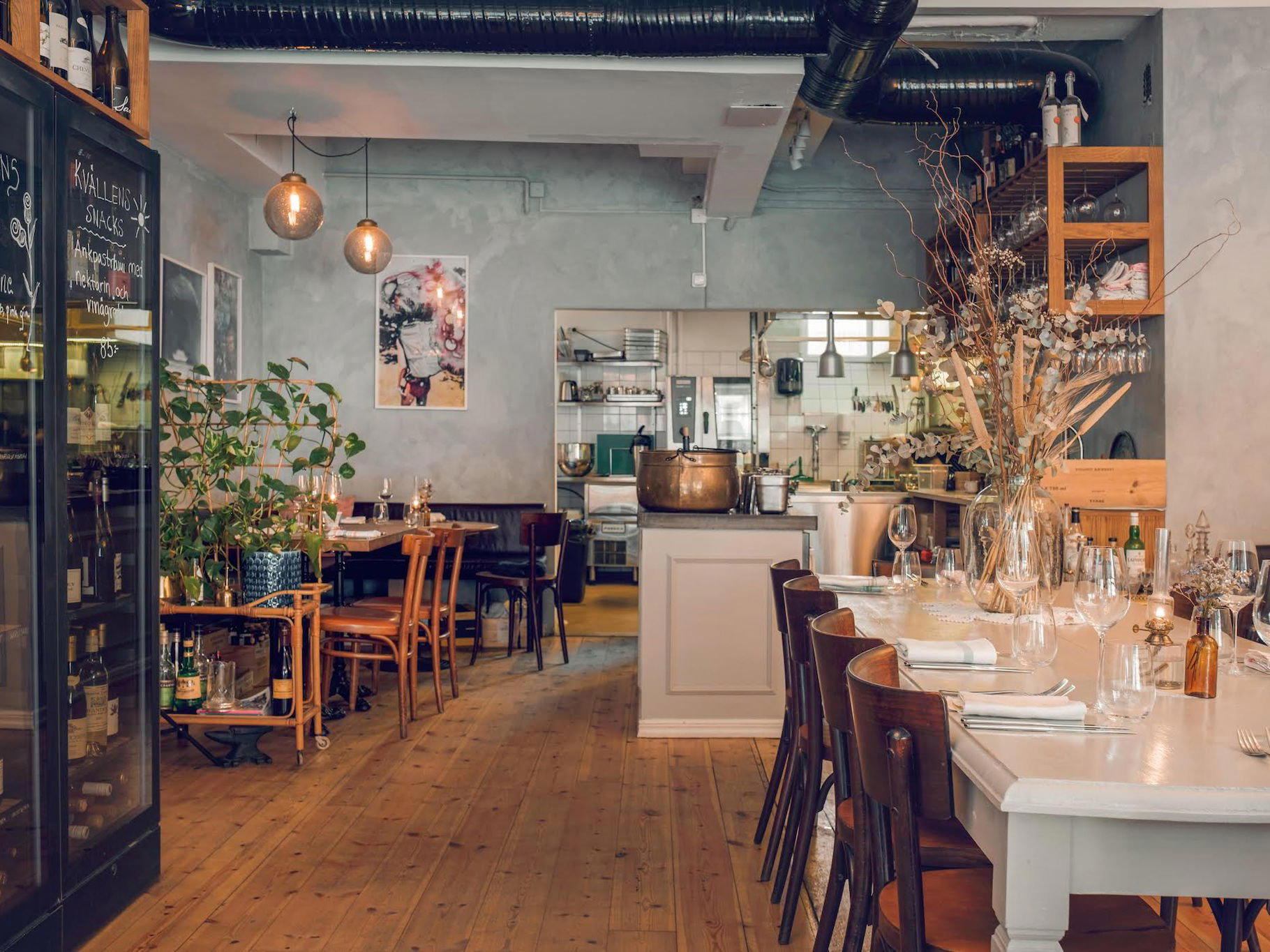
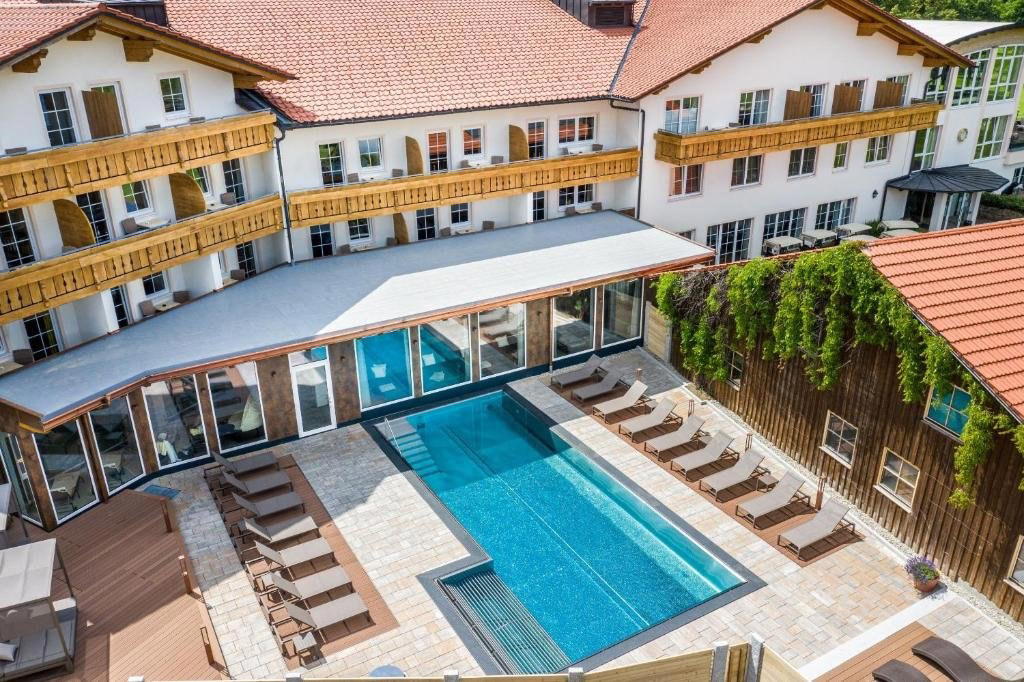
Charming interior decor with inviting facade; cordial and attentive service creates a refined yet warm dining atmosphere.