


A father-son kitchen in Walloon Brabant where classic French-Belgian foundations meet a younger generation's creative instincts. L'Amandier holds a 2025 Michelin Plate, signalling consistent quality at a mid-range price point. The kitchen's seasonal, market-led approach keeps the menu anchored to what Brabant's vegetable garden produces across the year.
Pearl is the En Primeur Club membership app — saves, bookings, and concierge access live there. Same editors, same standards.
- Address
- Av. Albert 1er 288, 1332 Rixensart, Belgium
- Phone
- +32 2 653 06 71
- Website
- amandier.be
- Directions
- Get directions
 Saves & bookings on Pearl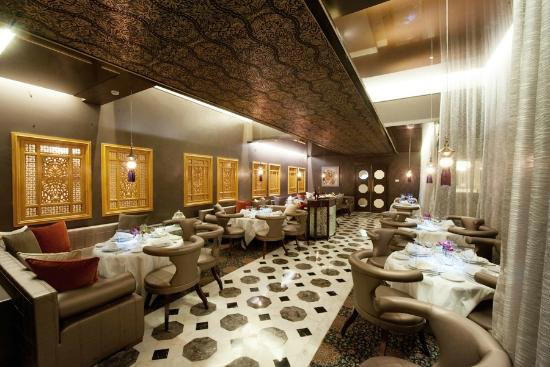
Where the Walloon Countryside Comes to the Table
Walloon Brabant has never been a region that shouts about its restaurants. The area south-east of Brussels, skirting the lakes at Genval and rolling through the agricultural communes of Rixensart, tends to reward those who look past the capital's dining pull. L'Amandier, on Avenue Albert 1er in Rixensart, is a restaurant serving Modern French Fine Dining at around $80 per person, set inside that quieter register: a table at the mid-range price tier (€€) where the cooking operates with more ambition than the modest address suggests.
The approach here follows a pattern that has become one of the more coherent frameworks in Belgian provincial cooking: the seasonal vegetable garden as structural principle rather than decorative flourish. What arrives on the plate at L'Amandier is determined largely by what the market offers that week, a discipline that Belgian kitchens at this tier often articulate but fewer sustain across a full calendar year. The 2025 Michelin Plate, a recognition tied to quality cooking rather than the multi-course ceremony of star-holding addresses, places the restaurant among solid regional tables across the country.
Two Generations, One Kitchen Language
Belgian restaurant culture has a long tradition of family continuity in the kitchen, and L'Amandier reflects that lineage with particular clarity. The cooking here is described as a father-son collaboration, with the younger generation, Martin Volkaerts, having developed his profile through a television competition that brought visibility to what was already a household table for local regulars. That external recognition matters less as biography than as context: it signals a kitchen confident enough to present itself publicly, at a stage when many provincial tables prefer to remain below the radar.
What the generational pairing produces is a balance between the more classic French-Belgian canon the senior kitchen holds and the creative inflection the younger brings. This is not a radical cuisine, the compositions are described as light and refined rather than confrontational, but the gap between classic and contemporary in Belgian cooking is itself a subject worth understanding. Kitchens like Boury in Roeselare or Zilte in Antwerp operate at the higher end of the creative French-Belgian spectrum, with price points (€€€€) and Michelin star counts to match. The restaurant occupies a different position: accessible mid-range, rooted in regional produce, and shaped by a kitchen dynamic that is complementary rather than competitive between its two principals.
The Seasonal Garden as Editorial Principle
The emphasis on seasonal and market produce at the restaurant is more than a sourcing preference; it functions as an editorial principle for the menu. Colourful compositions built around vegetables reflect a style that has gained traction across Belgian creative cooking over the past decade, from Flemish coastal kitchens like Bartholomeus in Heist to Walloon addresses such as L'Eau Vive in Arbre. The difference at this price point is that the vegetable garden becomes a practical constraint as much as a creative one: you work with what grows, what the market offers, what the season permits.
That constraint tends to produce menus with real coherence when executed well. At the restaurant, the compositions are noted for their aesthetic qualities, colour, plating, visual balance, alongside the flavour variation that comes from drawing across a full seasonal range. This is a kitchen that takes presentation seriously without sacrificing the substance of what is on the plate, a balance not automatically achieved at the €€ tier, where corners on either side are common.
The restaurant does not aspire to that register, but the underlying sourcing logic connects the table to a broader movement in Belgian cooking that favours proximity and seasonality over imported prestige ingredients.
Where L'Amandier Sits in the Belgian Creative Scene
Belgium's creative restaurant scene divides fairly clearly between the starred, destination-format tables drawing diners from Brussels and internationally, and a second tier of regionally embedded tables with consistent quality at accessible prices. The restaurant occupies the latter category. Its.
The Michelin Plate for 2025 adds an external quality signal that distinguishes it from the many neighbourhood tables that operate without any formal recognition. In Walloon Brabant, that distinction carries weight. Making the restaurant a more accessible entry point into recognised creative Belgian cooking.
The mid-range price band also makes it a more repeatable commitment than the tasting-menu format addresses that demand both a larger budget and a longer evening. For context on how Brussels itself handles formal creative dining, Bozar Restaurant represents the capital's cultural-institution dining axis, a quite different proposition.
For European comparison at the creative cooking tier, Alléno Paris au Pavillon Ledoyen and Enrico Bartolini in Milan anchor the higher end of the creative French and Italian canon, useful as reference points for understanding what separates regional Michelin-recognised addresses from the upper tier of European creative dining. The restaurant is not in that conversation on price or format, but the sourcing discipline and Michelin recognition place it in a respectable position within the Belgian mid-range.
Planning Your Visit
The restaurant is located at Avenue Albert 1er 288, 1332 Rixensart, a direct address to reach by car from Brussels or by train to Rixensart station, which places the restaurant within a walkable distance. The €€ price positioning makes it accessible for multiple visit formats, business lunch, family dinner, or casual evening, without the ceremonial weight of a full tasting-menu commitment. Sir Kwinten in Sint-Kwintens-Lennik is another Brabant-area address worth pairing with a longer stay in the region.
Side-by-Side Snapshot
Comparable venues nearby, for context on price, style, and recognition.
| Venue | Cuisine | Price | Awards | Notes |
|---|---|---|---|---|
| L'AmandierThis venue — the venue you are viewing | Modern French Fine Dining | $$$ | Michelin Plate | Not listed |
| Le Coriandre | Modern French with Asian Accents | $$$ | Michelin Plate | Watermael-Boitsfort |
| Brasserie de la Patinoire | Classic Belgian Brasserie | $$$ | Michelin Plate | Bois de la Cambre |
| Auberge de la Roseraie | Traditional French Bistro | $$$ | Michelin Plate | Ohain |
| Le Mucha | Classic French Bistro with Belgian and Italian Influences | $$$ | Michelin Plate | Woluwe-Saint-Pierre |
| Resto 136 | Contemporary French-Belgian with Asian & Mediterranean Influences | $$$ | Michelin Plate | Hoogstraten |
Recognition history
Dated appearances from independent guides and award organizations, with the underlying list record or original source where available.
Michelin Plate
Michelin
Opinionated About Dining Newly Added European Restaurants
Opinionated About Dining
Michelin Plate
Michelin
We're Smart World 2 Radishes
We're Smart World
At a Glance
- Romantic
- Elegant
- Intimate
- Sophisticated
- Date Night
- Special Occasion
- Open Kitchen
- Terrace
- Historic Building
- Extensive Wine List
- Sommelier Led
- Local Sourcing
- Garden
Current opening hours
- Monday
- 12–1:30 PM, 7:30–9:30 PM
- Tuesday
- 12–1:30 PM
- Wednesday
- Closed
- Thursday
- 12–1:30 PM, 7:30–9:30 PM
- Friday
- 12–1:30 PM, 7:30–9:30 PM
- Saturday
- 7:30–9:30 PM
- Sunday
- Closed
Hours can change for holidays and private events. Last verified .
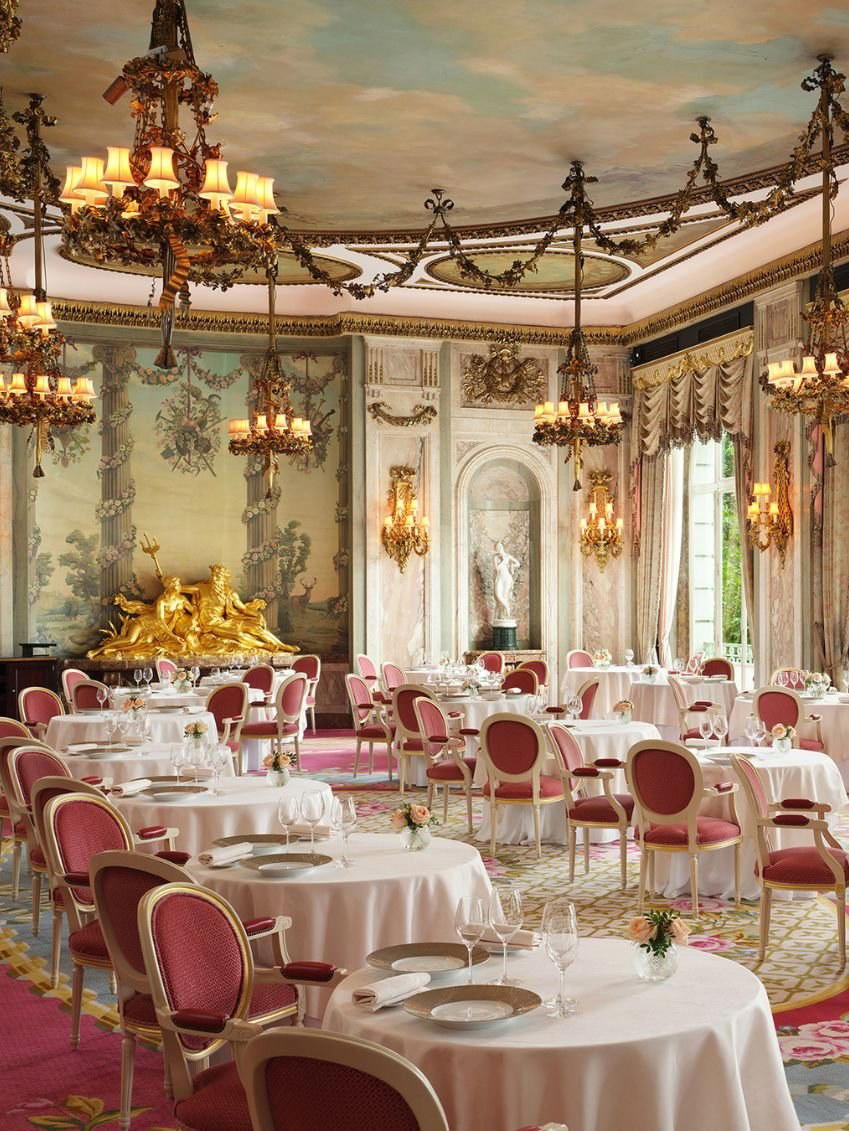
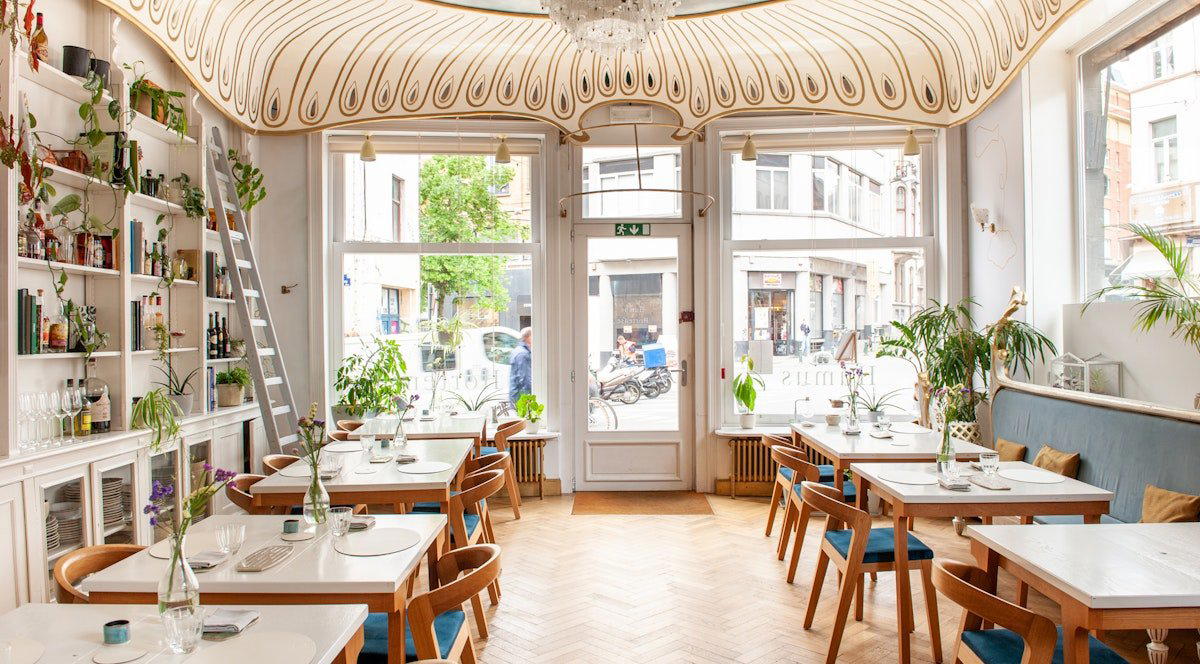
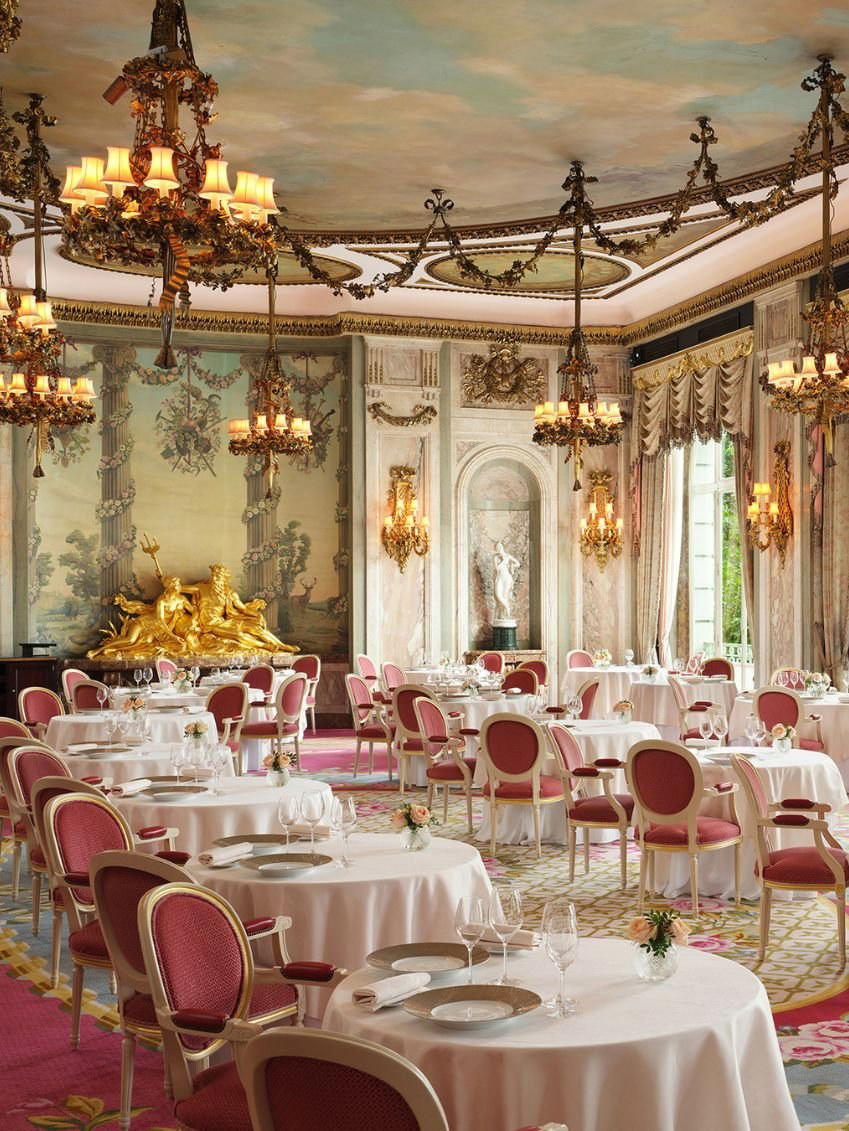
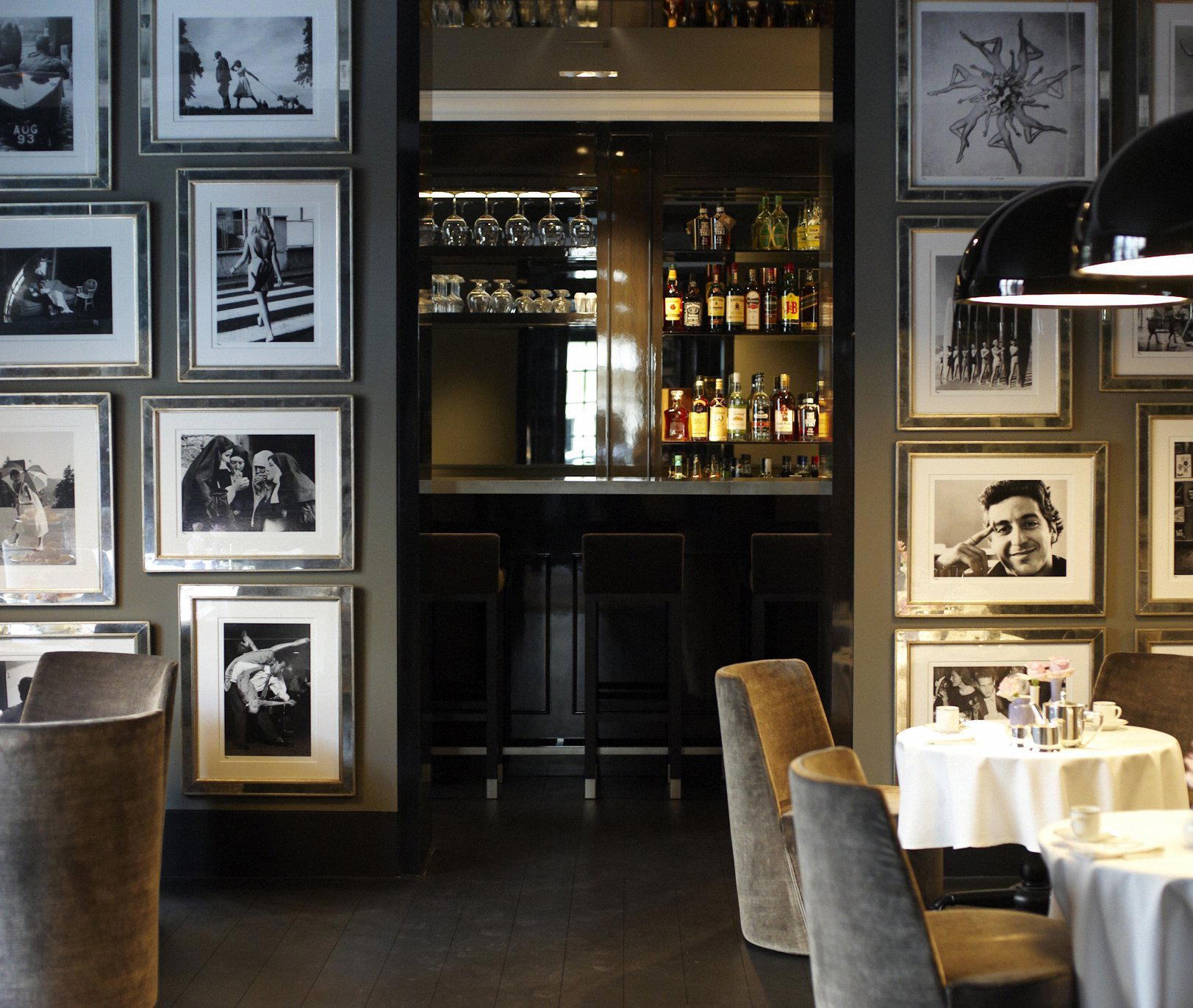
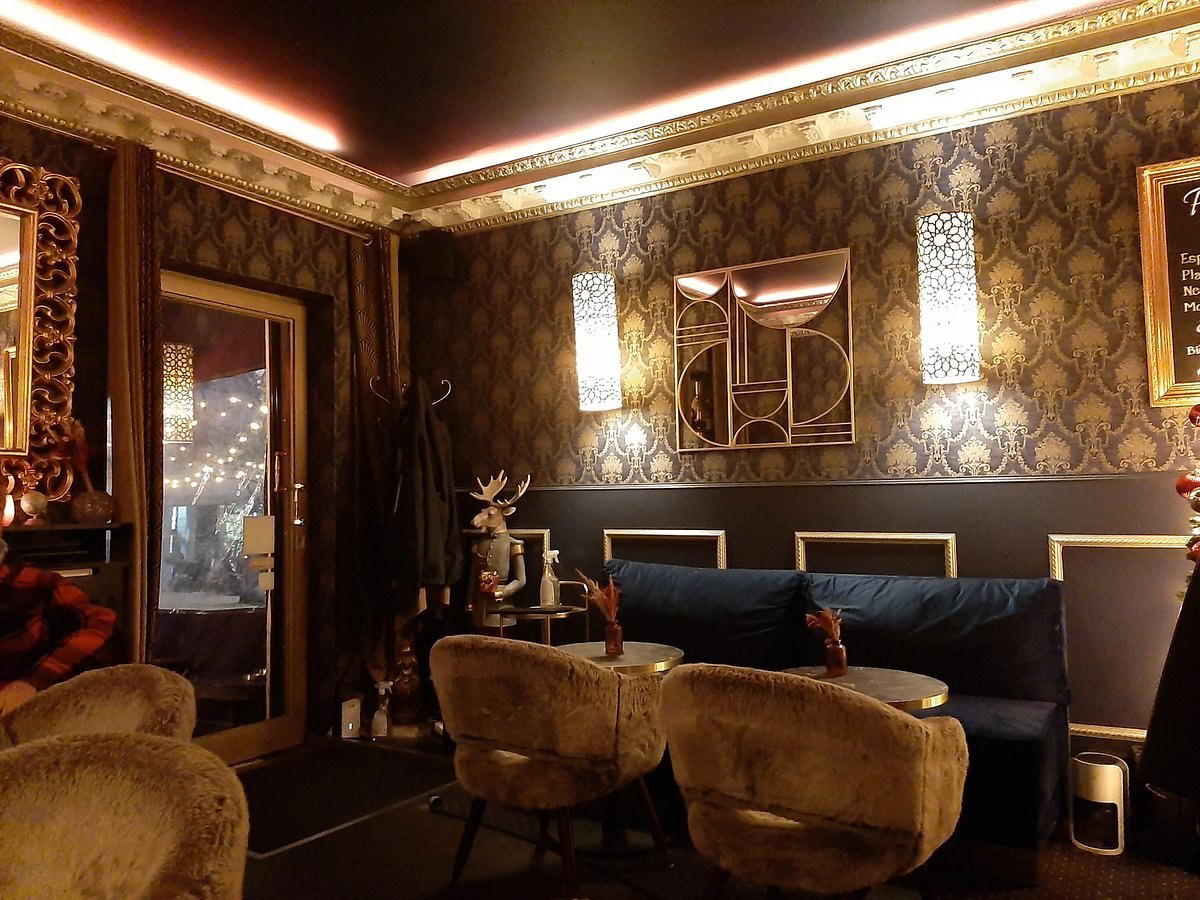
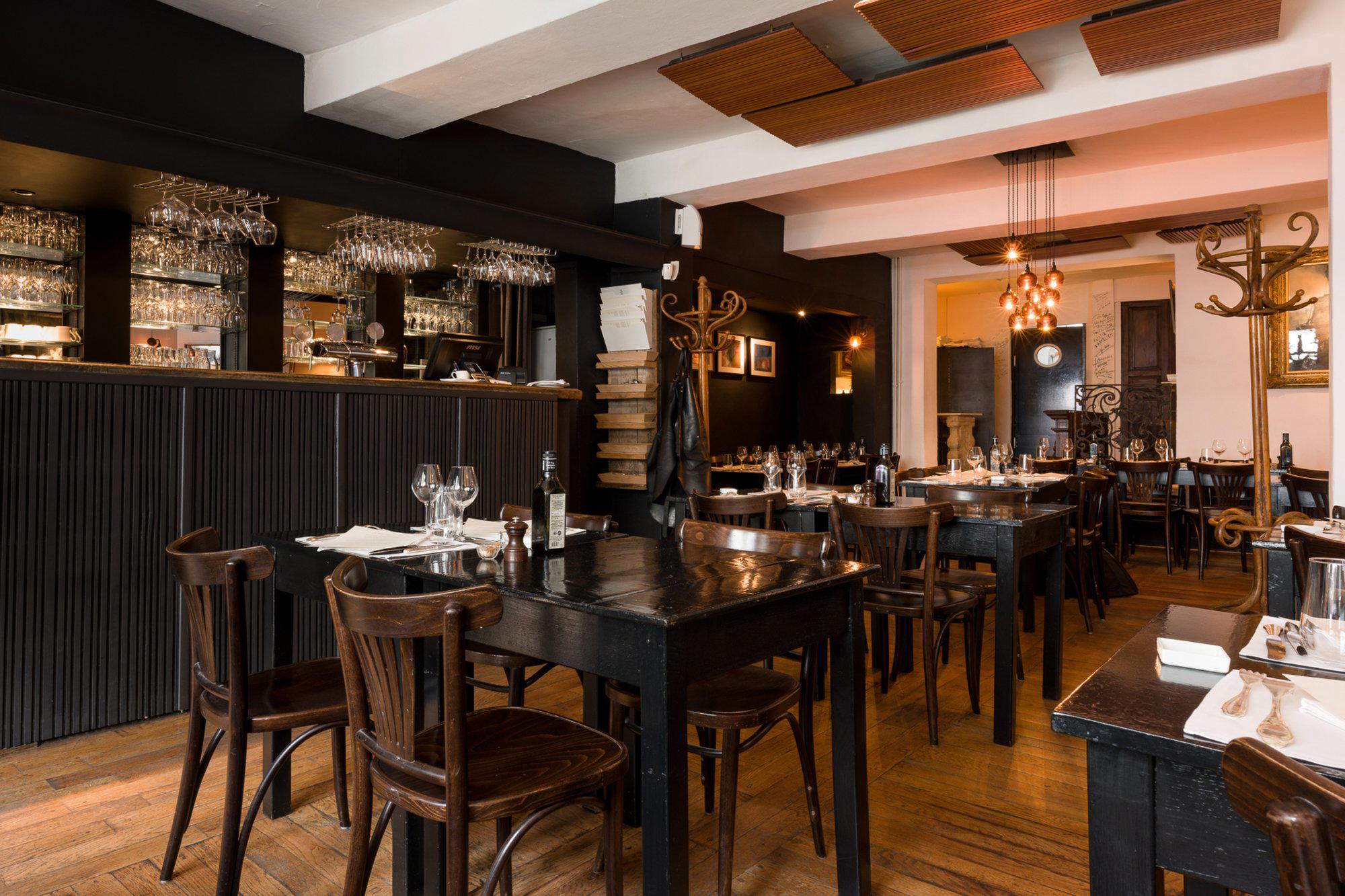
Warm, cheerful atmosphere in elegant salons decorated with art, featuring a modern interior in a historic mansion with comfortable table spacing and a serene environment.