Elewana the Manor at Ngorongoro


Set on a 1,500-acre Arabica coffee estate adjacent to the Ngorongoro Conservation Area, Elewana The Manor occupies a category of its own among northern Tanzania safari properties: Cape Dutch architecture, 18 suites across nine cottages, and a main Manor House that positions it closer to an East African country estate than a conventional lodge. The Crater is a short drive from the front door.
Pearl is the En Primeur Club membership app — saves, bookings, and concierge access live there. Same editors, same standards.
- Address
- Ngorongoro Conservation Area
- Website
- elewanacollection.com
- Directions
- Get directions
 Saves & bookings on Pearl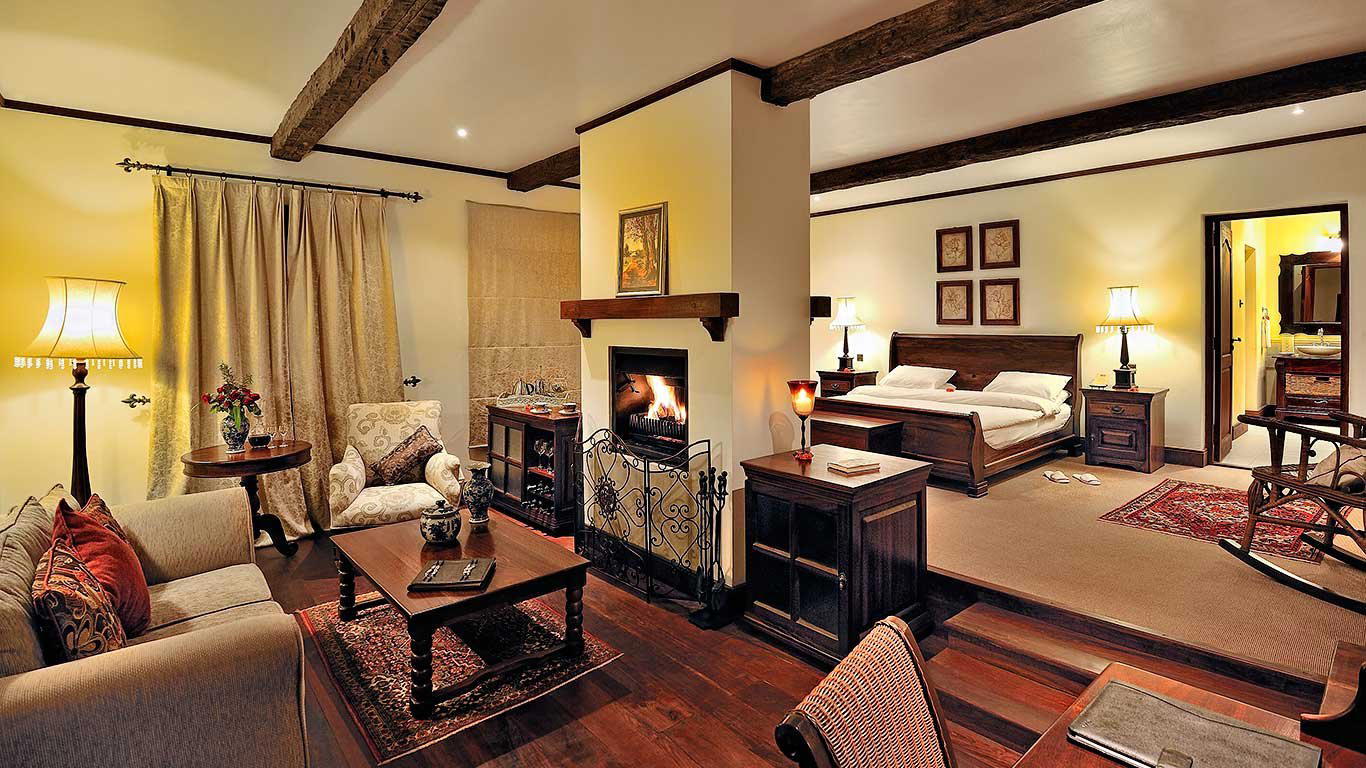
Where the Coffee Hills Meet the Crater Rim
The road south from Arusha climbs steadily through the Rift Valley escarpment, and by the time the land levels into rolling green hills thick with coffee bush, the visual register has already shifted from savanna to something closer to highland Europe. It is in this environment, rather than on a crater rim or beneath an acacia canopy, that Elewana The Manor at Ngorongoro makes its case. The property sits within a working 1,500-acre Arabica coffee estate in northwest Tanzania, adjacent to the Ngorongoro Conservation Area, and the address does something few safari properties manage: it separates the act of staying from the act of game viewing, treating them as two distinct pleasures rather than collapsing one into the other.
That distinction matters when you consider the broader shape of the Ngorongoro accommodation market. Most lodges in this part of Tanzania position themselves as close to the Crater rim as possible, trading on proximity to the wildlife spectacle. Properties like andBeyond Ngorongoro Crater Lodge and NgoroNgoro Lodge take that approach, where the crater view is the primary architectural gesture. The Manor operates on different logic: the estate itself is the environment, and the Crater is a destination you drive to, not a backdrop you look at from your room. For a certain kind of traveller, that distinction is the reason to book here rather than anywhere else.
Architecture as Editorial Statement
East African safari accommodation splits fairly cleanly between tented camps built around transience and lodges built around permanence. The Manor belongs firmly in the latter category, but within the lodge segment it occupies a narrower niche defined by its Cape Dutch-style architecture. The whitewashed gables and pitched rooflines draw a direct line to the colonial farmhouses of the Western Cape, transported north across the continent and set against Tanzania's highland hills. The result is an Afro-European vernacular that has few direct comparators in the northern Tanzania circuit. Properties like Gibb's Farm in Karatu share the highland-estate sensibility, but The Manor's formal Manor House as the social centrepiece gives it a more structured architectural hierarchy.
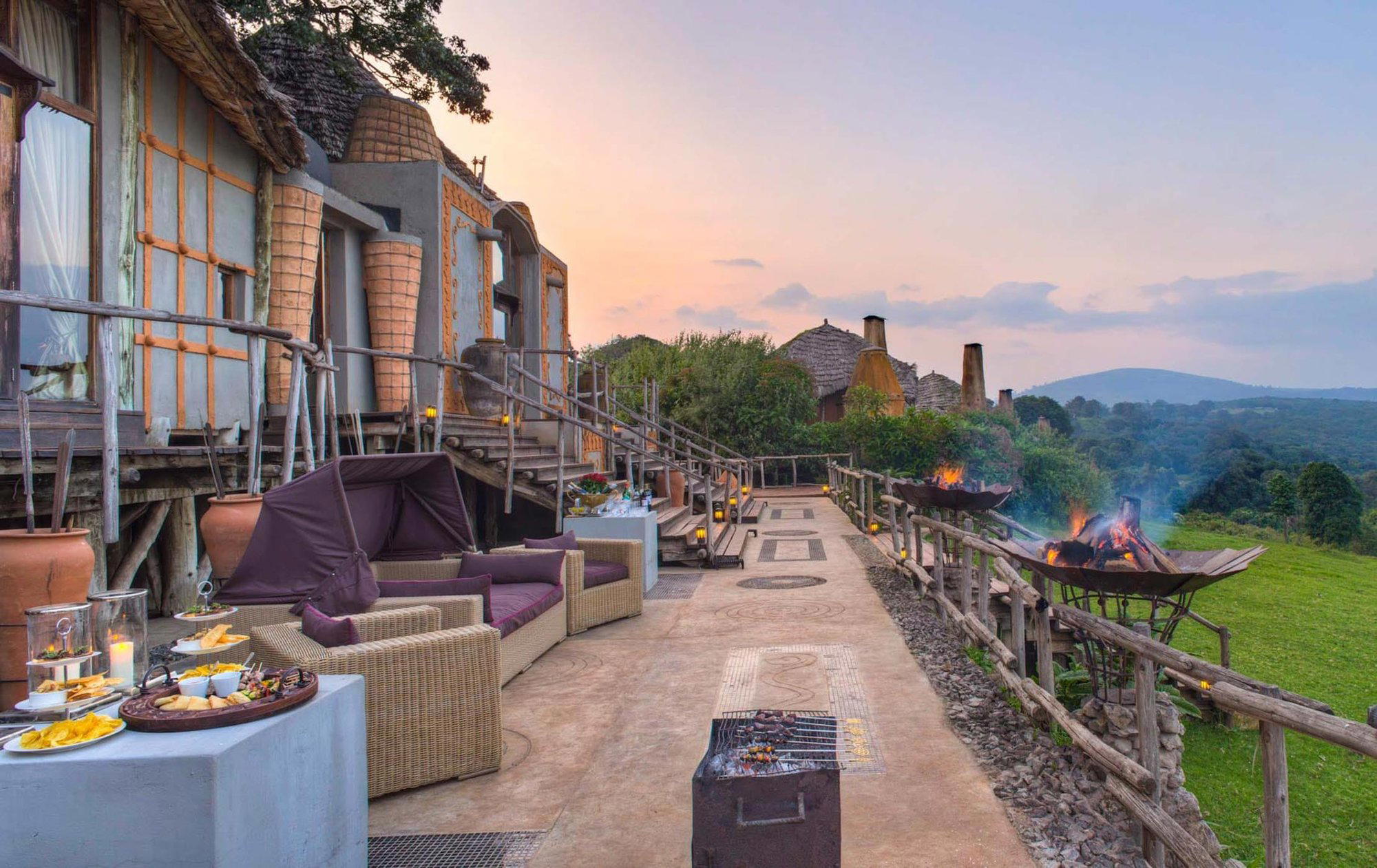
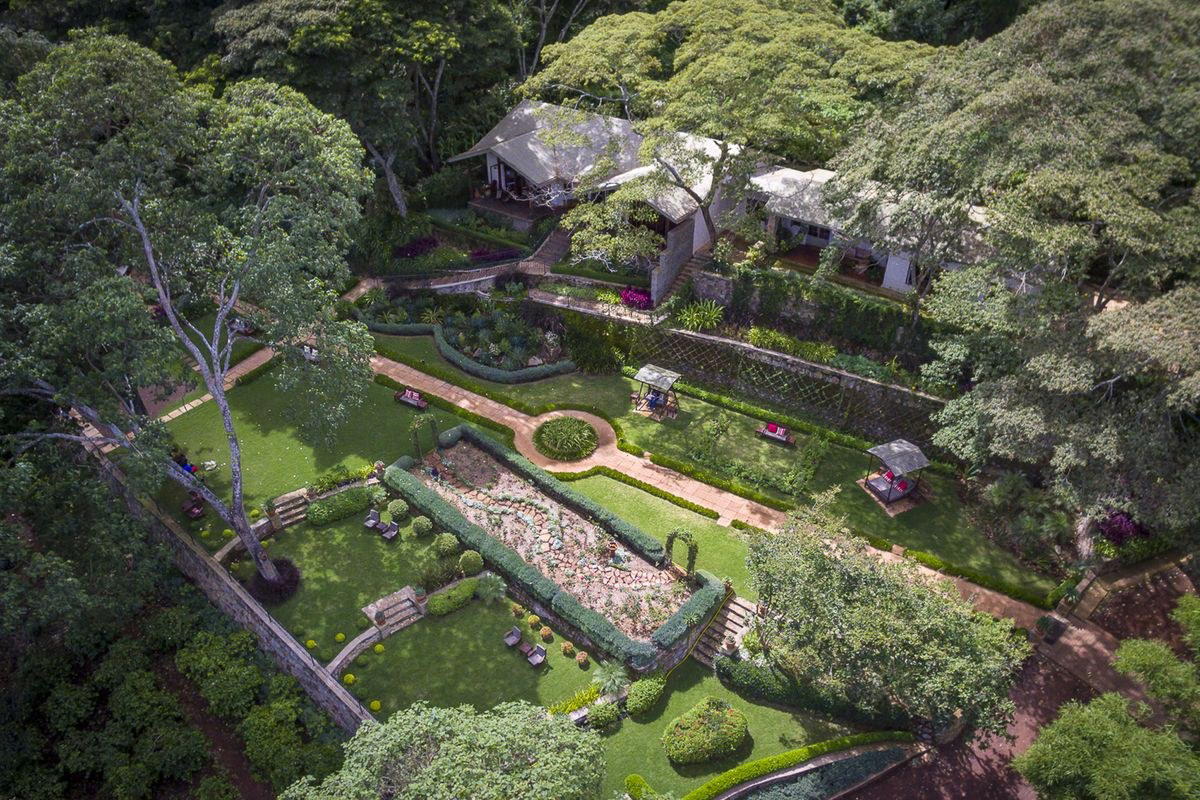
The property comprises nine cottages containing 18 suites, plus a family cottage and the main Manor House. Cottage positioning has been arranged to maximise views of the surrounding hills while preserving the sense of enclosure and privacy that a genuine country estate requires. The gardens and the coffee-bush hills form the immediate visual field from most suites, which means the landscape earns its keep around the clock rather than only at dawn and dusk game-drive hours.
The Ngorongoro Crater as Day Destination
The Ngorongoro Crater floor, 18 kilometres across and enclosed by the walls of an extinct volcano, contains one of the densest concentrations of wildlife on the continent. The Conservation Area surrounding it hosts the Big Five alongside large flamingo populations on the soda lake, and the self-contained ecosystem means sightings that require days of searching in open savanna can condense into a single morning descent. Arriving from The Manor, the transition from manicured estate to raw crater floor happens in under an hour by vehicle, which gives the drama of that arrival its full weight. Compare that with staying at a rim lodge, where the crater is always in peripheral vision, and you start to understand why some travellers prefer a base with genuine separation.
Broader Conservation Area also offers access to the Serengeti ecosystem. Those extending their itinerary north will find options like andBeyond Serengeti Under Canvas in Serengeti National Park and Four Seasons Safari Lodge Serengeti in Banagi, while those tracking the wildebeest south into the Ndutu wetlands can position themselves at Ndutu Camp. The Manor works naturally as an anchor property for multi-camp northern Tanzania itineraries, providing a more formal and settled base before or after nights in more remote bush locations.
Dining on the Estate
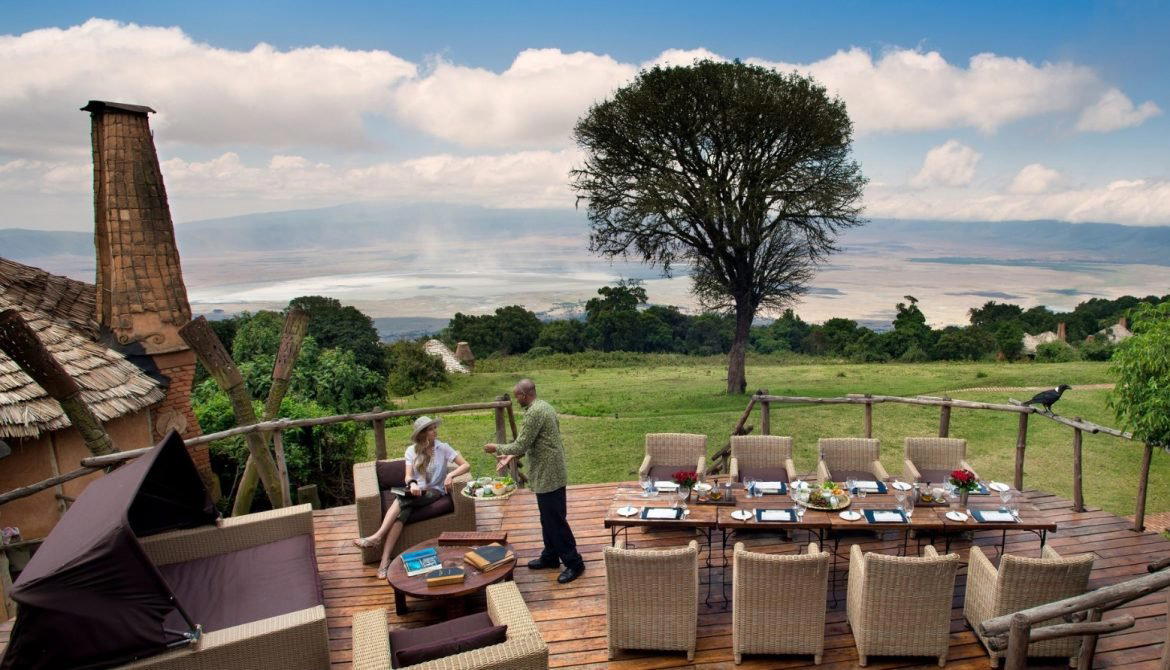
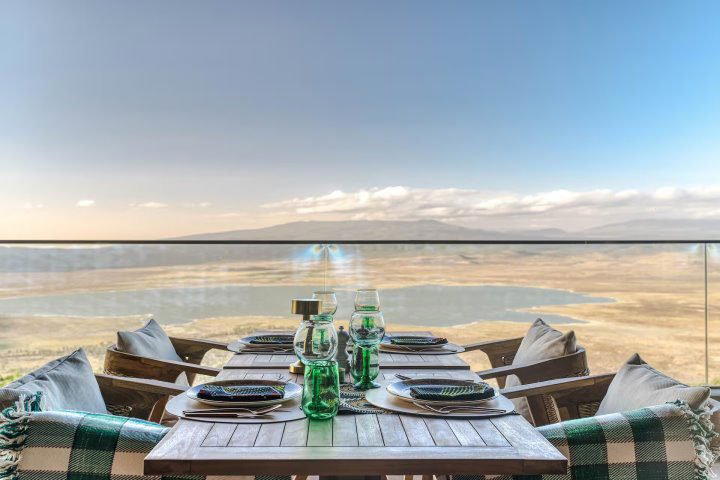
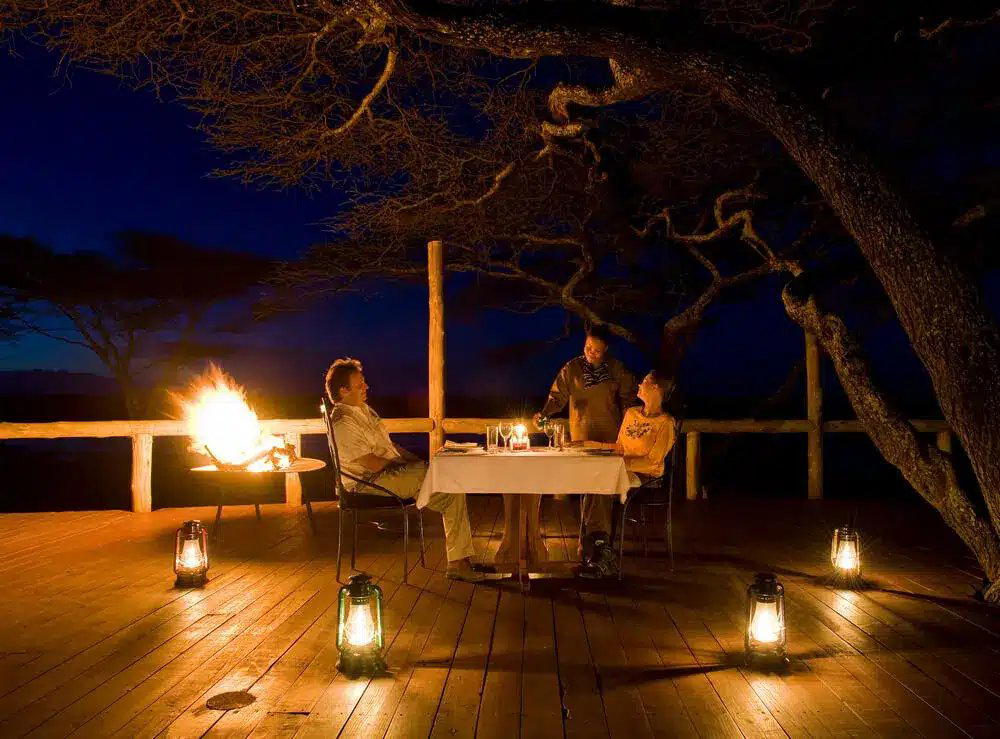
Manor House restaurant operates as the property's social anchor in the evenings, and a dinner there after a full crater day is a deliberate structural counterpoint: controlled, formal, and removed from the wildness of the afternoon. The estate's coffee heritage gives the setting a specific agricultural identity that distinguishes it from lodges with purely decorative gardens.
Placing The Manor in Northern Tanzania's Premium Tier
Northern Tanzania's premium safari accommodation has consolidated around a handful of formats: the rim lodge with crater views, the tented Serengeti camp with migration access, the Tarangire tree lodge, and the highland estate. The Manor occupies the estate format, and within that format it sits closer to properties like Arusha Coffee Lodge in Arusha, which also anchors its identity in a working agricultural estate, than to the wilderness-first camps at andBeyond Klein's Camp in Sedeco or Chem Chem Lodge in Vilima Vitatu. For travellers combining northern Tanzania with coastal Tanzania, the contrast is equally pronounced: the transition from the highlands to something like Park Hyatt Zanzibar in Stone Town or ENVI Paje in Paje produces exactly the kind of environment shift that makes multi-destination Tanzania itineraries work.
Planning Your Stay
The Manor at Ngorongoro is a five-star hotel with 19 rooms in the Ngorongoro Conservation Area. Reservation is essential. The property sits within the Ngorongoro Conservation Area. Ground transfer from Arusha is the standard arrival route, with the highland road journey itself providing a gradual transition into the estate environment. Those flying into Kilimanjaro International Airport can connect to Arusha before the road transfer south and west into the hills.
The Short List
Comparable venues nearby, for context on price, style, and recognition.
| Venue | Price | Notes |
|---|---|---|
| Elewana the Manor at NgorongoroThis venue — the venue you are viewing | $$$$ | Not listed |
| andBeyond Ngorongoro Crater Lodge | $$$$ | Ngorongoro Conservation Area, Maasai Versailles: a fusion of African vernacular architecture with European baroque luxury, featuring mud-plaster walls, banana-leaf ceilings, and ornate Victorian interiors. |
| NgoroNgoro Lodge | $$$$ | Lerai Ranger Post, Modern luxury lodge blending seamlessly with the Ngorongoro Crater rim environment. |
| Ngorongoro Crater | $$$$ | Ngorongoro Crater rim, Luxury safari lodge perched on the crater rim. |
| Ndutu Camp | $$$$ | Ngorongoro Conservation Area, Traditional stone and thatch safari lodge |
| Tulia Zanzibar | $$$$ | Pongwe, Luxury boutique beach resort with standalone villas and bungalows |
Recognition history
Dated appearances from independent guides and award organizations, with the underlying list record or original source where available.
Travel + Leisure 100 Favorite Hotels in the World #15 · No. 15
Travel + Leisure · 2026 Travel + Leisure 100 Favorite Hotels in the World
Virtuoso Luxury Hotel Partner
Virtuoso
Continue exploring
More in Ngorongoro
Hotels in Ngorongoro
Browse all →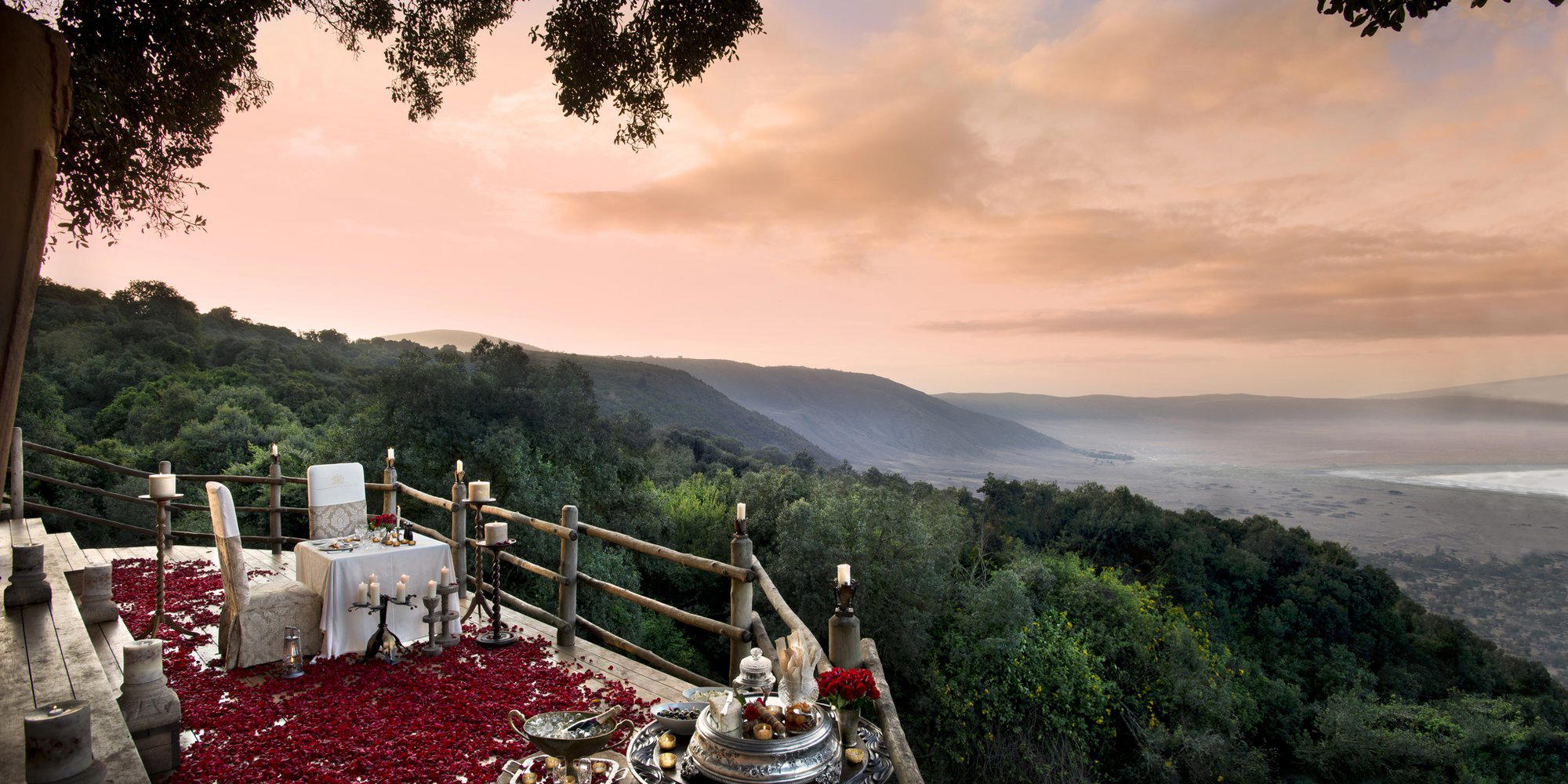
Bars in Ngorongoro
Browse all →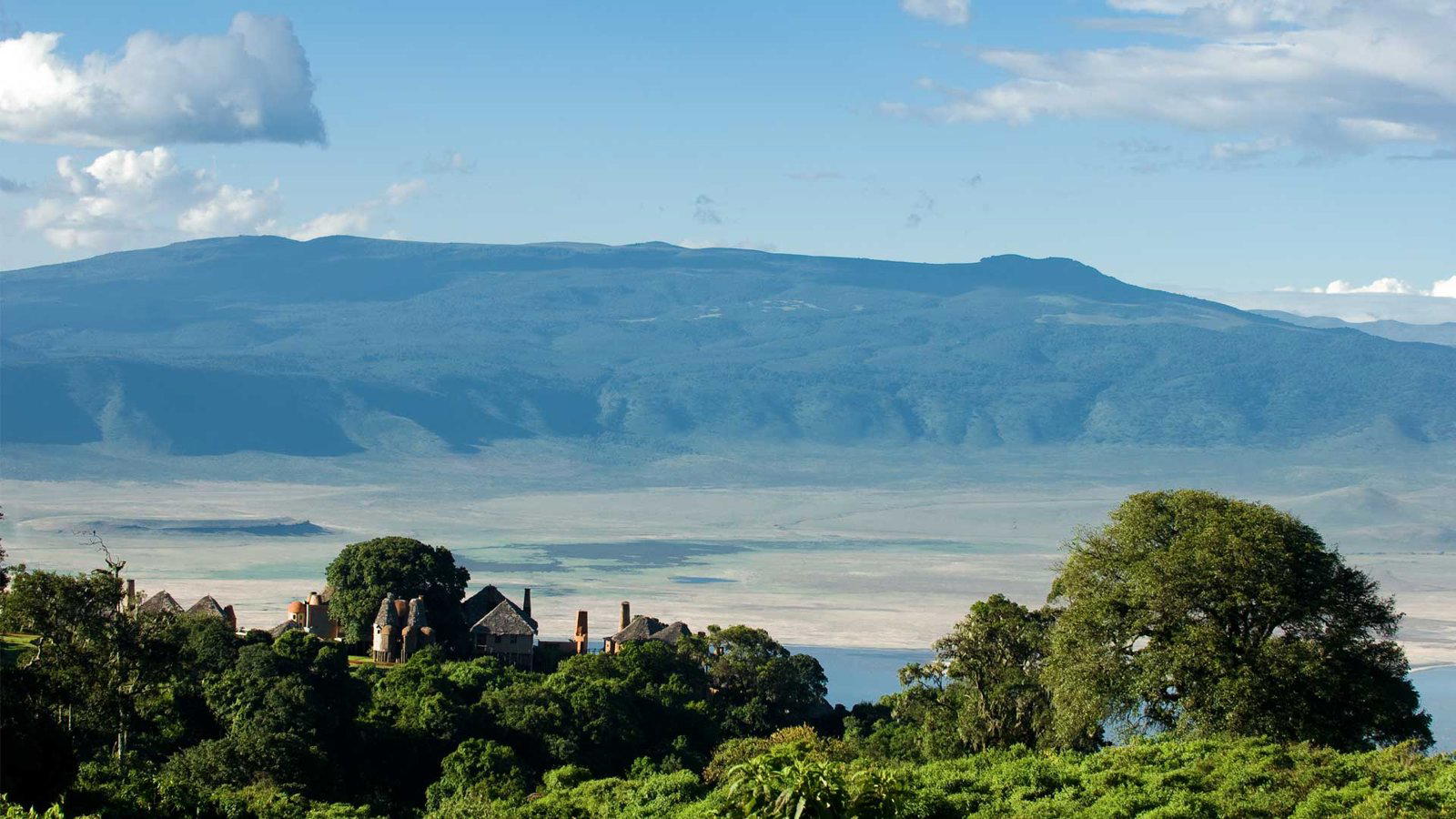
Restaurants in Ngorongoro
Browse all →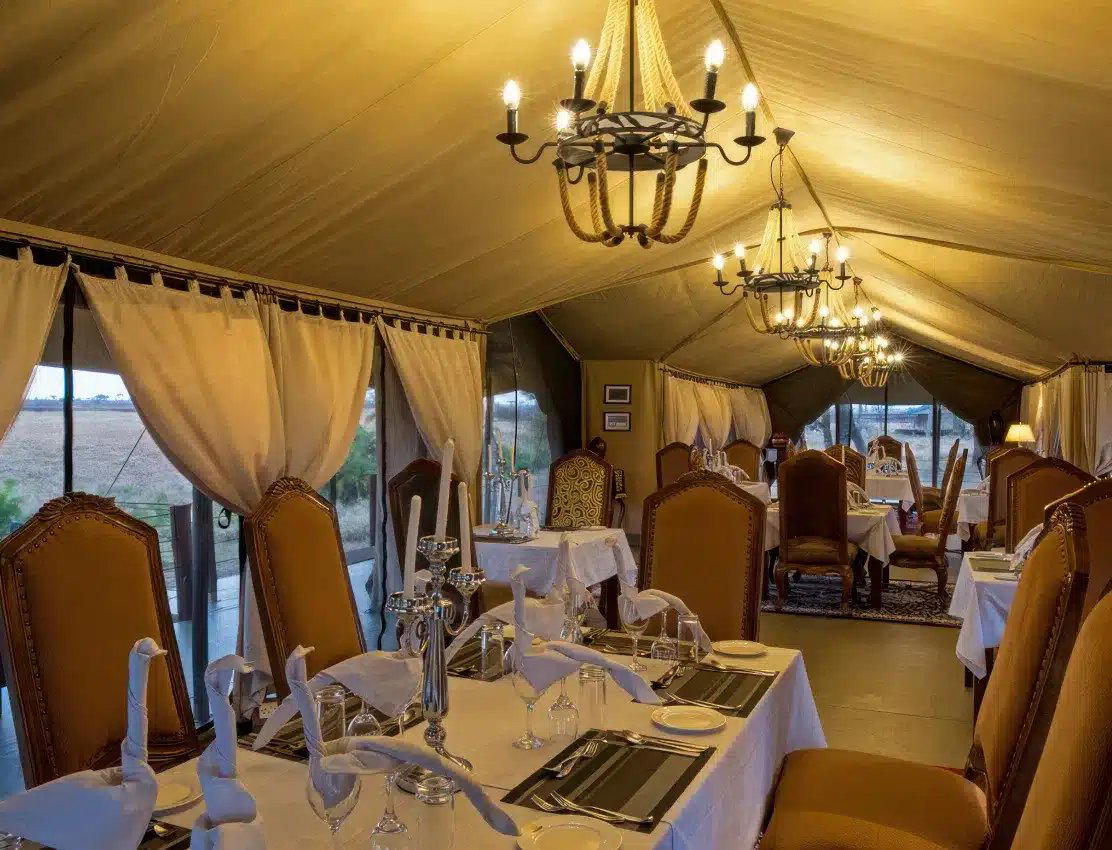
At a Glance
- Elegant
- Romantic
- Quiet
- Scenic
- Intimate
- Ornate
- Honeymoon
- Romantic Getaway
- Anniversary
- Celebration
- Butler Service
- Garden
- Terrace
- Historic Building
- Panoramic View
- Private Dining
- Destination Spa
- Wi Fi
- Pool
- Spa
- Room Service
- Concierge
- Restaurant
- Bar
- Garden
- Outdoor Pool
- Garden
- Mountain
- Wi Fi
- Pool
- Spa
- Room Service
- Concierge
- Restaurant
- Bar
- Garden
- Outdoor Pool
Warm, inviting, and luxurious with nightly fireplaces in rooms, candlelit dinners, and meticulously manicured gardens creating an atmosphere of refined elegance and tranquility.