Ndutu Camp
Ndutu Camp sits on the edge of Lake Ndutu within the Ngorongoro Conservation Area, placing guests at the centre of one of East Africa's most concentrated wildlife corridors. The camp operates at the intersection of the Serengeti's southern plains and the Ndutu woodland, making it a focal point for the calving season migration between January and March. Dining and daily rhythm here are shaped entirely by the bush schedule.
Pearl is the En Primeur Club membership app — saves, bookings, and concierge access live there. Same editors, same standards.
- Address
- X2FC+P9V, Lake Ndutu, Ngorongoro Conservation Area, Tanzania
- Directions
- Get directions
 Saves & bookings on Pearl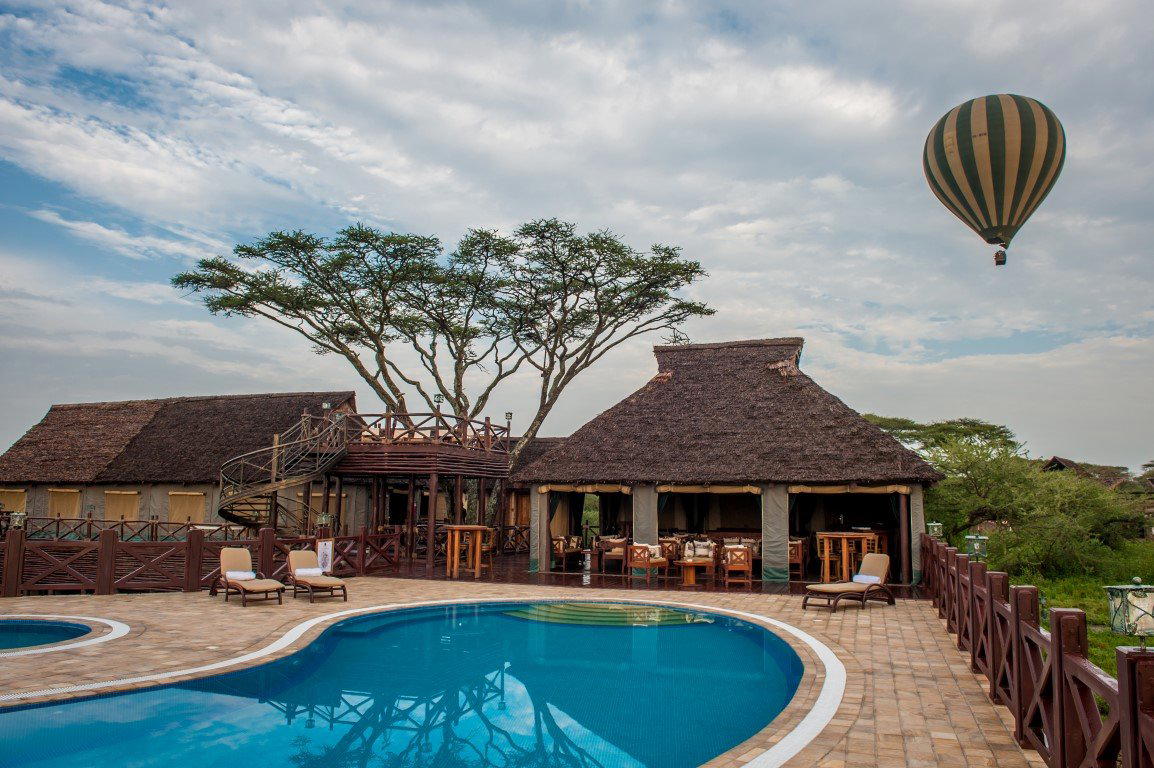
Where the Southern Plains Set the Timetable
The Ngorongoro Conservation Area covers roughly 8,000 square kilometres, but within that vast protected zone, the area around Lake Ndutu operates on its own logic. The woodland fringe where the Serengeti's short-grass plains give way to acacia scrub is where the wildebeest calving season concentrates, typically between late January and mid-March, drawing predator density and wildlife activity that rivals anything on the northern circuit. Ndutu Camp sits inside that corridor, which means the daily programme is shaped by the landscape and the migration cycle.
This is a different category of wilderness property than the rim lodges that frame the Ngorongoro Crater. Properties like andBeyond Ngorongoro Crater Lodge or Elewana the Manor at Ngorongoro position against the crater's extraordinary geology and the prestige of the UNESCO World Heritage designation. Ndutu operates against a different draw: access to a migration event of specific, time-bound ecological significance. For a traveller choosing between these zones, that distinction matters more than lodge aesthetics or room count.
The Camp Setting and What It Signals
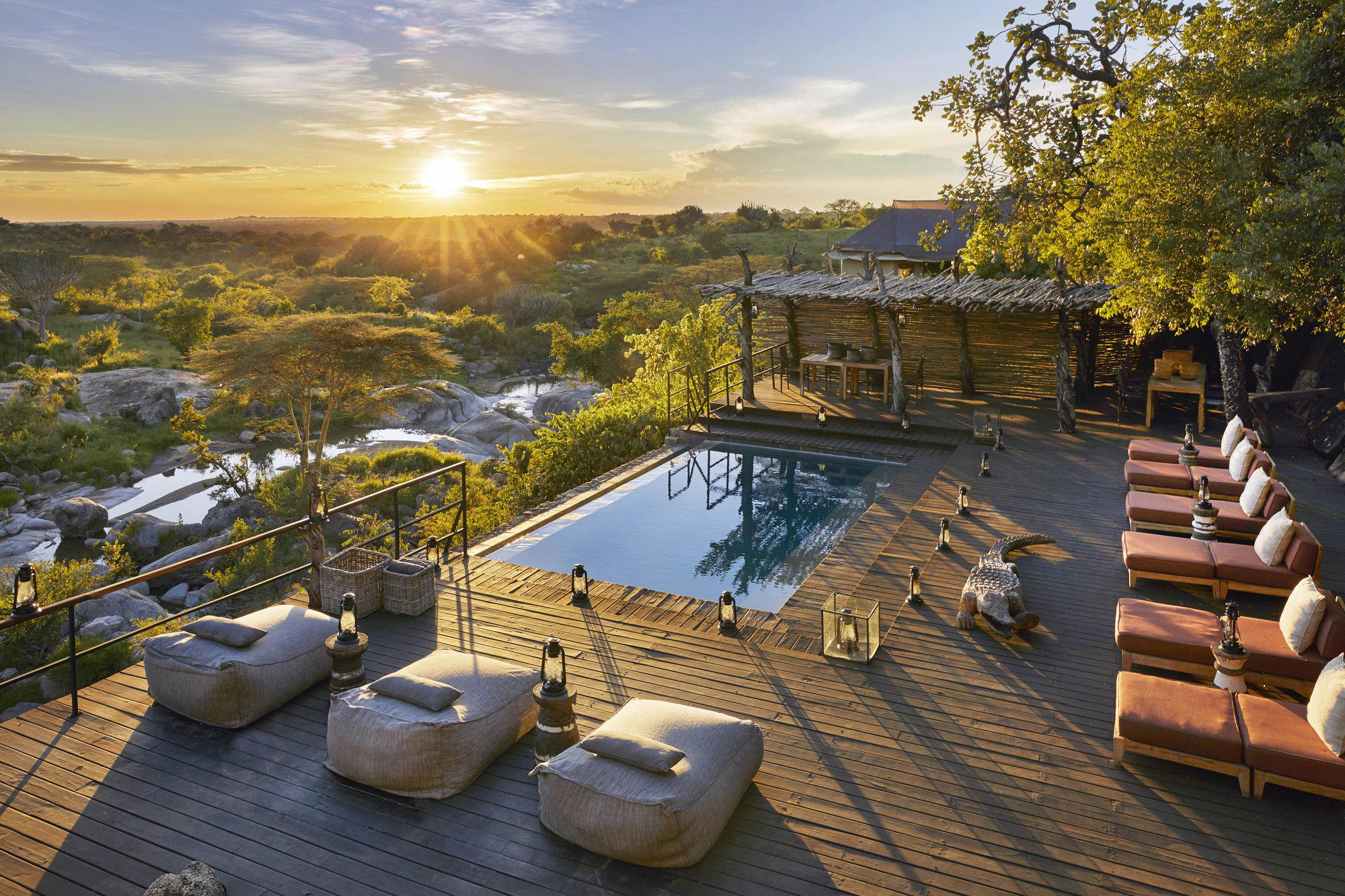
Arriving at Ndutu, the landscape offers no dramatic elevation or architectural spectacle. The setting is flat woodland, yellow-grass plain, and lake shoreline, understated by Tanzanian safari standards, and deliberate in that. Camps in this tier of the Ngorongoro Conservation Area trade on proximity and immersion rather than panoramic drama. The bush comes to the camp perimeter rather than being viewed from a distance.
That physical relationship with the environment shapes everything about how a stay here functions. Game drives depart into terrain where distances to sightings are often short and the activity is driven by seasonal concentration rather than by ranging across large ground. The Lake Ndutu shoreline itself draws wildlife year-round, with the flamingo population and the water-dependent species creating activity even outside the peak calving window.
For context within the region, Ndutu sits closer to the Serengeti circuit than to the crater rim properties. Travellers combining Ndutu with a northern Serengeti leg often route through properties like andBeyond Serengeti Under Canvas or Four Seasons Safari Lodge Serengeti to cover the full migration arc. andBeyond Klein's Camp and andBeyond Grumeti Serengeti River Lodge anchor the western corridor of that circuit.
The Dining Programme in a Bush-Camp Format
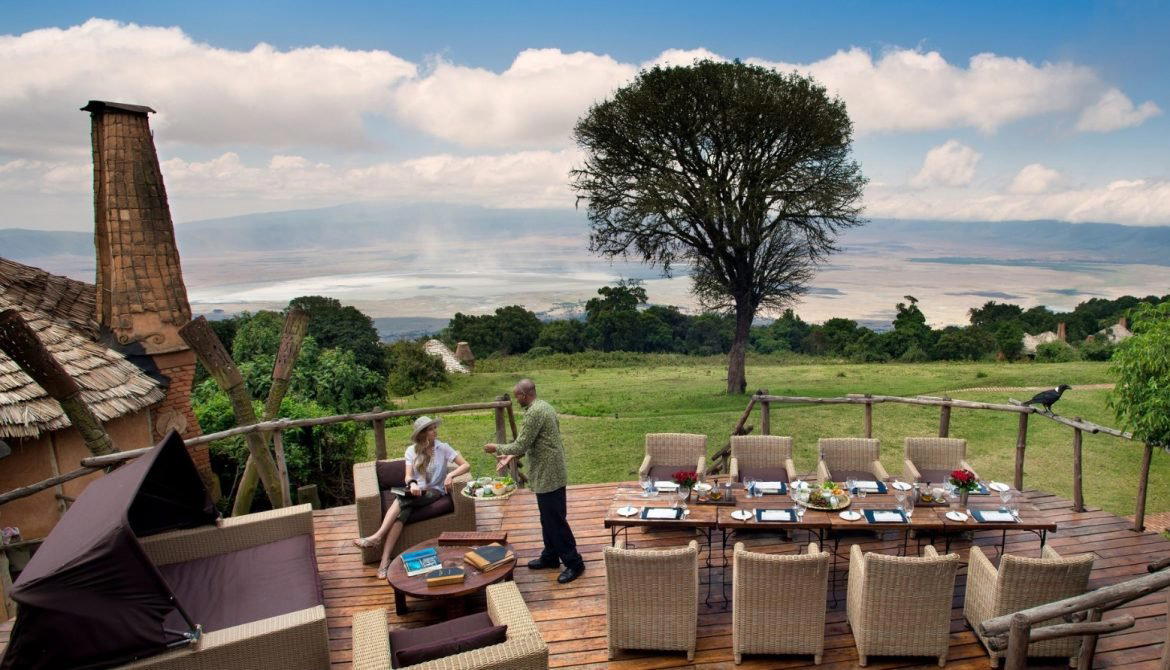
Meals at Ndutu follow the field schedule rather than restaurant concepts or tasting menus. Meals at Ndutu-style camps typically follow the rhythm of morning and afternoon game drives: an early breakfast before the first drive, a midday meal back at camp, and dinner after the evening return. Bush breakfasts and sundowner stops in the field are standard format across this tier of camp, moving the dining experience out of the camp entirely and into the landscape.
This is a functional contrast with the more formal culinary programmes at properties like Gibb's Farm in Karatu, where the agricultural setting supports a kitchen-garden dining identity with produce grown on site, or with the structured restaurant formats at JABALI RIDGE in Ruaha National Park. At Ndutu, the kitchen's role is to support the field programme rather than to function as a destination in its own right. Camp meals across this format tend toward hearty, time-efficient cooking, proteins, starches, and vegetables that fuel a physically active day rather than a leisurely multi-course progression.
Shared tables and open-sided dining areas create a social dynamic that differs from private-dining formats at urban or resort properties. For travellers accustomed to the formal dining rooms at Park Hyatt Zanzibar or Hotel Sea Cliff in Dar es Salaam, the shift in register is significant and worth factoring into trip planning.
Where Ndutu Sits in the Tanzania Property Spectrum
Tanzania's premium safari property market has segmented into distinct tiers over the past decade. At the leading end, architect-designed lodges with private-pool suites, sommelier-curated wine lists, and celebrity-chef consulting relationships define properties like Chem Chem Lodge or Kuro Tarangire. In the middle tier, mid-scale lodges balance comfort and access without the full amenity stack. Ndutu Camp operates in a format that prioritises field access and ecological positioning over luxury amenity depth, a deliberate choice that appeals to a specific traveller profile.
That traveller is typically more interested in sighting density and guide quality than in thread counts or spa menus. The calving season at Ndutu is one of the few wildlife spectacles in East Africa where the concentration of both prey species and predators in a small geographic area creates a genuinely compressed viewing experience. Cheetah, lion, hyena, and jackal populations in the area during calving season operate at densities that are difficult to replicate elsewhere on the Tanzanian circuit.
For broader Tanzania coverage beyond the northern circuit, ENVI Sisini Serengeti and andBeyond Lake Manyara Tree Lodge offer alternative ecosystem perspectives. Coastal and island departures through ENVI Paje, Amani Boutique Hotel in Zanzibar, or Bawe Island extend a northern circuit itinerary into the Indian Ocean. See our full Ngorongoro guide for broader regional context.
Planning a Stay
The Ndutu area operates most compellingly between late January and mid-March, when the wildebeest calving is at its peak and predator activity is highest. Outside that window, the lake and woodland remain productive for resident wildlife, but the spectacle diminishes considerably. Travellers whose primary interest is the migration should align their visit with the southern plains calving rather than planning around general safari availability. Access is typically via light aircraft to the Ndutu or Lake Masek airstrip, with road transfers available from Arusha for those combining with a pre-safari stay at Arusha Coffee Lodge. Booking lead times for calving season properties in this zone are substantial, twelve months ahead is not unusual for peak-window availability.
Booking and Cost Snapshot
Comparable venues nearby, for context on price, style, and recognition.
| Venue | Price | Awards | Notes |
|---|---|---|---|
| Ndutu CampThis venue — the venue you are viewing | $$$$ | Not listed | Not listed |
| Elewana the Manor at Ngorongoro | $$$$ | 5-Star | Karatu, Old-world Cape Dutch manor house blending East African hospitality with Afro-European architecture, positioned as an elegant upscale safari lodge. |
| NgoroNgoro Lodge | $$$$ | 5-Star | Lerai Ranger Post, Modern luxury lodge blending seamlessly with the Ngorongoro Crater rim environment. |
| andBeyond Ngorongoro Crater Lodge | $$$$ | 5-Star | Ngorongoro Conservation Area, Maasai Versailles: a fusion of African vernacular architecture with European baroque luxury, featuring mud-plaster walls, banana-leaf ceilings, and ornate Victorian interiors. |
| Ngorongoro Crater | $$$$ | 5-Star | Ngorongoro Crater rim, Luxury safari lodge perched on the crater rim. |
| andBeyond Lake Manyara Tree Lodge | $$$$ | Not listed | Lake Manyara National Park, Treehouse suites on stilts in mahogany forest |
Continue exploring
More in Ngorongoro
Hotels in Ngorongoro
Browse all →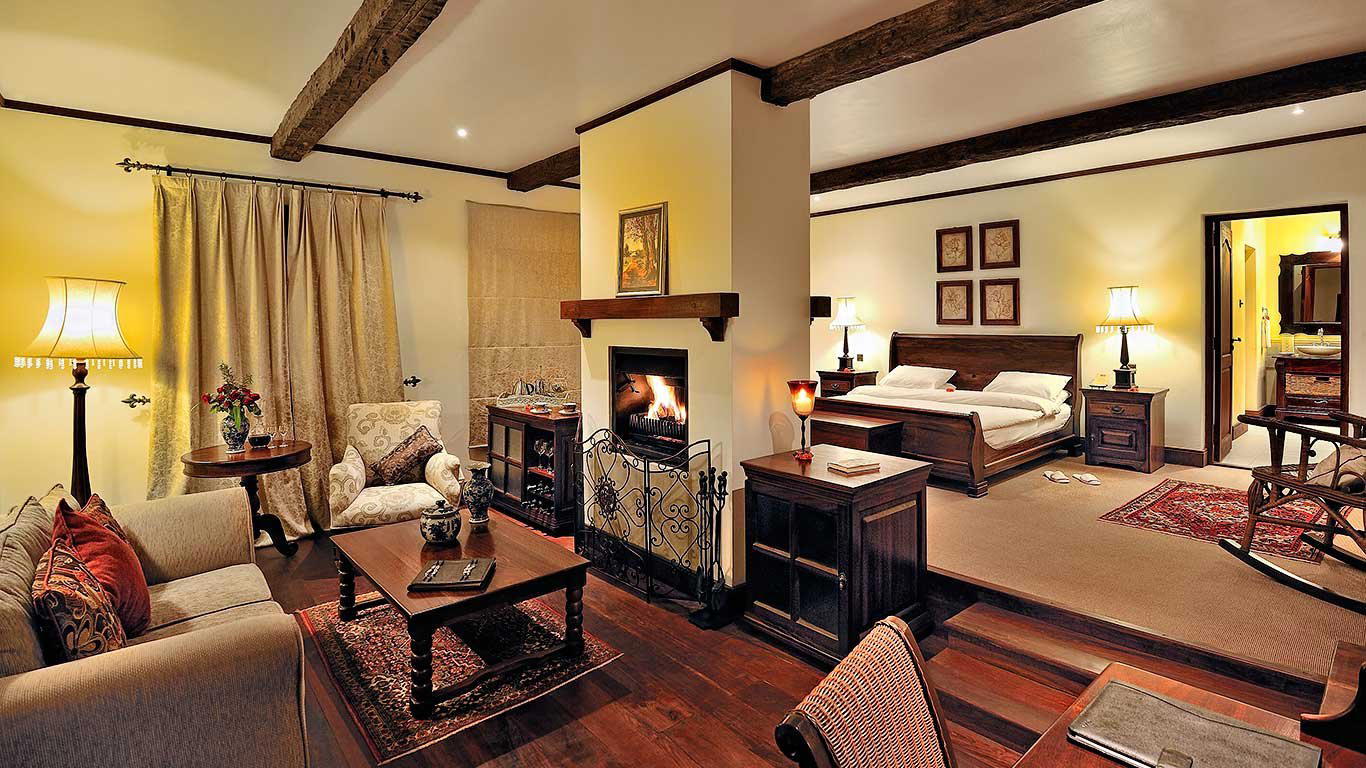
Bars in Ngorongoro
Browse all →
Restaurants in Ngorongoro
Browse all →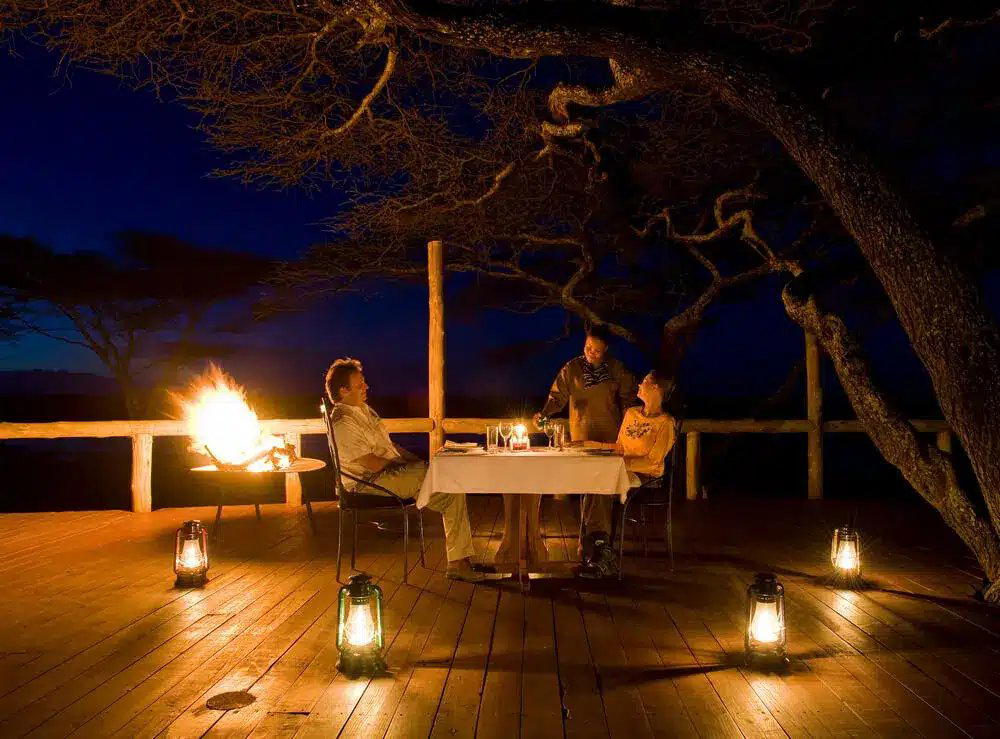
At a Glance
- Scenic
- Rustic
- Intimate
- Quiet
- Romantic Getaway
- Honeymoon
- Weekend Escape
- Panoramic View
- Wi Fi
- Room Service
- Concierge
- Mountain
- Wi Fi
- Room Service
- Concierge
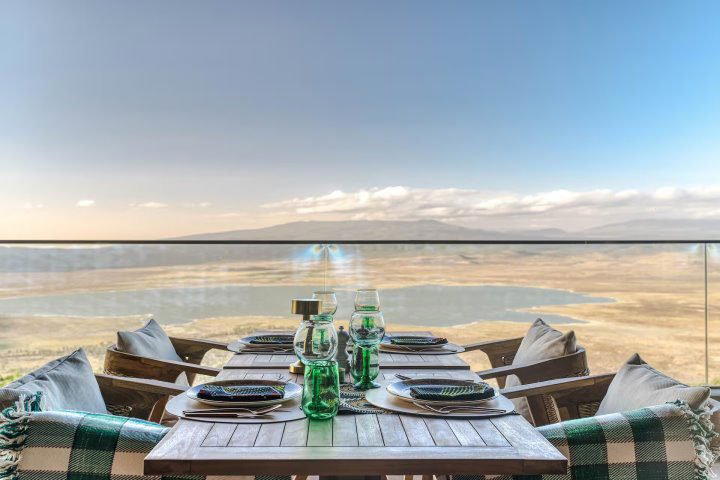
Peaceful bush atmosphere with relaxed central areas overlooking lake views, campfires, and natural sounds under starry skies.