Lafayette

Michelin Plate
Our verdict
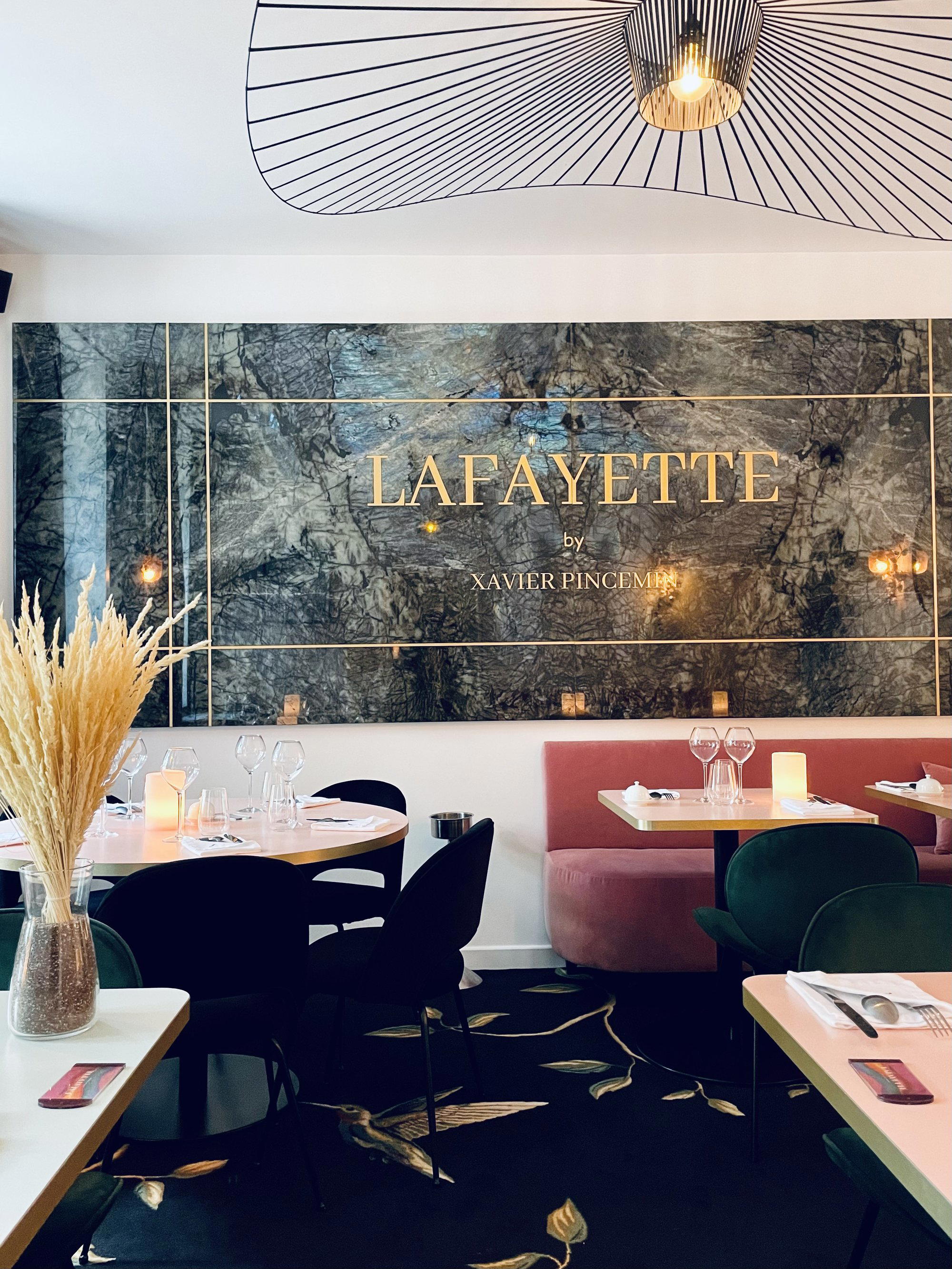
Lafayette brings a casual, globe-inflected menu to Versailles in a series of Art Deco rooms on boulevard du Roi, positioned directly alongside Chef Xavier Pincemin's original restaurant. The kitchen ranges from tacos and ceviche to aged beef pulled from an on-site maturation cabinet, making it one of the more restlessly conceived addresses in a city otherwise dominated by formal grand dining.

Pearl is the En Primeur Club membership app — saves, bookings, and concierge access live there. Same editors, same standards.
- Address
- 10 boulevard du Roi
- Phone
- +33 9 83 74 20 05
- Hours
- Mon ClosedTue–Sat 12–2:30 PM, 7 PM–2 AMSun Closed
- Website
- xavier-pincemin.com
- Directions
- Get directions
- Booking
- Book on Zenchef
The menu
What to order
- Boeuf tiger
- Black Baltic rib steak
- Bao
Art Deco Rooms, Global Instincts
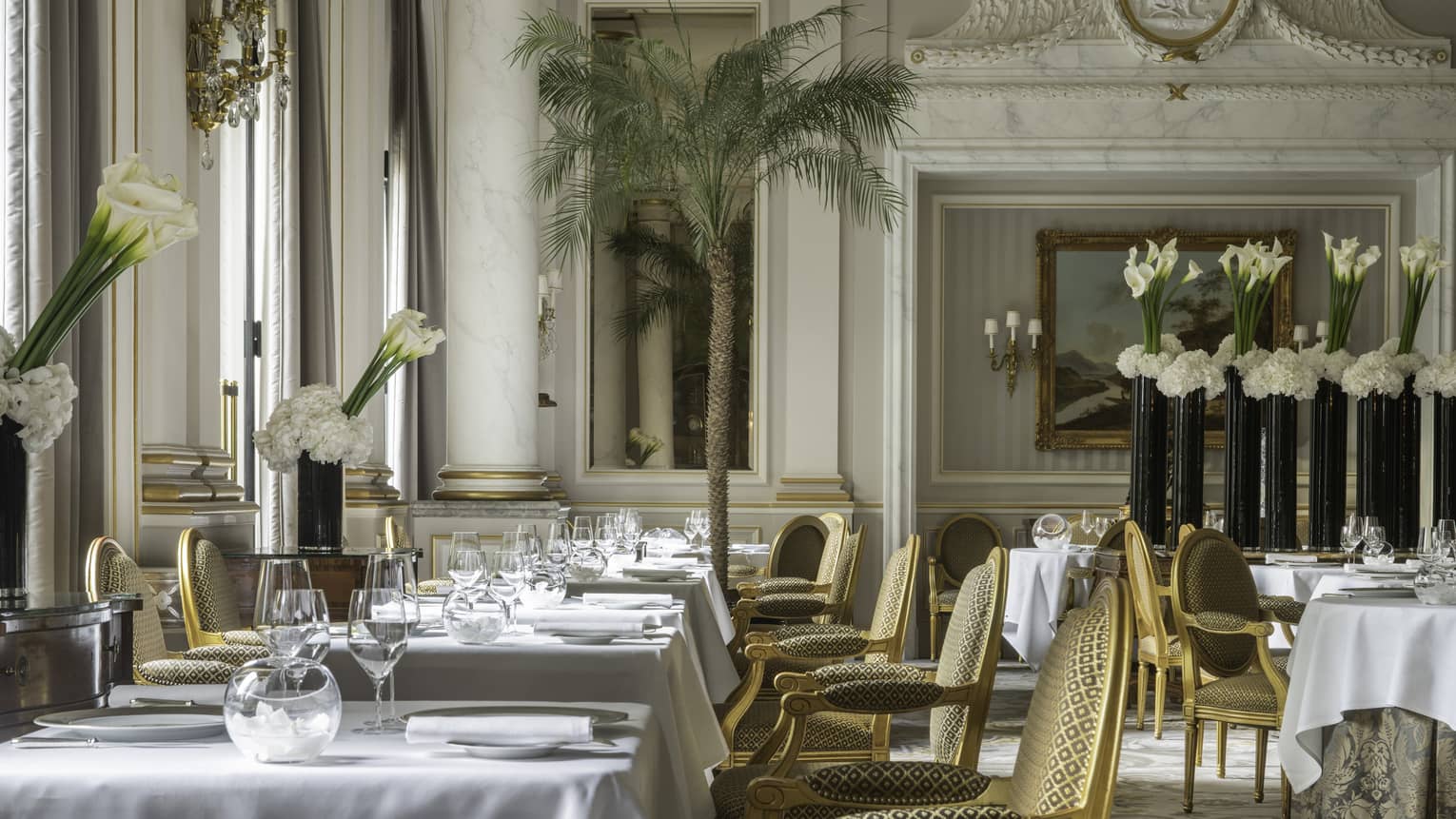
Versailles presents a particular challenge for anyone seeking a relaxed dinner. The city's dining reputation is shaped almost entirely by its proximity to the palace: formal tables, ceremonial service, and price points calibrated to the expense-account tourism that flows through the royal estate. The heavy hitters sit at the grand end of the spectrum — Ducasse au Château de Versailles - Le Grand Contrôle and Gordon Ramsay au Trianon both occupy the €€€€ bracket, where the setting and the name are as much the product as the plate. Lafayette is a deliberate counterpoint to that register.
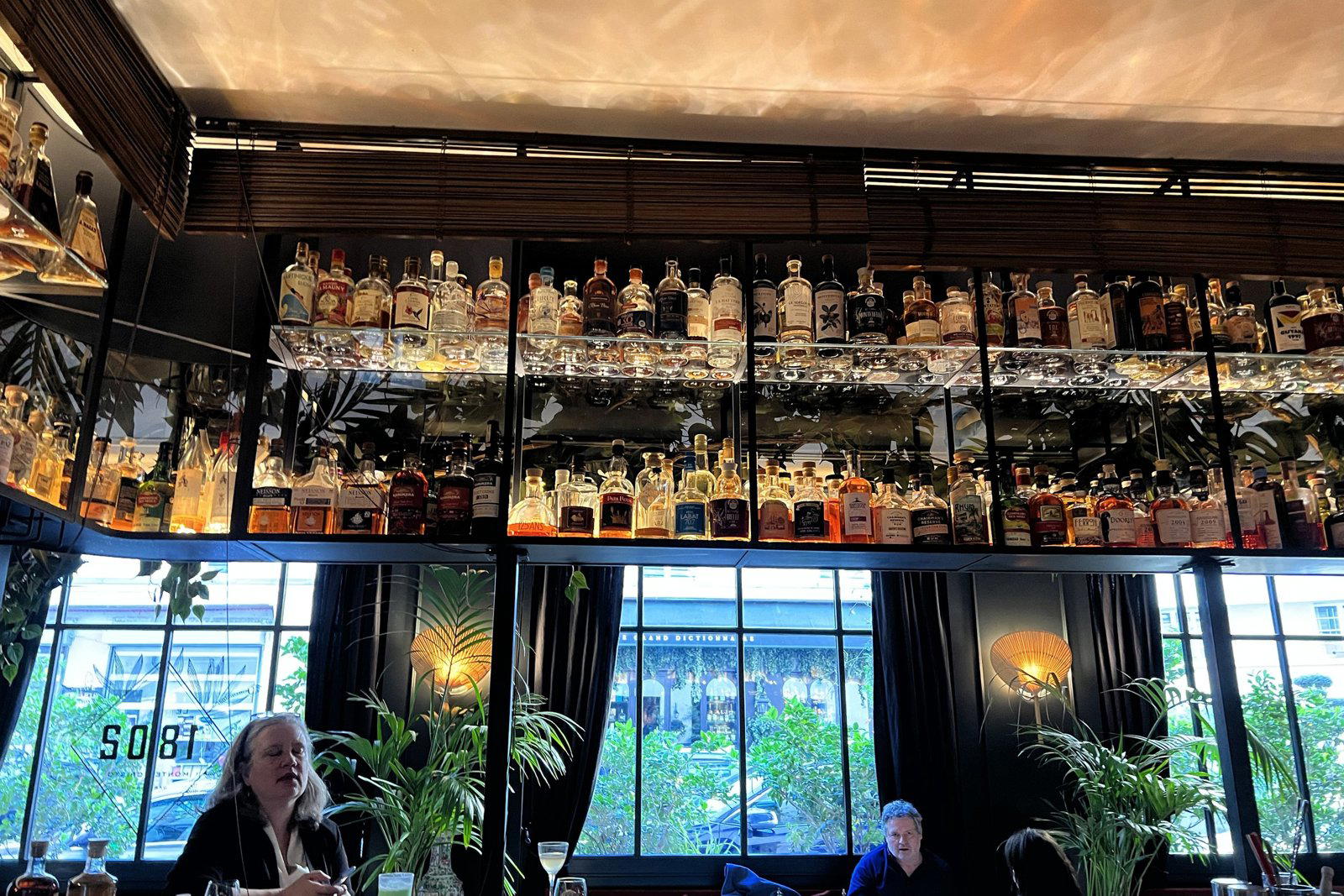
On boulevard du Roi, a sequence of Art Deco rooms opens one into another, creating an atmosphere closer to a Paris bistro than a Versailles institution. The proportions are human-scale, the energy is casual, and the menu reads like it was written without reference to the palace at the end of the road. This is not an accident. Lafayette is the second address from the same kitchen that runs Le Pincemin next door — a deliberate expansion into a different register, lighter in tone and broader in reference, that shares a wall with its sibling but not its sensibility.
Where the Sourcing Does the Talking
The anchor of Lafayette's menu is its aged beef program. A maturation cabinet sits in visible display within the dining room, making provenance and process part of the room's physical presence rather than a detail buried in menu copy. In restaurants where dry-ageing is taken seriously, the cabinet functions as both a working larder and a statement of intent: the sourcing decision has been made long before the chef touches the protein. At Lafayette, the black Baltic rib steak, drawn from that cabinet, has become the dish most associated with the address, cited specifically in award recognition for the quality it delivers.
The logic of dry-ageing as a sourcing commitment is worth understanding in this context. Aged beef programs require consistent relationships with specific producers, significant refrigeration infrastructure, and the discipline to hold stock rather than turn it quickly. For a casual bistro operating alongside a more formal neighbour, maintaining that infrastructure is a meaningful signal about where the kitchen's attention is directed. France has a long tradition of regional beef sourcing, from Charolais in Burgundy to Limousin in the southwest, and the broader European movement toward named-origin, cabinet-aged cuts has brought Baltic and Nordic breeds into the conversation alongside domestic French cattle. Lafayette's positioning within that trend gives the menu a seriousness its relaxed format might not immediately suggest.
Rest of the menu moves in a different direction entirely. Tacos, ceviche, tiger beef, these are not dishes that belong to the classical French canon, and they are not presented as though they do. In a city where La Table du 11 and La Table des Lumières both operate in the modern French idiom with considerable formality, Lafayette's willingness to range across Latin American and Southeast Asian references is a deliberate departure. This kind of menu pluralism has become a recognisable format in Paris, the contemporary bistro that treats global technique as a tool rather than a theme, and Lafayette applies that approach to Versailles, where it remains unusual.
The Bistro Format in Its Versailles Context
France's broader bistro tradition has never been about singular sourcing or mono-regional loyalty. The neighbourhood restaurants that defined Parisian dining culture across the twentieth century drew from wherever the leading produce came from on a given week, and their menus shifted accordingly. What has changed in the current generation is the level of transparency around those sourcing decisions: the displayed cabinet, the named producer on the menu, the technique made visible. Lafayette sits within that contemporary iteration of the tradition, where the ingredient's origin is understood to be part of the dish's argument.
That context matters because it frames Lafayette as part of a wider French movement rather than an isolated curiosity. Compare it to the restaurants that have defined French gastronomy at its most demanding, Alléno Paris au Pavillon Ledoyen, Mirazur in Menton, or Troisgros - Le Bois sans Feuilles, and you find that sourcing rigour and producer relationships are central to their identity. Lafayette operates several price points below those addresses, but the underlying logic of ingredient-first cooking is consistent. The difference is in the register: Lafayette translates that logic into a format that does not demand formal occasion as entry price.
For readers who want to map the broader French tradition, houses like Auberge de l'Ill, Bras, and Flocons de Sel each represent how deeply terroir-linked sourcing can anchor a restaurant's identity, albeit in a formal mode that Lafayette explicitly resists.
Planning a Visit
Lafayette sits at 10 boulevard du Roi, within walking distance of the palace grounds and the main rail connections from Paris. The casual vibe noted in award commentary suggests the dress code expectation is low relative to the palace-adjacent competition, and the Art Deco room sequence means the physical space works for both pairs and small groups. Given that the kitchen is producing genuinely sourced, cabinet-aged product in a city where that kind of commitment at a relaxed price point is rare, the room fills. Anyone planning a visit for a specific evening, particularly at weekends when Versailles tourism peaks, should treat advance booking as the default rather than the exception. Lafayette sits a step below the €€€€ bracket occupied by its immediate Versailles competitors, making it a practical option for those who want substance without the formal-dining commitment. For a fuller picture of what the city offers across every category, the Versailles restaurants guide, hotels guide, bars guide, wineries guide, and experiences guide each cover their respective categories in depth.
Frequently asked questions
Is Lafayette a family-friendly restaurant?
The casual vibe and eclectic menu, which spans tacos, ceviche, and tiger beef alongside aged steaks, makes Lafayette a relaxed setting without a rigid dress code or formal atmosphere. Located on boulevard du Roi near the palace grounds, it works as a post-visit dinner without requiring the ceremonial commitment of Versailles' grander dining options. That said, the restaurant's focal point is its aged beef program, so it skews toward guests with an appetite for serious meat cookery.
What's the vibe at Lafayette?
Lafayette occupies a series of adjoining Art Deco rooms that chef Xavier Pincemin added alongside his first Versailles restaurant, and the overall tone is deliberately casual. The maturation cabinet sits in open view within the dining room, giving the space the feel of a butcher-bistro hybrid rather than a conventional French restaurant. It is the kind of place built around a confident menu rather than formal service ritual.
What kind of recognition has Lafayette received?
Lafayette has received recognition including: Abutting his first restaurant, chef Xavier Pincemin has opened this trendy bistro that sports a series of adjoining Art deco rooms. He is enjoying himself and, in the process, delights us with a menu of varied influences (tacos, ceviche, ti….
What should I eat at Lafayette?
The aged beef program is the clearest reason to visit: Pincemin's maturation cabinet displays cuts in the dining room, and the black Baltic rib steak has drawn particular attention as the standout option. Beyond the beef, the menu takes global detours through tacos, ceviche, and tiger beef, which positions Lafayette closer to a contemporary world-bistro format than a traditional French table. Order from both sides of the menu to get the full picture of what Pincemin is attempting here.
How do I find Lafayette?
Lafayette is located at 10 boulevard du Roi, Versailles.
Should I book Lafayette in advance?
Lafayette is described as a trendy bistro opened by an already-established local chef, which in a city as visit-heavy as Versailles points toward advance booking being sensible, particularly on weekends or during peak palace tourism season. Turning up without a booking on a busy Saturday is a gamble worth avoiding.
Comparable Spots, Quickly
Comparable venues nearby, for context on price, style, and recognition.
| Venue | Cuisine | Price | Awards | Notes |
|---|---|---|---|---|
| LafayetteThis venue — the venue you are viewing | Modern French Bistro | $50–100 | Michelin Plate | Not listed |
| Le Pincemin | Modern French Fine Dining | $50–100 | Michelin Plate | central Versailles |
| Ore | Modern French Bistro | $30–50 | Michelin Plate | Palace of Versailles |
| La Table des Lumières | Modern French Vegetable-Centric Fine Dining | $50–100 | Michelin Plate · Relais Chateaux Award | Place d'Armes |
| Bar des Philosophes | French Hotel Bar & Wine Lounge | $30–50 | Relais Chateaux Award | Hôtel Les Lumières / near Palace of Versailles |
| La Veranda | Contemporary French Brasserie | $50–100 | Not listed | Trianon |
Recognition history
Dated appearances from independent guides and award organizations, with the underlying list record or original source where available.
Michelin Plate
Michelin
Continue exploring
More in Versailles
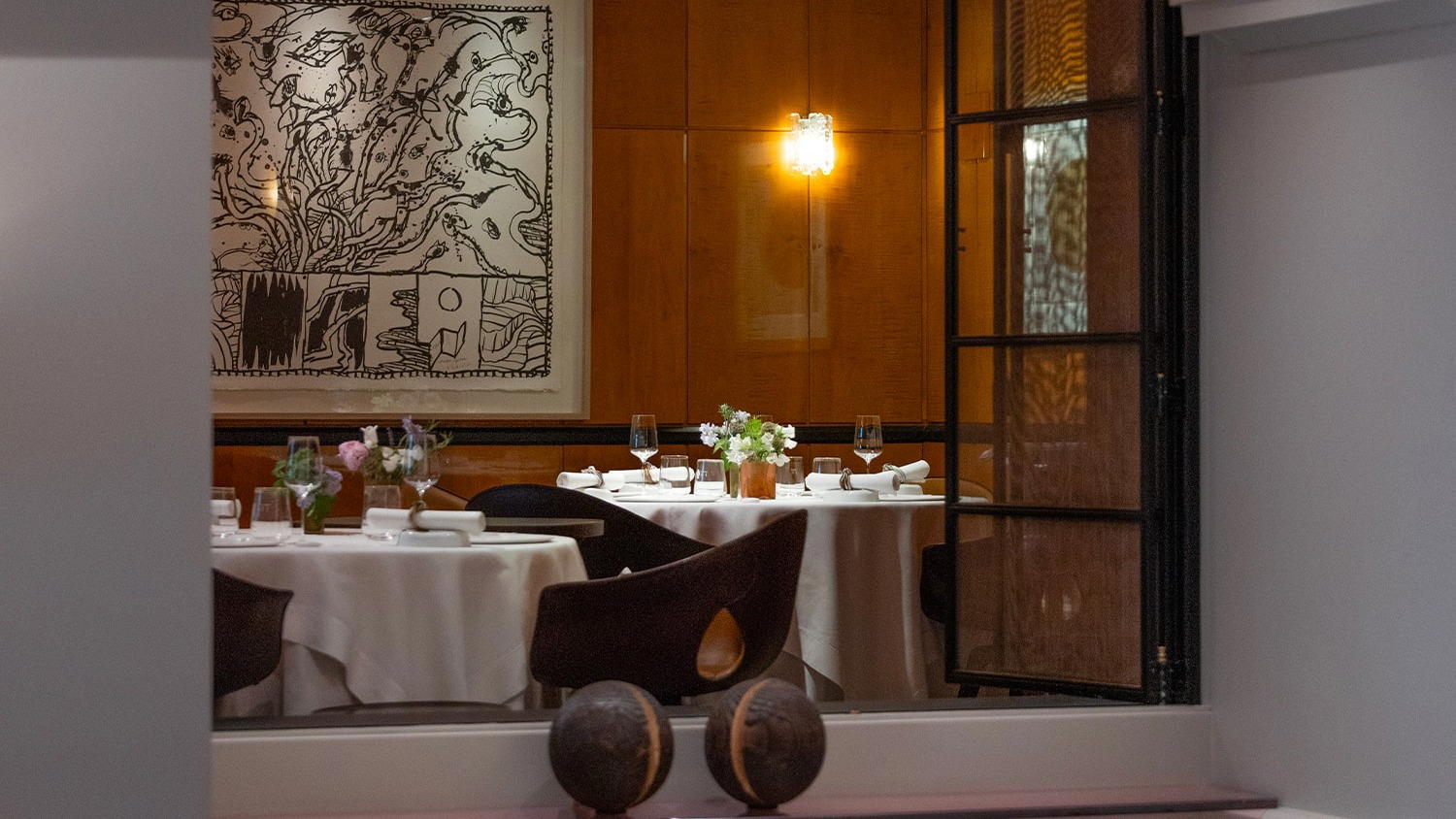
Restaurants in Versailles
Browse all →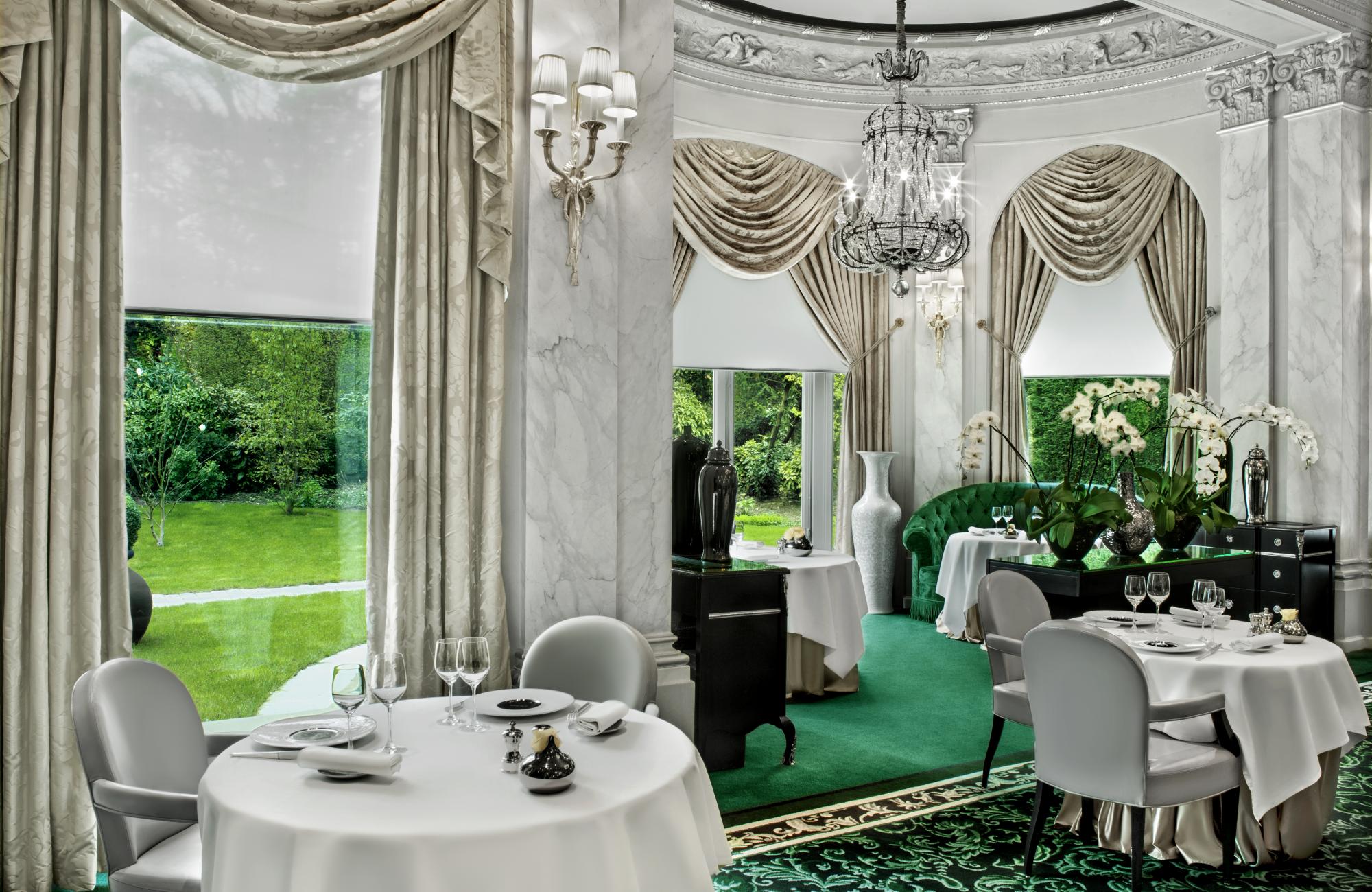

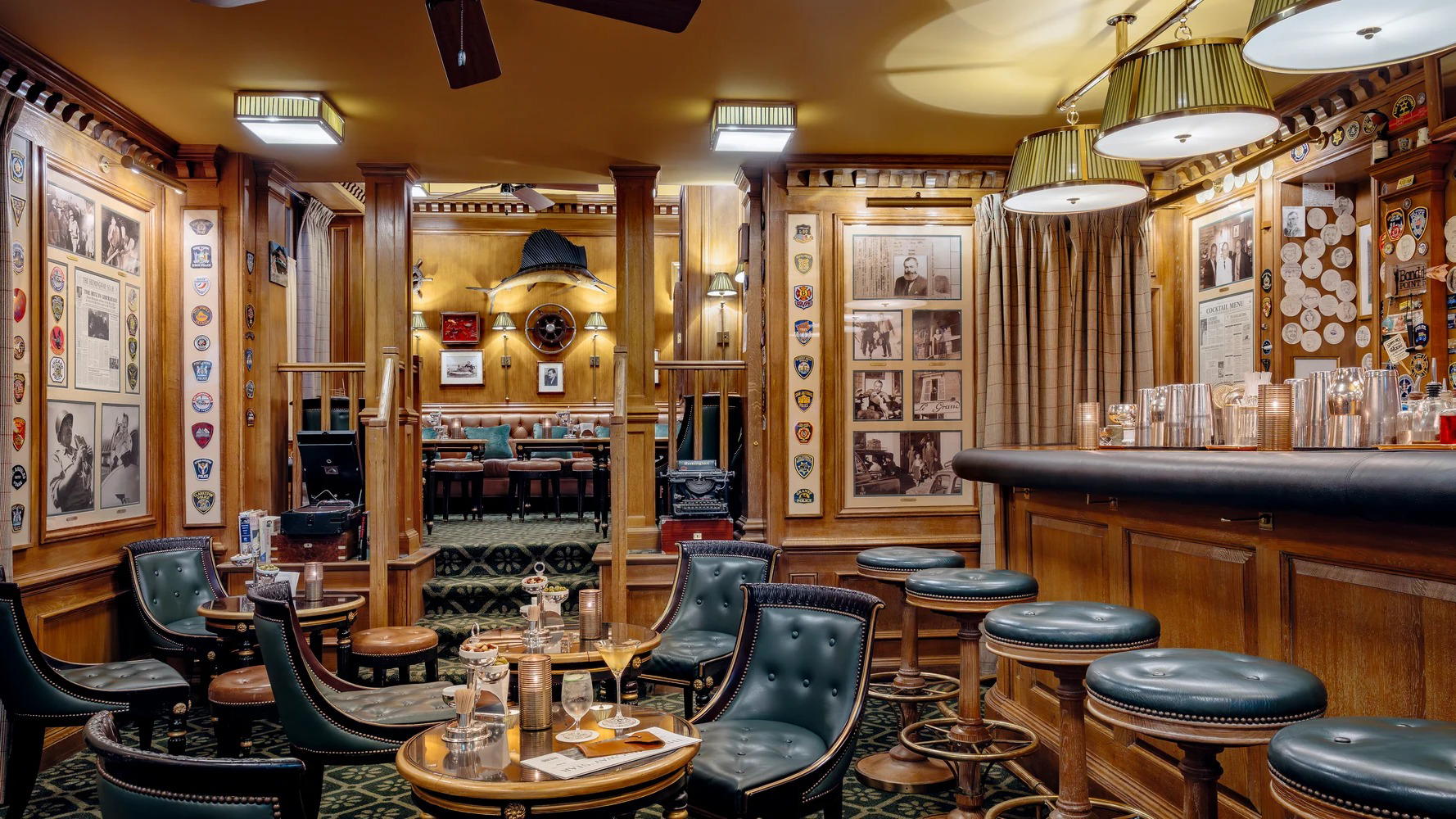
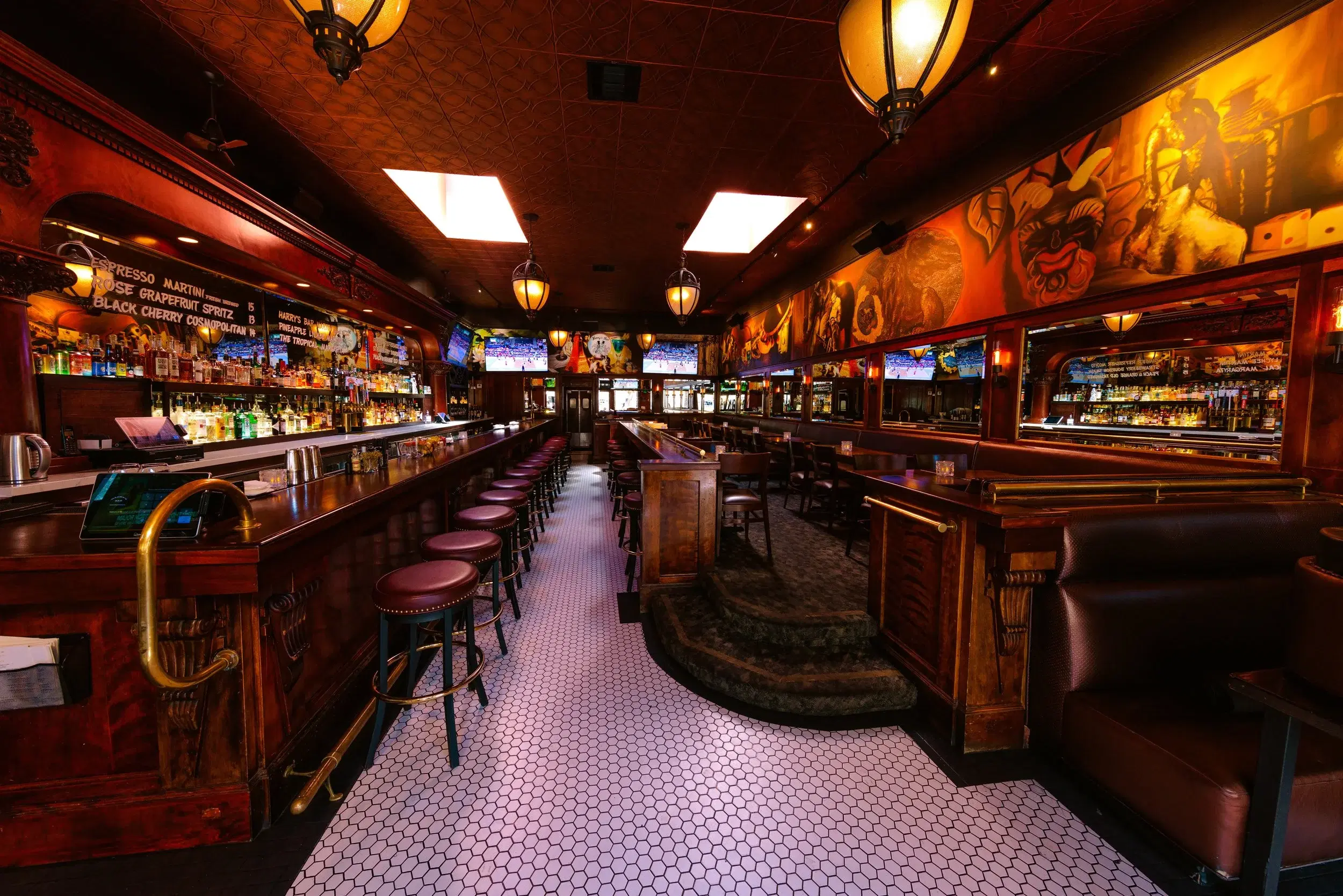
Bars in Versailles
Browse all →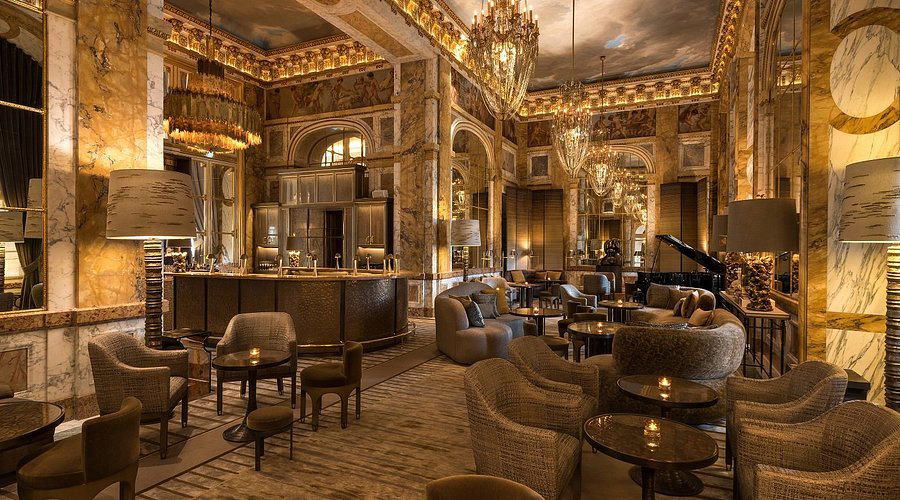
Hotels in Versailles
Browse all →



Details
- Trendy
- Elegant
- Lively
- Date Night
- Casual Hangout
- Open Kitchen
- Craft Cocktails
- A La Carte
Current opening hours
- Monday
- Closed
- Tuesday
- 12–2:30 PM, 7 PM–2 AM
- Wednesday
- 12–2:30 PM, 7 PM–2 AM
- Thursday
- 12–2:30 PM, 7 PM–2 AM
- Friday
- 12–2:30 PM, 7 PM–2 AM
- Saturday
- 12–2:30 PM, 7 PM–2 AM
- Sunday
- Closed
Hours can change for holidays and private events. Last verified .
Lively and animated atmosphere in adjoining Art Deco rooms with warm, friendly service.