





3 Michelin Keys · La Liste Top Hotels · Star Wine List
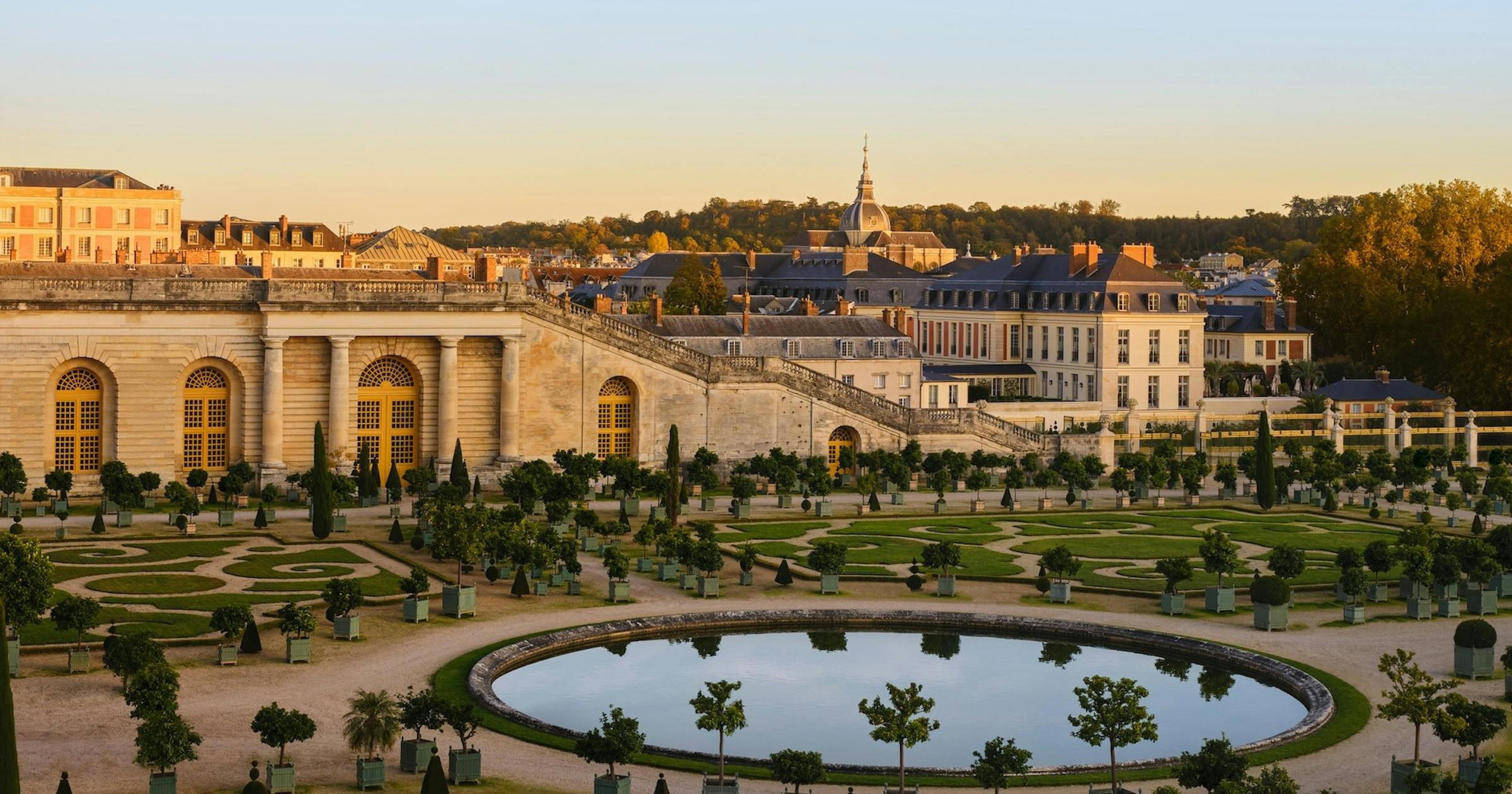
The only hotel within the grounds of the Palace of Versailles, Airelles Château de Versailles - Le Grand Contrôle occupies a 1681 mansion designed by Jules Hardouin-Mansart across 13 rooms and suites. The property holds Michelin 3 Keys (2024), a Gault & Millau 5-point Exceptional Hotel rating (2025), and La Liste Top Hotels recognition at 98 points (2026), with dining overseen by Michelin-starred Alain Ducasse.

Pearl is the En Primeur Club membership app, where members save venues, book tables and use the concierge.
Inside the Palace Gates: What Le Grand Contrôle Represents
France has a long tradition of converting historic royal and aristocratic properties into hotel accommodation, from converted châteaux in the Loire to restored manors in Bordeaux wine country like Les Sources de Caudalie. What separates Airelles Château de Versailles - Le Grand Contrôle from that broader category is geography, not merely architecture. The building sits inside the estate perimeter of the Palace of Versailles, not adjacent to it, not within walking distance of it, but on its grounds. That single distinction defines the experience at every level, from the absence of tourist queues at breakfast to the after-hours access to the Hall of Mirrors.
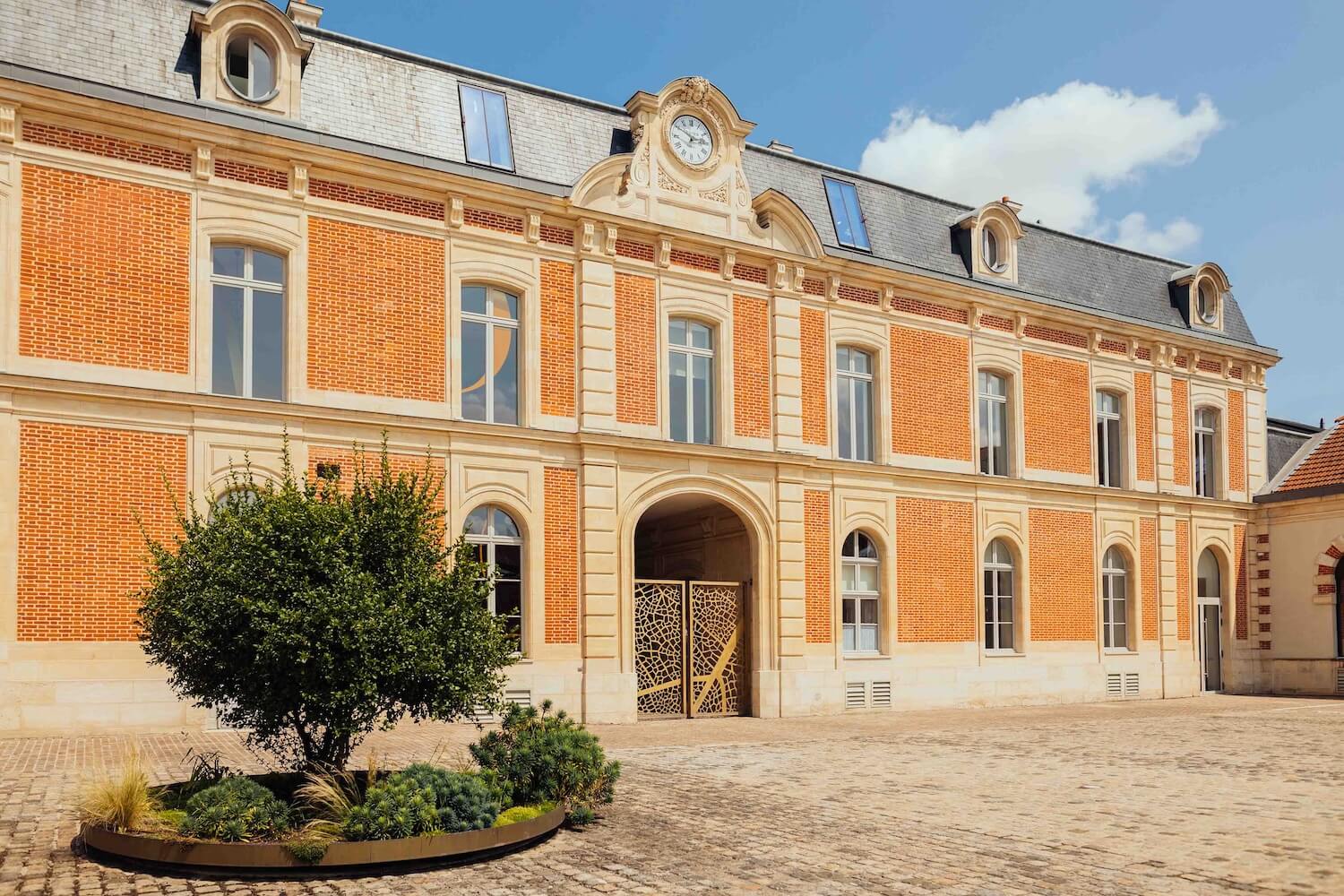
The structure itself dates to 1681, built by Jules Hardouin-Mansart, the same architect responsible for the Château de Versailles and the Place Vendôme. It served successive institutional functions, including as a residence for the minister of finance, before reopening in 2021 under the Airelles Collection as a hotel. The renovation placed the property in an unusual position within French luxury hospitality: it carries genuine 17th-century bones, not a period aesthetic applied to a modern shell.
The Awards Case and What It Signals
Critical recognition for Le Grand Contrôle has accumulated across multiple independent systems. The property received Michelin 3 Keys in 2024, which positions it at the ceiling of Michelin's hotel rating scale, a tier occupied by a small number of French properties. Gault & Millau awarded it Exceptional Hotel status in 2025 with 5 points. La Liste placed it at 98 points in its 2026 Leading Hotels ranking. The wine program received recognition from Star Wine List in 2026.
Within the Paris and greater Île-de-France luxury tier, the peer group for this property on awards criteria alone is narrow. Paris properties such as Cheval Blanc Paris, Ritz Paris, Le Meurice, and Hôtel de Crillon operate at comparable award levels, but none hold the site-specific access that comes with Le Grand Contrôle's address.
The dining component adds further weight to the awards picture. The restaurant operates under Alain Ducasse and holds one Michelin Star, placing it in a category of serious culinary programs rather than hotel restaurants that exist primarily for convenience. For context on how Paris's palace-hotel dining scene compares more broadly, see our full Paris restaurants guide.
The Experience Architecture
The property runs on 13 rooms and suites, a scale that allows for staffing ratios and personalisation that larger luxury hotels cannot replicate at the same depth. Period furnishings and fabrics by Maison Pierre Frey establish the visual register throughout; rooms carry views toward the Château, the Orangerie, and the Swiss Lake. Modern infrastructure, including Marshall speakers and iPad controls in place of conventional televisions, sits inside that 18th-century frame without disrupting it.
Morning ritual signals the tone of the operation from the first waking moment. A butler arrives with classical music and a glass of orange-juice-infused almond milk, a reference to Marie-Antoinette's documented preferences, while curtains are opened and a bath is prepared with fresh flower petals. The Alain Ducasse-designed breakfast, which includes salted caramel pain perdu, is included in the room rate alongside minibar provisions (excluding alcohol) and afternoon tea. These inclusions shift the price-value calculation significantly compared with properties that charge separately for each element.
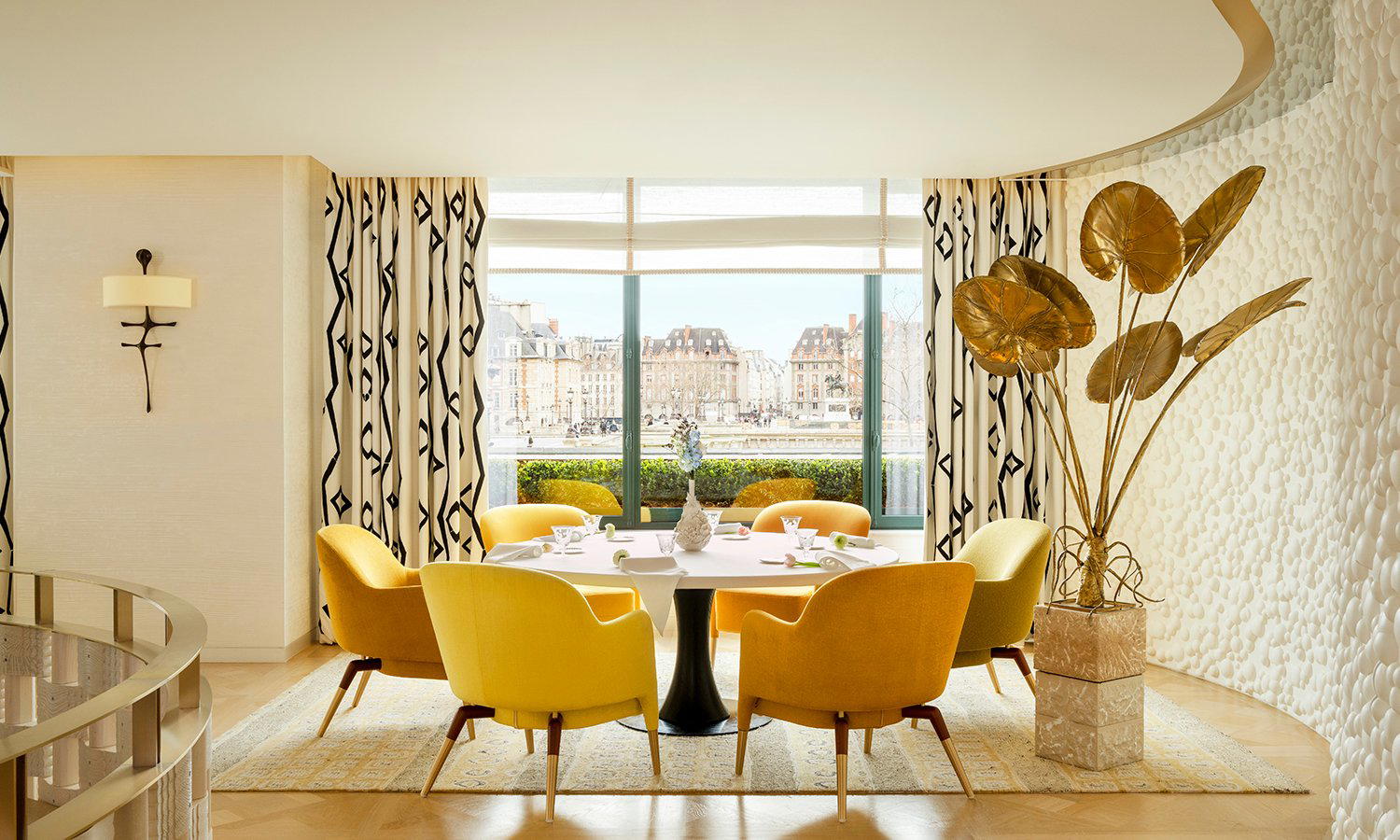
Royal Feast dinner in the chandelier-lit Alain Ducasse restaurant operates as the centrepiece of the culinary program. A costumed maître d'hôtel leads the service, seasonal dishes take reference from 18th-century royal banquets, and wines are poured into Cartier and Baccarat crystal. Seasonal menus draw from documented culinary preferences of the Louis XIV court, a curatorial exercise that requires historical research alongside kitchen execution. The Airelles Collection's approach across its properties, which includes Airelles Saint-Tropez Château de la Messardière in Saint-Tropez and a property in Courchevel, consistently uses site-specific narrative as the primary differentiator.
Access and Exclusive Programming
Most significant operational advantage Le Grand Contrôle holds over its Île-de-France and Paris peers is the exclusive access program built into the stay. Hotel guests receive private guided tours of the Château de Versailles and the Trianon estate outside public visiting hours. The Hall of Mirrors, the King and Queen's apartments, and the Domaine de Trianon can be experienced without the crowds that define daytime visits for the general public, which draws over eight million visitors annually. That figure contextualises the exclusivity: access that sidesteps one of Europe's highest-volume tourist flows carries measurable value.
Additional experiences include dress-up and photoshoots using costumes from the television series Versailles, a Marie-Antoinette-themed day through the château grounds, horseback riding within the estate, and electric golf cart tours with built-in geolocation audio guides. The children's program includes treasure hunts and pony rides in the gardens. A three-course dog menu featuring options such as beef tartare and Comté cheese extends the property's hospitality scope to pets.
Wellness at the Valmont Spa
The subterranean spa operates under the Valmont brand, with a 15-metre indoor pool lined in Carrara marble in a checkerboard pattern referencing the château's courtyard flooring. The pool is capped at six guests at any one time, with 45-minute sessions requiring reservation. Access outside standard operating hours can be arranged on request, which is a notable flexibility for a facility of this size. The LBA Spa component adds bespoke wellness programming alongside standard treatment offerings.
Where It Sits in the French Luxury Property Spectrum
French luxury hospitality now operates across a range of models: large urban palace hotels, design-led countryside properties, and site-specific historic conversions. Le Grand Contrôle belongs firmly to the third category, closer in spirit to Domaine Les Crayères in Reims or Baumanière Les Baux-de-Provence than to the urban palace format of Hotel Plaza Athénée, La Réserve Paris, Four Seasons George V, or Le Bristol Paris. The competition at the site-specific end of that spectrum in France also includes properties such as La Bastide de Gordes, Villa La Coste, Royal Champagne Hotel & Spa, La Réserve Ramatuelle, Hôtel & Spa du Castellet, Four Seasons Megève, Cheval Blanc Courchevel, and The Maybourne Riviera. On the international scale, small-format luxury properties operating with deep site-specific programming, such as Aman Venice, Aman New York, or The Fifth Avenue Hotel, offer a useful reference point for how this format scales globally, as does the Riviera standard set by Hotel Du Cap-Eden-Roc in Cap d'Antibes.
The Airelles Collection recommends a minimum stay of 48 hours to engage fully with the estate's programming. Given that the access advantages (the after-hours palace tours in particular) require lead time to arrange and the Royal Feast is an evening commitment, that guidance reflects the operational reality. Rates are available on request only. The address is 12 Rue de l'Indépendance Américaine, Versailles, 78000.
Recognition Snapshot
Comparable venues nearby, for context on price, style, and recognition.
| Venue | Cuisine | Price | Awards | Notes |
|---|---|---|---|---|
| Airelles Château de Versailles - Le Grand ContrôleThis venue (the venue you are viewing) | Restored 18th-century royal residence with authentic period furnishings and Versailles parquet flooring. | $2,500+ | 3 Michelin Keys · La Liste Top Hotels | Not listed |
| Le Meurice | Luxury palace hotel blending historic French elegance with contemporary luxury. | $1,000–1,500 | 3 Michelin Keys · La Liste Top Hotels | Tuileries |
| Ritz Paris | Belle Époque palace with modern luxury updates | $1,000–1,500 | 3 Michelin Keys · World's 50 Best #72 | Place Vendôme |
| Saint James Paris | Chic private residence in a historic chateau with garden views. | Not listed | 3 Michelin Keys · La Liste Top Hotels | 16th arrondissement |
| Villeroy | Confidential private member's club-like maison with signature suites | Not listed | 3 Michelin Keys | 8th arr. |
| Four Seasons George V | Art Deco palace | Not listed | 3 Michelin Keys · Vogue 2026 Vogue Best Hotels in Paris | Golden Triangle |
Recognition history
Dated appearances from independent guides and award organizations, with the underlying list record or original source where available.
Michelin 3 Keys
Michelin
La Liste Top Hotels
La Liste
Star Wine List
Star Wine List
Forbes 4-Star
Forbes
Virtuoso Luxury Hotel Partner
Virtuoso
Full recognition history (9 entries)
Forbes 4-Star
Forbes
Gault & Millau Exceptional Hotel
Gault & Millau
Michelin 3 Keys
Michelin
Michelin 3 Keys
Michelin
Continue exploring
More in Paris
Hotels in Paris
All hotels in Paris →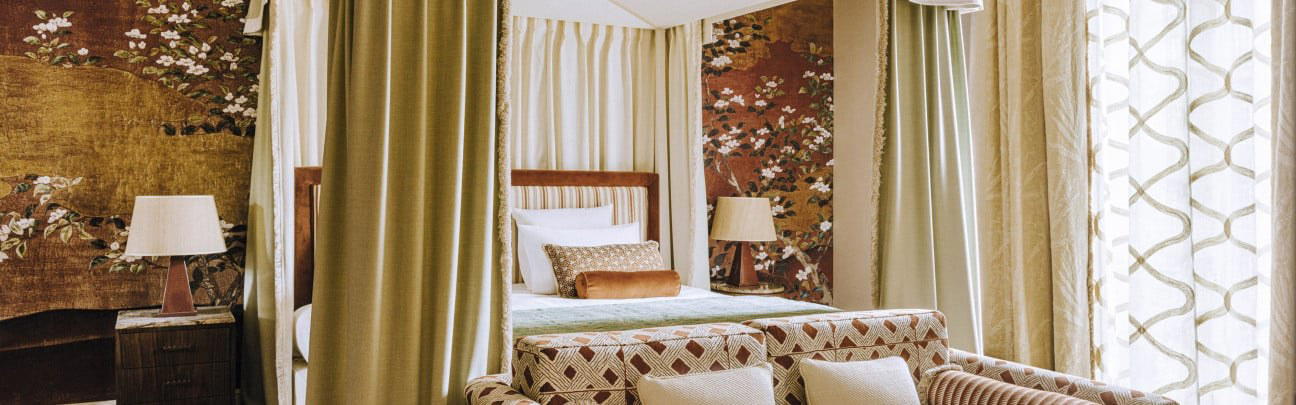
Bars in Paris
All bars in Paris →
Restaurants in Paris
All restaurants in Paris →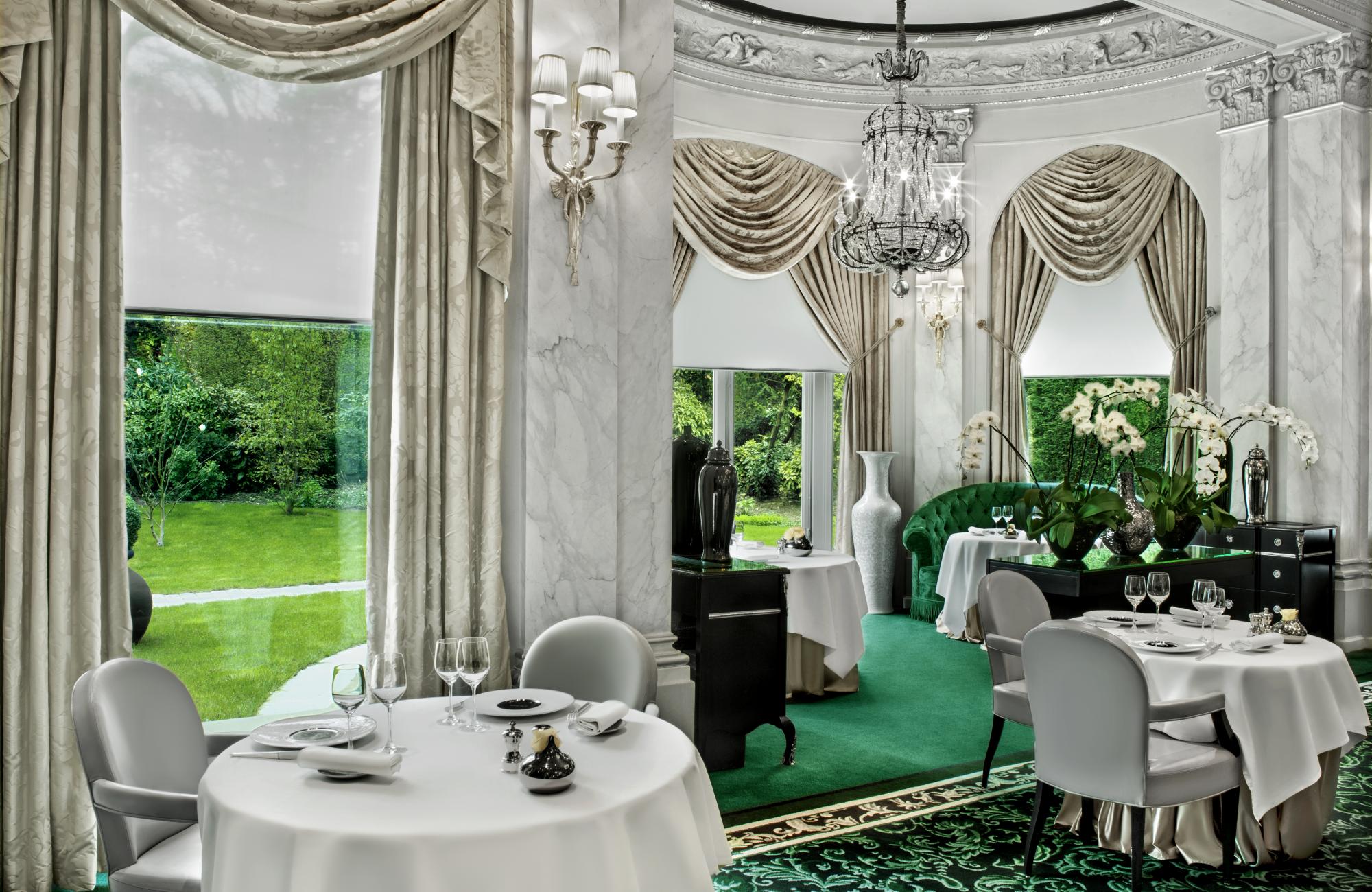
Details
- Elegant
- Ornate
- Sophisticated
- Classic
- Romantic
- Honeymoon
- Romantic Getaway
- Anniversary
- Celebration
- Historic Building
- Private Dining
- Terrace
- Spa
- Pool
- Room Service
- Concierge
- Wi Fi
- Air Conditioning
- Valet Parking
- Garden
- Wheelchair Accessible
Ornate 18th-century grandeur with dazzling chandeliers, period furniture, fireplaces, and lavish fabrics creating a regal, intimate atmosphere.