La Veranda
Our verdict
La Veranda sits on the Boulevard de la Reine, one of Versailles' most composed addresses, where the formality of the royal town meets a more relaxed dining register. The kitchen draws on the produce traditions of the Île-de-France region, placing it in a mid-tier bracket below the palace-adjacent flagships while holding its own distinct position in the town's dining circuit.

Pearl is the En Primeur Club membership app — saves, bookings, and concierge access live there. Same editors, same standards.
- Address
- 1 Bd de la Reine, 78000 Versailles, France
- Phone
- +33130845555
- Hours
- Mon–Fri 12–2:30 PM, 7–10:30 PMSat–Sun 12:30–2:30 PM, 7–10:30 PM
- Website
- waldorfastoriaversailles.fr
- Directions
- Get directions
- Booking
- Book on SevenRooms
Boulevard de la Reine and What It Signals About Versailles Dining
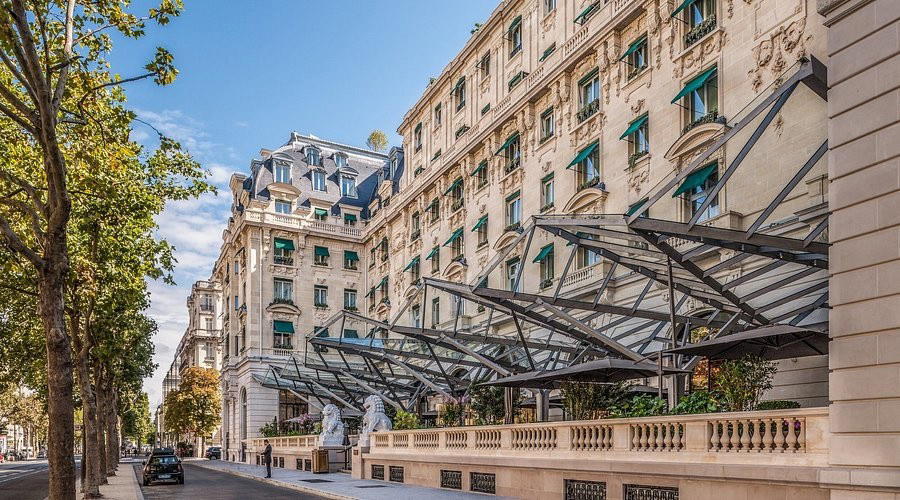
Boulevard de la Reine runs parallel to the northern wing of the palace grounds, flanked by the kind of haussmannian geometry that makes Versailles feel less like a suburb and more like a planned capital that never quite got the nation it deserved. Restaurants along this axis inherit a specific ambient pressure: the city draws visitors expecting grandeur but often willing to spend less than a palace-adjacent tasting menu demands. La Veranda, at number 1, sits at exactly that intersection — physically close to the ceremonial core, but operating at a register that suggests the neighbourhood resident as much as the day-tripper with a reservation.
That positioning is not incidental. Versailles' dining circuit has sorted itself into legible tiers over the past decade. At the leading, Ducasse au Château de Versailles — Le Grand Contrôle and Gordon Ramsay au Trianon compete at the €€€€ level with internationally branded kitchens and palace addresses to match. A step below, La Table du 11 and La Table des Lumières operate in the modern cuisine register at price points that reward a return visit. La Veranda operates in this context without the institutional scaffolding of a hotel group or a celebrity chef name attached, which, in a city where those signals dominate the conversation, defines its character as much as anything on the plate.
Île-de-France on the Plate: Why Provenance Matters Here
The Île-de-France region rarely features in the kind of ingredient-origin narratives that drive dining conversations in, say, Brittany or the Rhône Valley. That omission reflects a historical oddity: the land immediately surrounding Paris was given over to royal gardens and administrative infrastructure long before the modern farm-to-table lexicon existed. What remains, however, is a genuine agricultural tradition, market gardening, orchard cultivation, and small-scale dairy that once supplied Versailles' royal kitchens and now supplies a quieter network of local restaurants.
For a restaurant at this address and price register, the sourcing question is the right one to ask. France's most decorated kitchens have long made provenance central to their identity. Mirazur in Menton built its three-star reputation partly on its own kitchen garden. Bras in Laguiole made the Aubrac plateau's wild plants into a cooking philosophy that influenced a generation. Flocons de Sel in Megève draws on Alpine specificity with the same rigour. These are reference points for what ingredient-first cooking looks like when it has institutional depth behind it. At La Veranda, the equivalent conversation is conducted at a more domestic scale, but the logic of cooking from what the region offers remains the relevant frame.
The broader French tradition here is worth noting. Restaurants like Auberge de l'Ill in Illhaeusern, Troisgros in Ouches, and Paul Bocuse in Collonges-au-Mont-d'Or are all rooted in specific regional geographies. The discipline that made French cuisine a reference point globally was, in large part, a discipline of place. A restaurant on Boulevard de la Reine inherits that tradition by proximity and by the expectations of the clientele it serves.
The Feel of the Room and the Versailles Register
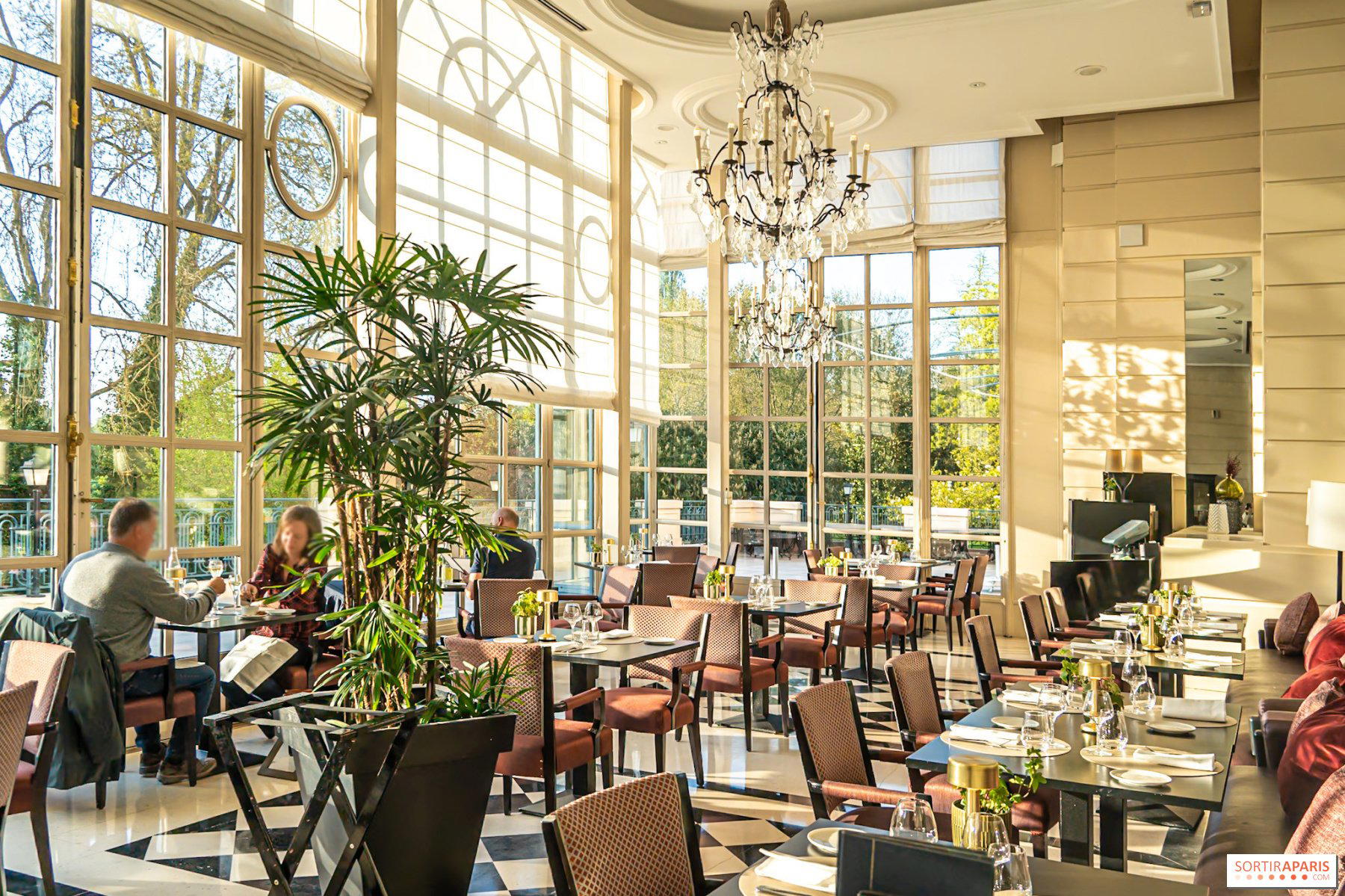
Versailles restaurants that succeed over time tend to resolve a specific tension: the city's architectural formality creates a gravitational pull toward stiffness, but the day-to-day clientele, local professionals, families visiting from Paris, tourists extending their afternoon, wants something that sits more comfortably. La Veranda's address and name both signal an attempt to navigate that tension. A veranda, architecturally, is a threshold space, neither fully interior nor exterior, and restaurants that borrow the term typically lean toward light, openness, and a degree of informality that the more ceremonial French dining formats resist.
For those coming from Paris, Versailles is a 40-minute RER C journey from central stations, which makes it a viable lunch destination rather than just an overnight stop. The city's dining options benefit from that proximity: the clientele is more varied than a purely tourist-facing town, and the better restaurants reflect that in their calibration between occasion dining and everyday reliability. Lafayette occupies a similar space in the Versailles dining circuit, useful to know when mapping the options available after the palace crowds thin out in the late afternoon. See our full Versailles restaurants guide for a broader account of how the city's dining has developed.
Placing La Veranda in the Wider French Context
France's dining geography rewards specificity. The country's most-discussed restaurants operate in contexts that are as much about place as about kitchen technique, whether that's Alléno Paris au Pavillon Ledoyen working within the Champs-Élysées tradition, AM par Alexandre Mazzia in Marseille drawing on port-city ingredient logic, or Assiette Champenoise in Reims embedded in a wine region that inflects everything on the plate. Au Crocodile in Strasbourg carries the weight of Alsatian culinary history in each service. These are restaurants where the regional context is not decorative, it is constitutive.
La Veranda sits in a less mythologised geography, but that is partly what makes the address interesting. Versailles is not a food city in the way that Lyon or Bordeaux are, but it is a city with a genuine culinary inheritance and a growing restaurant scene that has moved beyond the palace-souvenir register. For international visitors already comparing notes against restaurants like Le Bernardin in New York City or Atomix in New York City, La Veranda offers something different in kind, not just in scale, a French neighbourhood anchor rather than a destination event.
Planning Your Visit
La Veranda is located at 1 Boulevard de la Reine, within walking distance of both the main palace entrance and the Versailles-Rive Droite train station. Given the city's heavy tourist calendar, timing matters: midweek lunch services tend to run at a different pace than weekend sittings, which can be busier as Parisians make the short trip out.
Frequently asked questions
Is La Veranda okay with children?
The address on Boulevard de la Reine places La Veranda in a formal quarter of Versailles, where the architectural register tends toward composed dining rather than casual family meals. That said, French restaurants at this location type typically accommodate families during lunch service.
What's the overall feel of La Veranda?
Boulevard de la Reine runs along the northern edge of the palace grounds, and that address sets a tone. Versailles as a city carries a formality that most restaurants on this strip reflect, though the better ones temper it with enough warmth to avoid feeling stiff. La Veranda's name suggests an orientation toward light and openness, which, if the room delivers on it, would position it as the more relaxed end of the palace-quarter register.
Is La Veranda a good option for dining before or after visiting the Palace of Versailles?
The location at 1 Boulevard de la Reine makes La Veranda one of the closer sit-down options to the palace's main entrance, within walking distance on the northern side of the grounds. That proximity is practical for visitors building a full day around the château, where finding a table in the immediate area can be competitive during high season. Arriving for lunch before the mid-day palace crowds peak, or booking ahead for a post-visit dinner, are the two timing strategies most likely to work in your favour.
What do people recommend at La Veranda?
Given the Versailles setting and proximity to the palace, the kitchen almost certainly draws on Île-de-France produce, a region whose root vegetables, dairy, and game have supplied Parisian tables for centuries. Checking recent guest reviews closer to your visit will give the most current picture of what's performing well on the menu.
What part of town is La Veranda in?
La Veranda is located at 1 Bd de la Reine, 78000 Versailles, France, Versailles.
Can I walk in to La Veranda?
La Veranda sits at 1 Boulevard de la Reine, within walking distance of the main palace entrance and the Versailles-Rive Droite train station, so foot traffic from visitors is a constant. Restaurants on this corridor tend to fill quickly around peak palace hours, particularly weekend lunchtimes. A reservation, even a same-day one placed by phone or online, is a more reliable approach than turning up unannounced.
What do critics highlight about La Veranda?
The venue's position on Boulevard de la Reine, directly adjacent to the palace grounds, is a contextual credential in itself: sustained operation in that corridor requires a kitchen and room that hold up against a well-travelled, often internationally dining clientele.
At-a-Glance Comparison
Comparable venues nearby, for context on price, style, and recognition.
| Venue | Cuisine | Price | Awards | Notes |
|---|---|---|---|---|
| La VerandaThis venue — the venue you are viewing | Contemporary French Brasserie | $50–100 | Not listed | Not listed |
| Bar des Philosophes | French Hotel Bar & Wine Lounge | $30–50 | Relais Chateaux Award | Hôtel Les Lumières / near Palace of Versailles |
| Ore | Modern French Bistro | $30–50 | Michelin Plate | Palace of Versailles |
| Le Pincemin | Modern French Fine Dining | $50–100 | Michelin Plate | central Versailles |
| Restaurant Alain Ducasse - Le Grand Controle | Classic French Fine Dining | $200–300 | Not listed | Domaine du Château de Versailles |
| Lafayette | Modern French Bistro | $50–100 | Michelin Plate | Versailles |
Continue exploring
More in Versailles
Restaurants in Versailles
Browse all →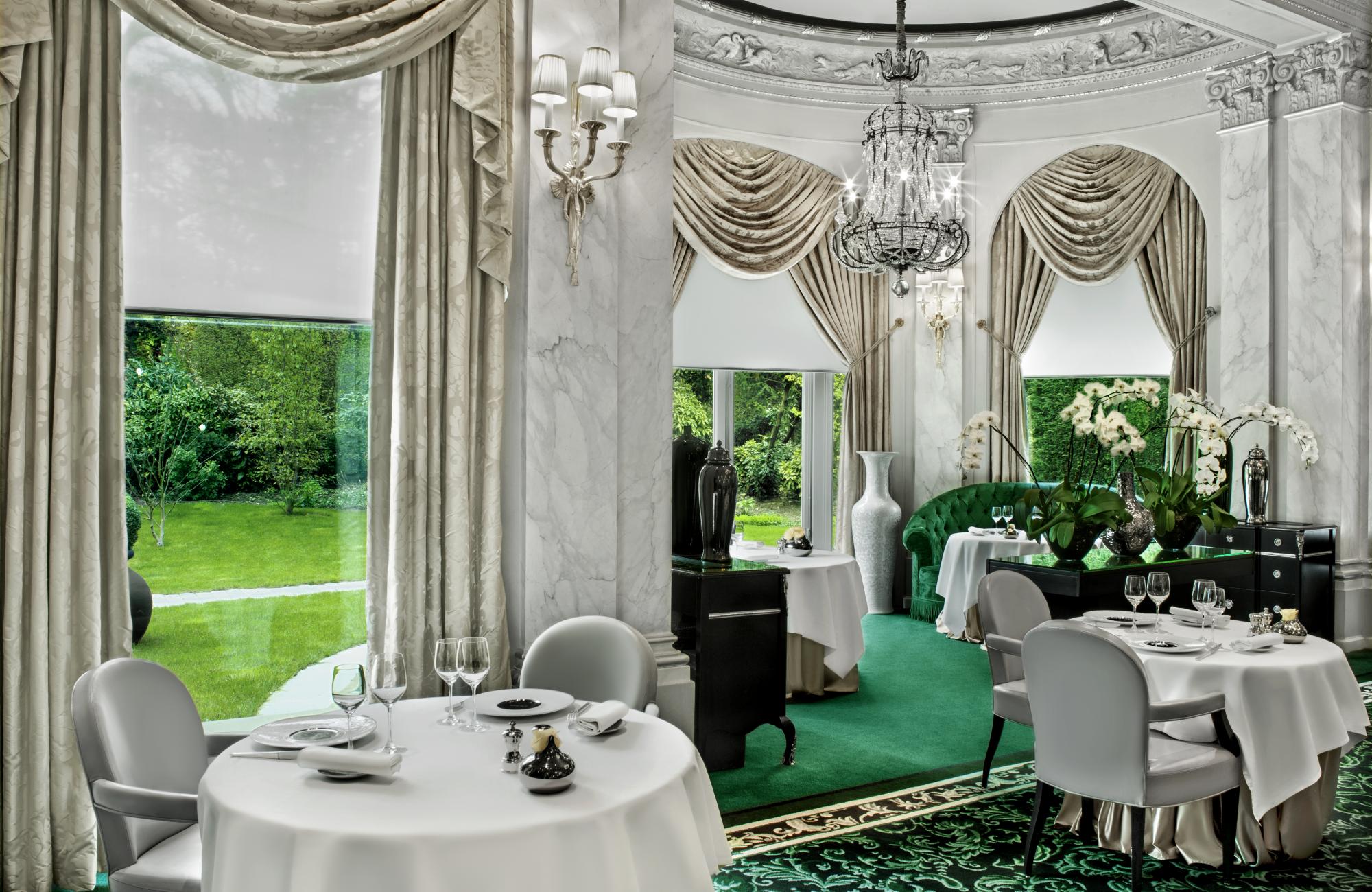

Bars in Versailles
Browse all →
Hotels in Versailles
Browse all →



Details
- Elegant
- Classic
- Sophisticated
- Date Night
- Special Occasion
- Garden
- Terrace
- Historic Building
- Hotel Restaurant
- Extensive Wine List
- Garden
- A La Carte
- Vegetarian Friendly
- Vegan Options
Current opening hours
- Monday
- 12–2:30 PM, 7–10:30 PM
- Tuesday
- 12–2:30 PM, 7–10:30 PM
- Wednesday
- 12–2:30 PM, 7–10:30 PM
- Thursday
- 12–2:30 PM, 7–10:30 PM
- Friday
- 12–2:30 PM, 7–10:30 PM
- Saturday
- 12:30–2:30 PM, 7–10:30 PM
- Sunday
- 12:30–2:30 PM, 7–10:30 PM
Hours can change for holidays and private events. Last verified .
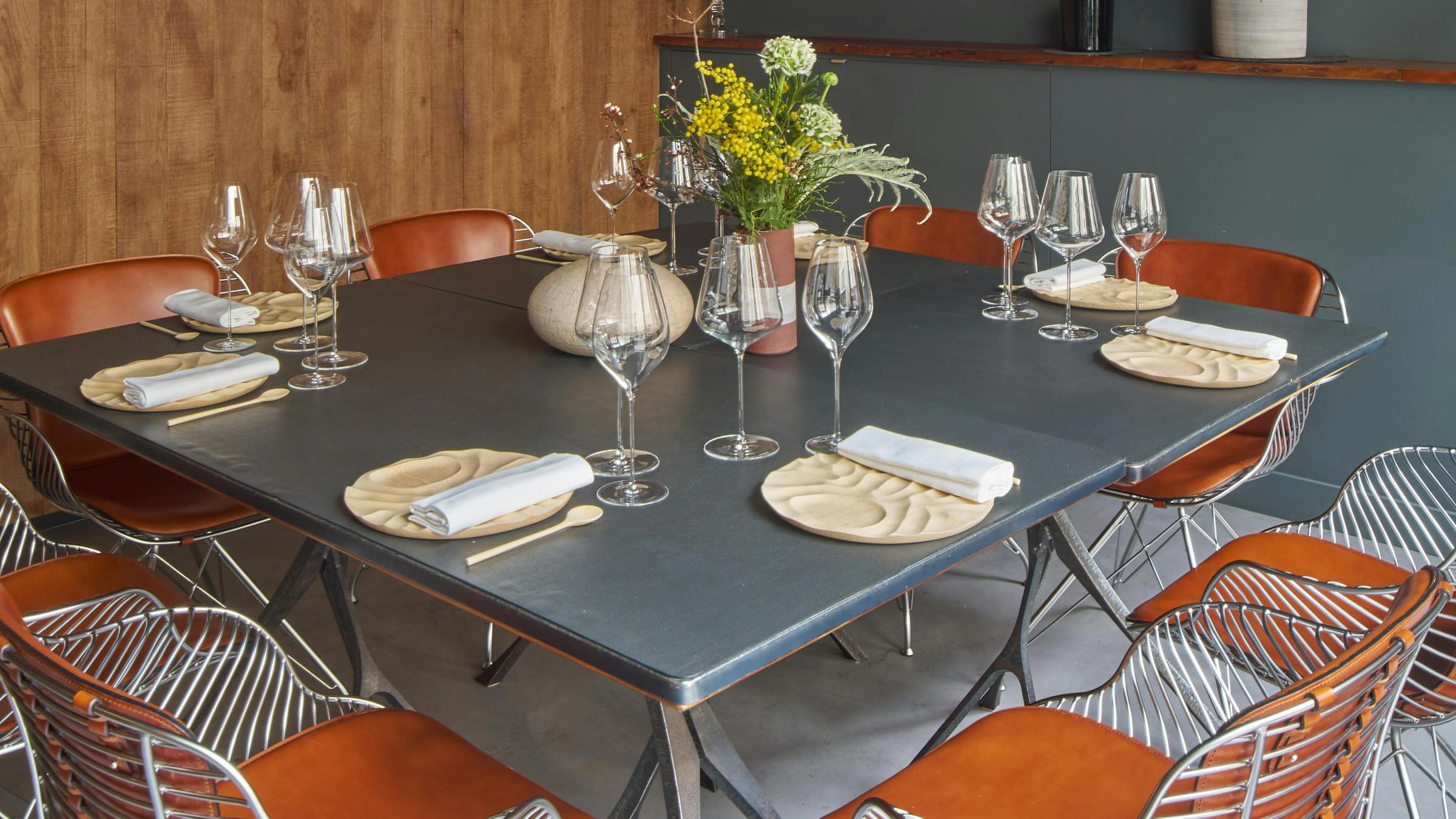
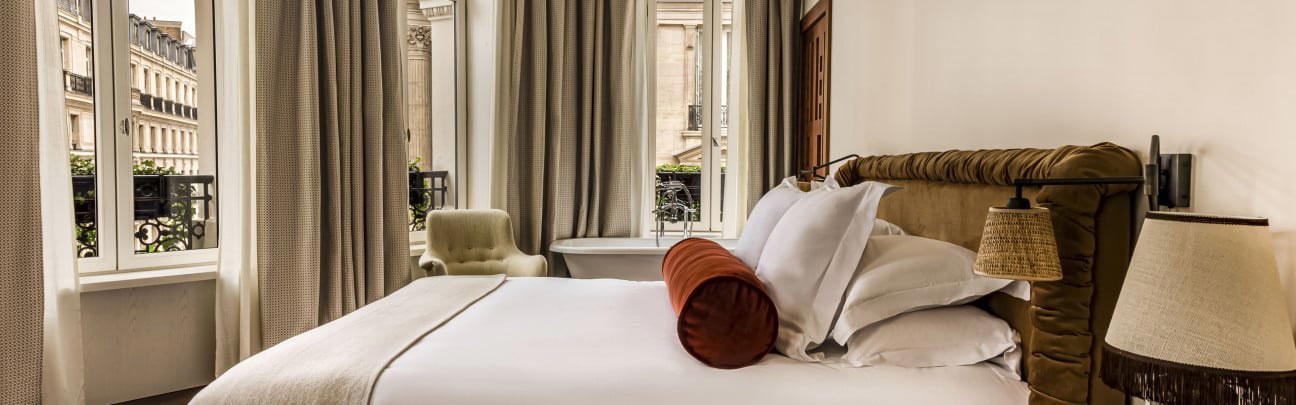
Bright, hushed room with classic sobriety, discreet comfort, light-filled under a large bay window, extended by shaded terrace onto the park.