La Table du 11


1 Michelin Star · Gault & Millau Remarkable Restaurant
Our verdict
Holding a Michelin star since 2016, La Table du 11 sits inside the Cour des Senteurs, steps from the Palace of Versailles. Chef Jean-Baptiste Lavergne-Morazzani runs a seasonally driven set menu built on organic produce, sustainable sourcing, and vegetables from a family garden. Among Versailles' four-star dining options, it occupies the most produce-rooted position in the bracket.

Pearl is the En Primeur Club membership app, where members save venues, book tables and use the concierge.
The menu
What to order
- Langoustine marinée riz vinaigré agastache
- Boeuf Wagyu Japonais
A Courtyard That Sets the Tempo Before You Sit Down
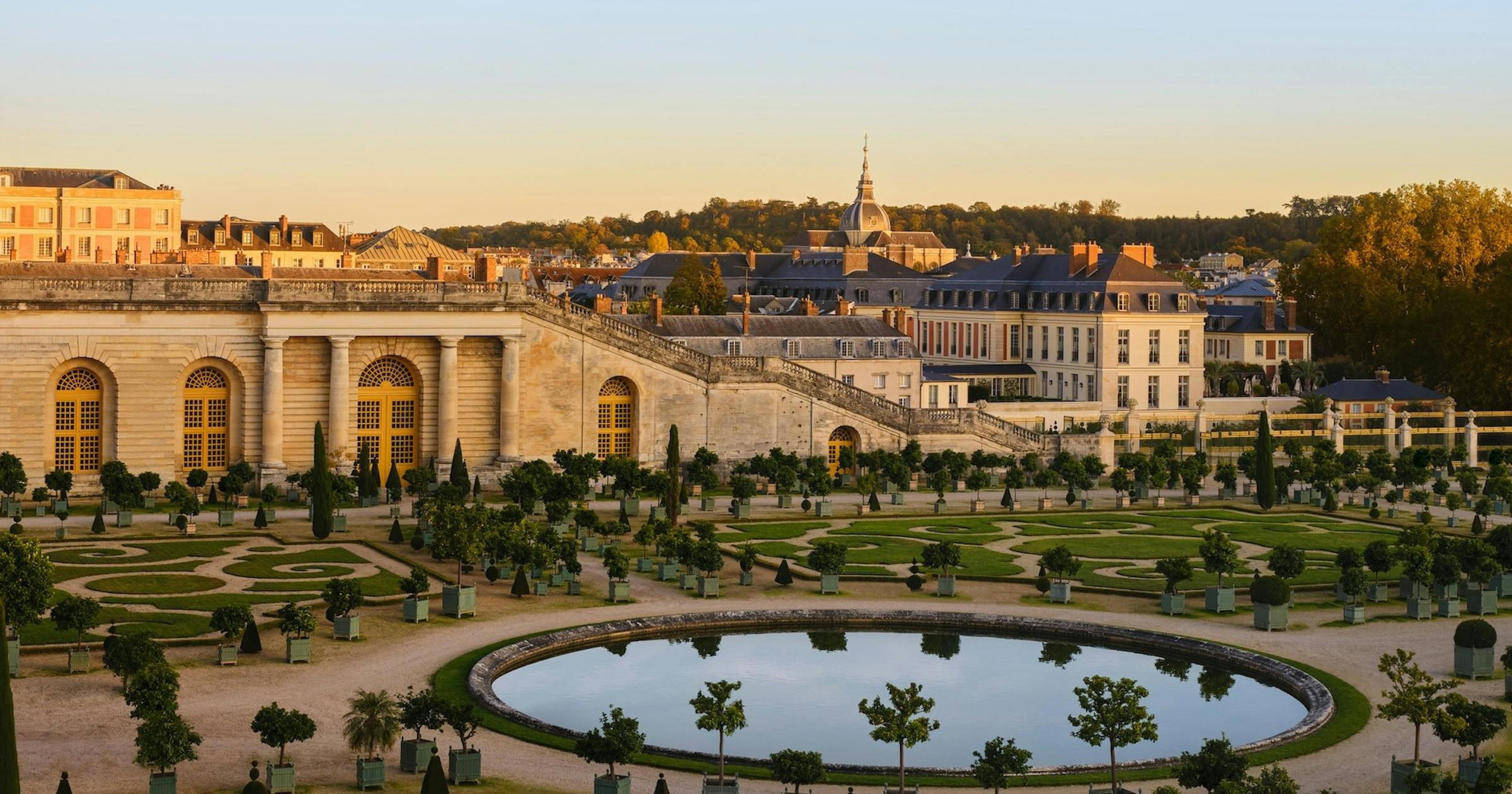
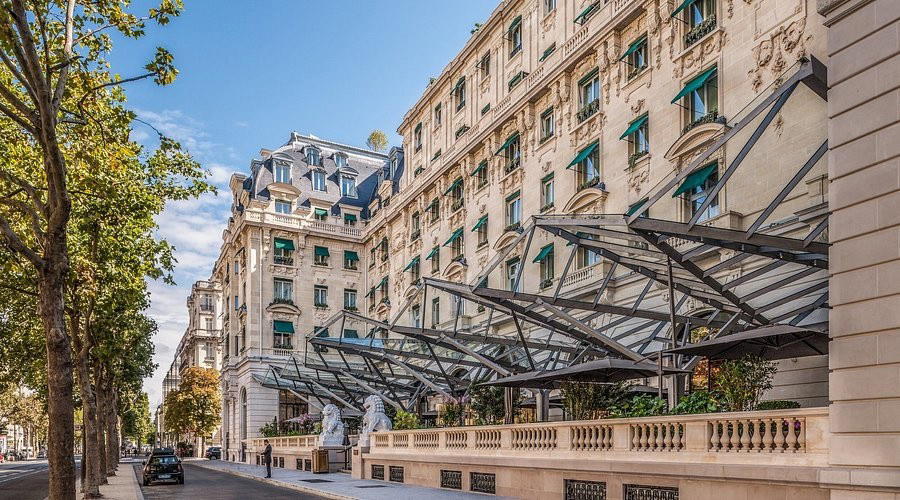
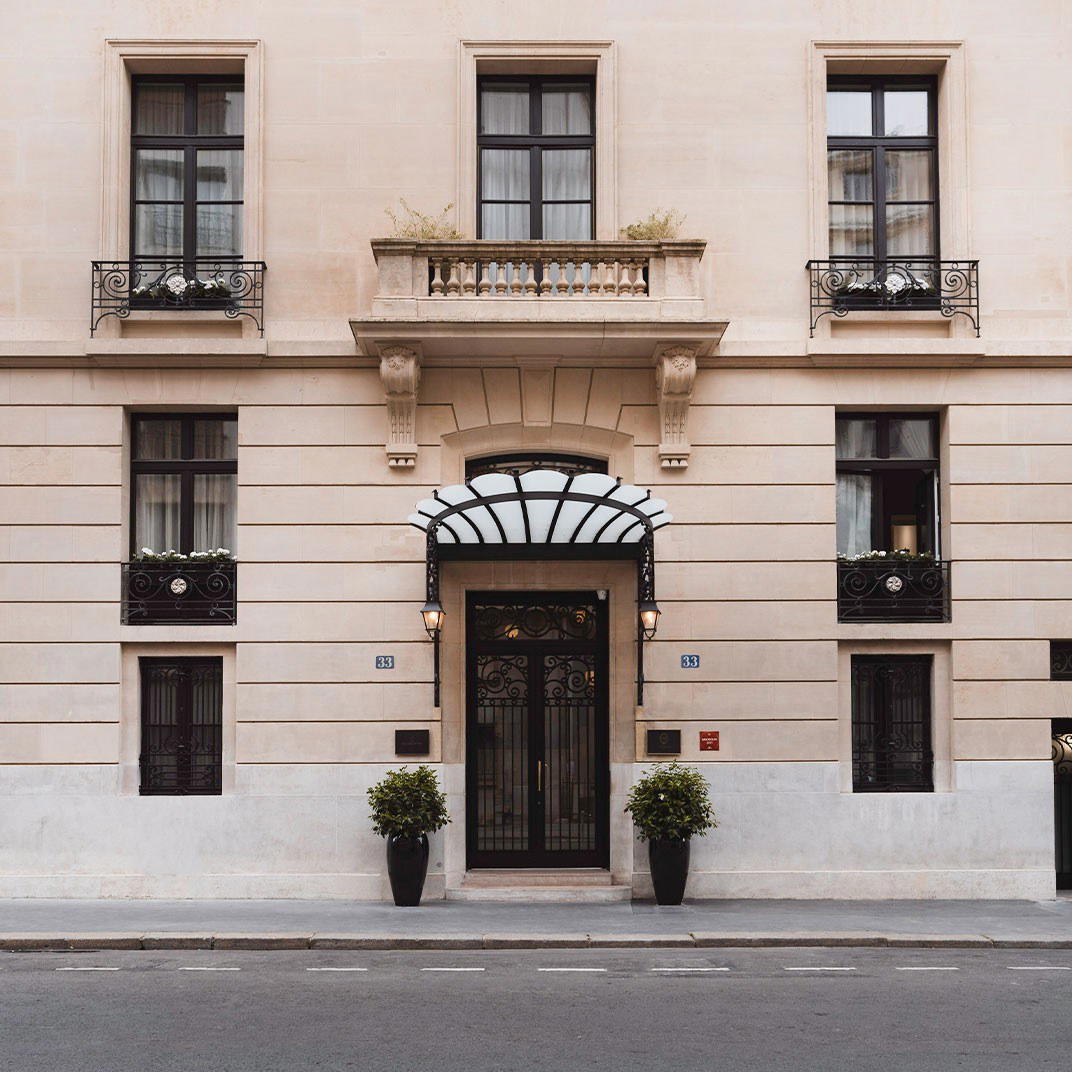
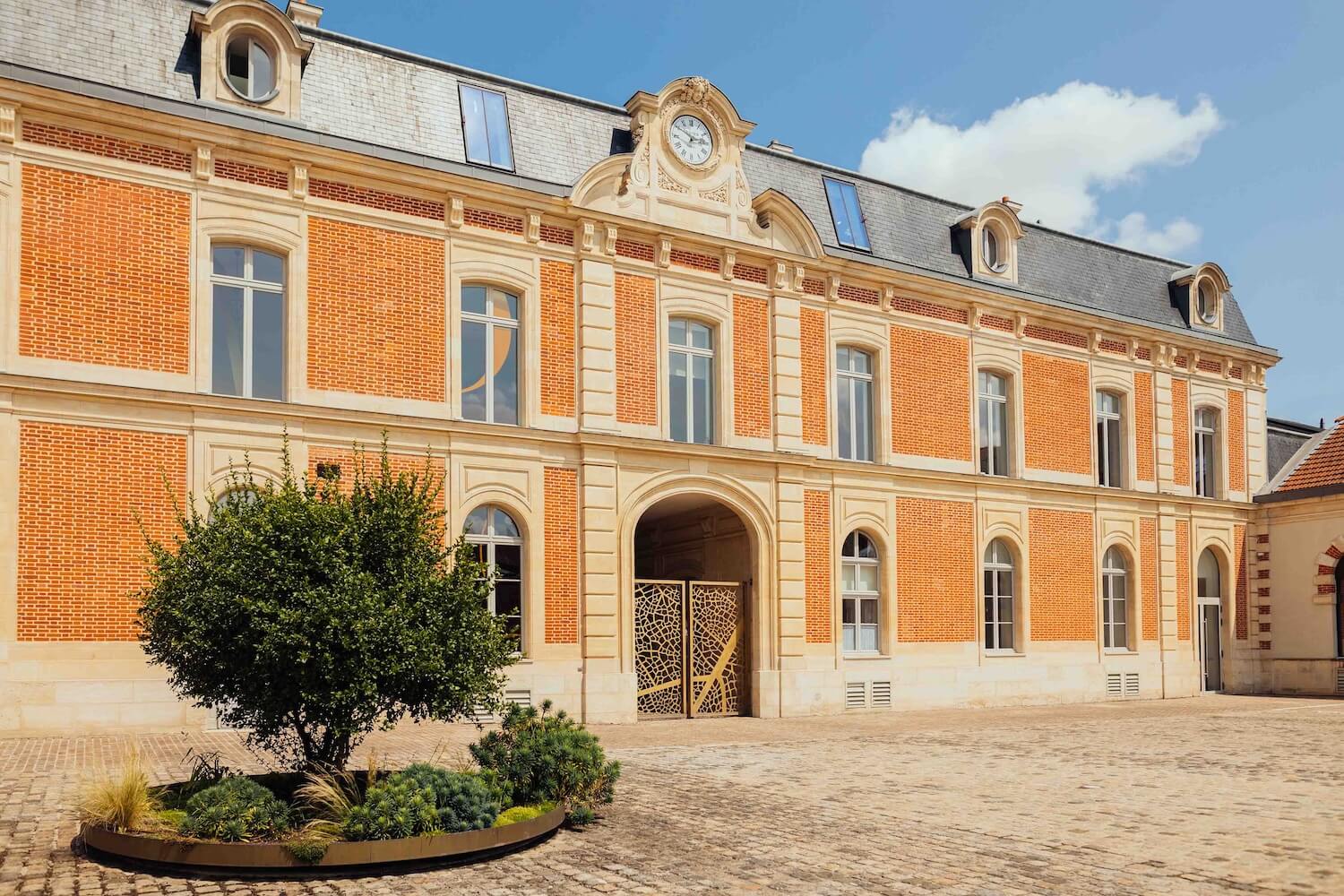
Versailles has an architectural problem that most of its restaurants never solve: the grandeur of the setting overwhelms the meal. The Palace draws visitors into a register of spectacle, and most dining in the town either leans into that scale or ignores it entirely. La Table du 11 does something more disciplined. The Cour des Senteurs, a quiet internal courtyard on the Rue de la Chancellerie, a short walk from the Palace gates, arrives as a deliberate decompression. The stonework and contained proportions signal that what follows will be precise rather than theatrical. By the time you are seated, the pacing of the meal feels like it was decided by the architecture.
That relationship between physical approach and dining rhythm is worth noting because it shapes the entire experience. Modern French tasting menus at this level depend on the guest arriving in a particular frame of mind: unhurried, attentive, ready to track incremental change across courses rather than wait for a showpiece moment. The courtyard does that work before the kitchen has to.
Where La Table du 11 Sits in Versailles' Fine-Dining Tier
Versailles' top-end restaurant market is small but internally varied. The town's €€€€ bracket currently runs to three Michelin-starred addresses: La Table du 11, Gordon Ramsay au Trianon (Creative), and Ducasse au Château de Versailles - Le Grand Contrôle (Classic Cuisine). The Ramsay and Ducasse addresses both sit inside grand hotel properties and carry the institutional weight of their respective brands. La Table du 11 operates independently of that infrastructure, which gives it a different competitive character: lower ceremony on arrival, higher dependence on the menu itself to justify the price point.
Below that tier, La Table des Lumières and Le Pincemin operate at €€€ with modern cuisine formats, while Ore handles the €€ segment inside the Château itself. La Table du 11's Michelin star, held continuously since 2016, puts it in a distinct position: starred recognition at a price point that sits below the grand-hotel operations but above the mid-tier modern addresses. That gap is where it earns its audience, guests who want the rigor of tasting-menu cooking without the full ceremonial apparatus of a palace hotel dining room.
For context on where French starred cooking of this type sits within the broader national conversation, comparable producers-first, seasonality-led one-star operations share sensibility with addresses like Bras in Laguiole, which pioneered the garden-to-table approach that has since become a reference point for French regional fine dining. The multi-generational ambition of houses like Auberge de l'Ill in Illhaeusern or the creative intensity of Flocons de Sel in Megève represent different inflection points on the French fine-dining spectrum. La Table du 11 operates closer to the restraint-forward, produce-led position.
The Structure of the Meal
The kitchen works from a set menu format, updated on a regular cycle to track the season. This is not unusual at this level of French cooking, most one-star operations in France have moved away from à la carte as their primary format, treating the sequence of courses as a compositional unit rather than a collection of individual dishes. What distinguishes La Table du 11's version of this format is its sourcing logic: produce is predominantly organic, drawn from sustainable fishing and farming supply chains, and supplemented by a family vegetable garden. That last detail matters because it introduces a consistency of raw material that purchased supply chains rarely guarantee at the same level.
The Michelin recognition cites dishes including marinated langoustine on warm rice with vinegar and agastache leaves, accompanied by a langoustine emulsion. Without firsthand confirmation of the current menu, this should be read as a reference point rather than a current listing, the menu rotates, and what arrives at the table in any given season will reflect whatever the garden and the market are producing at that moment. The pattern, though, is consistent: high-quality protein treated with restraint, acidic or herbal counterpoints, and preparations that foreground the ingredient rather than obscure it.
Diners who approach the meal as a fixed sequence rather than a selection will get the most from it. The set format rewards patience: early courses tend to be lighter and more technically precise, building toward richer preparations later in the sequence. Arriving with any sense of rush works against the structure the kitchen has designed.
Wine and the Supporting Cast
The wine list at La Table du 11 is described as extensive and varied. At a €€€€ price point with a set menu format, the expectation is a list that can move across French regions coherently and offer meaningful options by the glass for guests who want to track course pairings without committing to a full bottle per person. Whether the list leans heavily on Loire and Burgundy (the natural complement to produce-led modern French cooking) or runs broader is not verifiable from available data, but the Michelin endorsement of the list as a strength suggests it carries more depth than a standard house-wine-plus-a-few-regions operation.
For guests building a full Versailles visit, our full Versailles wineries guide covers regional options, and our full Versailles bars guide maps the pre- or post-dinner aperitif and digestif options in the town.
The Dining Ritual in Practice
Modern French tasting menus operate on an implied contract between kitchen and guest: the kitchen sets the pace, the guest accepts the sequence, and both parties benefit from the removal of decision fatigue that à la carte imposes. At La Table du 11, that contract is reinforced by the setting. The Cour des Senteurs is not a destination in its own right, it does not have the visual theatre of a palace-facing terrace or the social energy of a high-traffic brasserie. What it offers instead is containment: a space where the meal is the event, not the backdrop.
Service at one-star operations in France generally runs at a register between formal and attentive without being stiff. The expectation at this price point is that staff can explain each course, guide wine choices, and manage the pace of the meal without requiring the guest to ask.
Booking is recommended well in advance, particularly for lunch sittings on weekends when Palace visitor traffic spills into the town's restaurant market. Versailles sees significant visitor volumes year-round, but the spring and summer months compress demand into the €€€€ tier as international travellers add fine dining to their Palace itinerary. The restaurant's location in the Cour des Senteurs, slightly removed from the main tourist routes, provides some insulation from walk-in pressure, but the starred reputation ensures it fills regardless.
La Table du 11 sits on the Rue de la Chancellerie, within walking distance of the main Palace entrance. For guests staying in the town, our full Versailles hotels guide covers the range of options from palace-adjacent grand hotels to smaller independent properties. For those arriving from Paris, RER C connects directly to Versailles Rive Gauche, placing the restaurant within a ten-minute walk of the station.
Within the international conversation about modern cuisine at the one-star level, the produce-rooted, seasonally driven format that La Table du 11 represents has become something of a standard-bearer for French regional fine dining post-Bras. Operations like Mirazur in Menton and Troisgros - Le Bois sans Feuilles in Ouches represent the multi-star expression of that tradition at a higher price and recognition tier. At the one-star level, the format requires a more focused argument: fewer courses to make the case, tighter margins on produce cost, and less room for the kind of extended experimentation that a larger kitchen brigade and higher cover charge allows.
At the furthest end of the modern cuisine spectrum, operations like Alléno Paris au Pavillon Ledoyen in the capital push technical ambition into different territory entirely, while internationally, addresses such as Frantzén in Stockholm and FZN by Björn Frantzén in Dubai show how the modern tasting menu format translates across cultural contexts. La Table du 11 is not in dialogue with that level of technical ambition, nor does it need to be. Its argument is more local and more seasonal, and the Michelin star it has held since 2016 confirms the case has been made consistently.
For a full picture of fine dining options in the town, our full Versailles restaurants guide maps the complete range, and our full Versailles experiences guide covers the broader cultural programming available to guests building a multi-day visit.
Frequently asked questions
Where exactly is La Table du 11?
La Table du 11 is located at La cour des senteurs, 8 Rue de la Chancellerie, 78000 Versailles, France, Versailles.
Which chef is La Table du 11 associated with?
The chef associated with La Table du 11 is Jean-Baptiste Lavergne-Morazzani.
| Venue | Cuisine | Price | Awards | Notes |
|---|---|---|---|---|
| La Table du 11This venue (the venue you are viewing) | Modern French Gastronomique | $100–150 | 1 Michelin Star · Gault & Millau Remarkable Restaurant | Not listed |
| Gordon Ramsay au Trianon | Modern French Fine Dining | $200–300 | 1 Michelin Star · Gault & Millau Remarkable Restaurant | Creative |
| Ducasse au Château de Versailles - Le Grand Contrôle | Modern French Fine Dining inspired by Louis XIV | $200–300 | 1 Michelin Star | Classic Cuisine |
| La Table des Lumières | Modern French Vegetable-Centric Fine Dining | $50–100 | Michelin Plate · Relais Chateaux Award | Modern Cuisine |
| Ore | Modern French Bistro | $30–50 | Michelin Plate | Modern Cuisine |
| Le Pincemin | Modern French Fine Dining | $50–100 | Michelin Plate | Modern Cuisine |
Recognition history
Dated appearances from independent guides and award organizations, with the underlying list record or original source where available.
Michelin 1 Star
Michelin
Gault & Millau Remarkable Restaurant
Gault & Millau
Full recognition history (4 entries)
Michelin 1 Star
Michelin
Michelin 1 Star
Michelin
Continue exploring
More in Versailles
Restaurants in Versailles
All restaurants in Versailles →
Bars in Versailles
Browse all →

La Table du 11
The wine
- Wine program
- Deep wine list
- Extensive wine list
Details
- Elegant
- Intimate
- Sophisticated
- Modern
- Date Night
- Special Occasion
- Historic Building
- Open Kitchen
- Extensive Wine List
- Local Sourcing
- Organic
- Tasting Menu
- Vegetarian Friendly
Current opening hours
- Monday
- Closed
- Tuesday
- 7:30–9:30 PM
- Wednesday
- 7:30–9:30 PM
- Thursday
- 7:30–9:30 PM
- Friday
- 12–1:30 PM, 7:30–9:30 PM
- Saturday
- 12–1:30 PM, 7:30–9:30 PM
- Sunday
- Closed
Hours can change for holidays and private events. Hours as of .
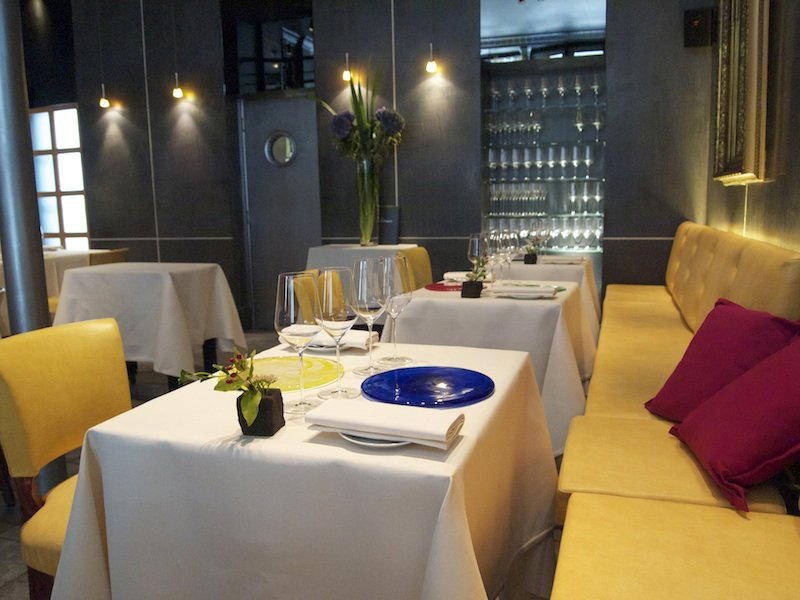
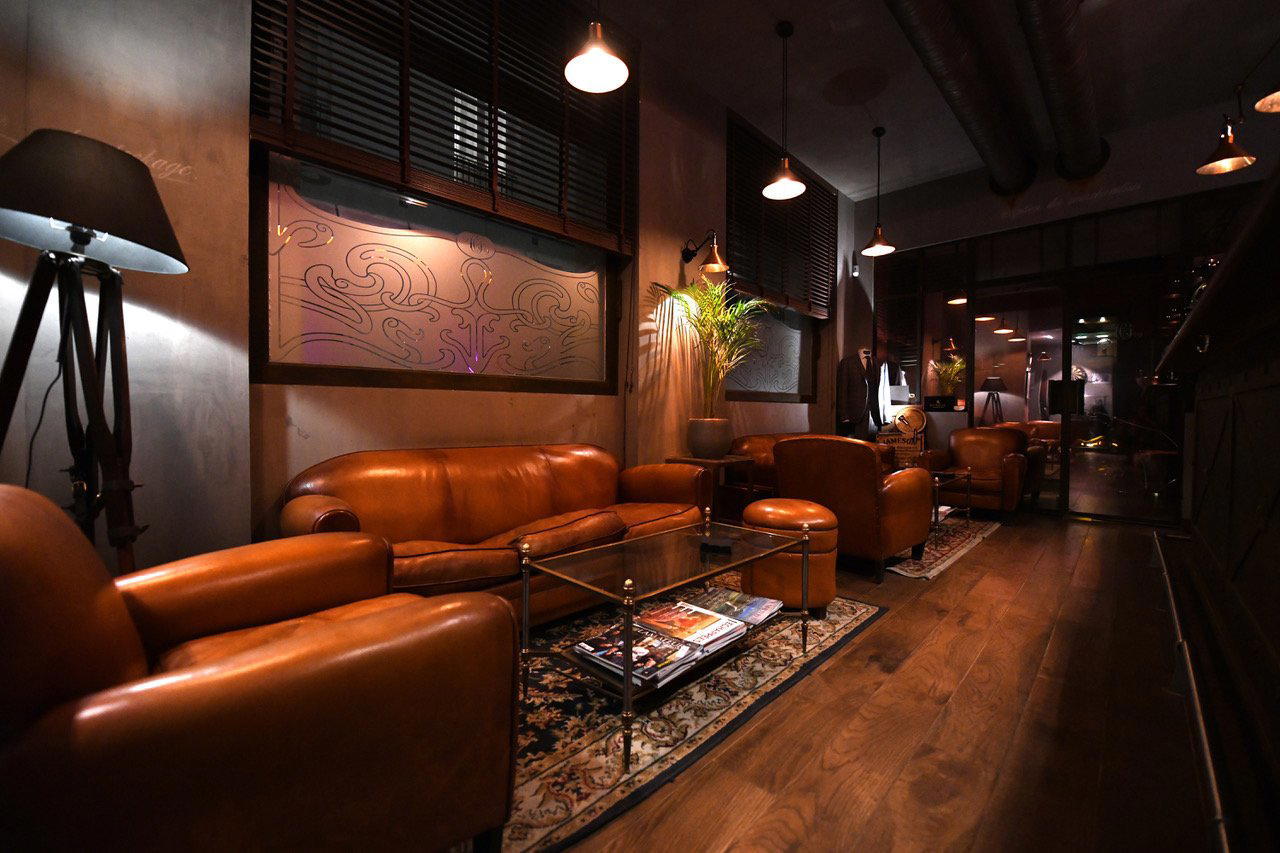
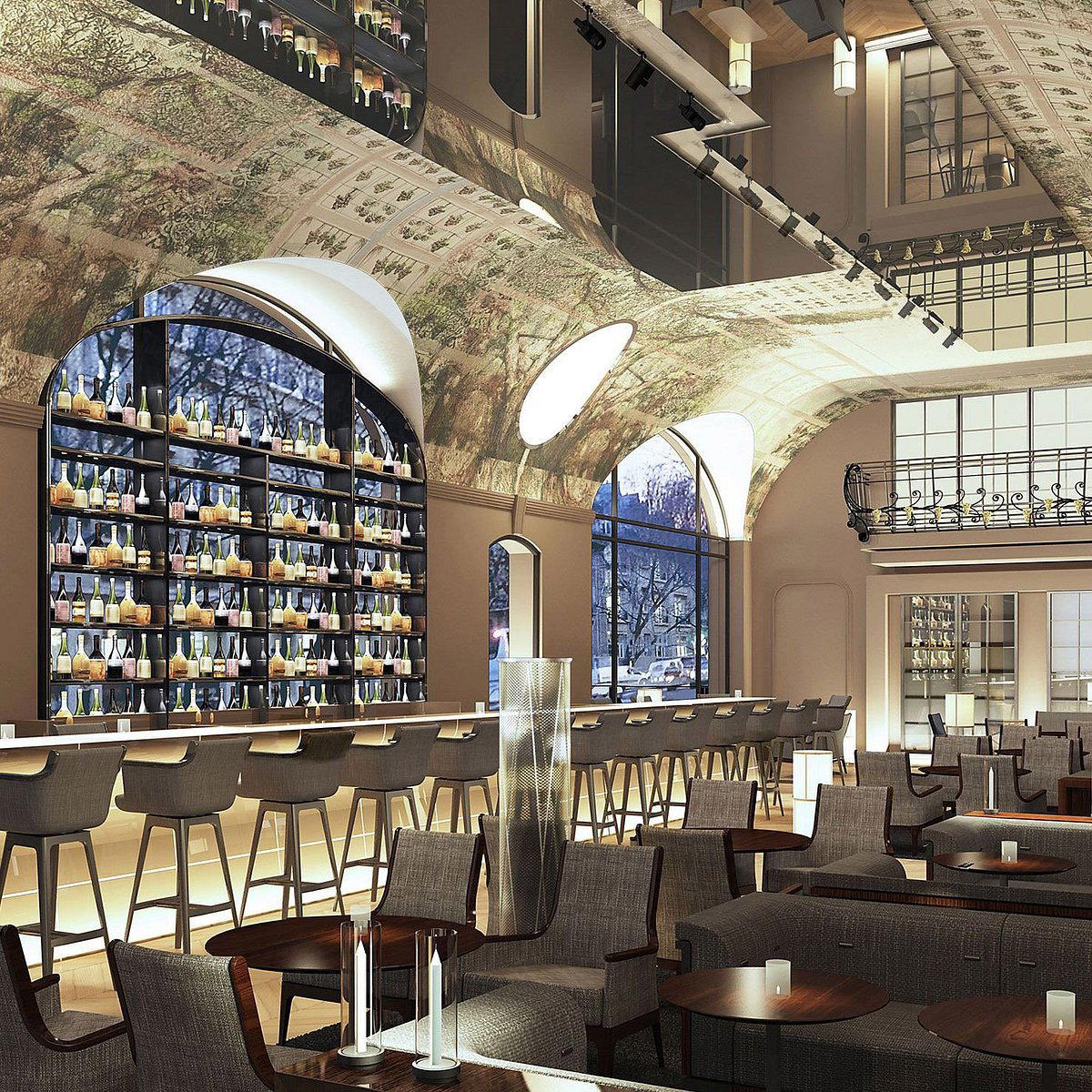
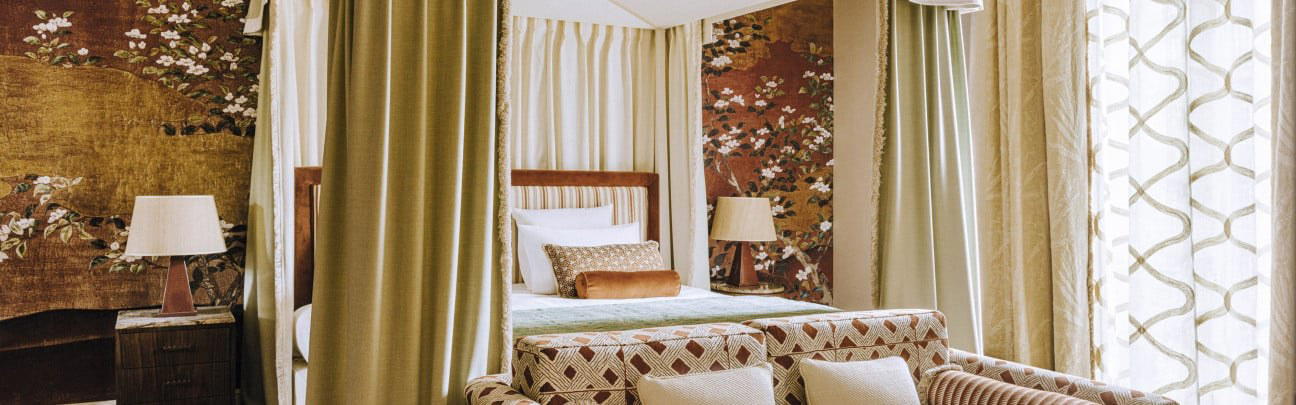
Elegant and épurée dining room with intimist atmosphere, modern decor in neutral tones, open kitchen, well-spaced tables, and feutrée, apaisante nuances.