L'Abrazia
Our verdict
L'Abrazia sits on the Allée des Palmiers in Argelès-sur-Mer, a Catalan coast town where the Pyrenees meet the Mediterranean. The address places it inside a dining scene that draws from both French and deep Catalan culinary traditions. Practical details including hours, pricing, and booking remain best confirmed directly with the venue.

Pearl is the En Primeur Club membership app — saves, bookings, and concierge access live there. Same editors, same standards.
- Address
- 7 All. des Palmiers, 66700 Argelès-sur-Mer, France
- Phone
- +33430197429
- Hours
- Daily 12–2:30 PM, 7–10:30 PM
- Website
- labrazia.fr
- Directions
- Get directions
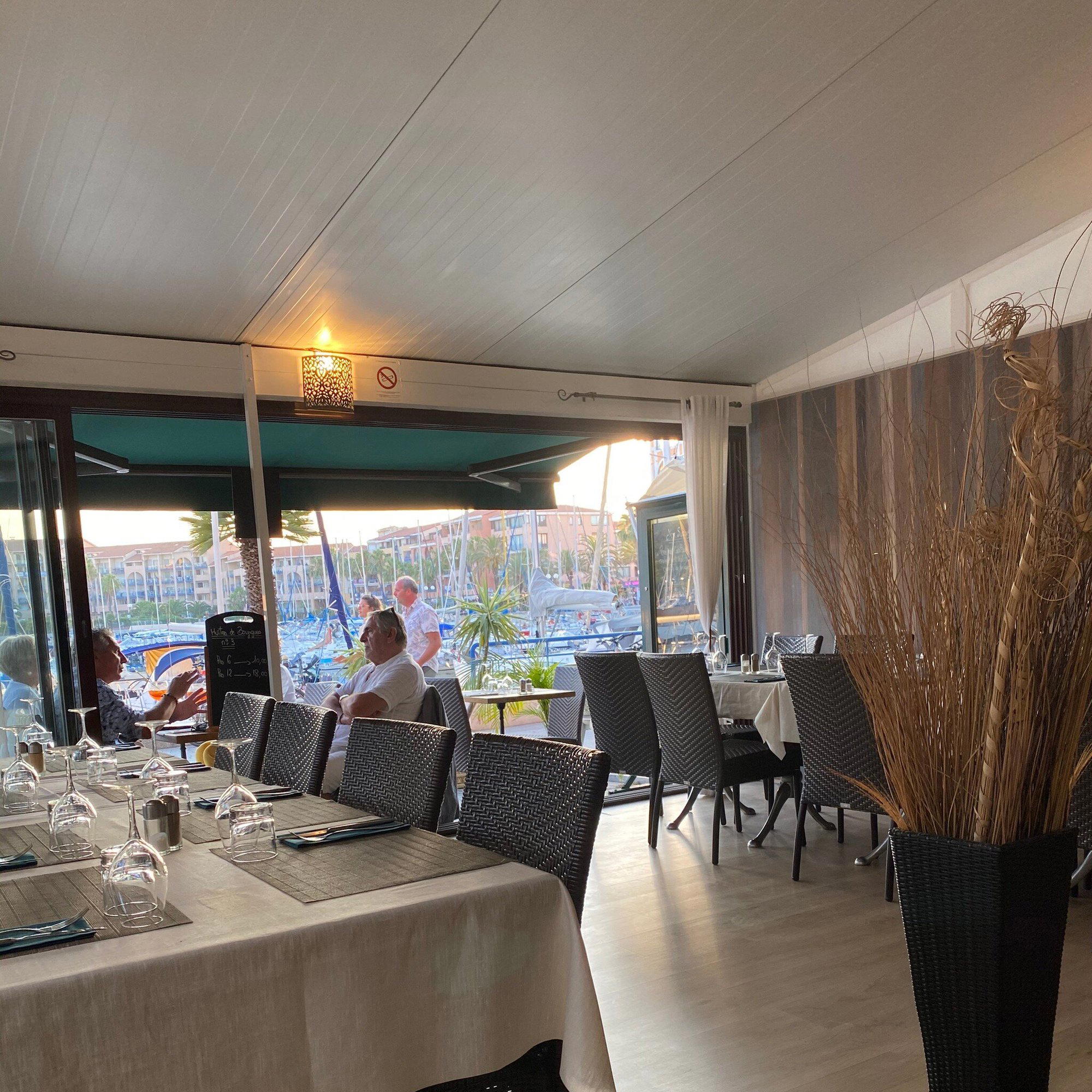
Where the Pyrenees Meet the Mediterranean Table
The Allée des Palmiers is one of those addresses that tells you something before you arrive. Palm-lined and unhurried, it runs through Argelès-sur-Mer — a town at the southern edge of French Catalonia where the Pyrenees drop into the Mediterranean and where the culinary identity refuses easy categorisation. This is not the Provence of lavender fields and pastis, nor is it the urban French dining of Lyon or Paris. The cooking tradition here is Catalan in its bones: built on anchovy from Collioure, grilled fish from the coast, wild herbs from the garrigue, and a wine culture rooted in Roussillon appellations that have been producing serious bottles long before the broader wine world began paying attention. L'Abrazia sits inside that geography, at 7 Allée des Palmiers, as part of a local dining scene that rewards visitors who understand the region's distinct culinary logic.
A Coastal Town With Its Own Culinary Logic
Argelès-sur-Mer occupies a specific position in the French dining hierarchy that is easy to underestimate. It is not a destination that generates the same level of international coverage as, say, Mirazur in Menton or Auberge du Vieux Puits in Fontjoncouse, nor does it sit in the institutional gravity field of Alléno Paris au Pavillon Ledoyen or Paul Bocuse in Collonges-au-Mont-d'Or. What it does have is a coherent regional identity: Catalan French cooking, Mediterranean produce arriving daily from the market at Perpignan or direct from local boats, and a tourist season that runs from June through September and concentrates serious dining into a relatively compressed window.
That seasonal compression matters for planning. The Roussillon coast fills quickly in July and August, and the better local tables in Argelès — including Arbor & Sens, La Quête, La Table de Valmy, and Menje E Caille, tend to book out well ahead of peak summer dates. This is a town where shoulder season, particularly May, early June, and September, delivers better availability and often the more considered service that comes with a less pressured kitchen.
The Cultural Ground Beneath Catalan Cuisine
Understanding what distinguishes the cooking of this part of France requires separating it from the broader Mediterranean clichés. Catalan cuisine, on both sides of the border that the 1659 Treaty of the Pyrenees imposed, has its own architecture. The romesco tradition, the way anchovies function as a seasoning backbone rather than a garnish, the use of dried fruits and nuts alongside fish and meat in the same preparation: these are not Franco-Mediterranean hybridisations but survivals of a cooking culture that predates the modern French culinary canon by centuries.
The Roussillon, which incorporates towns like Argelès, Collioure, and Perpignan, sits at the northern end of that Catalan cultural corridor. Its wines, Banyuls, Maury, Collioure AOC, and the various Côtes du Roussillon Villages, are structurally suited to the local food: the oxidative notes in a Banyuls complement anchovy-driven dishes in a way that a Loire white or a northern Burgundy simply does not. Dining in this region without engaging its wine culture is a missed opportunity, and any serious local table should be offering Roussillon bottles with the confidence those appellations deserve. This regional coherence is what separates a meal on the Catalan coast from a generic French restaurant experience, and it is the context inside which L'Abrazia operates.
For comparison, the kind of regional rootedness that defines the leading French provincial tables, whether at Bras in Laguiole with its Aubrac terroir obsession, or Auberge de l'Ill in Illhaeusern with its Alsatian continuity, is precisely what makes eating in places like Argelès worth the effort of understanding. The towns are smaller, the press coverage thinner, but the underlying culinary logic is no less coherent. Internationally, similar dynamics play out at precision-driven counters like Le Bernardin in New York City or technique-forward addresses like Atomix in New York City, where a specific culinary tradition shapes every decision, Argelès operates at a different scale but from the same basic principle of regional integrity. The same commitment to place-specific cooking appears at restaurants like Flocons de Sel in Megève, Troisgros in Ouches, AM par Alexandre Mazzia in Marseille, Assiette Champenoise in Reims, and Au Crocodile in Strasbourg, each expressing a particular French regional identity through the discipline of the plate.
Planning a Visit to L'Abrazia
L'Abrazia's address on the Allée des Palmiers places it within walking distance of the town centre and the beachfront, which makes it convenient as part of a longer evening rather than a destination that requires planning around transport logistics. Argelès-sur-Mer is accessible by train from Perpignan, which connects to the high-speed TGV network, putting the town within reach of Barcelona to the south and Marseille or Paris to the north. Visitors arriving by car will find the town well-served by the A9 motorway corridor.
This is standard practice for any serious dining reservation on the Roussillon coast during high season, where tables at the more considered local addresses move quickly once July approaches. A broader picture of the current dining scene in the area, including comparison venues and seasonal context, is available in our full Argelès-sur-Mer restaurants guide.
Frequently asked questions
Where is L'Abrazia in Argeles Sur Mer?
L'Abrazia is located at 7 All. des Palmiers, 66700 Argelès-sur-Mer, France, Argeles Sur Mer.
Is L'Abrazia a good base for exploring Roussillon wine appellations alongside a meal?
Argelès-sur-Mer sits within the Roussillon wine zone, with appellations including Collioure, Banyuls, and Côtes du Roussillon Villages all within a short drive. Banyuls in particular — France's southernmost AOC and one of the few natural sweet wines that pairs with chocolate and anchovy preparations — is a regional hallmark that any serious table in the area is likely to reference. Whether L'Abrazia carries these wines on its list has not been confirmed, but the geography alone makes the region a compelling base for pairing both.
What do regulars order at L'Abrazia?
Confirmed menu details for L'Abrazia are not available at the time of writing. Within the Catalan coastal cooking tradition common to Argelès-sur-Mer, expect dishes built around anchovies, salt cod, lamb from the Pyrenean foothills, and produce from the Roussillon plain. The Allée des Palmiers address places the restaurant close to the fishing port's supply chain, which tends to shape what serious local kitchens put on the plate.
How far ahead should I plan for L'Abrazia?
Argelès-sur-Mer's dining season concentrates heavily into July and August, when the town's population multiplies and the better local tables fill faster than their profile outside the region might suggest. Booking two to three weeks ahead is a reasonable baseline in shoulder season; in peak summer, aim for a month or more. Checking availability as soon as travel dates are confirmed is the practical approach here.
Price Lens
Comparable venues nearby, for context on price, style, and recognition.
| Venue | Cuisine | Price | Awards | Notes |
|---|---|---|---|---|
| L'AbraziaThis venue — the venue you are viewing | French Grillades & Rôtisserie | Not listed | Not listed | Not listed |
| La Quête | Modern French Bistro | $20–30 | Not listed | Argelès-Village, Modern French Bistro |
| Le Relais de la Massane | French Regional Bistro | $30–50 | Michelin Plate | centre ville, French Regional Bistro |
| Menje E Caille | French Mediterranean Seafood | $30–50 | Not listed | Le Racou, French Mediterranean Seafood |
| La Bartavelle | Modern Creative French with Catalan Influences | $50–100 | Michelin Plate | Argelès-Village, Modern Creative French with Catalan Influences |
| Arbor & Sens | French Mediterranean with Catalan Influences | $30–50 | Not listed | Argelès-sur-Mer, French Mediterranean with Catalan Influences |
Continue exploring
More in Argelès-sur-Mer
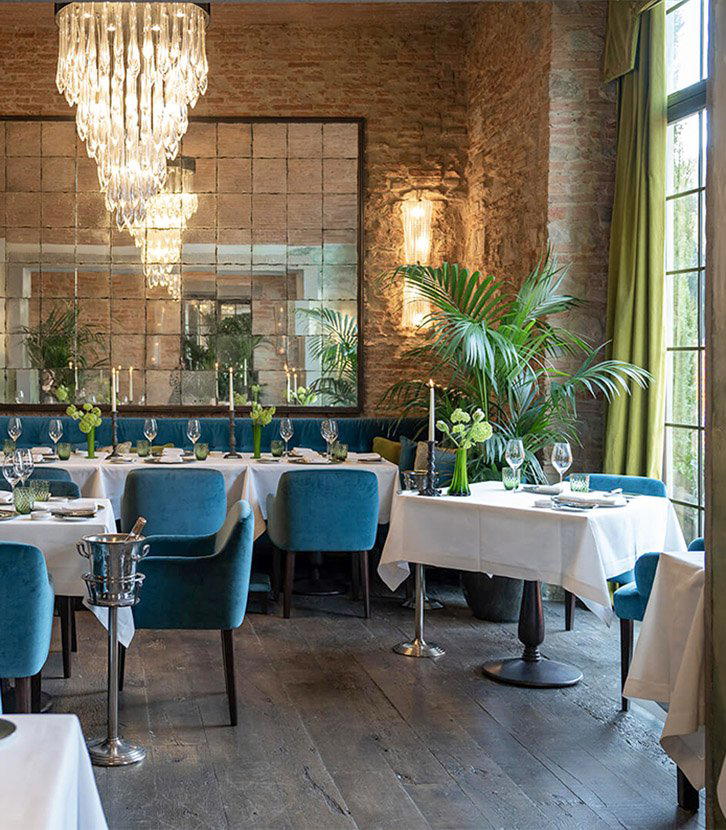
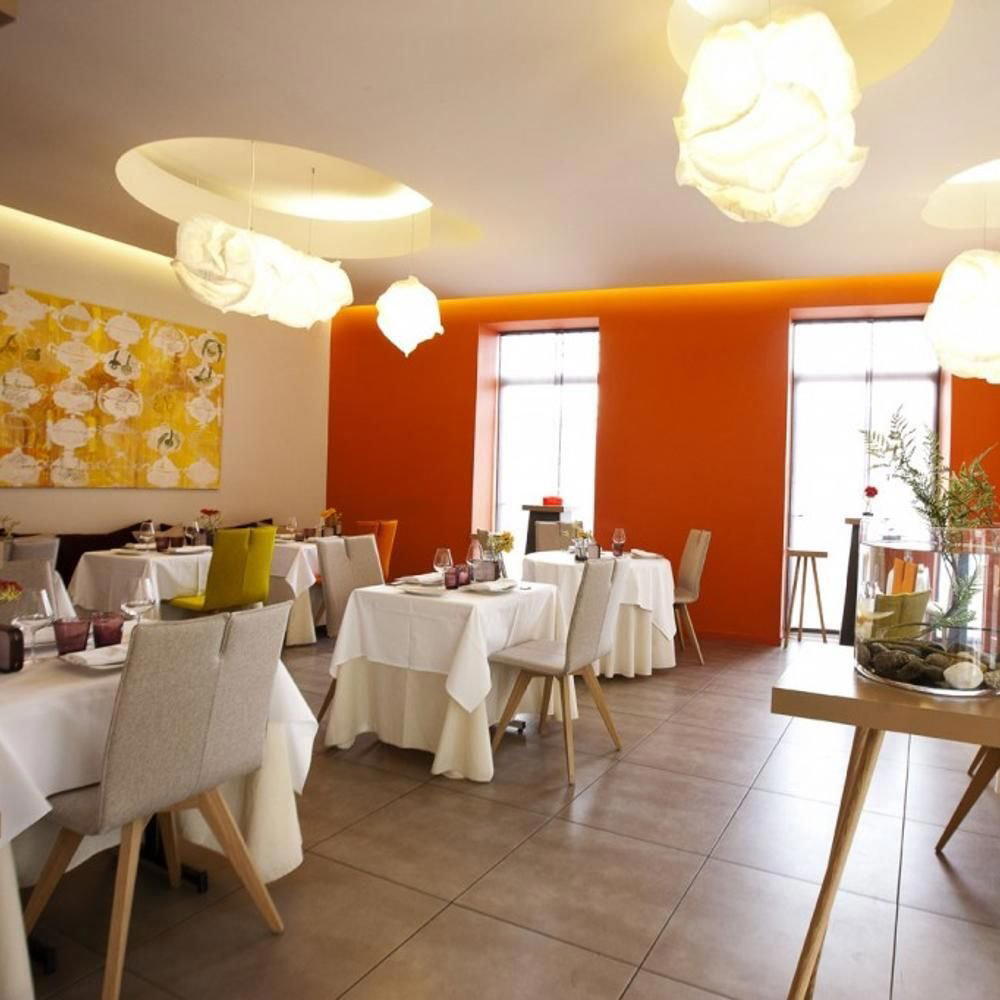
Restaurants in Argelès-sur-Mer
Browse all →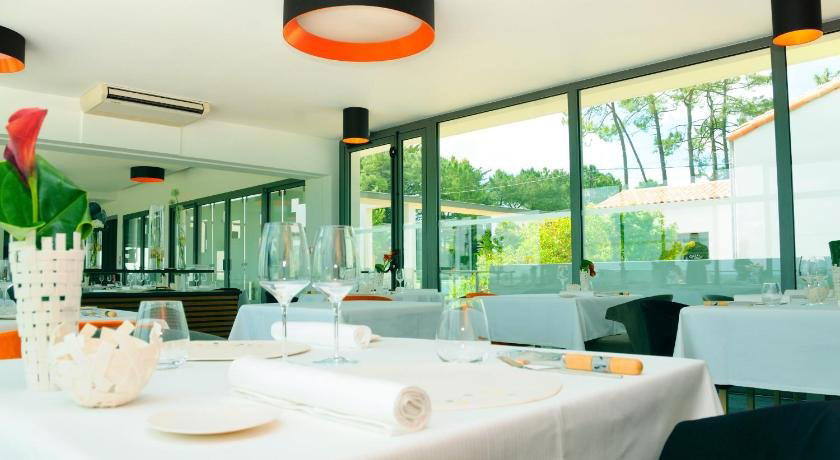
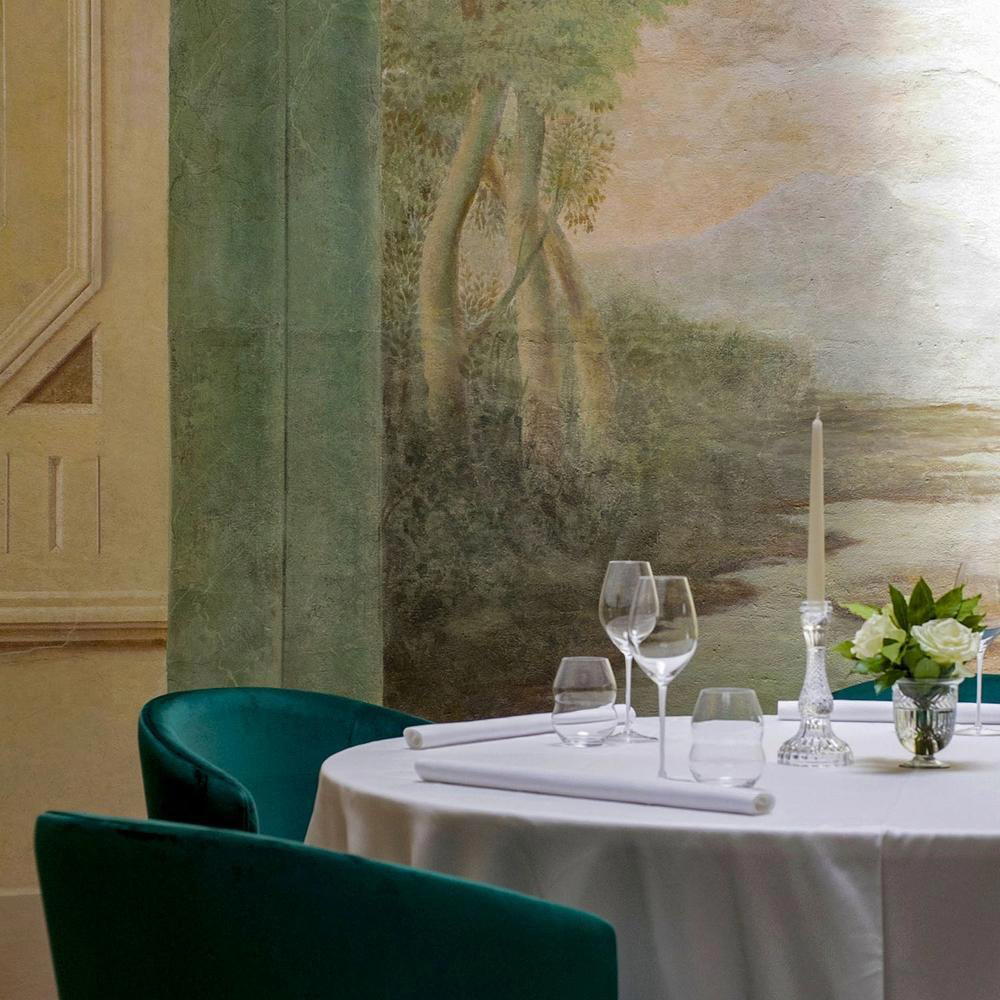
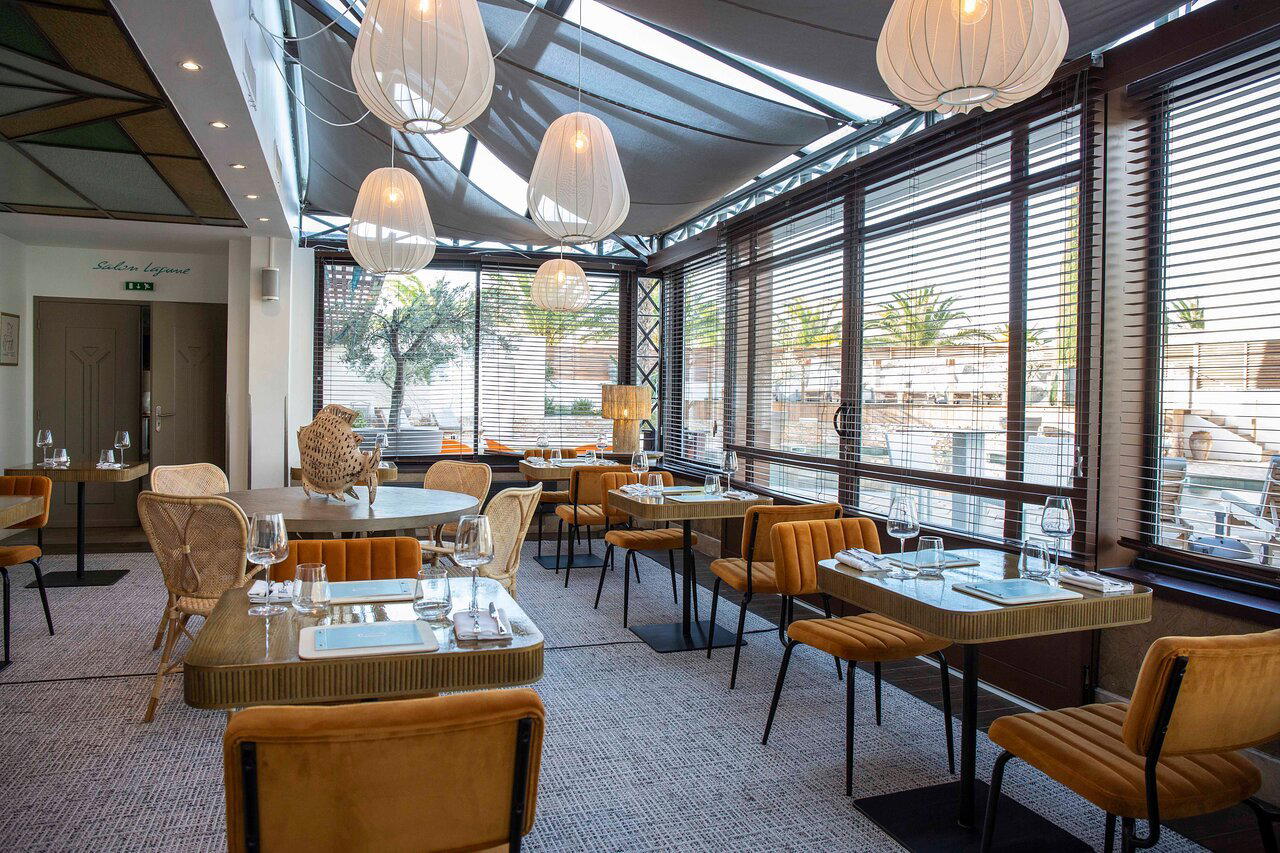
Bars in Argelès-sur-Mer
Browse all →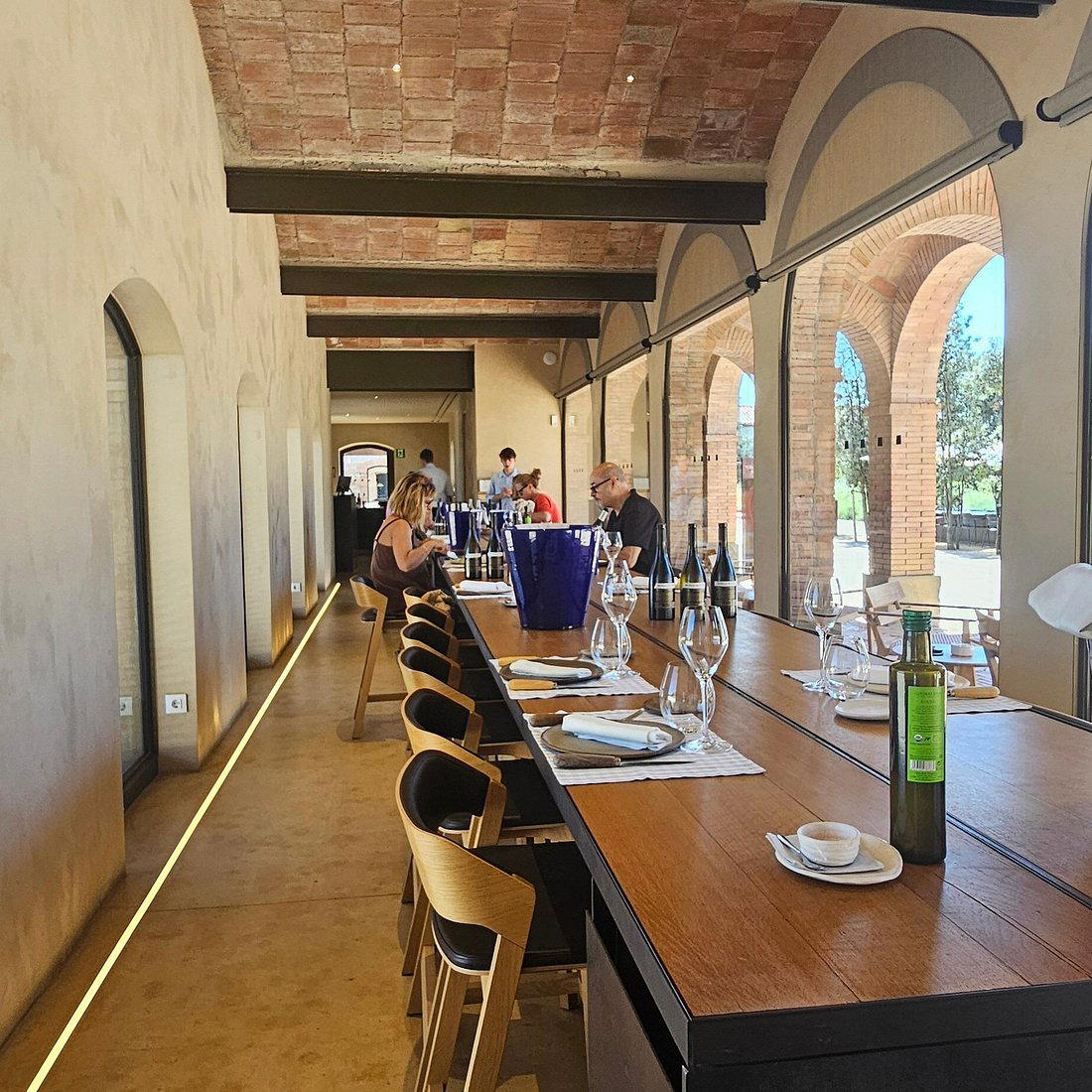
Hotels in Argelès-sur-Mer
Browse all →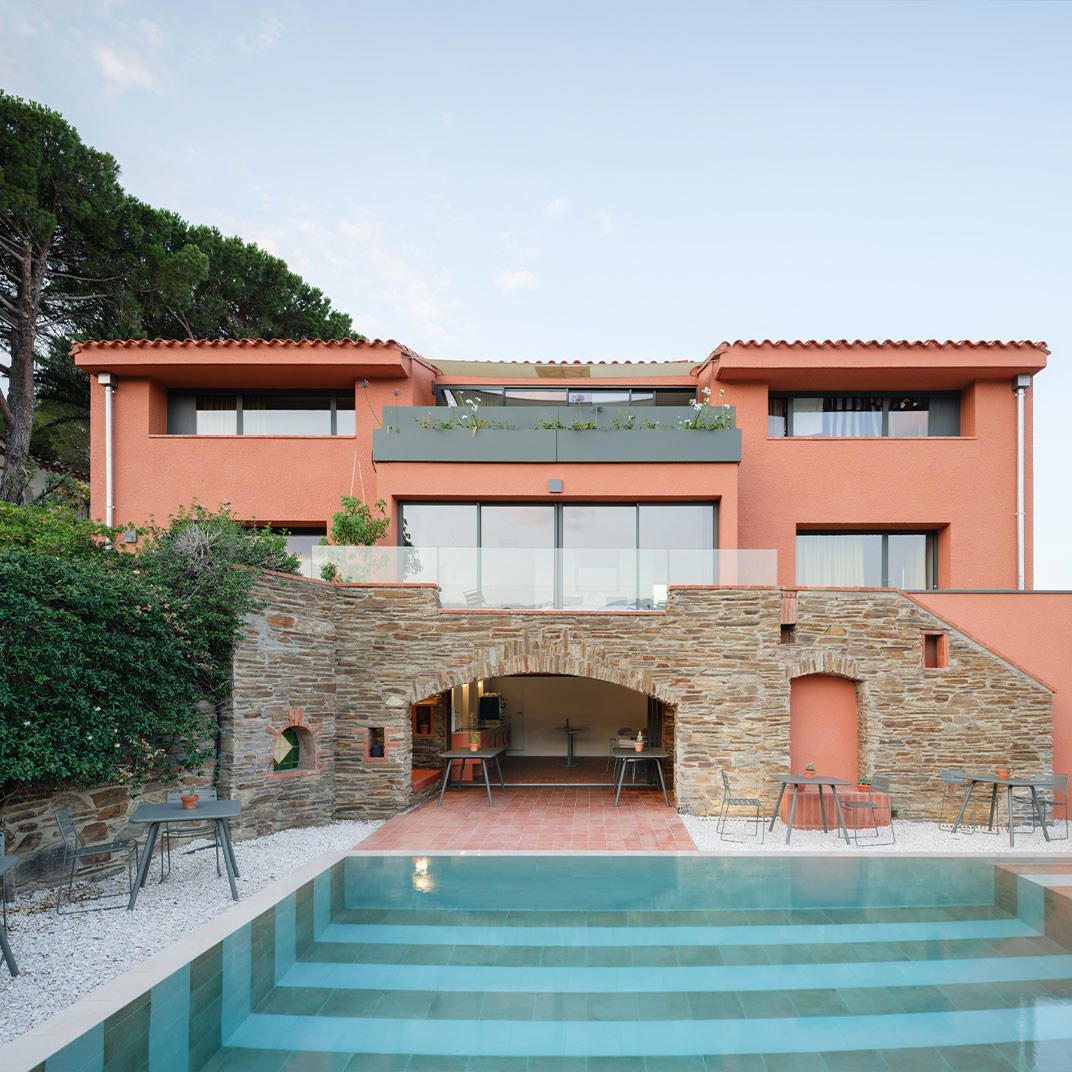

Details
- Cozy
- Rustic
- Casual Hangout
- Group Dining
- Local Sourcing
- A La Carte
Current opening hours
- Monday
- 12–2:30 PM, 7–10:30 PM
- Tuesday
- 12–2:30 PM, 7–10:30 PM
- Wednesday
- 12–2:30 PM, 7–10:30 PM
- Thursday
- 12–2:30 PM, 7–10:30 PM
- Friday
- 12–2:30 PM, 7–10:30 PM
- Saturday
- 12–2:30 PM, 7–10:30 PM
- Sunday
- 12–2:30 PM, 7–10:30 PM
Hours can change for holidays and private events. Last verified .
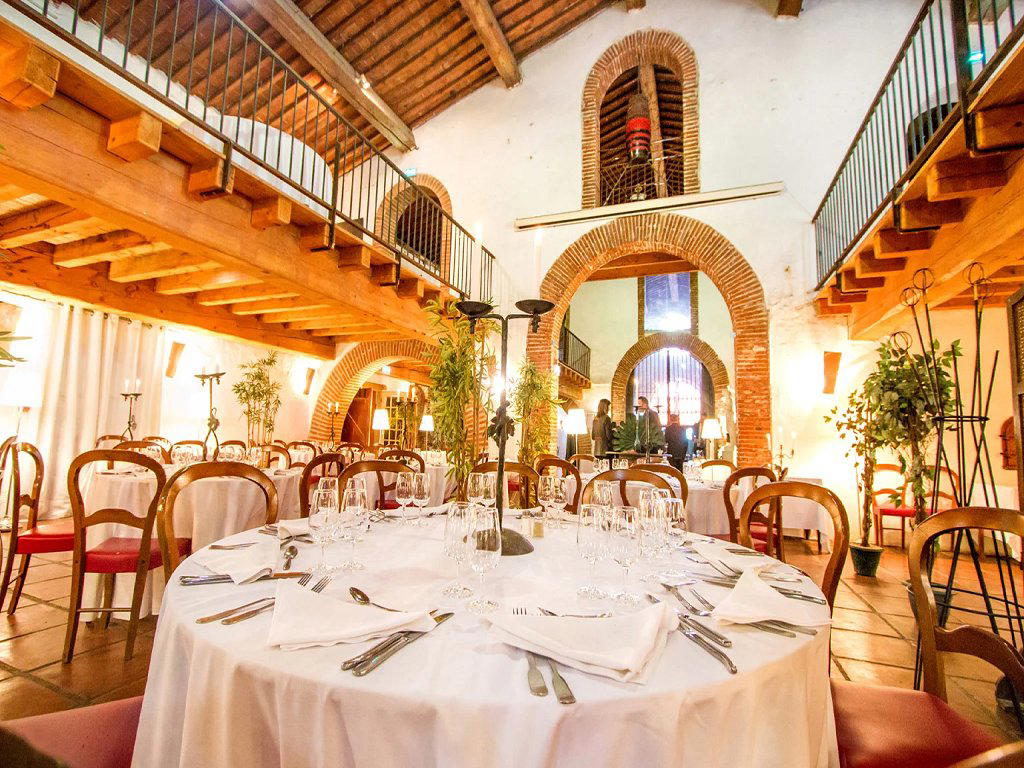
Warm, relaxed, and friendly with a convivial vibe.