La Table de Valmy
Our verdict
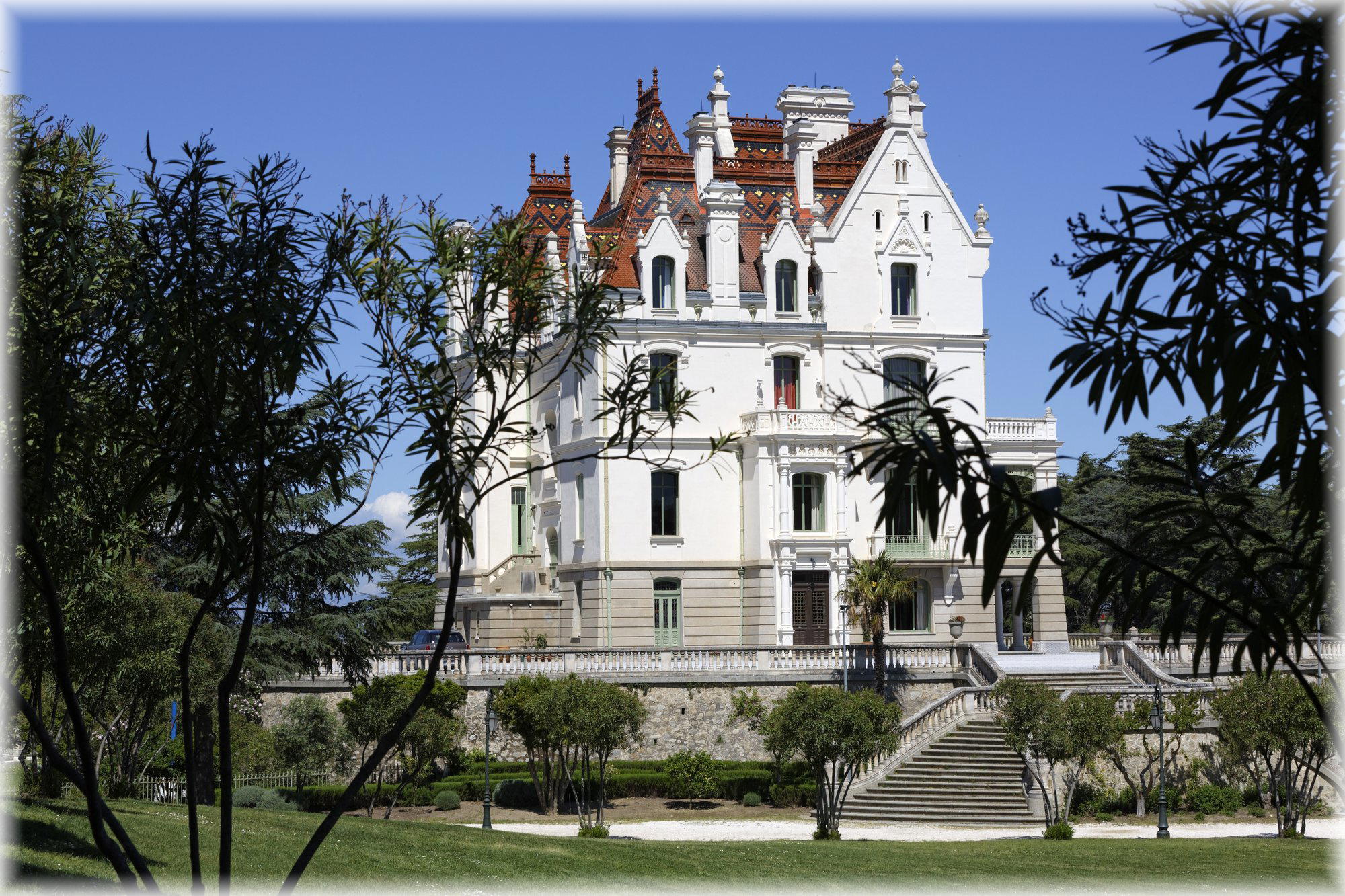
La Table de Valmy occupies the grounds of Domaine de Valmy, a working wine estate on the edge of Argelès-sur-Mer, where the Albères foothills meet the Mediterranean coast. The kitchen draws on a sourcing corridor that connects Roussillon vineyards, Pyrenean mountain produce, and coastal seafood within a few kilometres. For visitors interested in estate dining within one of southern France's more complex wine regions, the address is a logical starting point.

Pearl is the En Primeur Club membership app — saves, bookings, and concierge access live there. Same editors, same standards.
- Address
- Chem. de Valmy, 66700 Argelès-sur-Mer, France
- Phone
- +33468959525
- Hours
- Mon–Wed ClosedThu 12–1:30 PM, 7–9:30 PMFri–Sat 12–1:30 PM, 7–9 PMSun 12–1:30 PM
- Website
- chateau-valmy.com
- Directions
- Get directions
- Booking
- Book on the venue's website
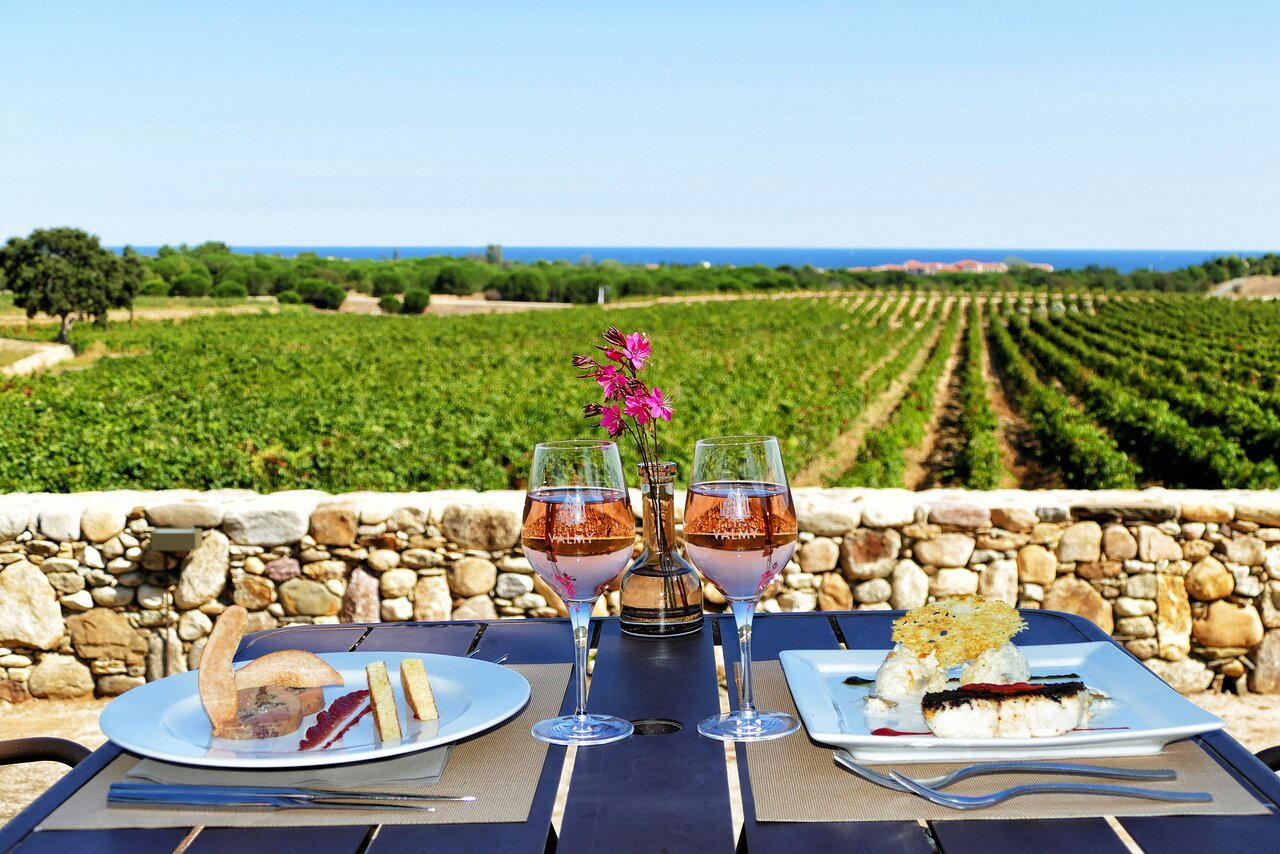
The menu
What to order
- Oyster bar and tapas
- Menu gourmand with seasonal preparations
Where the Roussillon Countryside Meets the Table
The road that climbs from Argelès-sur-Mer toward the Château de Valmy tells you something before you arrive anywhere. Vineyards press in from both sides, the Albères foothills rise behind them, and the Mediterranean appears and disappears in the gaps between rows. This is the Roussillon in compressed form: a coastal département where mountain, sea, and agricultural plain occupy the same narrow band of territory. Restaurants that set up in this kind of geography are making an implicit argument about what they intend to serve.
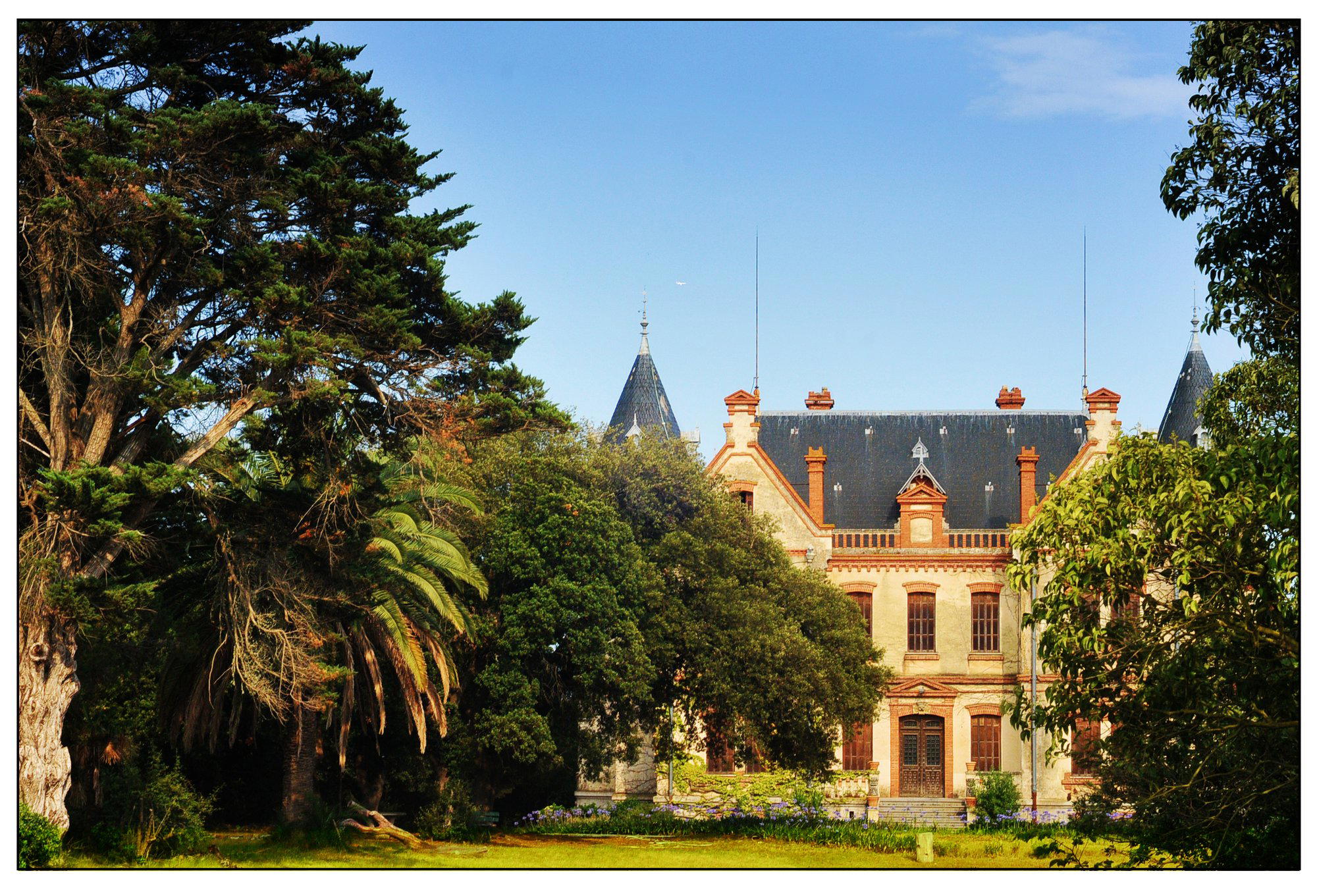
La Table de Valmy sits within that argument. The address, Chemin de Valmy, places it on the estate road of a working wine property, which in southern France is itself an editorial statement. Domaine de Valmy is one of the Roussillon's long-established wine houses, and the restaurant occupies its grounds. That physical relationship — kitchen inside a functioning vineyard — is the lens through which the cooking here is leading understood.
Sourcing at This Latitude
The Roussillon has a sourcing story that chefs elsewhere in France sometimes have to construct and this region inherits by geography. The plain between Perpignan and the coast produces some of the earliest-maturing vegetables in metropolitan France; the Pyrenean foothills supply sheep, wild herbs, and lamb; the Mediterranean provides rouget, sea bass, and a dozen species less familiar to northern palates. Argelès-sur-Mer itself sits at the southern end of this corridor, close to the Spanish border, where Catalan culinary influence crosses into French technique without ceremony.
For a restaurant tied to a wine estate, ingredient provenance extends in two directions. The vine sets the seasonal rhythm, pruning, flowering, harvest, and those phases tend to shape menus at estate restaurants more directly than at city addresses. A kitchen on a domaine in August does not ignore that the cellar is three weeks from its most intense annual activity. Whether or not the menu changes explicitly by vine cycle, the proximity to primary agriculture keeps the supply chain unusually short. In the Roussillon, where small-scale farmers and producers cluster around Perpignan's markets, that proximity compounds: a chef working this territory has access to ingredients from within a few kilometres that a Parisian kitchen would spend considerable effort sourcing by air freight.
Contrast this with the sourcing models at major French addresses further from primary production. Houses like Alléno Paris au Pavillon Ledoyen in Paris or Assiette Champenoise in Reims operate within urban contexts where sourcing requires deliberate systems and supplier relationships managed at distance. Estate dining in the Roussillon collapses that distance structurally. The question is what a kitchen does with the advantage.
The Roussillon Table in Context
Argelès-sur-Mer operates within a regional dining scene that has been reshaping itself over the past decade. The Languedoc-Roussillon corridor now includes some of France's more discussed provincial tables. Auberge du Vieux Puits in Fontjoncouse, two hours north toward Aude, holds three Michelin stars in a village of a few hundred people, demonstrating that serious cooking in this part of France does not require a city address. Further along the Mediterranean arc, Mirazur in Menton has become a reference point for what the southern French coast can produce when garden sourcing and technical ambition align.
Within Argelès itself, the restaurant scene concentrates around a handful of addresses. Arbor & Sens, L'Abrazia, La Quête, and Menje E Caille each represent different points on the town's dining spectrum. La Table de Valmy operates from a different physical position than any of them: out of the town centre, on the estate, with a view orientation and a wine integration that no in-town address can replicate. Whether that separation translates into culinary distinction is the relevant question for a visitor making the drive. Our full Argelès-sur-Mer restaurants guide maps that competitive field in detail.
What the Roussillon's wine geography adds specifically is this: Roussillon produces more designated appellation wine than most visitors realize, including Banyuls, Maury, Collioure, and the broader Roussillon AOC. A restaurant sitting within one of these estates has access to a wine list shaped by proximity rather than purchasing. At houses like Bras in Laguiole, the relationship between landscape and plate is a deliberate aesthetic philosophy; at an estate restaurant in the Roussillon, the relationship is partly structural. The cellar is not a supplier, it is the same property.
Planning a Visit
La Table de Valmy sits on the estate road outside the town centre, which means arriving by car is the practical approach for most visitors. The Roussillon summer runs long and hot, with the leading outdoor dining conditions from May through October, though the shoulder months of May and September tend to produce more manageable temperatures than August's peak. Given the estate setting, the early evening service, when the Albères hills hold the last of the light and the vineyards shade into dusk, is the atmospheric window most worth targeting.
For visitors constructing a broader French dining itinerary around the Mediterranean south, the reference points for what the region can produce at higher technical levels include AM par Alexandre Mazzia in Marseille and, at the mountain end of the seasonal-sourcing spectrum, Flocons de Sel in Megève. For those extending the trip internationally, Le Bernardin in New York City and Atomix in New York City share the same commitment to sourcing precision that defines the serious end of the category, albeit in an entirely different context.
Frequently asked questions
Where exactly is La Table de Valmy?
La Table de Valmy is located at Chem. de Valmy, 66700 Argelès-sur-Mer, France, Argeles Sur Mer.
Is La Table de Valmy a good choice for wine-focused visitors staying near Argelès-sur-Mer?
For visitors with an interest in Roussillon wine, the estate setting at Château de Valmy is a practical advantage: the table sits within a working vineyard, which means the wines on offer carry direct provenance from the surrounding vines rather than a curated list assembled from elsewhere. Argelès-sur-Mer places guests within reach of the broader Roussillon appellation, one of France's most geographically diverse wine regions, spanning altitude from sea level to Pyrenean foothills. It is a coherent reason to base a wine-focused itinerary in this part of the Pyrénées-Orientales.
What should I order at La Table de Valmy?
The kitchen draws from Roussillon's coastal plain and mountain hinterland, so dishes built around local produce — fish from the nearby Gulf of Lion, vegetables from the Conflent valley, and Catalan-inflected preparations — reflect what the region does at its most direct. The estate setting at Château de Valmy also makes wine pairings from the property a logical starting point rather than an afterthought. Specific menu items change with season and market availability, so asking the team on arrival about the day's market sourcing is worth doing.
Is La Table de Valmy reservation-only?
La Table de Valmy sits on the Château de Valmy estate road outside Argelès-sur-Mer's town centre, which means it draws visitors who have made a specific trip rather than walk-in traffic. Contacting the estate directly before visiting is the practical approach, particularly during the summer months when the Roussillon coast sees its highest visitor numbers. Specific booking policies are best confirmed with the venue.
What's the defining dish or idea at La Table de Valmy?
The defining idea is proximity — the table operates within a working wine estate at Château de Valmy, which places the sourcing logic at the centre of every decision. Roussillon's geography gives the kitchen access to Mediterranean seafood, Pyrenean produce, and Catalan culinary tradition within a very short radius. The result is a menu where the region's identity does the structural work rather than a single signature plate.
Can La Table de Valmy accommodate dietary restrictions?
Roussillon cuisine is broadly produce-driven, with strong vegetable, fish, and legume traditions that often translate well across common dietary requirements. The Château de Valmy address at Chemin de Valmy, 66700 Argelès-sur-Mer is your point of contact for current information.
In Context: Similar Options
Comparable venues nearby, for context on price, style, and recognition.
| Venue | Cuisine | Price | Awards | Notes |
|---|---|---|---|---|
| La Table de ValmyThis venue — the venue you are viewing | Mediterranean Fusion with Iberian Influences | $50–100 | Not listed | Not listed |
| Arbor & Sens | French Mediterranean with Catalan Influences | $30–50 | Not listed | Argelès-sur-Mer |
| L'Abrazia | French Grillades & Rôtisserie | Not listed | Not listed | Argelès-sur-Mer |
| Le Relais de la Massane | French Regional Bistro | $30–50 | Michelin Plate | centre ville |
| Menje E Caille | French Mediterranean Seafood | $30–50 | Not listed | Le Racou |
| La Quête | Modern French Bistro | $20–30 | Not listed | Argelès-Village |
Continue exploring
More in Argelès-sur-Mer
Restaurants in Argelès-sur-Mer
Browse all →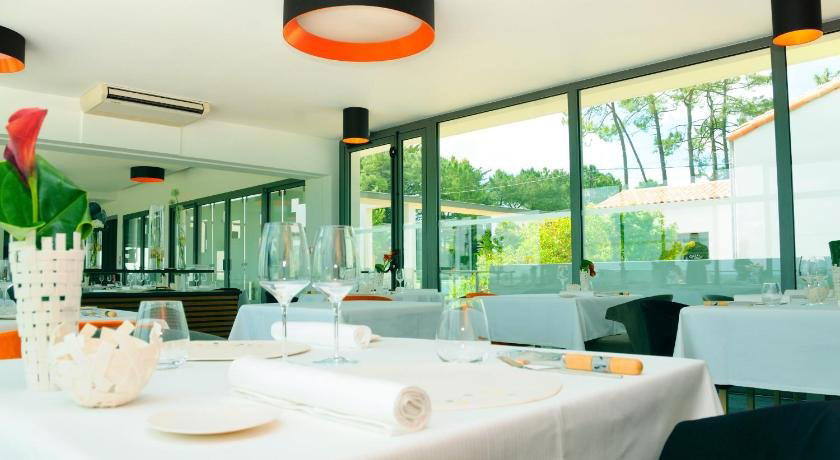
Bars in Argelès-sur-Mer
Browse all →
Hotels in Argelès-sur-Mer
Browse all →

Details
- Romantic
- Scenic
- Elegant
- Sophisticated
- Date Night
- Family
- Celebration
- Special Occasion
- Terrace
- Panoramic View
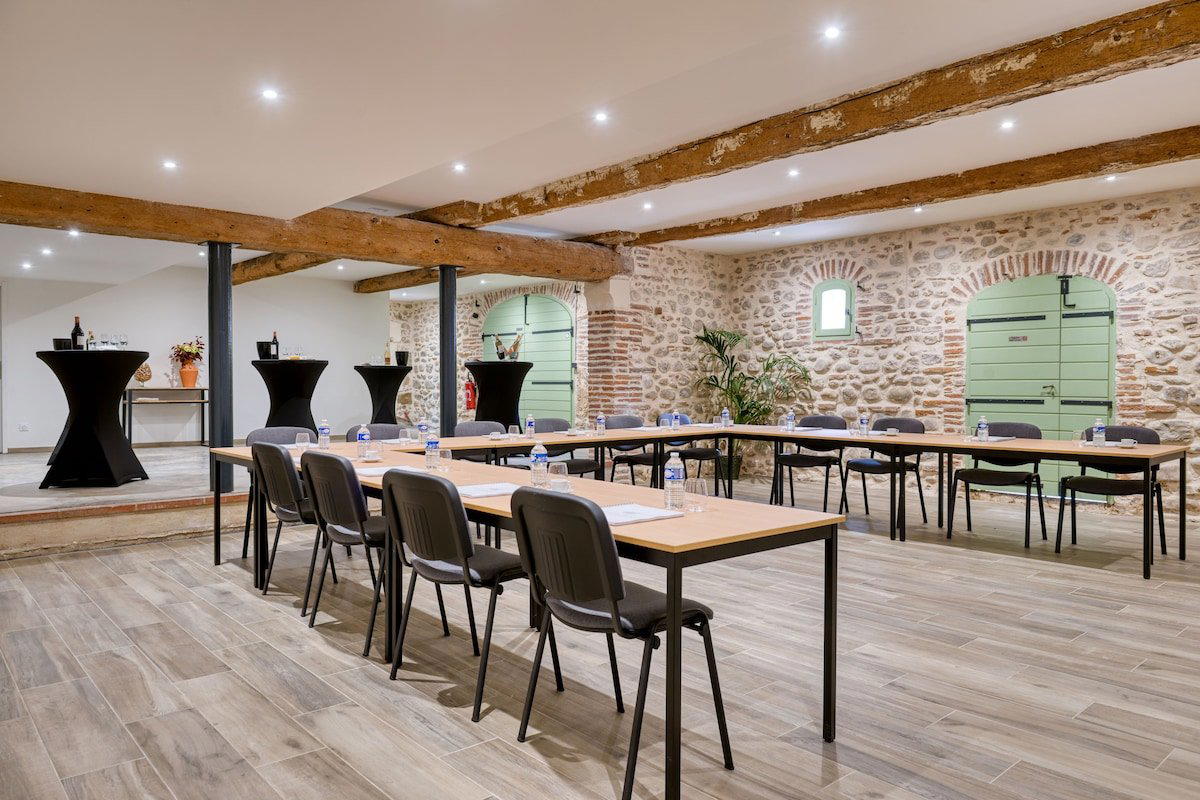
- Private Dining
- Garden
- Extensive Wine List
- Sommelier Led
- Local Sourcing
- Farm To Table
- Vineyard
- Waterfront
- Prix Fixe
- Small Plates
- Wine Pairing
- Domain Wines
- Vegetarian Friendly
Current opening hours
- Monday
- Closed
- Tuesday
- Closed
- Wednesday
- Closed
- Thursday
- 12–1:30 PM, 7–9:30 PM
- Friday
- 12–1:30 PM, 7–9 PM
- Saturday
- 12–1:30 PM, 7–9 PM
- Sunday
- 12–1:30 PM
Hours can change for holidays and private events. Last verified .
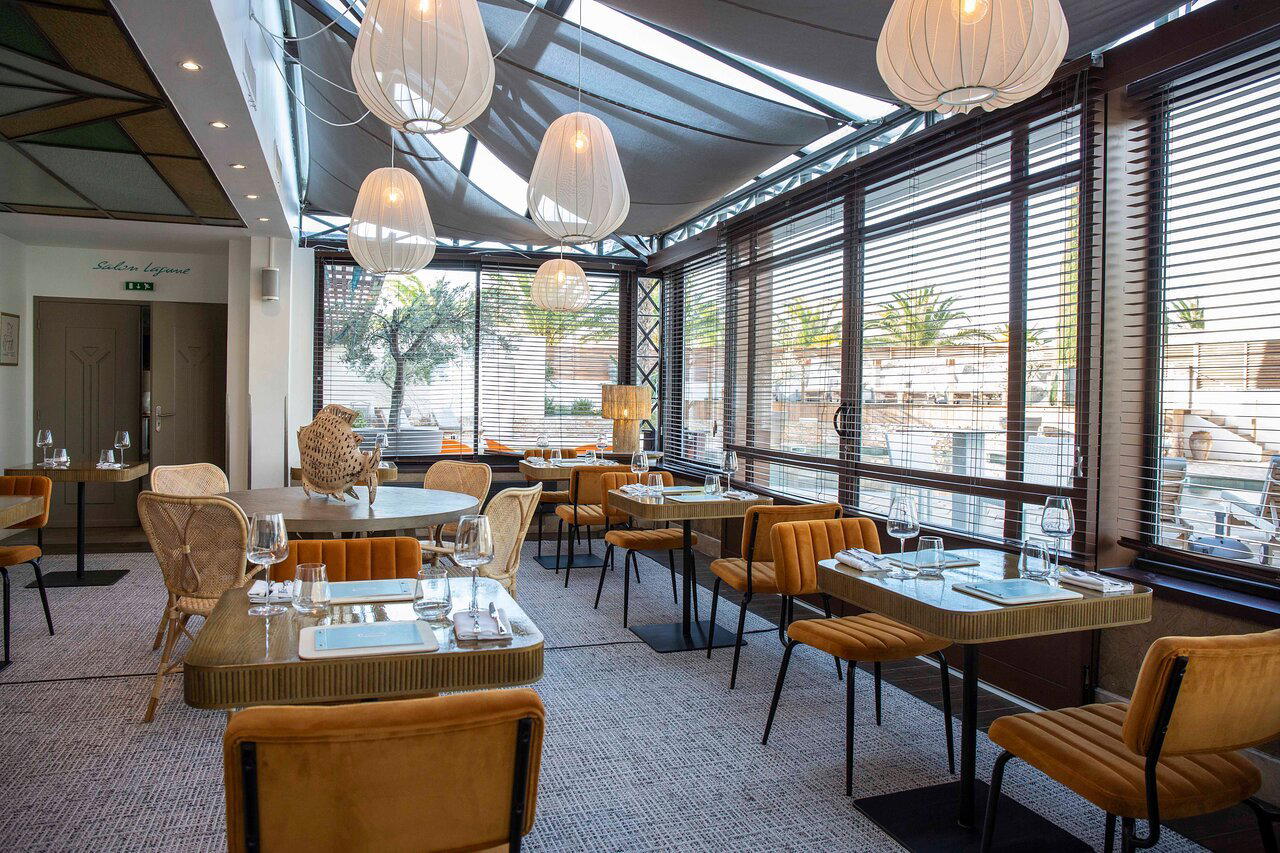
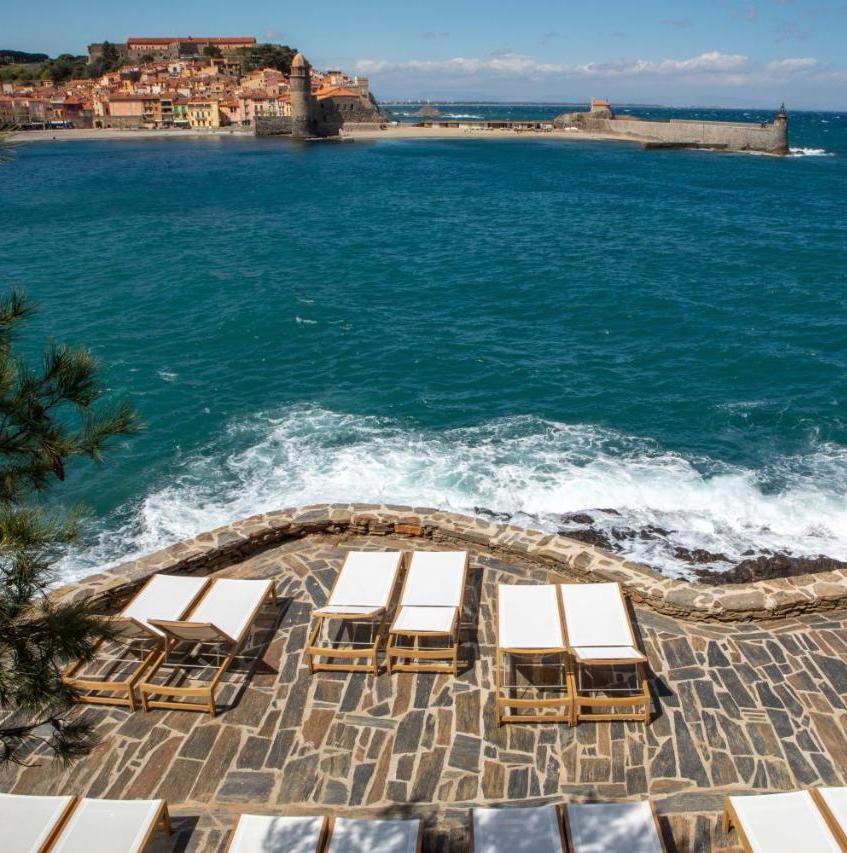
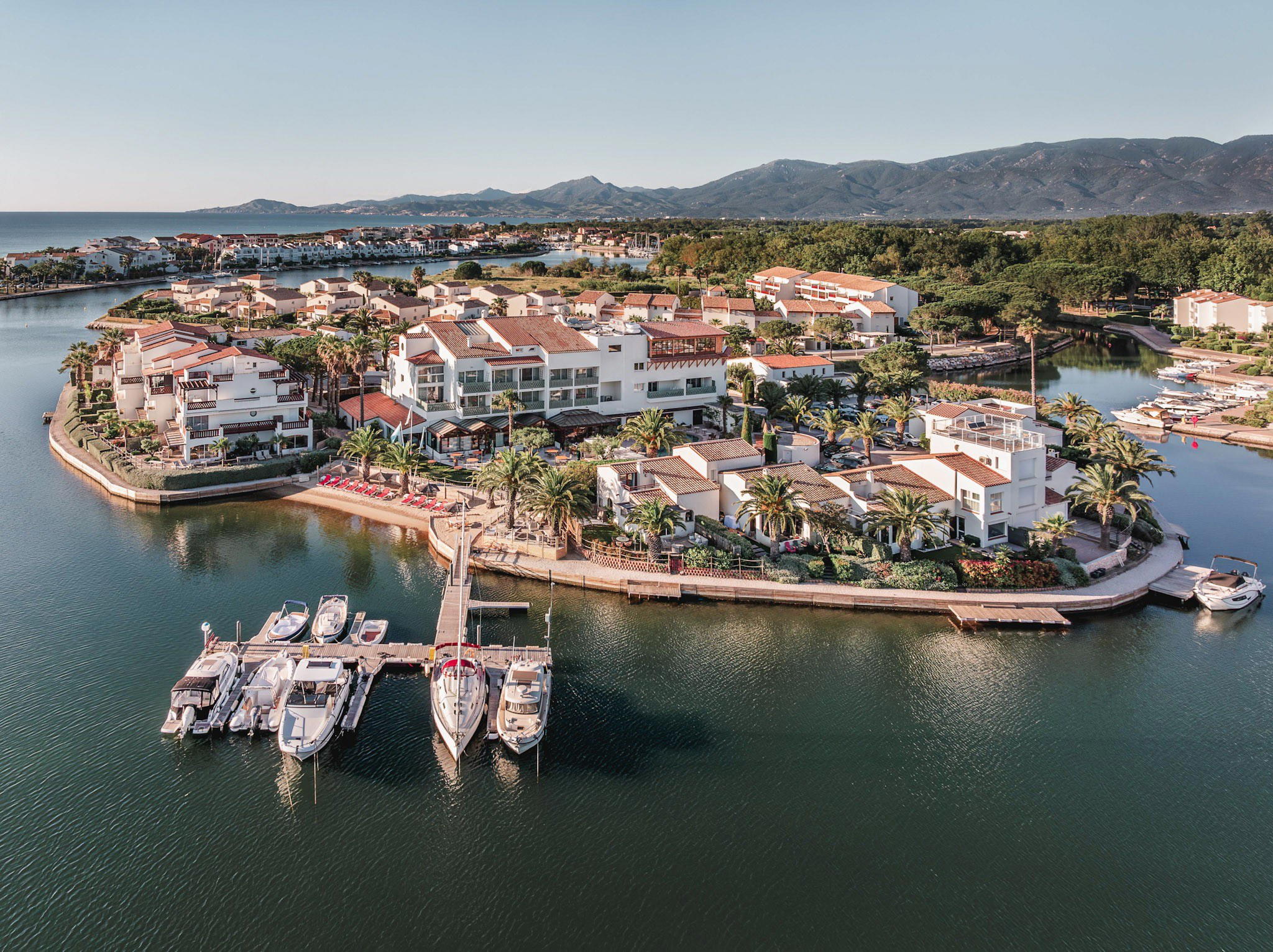
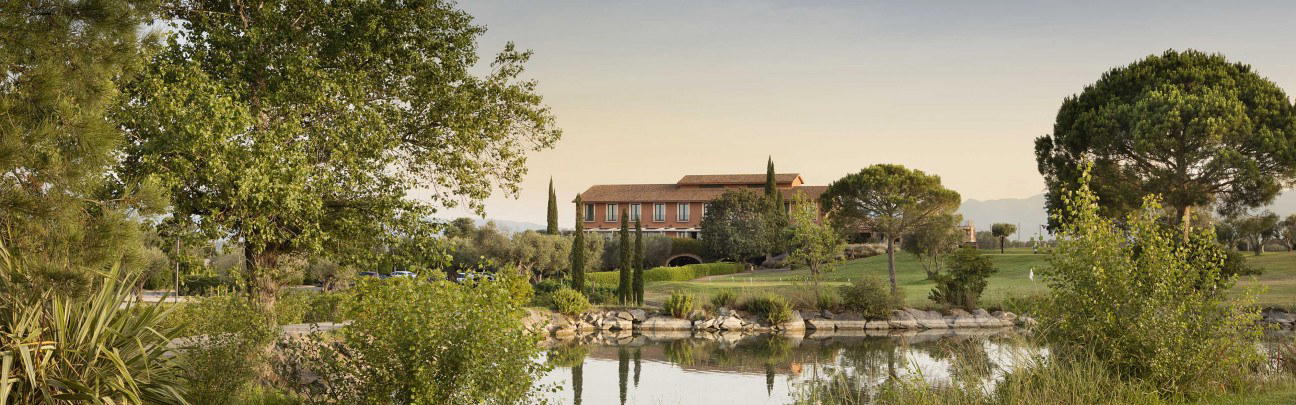
Elegant and refined with a design-forward aesthetic; bright natural lighting from expansive terrace overlooking vineyards and sea; sophisticated yet welcoming atmosphere.