On Raiņa bulvāris, one of Riga's most architecturally considered boulevards, Forest draws a loyal midweek crowd that returns not for novelty but for consistency. The name signals intent: an interior register shaped by organic materials, muted tones, and a deliberate distance from the city's louder dining rooms. For regulars, it functions less as a destination and more as a rhythm.
Pearl is the En Primeur Club membership app — saves, bookings, and concierge access live there. Same editors, same standards.
- Address
- Raiņa bulvāris 21, Centra rajons, Rīga, LV-1050, Latvia
- Phone
- +37127724437
- Website
- restoransforest.lv
- Directions
- Get directions
 Saves & bookings on Pearl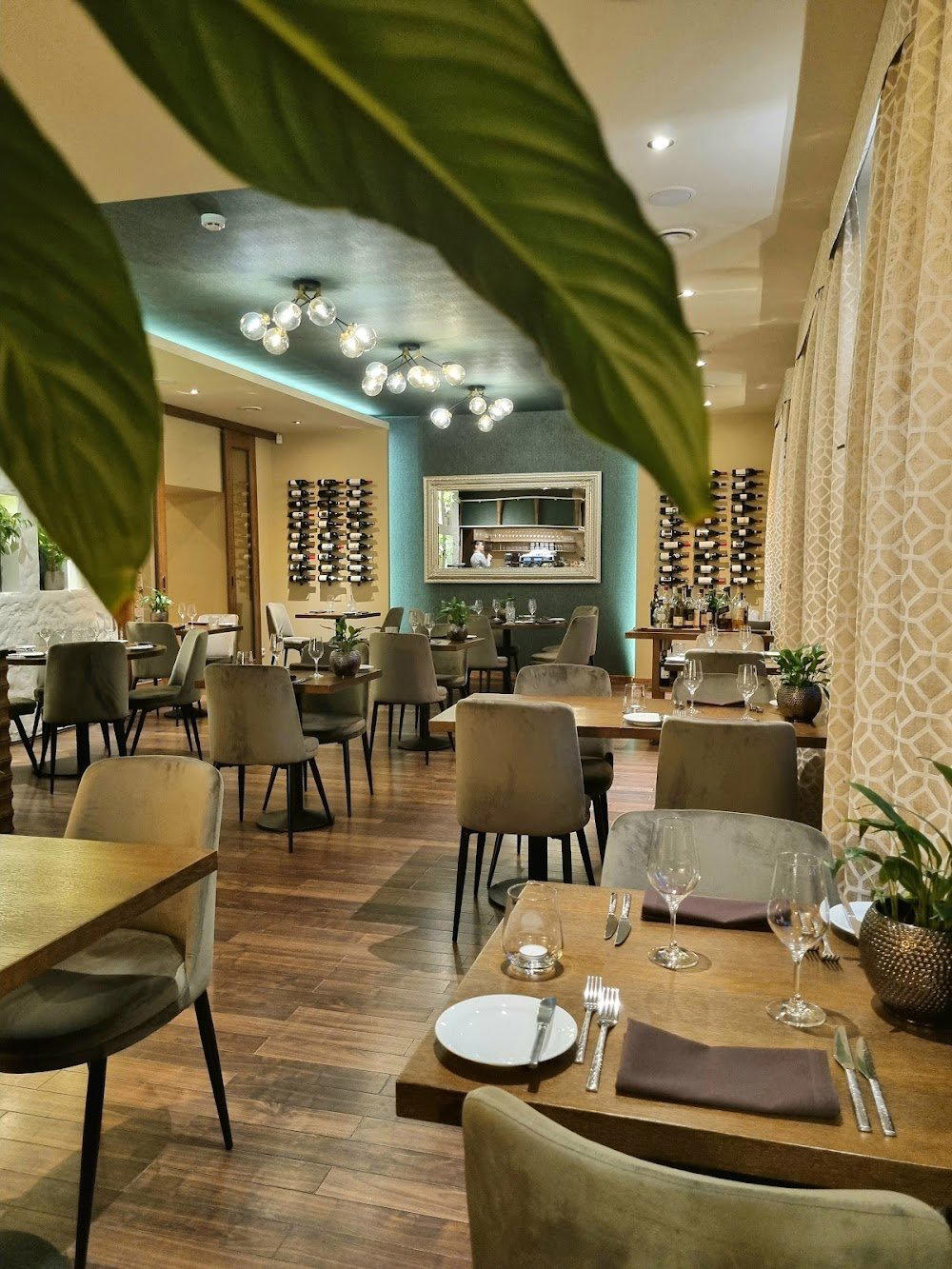
A Boulevard Address That Functions as a Regular's Anchor
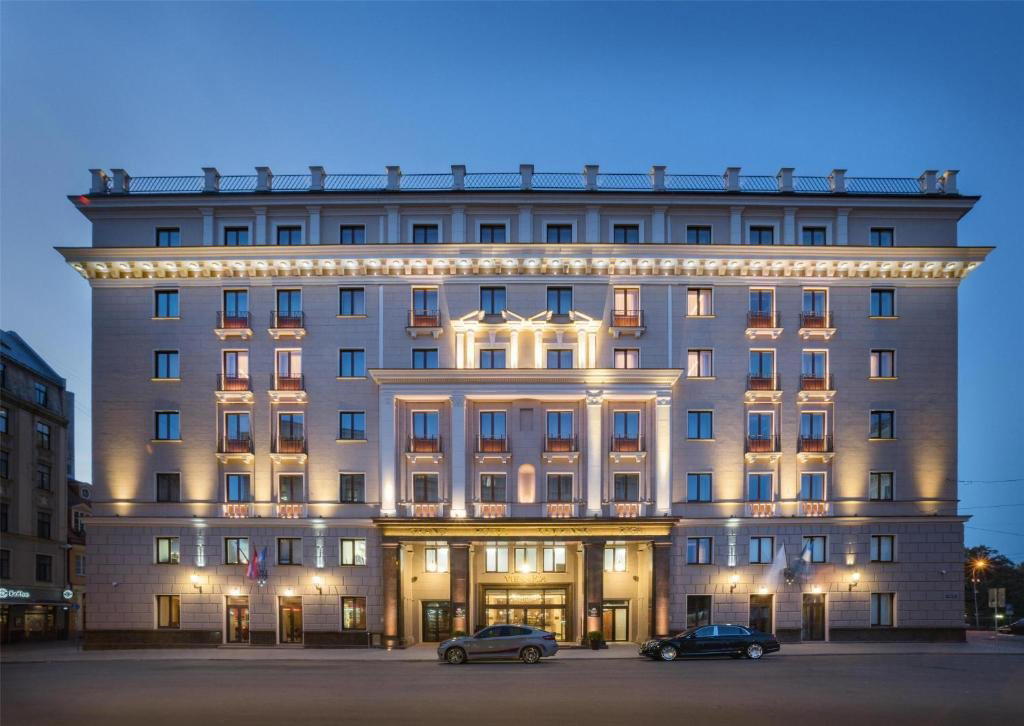
Raiņa bulvāris runs through the heart of Riga's Centra rajons with the quiet authority of a street that knows it doesn't need to advertise. The buildings along it are heavy with early twentieth-century civic confidence, and the restaurants that occupy their ground floors tend to inherit some of that gravity. Forest, at number 21, sits in this corridor as a considered participant in a block shaped by proximity to the National Opera and a steady professional clientele.
In cities where the dining scene is compact enough that regulars know each other by sight, the restaurant that holds a loyal midweek crowd is often more instructive than the one generating weekend hype. Forest appears to be that kind of place: its address and name suggest a deliberate aesthetic positioning, and the pull it maintains on returning guests says more about consistency than spectacle. Riga's restaurant scene has developed quickly over the past decade, with addresses like Max Cekot Kitchen in Rīga and Biblioteka Number One raising the technical floor. Forest occupies its own register within that progression.
What the Name Signals About the Room
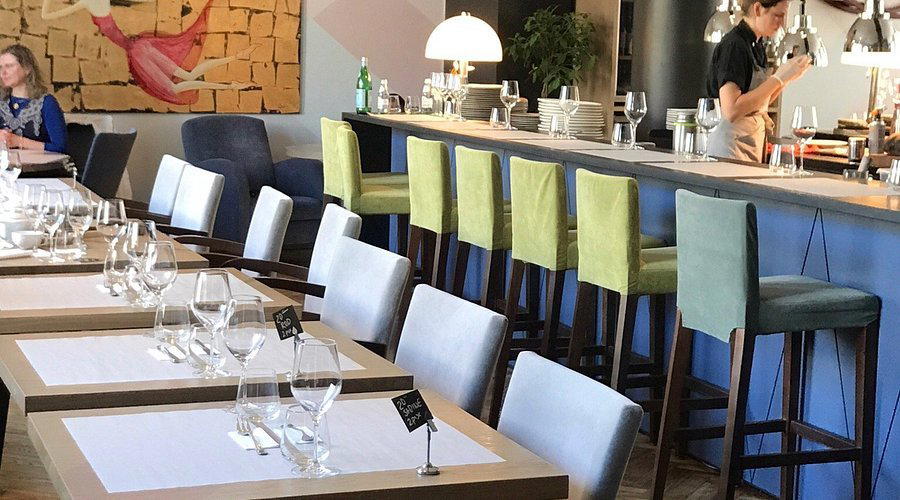
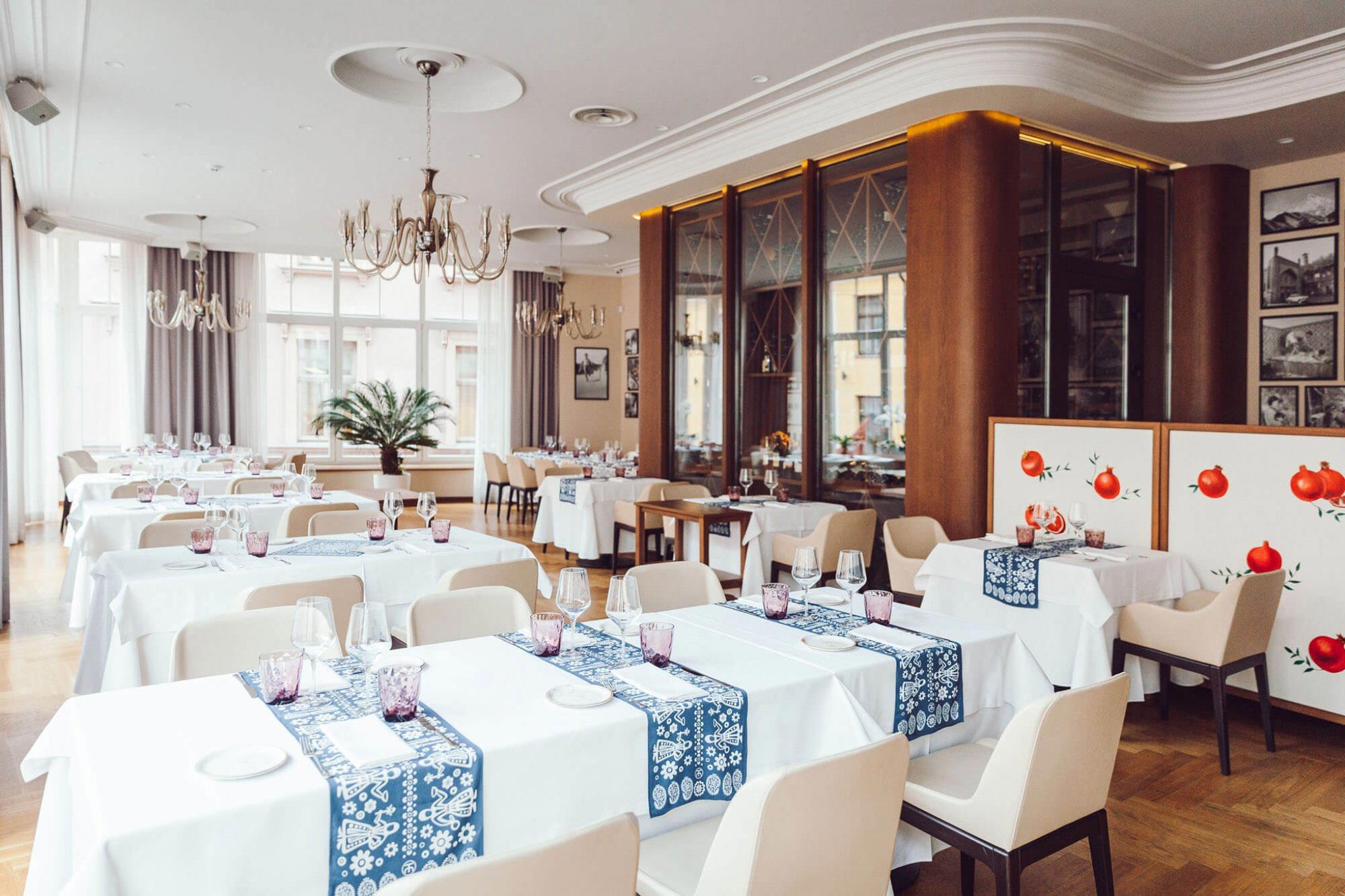
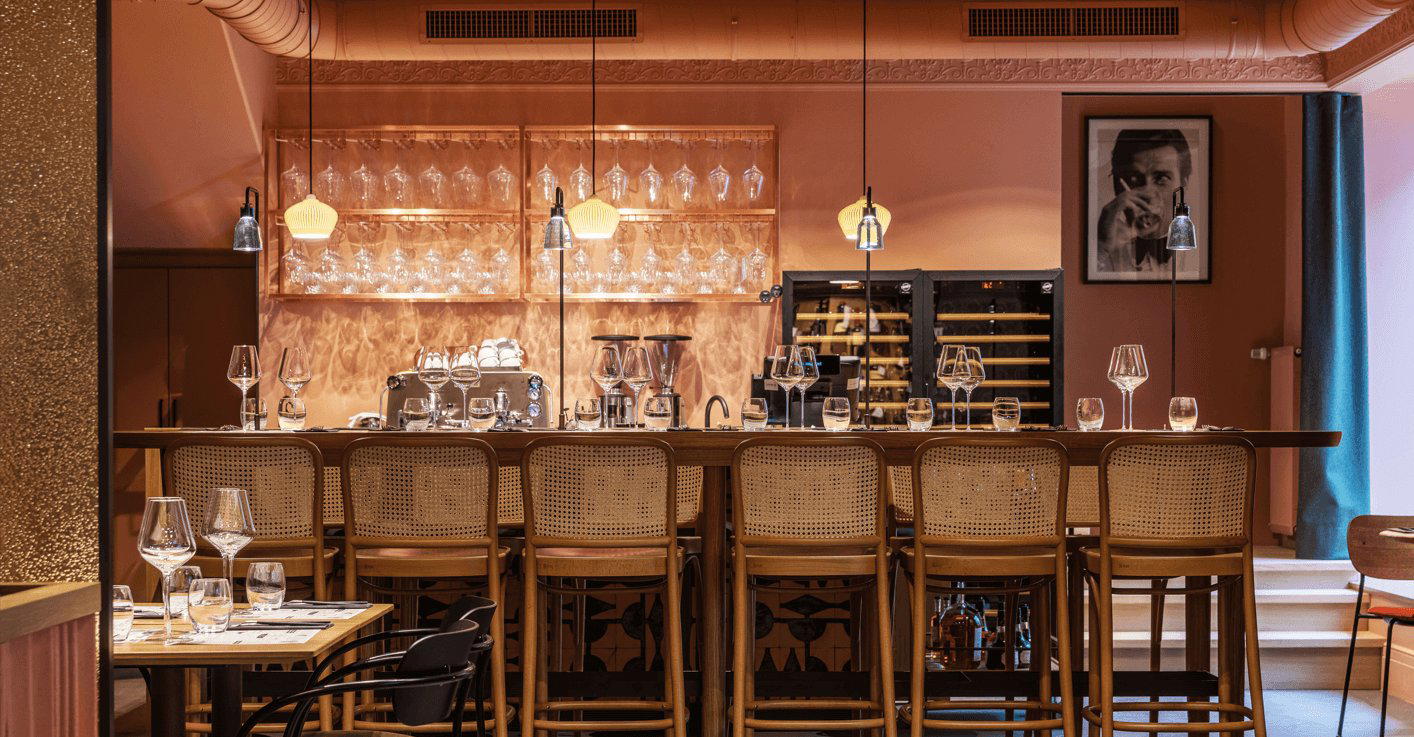
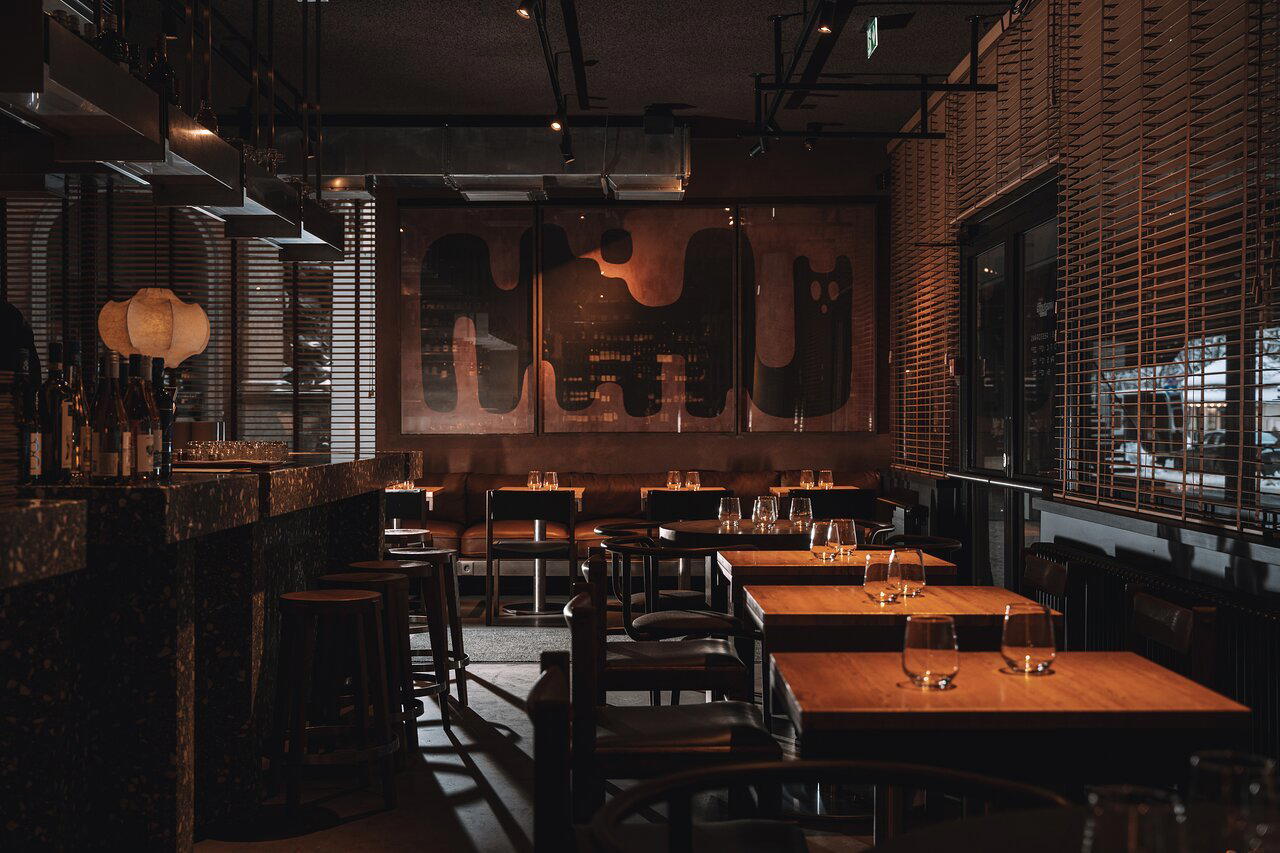
Restaurant names in this tier of the market are rarely accidental. Forest, on a grand central boulevard, positions itself as a counterpoint to its surroundings: organic materials over gilded heritage, quieter tones over the assertive palettes that characterise many of the city's hotel dining rooms. The approach is familiar across Northern European cities, where a certain school of interior thinking has moved away from maximalism toward rooms that absorb rather than perform. In Tallinn, Helsinki, and Vilnius, this register has become almost a category unto itself: the restaurant where the lighting is low enough that you stop checking your phone and start paying attention to the food.
That kind of room builds regulars. Not because the food is necessarily particularly technically ambitious in the city, but because the environment creates conditions for conversation, for return visits, for the kind of unhurried meal that doesn't exist at louder addresses. Alaverdi and BBQ both occupy different corners of Riga's dining scene, and Forest's atmospheric positioning sets it apart from both.
The Regular's Calculus: Why People Return
In any city with a functioning restaurant culture, the venues that sustain loyal clientele tend to share a few structural qualities. The menu moves, but not so frequently that regular guests lose their reference points. Service recognises faces without making a performance of it. The kitchen has enough discipline that the dish you ordered last time arrives as you remember it. These are not glamorous qualities, but they are the ones that matter to the person eating there on a Tuesday in November rather than a Saturday in June.
Riga's dining public is sophisticated enough to have developed these preferences. The city's proximity to Scandinavian markets, its strong tradition of seasonal produce from the Latvian countryside, and a generation of chefs trained across Europe have produced a dining culture where the bar for consistency has risen considerably. Restaurants in the wider region, from H.E. Vanadziņš in Cēsis to Pavāru māja in Līgatne, have demonstrated that serious cooking is not confined to the capital. Forest operates within this broader context, drawing on a city that now expects more from its restaurants than it did a decade ago.
The regulars at a place like this are not chasing novelty. They have likely eaten at 3 pavāru restorans and compared notes. They know about the weekend crowds that shift the atmosphere at some of Riga's more visible addresses. What they return to Forest for is the version of the evening that works on a quiet night: a room that doesn't feel half-empty when it's at sixty percent capacity, a menu that has internal logic, and a kitchen that doesn't drop its standard when the covers thin out.
Riga's Centra Rajons: The Neighbourhood Context
The Centra rajons is Riga's most densely layered dining district, and eating on or near Raiņa bulvāris puts a visitor within reach of the city's operational heart. The boulevard connects the Old Town fringe to the city park and canal zone, and the foot traffic it generates is cosmopolitan in a way that side streets are not. Diplomats, architects, academics from the university quarter, and hotel guests from the upper-tier properties nearby all circulate through this corridor. The restaurant that earns a loyal following here does so against real competition and a genuinely informed audience.
Compared to dining destinations further afield in Latvia, such as Light House Jūrmala in Jurmala or Goldingen Room in Kuldiga, a Centra rajons address carries the advantage of density: you are surrounded by competition, which is especially reliable mechanism for keeping a kitchen honest. Forest's position on this boulevard is not incidental. It places the restaurant in direct comparison with everything the neighbourhood can offer, and the fact that it maintains a returning clientele suggests it holds up under that pressure. Internationally, restaurants that occupy this loyal-regular niche in comparably sized European capitals, like certain Paris bistros or the mid-tier serious rooms in Lisbon, have often proven more enduring than their more celebrated neighbours. Closer to the EP Club's global coverage, the regulars-first model is visible at venues as different as Le Bernardin in New York City and Lazy Bear in San Francisco, though at a different scale entirely.
Planning a Visit
Forest is located at Raiņa bulvāris 21 in Riga's Centra rajons, within comfortable walking distance of the Old Town and the city's main hotel cluster. For those travelling from elsewhere in Latvia, Akustika in Valmiera, MO in Liepaja, Albatross in Engure, Nurmuiža Restaurant in Lauciene, and ZOLTNERS in Tērvete represent the broader regional scene worth knowing before arriving in the capital. Forest is recommended for reservations and is open daily from 12 to 11 PM. Our full Riga restaurants guide provides broader context for planning a longer stay in the city. For a quick, more casual option nearby, BOO The Burger represents a different end of the Riga dining spectrum.
Cuisine and Awards Snapshot
Comparable venues nearby, for context on price, style, and recognition.
| Venue | Cuisine | Price | Notes |
|---|---|---|---|
| ForestThis venue — the venue you are viewing | Contemporary Latvian Forest Cuisine | $$$ | Not listed |
| Biblioteka Number One | Modern Latvian | $$$ | Centrs |
| Senas Tradicijas | Traditional Russian & Eastern European | $$ | Vecpilsēta |
| Alaverdi | Authentic Georgian | $$ | Vecpilsēta |
| Cloud Nine | Fusion Bar Snacks | $$$ | Centrs |
| 3 pavaru restorans | Contemporary Latvian Fine Dining | $$$$ | Vecpilsēta |
At a Glance
- Cozy
- Elegant
- Date Night
- Special Occasion
- Local Sourcing
Current opening hours
- Monday
- 12–11 PM
- Tuesday
- 12–11 PM
- Wednesday
- 12–11 PM
- Thursday
- 12–11 PM
- Friday
- 12–11 PM
- Saturday
- 12–11 PM
- Sunday
- 12–11 PM
Hours can change for holidays and private events. Last verified .
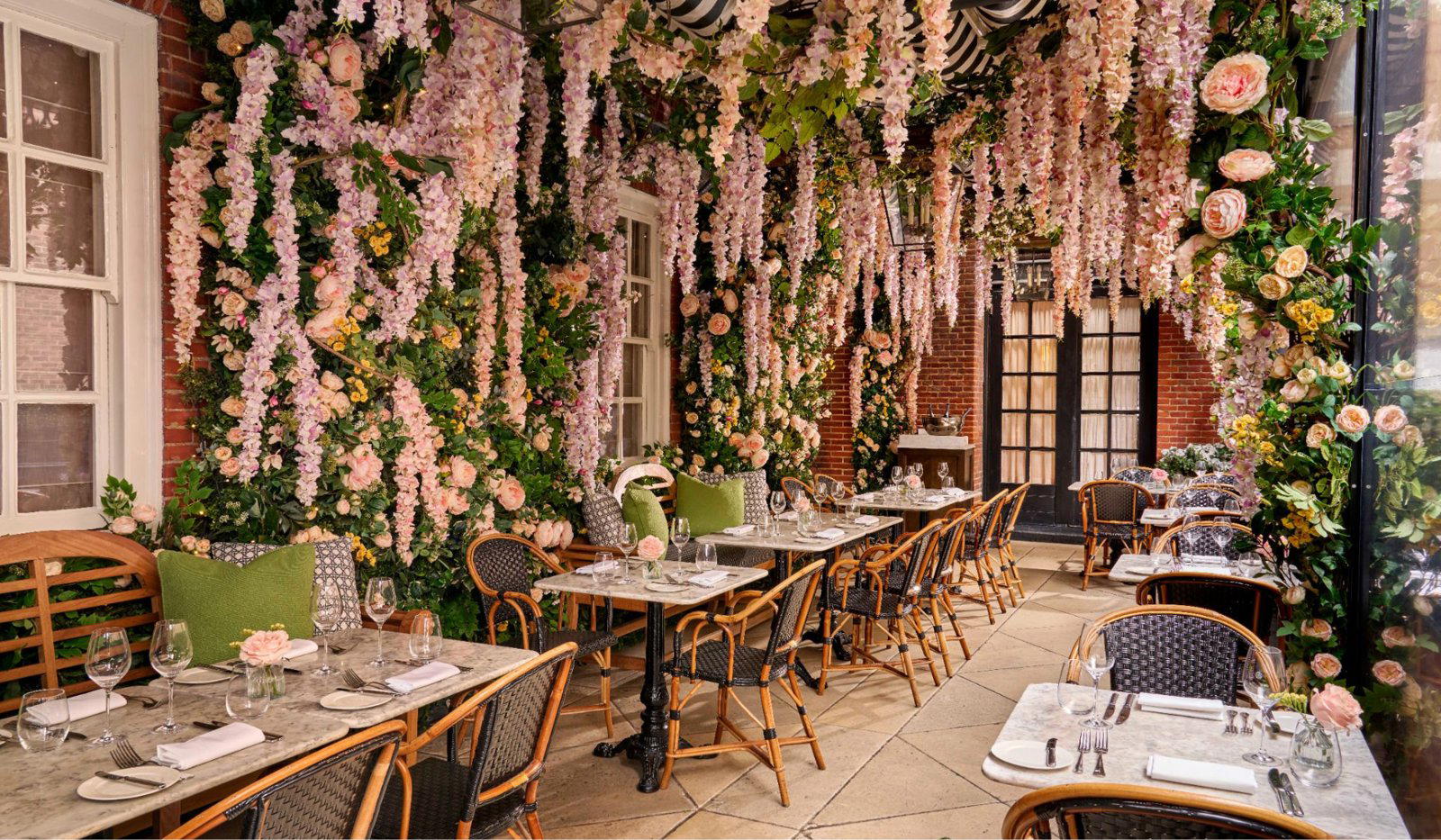
Cozy and welcoming atmosphere in the heart of Riga, inspired by seasonal fields and forests.