Brassa Restaurant
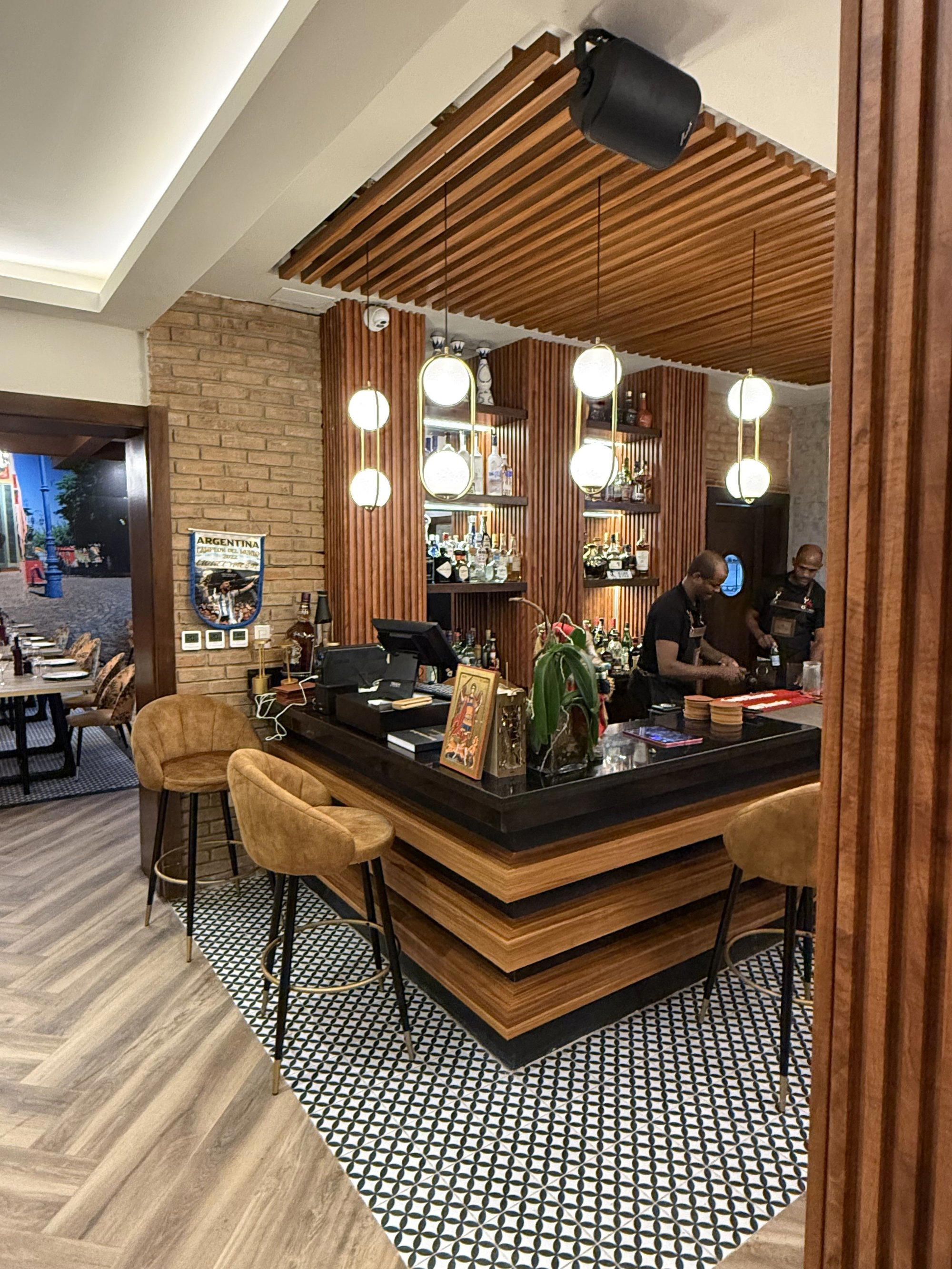
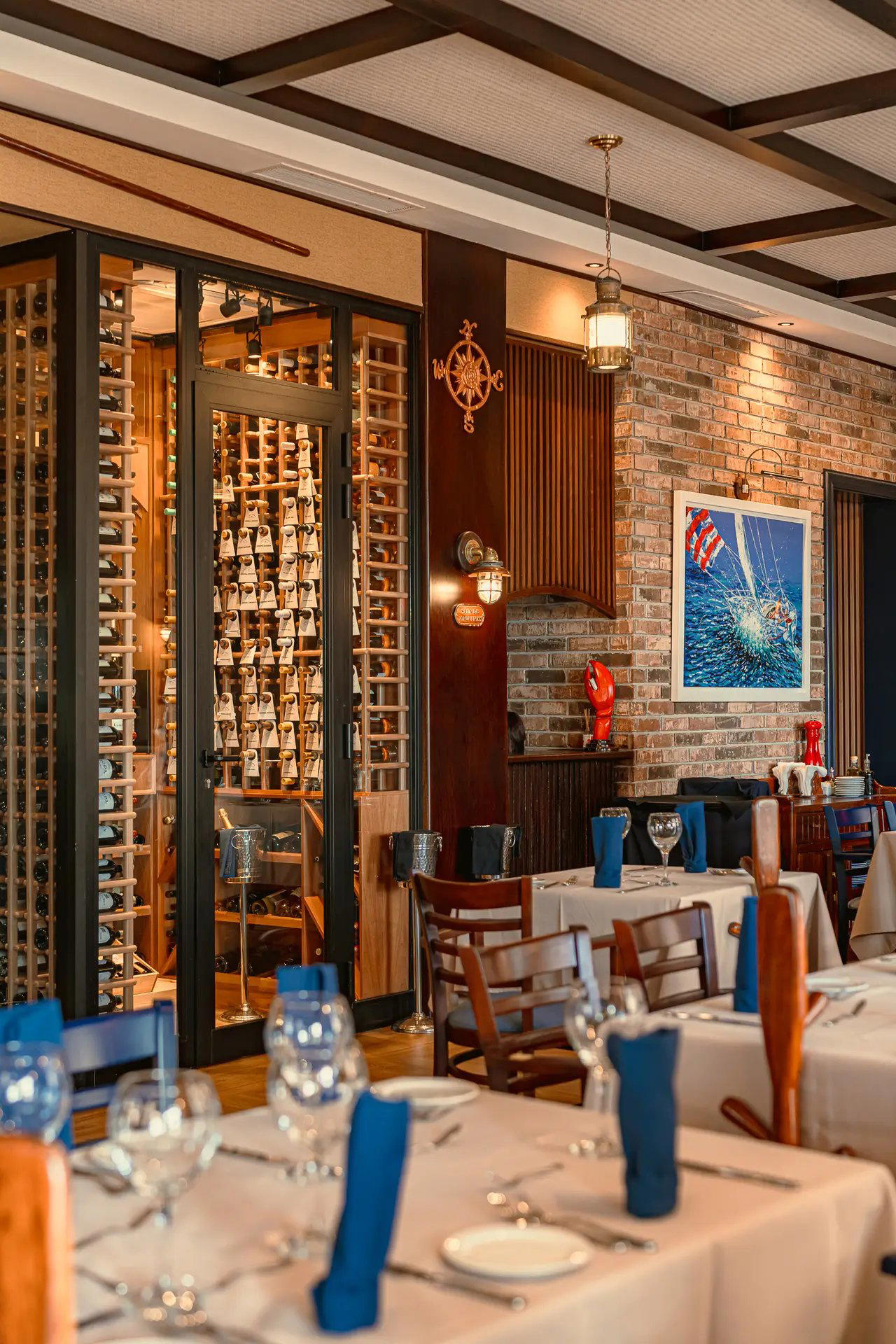
Brassa Restaurant at The Westin At Puntacana Resort & Club pairs an open kitchen and private dining with a sommelier-led wine list, craft cocktails, and local sourcing for dinner.
Pearl is the En Primeur Club membership app — saves, bookings, and concierge access live there. Same editors, same standards.
- Address
- The Westin At Puntacana Resort & Club, Punta Cana 23300, Dominican Republic
- Phone
- +18099592222
- Website
- puntacana.com
- Directions
- Get directions
 Saves & bookings on Pearl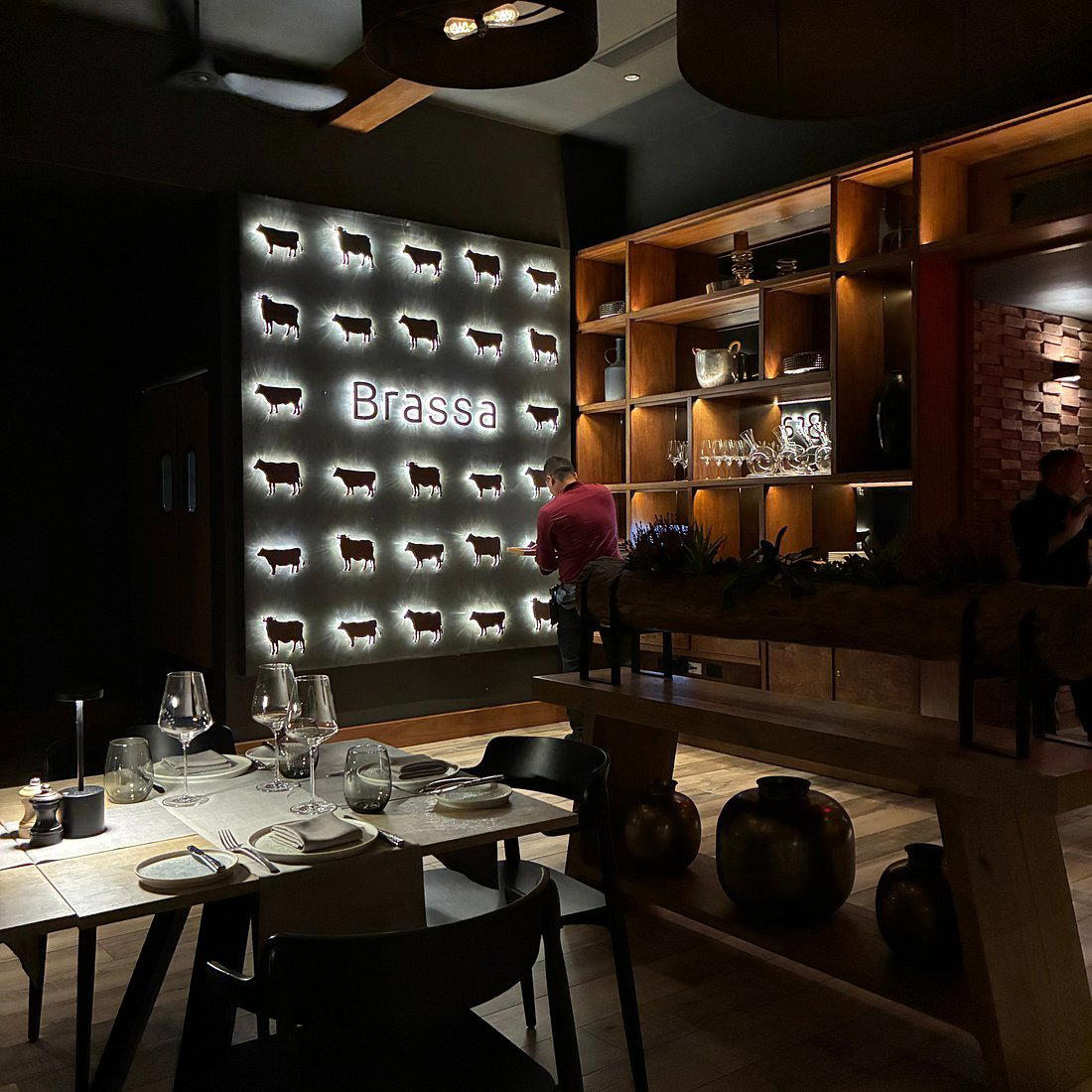
A Brasserie Inside Punta Cana's Resort Belt
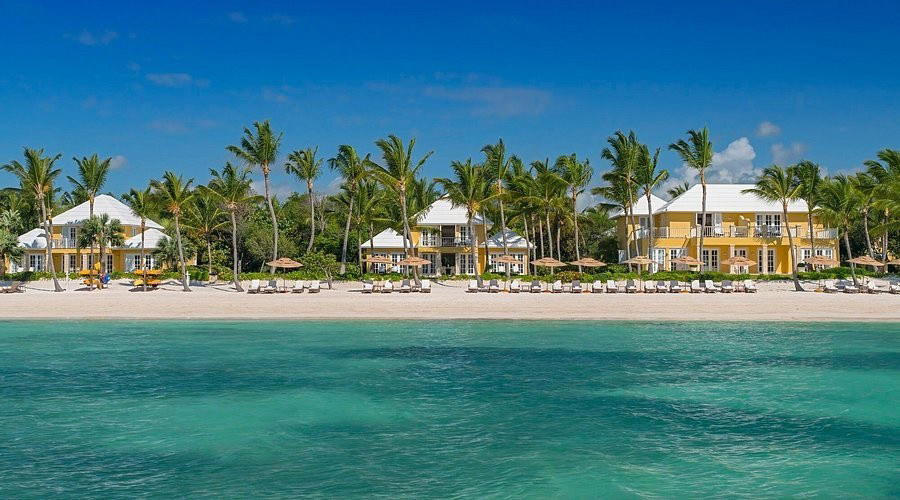
The Westin at Puntacana Resort and Club sits at the eastern edge of the Dominican Republic's most developed coastal corridor, where the resort density thins out toward private residential communities and golf courses. Within that compound, Brassa Restaurant occupies the hotel dining position that most large international properties assign to their signature all-day concept: a space designed to handle breakfast crowds, hold its own at dinner, and read as polished enough that guests never feel they are settling for convenience. That is a structural challenge most resort restaurants fail quietly. The question worth asking about any brasserie in this tier is not whether it exists to serve captive guests, but whether its menu architecture signals any ambition beyond that baseline.
What the Menu Format Reveals
The brasserie format itself carries editorial weight. Unlike the steakhouse model favored by several Punta Cana resorts, a brasserie construction allows the kitchen to range across protein types, cooking methods, and price points within a single sitting. It is the format that Pat'e Palo European Brasserie in Santo Domingo uses to anchor its position as one of the Dominican capital's more complete dining rooms. When deployed well, the model lets a restaurant read differently to a couple ordering from the lighter end of the card and to a table running through a full progression. The danger, in resort contexts especially, is that the format becomes a catch-all without a clear identity: too many cuisines, no strong editorial point of view, a menu that satisfies without persuading.
Resort brasseries in the Caribbean that do hold a distinct identity tend to do so through one of two strategies: a strong regional sourcing narrative that connects the menu to local agriculture and fishing communities, or a technical focus on a specific cooking tradition (wood fire, cure and age, classical French reduction) that gives the kitchen a recognizable signature. Properties like Drago Grill Capcana and Bamboo at Tortuga Bay have each staked out positions in the Punta Cana dining scene through format discipline.
The Resort Context and Its Competitive Weight
Punta Cana's dining scene has developed in tiers over the past decade. At the upper end sit standalone restaurants and private club venues that draw both resort guests and regional visitors: Cielo Beach Club and Casa Costa represent formats that have moved beyond the resort-dependent model. The middle tier is occupied by hotel restaurants at four- and five-star properties, where the Westin competes. In this tier, the dining room is expected to function across dayparts, serve international guests with varied expectations, and deliver consistency at a price point that reflects the room rate without requiring a separate reservations decision. That is a different operating logic than you find at destination restaurants like Bao Restaurant, and it shapes everything from kitchen staffing to menu depth.
For comparison, the Dominican Republic's most discussed hotel restaurants outside of Punta Cana, including Playa Blanca Restaurant in Higuey and Aguají in Sosua, have built reputations by solving specific culinary problems for their local dining communities. The trajectory for a hotel restaurant like Brassa depends on whether it is being managed toward that kind of local relevance or primarily toward guest satisfaction scores. The two goals are not incompatible, but they require different menu and staffing decisions.
Placing Brassa in a Global Hotel Dining Framework
The hotel-restaurant relationship has been renegotiated at the top of the market over the past fifteen years. Properties like Eden Roc Cap Cana in the Dominican Republic have used their dining programs to define the guest experience rather than merely support it. At the international level, the benchmark conversations now include rooms with the gravity of Le Bernardin in New York City or the conceptual precision of Atomix in New York City, where the dining room is the primary reason for the visit. That is a different category entirely, but it sets the frame within which hotel dining ambition is evaluated. Further down the scale, in the mid-luxury resort tier that the Westin occupies, the reference points are more proximate: does the restaurant give guests a reason to stay on property for dinner, or does it send them looking for alternatives?
Restaurants at properties like Casa Grande in Rio San Juan demonstrate that Dominican Republic hotel dining can carry genuine culinary specificity when the format is tight and the sourcing is intentional. That is the standard against which Brassa would be measured by a guest arriving with any dining literacy.
Planning Your Visit
Brassa Restaurant is located within the Westin at Puntacana Resort and Club at the Punta Cana address, placing it inside the private resort compound rather than on the public-facing restaurant strip. Access is most direct for in-house guests; visitors arriving from outside the resort should confirm access arrangements directly with the hotel before making the trip. The brasserie format typically supports both walk-in and reserved sittings across multiple dayparts, though specific hours, booking procedures, and pricing are leading verified with the property, as those details are subject to seasonal adjustment. For guests building a broader dining itinerary across the region, our full Punta Cana restaurants guide maps the options across all price tiers and formats.
- Short Rib
- Chilean Seabass
- Rack of Lamb
- Filet Mignon
- Cauliflower Steak
- Churrasco
Continue exploring
More in Punta Cana
Restaurants in Punta Cana
Browse all →
Bars in Punta Cana
Browse all →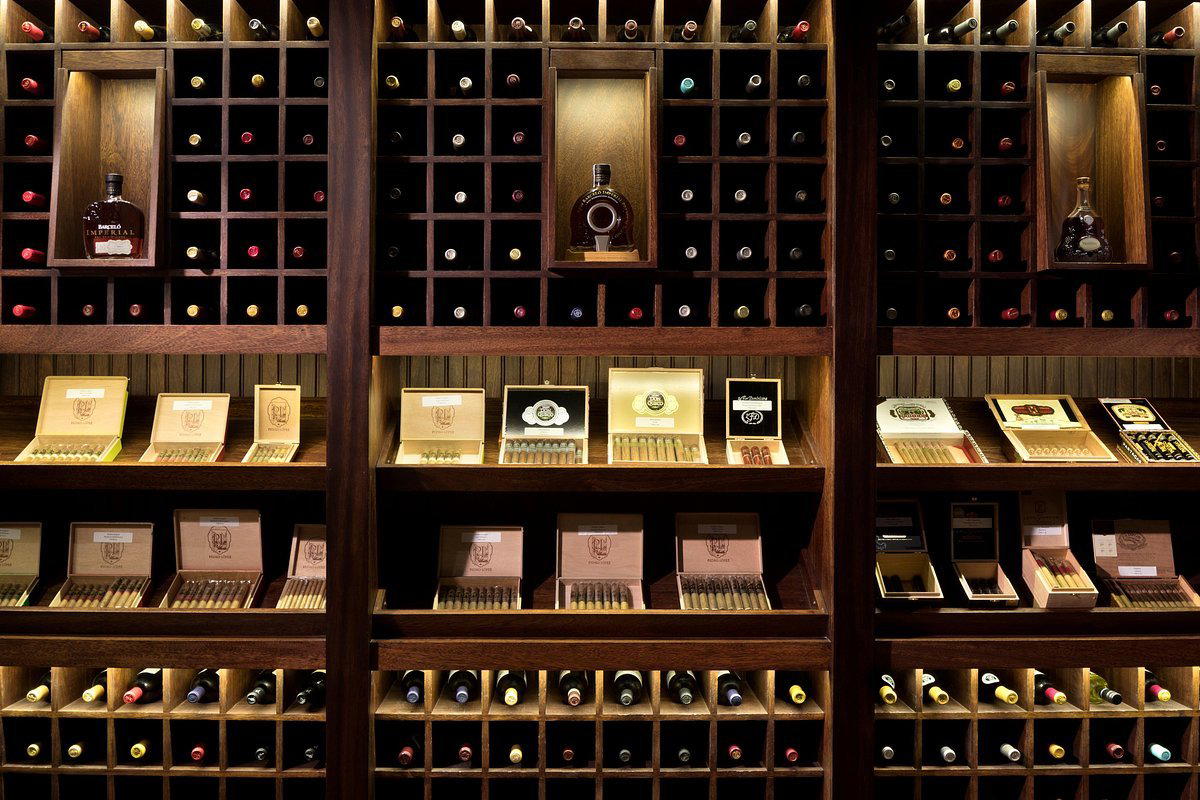
At a Glance
- Elegant
- Sophisticated
- Romantic
- Modern
- Lively
- Date Night
- Celebration
- Special Occasion
- Group Dining
- Hotel Restaurant
- Open Kitchen
- Private Dining
- Extensive Wine List
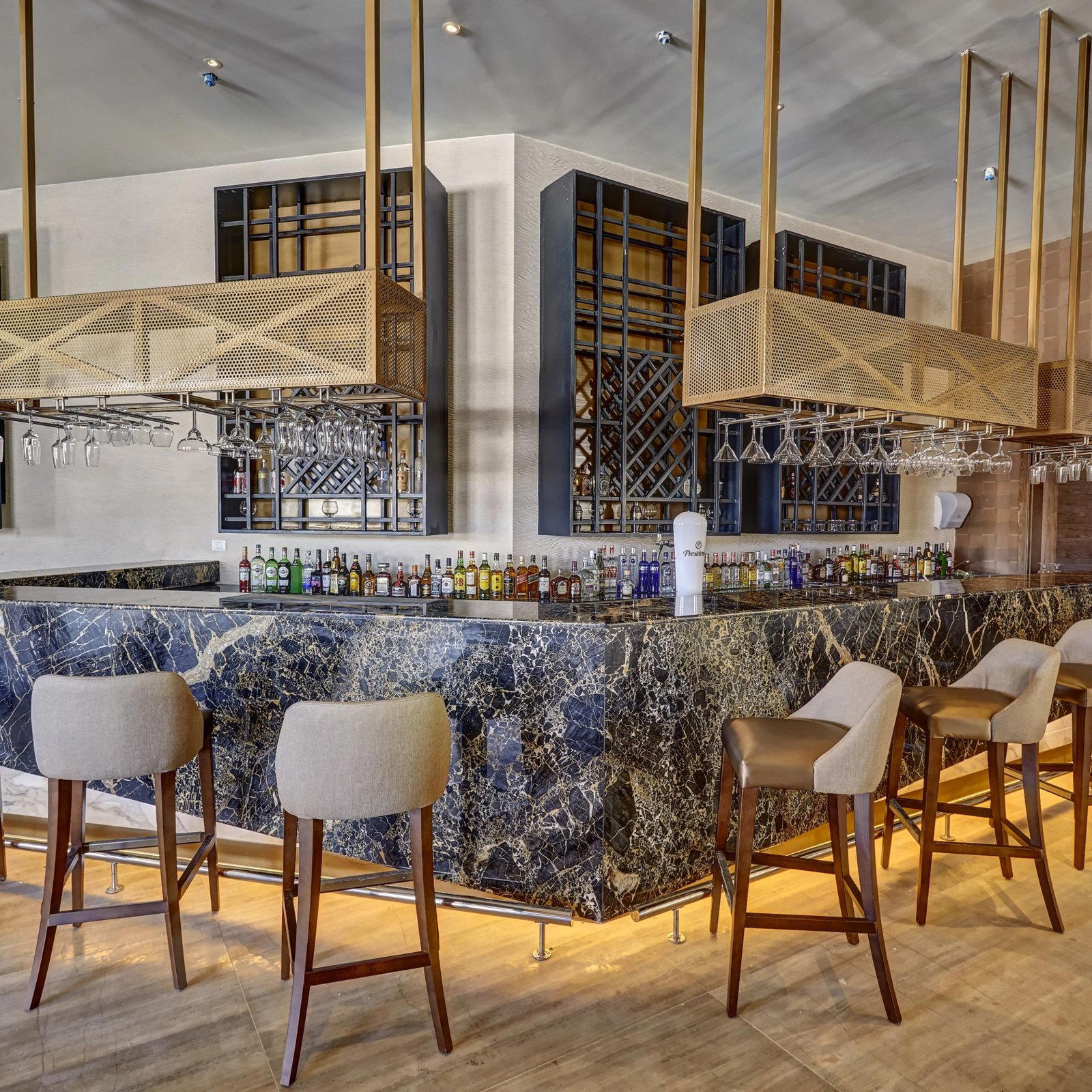
- Craft Cocktails
- Sommelier Led
- Local Sourcing
Current opening hours
- Monday
- Closed
- Tuesday
- Closed
- Wednesday
- 6–10:30 PM
- Thursday
- 6–10:30 PM
- Friday
- 6–10:30 PM
- Saturday
- 6–10:30 PM
- Sunday
- 6–10:30 PM
Hours can change for holidays and private events. Last verified .
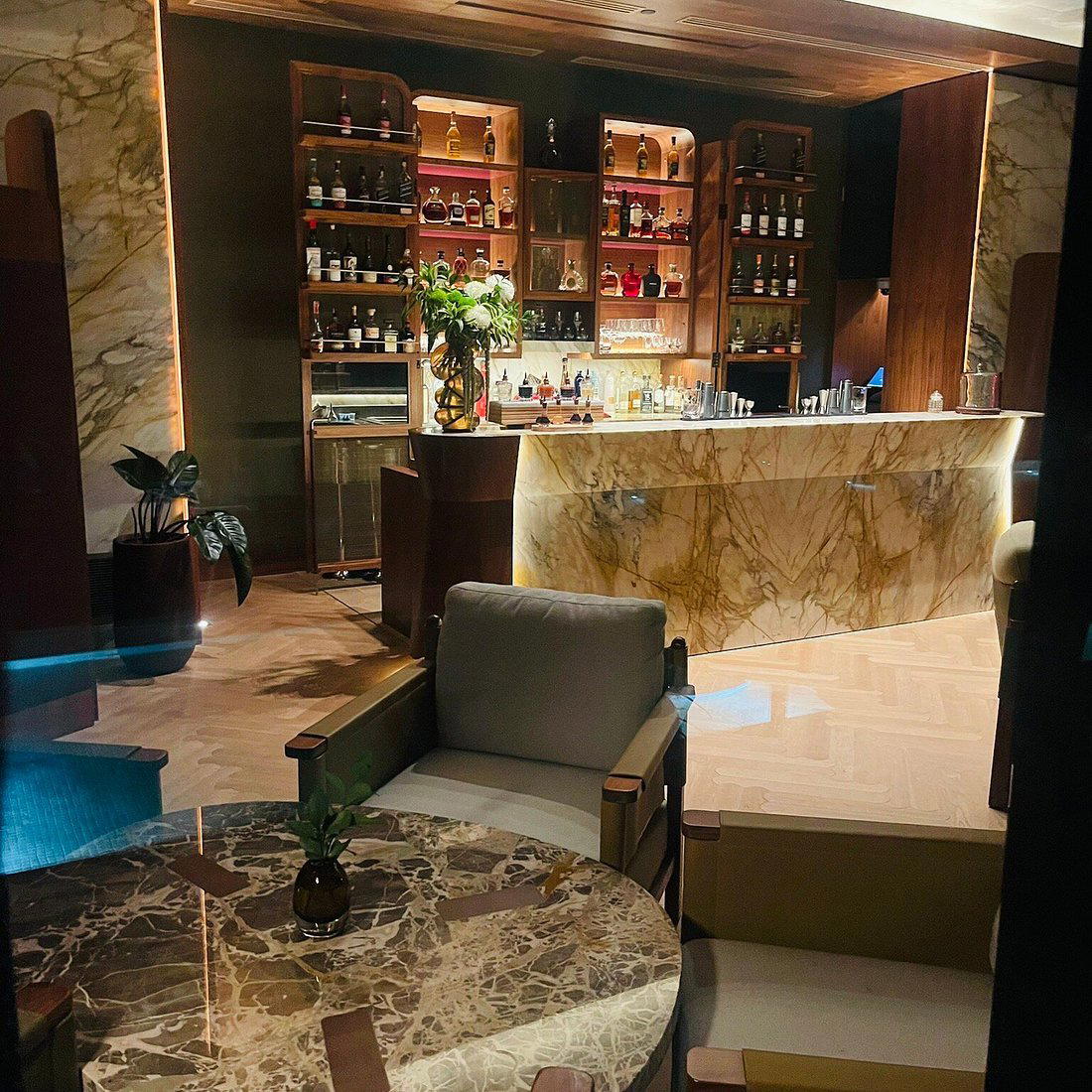
Intimate yet lively atmosphere with dim lighting and sophisticated dark-toned decor, energized by music from an adjacent bar area.
Know Before You Go
- Getting there
- The Westin At Puntacana Resort & Club, Punta Cana 23300, Dominican Republic