Bamboo at Tortuga Bay

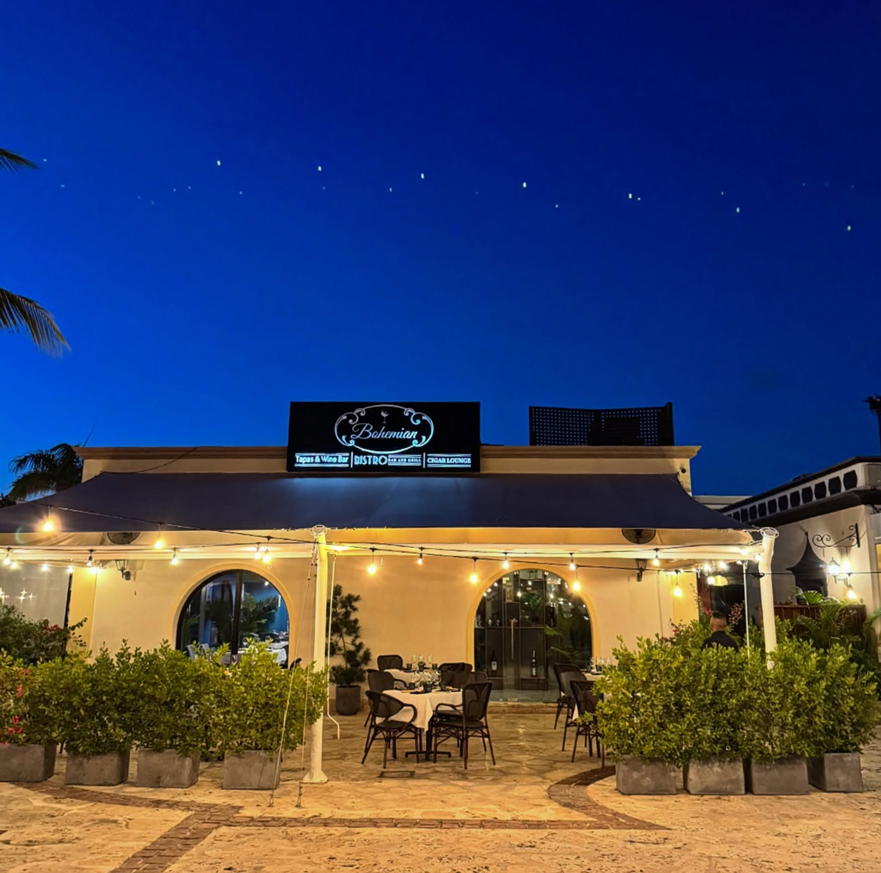
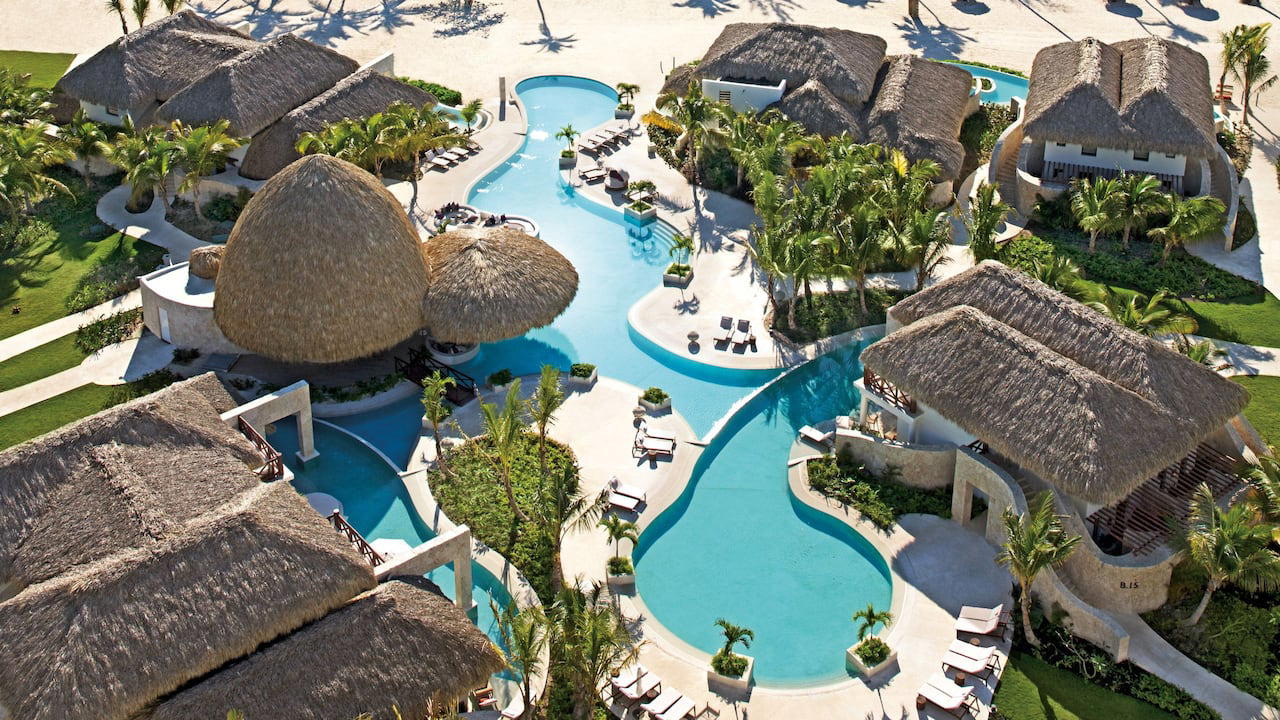
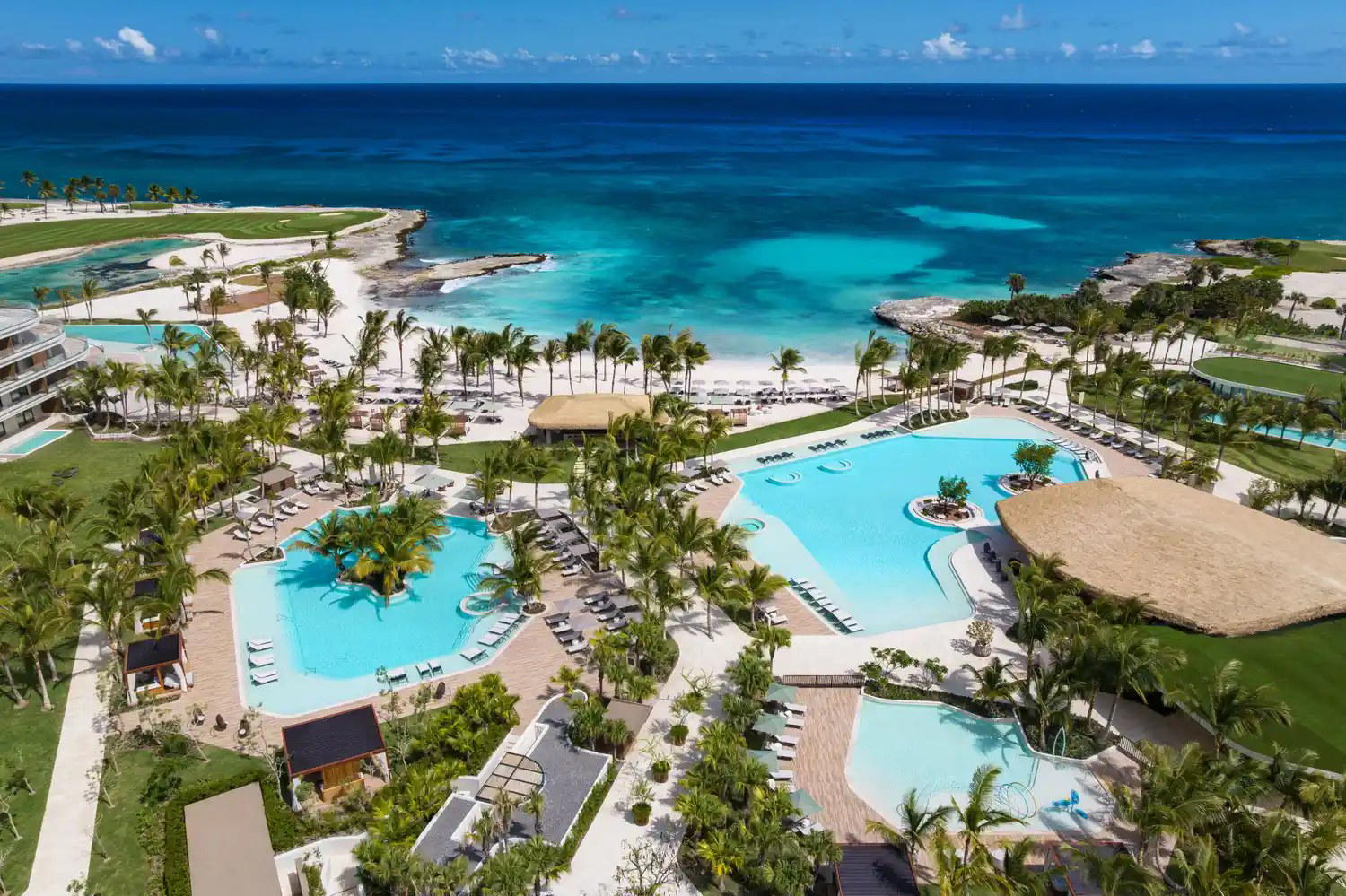
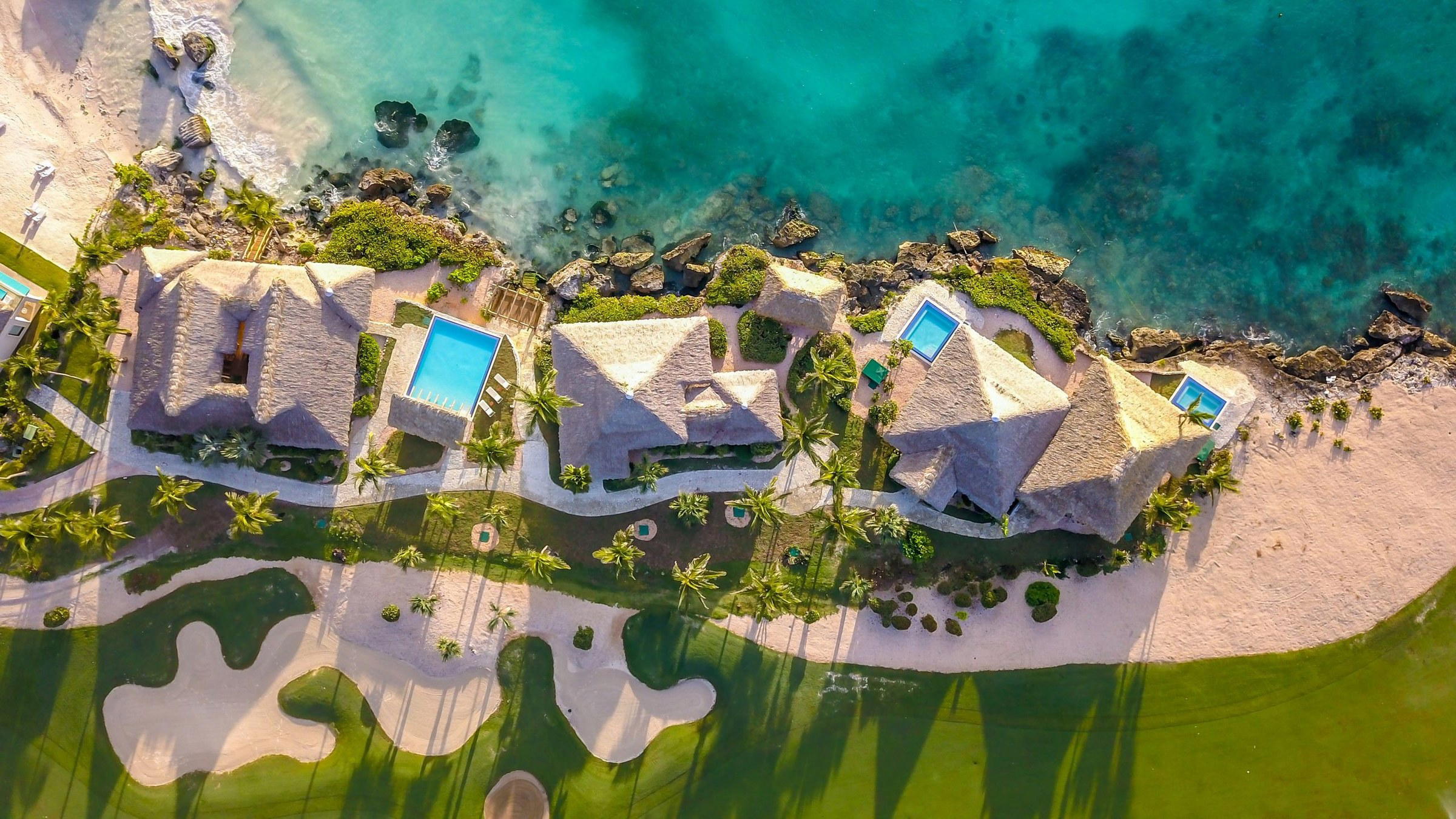
Bamboo at Tortuga Bay sits within one of Punta Cana's most closely guarded resort enclaves, offering a dining ritual shaped by the Caribbean's coastal rhythms. The setting channels the unhurried pace that defines Tortuga Bay's broader identity, positioning it within a narrow tier of resort dining in the Dominican Republic where atmosphere and occasion carry as much weight as the plate.
Pearl is the En Primeur Club membership app — saves, bookings, and concierge access live there. Same editors, same standards.
- Address
- GJ8J+R7P, Punta Cana 23000, Dominican Republic
- Phone
- +18099592269
- Directions
- Get directions
 Saves & bookings on Pearl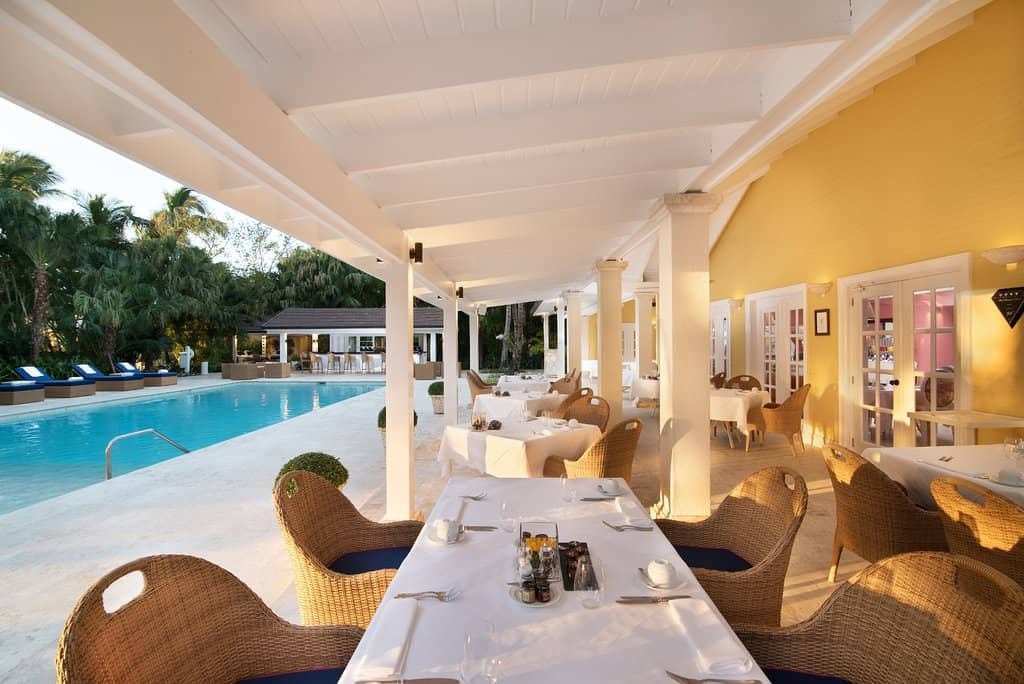
Where the Pace of the Meal Is the Point
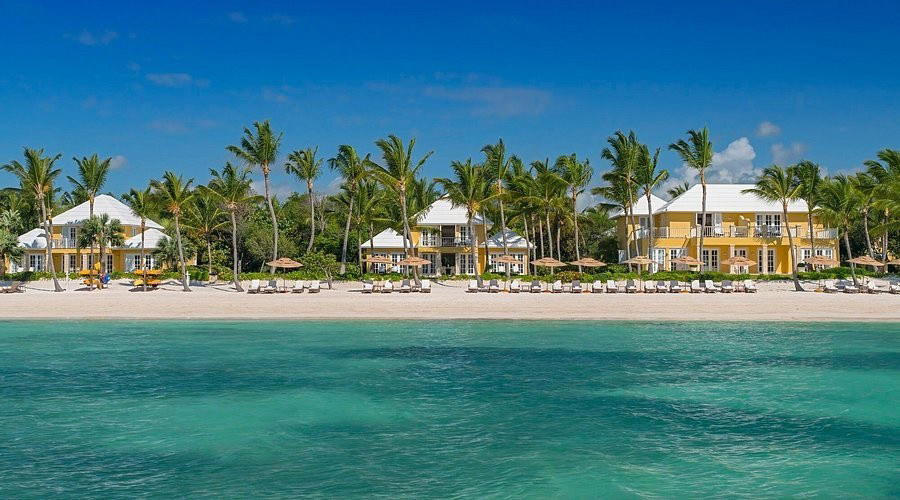
There is a category of resort dining in the Caribbean where the room does most of the talking. Bamboo at Tortuga Bay operates in that register. The property it belongs to, Tortuga Bay in Punta Cana, is a Punta Cana Resort and Club address with a reputation built on low-density exclusivity: limited villas, private beach access, and a deliberate separation from the all-inclusive corridor that defines most of Punta Cana's hospitality market. Bamboo is where that ethos translates to the table. The approach to arrival matters here. Guests do not walk into Bamboo the way they walk into a standalone restaurant on Calle El Cortecito. The ritual begins earlier, embedded in the broader choreography of the resort day.
That kind of embedded dining has a specific logic. Unlike restaurants that earn their place through street-level foot traffic, the dining rooms attached to small-footprint luxury properties in the Caribbean derive their authority from continuity: the same guests over multiple evenings, a kitchen that can read repeat expectations, and a pace calibrated to the resort's overall rhythm rather than to table-turn efficiency.
The Dining Ritual at Bamboo
The structure of a meal at a resort restaurant of this type tends to follow a particular grammar. There is a deliberate decompression arc: arrival at a table with sightlines that reinforce the sense of remove, an unhurried opening round, and a kitchen pacing that does not rush toward a final course. Dominican resort dining at the upper tier has absorbed some of this international luxury hotel sensibility while retaining a coastal looseness that prevents it from feeling overly formal. The two coexist in restaurants like Bamboo, where the setting insists on relaxation but the service register signals attentiveness.
Caribbean cuisine at this level occupies a contested middle ground. The strongest resort kitchens in the region use local seafood and produce to anchor menus that would otherwise drift toward an anonymous international luxury idiom. The Dominican Republic offers real material to work with: fresh catches from both the Atlantic coast and the Caribbean, tropical fruit with actual acidity and depth, and a culinary tradition that draws from West African, Taino, and Spanish foundations. How a resort kitchen engages with that tradition determines whether a meal feels like it belongs to the island or could have happened anywhere in the tropics. Within Punta Cana's dining circuit, this distinction separates properties worth seeking out from those that are merely comfortable. For a broader sense of how Punta Cana's dining options are distributed across these different registers, the full Punta Cana restaurants guide maps the competitive field in detail.
How Bamboo Sits Within Punta Cana's Dining Tiers
Punta Cana's restaurant scene has developed unevenly. The bulk of the market is all-inclusive buffet dining attached to large beach resorts. Above that sits a tier of standalone á-la-carte restaurants, some with genuine culinary ambition, accessible to both hotel guests and outside visitors. Bamboo occupies a narrower tier still: a resort-exclusive or near-exclusive dining room attached to a property that positions itself as a counter to the mass-market model. Comparison venues in the Punta Cana orbit, including Bao Restaurant, Brassa Restaurant, and Drago Grill Capcana, operate with more street-facing accessibility and draw a mixed guest-and-local clientele. Bamboo's context is more insular by design, which changes both the expectations a diner brings and the criteria against which the kitchen should be assessed.
Across the Dominican Republic, the restaurants that sustain serious critical attention tend to be those with a clear point of view on the local larder. Pat'e Palo European Brasserie in Santo Domingo holds one of the oldest reputations in the country's fine-dining circuit, and it earns that position partly through longevity and partly through a consistent engagement with both European technique and Caribbean context. Aguají in Sosua and Playa Blanca Restaurant in Higuey represent the regional, less resort-dependent end of the spectrum. Bamboo, positioned within Tortuga Bay's enclave, works from a different set of constraints and advantages than either of those comparisons: more control over the guest experience, fewer walk-ins to calibrate for, and the ability to pace service according to resort logic rather than restaurant logic.
Planning a Visit: What the Context Suggests
Access to Bamboo at Tortuga Bay is tied to the property itself. Tortuga Bay operates as a standalone luxury offering within the Punta Cana Resort and Club complex, and the dining rooms on the property serve a guest population that is already self-selected for a certain price tolerance and a preference for lower-density experiences. Visitors planning a meal here are therefore planning around the stay, not the other way around. This is consistent with how comparable small-luxury properties operate across the Caribbean: the dining room is an extension of the accommodation offer rather than an independent draw. For diners who are building a broader Dominican Republic itinerary and want to compare across hospitality formats, Casa Grande in Rio San Juan and Casa Costa represent contrasting approaches to the same coastal-luxury sensibility. For a beach-club experience alongside dining, Cielo Beach Club sits within the same geographic radius with a different format logic entirely.
On a wider comparative axis, the dining ritual at a property like Tortuga Bay invites comparison with resort-embedded restaurants internationally, from the deliberate pacing at destination hotels in Southeast Asia to the farm-to-table ethos that shapes properties in wine country California. The difference in the Caribbean context is that the natural environment does a great deal of the atmospheric work that, at venues like Lazy Bear in San Francisco or Atomix in New York City, must be engineered through interior design and kitchen theater. The trade-off is that a Caribbean resort kitchen operating without those external pressures must find its own internal standards to hold itself to.
The Broader Scene This Fits Into
Punta Cana's upper-tier dining circuit is still developing toward the kind of independent critical infrastructure that cities like Santo Domingo or, internationally, markets like New Orleans (where Emeril's helped establish a durable fine-dining identity) have had for decades. Resort-embedded restaurants in Punta Cana carry a disproportionate share of the scene's formal dining capacity precisely because the standalone restaurant sector is thinner here than in more urbanized markets. That gives places like Bamboo an outsized role in shaping what a visitor's experience of dining in the region actually feels like, even when they operate within a hermetically controlled resort environment. The question for any guest is whether the kitchen meets the moment the setting promises.
Recognition history
Dated appearances from independent guides and award organizations, with the underlying list record or original source where available.
Macarfi 8.2 Food Rating
Macarfi
Continue exploring
More in Punta Cana
Restaurants in Punta Cana
Browse all →

Bars in Punta Cana
Browse all →
At a Glance
- Elegant
- Cozy
- Sophisticated
- Scenic
- Special Occasion
- Date Night
- Celebration
- Hotel Restaurant
- Terrace
- Extensive Wine List
- Organic
- Local Sourcing
- Garden
Current opening hours
- Monday
- 12–4 PM, 7–11 PM
- Tuesday
- 12–4 PM, 7–11 PM
- Wednesday
- 12–4 PM, 7–11 PM
- Thursday
- 12–4 PM, 7–11 PM
- Friday
- 12–4 PM, 7–11 PM
- Saturday
- 12–4 PM, 7–11 PM
- Sunday
- 12–4 PM, 7–11 PM
Hours can change for holidays and private events. Last verified .
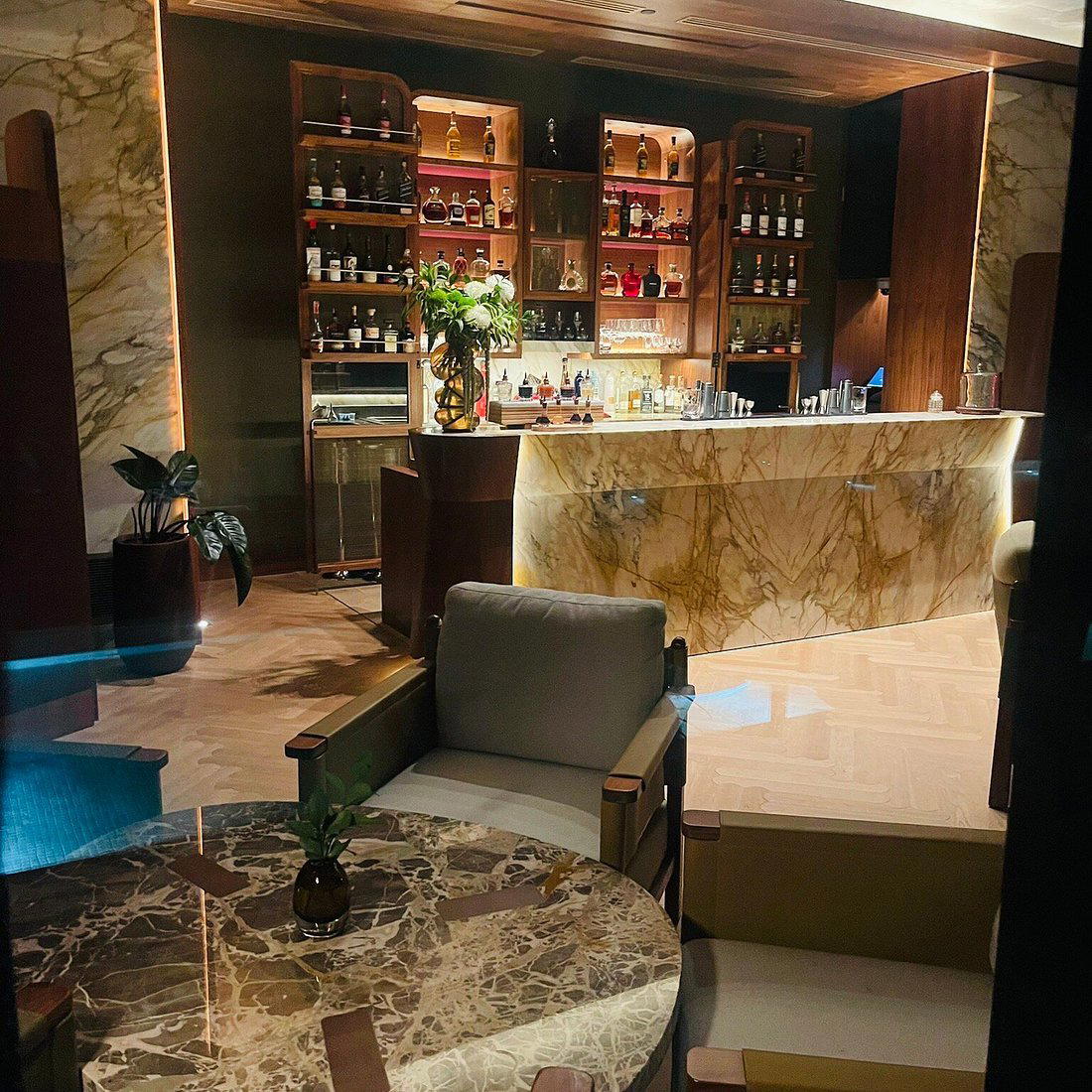
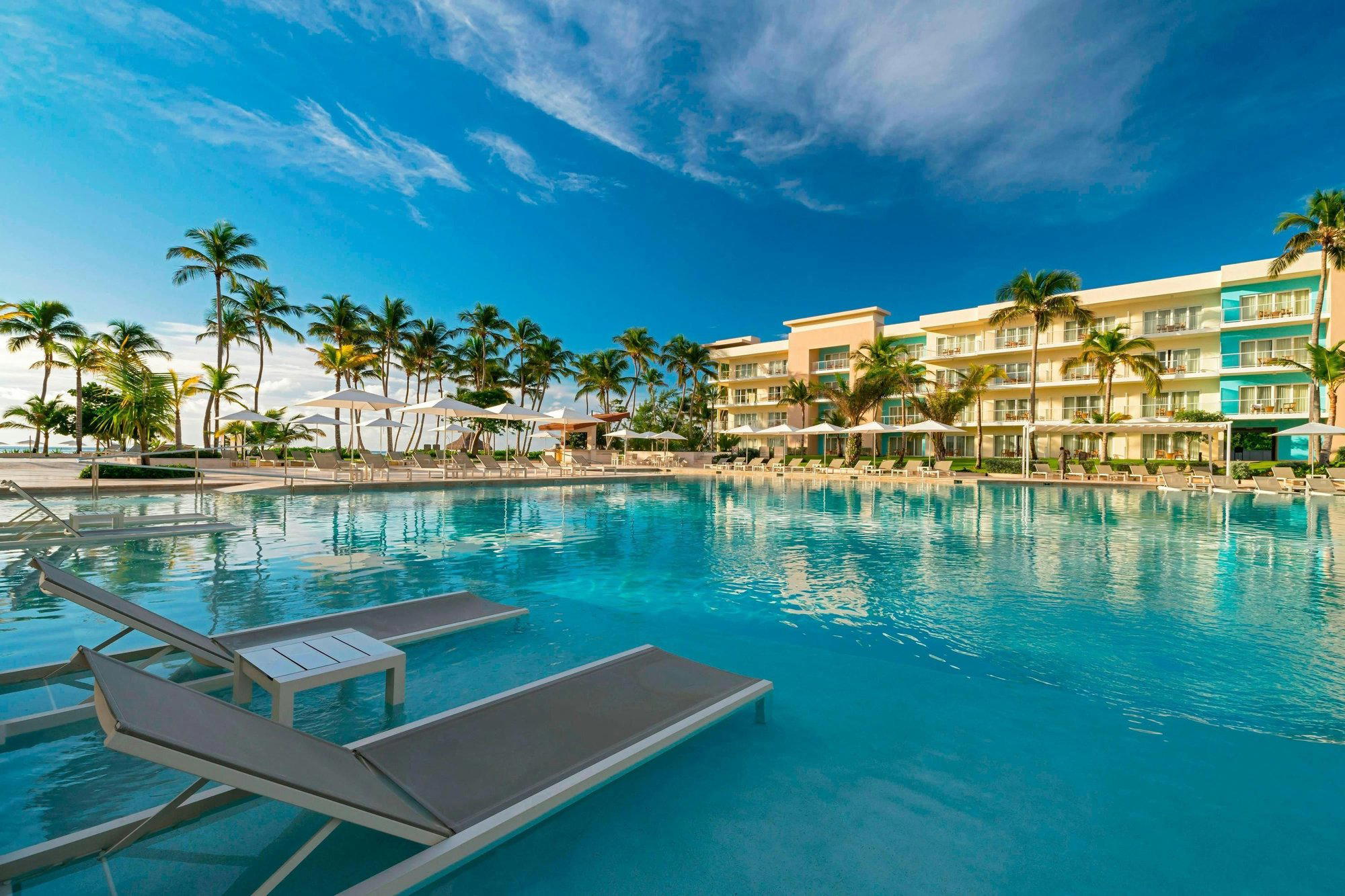
Cozy and graceful with simplistic elegance, offering indoor dining and fine poolside outdoor seating.
Know Before You Go
- Getting there
- GJ8J+R7P, Punta Cana 23000, Dominican Republic