Google: 4.5 · 897 reviews
.png)
A second-generation family restaurant a few metres from Tarragona's port, La Xarxa has held the Michelin Bib Gourmand in both 2024 and 2025. The kitchen builds its rice dishes and fish-forward à la carte on produce landed by the chef's father, who fishes daily from his own boat. Asian-inflected touches — dumplings, Thai-style sauces — sit alongside the traditional without displacing it.
 Discover on Pearl
Pearl is the En Primeur Club membership app — saves, bookings, and concierge access live there. Same editors, same standards.
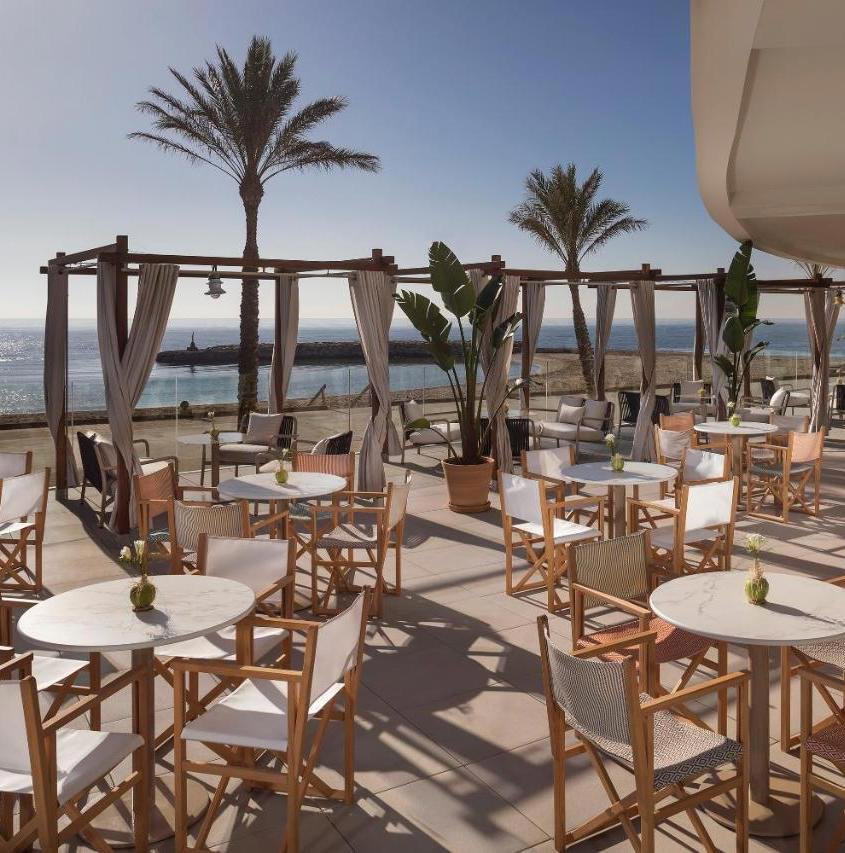
Harbour Light and the Weight of a Fishing Town
Approach Carrer de Sant Pere from the old port and the restaurant's large round windows read almost like portholes — a detail that feels less decorative than honest, given what arrives on the plate. Tarragona's dining scene occupies a particular position on the Catalan coast: too often treated as a staging post between Barcelona and the Ebro Delta, yet home to a fishing harbour and a hinterland serious enough to sustain a category of cooking that larger cities manufacture rather than inherit. The rice dishes and fish preparations you find here draw on proximity to the sea in a way that is logistical first and aesthetic second.
La Xarxa sits inside that tradition without being captured by nostalgia. The space has been updated since its days as a fishermen's bar — the round windows are a conspicuous signal of that renovation , but the fundamental operating logic of the kitchen has not been redesigned. What has changed is the generation running it, and with that, a set of culinary references that now extends beyond the Costa Daurada.
The Rhythm of the Meal
The dining ritual at a rice-centred table on the Catalan coast follows a different clock to a tasting menu or a tapas crawl. Rice here is not a first course; it is the hinge of the meal. At La Xarxa, that structure is taken seriously. The à la carte is arranged so that rice dishes occupy their own clear category, and the logic of ordering flows accordingly: lighter plates first, the rice arriving mid-meal when appetite is calibrated and attention is focused.
That pacing matters because rice cooked properly in a shallow pan , whether arroz caldoso, meloso, or a drier socarrat-edged preparation , requires the kitchen to commit to a timing that cannot be rushed without visible consequence. Diners who understand this arrive without the expectation of quick turnover. The meal has a tempo, and the room, with its port-facing aspect, accommodates it.
The Asian-inflected elements , dumplings, Thai-adjacent sauces , are threaded through the menu without disrupting this rhythm. This is not fusion in the promotional sense; it reflects a generation of Catalan cooks who absorbed technique and flavour outside the region and brought specific tools back rather than wholesale concepts. The contrast between those touches and a well-executed rice dish built on locally landed fish is the kind of juxtaposition that requires confidence to manage. Under chef Diane Gallardo, it holds.
The Source in the Water
In a category where provenance is frequently cited and less frequently verifiable, the supply chain at La Xarxa is unusually direct. The kitchen's fish comes from a boat operated by the chef's father, who takes it out daily. That arrangement does not guarantee any single dish will appear on a given day , weather and catch determine that , but it does establish a baseline of freshness that is structural rather than aspirational.
This is worth contextualising against the broader category. Spanish coastal restaurants operating at the Bib Gourmand price tier often source well but through intermediaries. The compression of that supply chain to a single family member landing the catch the same morning sets a different production condition, one that shapes what the kitchen can commit to and how it handles the menu's fish-forward sections.
For the category of rice dishes specifically, the quality of stock and protein matters more than in many preparations. A rice cooked in a broth built from the morning's catch occupies a different register from one made on standing stock. That difference is precisely what Michelin's Bib Gourmand designation , awarded to La Xarxa in both 2024 and 2025 , tends to recognise: value-to-quality ratios that depend on sourcing discipline rather than luxury ingredients.
Where La Xarxa Sits in Tarragona's Dining Tier
Tarragona's mid-range restaurant category is reasonably competitive for a city of its size. Barquet Tarragona occupies the regional cuisine space at a comparable price point, while El Terrat sits a tier above in modern cuisine at €€€. El Cup Vell rounds out the local options worth knowing. La Xarxa's Bib Gourmand recognition across consecutive years places it as the most credentialled value option in the city's current critical record, which in practical terms means it draws visitors from outside Tarragona who might otherwise default to Barcelona's broader offer.
At €€ pricing, the restaurant operates in the same tier as several Catalan coastal addresses, but the twice-running Michelin recognition differentiates it within that set. For comparison, the rice dish tradition along this stretch of coast has a parallel in institutions like Arrocería Maribel in El Palmar and Antoni Rubies in Artesa de Lleida, both of which anchor the category at different points along the Mediterranean rice belt. La Xarxa's position is closer to the coast-and-port end of that spectrum, with freshness as the differentiating variable rather than technique alone.
For those building a wider picture of Spanish restaurant cooking, the reference points are the Michelin-decorated houses further along the coast and inland: Disfrutar in Barcelona, El Celler de Can Roca in Girona, Quique Dacosta in Dénia, and Aponiente in El Puerto de Santa María represent the upper tier of coastal and seafood-led Spanish cooking. In the Basque country, Arzak in San Sebastián, Martin Berasategui in Lasarte-Oria, and Azurmendi in Larrabetzu define a different tradition entirely. La Xarxa does not compete with those addresses; it answers a different question, which is what serious, sourcing-led cooking looks like at an accessible price in a working port city.
Planning a Visit
The restaurant is at Carrer de Sant Pere, 38, within short walking distance of Tarragona's port. Given the Bib Gourmand profile and a Google rating of 4.5 across 865 reviews, demand on weekends and in summer is significant enough that arriving without a reservation is a risk worth avoiding. The price bracket and port location make it a natural anchor for a longer afternoon, particularly if the meal is organised around one of the rice dishes, which benefit from an unhurried second half of the day. For broader orientation across the city's eating and drinking options, the full Tarragona restaurants guide, bars guide, hotels guide, wineries guide, and experiences guide cover the fuller picture.
A Tight Comparison
These are the closest comparables we have in our database for quick context.
| Venue | Notes | Price |
|---|---|---|
| La Xarxa | This venue | €€ |
| Barquet Tarragona | Regional Cuisine, €€ | €€ |
| El Terrat | Modern Cuisine, €€€ | €€€ |
| El Cup Vell |
Continue exploring
More in Tarragona
Restaurants in Tarragona
Browse all →

Hotels in Tarragona
Browse all →


At a Glance
- Modern
- Cozy
- Intimate
- Elegant
- Date Night
- Special Occasion
- Open Kitchen
- Extensive Wine List
- Local Sourcing
- Waterfront
- Street Scene
Impressively updated interior with huge round windows near the port, offering a warm, modern atmosphere praised for lovely decor and intimate setting.