Google: 4.6 · 1,629 reviews
.png)

El Terrat brings a quietly distinctive voice to Tarragona's dining scene, threading Moroccan heritage and Mediterranean coastal ingredients through modern technique. Chef Moha Quach works the open kitchen at Carrer de Pons d'Icart, building menus anchored in the Camp de Tarragona region and the Ebro delta. A Michelin Plate holder in both 2024 and 2025, and rated 4.6 across more than 1,500 Google reviews.
 Discover on Pearl
Pearl is the En Primeur Club membership app — saves, bookings, and concierge access live there. Same editors, same standards.
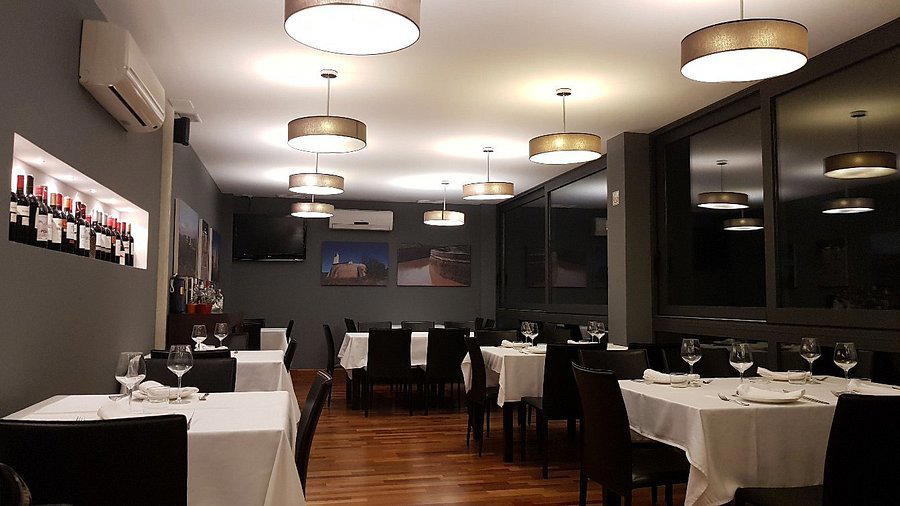
Where the Kitchen Is the First Thing You See
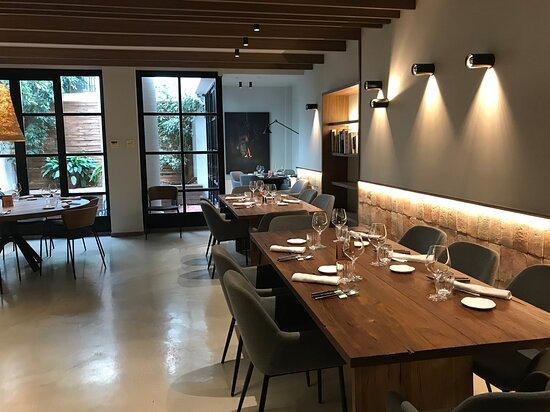
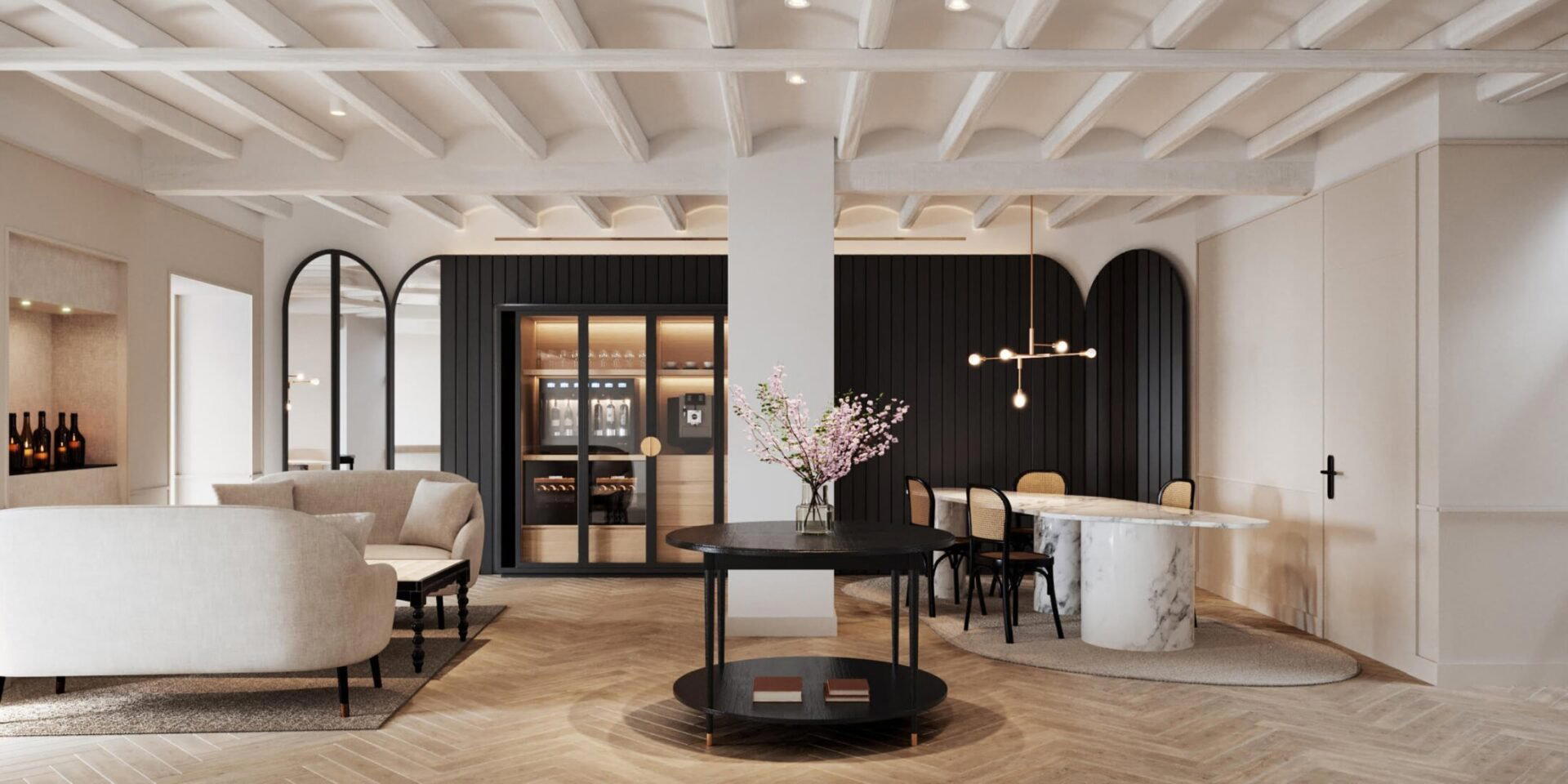
Walk into El Terrat on Carrer de Pons d'Icart and the room announces its logic immediately: the open kitchen sits at the entrance, not tucked away as an afterthought. The effect is deliberate. Before you are seated, before a menu arrives, you are already oriented toward the act of cooking itself. The contemporary interior has been refined over time, a gradual commitment rather than a single redesign, and the result is a space that reads as considered without feeling calculated.
This is, in structural terms, a restaurant that asks you to pay attention from the moment you arrive. The pacing that follows tends to match that opening signal.
A Culinary Lineage Rooted in Two Shores
Tarragona sits at a point where Iberian, Roman, and Moorish histories have folded into each other across centuries. The dining traditions of the Camp de Tarragona region and the Ebro delta to the south reflect that layering: rice, shellfish, wild herbs, and the romesco sauce that originated in this specific stretch of Catalan coast. El Terrat operates within that tradition but does not treat it as a fixed boundary.
Chef Moha Quach carries Moroccan roots alongside deep knowledge of local Tarragona ingredients, and that dual inheritance shapes the menu's character. His father was a fisherman; his grandparents kept sheep. Those origins surface in how aromatics are used, how spice is applied as accent rather than volume, and how the Mediterranean multicultural thread that Tarragona itself embodies becomes a cooking philosophy rather than a marketing note. Compared to more convention-bound regional restaurants, this is a kitchen working with cultural material that most Spanish contemporaries simply do not have access to.
For broader context on how Tarragona's dining scene positions itself relative to Spain's major fine-dining destinations, consider the concentration of starred houses in the north: Arzak in San Sebastián, Martin Berasategui in Lasarte-Oria, and Azurmendi in Larrabetzu anchor the Basque Country. To the east, El Celler de Can Roca in Girona and Cocina Hermanos Torres in Barcelona define Catalan ambition at its most decorated. Further south, Quique Dacosta in Dénia and Aponiente in El Puerto de Santa María have shaped the southern Mediterranean register. Tarragona, despite its Roman grandeur and coastal richness, sits outside this institutional circuit. El Terrat is the city's most coherent argument that it belongs in the conversation.
The Structure of the Meal
The à la carte at El Terrat functions as more than a menu of individual dishes. It carries what Michelin's own assessors described as soul and personality, a formulation that tends to reflect kitchens where the cooking has a clear point of view rather than a committee-approved range. For those who want a more structured experience, two set menus frame the choice: Olivus and Mare Nostrum. A third, Essencia, runs at lunch midweek only, which makes Tuesday-to-Friday afternoons a specific window for those who want to experience the full ritual at a more accessible price point.
The dining ritual here follows a tempo that suits considered eating. Dishes described in Michelin's records include a romesco of red Tarragona prawns and a cremoso of teardrop peas with egg cooked at low temperature and truffles. These are not casual plates. The romesco reference is telling: this sauce is Tarragona's own, built from roasted tomatoes, dried peppers, almonds, and hazelnuts, and using it as a vehicle for local red prawns is an act of place-making as much as technique. The cremoso format, slow-cooked egg at its centre, asks for patience from both kitchen and table.
Price bracket sits at €€€, positioning El Terrat above the casual end of Tarragona dining but below the multi-course spectacle tier. For comparison within the city, Barquet Tarragona covers regional cuisine at €€, and La Xarxa focuses on rice dishes at a similar mid-range point. El Terrat occupies a distinct position: modern technique applied to local and North African-inflected ingredients, in a setting built for the full meal as an event.
Recognition and Peer Context
El Terrat holds a Michelin Plate in both 2024 and 2025. The Plate designation, sometimes underread, indicates a restaurant that Michelin's inspectors consider worth a visit for the quality of its cooking, below the star tiers but above the general field. Sustained across consecutive editions, it signals consistency rather than a single strong year. The Google rating of 4.6 across 1,569 reviews adds a complementary signal: the kitchen performs reliably at volume, not just on special occasions.
For those tracking Spain's wider modern cuisine conversation, DiverXO in Madrid sits at the most theatrical end of the spectrum. El Terrat operates in a quieter register, closer in spirit to the kind of rooted Mediterranean modernism that characterises restaurants like Frantzén in Stockholm or FZN by Björn Frantzén in Dubai in terms of precise technique applied to strong local identity, though in an altogether different cultural and price register.
Planning the Visit
El Terrat is at Carrer de Pons d'Icart, 19, in the historic centre of Tarragona, within walking distance of the Roman amphitheatre and the medieval cathedral quarter. The Essencia lunch menu, available midweek only, represents the most accessible entry point for the set-menu format. For evening seatings or weekend tables, booking ahead is advisable given the demand relative to the restaurant's scale. The €€€ price bracket suggests a spend in the range typical of Spanish regional fine dining, likely between €60 and €100 per person depending on menu choice and wine.
Tarragona itself is served by direct train from Barcelona in roughly an hour, making El Terrat a practical destination for a day or overnight trip. For accommodation and other planning, see our full Tarragona hotels guide. Wine drinkers may want to note the Tarragona DO and neighbouring Terra Alta before the meal: our full Tarragona wineries guide covers the local production context. Further dining options across the city are mapped in our full Tarragona restaurants guide, with pre- or post-dinner options in our full Tarragona bars guide. For activities and context beyond the table, our full Tarragona experiences guide covers the city's Roman and medieval heritage. El Cup Vell is also worth considering if you are building a longer itinerary across the city's dining options.
What It’s Closest To
A fast peer set for context, pulled from similar venues in our database.
| Venue | Cuisine | Awards | Notes |
|---|---|---|---|
| El Terrat | Modern Cuisine | A restaurant with a contemporary feel that has gradually upgraded its facilities… | This venue |
| La Xarxa | Rice Dishes | Rice Dishes, €€ | |
| Barquet Tarragona | Regional Cuisine | Regional Cuisine, €€ | |
| El Cup Vell |
Continue exploring
More in Tarragona
Restaurants in Tarragona
Browse all →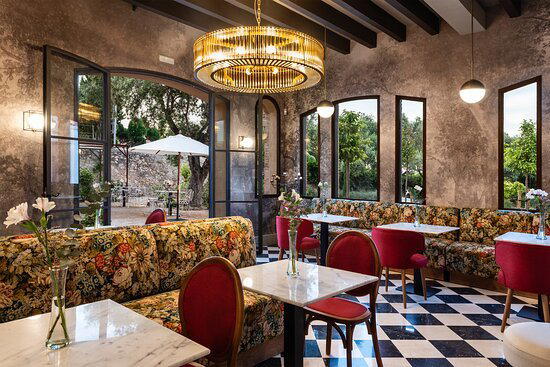
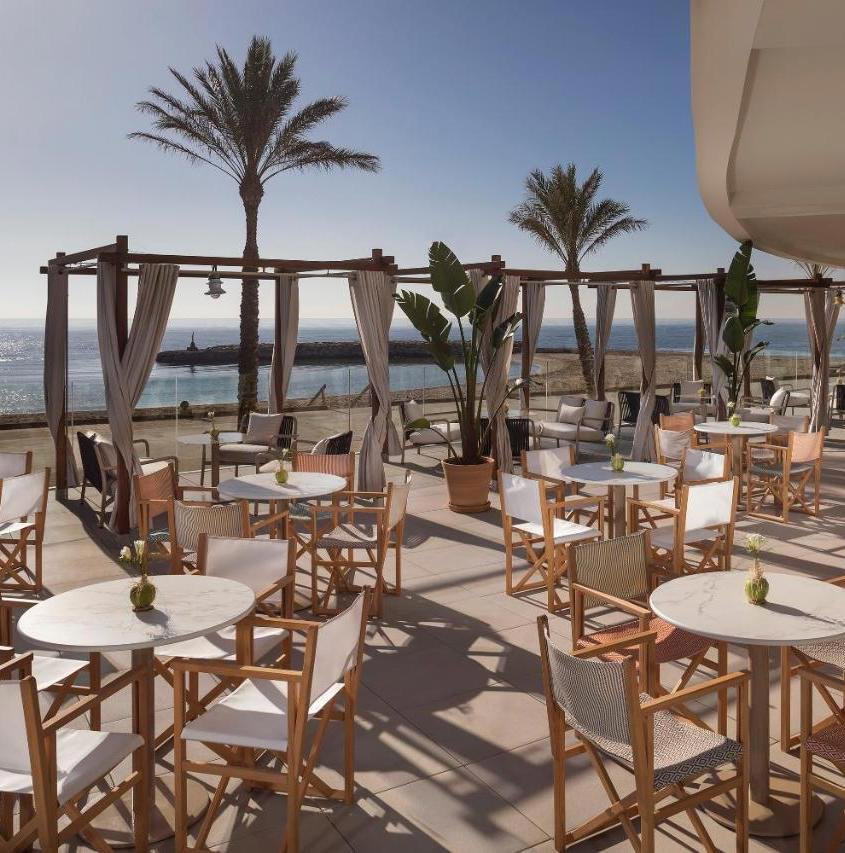
Hotels in Tarragona
Browse all →
At a Glance
- Elegant
- Sophisticated
- Hidden Gem
- Special Occasion
- Date Night
- Celebration
- Open Kitchen
- Extensive Wine List
- Local Sourcing
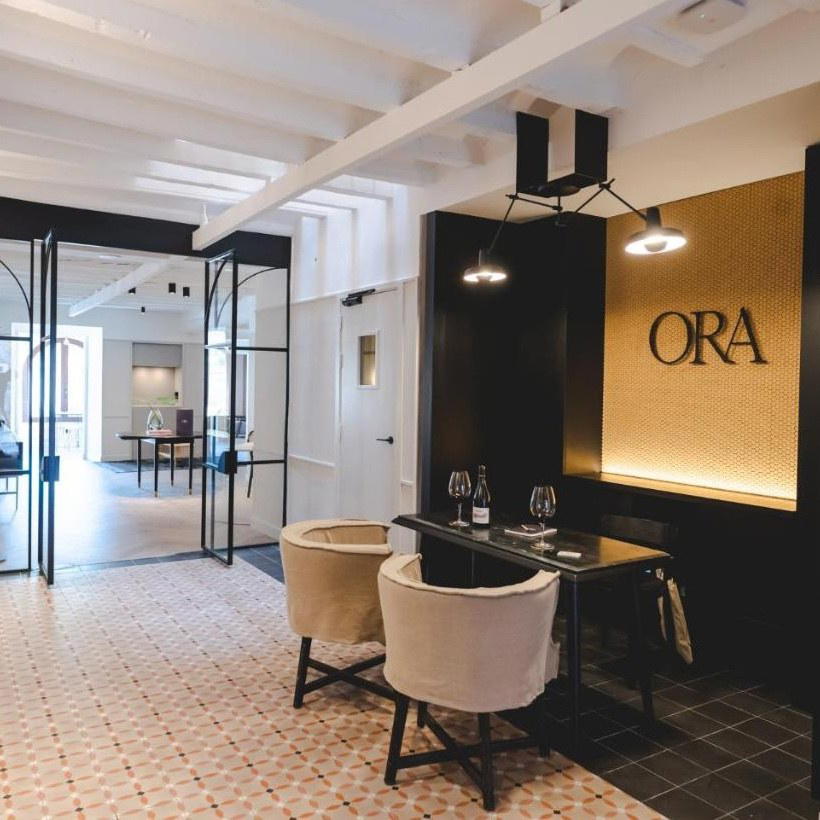
Elegant setting with attentive service, beautifully presented dishes, and a contemporary atmosphere highlighted by an open kitchen.