La Voute
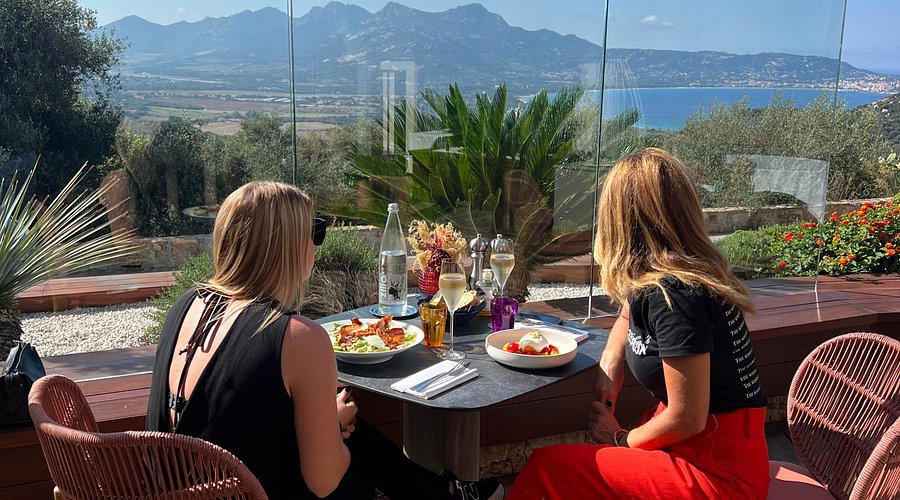
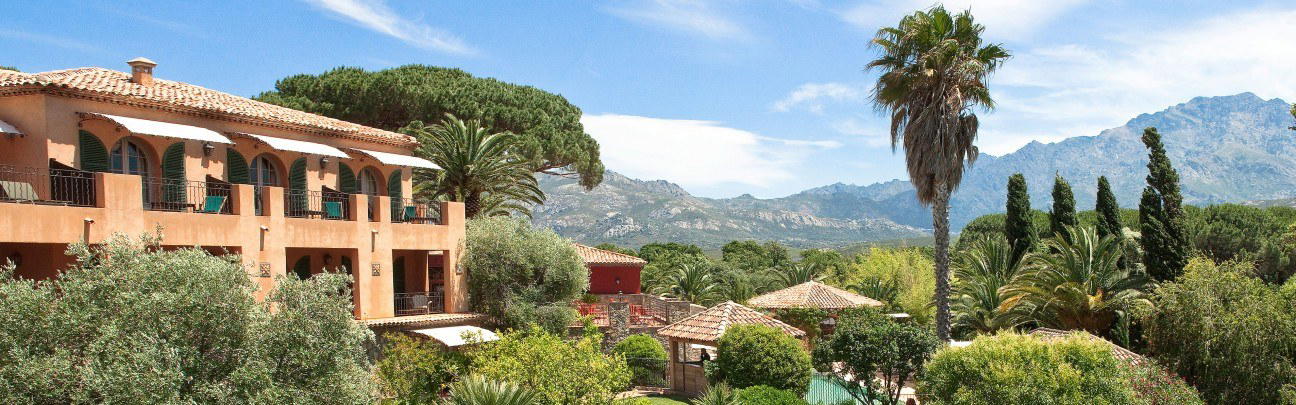
La Voute sits in Sant'Antonino, one of Corsica's most photographed hilltop villages, where the dining scene is shaped less by kitchen ambition than by what the land immediately provides. The setting alone, medieval stone, Balagne valley views, frames expectations before a dish arrives. For visitors making the drive up from the coast, the village context is as much the draw as the table itself.
Pearl is the En Primeur Club membership app — saves, bookings, and concierge access live there. Same editors, same standards.
- Address
- le Village, 20220 Sant'Antonino, France
- Phone
- +33495617471
 Saves & bookings on Pearl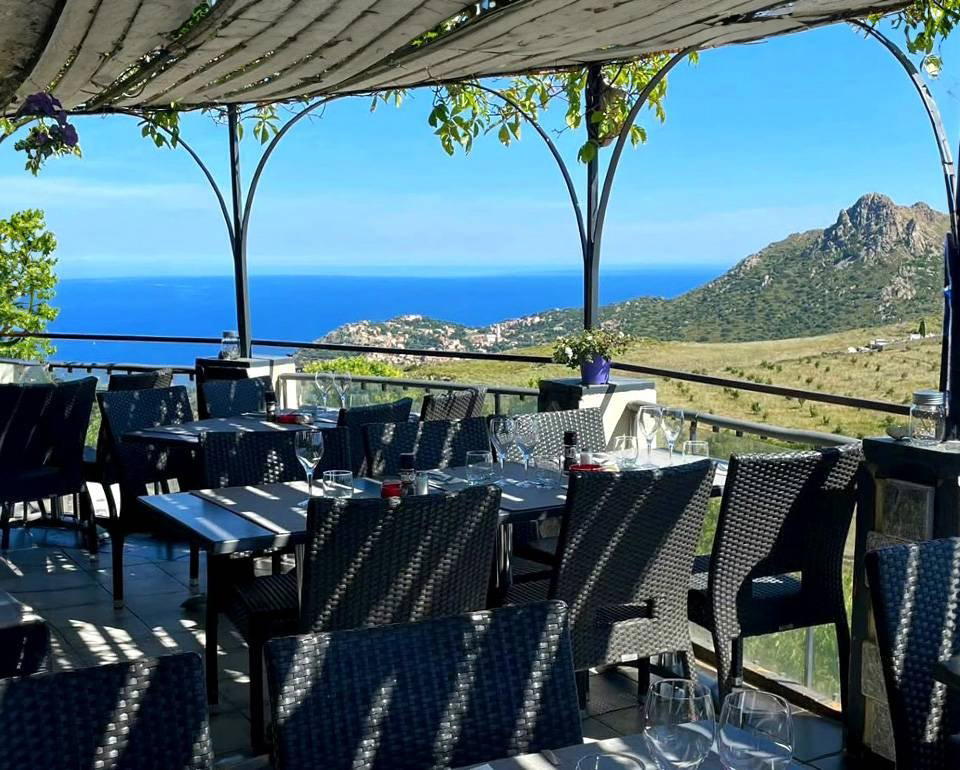
Where the Village Comes Before the Menu
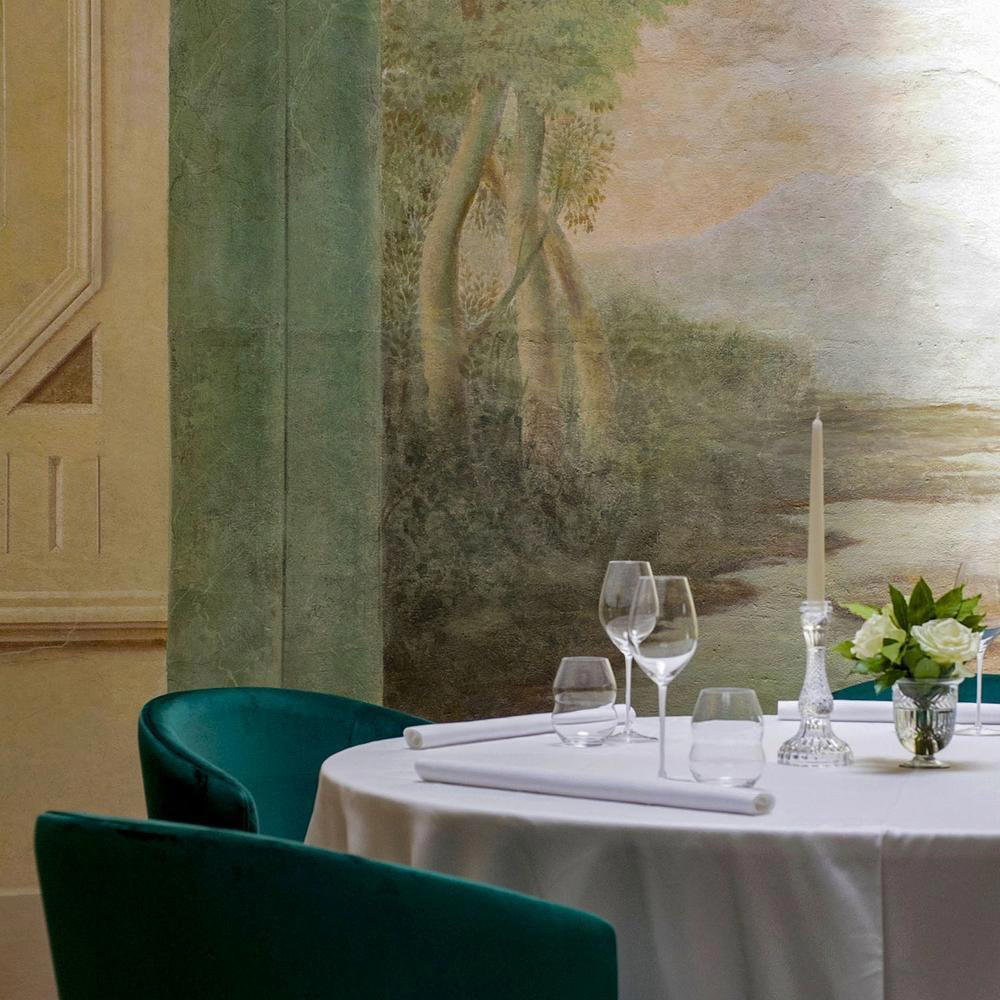
Sant'Antonino occupies a position that few restaurant addresses in France can claim: a medieval hilltop fortified village in the Balagne region of Corsica, with unobstructed views across terraced olive groves toward the sea. Arriving on foot, the only practical approach once you've parked at the base, means passing through narrow vaulted lanes where the stone is the same colour as the surrounding scrubland. By the time you reach a table at La Voute, the physical environment has already done considerable editorial work. The vault referenced in the name is structural fact, not atmosphere manufactured for tourists.
In Corsica's interior dining culture, this matters. The island's most interesting tables tend to operate within their geography rather than against it, drawing from chestnut forests, maquis herbs, small-herd livestock, and coastal producers within a radius that reflects genuine logistics rather than marketing copy. The contrast with France's more celebrated restaurant addresses is instructive: where Mirazur in Menton channels the terraced gardens above the Côte d'Azur into a creative and internationally referenced tasting format, or where Bras in Laguiole built a philosophy around the Aubrac plateau's flora, Corsican village restaurants like La Voute operate in a less codified but equally terrain-driven mode.
Corsica's Ingredient Geography and Why It Shapes What You Eat Here
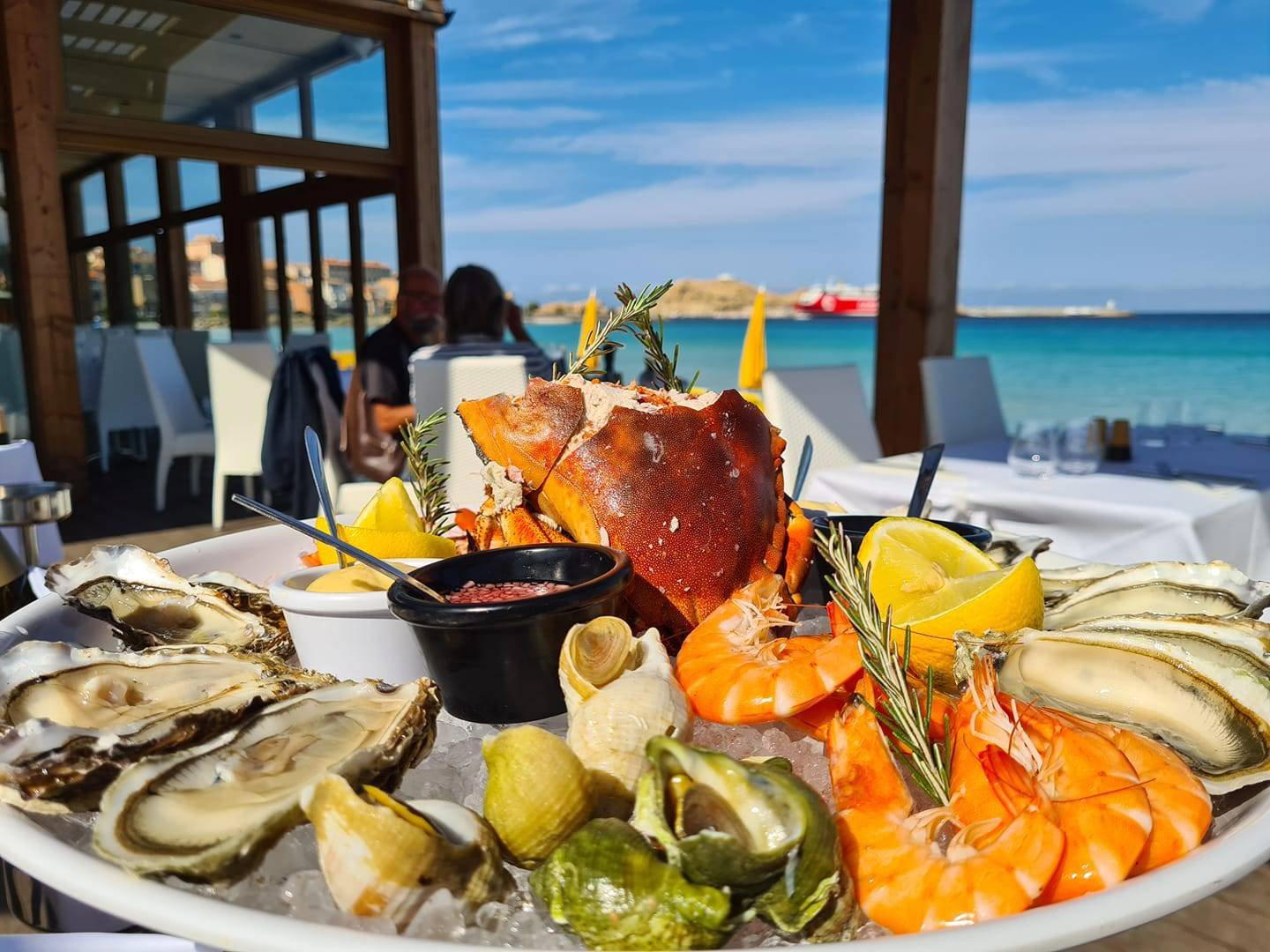
The Balagne is sometimes called the garden of Corsica, and the description holds up agronomically. Olive oil production concentrates here, alongside clementines, figs, almonds, and some of the island's most productive kitchen gardens. The inland villages sit above a coastline that supplies sea urchin, fish from the Gulf of Calvi, and shellfish from the lagoons near L'Ile-Rousse. This proximity, mountain behind, sea ahead, means that a kitchen in Sant'Antonino has access to two distinct ingredient registers without either requiring significant supply chains.
That geographic compression defines what Corsican table cooking has always been at its most honest: charcuterie from pigs raised on chestnut and acorn, brocciu cheese made from whey left over from sheep and goat herds, herbs gathered from the maquis that cover the hillsides between village and coast. These are not romantic conceits but functional outcomes of how the island was provisioned for centuries before refrigeration and mainland supply logistics changed the equation. The leading village restaurants in Corsica today still reflect those proportions, even if the cooking techniques have moved on.
For context, compare the sourcing logic here to what drives celebrated French regional houses at the other end of the ambition spectrum. Auberge du Vieux Puits in Fontjoncouse in the Corbières draws from a similarly remote and terrain-specific address in the south of France. L'Oustau de Baumanière in Les Baux ties its identity to Provençal produce. The principle is the same across registers: the ingredient origin story is embedded in the address, not imported into it.
The Village Setting as Practical Context
Sant'Antonino consistently appears on lists of the most architecturally intact medieval villages in France, a designation that draws visitors on its own terms regardless of what is on offer at the table. The village has fewer than a hundred permanent residents. There are no large hotels at the summit; accommodation concentrates on the Balagne plain below, in towns like Calvi and L'Ile-Rousse, each reachable within twenty to thirty minutes by road. For visitors arriving from those coastal bases, La Voute sits at the natural endpoint of what becomes a day trip into the interior.
The practical implication is that lunch tends to be the meal of reference here, timed to coincide with the walk through the village while the light is at its most useful for the views. Evening access becomes more complicated as darkness removes the navigational cues that the landscape provides during the day. Visitors arriving in July and August should expect the village to be busy by midday. The shoulder months of May, June, and September offer the same setting with less competition for tables.
For French fine dining reference points at the other end of the price and ambition register, the contrast is clarifying: tables like Alléno Paris au Pavillon Ledoyen in Paris, Assiette Champenoise in Reims, or Georges Blanc in Vonnas require weeks or months of advance planning, structured around a single destination meal. La Voute operates in a different tier and rhythm, one shaped by the village rather than by international reservation demand. The planning horizon is shorter, but the seasonal timing decision still matters.
Placing La Voute in the Broader Corsican Dining Picture
Corsica does not carry Michelin density in the way that mainland France does. The island has a handful of starred addresses concentrated in Ajaccio and around Porto-Vecchio, but the majority of its most characterful dining happens at exactly the kind of village-scale, terrain-anchored establishment that Sant'Antonino supports. This is structurally different from dining in a city where peer comparisons are immediate and competitive pressure is visible. In Corsica's interior villages, the setting provides a context that no city restaurant can replicate, and the leading kitchens here understand that the village is doing at least half the work.
For travellers who have eaten at France's most formally recognised tables, a meal in Sant'Antonino offers a different kind of evidence about French regional food culture. Paul Bocuse - L'Auberge du Pont de Collonges in Collonges-au-Mont-d'Or, Auberge de l'Ill in Illhaeusern, and Troisgros - Le Bois sans Feuilles in Ouches demonstrate what happens when French regional cooking is refined over generations and recognised at the highest levels. Village Corsican cooking operates without that formal recognition infrastructure but draws from an ingredient tradition that is no less geographically specific. The two modes are complementary points of entry into understanding how French food culture distributes itself across the territory.
For those building a France itinerary that pairs formal dining destinations with terrain-anchored village meals, tables like AM par Alexandre Mazzia in Marseille, Christopher Coutanceau in La Rochelle, and La Marine in Noirmoutier-en-l'île represent the more formally structured end of the coastal and regional spectrum. Au Crocodile in Strasbourg and Flocons de Sel in Megève offer comparable region-first thinking in very different French geographies. For those travelling beyond France, Le Bernardin in New York City and Atomix in New York City show how the sourcing-led approach translates into entirely different urban contexts.
Planning Your Visit
Sant'Antonino is located at 20220 in Corsica's Balagne interior. The address, le Village, reflects the settlement's scale: the village is the address. Access is by car to the base of the hill followed by a short uphill walk. Reservations are recommended, and the restaurant is open Monday to Thursday from 12 to 2:30 PM, Friday and Saturday from 12 to 2:30 PM and 7 to 8:30 PM, and Sunday from 12 to 2:30 PM. May through June and September through early October offer the leading combination of access, weather, and reduced visitor volume.
Side-by-Side Snapshot
Comparable venues nearby, for context on price, style, and recognition.
| Venue | Cuisine | Price | Awards | Notes |
|---|---|---|---|---|
| La VouteThis venue — the venue you are viewing | Traditional Corsican French | $$ | , | |
| U Scontru | Traditional Corsican French | $$ | , | Patrimonio |
| Le Fort | French Grill & Barbecue | $$ | , | Aleria |
| Le 20123 | Traditional Corsican | $$ | , | Centre-ville |
| Le bistrot des jardins | French Bistro with Mediterranean Influences | $$ | , | centre-ville |
| La Ratapignata | Traditional Niçoise & French Bistro | $$ | , | Hauts de Nice |
Continue exploring
More in Sant Antonino
Restaurants in Sant Antonino
Browse all →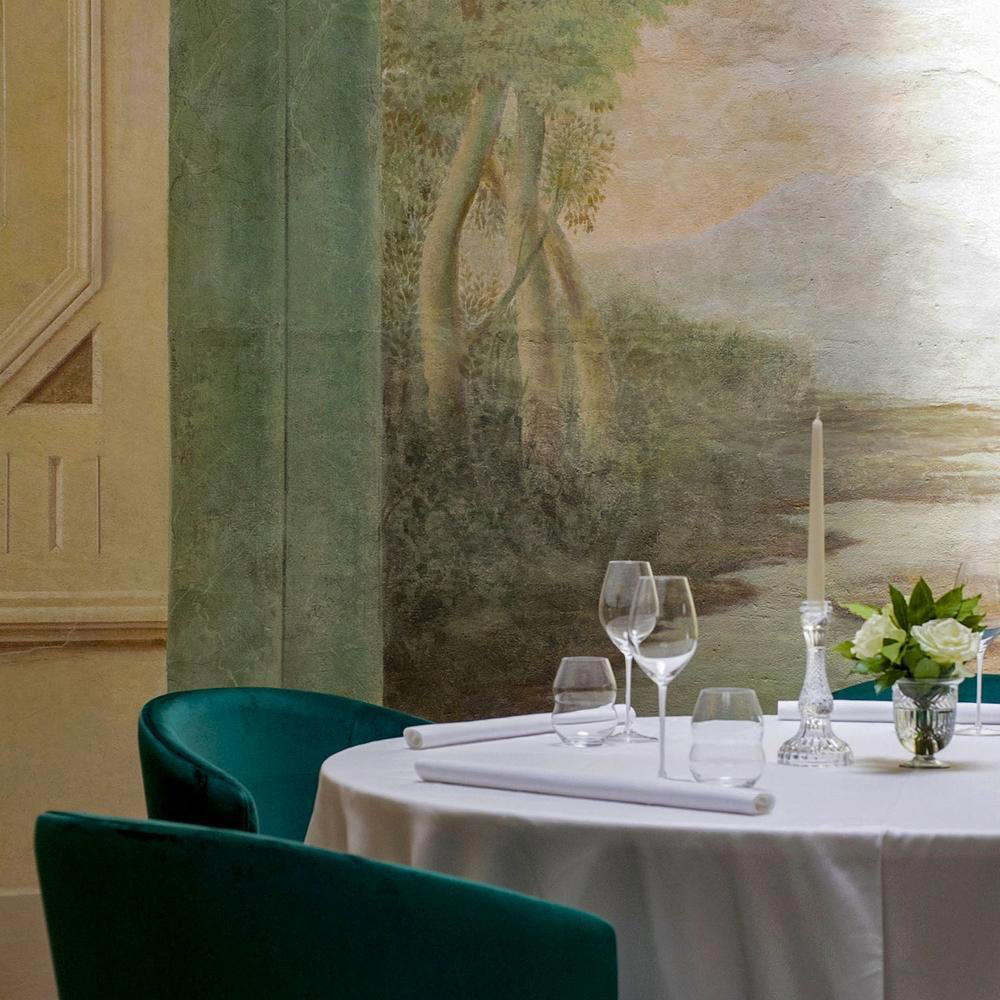
At a Glance
- Scenic
- Classic
- Cozy
- Family
- Special Occasion
- Terrace
- Historic Building
- Extensive Wine List
- Local Sourcing
- Mountain
- Street Scene
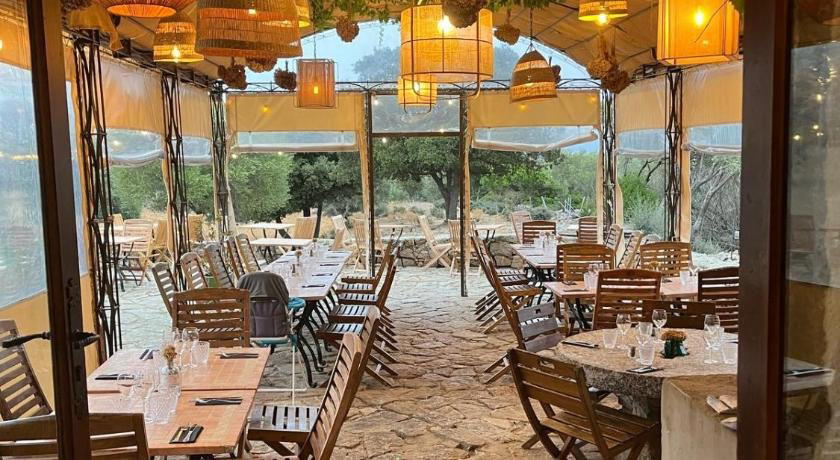
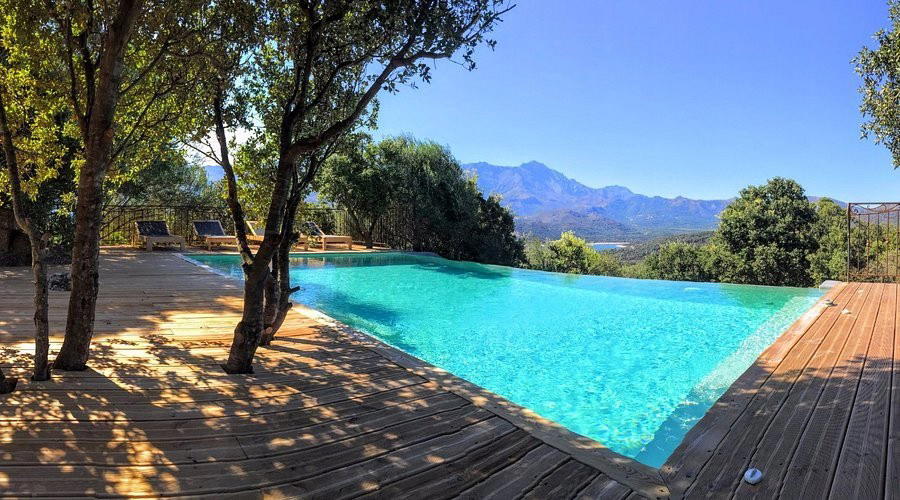
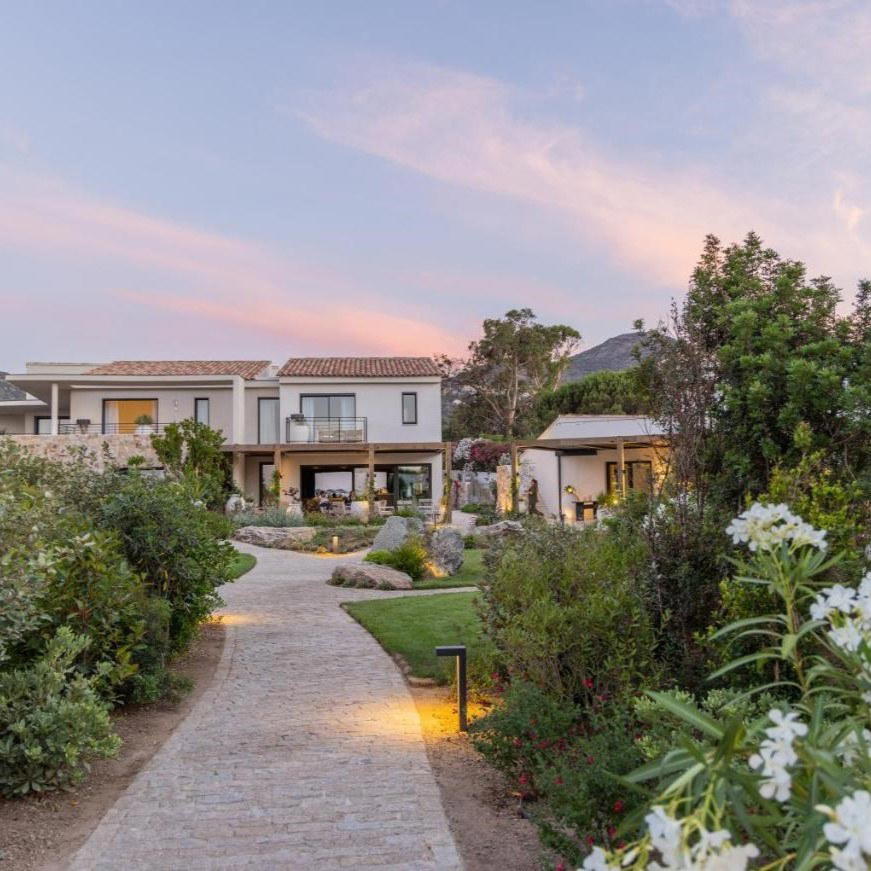
Warm and inviting village atmosphere with scenic views enhancing the dining experience.