I Salti

Michelin Plate
Our verdict
A Michelin Plate-recognised address in the remote Balagne interior of Corsica, I Salti brings modern cuisine to a setting defined by chestnut forests, maquis scrubland, and the agricultural rhythms of one of France's least-visited villages. Two consecutive Michelin Plate distinctions (2024 and 2025) signal consistent kitchen quality at a price point that reads as considered rather than casual. Book early; the dining room is small and the village is not on any through-road.

Pearl is the En Primeur Club membership app — saves, bookings, and concierge access live there. Same editors, same standards.
- Address
- Moulin de, Salti, 20226 Speloncato, France
- Phone
- +33 4 95 34 35 59
- Hours
- Mon ClosedTue–Sun 7:30–9:30 PM
- Directions
- Get directions
- Booking
- Book on the venue's website
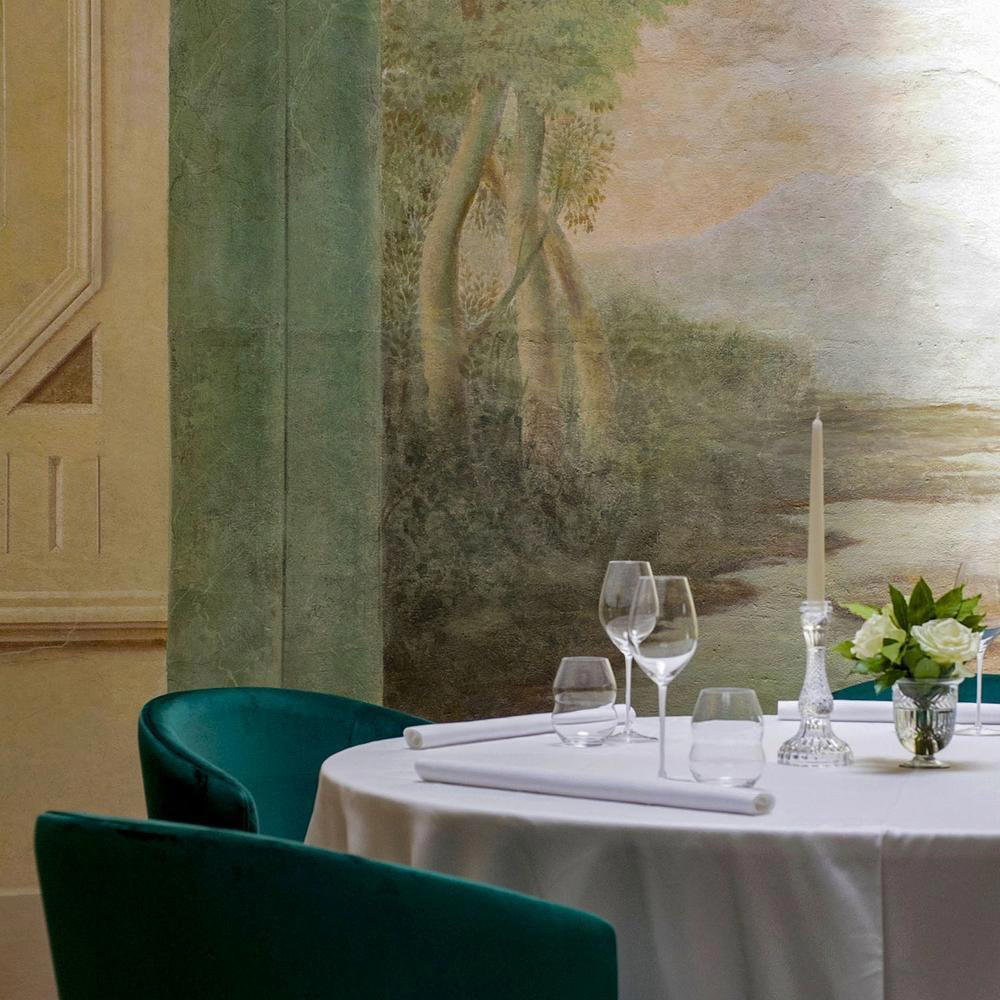
The menu
What to order
- Prawn arancini
- Cold bisque
- Snow peas
Where the Balagne Interior Sets the Table
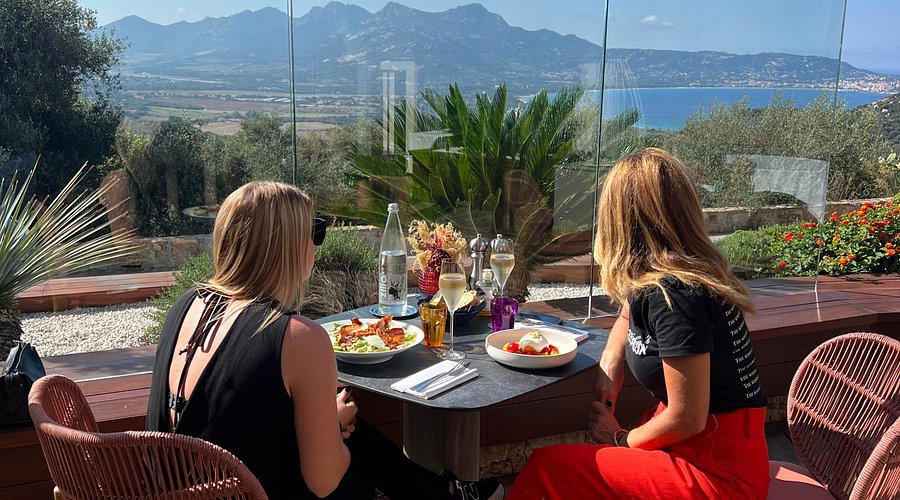
Corsica's dining conversation tends to open and close on Ajaccio and Porto-Vecchio, where established restaurants court summer visitors and the review cycle is reliable. The island's interior tells a different story. Villages like Speloncato, perched in the Balagne region at around 570 metres above sea level, operate on a slower agricultural logic: chestnut and olive groves, free-ranging livestock, and a seasonal pantry that large coastal kitchens can only approximate with supply chains. I Salti occupies this geography deliberately, at the Moulin de Salti address on the edge of the village, and the setting functions as a kind of culinary argument before a single plate arrives. For more context on where to eat, sleep, and explore in the area, see our full Speloncato restaurants guide.
The Michelin Plate in Context
A Michelin Plate distinction, awarded consecutively in 2024 and 2025, marks a kitchen that the Guide's inspectors consider to be producing food of good quality — a threshold that sits below star level but above the noise of unverified local reputation. For a restaurant this remote, the distinction carries particular weight. France's Michelin-recognised table at the village scale are rare; the category more typically applies to urban bistros and established regional auberges. When placed alongside the star-bearing addresses that define French fine dining at its upper tier — from Alléno Paris au Pavillon Ledoyen to Mirazur in Menton, I Salti operates in a different register entirely, one where proximity to raw ingredient sources and low operational overhead can produce quality that formal city kitchens have to spend considerably more to replicate.
The €€€ price positioning reinforces this reading. Corsican fine dining at this level is not inexpensive by island standards, but the pricing sits well below what comparable Michelin recognition commands on the French mainland. For comparison, three-star addresses such as Troisgros in Ouches or Auberge de l'Ill in Illhaeusern operate in a price tier that reflects decades of accumulated reputation and the infrastructure costs of formal service at scale. I Salti's €€€ bracket suggests a kitchen that is spending its budget on produce rather than ceremony.
Ingredient Geography as the Central Argument
The editorial angle that matters most for I Salti is not the menu format or the service style, it is where the food comes from. Balagne sits in the northwestern quarter of Corsica, a region that has historically supported olive oil production, chestnut flour milling, and pastoral farming at a scale the rest of the island rarely matches. The Moulin de Salti address, a mill site, is not incidental. Corsican cuisine at its most honest is built around this kind of infrastructure: the mill, the grove, the transhumance route. Modern cuisine applied to this raw material base means the kitchen is translating an agricultural tradition through contemporary technique rather than importing ingredient logic from the mainland.
This approach has a loose precedent in French regional cooking more broadly. Bras in Laguiole has long argued that the Aubrac plateau's wild plant life belongs at the centre of a plate, not its margins. Flocons de Sel in Megève draws from Alpine pasture and altitude-specific produce to frame a mountain cuisine that could not plausibly exist in Paris. I Salti's version of this argument is Corsican: the island's AOC-designated charcuterie, its brocciu cheese season running roughly from November through June, its chestnut flour, its wild herbs from the maquis. A kitchen working at this address has access to a pantry that is both highly specific and chronically underrepresented in the international fine dining conversation.
Arriving in Speloncato
Speloncato is not easily reached by accident. The village sits roughly 65 kilometres northeast of Ajaccio and about 30 kilometres inland from Île-Rousse, on a road system that narrows significantly as altitude increases. Visitors coming from Calvi, the nearest airport with regular mainland connections, face approximately 40 kilometres of driving that includes the Balagne switchbacks. The practical implication is that dinner at I Salti is a destination decision, not a walk-in. Booking should be treated as a precondition of the visit, particularly during the peak summer months of July and August when the Corsican interior sees increased traffic from travellers seeking relief from coastal crowds. For accommodation options in the area, our full Speloncato hotels guide covers what's available at each tier.
The approach to the restaurant, via the mill road on the village periphery, frames the experience physically. Maquis vegetation, the dense mix of cistus, rosemary, arbutus, and myrtle that covers much of Corsica's inland slopes, defines the surrounding terrain. The mill structure itself predates modern hospitality; it represents the kind of converted agricultural site that has become a recurring format for serious regional cooking across southern France, from the Auberge du Vieux Puits in Fontjoncouse to working-farm dining rooms in the Hérault. The building does the editorial work before the kitchen does.
How I Salti Fits the Broader Scene
Corsican restaurant culture has historically operated on two registers: the tourist-facing terrace in coastal villages and the deeply local, informal meal in family-run interiors. A Michelin Plate address in the Balagne interior represents a third register, one that has been emerging slowly across France's more isolated territories. AM par Alexandre Mazzia in Marseille and Paul Bocuse's L'Auberge du Pont de Collonges represent the urban anchoring of serious French kitchens; I Salti represents the opposite pole, where the case for fine dining rests entirely on proximity to source material rather than on institutional reputation or city-centre foot traffic.
Ratings at this score from a relatively small review pool tend to reflect a loyal and deliberate guest base rather than algorithmic inflation. Visitors arriving for the first time should treat the review spread as a reliability indicator rather than a popularity metric. For those building a broader Corsican itinerary, the bars, wineries, and experiences guides for Speloncato round out the picture of what the village and its surroundings can hold across a multi-day stay.
Planning Your Visit
I Salti's €€€ price bracket suggests a meal in the range associated with serious regional French cooking rather than casual dining; budget accordingly for a full-evening format. Given the address is a converted mill site outside the village centre, private transport is the practical default. The Michelin Plate recognition over two consecutive years provides the clearest available quality signal, placing the kitchen in a tier worth planning a detour to reach. Arriving without a booking during summer is a risk not worth taking at a venue this size and this far from alternatives. For the full picture of what Speloncato's dining scene offers beyond this address, the Speloncato restaurants guide provides the comparative context.
Frequently asked questions
Is I Salti a family-friendly restaurant?
The €€€ price point and back-to-back Michelin Plate recognition in 2024 and 2025 position I Salti as a considered dining destination rather than a casual family stop. The Corsican interior setting in Speloncato also involves a deliberate journey to reach the village, which shapes the overall occasion. Families with older children who engage with serious regional cooking will find more to hold their attention than those with young children seeking a relaxed, flexible meal.
How would you describe the vibe at I Salti?
A converted mill building in an inland Corsican village, a €€€ price bracket, and two consecutive Michelin Plates add up to something quieter and more purposeful than coastal Corsica's summer terraces. The setting in Speloncato keeps the crowd self-selecting: reaching it requires intent, which tends to produce a room of people there to eat rather than to be seen. Expect a pace that follows the kitchen rather than the clock.
Is I Salti award-winning?
I Salti has received recognition including: Michelin Plate (2025); Michelin Plate (2024).
What's the best thing to order at I Salti?
The Michelin Plate distinction, held in both 2024 and 2025, reflects consistent kitchen quality under a modern cuisine format, which in the Balagne context typically means local Corsican produce prepared with technical precision. Dishes that anchor themselves to the island's interior geography, charcuterie, mountain herbs, and local livestock, tend to carry the strongest editorial argument for this kind of recognition. Without a published menu available, the practical advice is to defer to the day's tasting-led or chef-directed options rather than ordering à la carte selectively.
Comparable Spots, Quickly
| Venue | Cuisine | Price | Awards |
|---|---|---|---|
| I SaltiThis venue — the venue you are viewing | Modern Regional Corsican | $50–100 | Michelin Plate |
| Alléno Paris au Pavillon Ledoyen | Creative | Not listed | Michelin 3 Star |
| Kei | Contemporary French, Modern Cuisine | Not listed | Michelin 3 Star |
| L'Ambroisie | French, Classic Cuisine | Not listed | Michelin 3 Star |
| Le Cinq - Four Seasons Hôtel George V | French, Modern Cuisine | Not listed | Michelin 3 Star |
| Plénitude | Contemporary French | Not listed | Michelin 3 Star |
Recognition history
Dated appearances from independent guides and award organizations, with the underlying list record or original source where available.
Michelin Plate
Michelin
Full recognition history (3 entries)
Michelin Plate
Michelin
Michelin Plate
Michelin
Continue exploring
More in Speloncato
Restaurants in Speloncato
Browse all →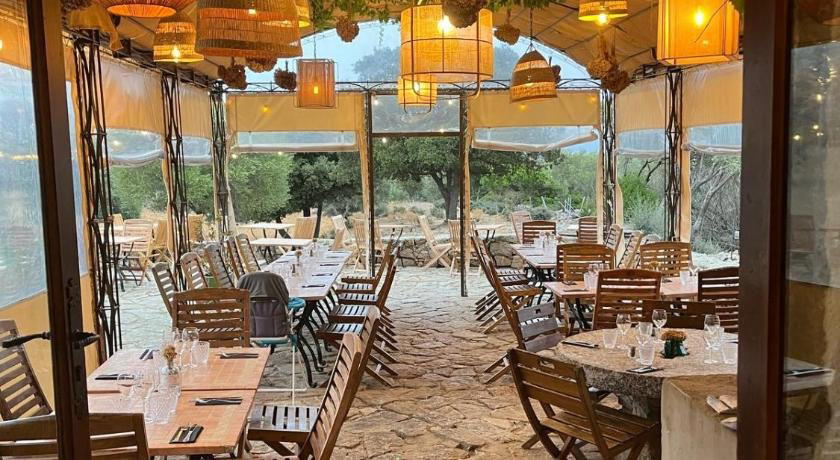
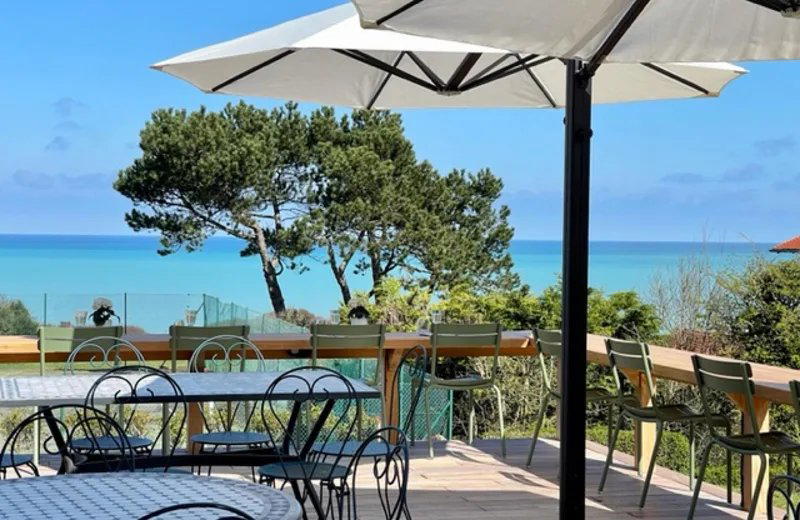
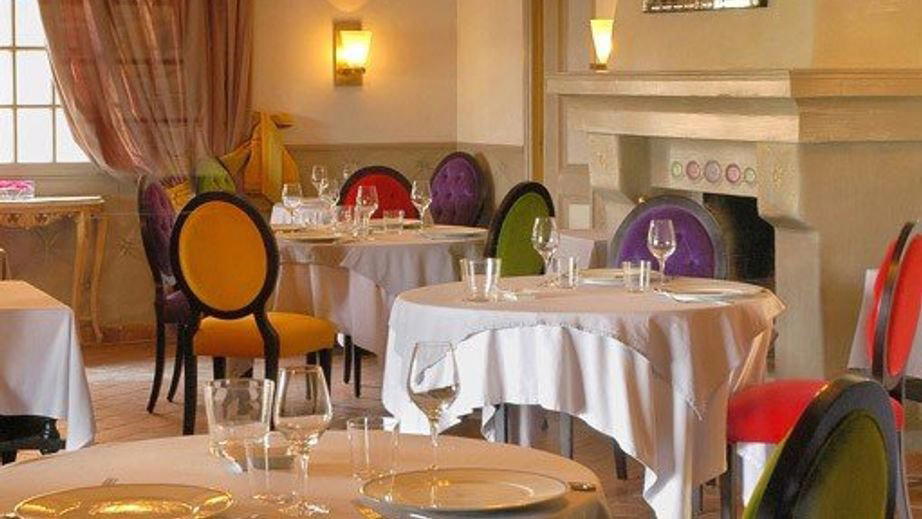
Bars in Speloncato
Browse all →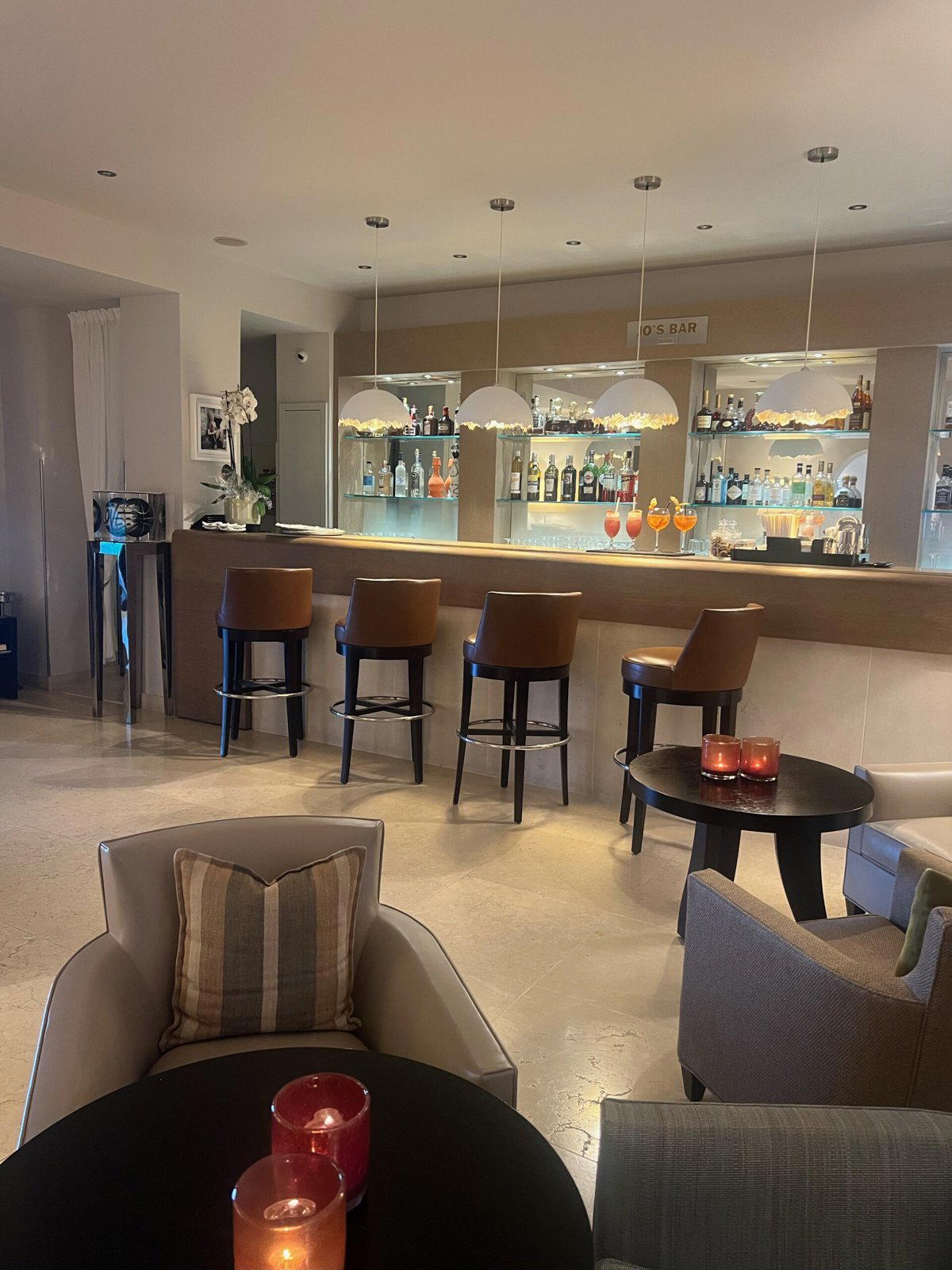
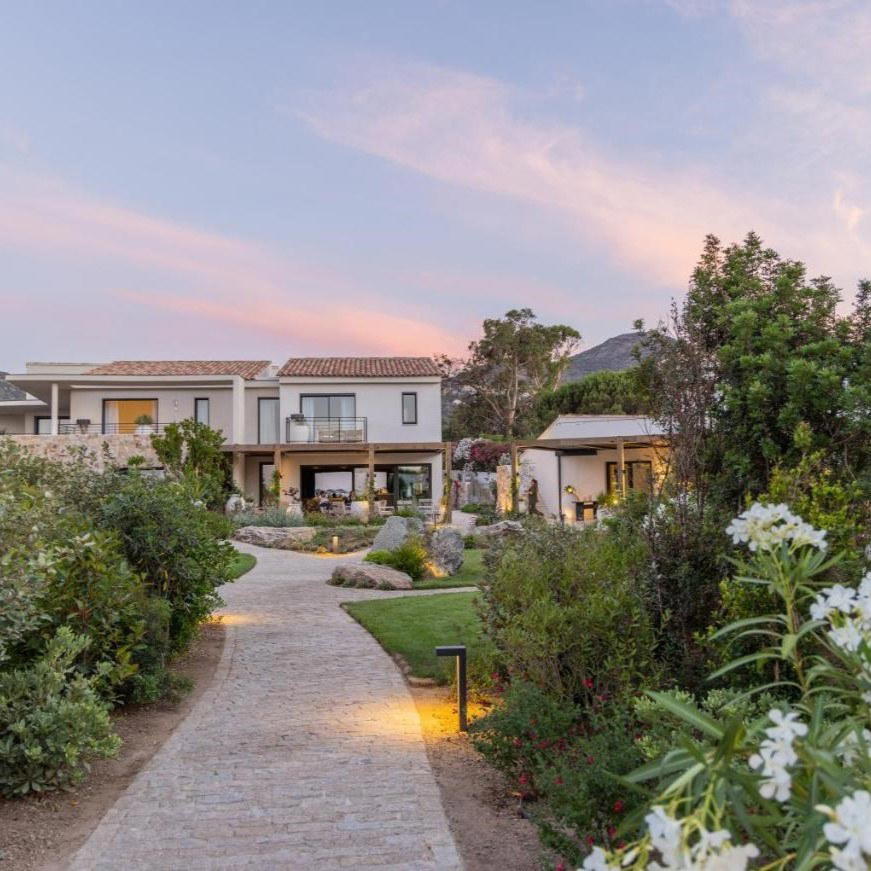
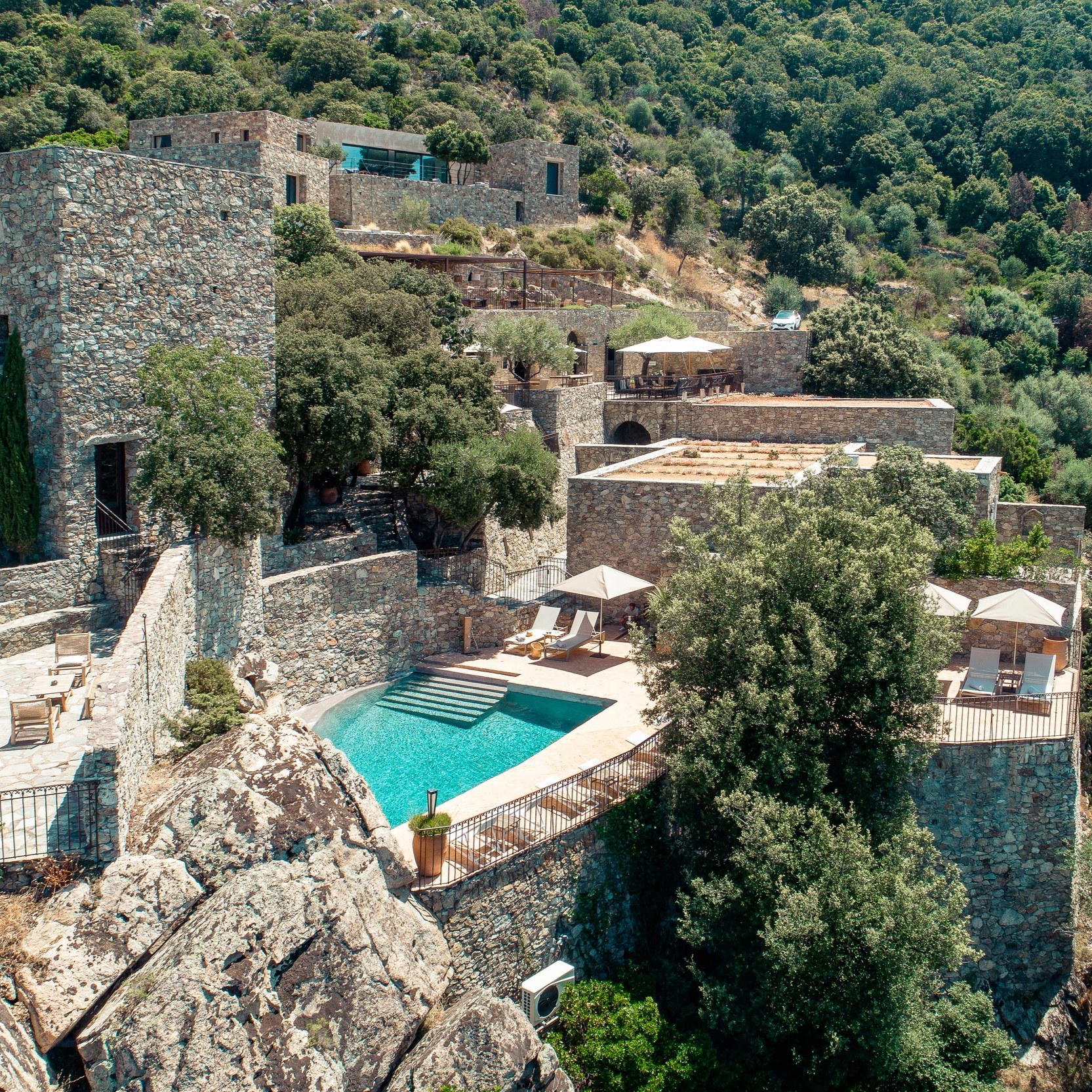
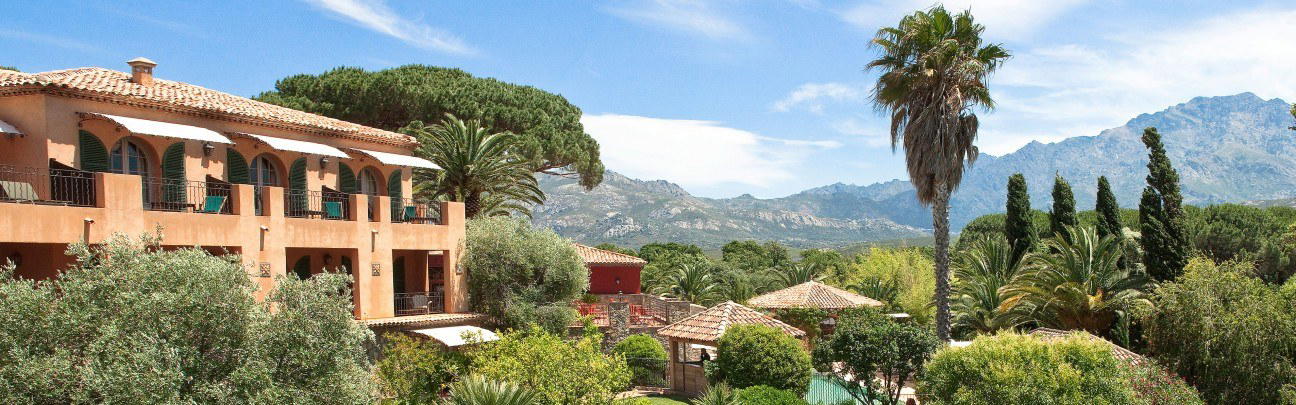
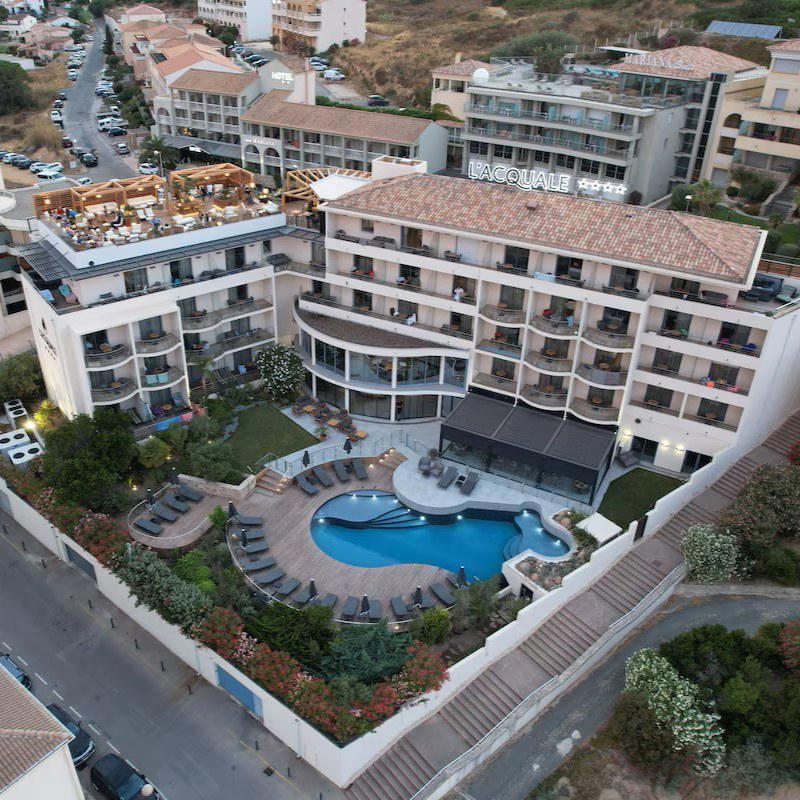
Hotels in Speloncato
Browse all →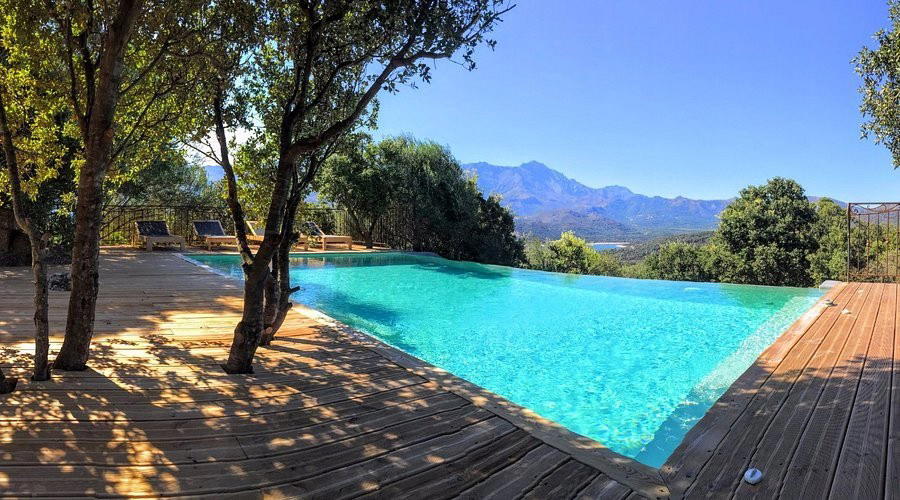
Wineries in Speloncato
Browse all →
Details
- Rustic
- Cozy
- Scenic
- Intimate
- Date Night
- Special Occasion
- Garden
- Terrace
- Historic Building
- Local Sourcing
- Organic
- Garden
- A La Carte
- Vegetarian Friendly
Current opening hours
- Monday
- Closed
- Tuesday
- 7:30–9:30 PM
- Wednesday
- 7:30–9:30 PM
- Thursday
- 7:30–9:30 PM
- Friday
- 7:30–9:30 PM
- Saturday
- 7:30–9:30 PM
- Sunday
- 7:30–9:30 PM
Hours can change for holidays and private events. Last verified .
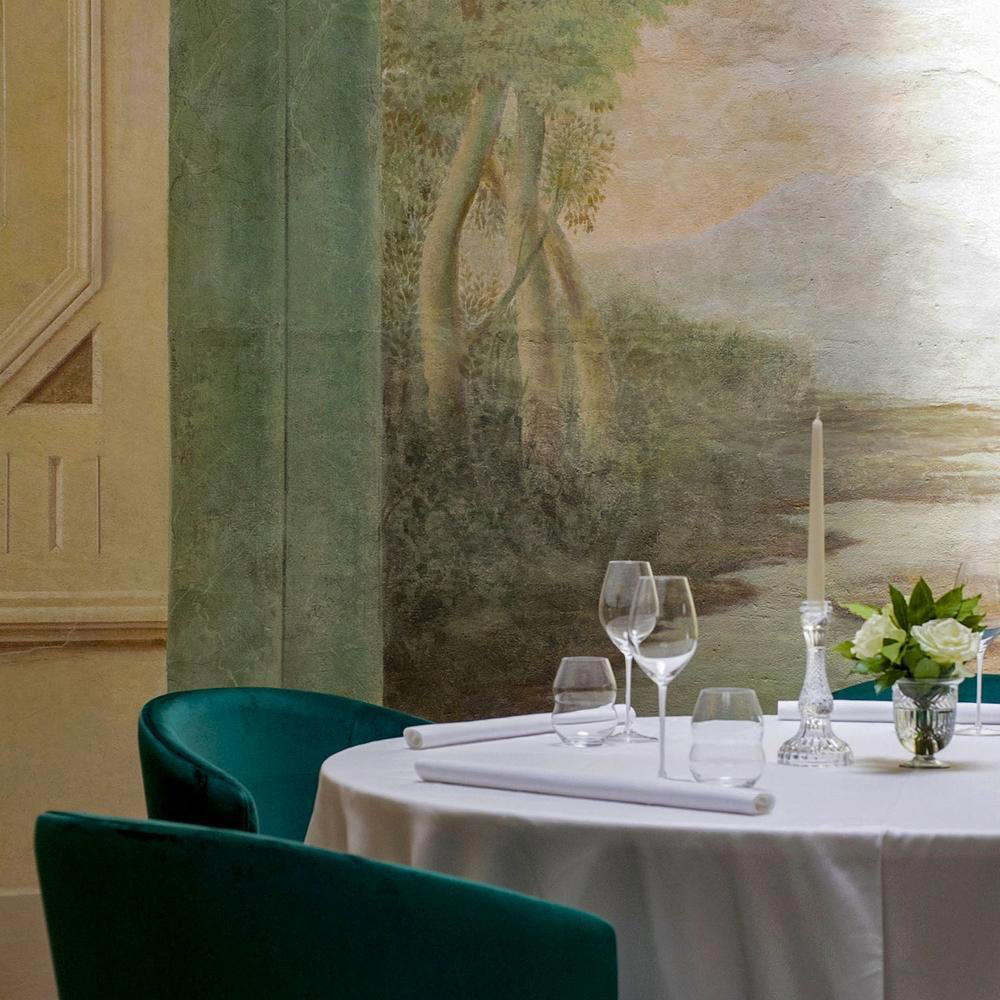
Dreamy decor with wood-burning stove, intimate tables, covered terrace, and bucolic garden evoking a guinguette vibe.